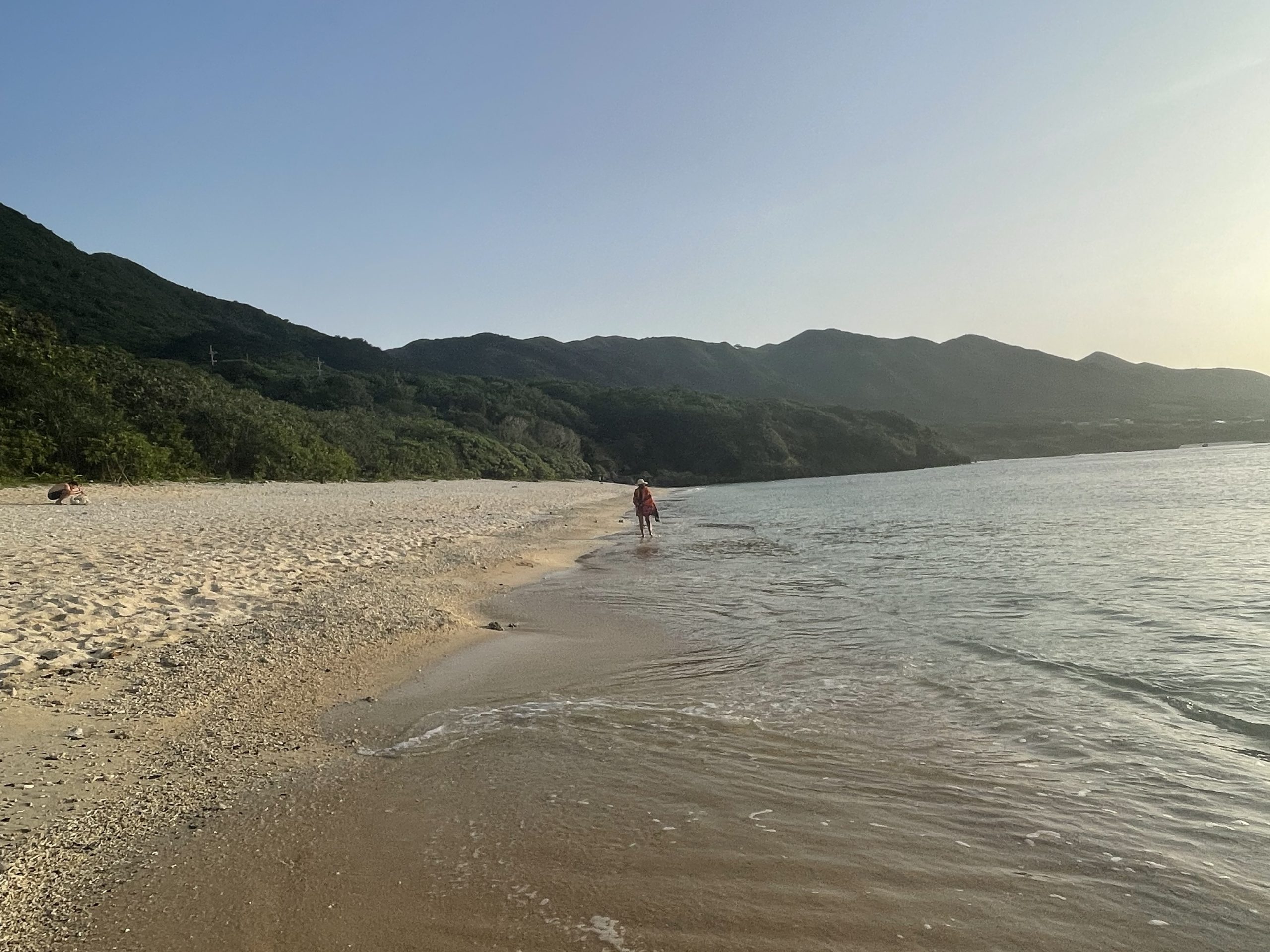
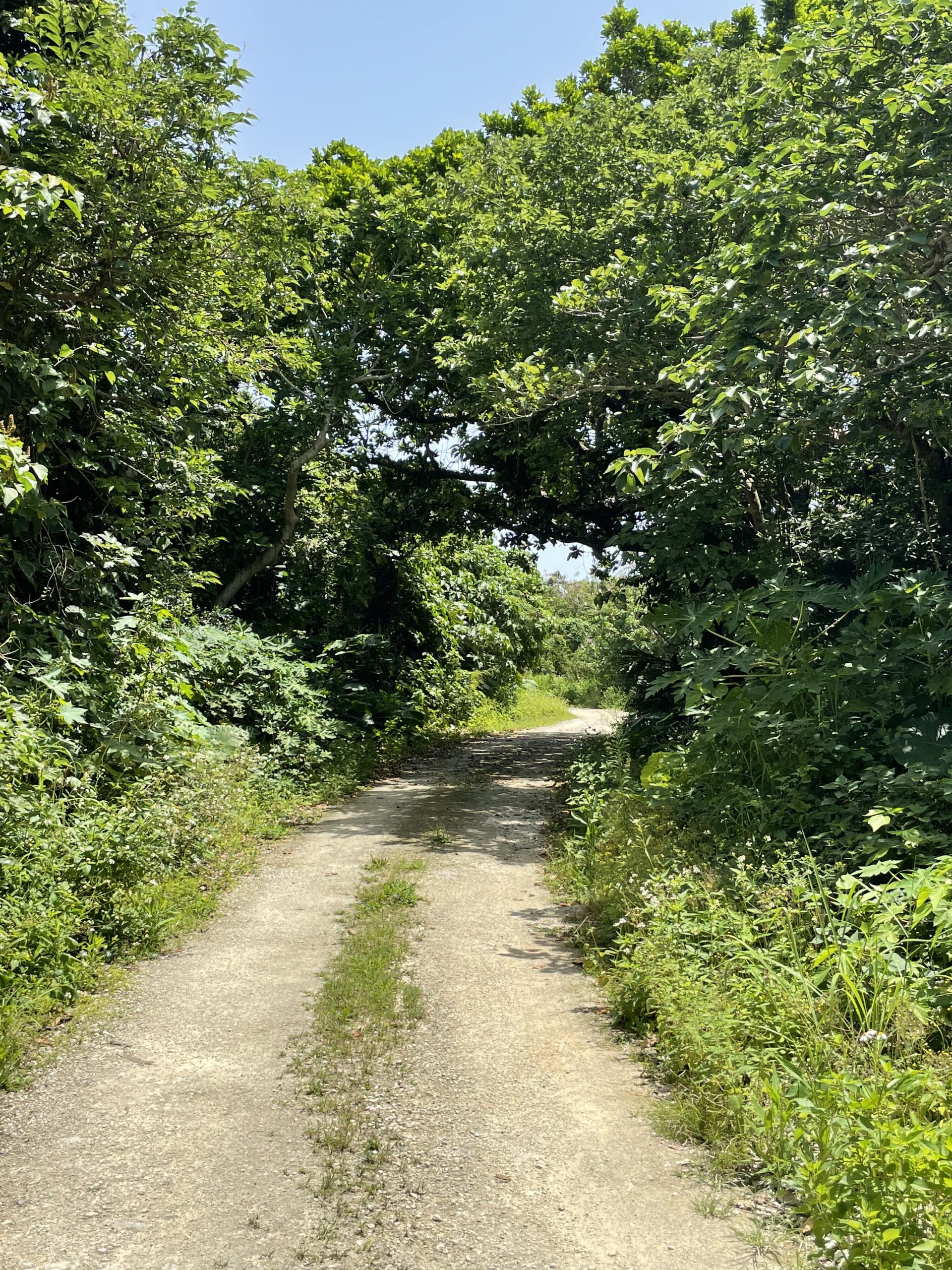
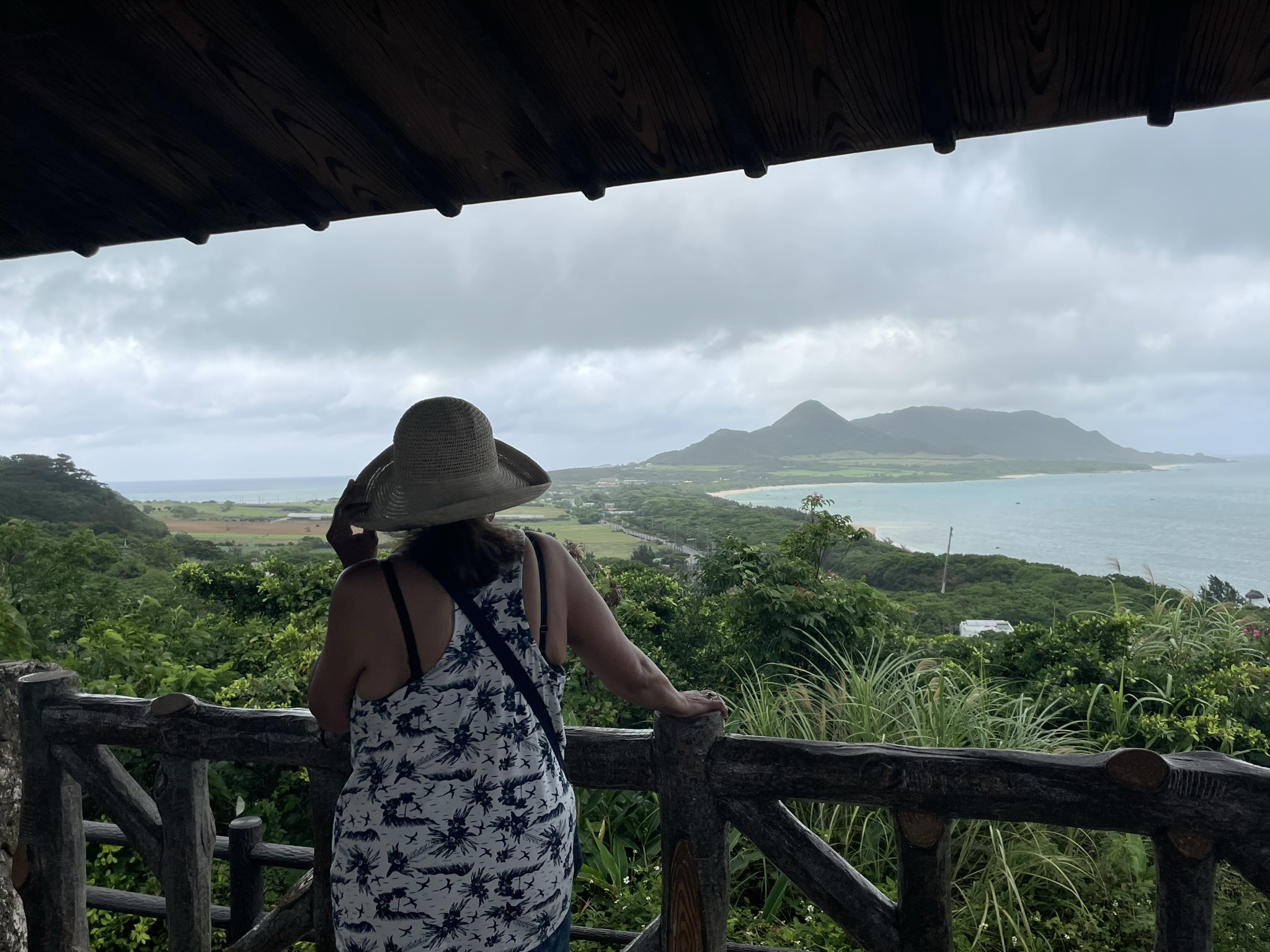
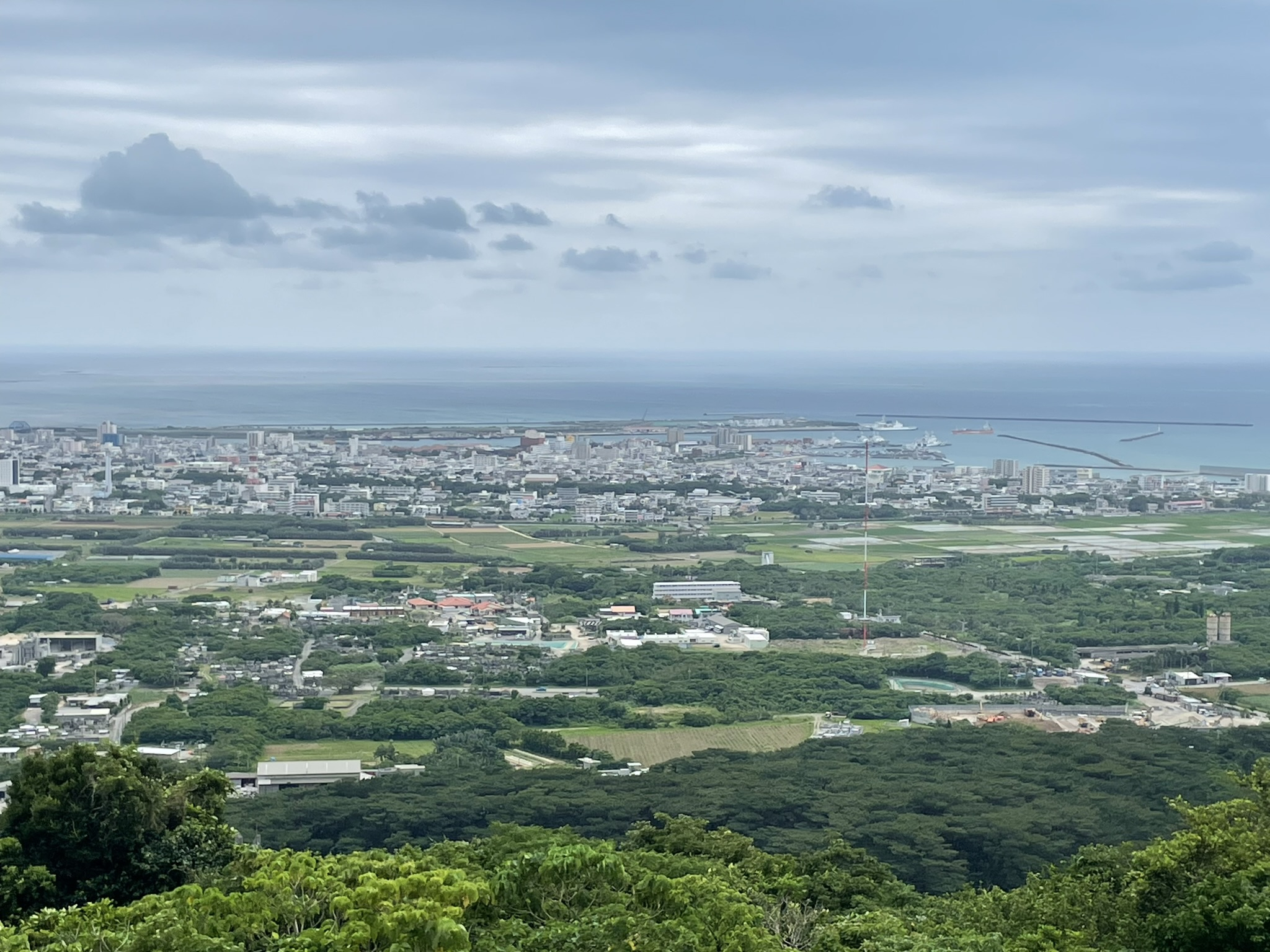
 Harry Belafonte just passed away (Good innings, well played Sir) so the title of this post came to mind. We wanted to experience the real, natural Okinawa, so here we are, arriving at Ishigakijima (jima = island). Just a puddle jump from Okinawa Island, and 2.5 hours from Tokyo, but a world away. There’s a town here, Ishigaki City, with nightlife and supermarkets, but that’s about it for major infrastructure. The small airport is off on its own and, after an easy rental car pickup, we’re off on a Siri special through the rural countryside on small roads that wouldn’t be out of place in Connemara in Ireland. A storm just went through, so there’s standing water and debris all over the road, it’s the usual “we just got here, what the hell is going on” syndrome. It’s likely all just in our heads, but arrival day always seems to have its own disconnected vibe.
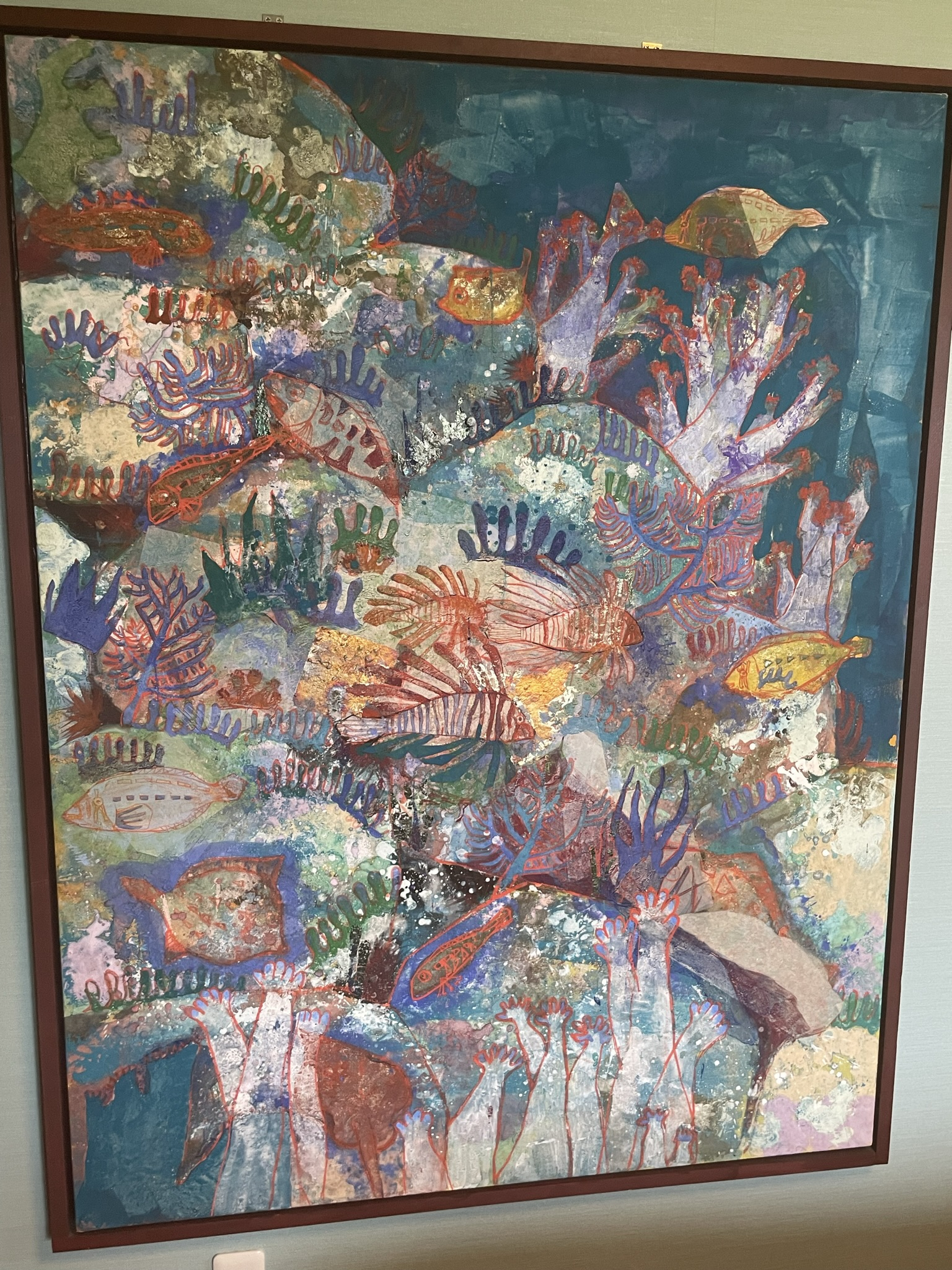
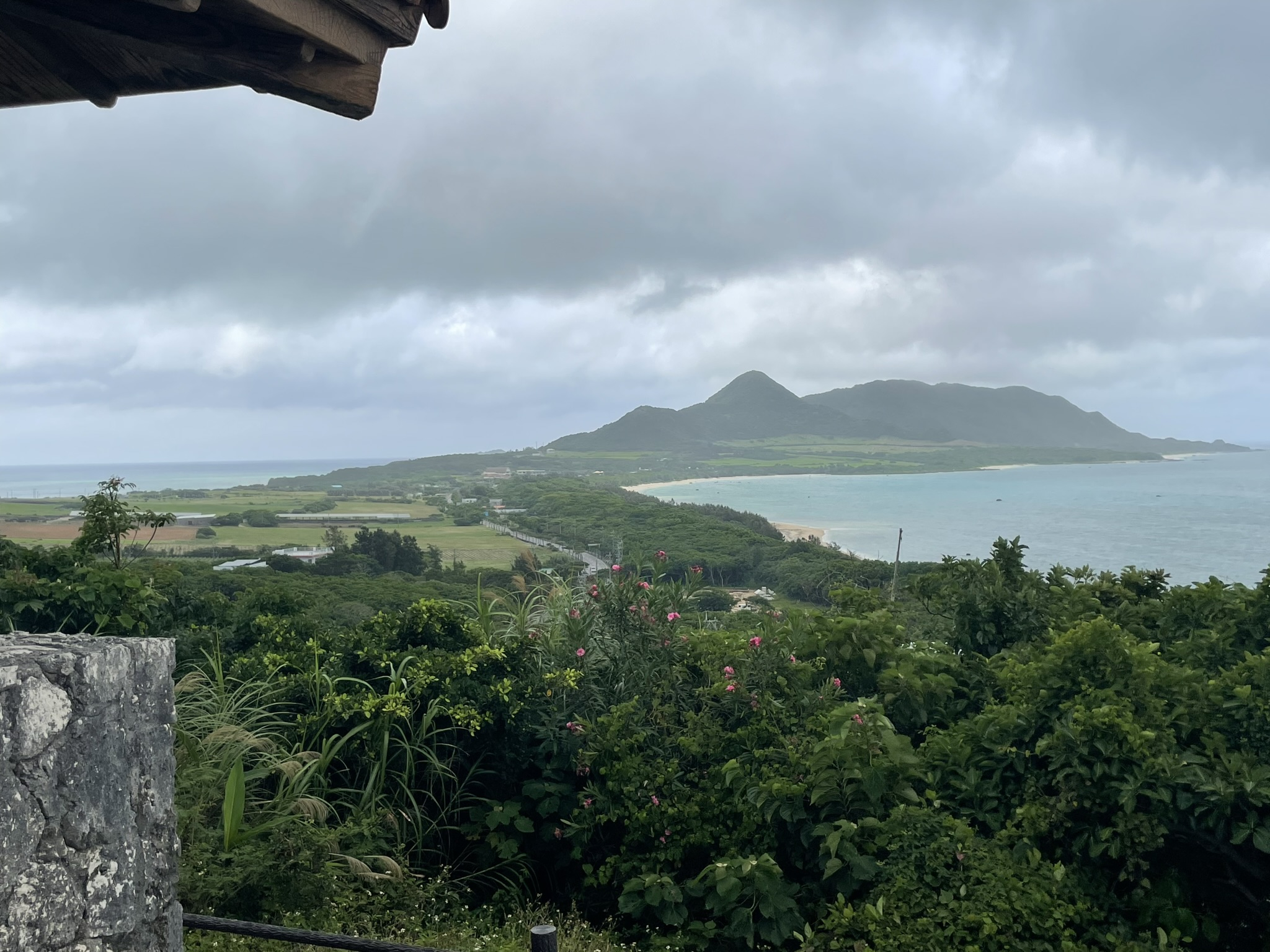
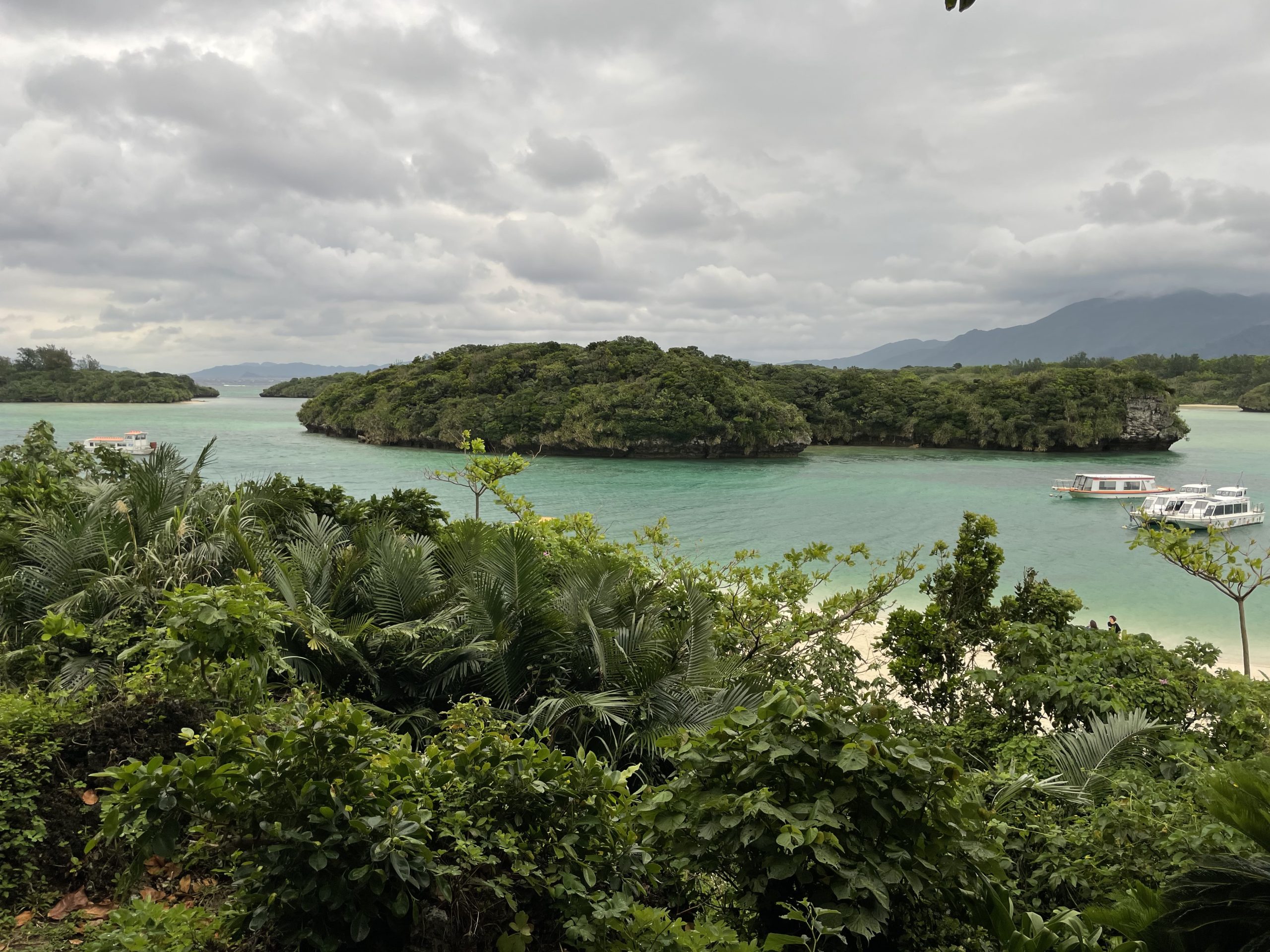 We’re staying on the North Central coast near Kabira Bay at the “Villa de Artiste”, sounds pretentious, but that’s exactly what it is, an artist’s house. During this trip, we’ve been staying in typically small Japanese apartments, with the occasional treat at a ryokan, but this is the first and only house. Ocean view in the middle distance, green mountains behind, agriculture between us and the sea. Two stories, with a deck, a real kitchen and art: Large, colorful fish oil pieces, smaller stuff in watercolor, and a multitude of eccentric, graphic instructions and tourist advisories made by the artist in question. Seriously quirky, like some high-end rental on the Oregon Coast.
 There’s not much retail around, but there is a tiny grocery right by us with a few bit and pieces including beer and a small variety of hyper local produce. The place is run by a (great great?) grandma, about 4’9” tall, hunched over, with a stratospherically high voice, who appears to be preparing her dinner in a 100-year-old kitchen while also serving the customers. Welcome to Ishigakijima! We give her as much business as we can and drive over to Kabira Bay to try and find, successfully as it happens, some dinner. Scuba diving is world class here, so there’s money involved, but nothing is flashy, and there are some great, reasonably priced, foodie restaurants that need a reservation.
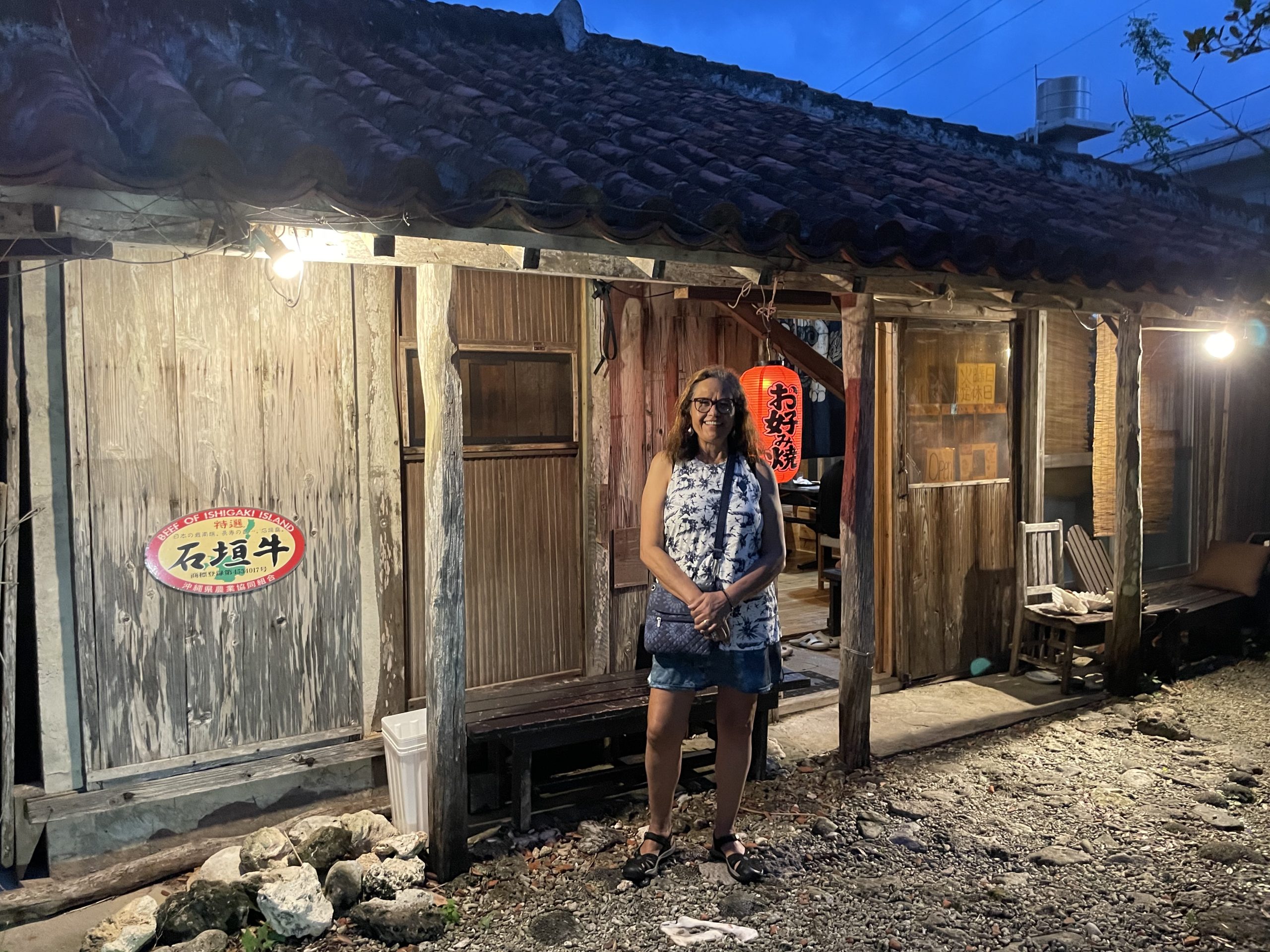
 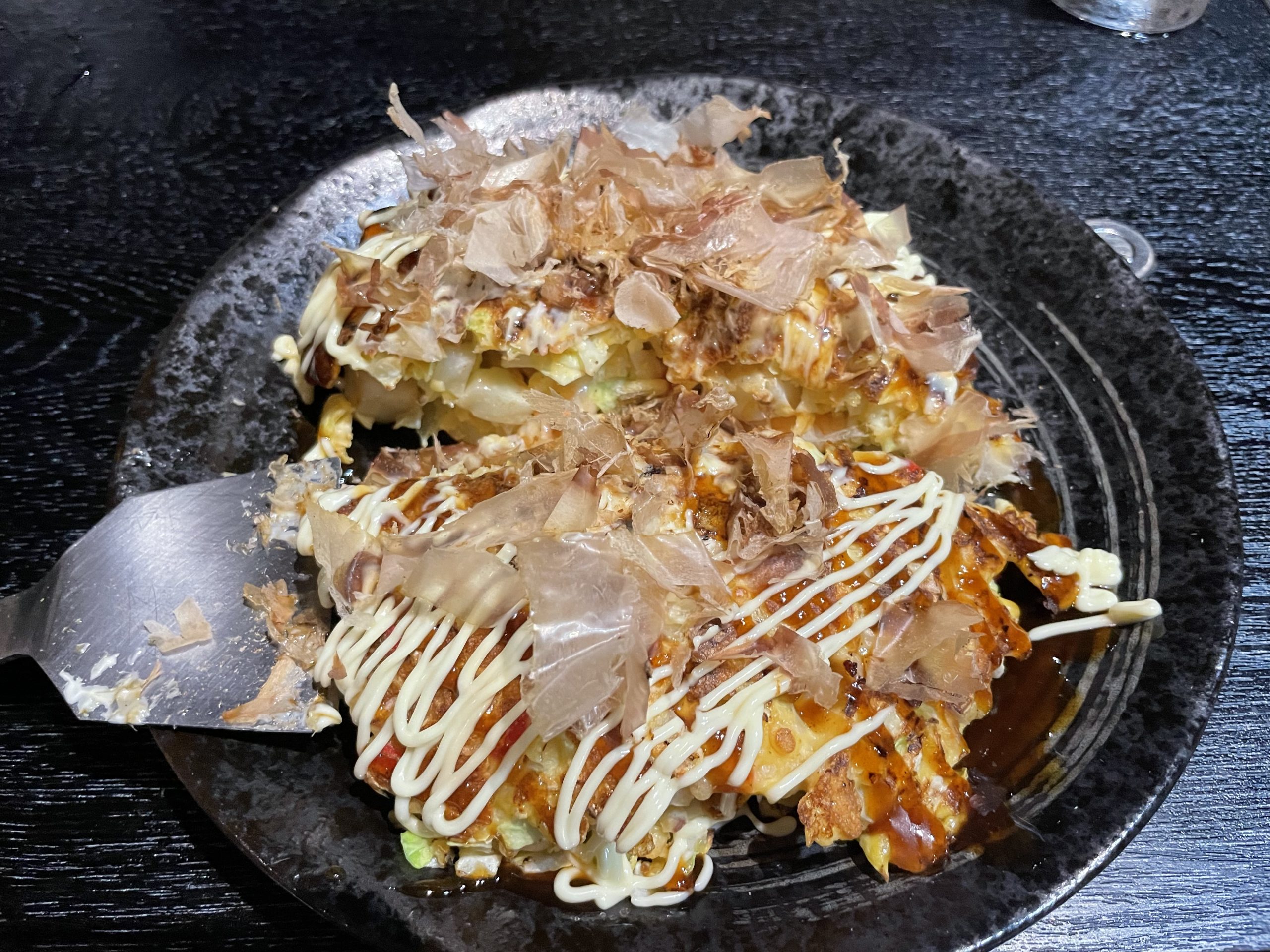 We didn’t have one tonight, but there are also a few casual places doing local soba and okonomiyaki (savory pancakes), so all is good.
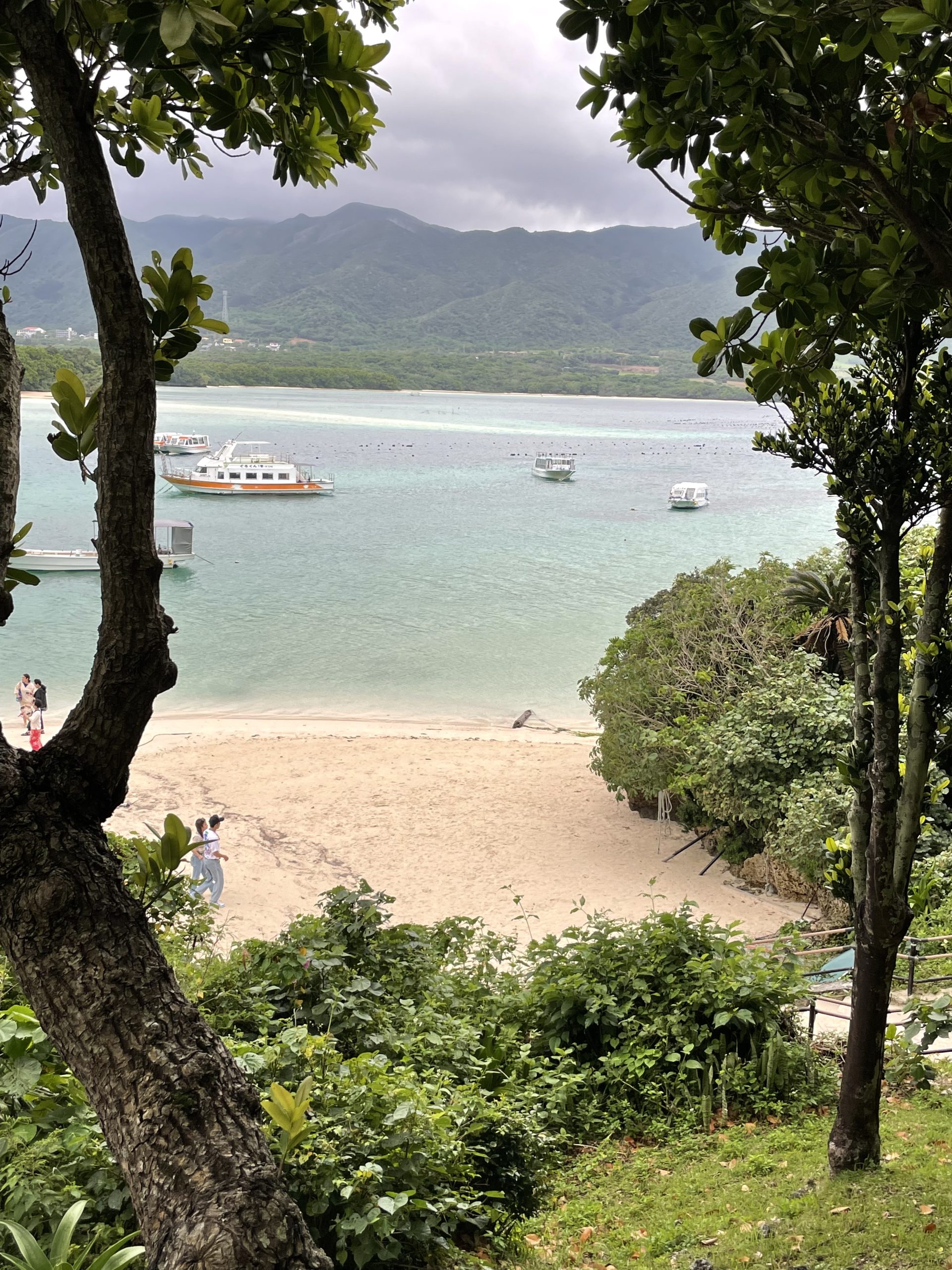
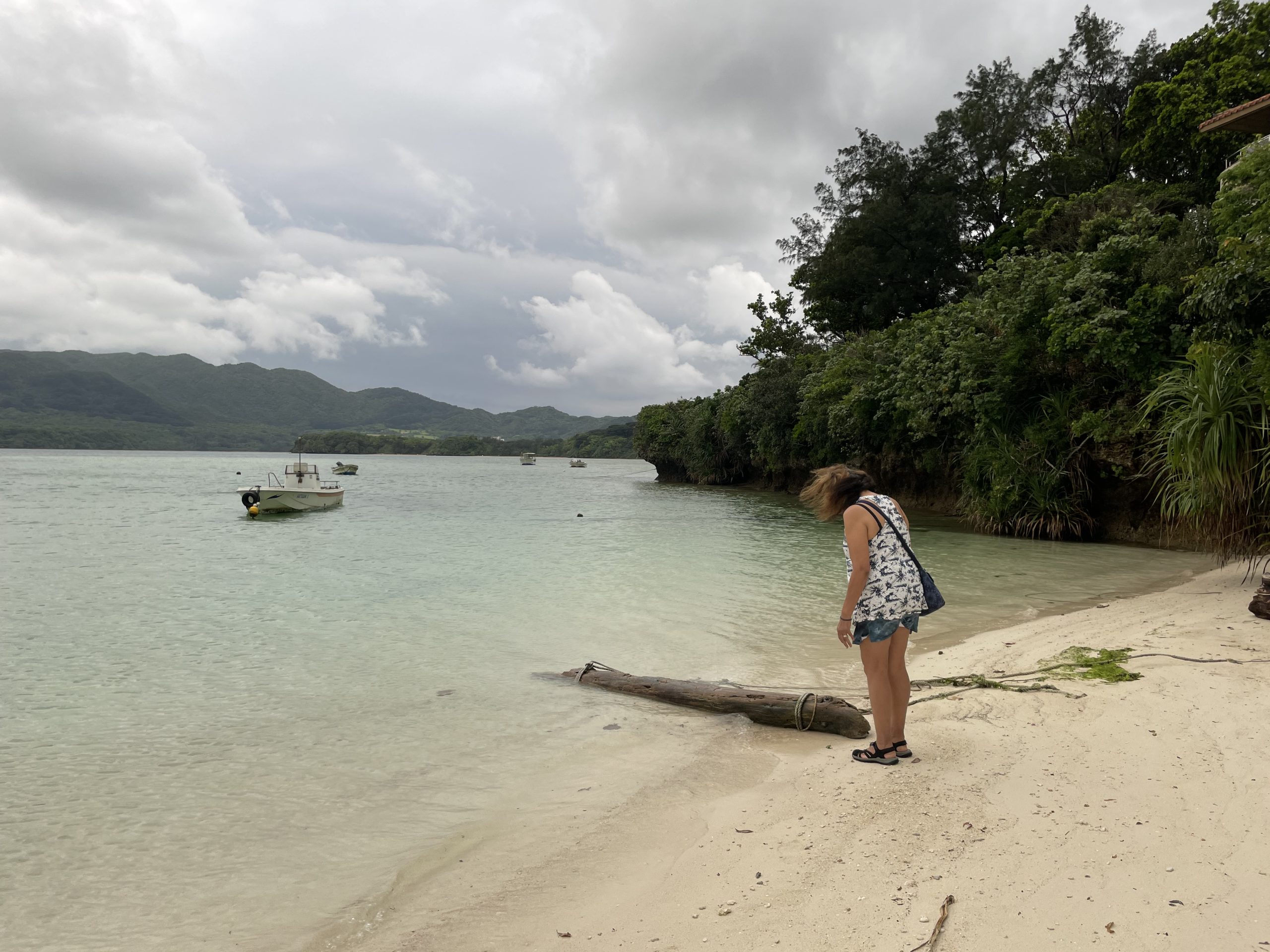
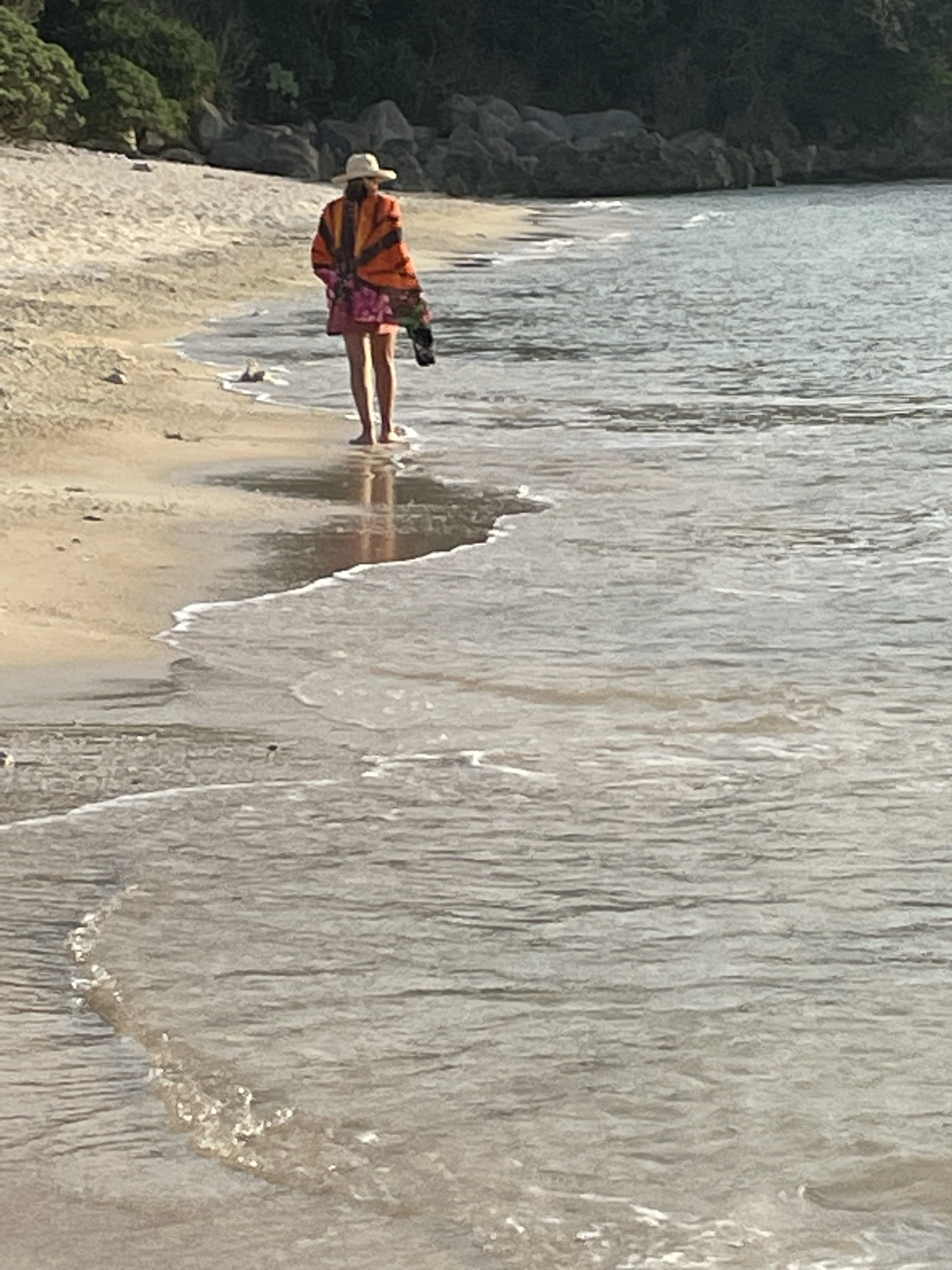
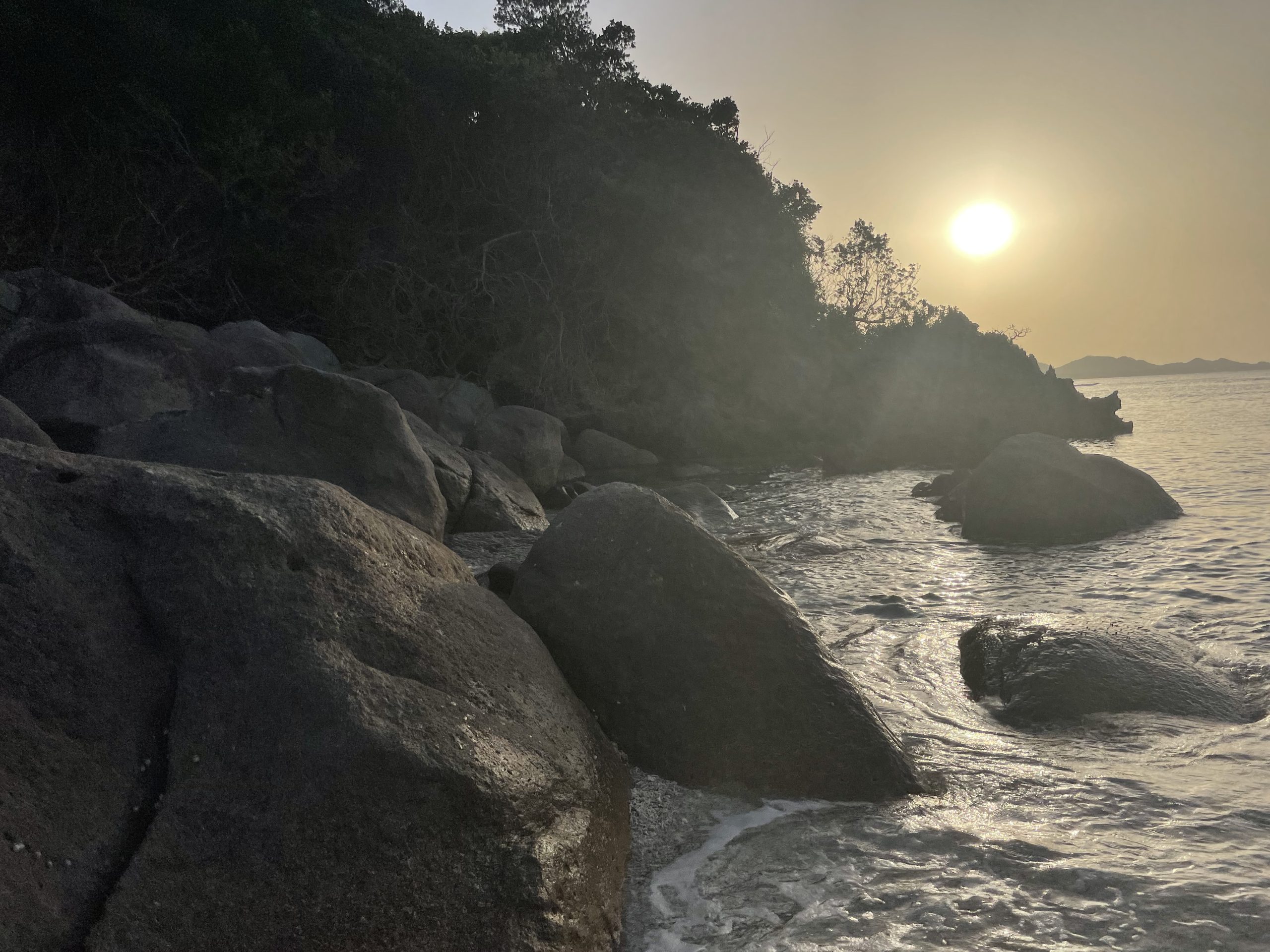
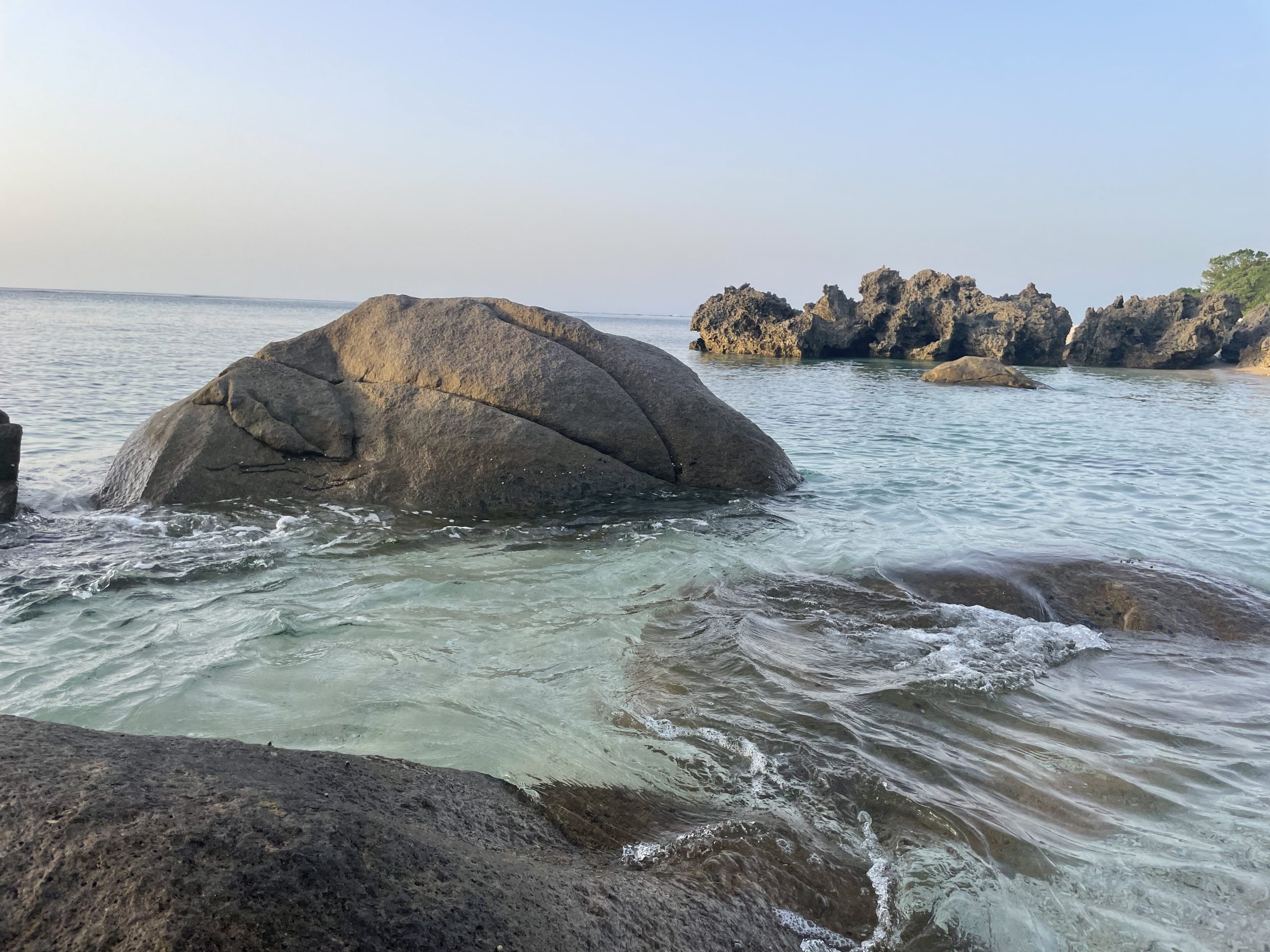
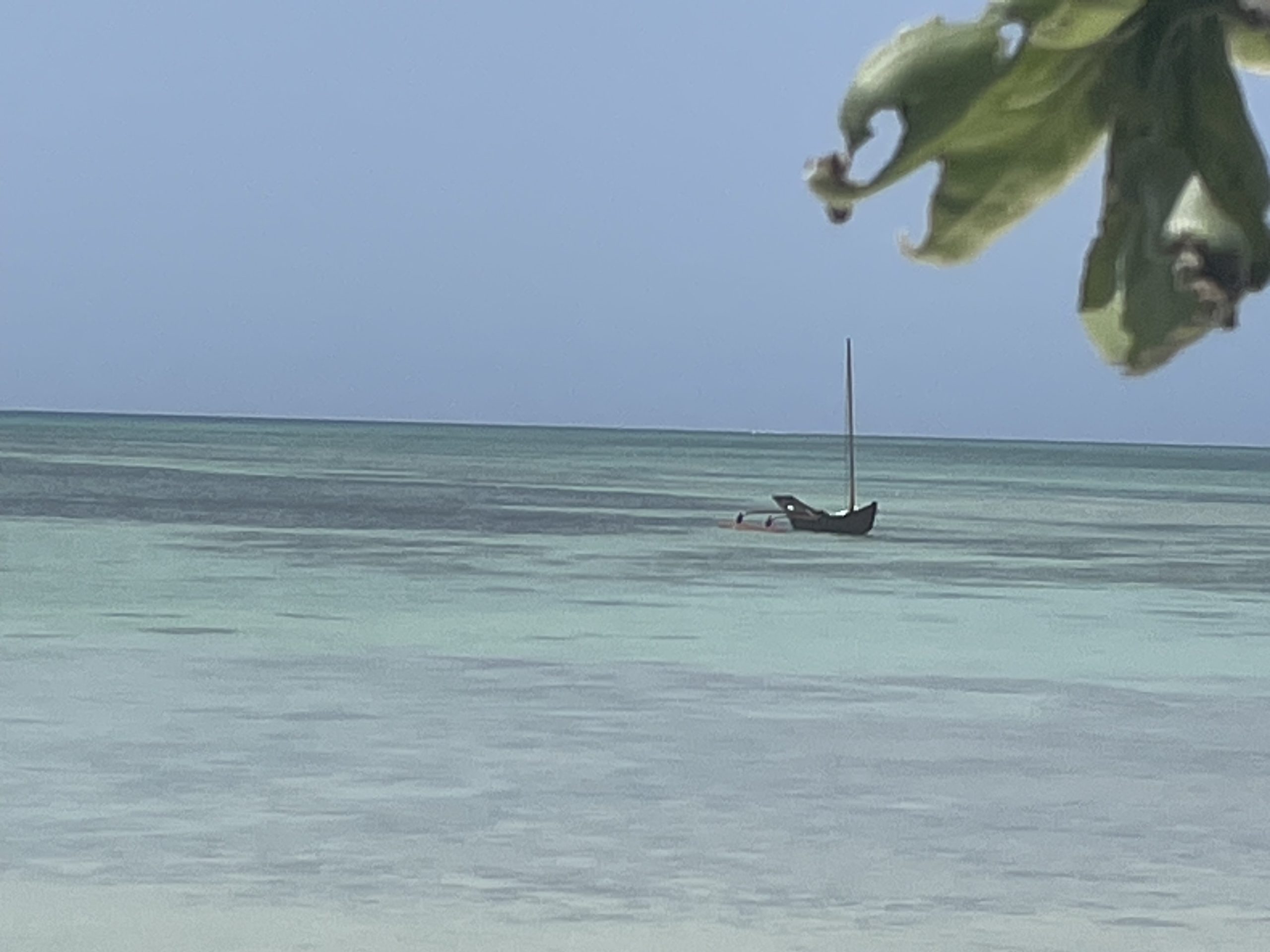
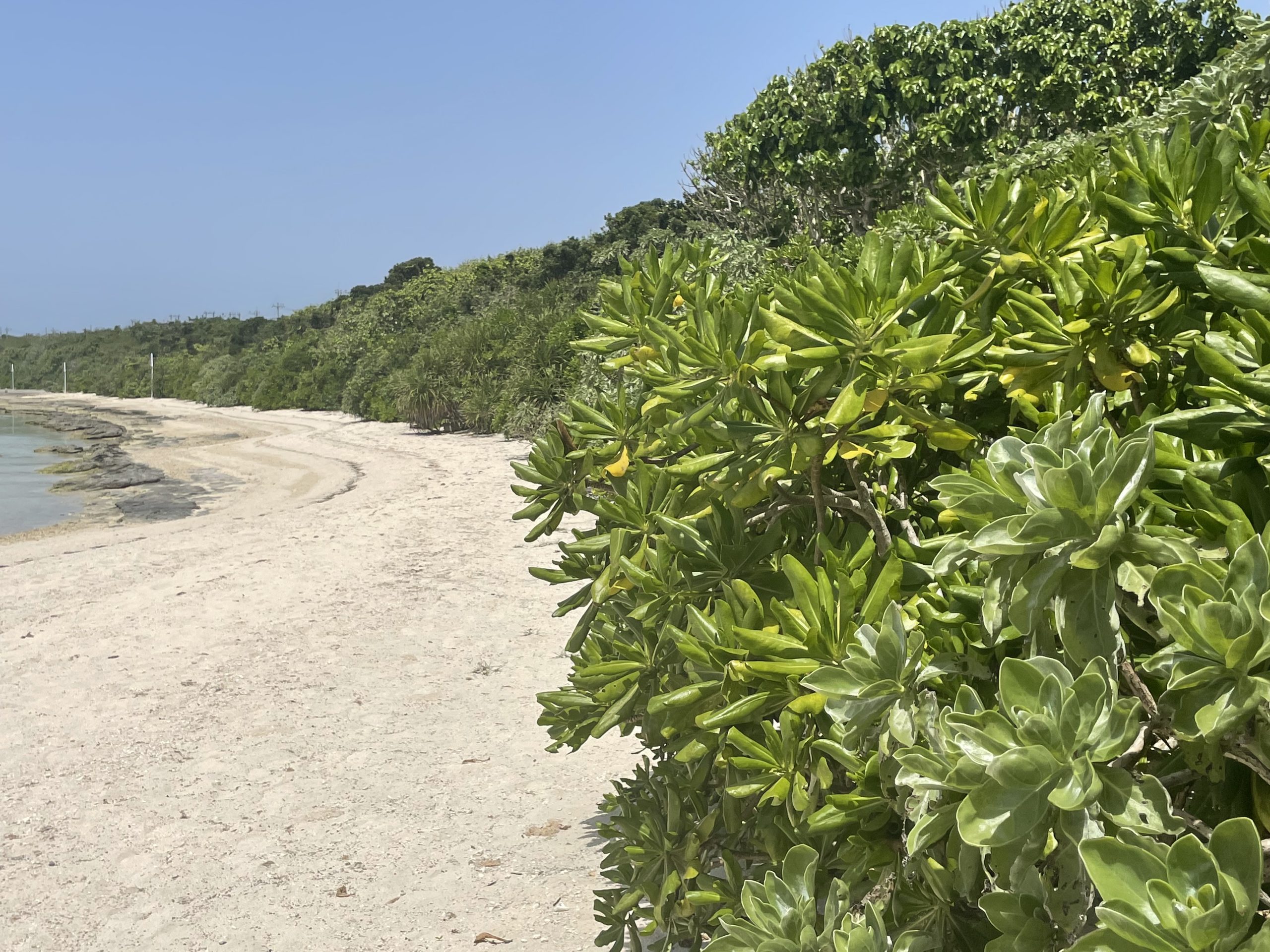
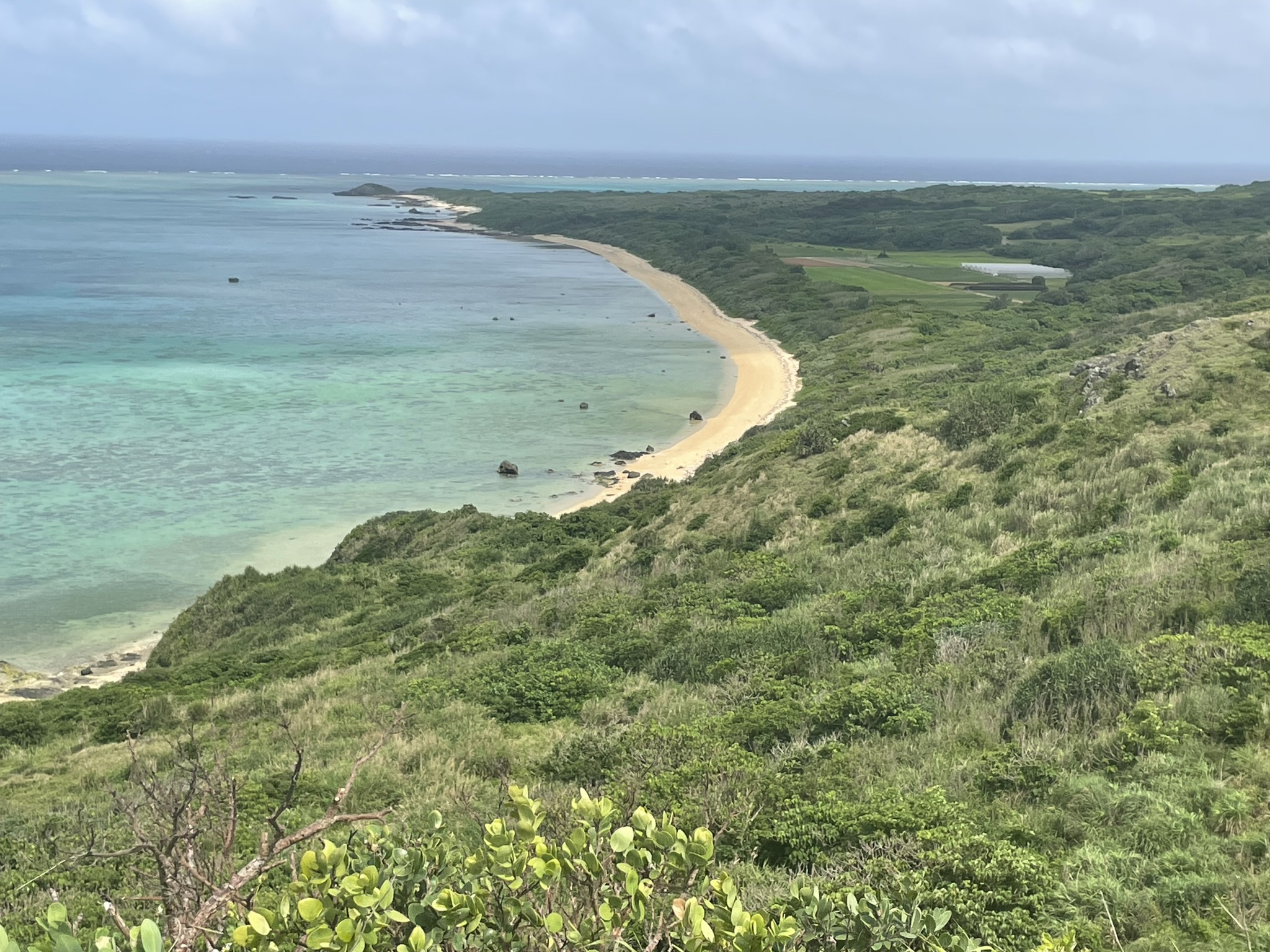
We check out the scenic beaches at Kabira Bay and Yonehara, as it’s part of what we came to Okinawa for, and they are both beautiful, the former a pearl farming area dotted with small, green islets backed by mountains and jungle, and the latter a classic, unspoiled tropical island beach. Ishigakijima, and the other islands nearby, are called the Yaeyamas and they’re all surrounded by coral reefs, however, the active reef can be several hundred feet offshore, so access for snorkeling really requires a boat, plus the water has not warmed up to Summer standards yet. In short, we didn’t snorkel, but we did get in the water!
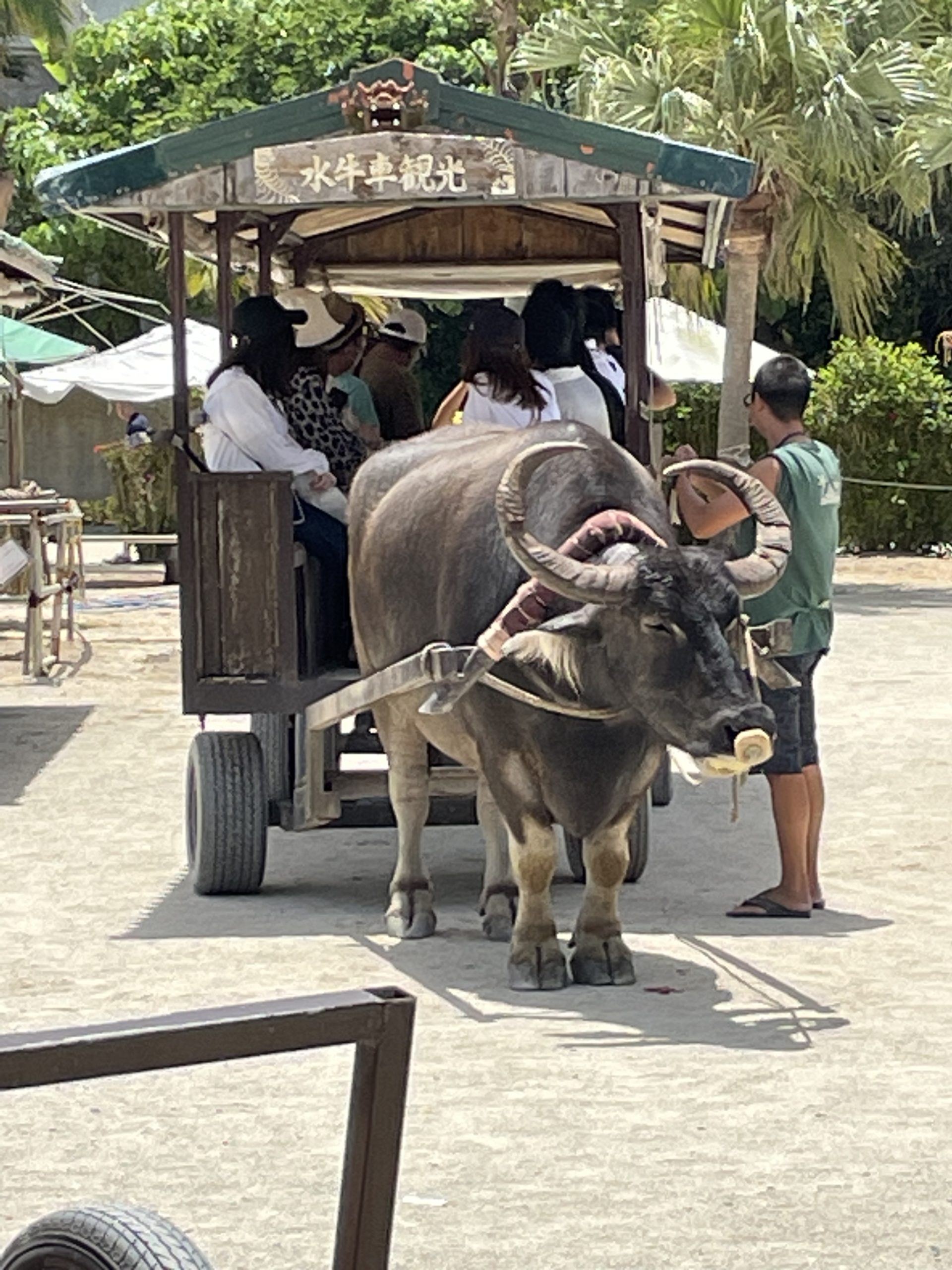
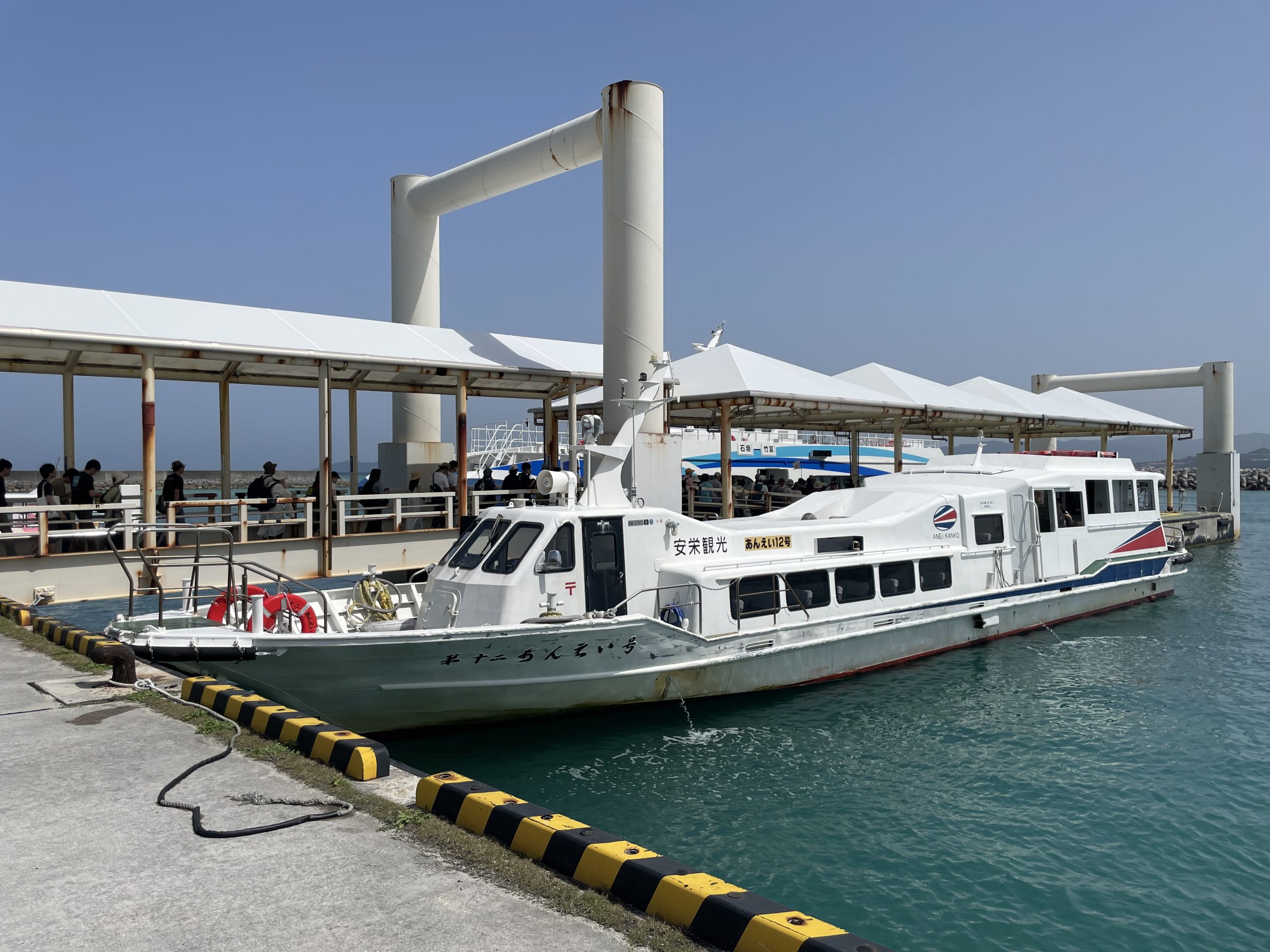
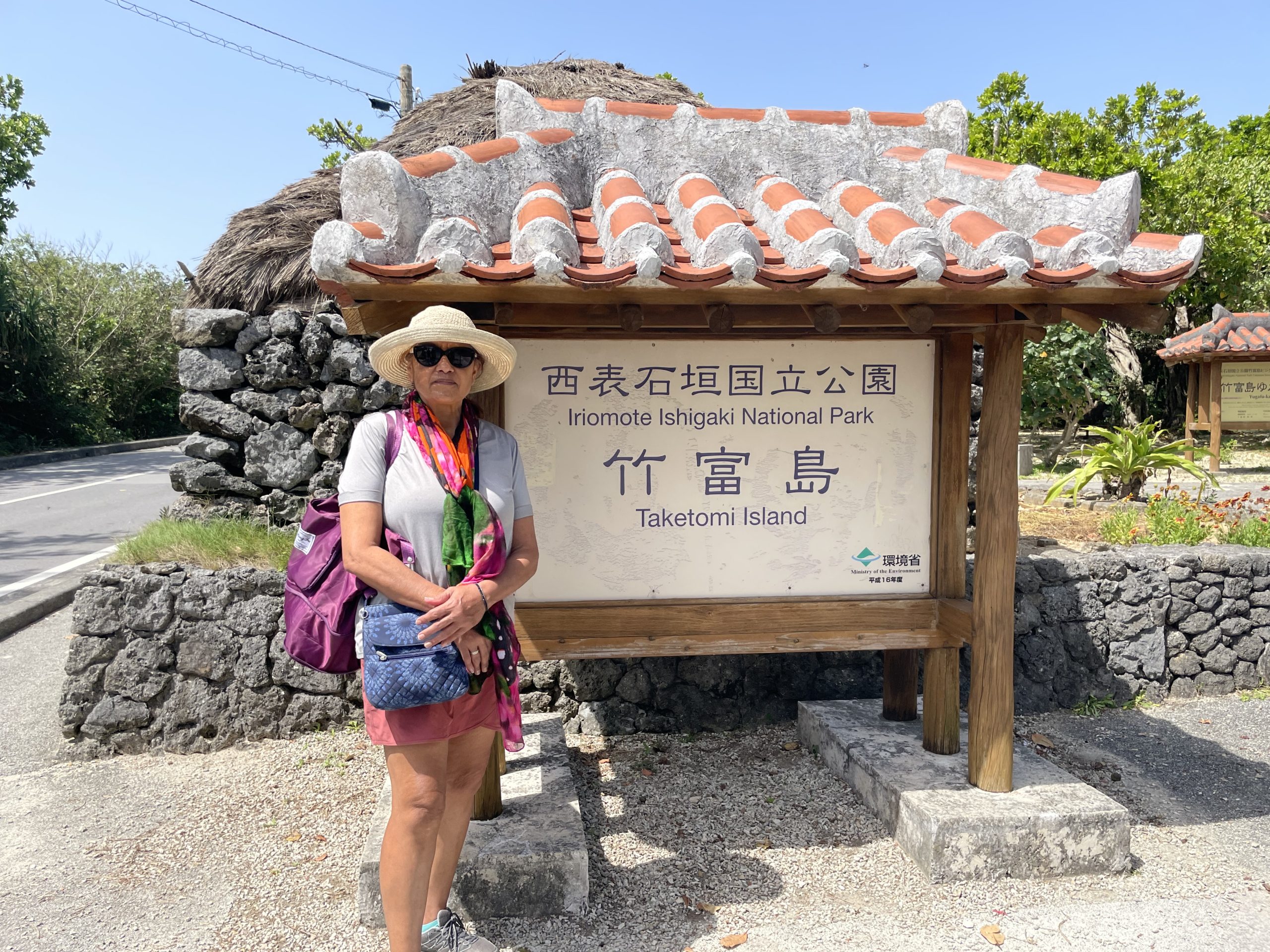
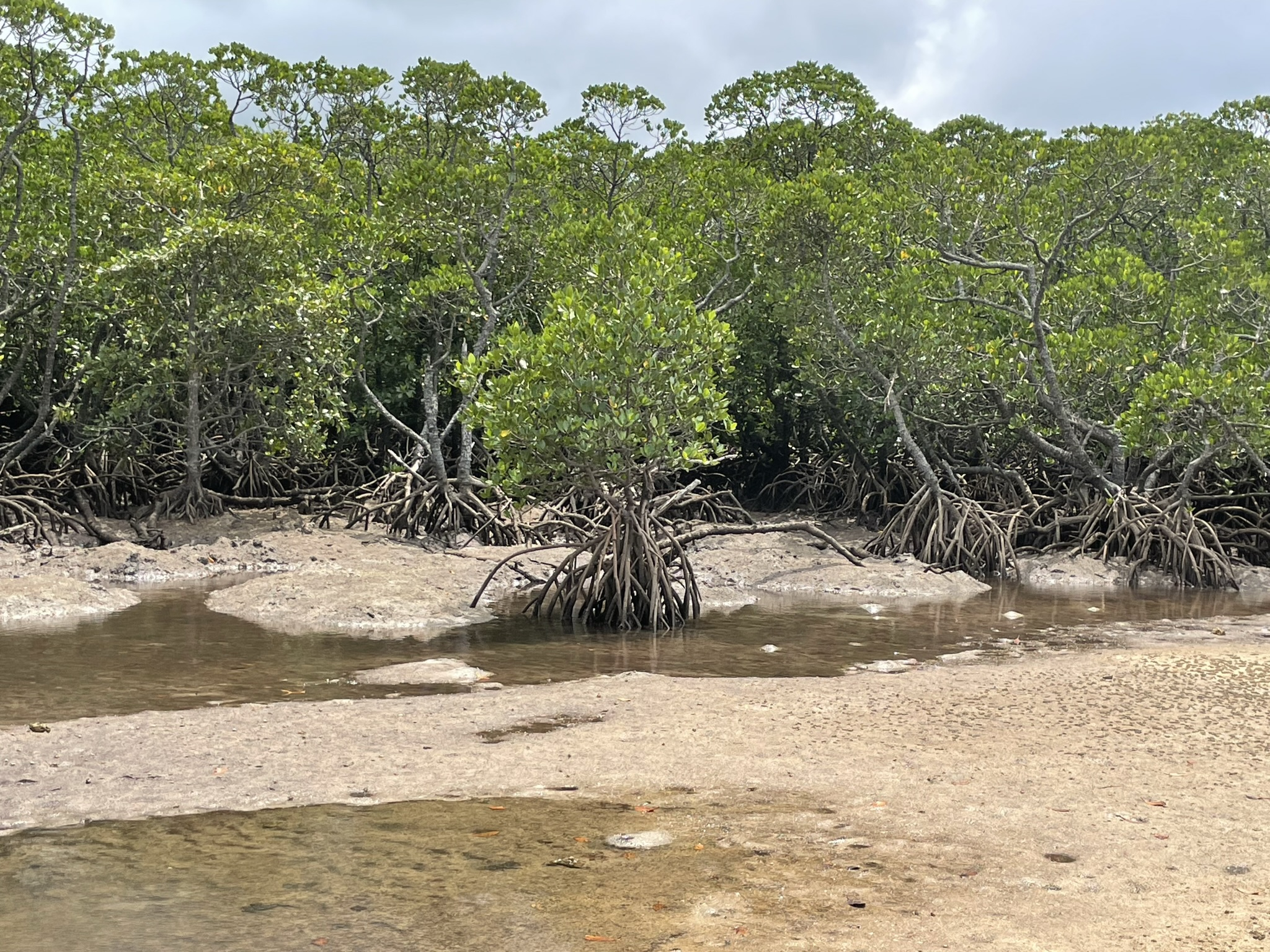
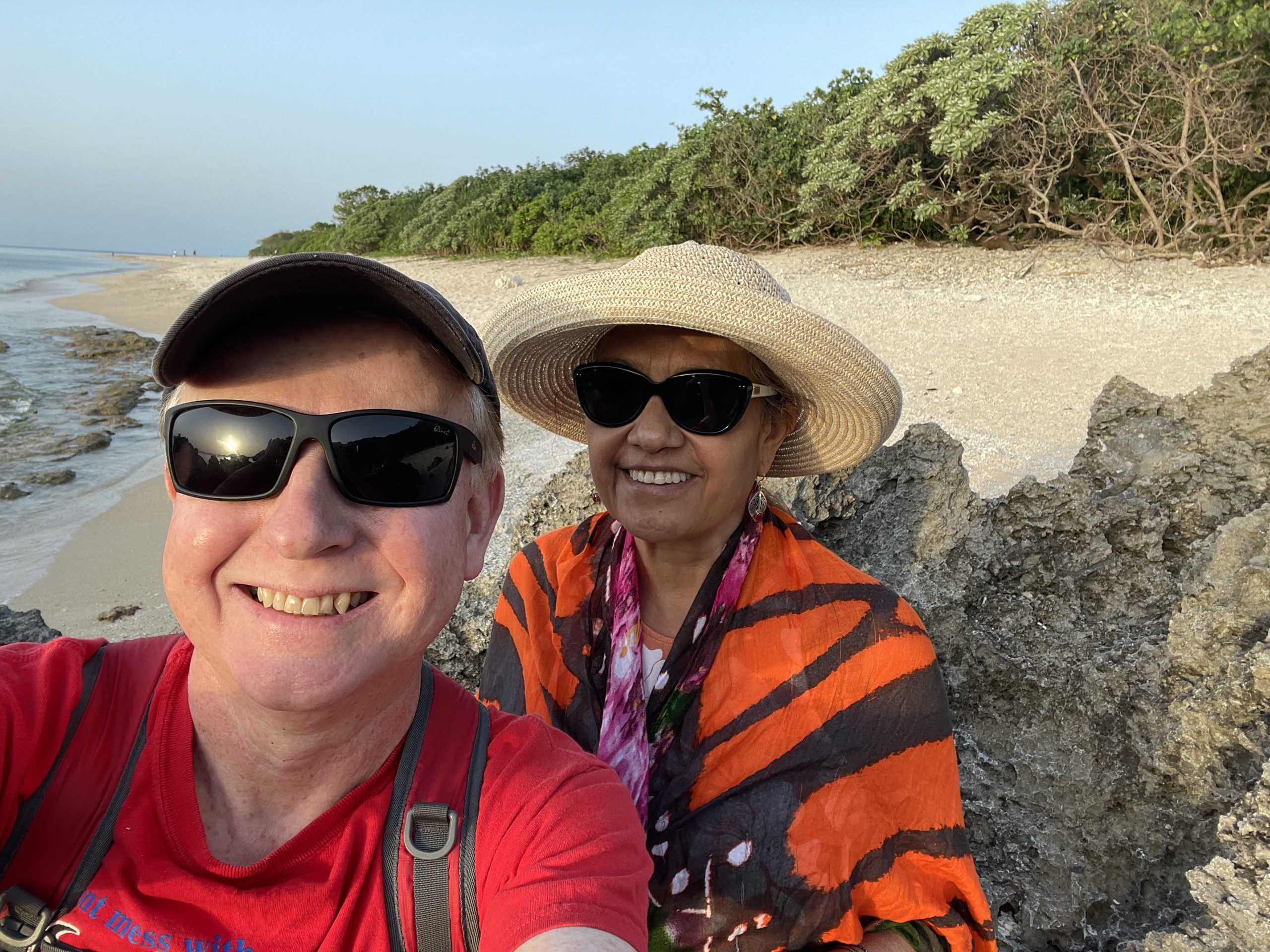 Still, there’s more to Ishigakijima than beaches as, at least, two other islands are within easy ferry reach, and more if you want to get adventurous. We’re going to visit Taketomjima and Iriemotejima, both very different from each other, with the first being tiny, laid-back, traditional and designed for hanging out, the second being large, wild and set up for kayaking and trekking (hiking/rambling). Taketomi is up first, only 15 minutes by ferry and, aside from its idyllic beaches, is distinguished by the traditional eponymous village at its center. The old Southern Empire associated with China, and separate from Japan for 400 years, was called Ryukyu, and the village is a fine example of what life would have been like during that time, albeit updated, for modern living.
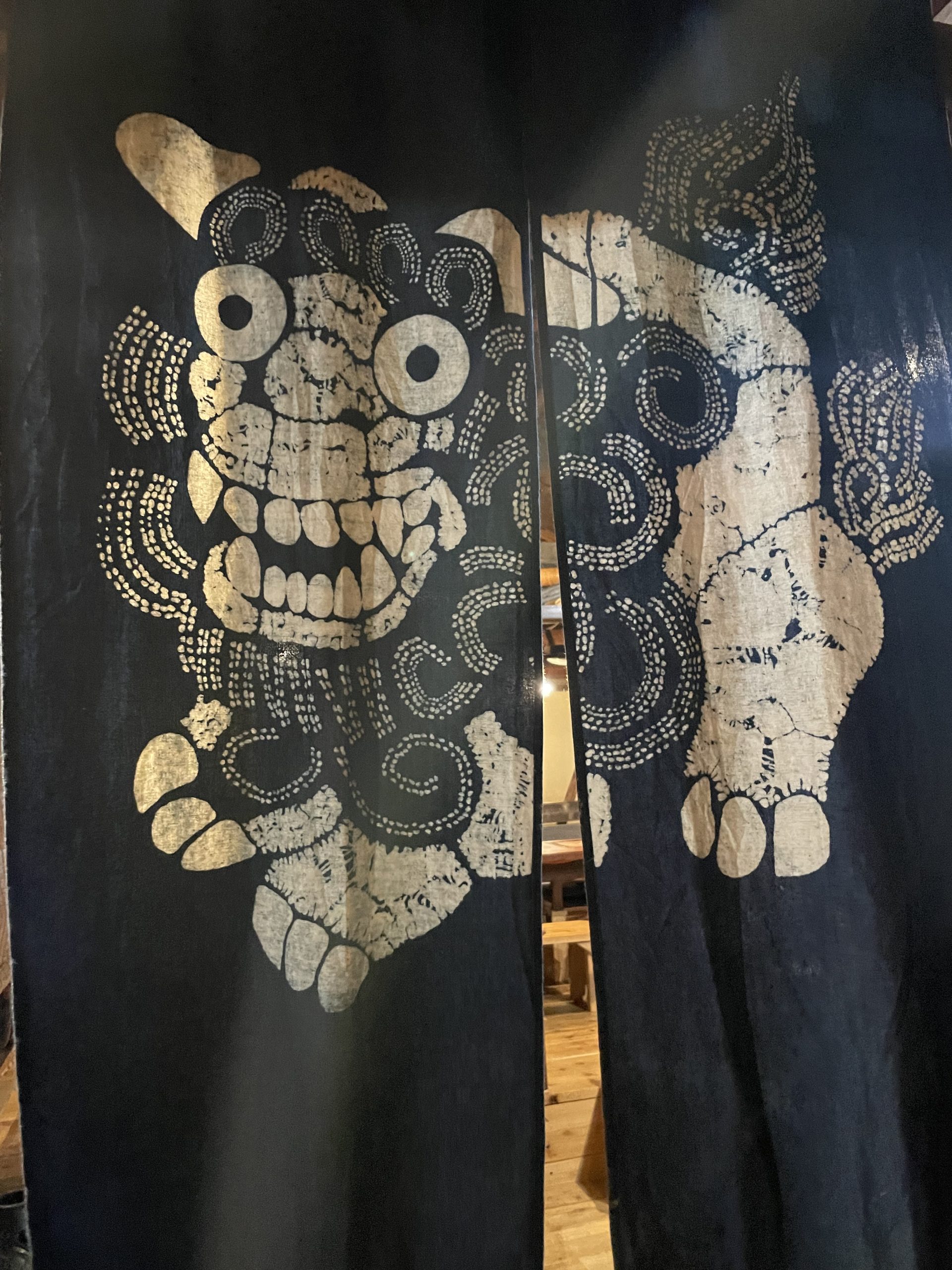
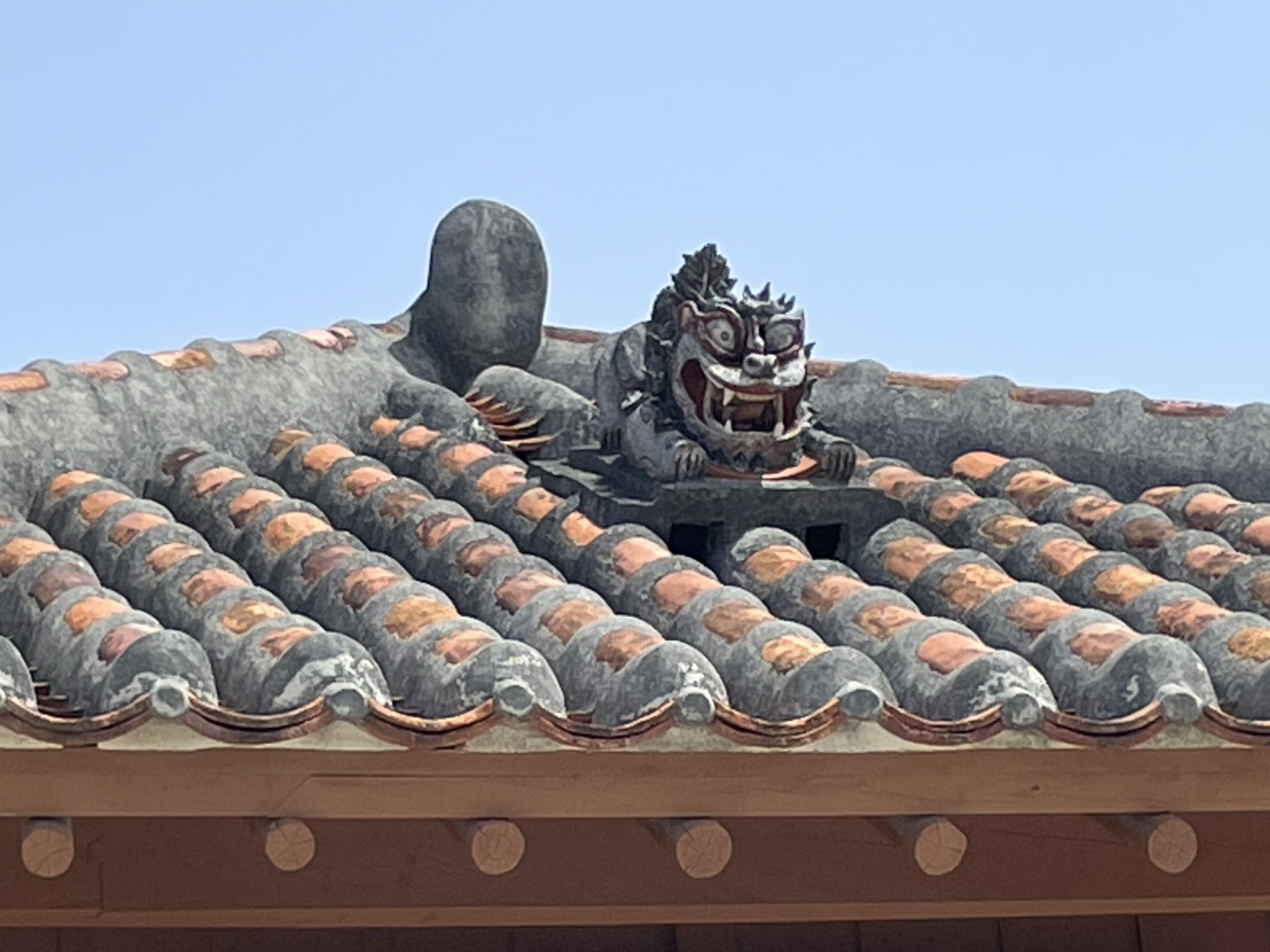
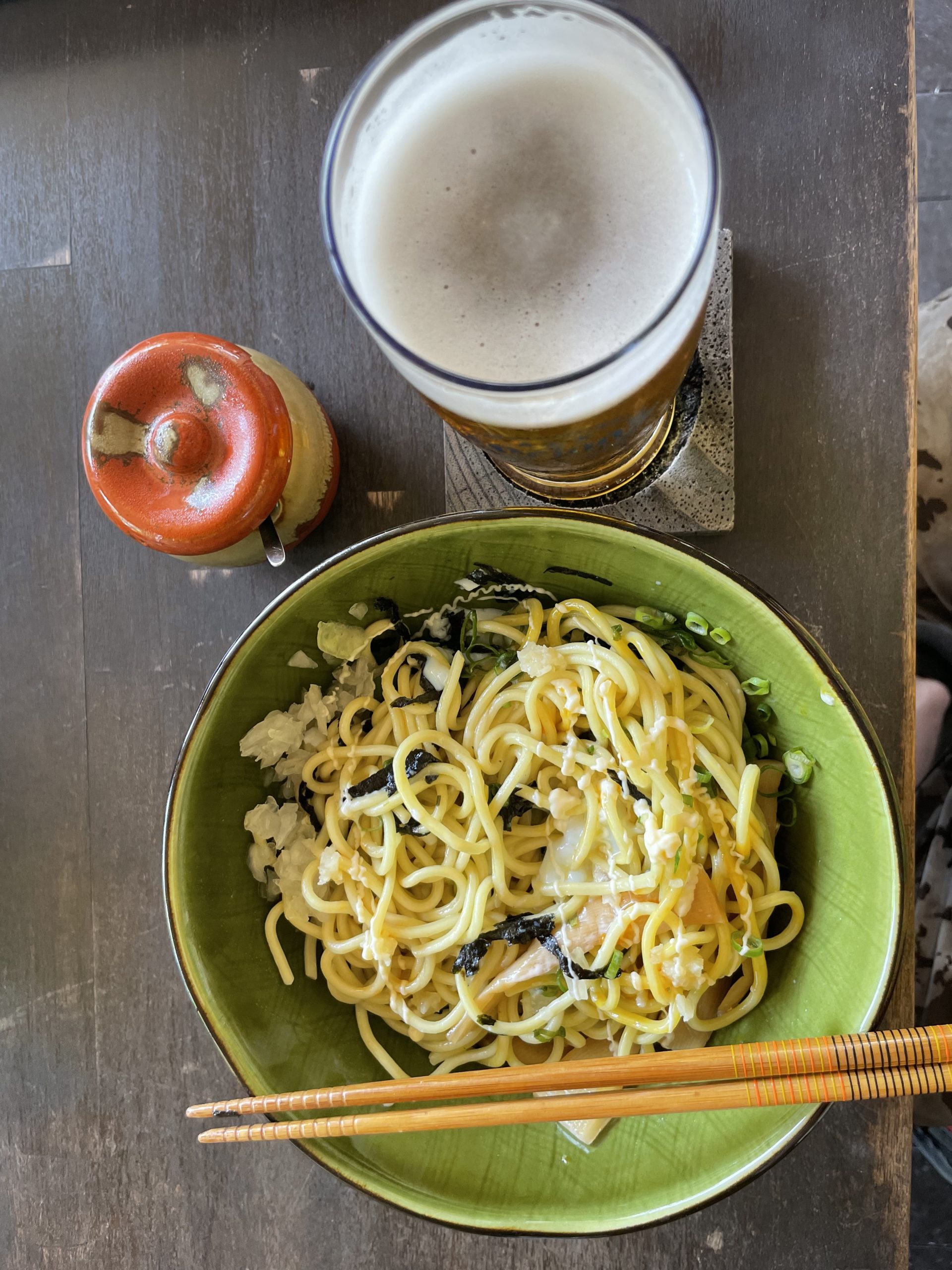
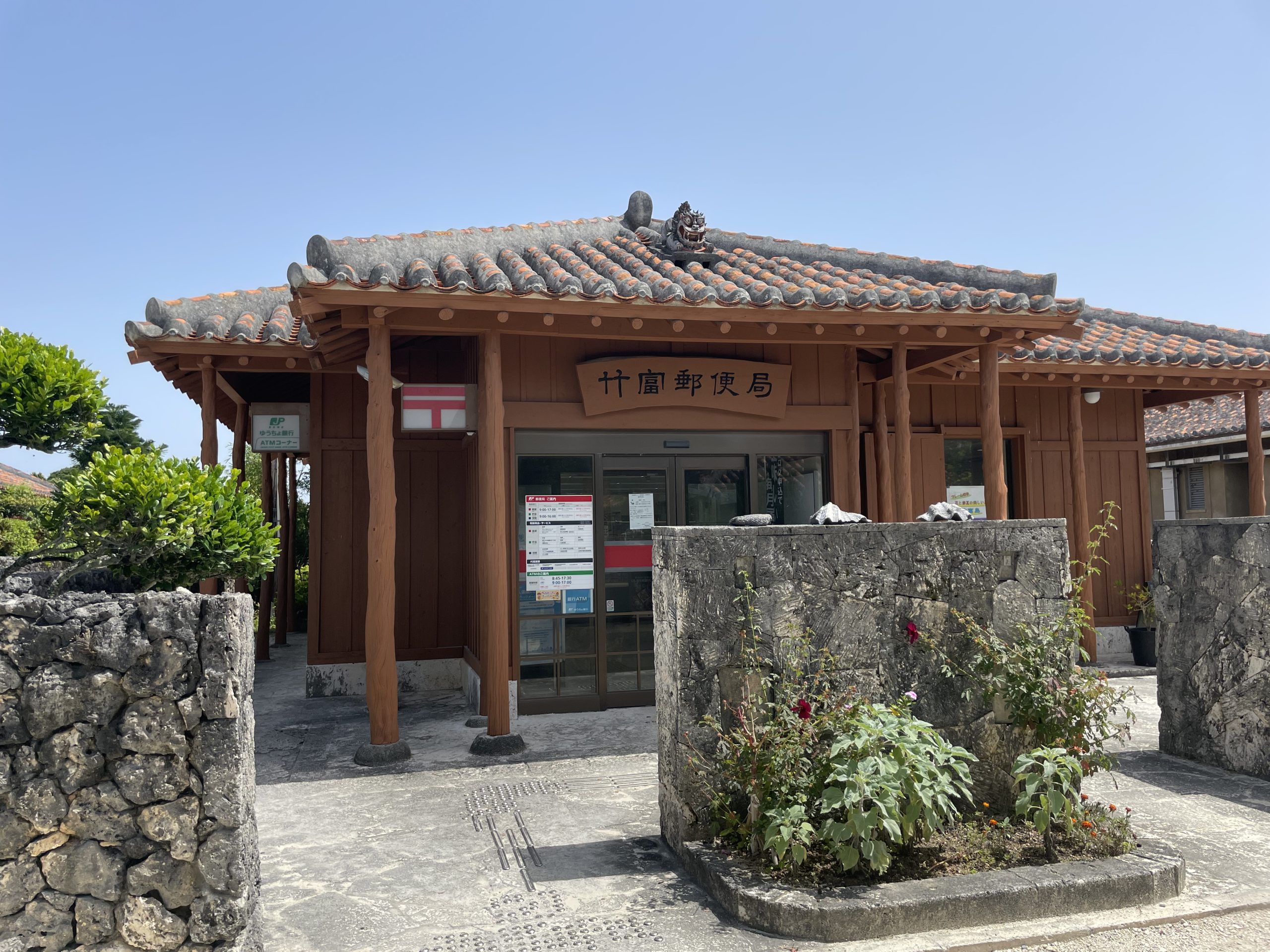 The mostly wooden structures are distinguished by the classic Okinawan corrugated red tile roofs, dry stone enclosure walls, lush vegetation and Shisha, lots of Shisha, Shisha central, in fact. Most of the tourists arrive on tour packages and are whisked off from the ferry terminal by minibuses to the beaches but we, and some other more independent folks, walk into the village, which is only 15 minutes or so away. It’s not far, but it’s hot and humid as Ishigakijima is, truly, a tropical island and the sun beats down fiercely. Working off a tip from the “Rough Guide to Japan”, which we’ve been using throughout the trip, lunch is sorted at Chirorin Mura a cool and rather hip café off the beaten track at the far end of the village. Okinawa has its own version of soba noodles and the one served here is excellent. We’ve been putting in the miles on foot most days on this trip and we’d better have, given the amount of very good ramen, soba and udon we’ve consumed.
 Japan is not a “cheap” economy, but the years of economic stagnation, plus the extremely strong US dollar, means that it is currently, including this lunch, a bargain for us. Often, things run half of what they would in Portland, Oregon, and the quality of goods and services is consistently high, as you’d expect in Japan.
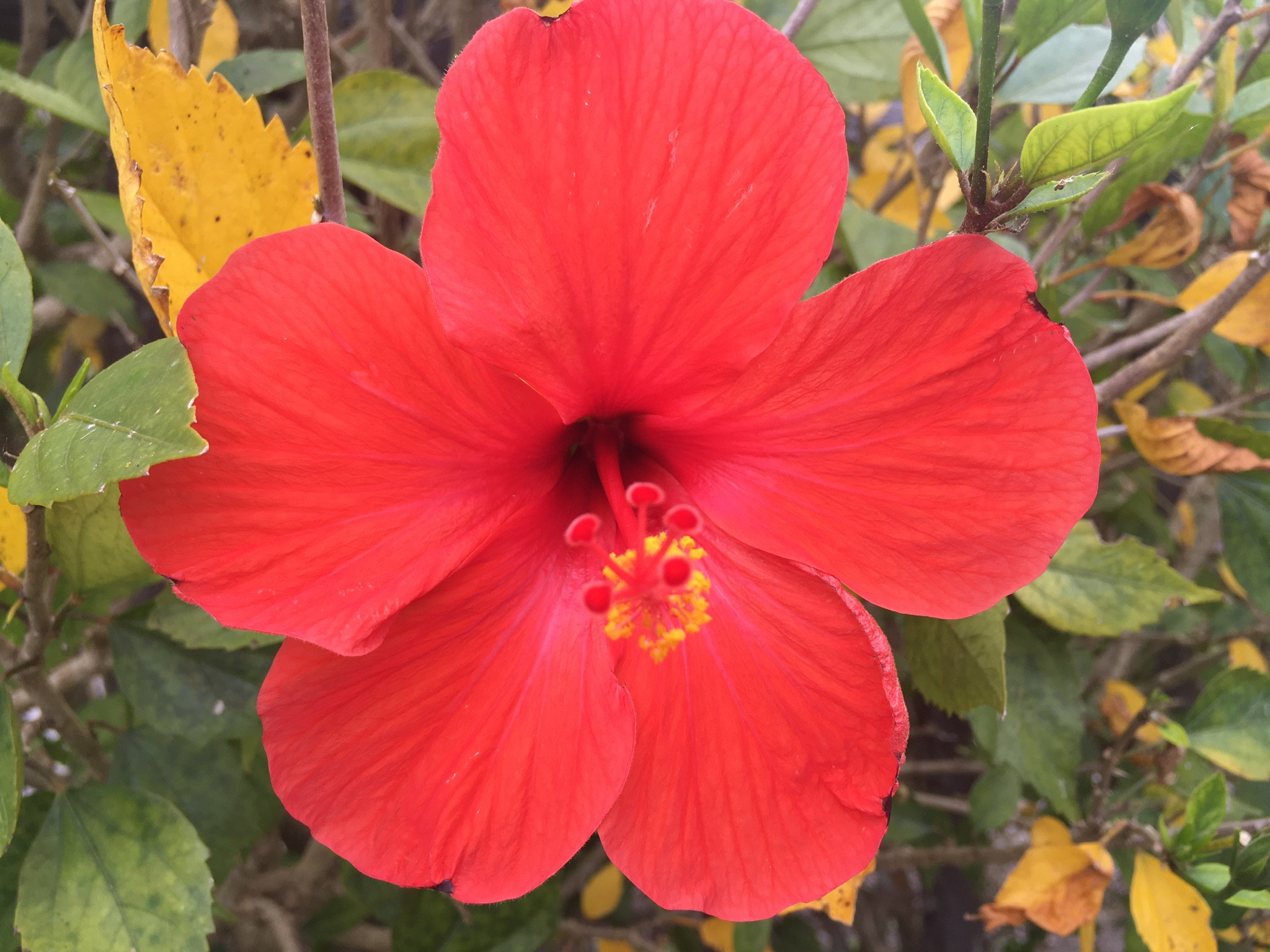
Butterflies are big throughout Okinawa and, particularly, in the Yaeyamas: Butterflies of all sizes and colors from jet black to tortoiseshell to iridescent purple – I don’t know if Spring is their peak season, but they are everywhere, with plenty of tropical hibiscus and bougainvillea blossoms for them to feed on. Surprisingly, there is not a corresponding explosion of insect life, but we’re told there will be by Summer. Combining that with higher temperatures and humidity, Summer in Okinawa sounds like a tough go, though that’s the high season for water recreation.
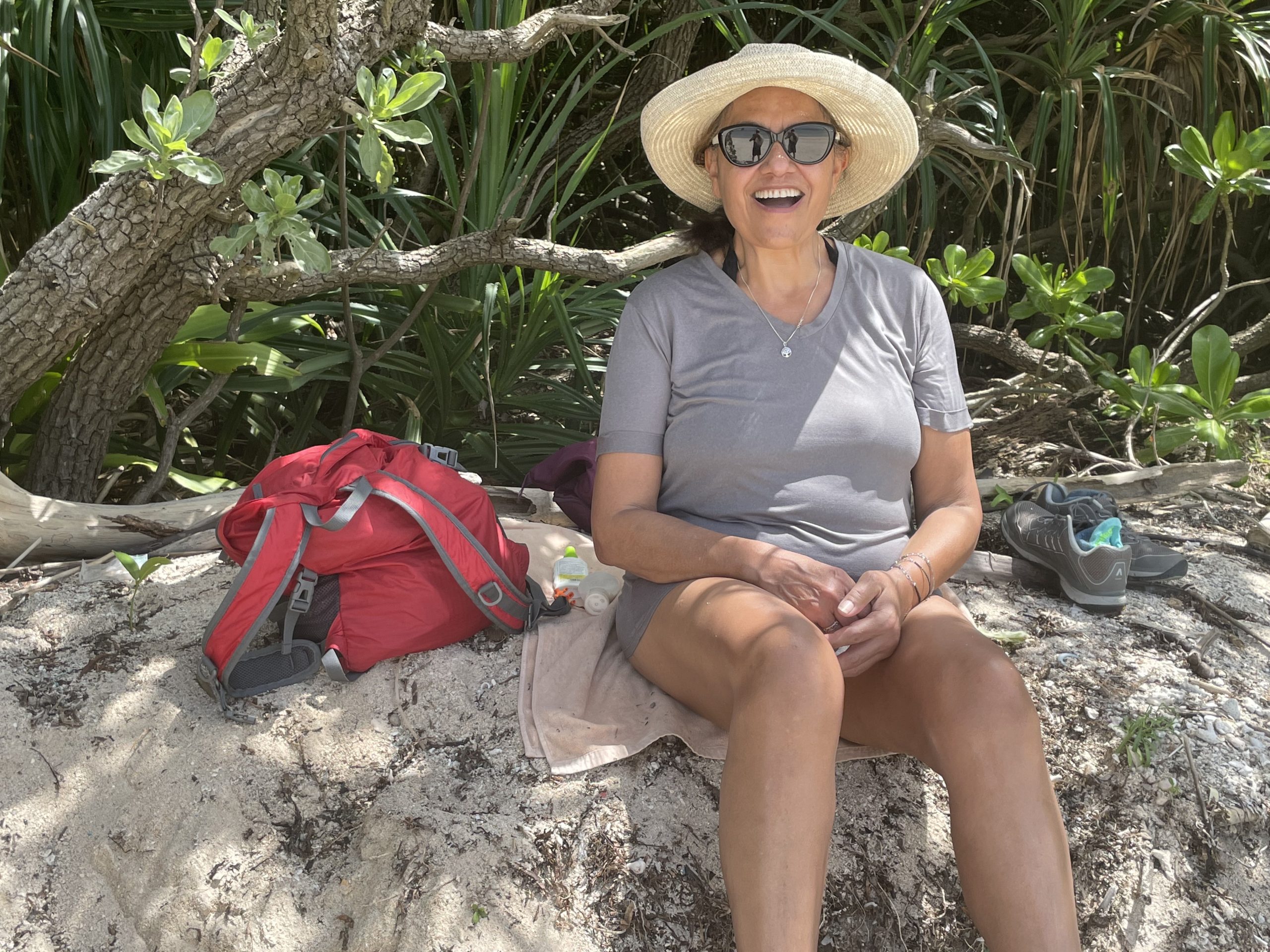 Another 20-minute walk gets us to Kondoi Beach where we search out a little shade to use as a base for finally getting in the ocean. Another pretty spot, but it’s damn hot, and we didn’t go for a bike rental (bike rental would have been a good idea), still, it’s a great place to hang out before trekking back to the ferry terminal. A car is essential in Ishigaki as our nearest grocery store of consequence, plus the ferry terminal to the other islands, are both 30 minutes away by car so we use it to cover as much of the island as we can.
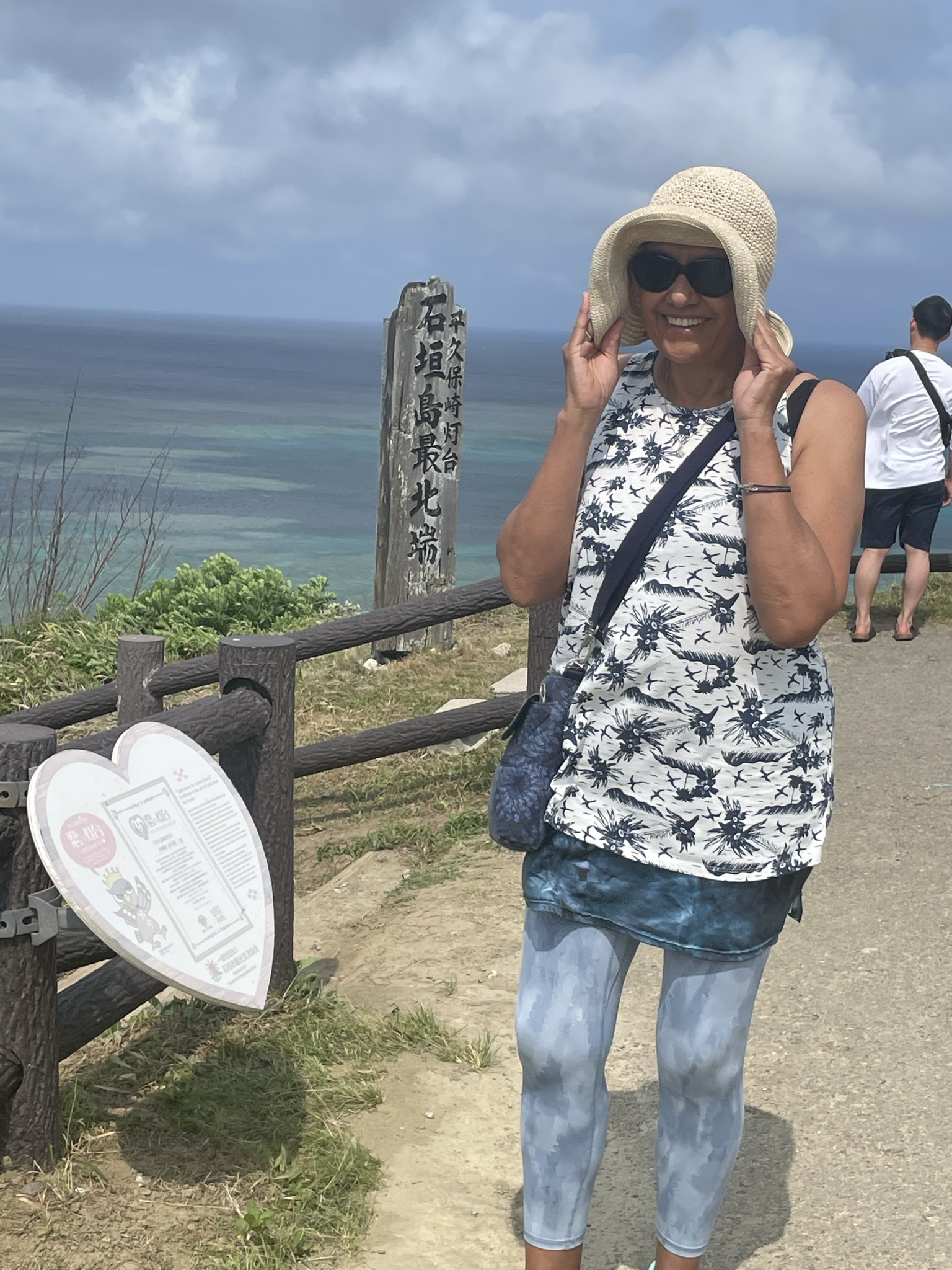
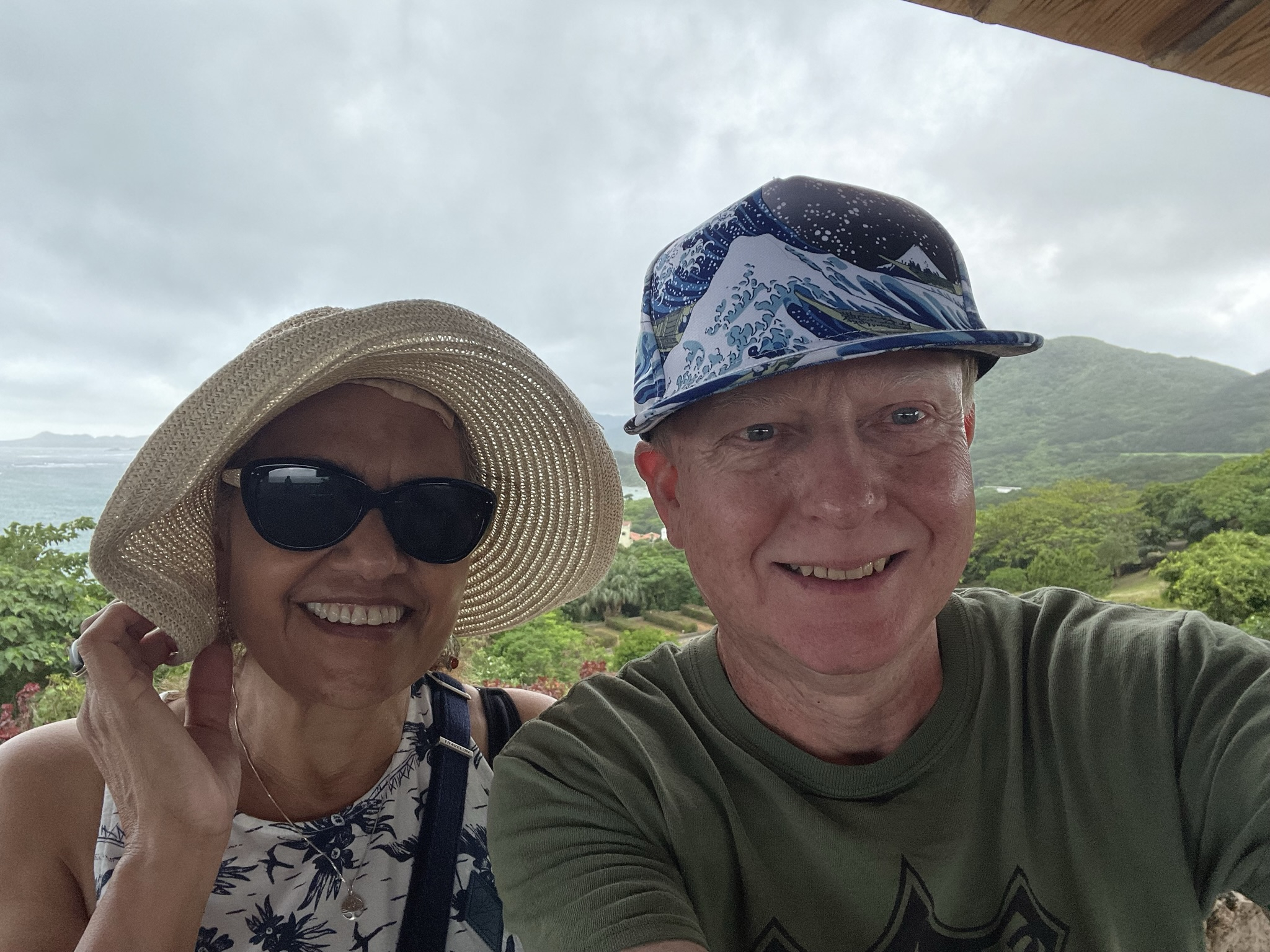
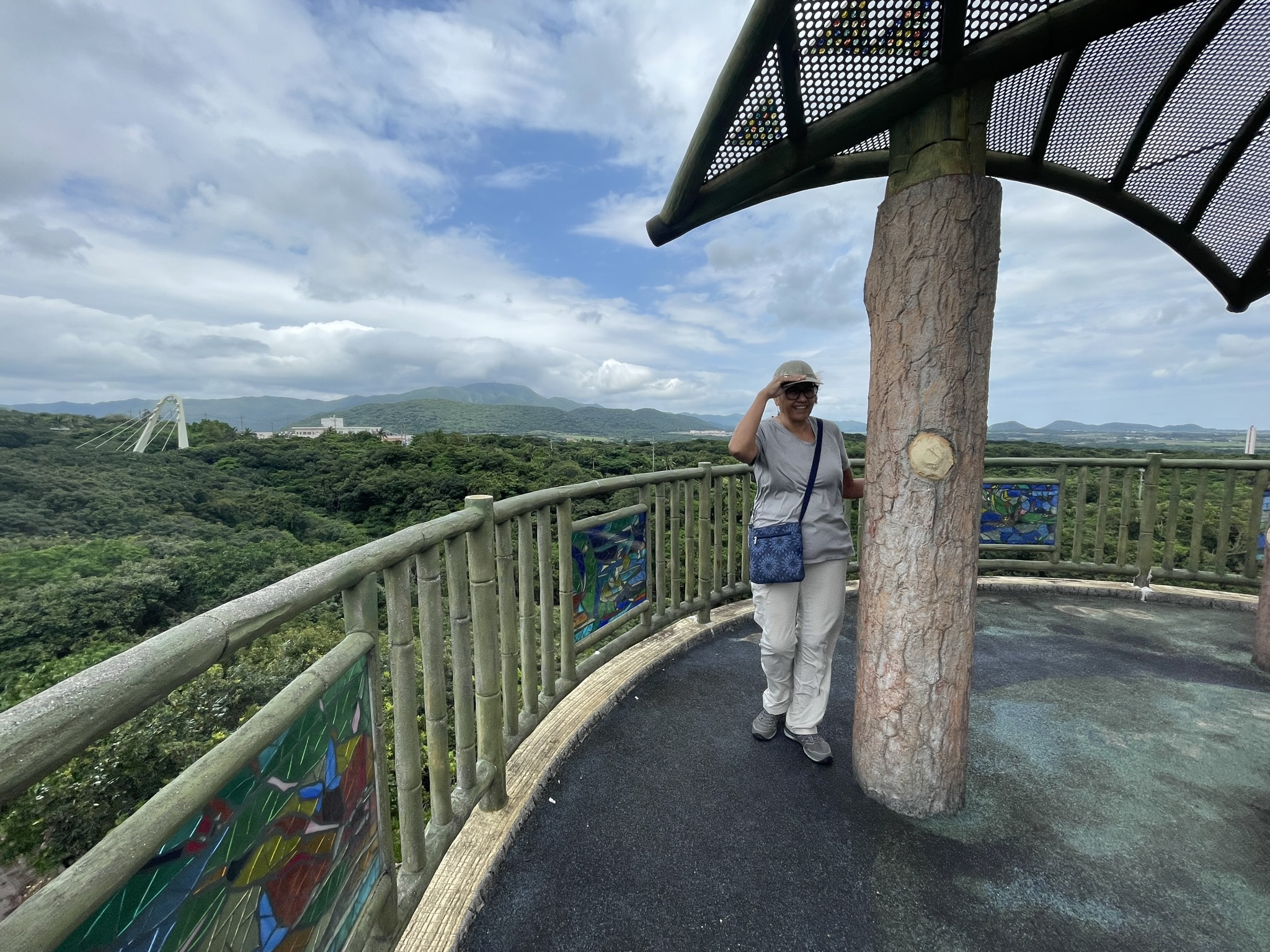
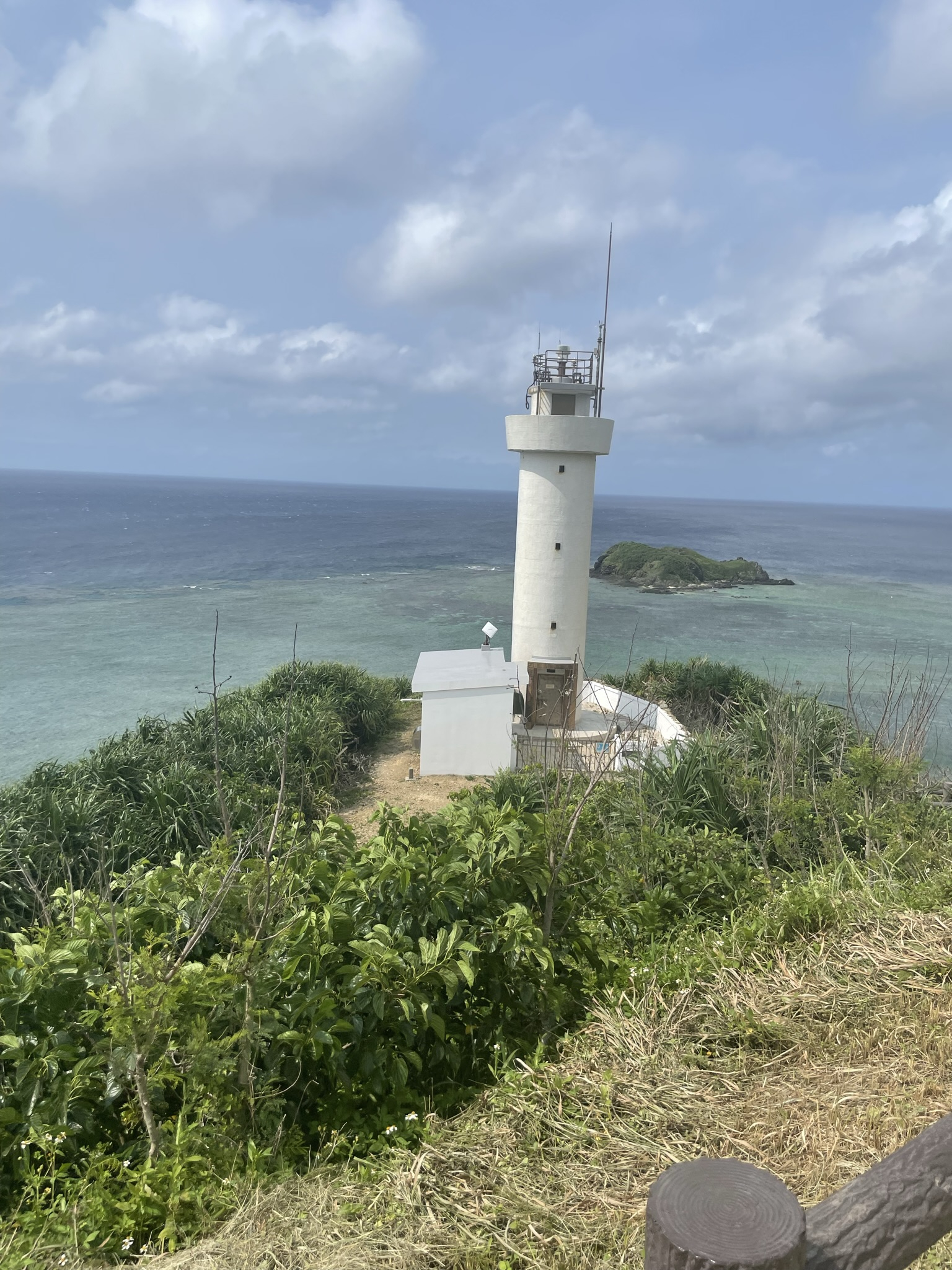 We make it all the way to the Northern tip and the Hirakubo lighthouse, set on a clifftop with views, again, reminiscent of Ireland but with clear blue water and golden sands. The 30 mile an hour winds also remind us of Donegal, serious hat loss potential.
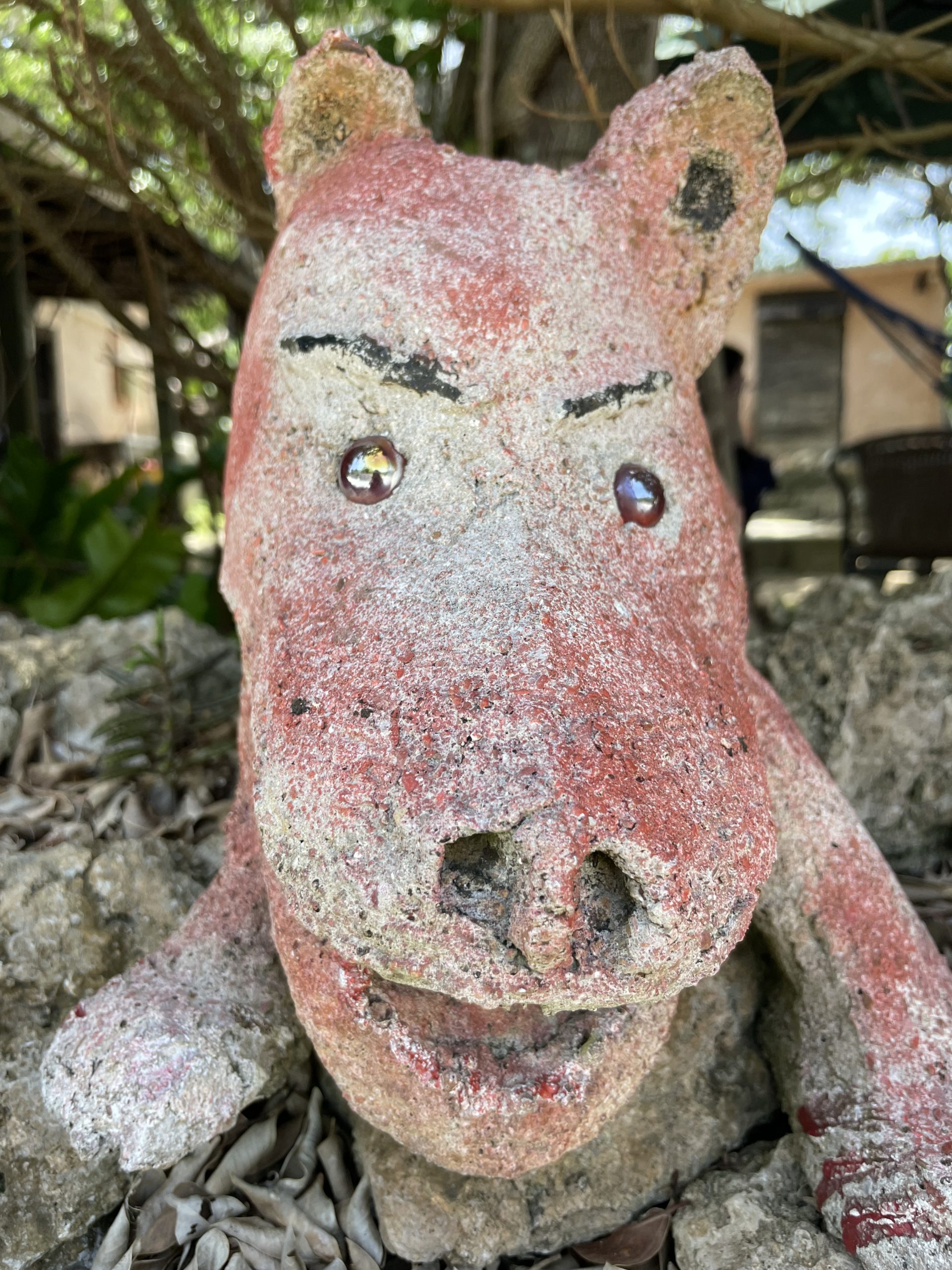
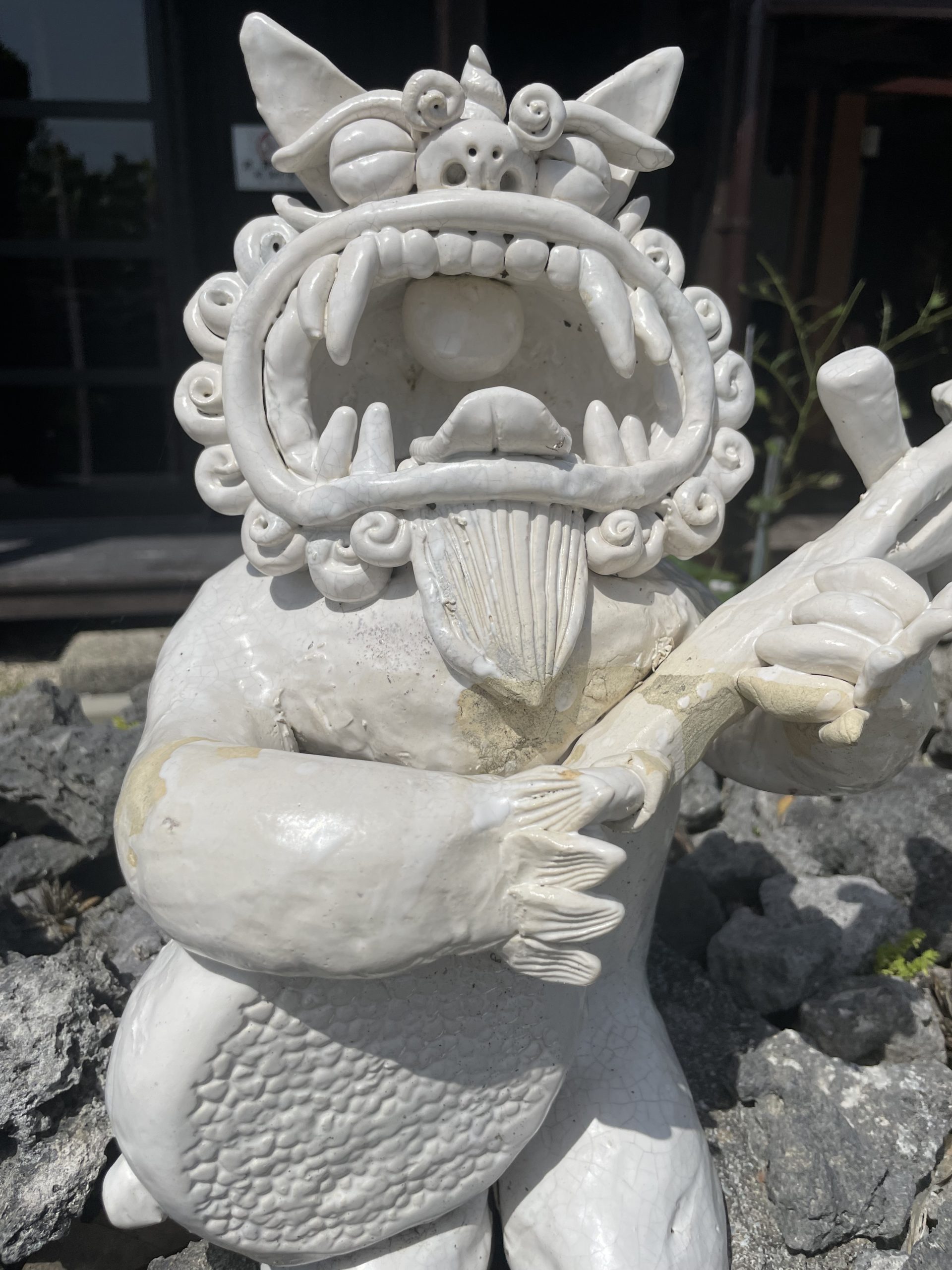
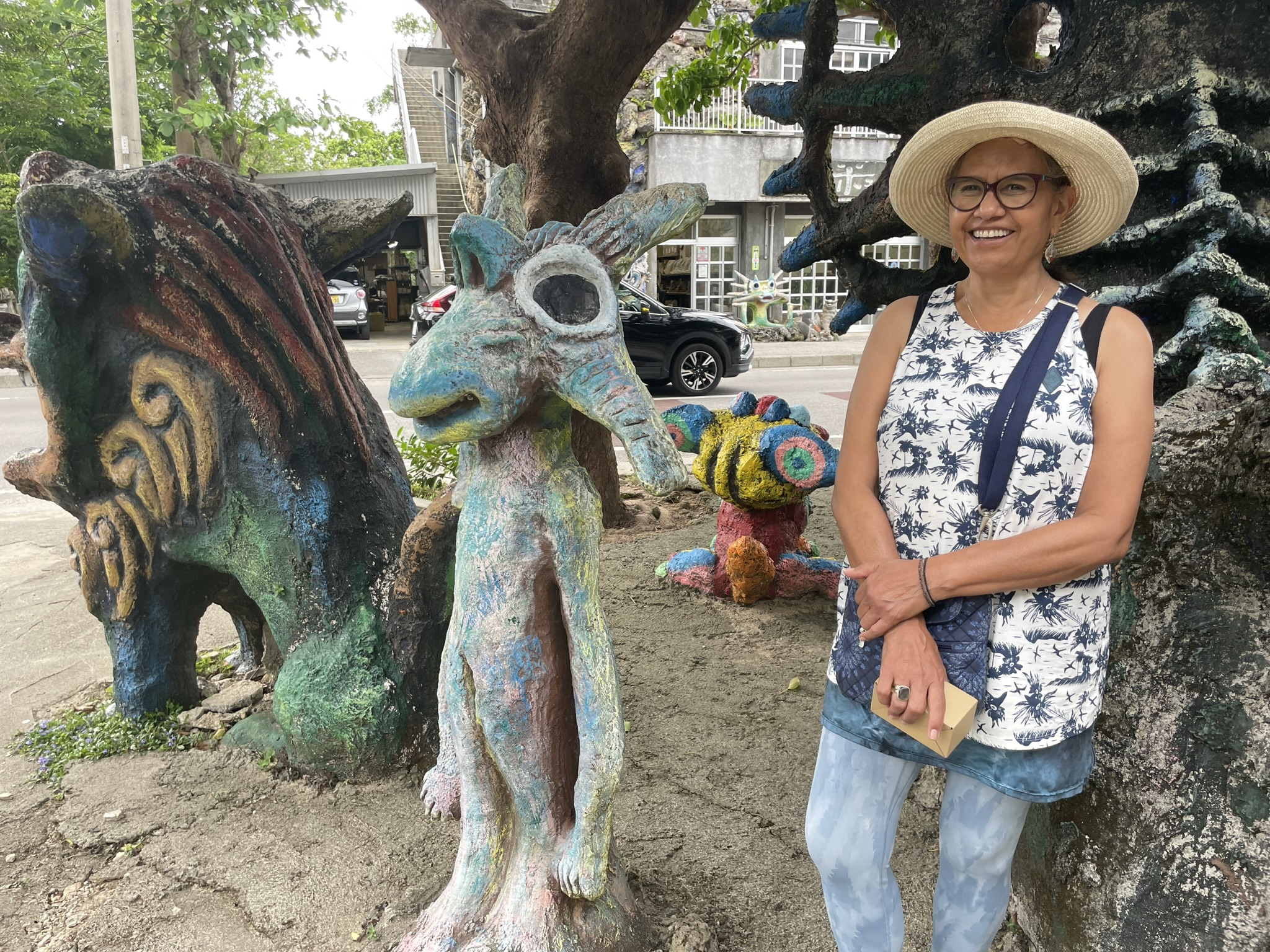
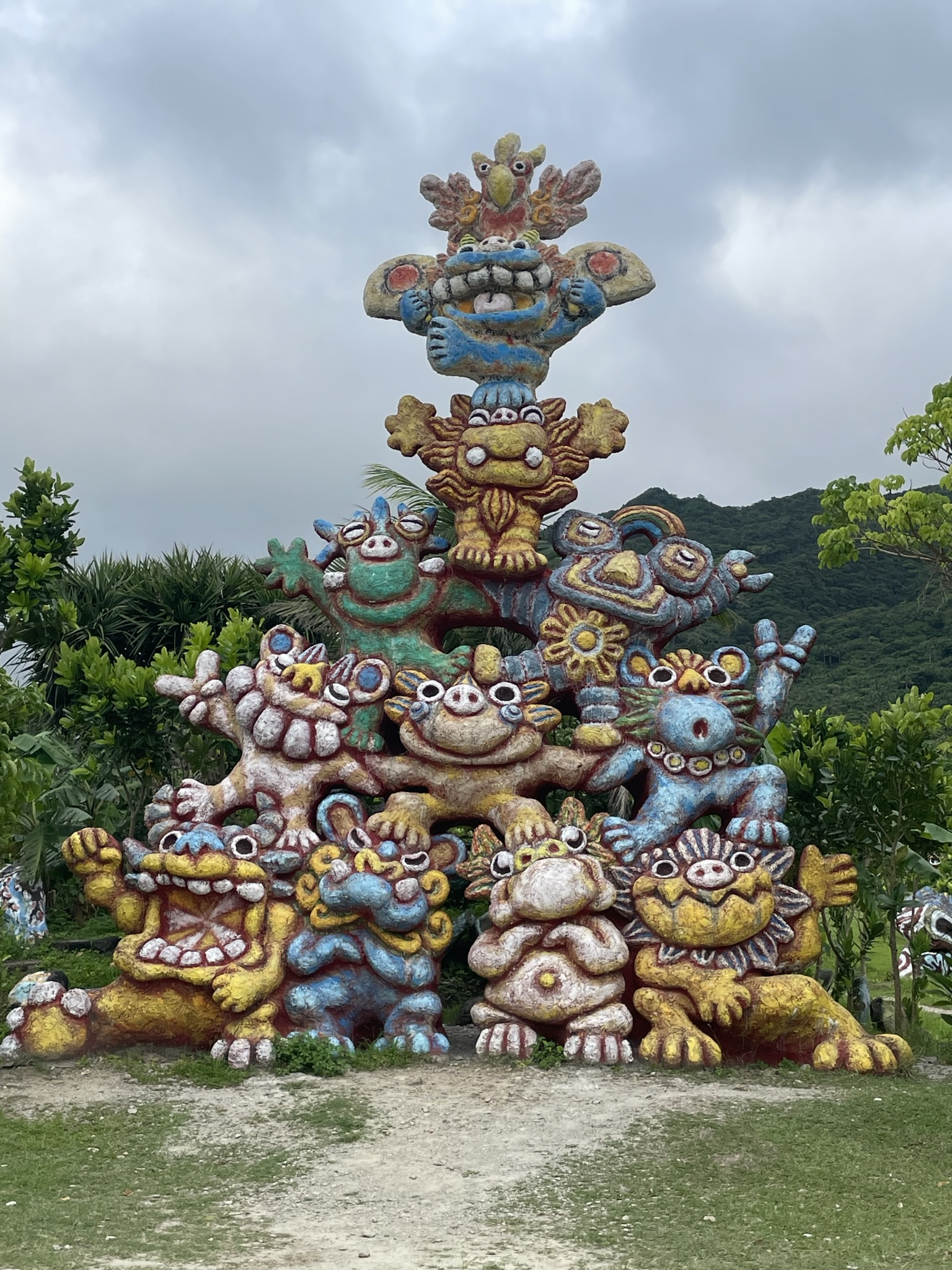
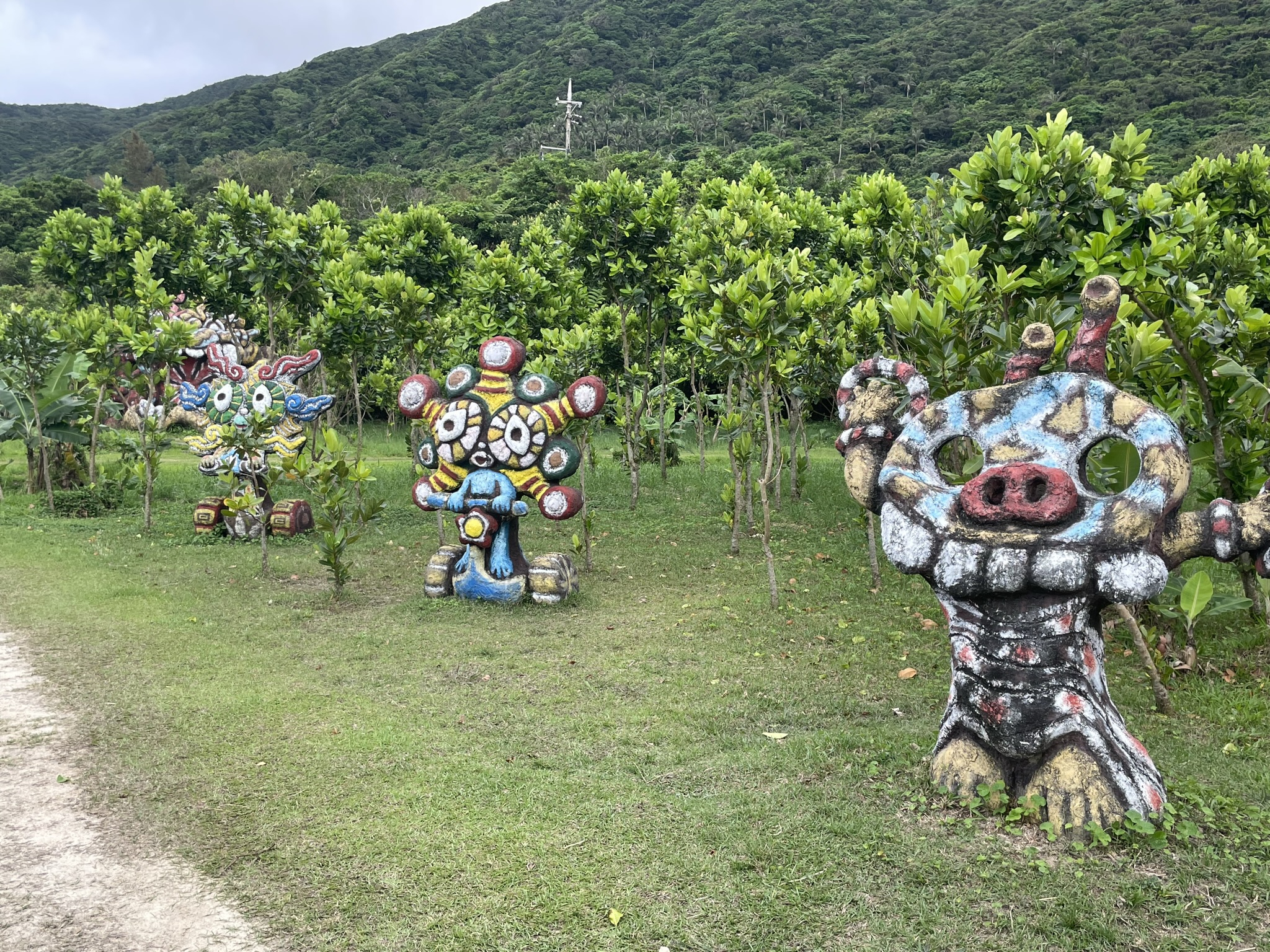
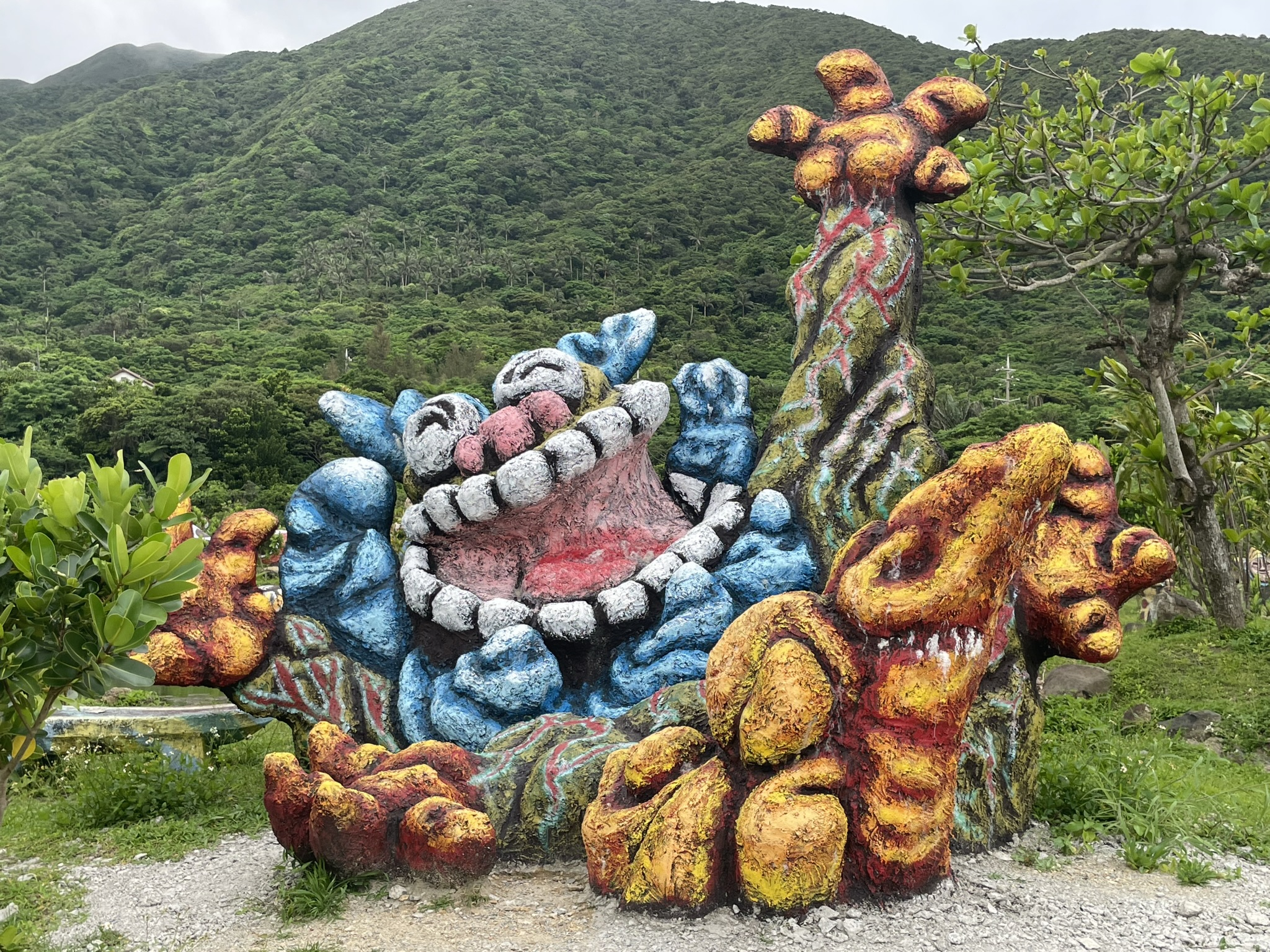
Heading back to Kabira Bay, Abby wants to do some Shisha Shopping, and we had noticed a ceramics workshop along the highway earlier, so we drop by and select a hand-made pair to take home. There are some outsized and outlandish versions stationed outside for photo ops, and we’re doing that when we notice a Japanese sign which, after translation, says there’s a “Shisha Farm” in the back 40.
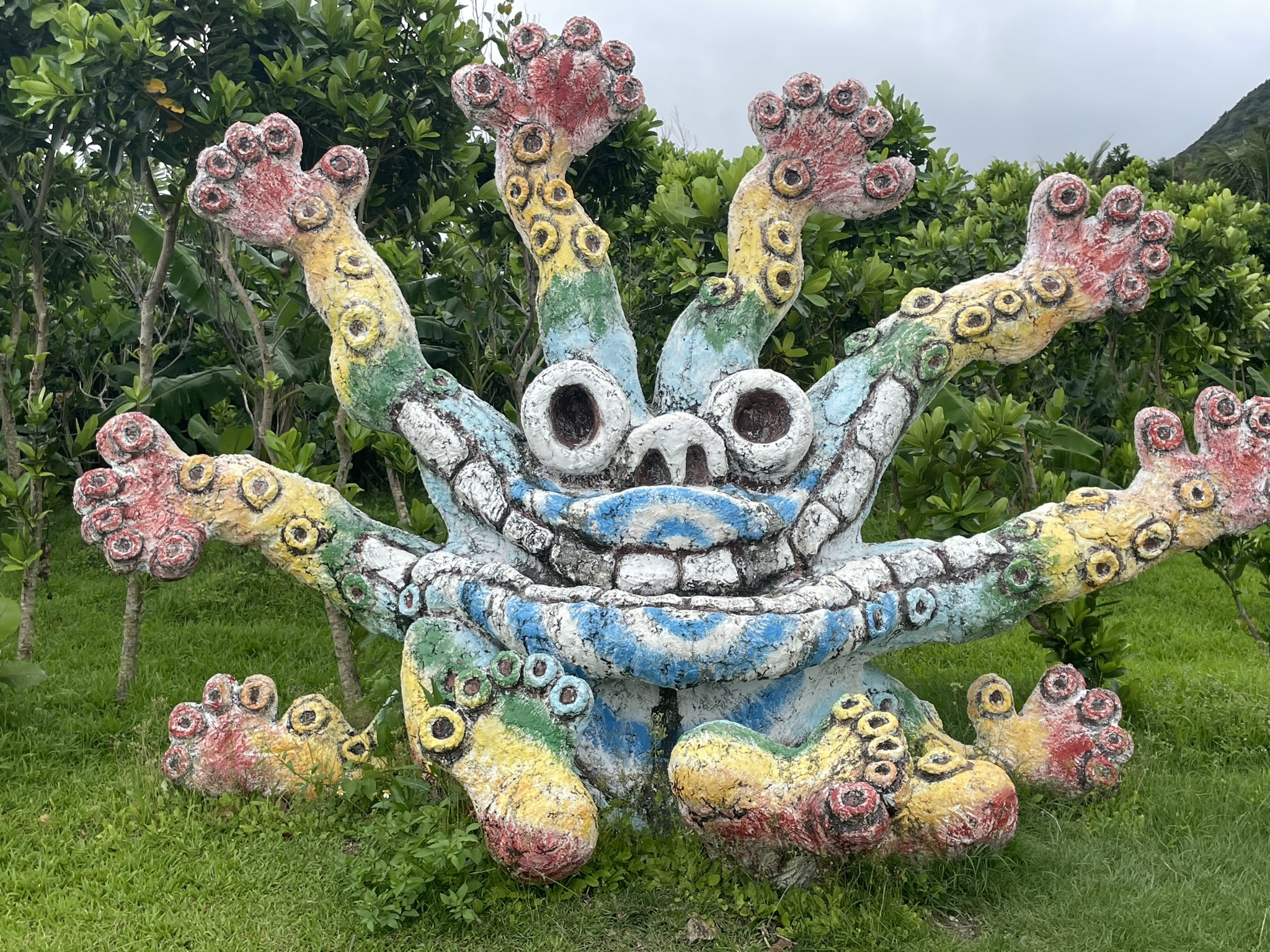
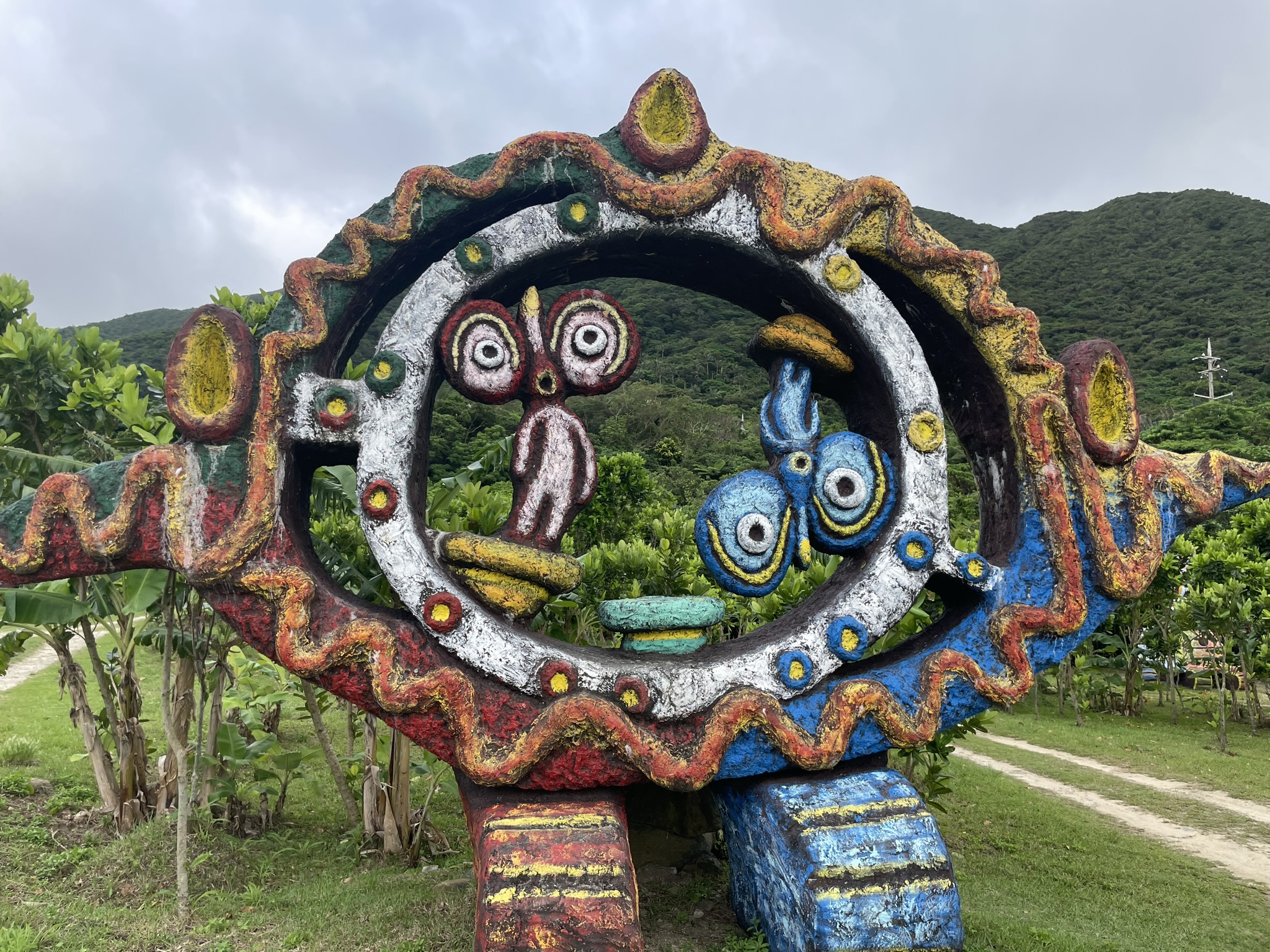
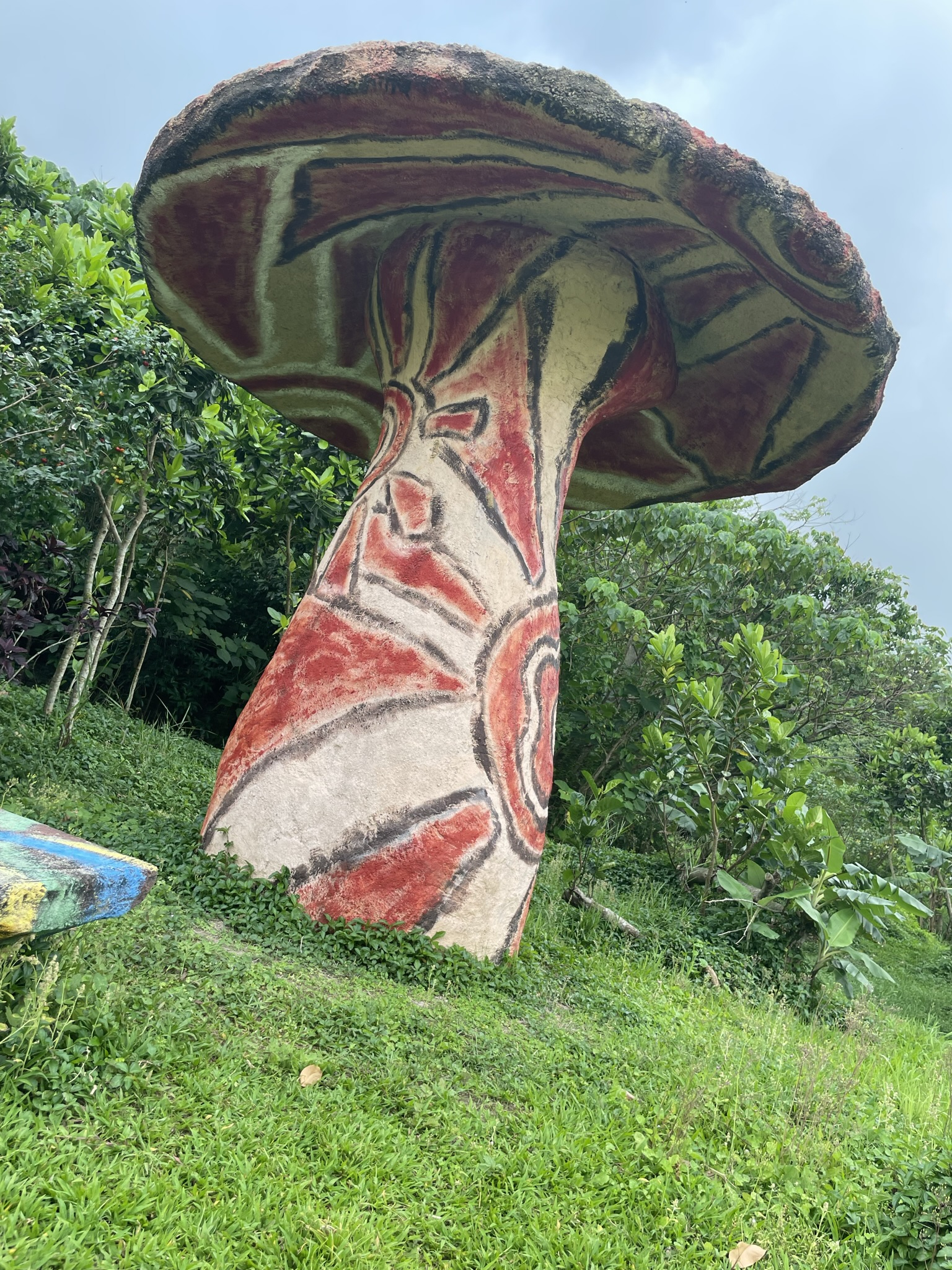
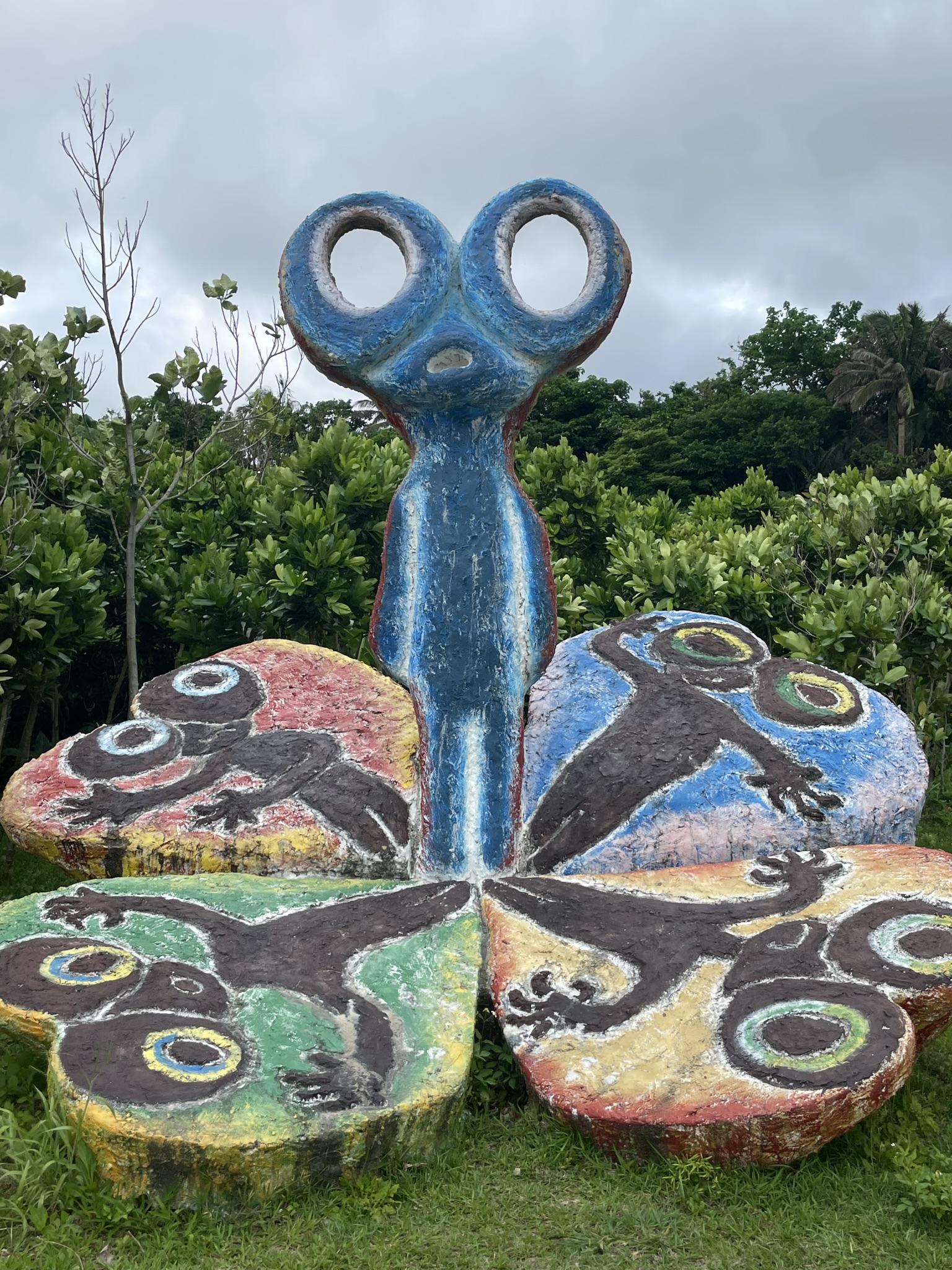
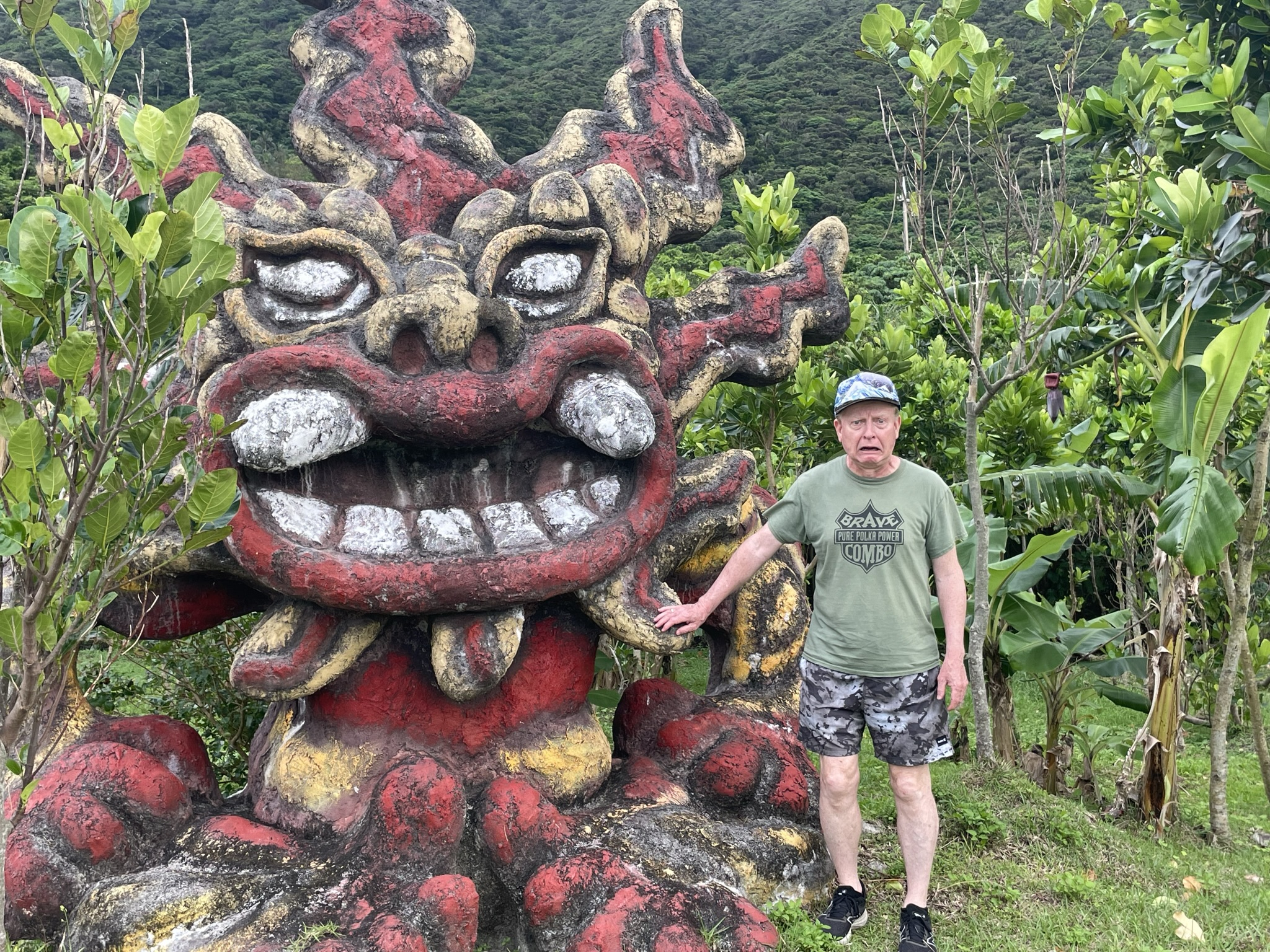 They were not kidding as, it turns out, there is a Shisha Disneyland or psychedelic nightmare in a large park behind the factory. People on Facebook have already seen this place, but it is a wow. Some of the pieces are massive and all of them are crazy. The standard Shisha set-up is a pair of lion/dogs, one with its mouth open, and the other with mouth closed, but in the park it’s, literally, anything goes in any form or configuration. Suspiciously, several giant mushrooms are included that would fit right into Alice in Wonderland. Psychedelics are strictly illegal in Japan but, interestingly, the aesthetic is common in art and amusement parks here.
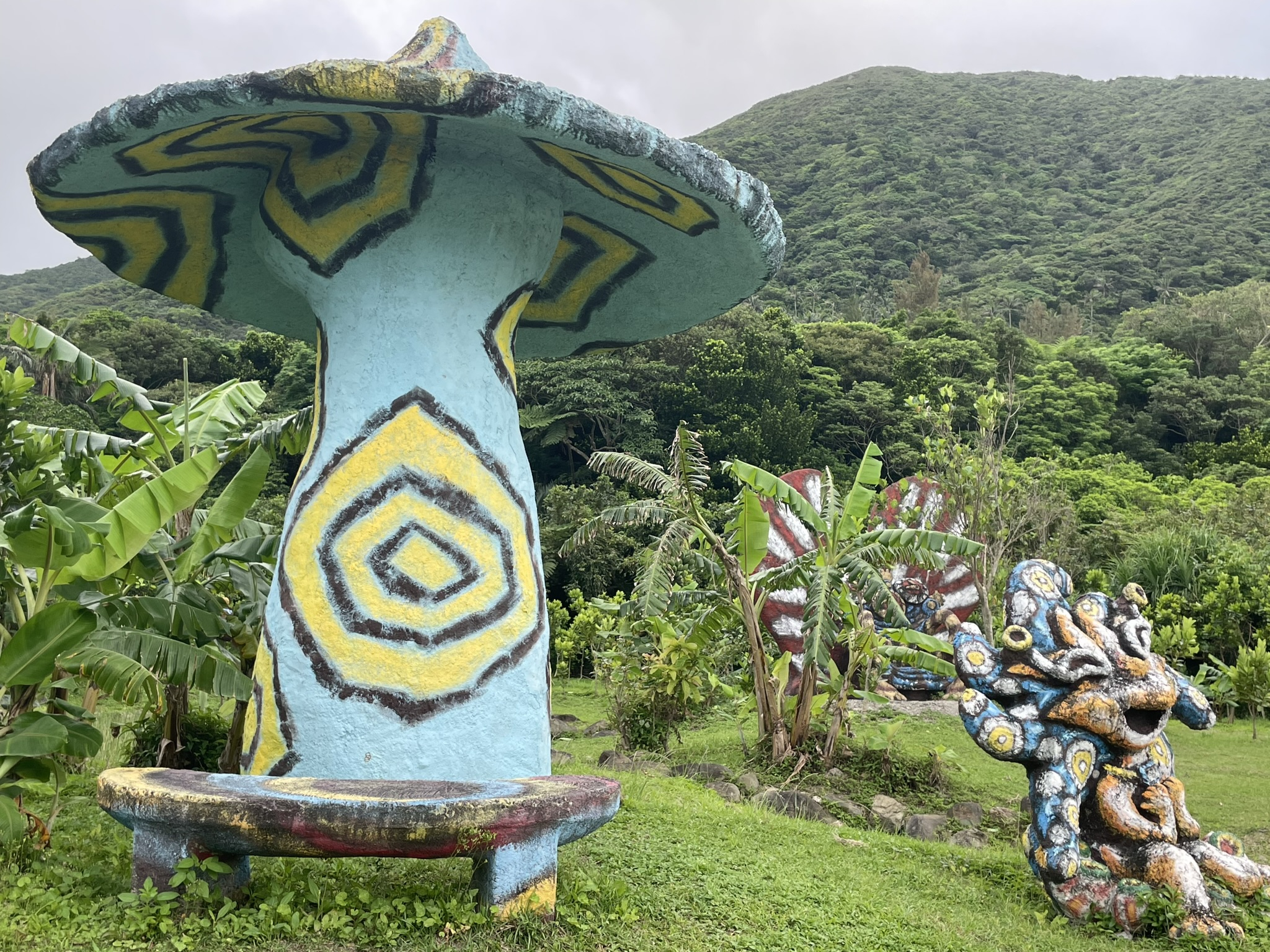 Maybe its due to Shinto and Buddhism being the prevalent belief systems? Several times on this trip I’ve seen things that put me into what felt like an altered state without the involvement of psychoactives! The veil between the seen and the hidden is easier to pierce here.
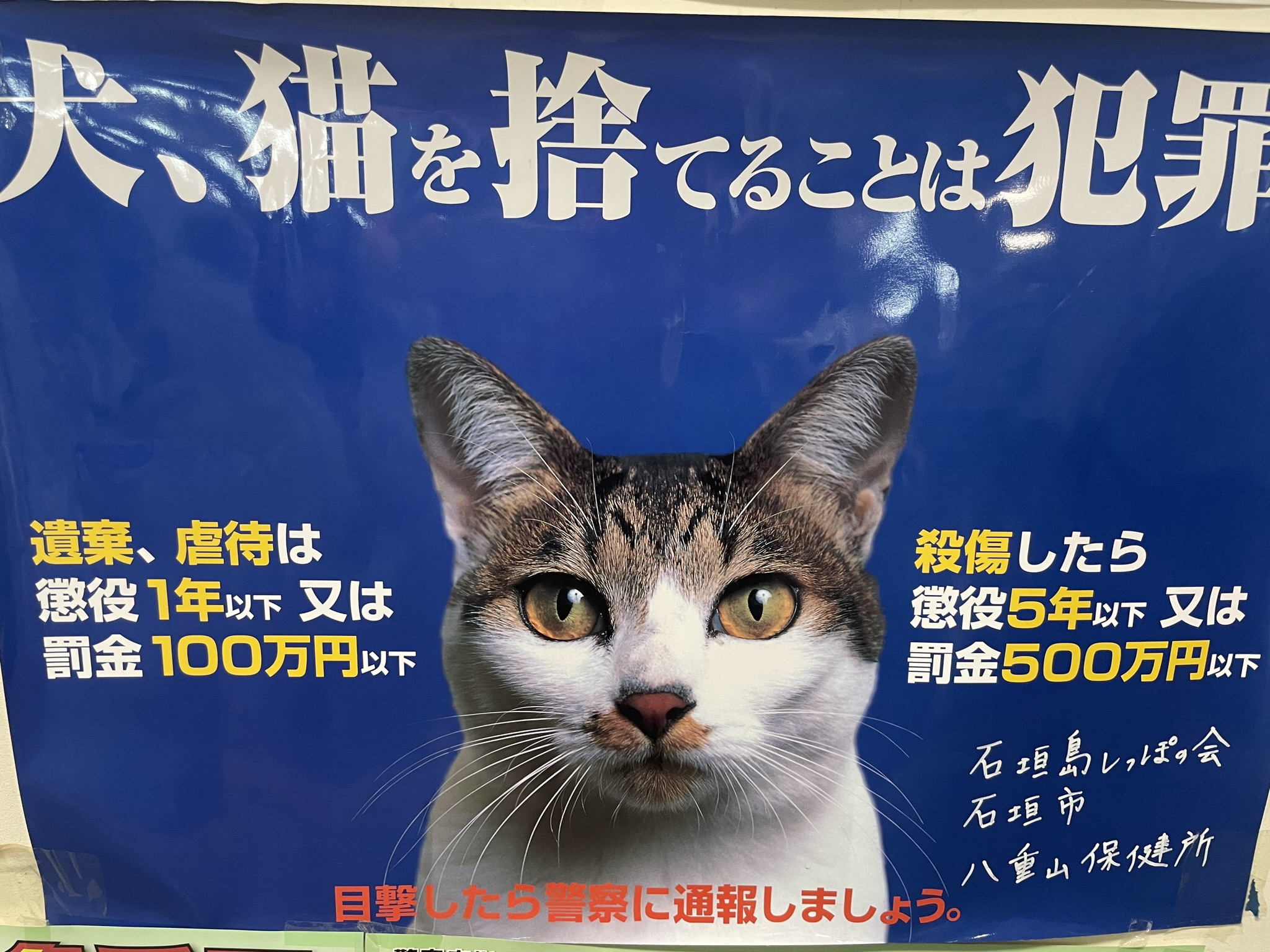
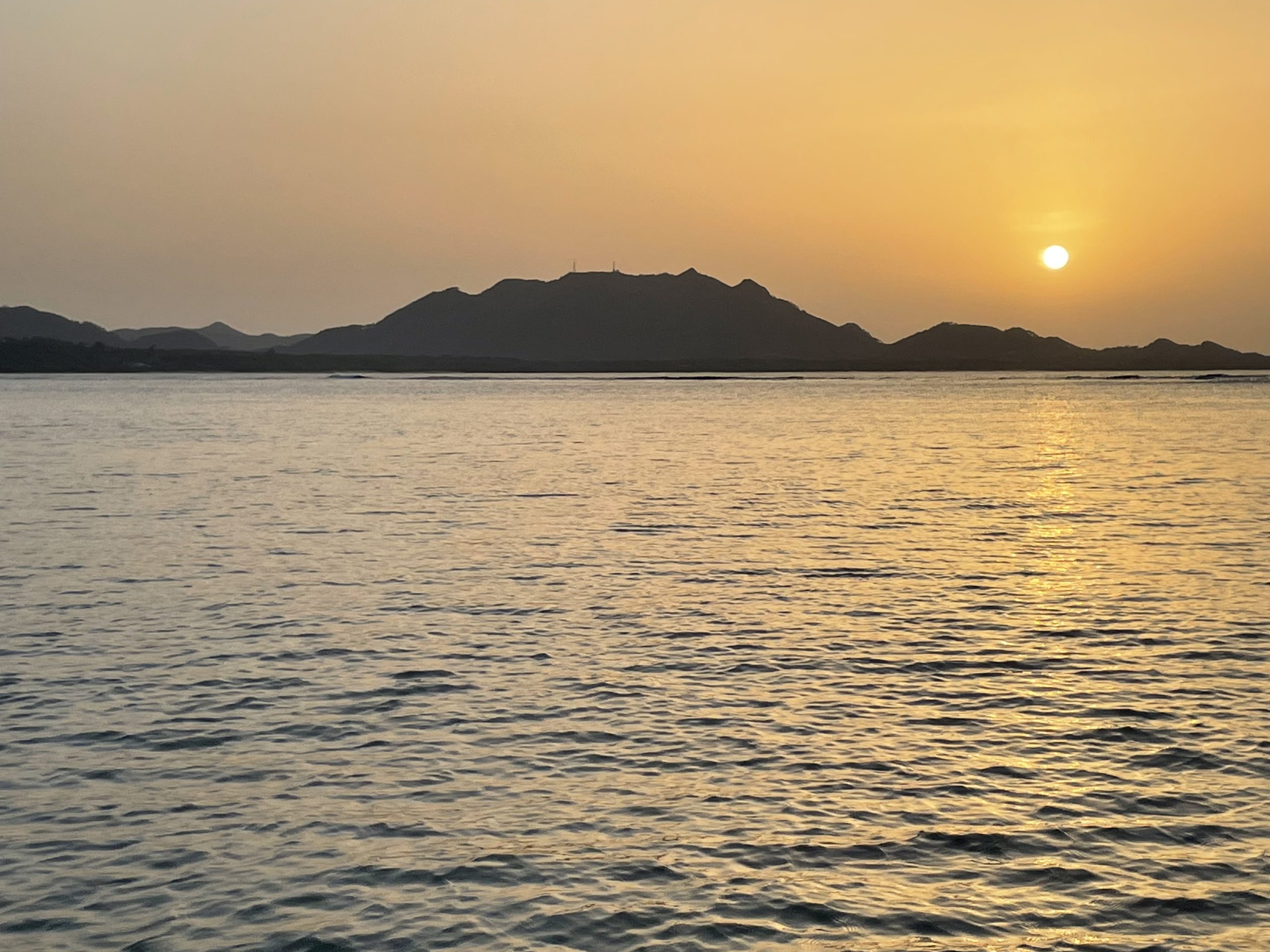 We’ll leave Iriemotejima and its iconic, but elusive, wild cat for another post as there’s much to report there. Meanwhile, we’re happy to be in Ishigakijima staying at the artist’s house and hoping for a cloud free evening to watch the night sky.


Leave a Reply