 Okinawa island is a strange place – Way out in the ocean yet heavily populated, haunted by the Second World War, potentially beautiful, yet much of that beauty is squandered or hidden from the public. A foreign power’s forces remain but it’s fun, for sure, and loaded with history, tons of restaurants, nightlife and with a number of big, very Japanese tourist attractions. It’s not a wild, scenic island but, yet, Japanese tourists come in droves, and I think its because of the laid-back, happy vibe of much of the island. Regular Japanese people come here and wear shorts! Drink Awamori! (more later). Buy some wacky beachwear. Try the local cuisine specialties. Go to the American Village (also later). Feel warm in March. Maybe get their feet wet in the ocean. It’s that kind of place.
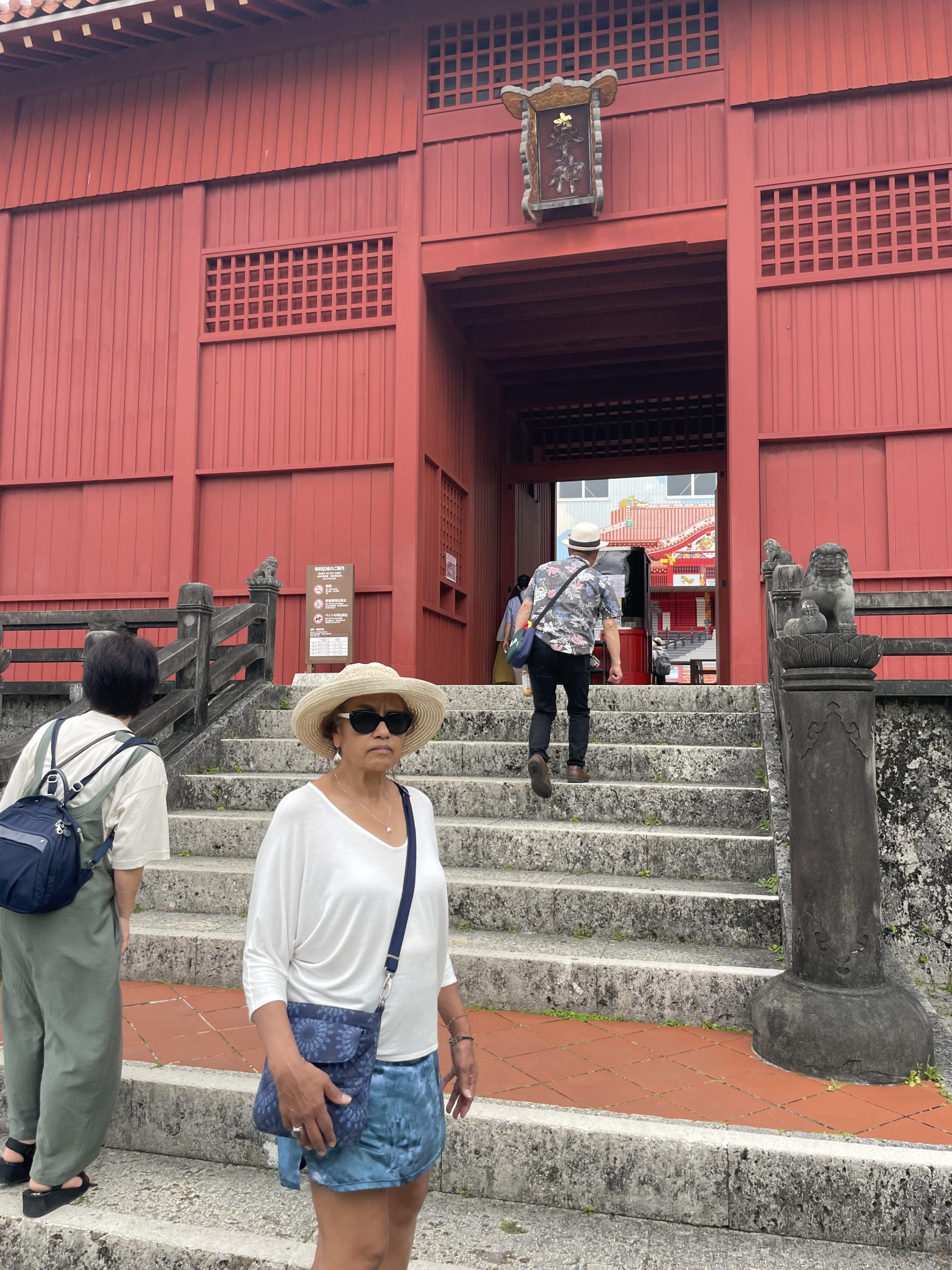
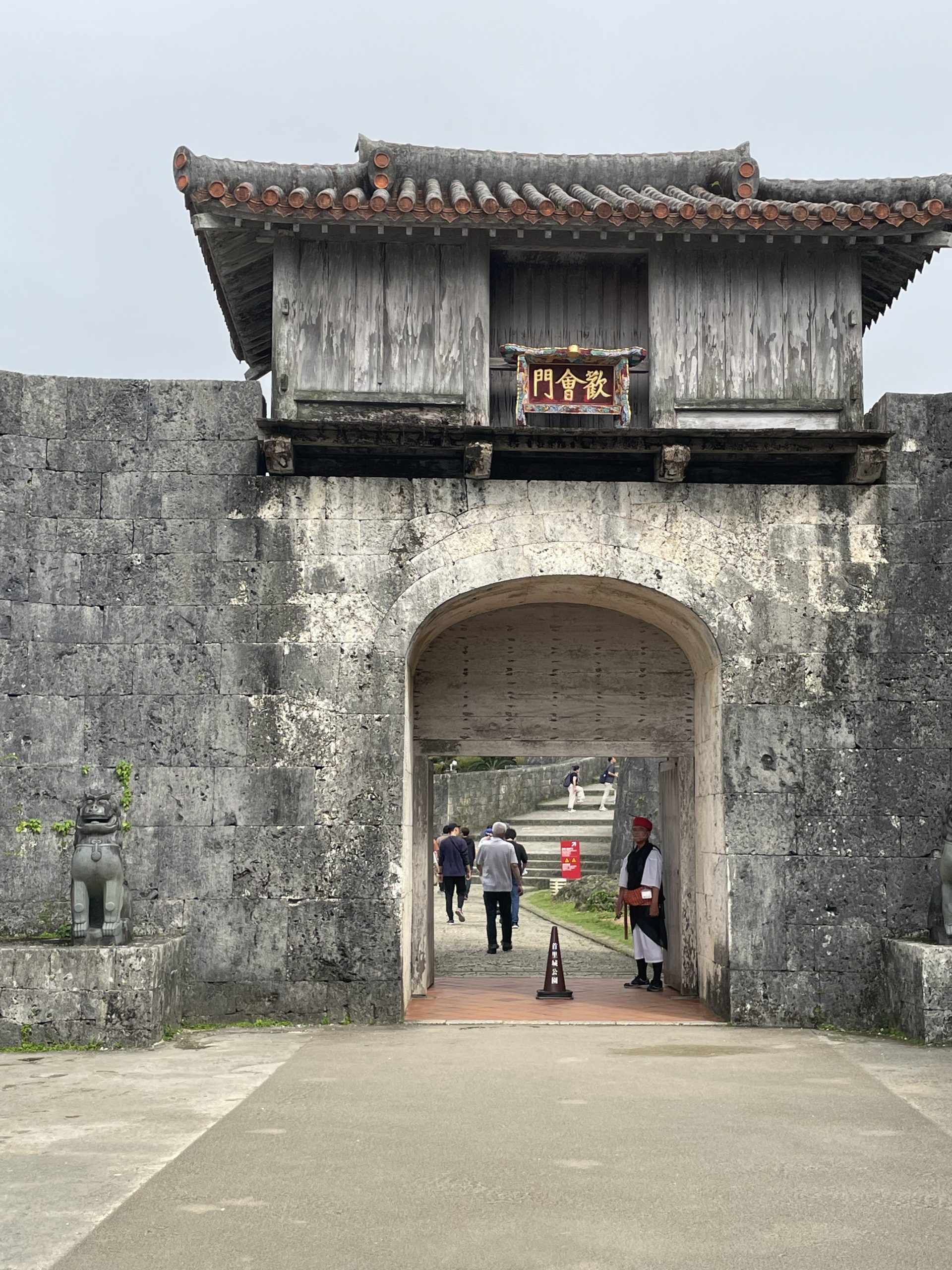
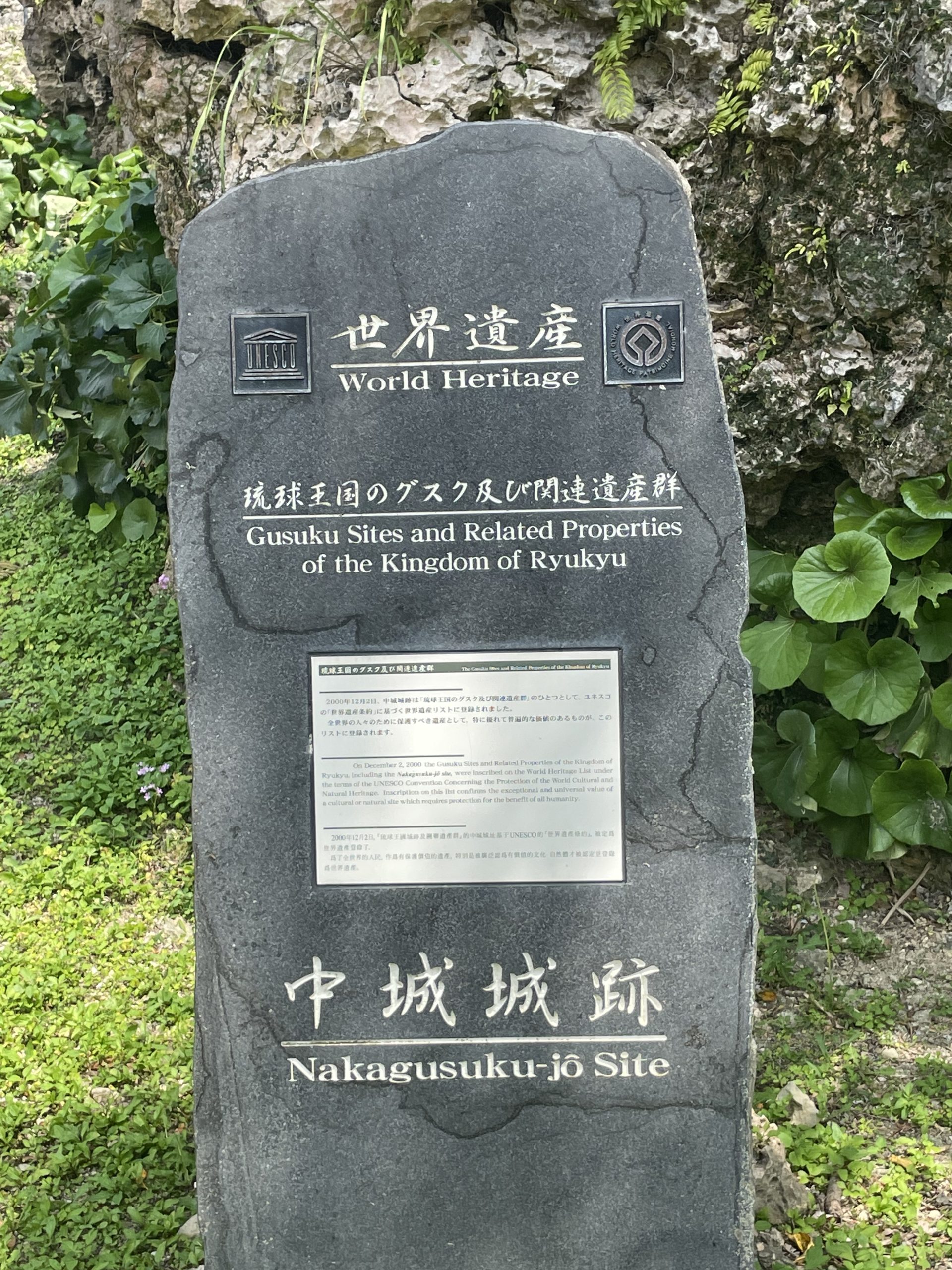
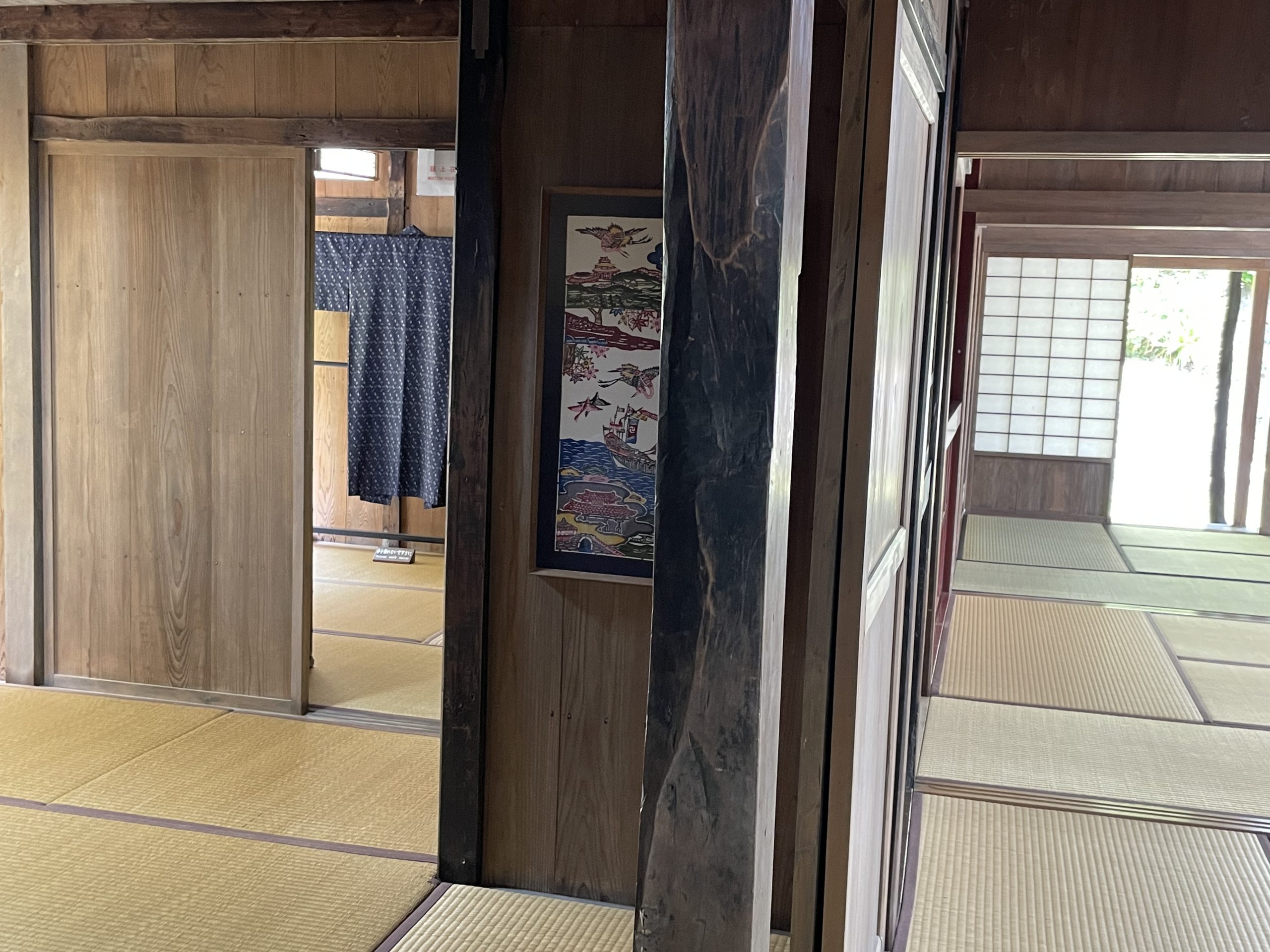
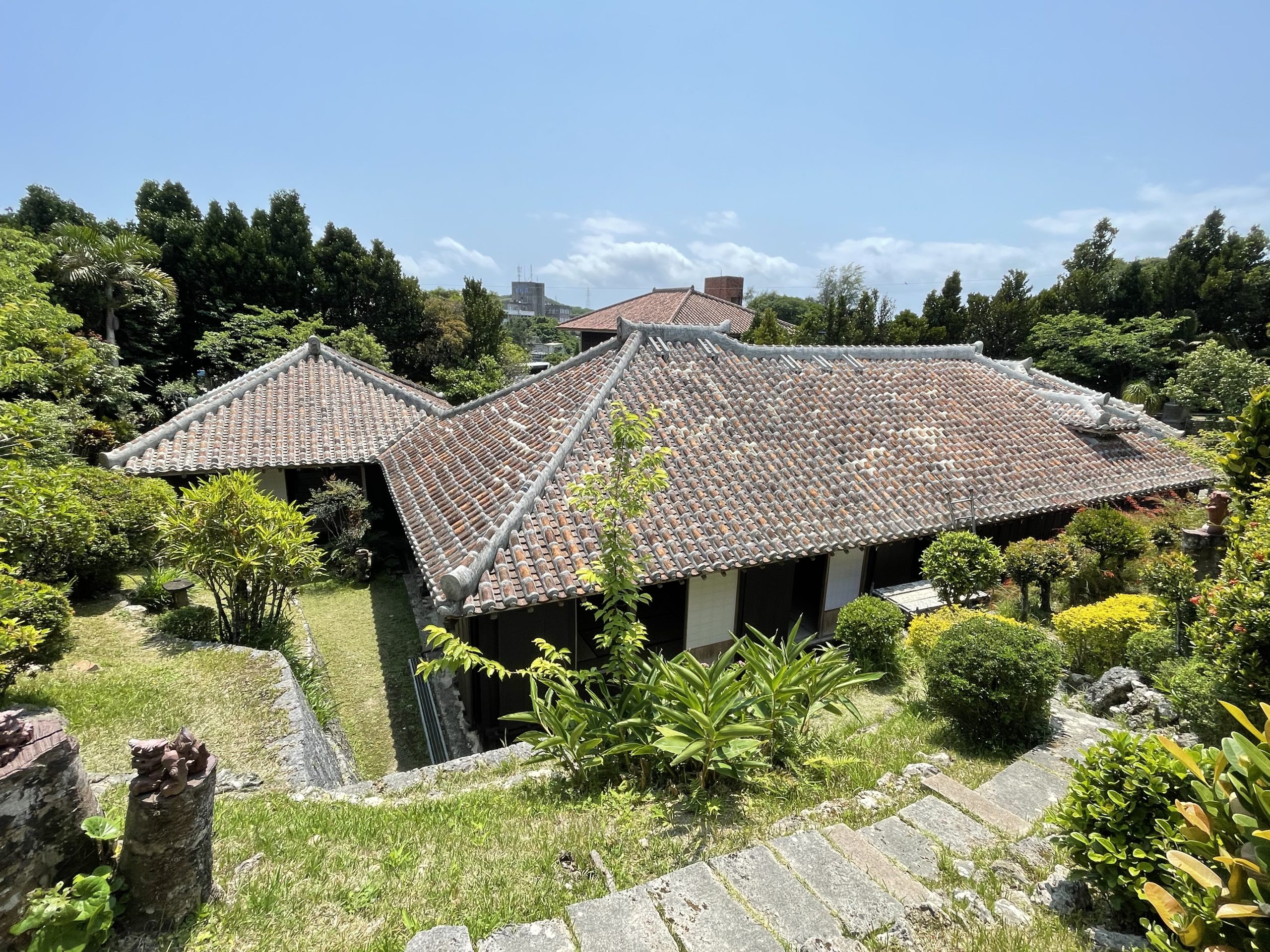
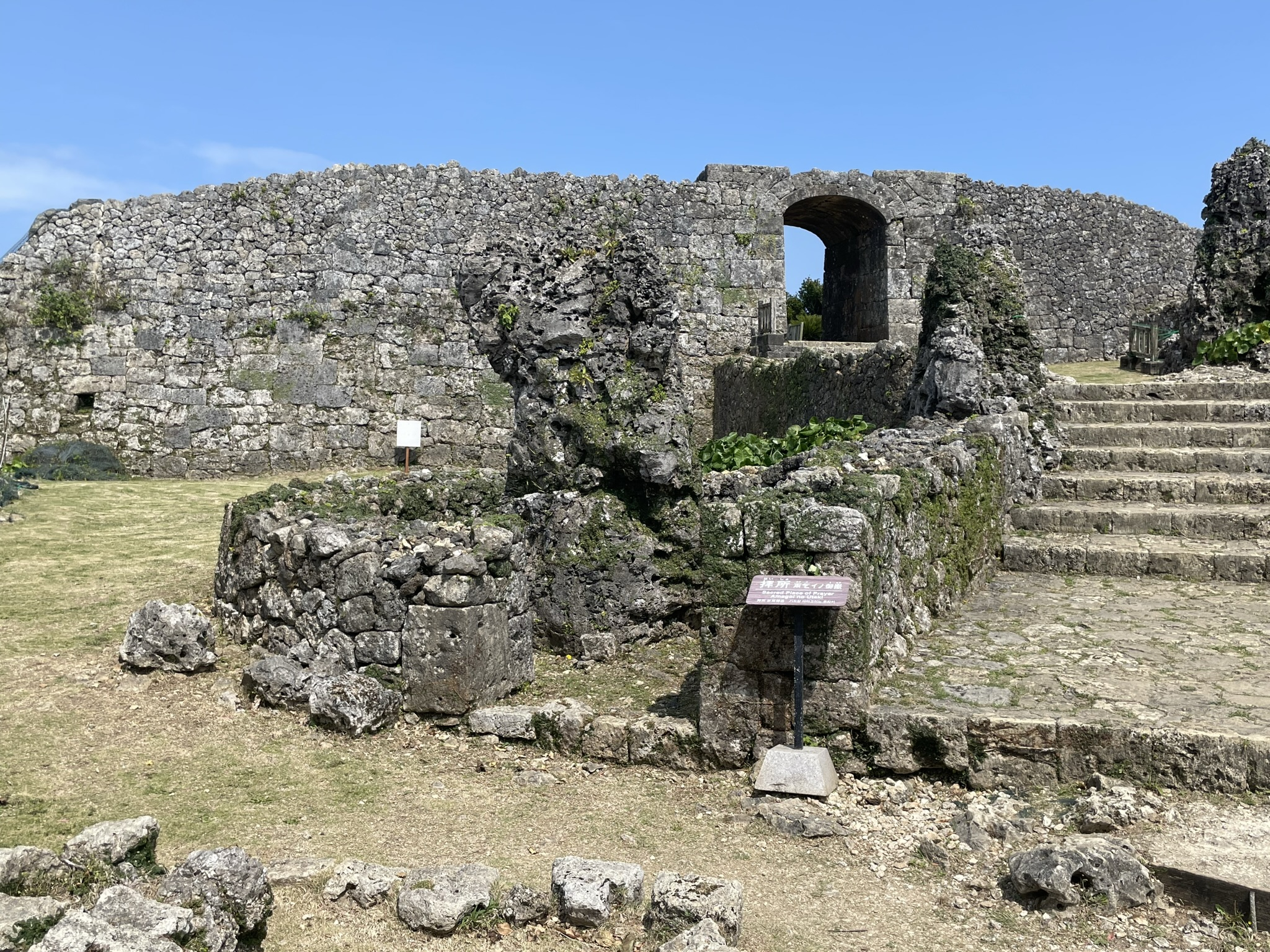 Abby and I hit up some of the traditional, historically oriented sights. Nakamura-ke, a wonderfully preserved residential compound from the 17th century, and Nakagusuku-Jo, majestic castle ruins overlooking the ocean. You can look this stuff up on the Internet, it’s all worthwhile and you should go if you’re around, but what you actually want to hear about are capybaras, mingling with goats, over the top lighting installations and Pokémon themed gardens.
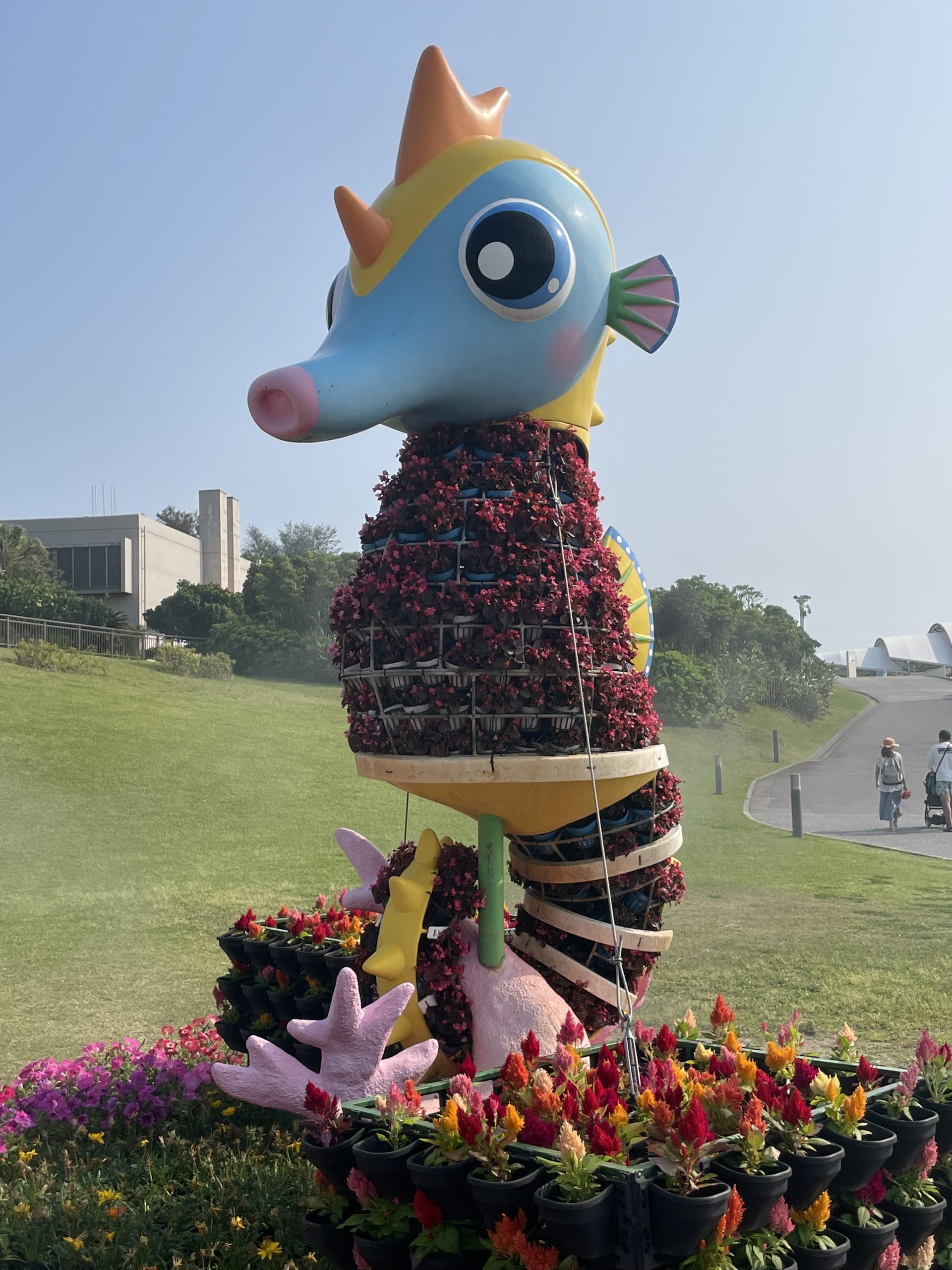
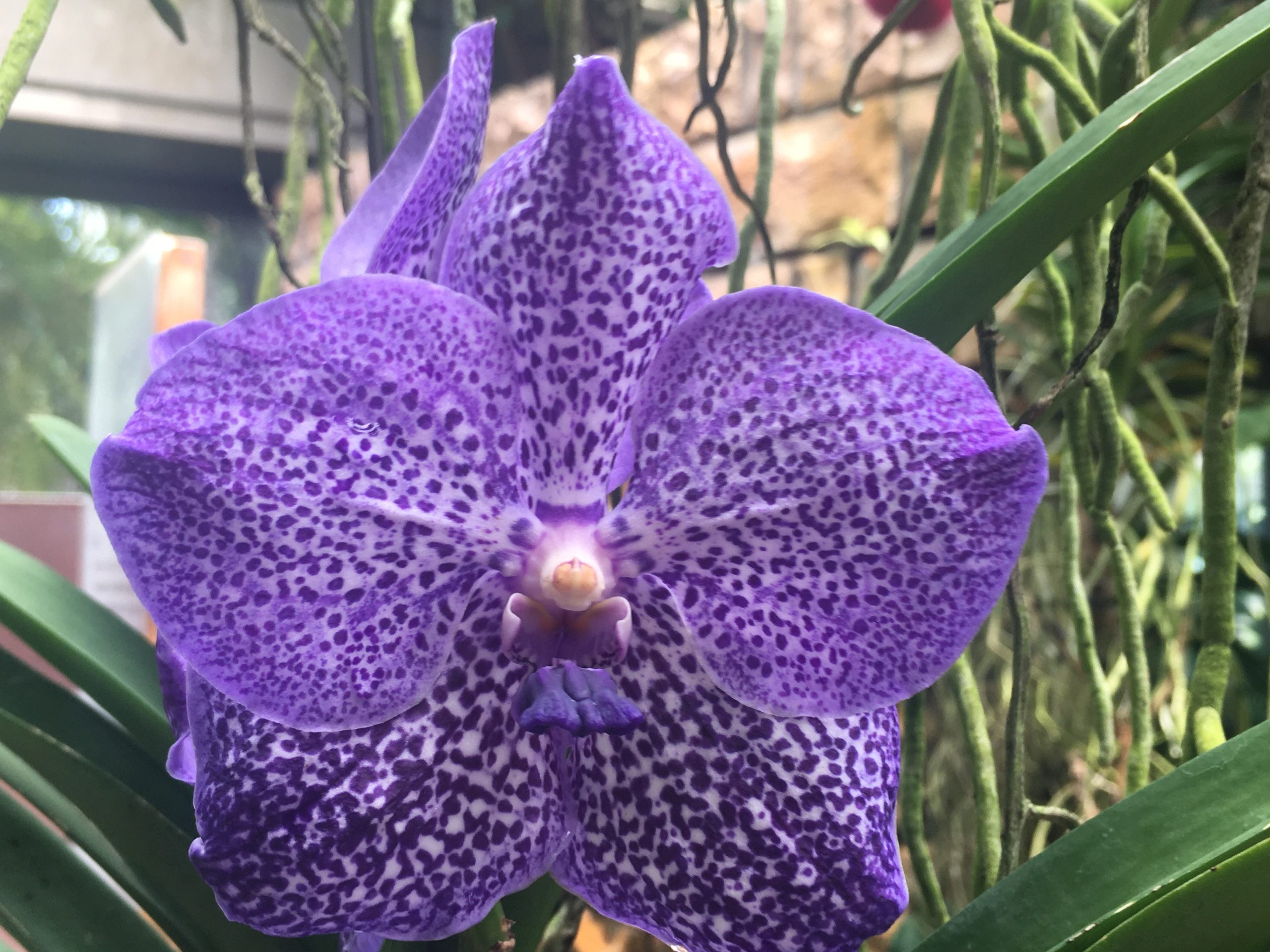
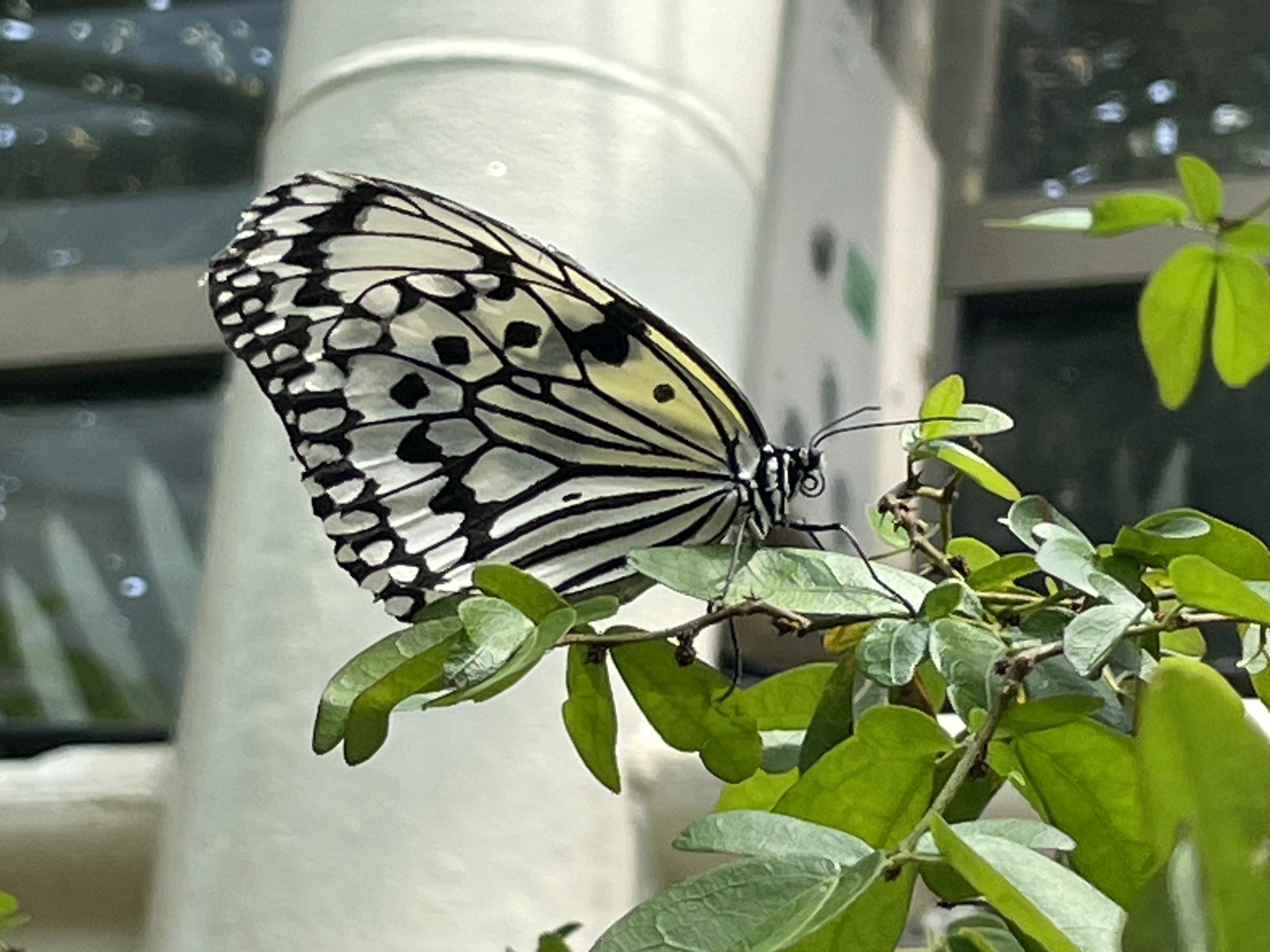
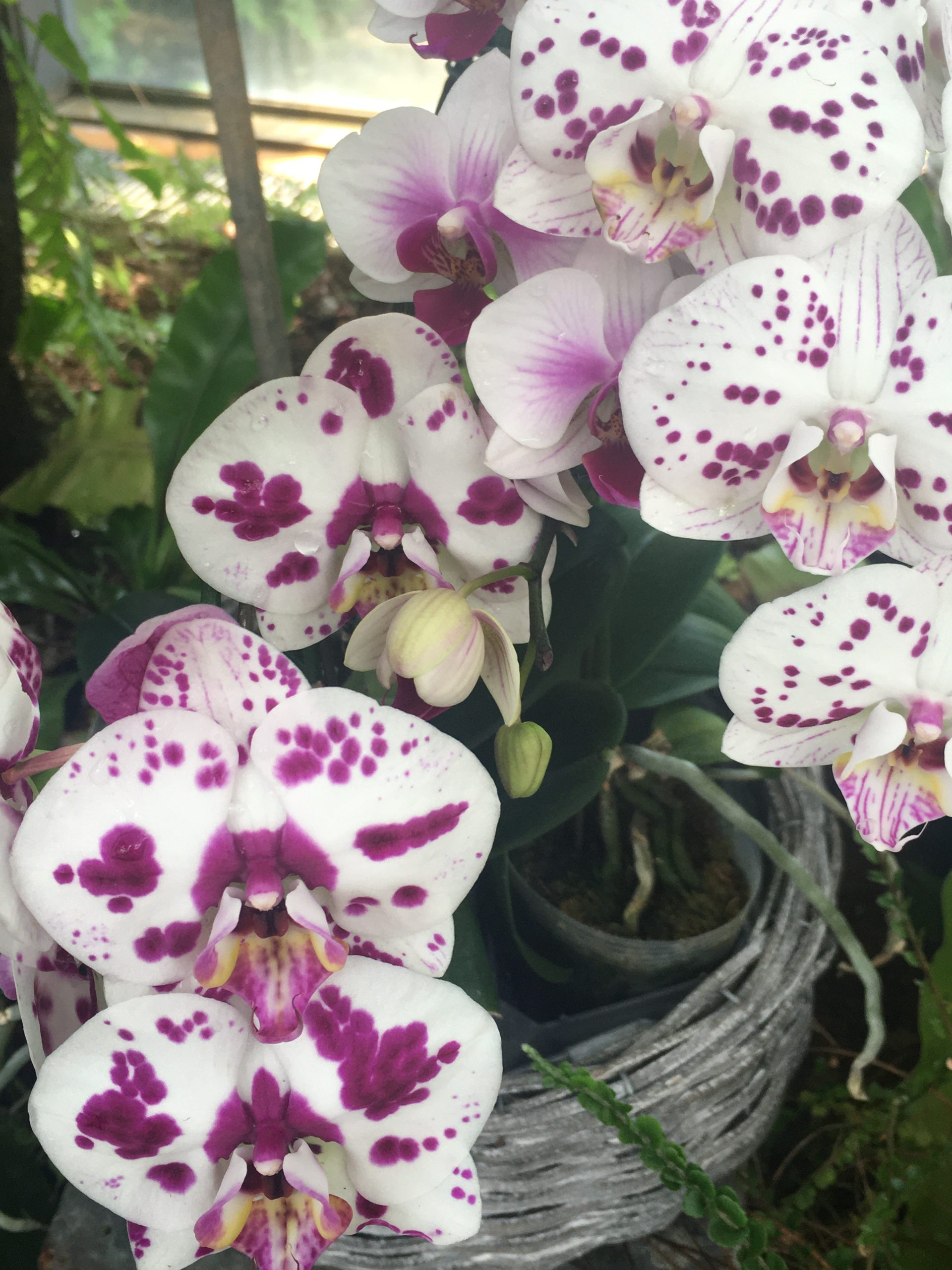
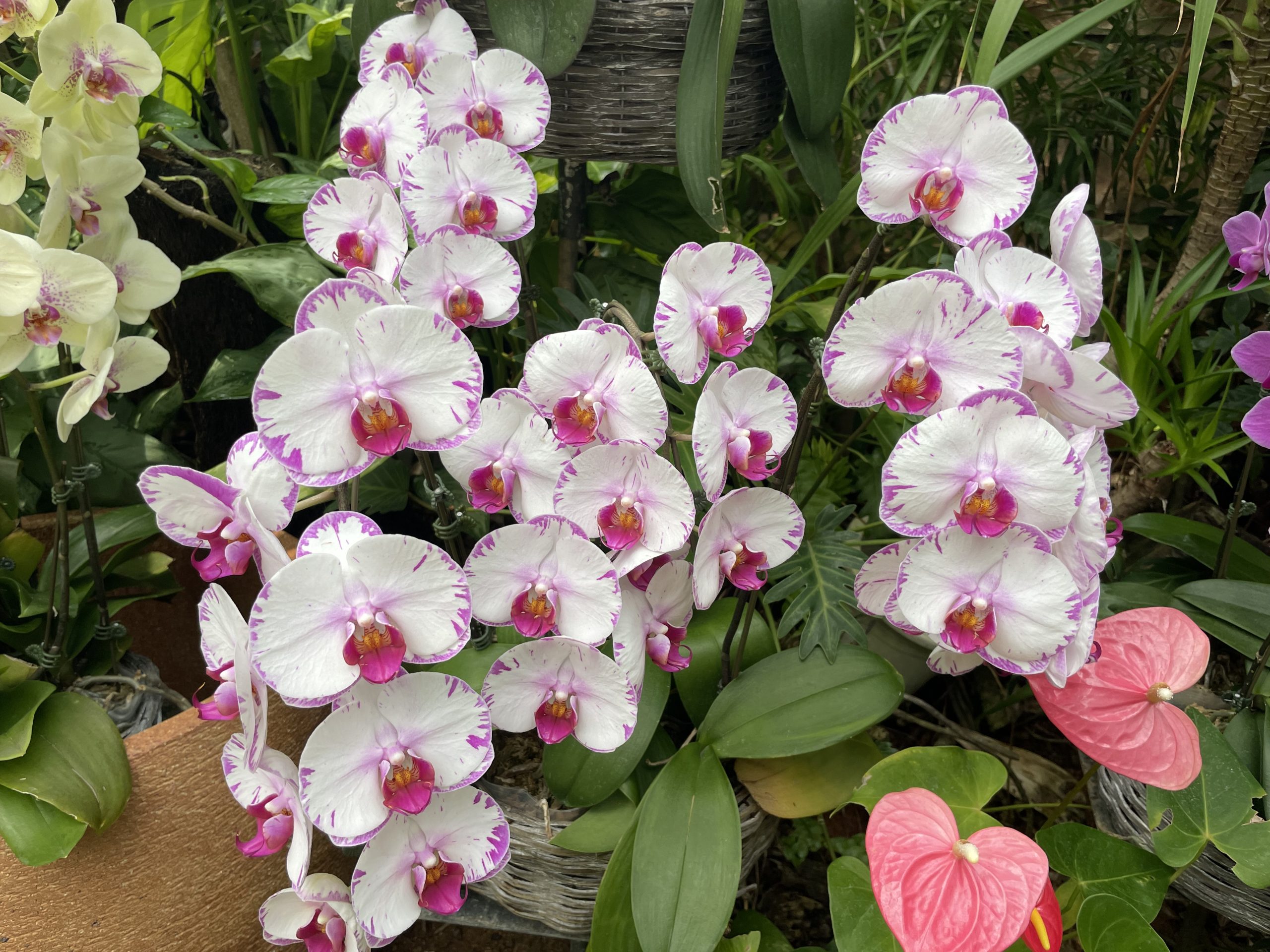
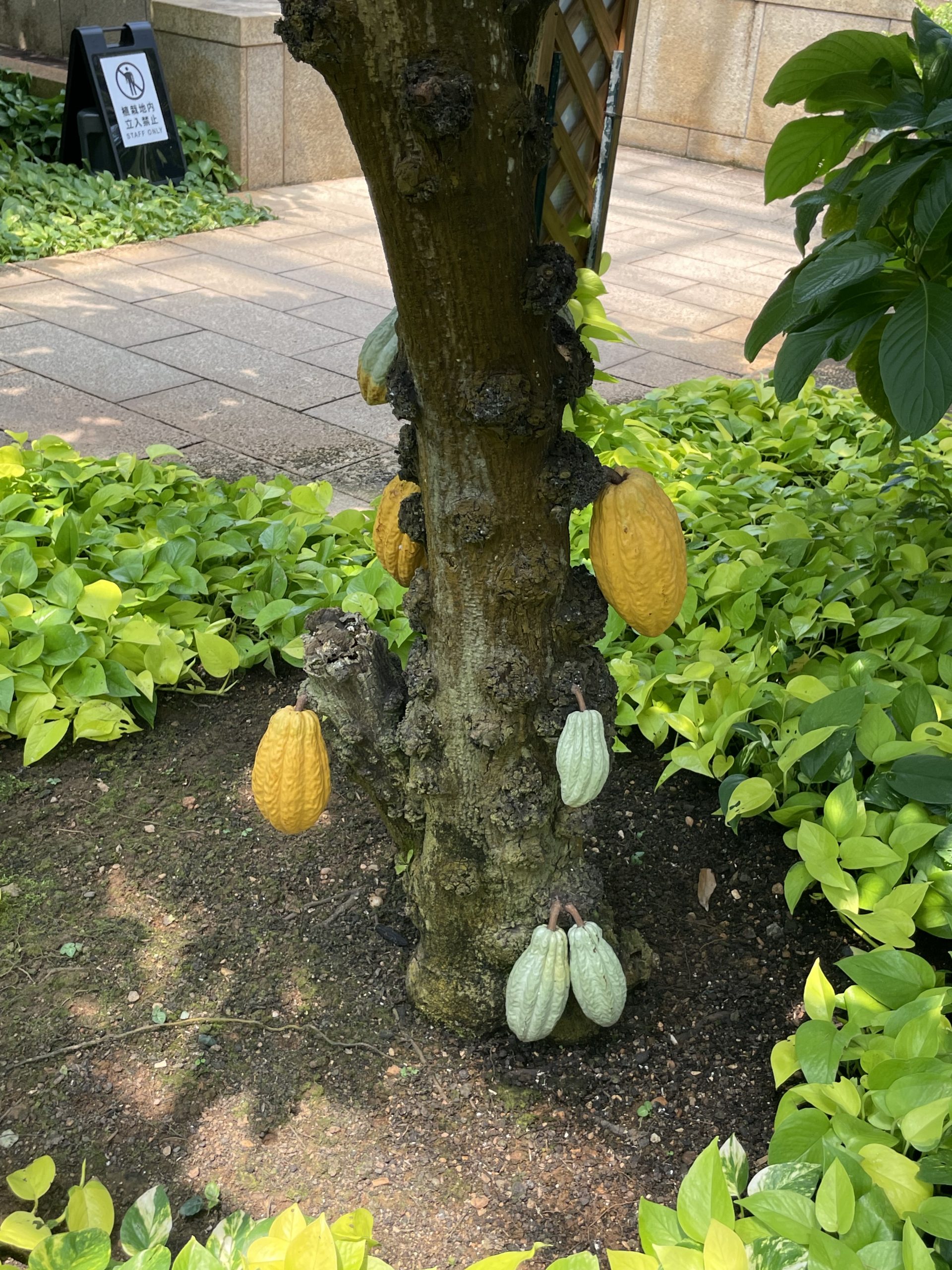
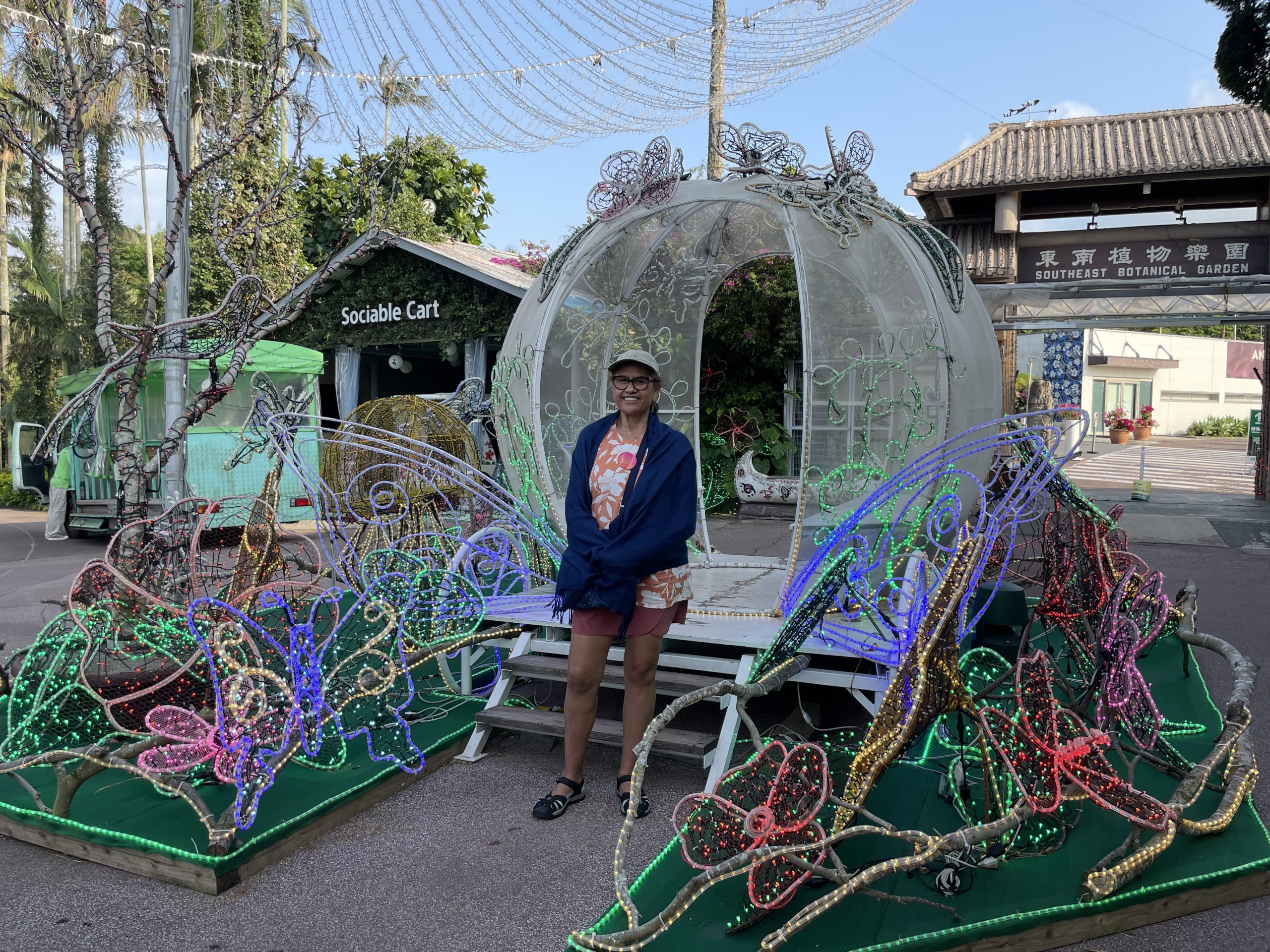
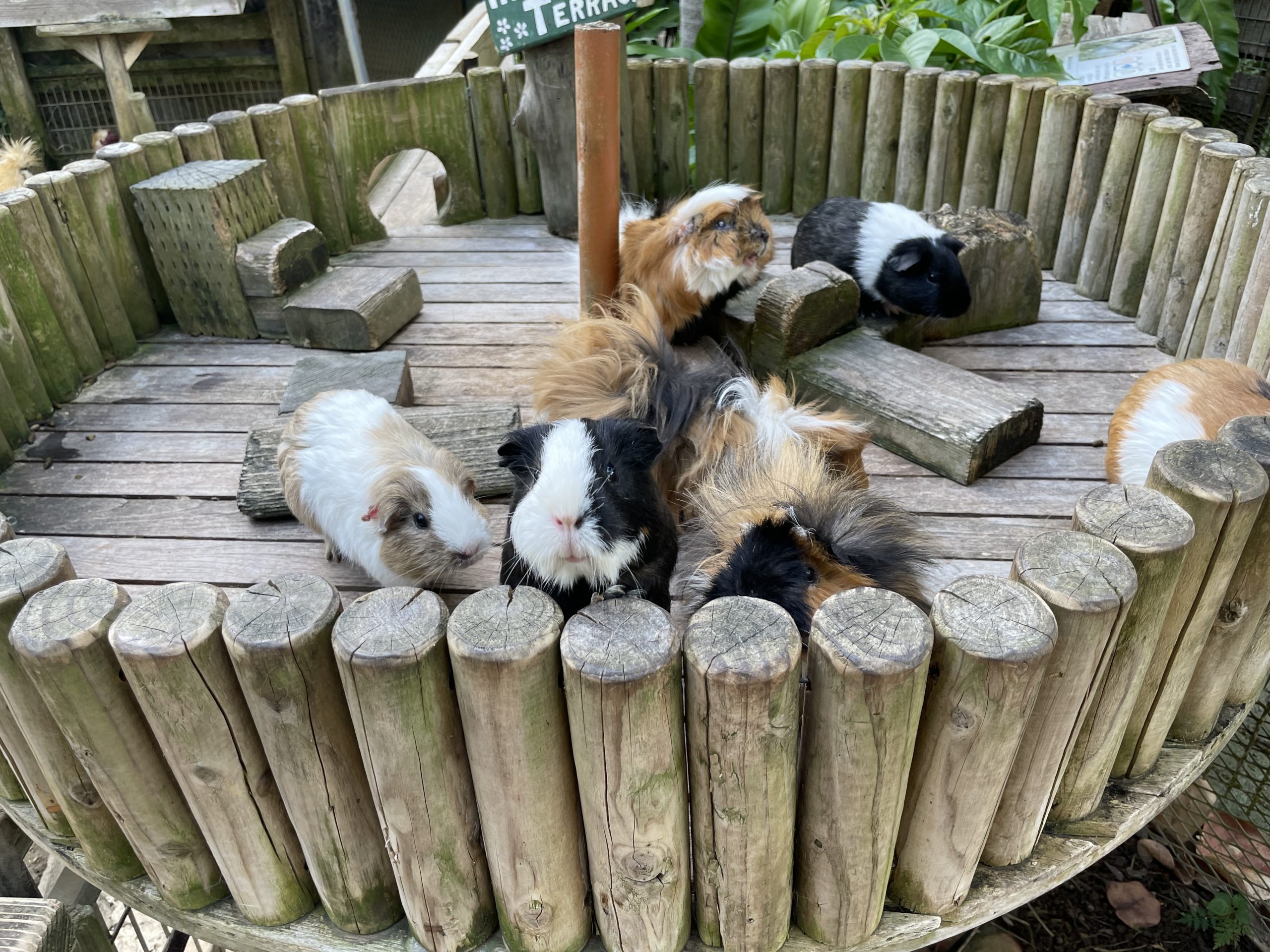
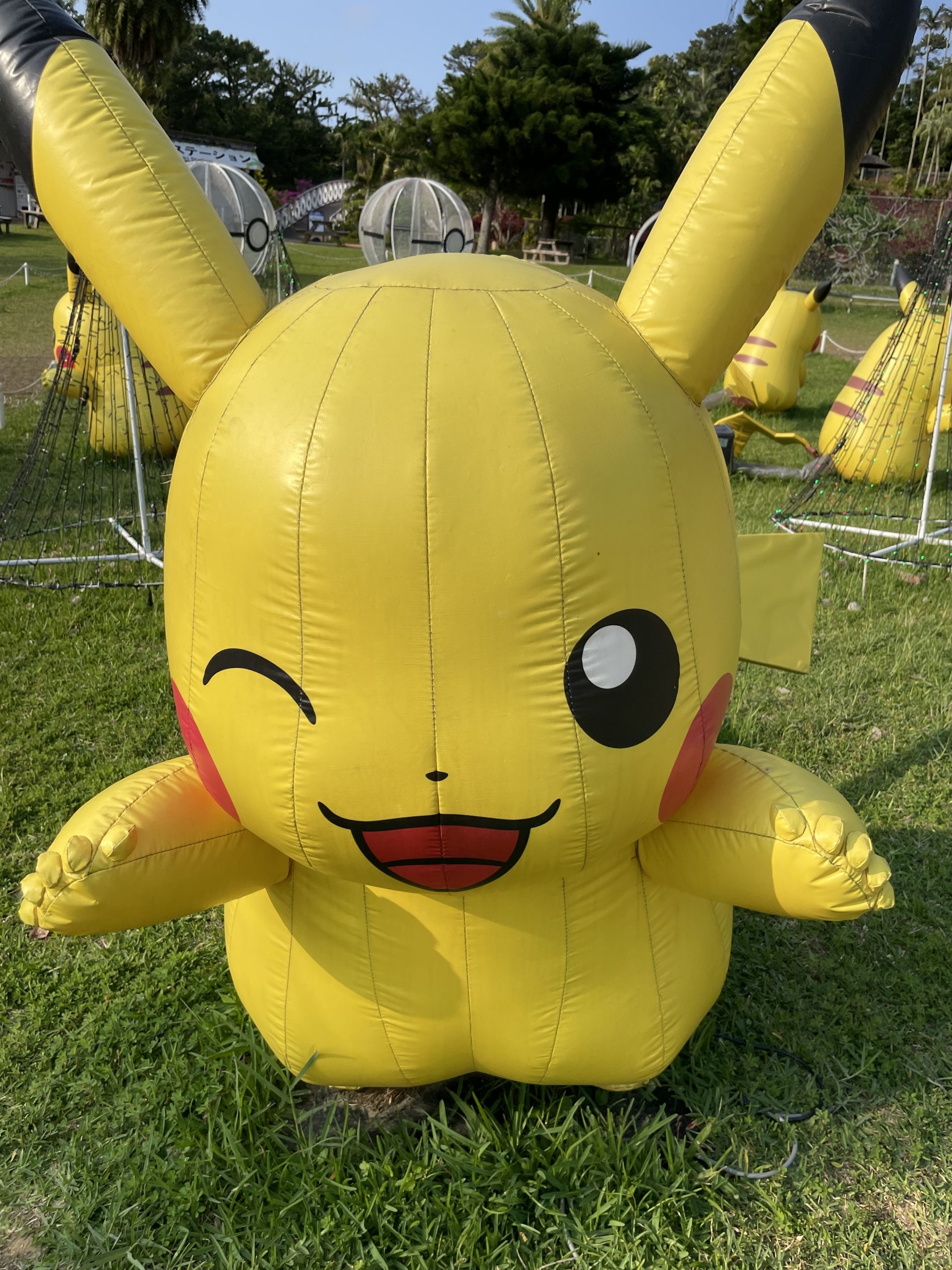
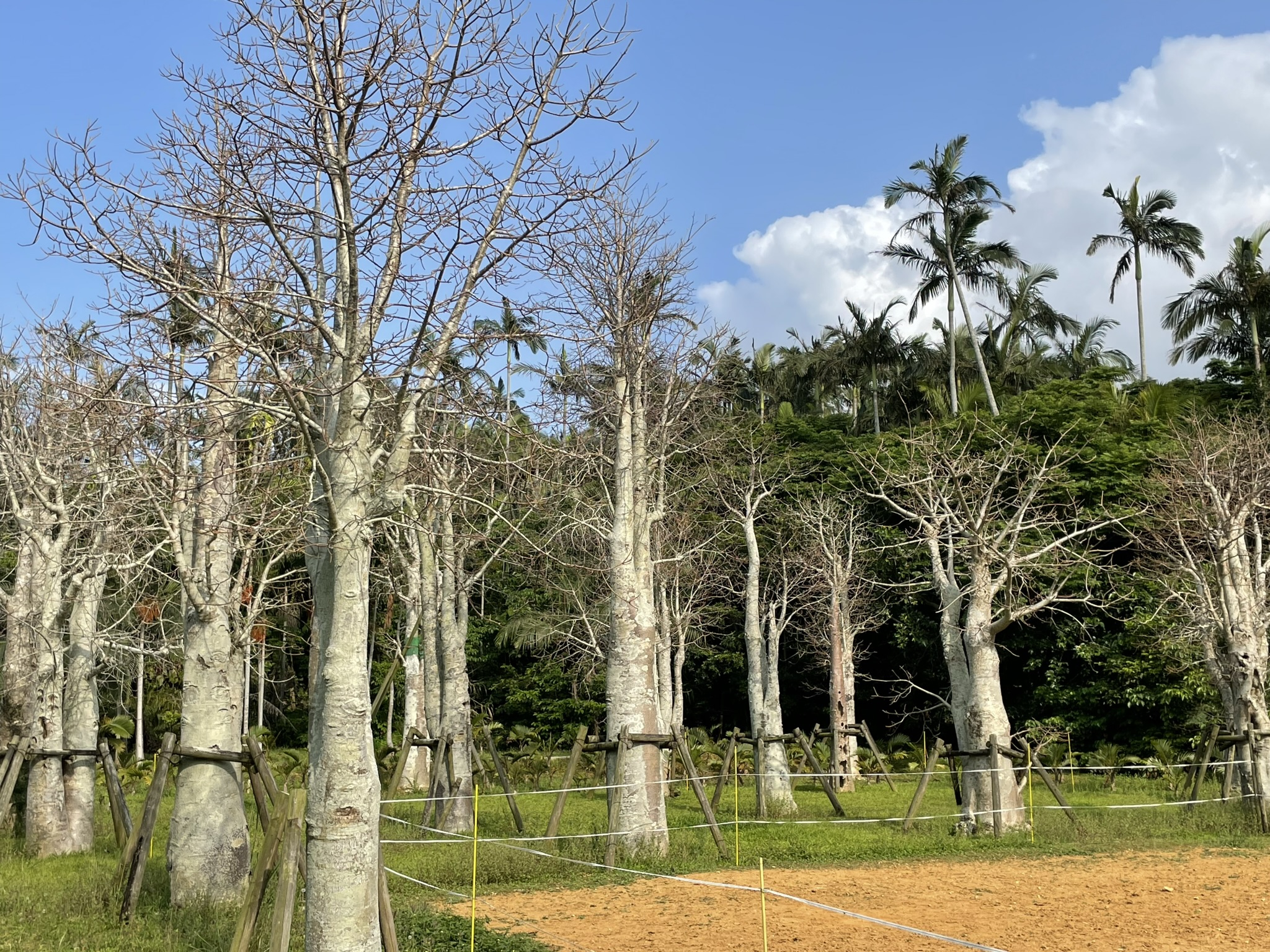
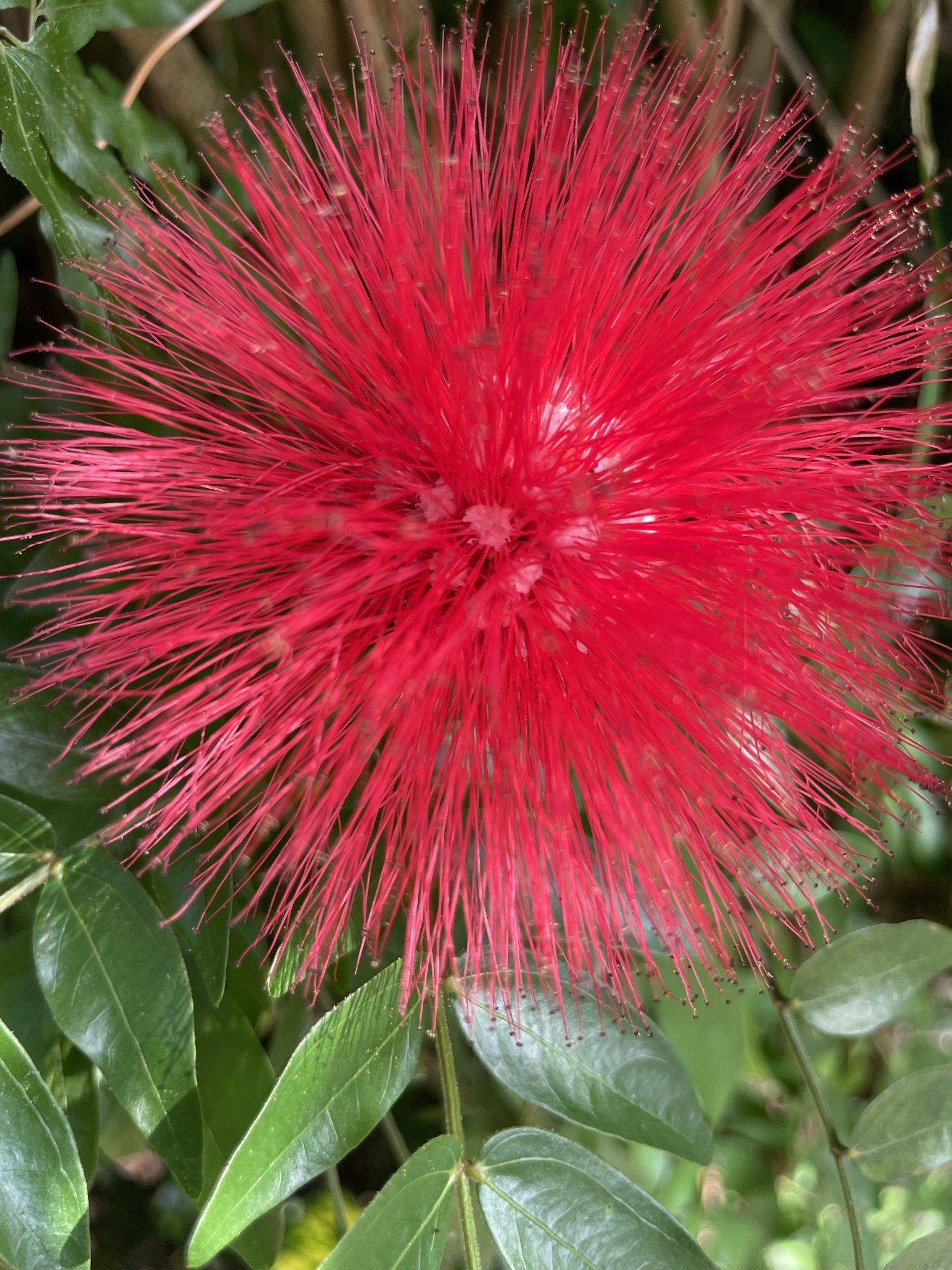
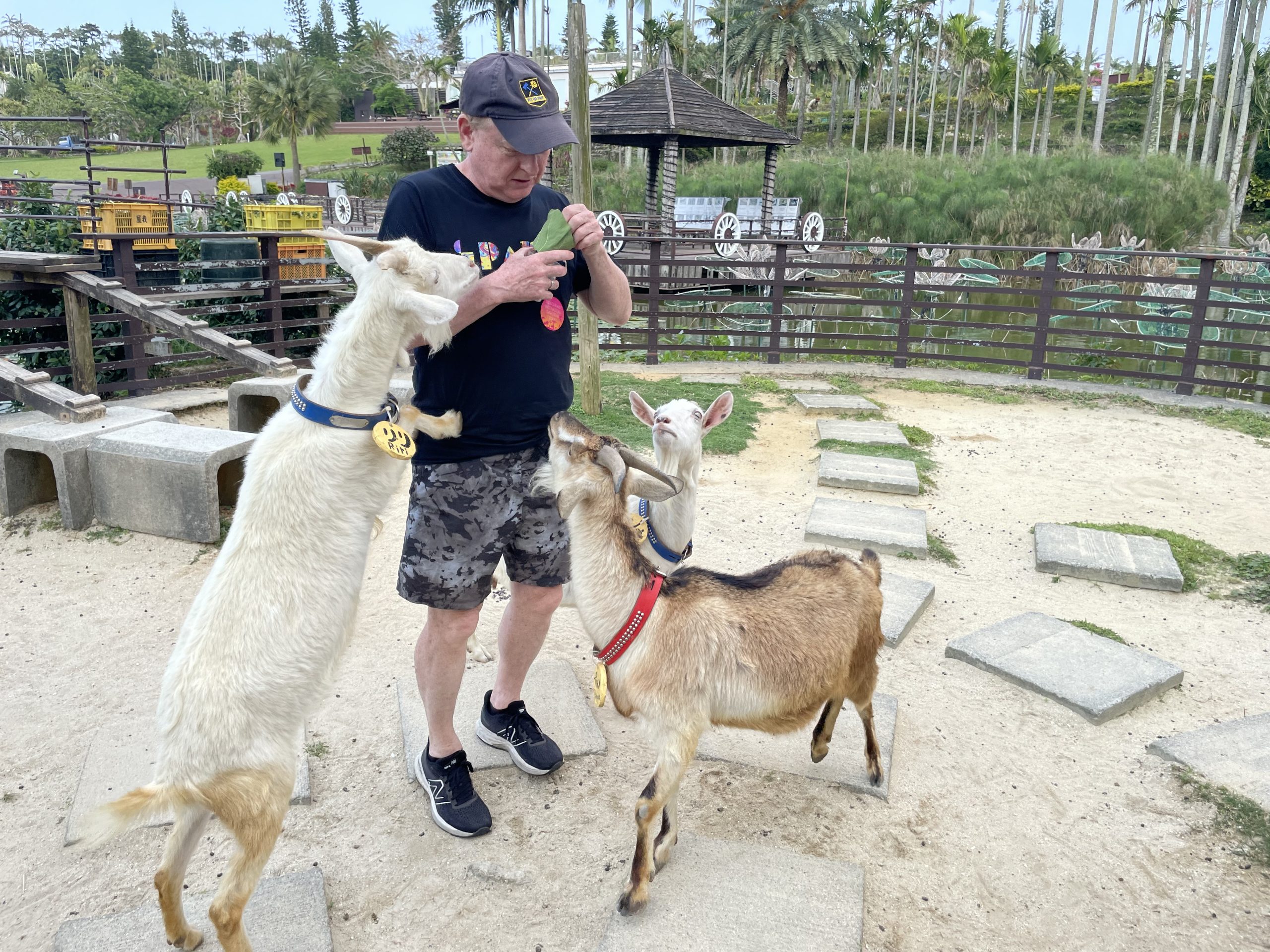
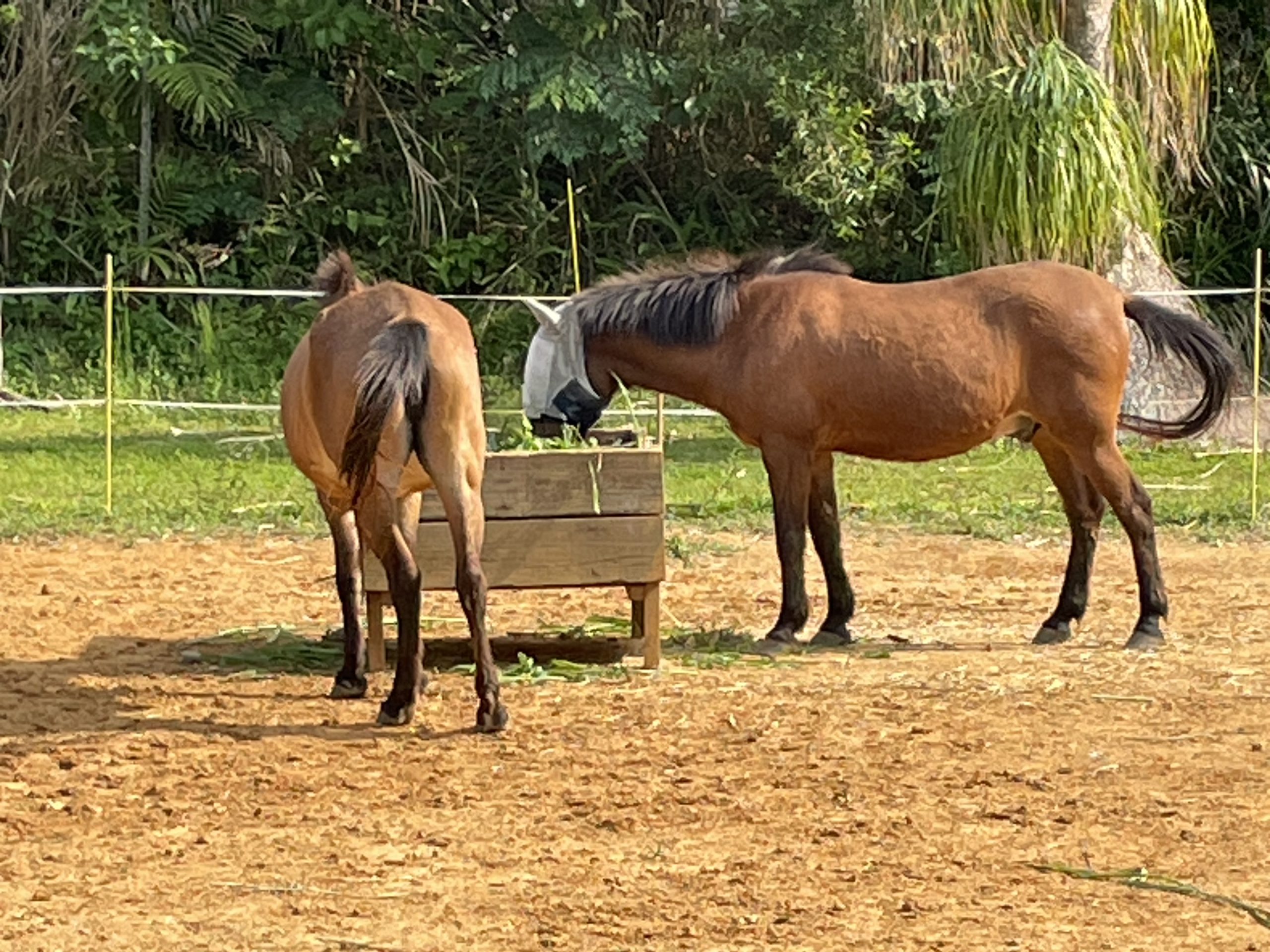
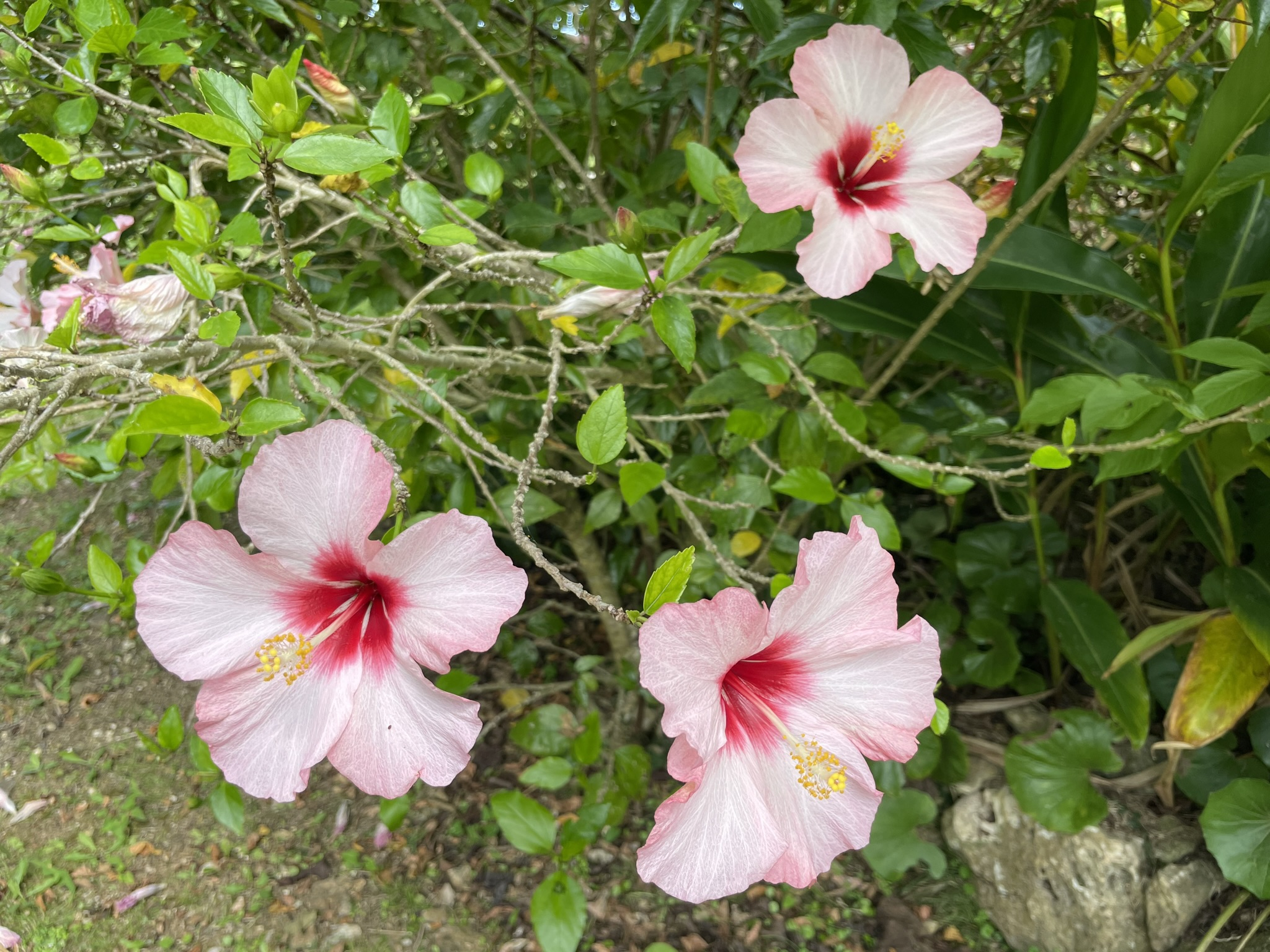
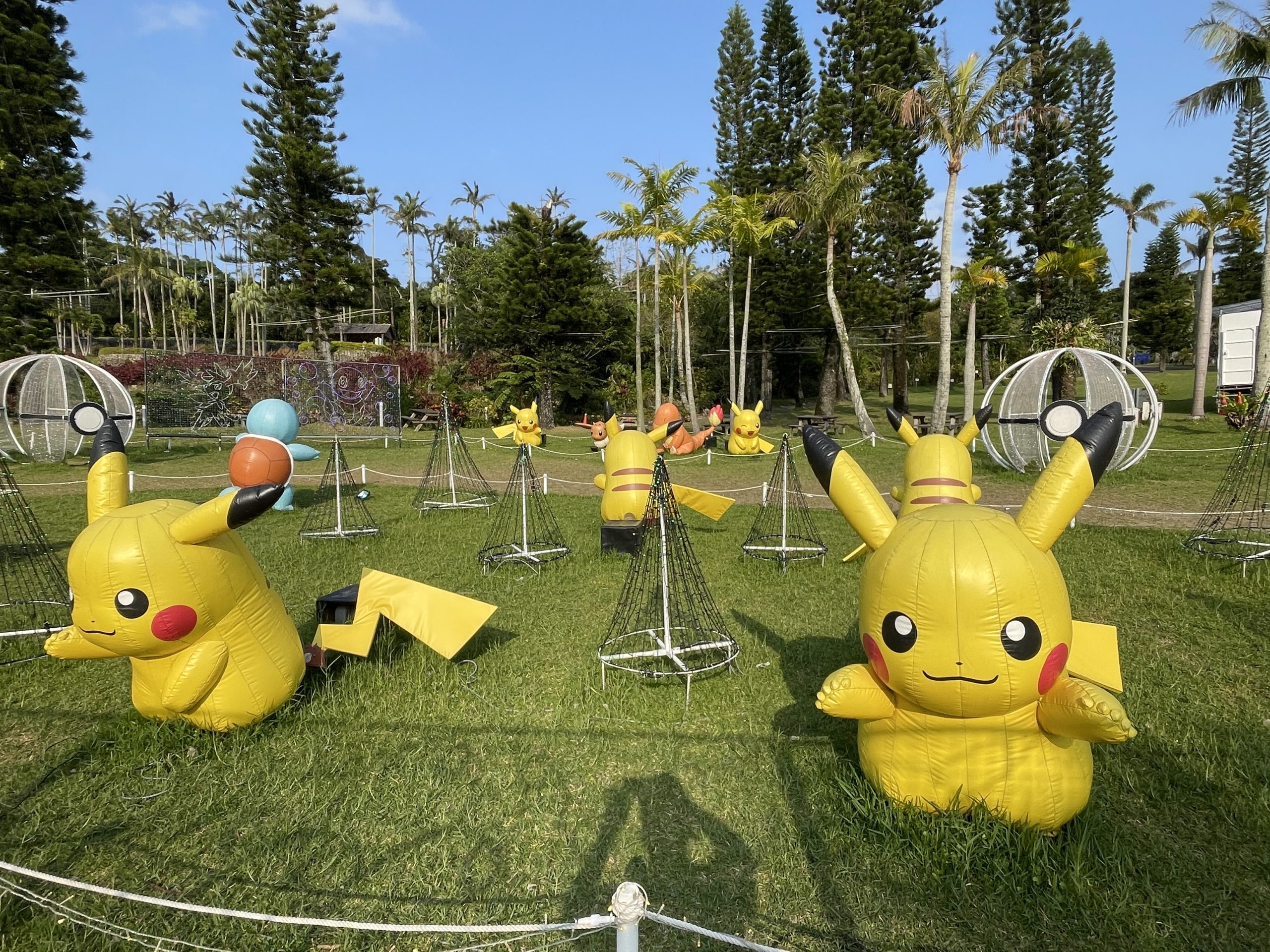 Luckily, we have just the thing, the inaccurately named “Southeast Botanical Gardens”. Like the mashup Huis Ten Bosch theme park near Fukuoka, this place throws the kitchen sink, metaphorically speaking, at Japanese families to get their Yen. Yes, there is a modest botanical garden with some cool orchids, palms and baobab trees, but there are also pygmy Okinawan horses (Yonaguni ponies) and you can hang out with Guinea pigs. They do an evening shift with extensive psychedelic lighting and there’s always piped-in Okinawan music throughout the grounds. Welcome to the Pokémon lawns where, inexplicably, a multitude of Pokémons watch you with glazed excitement.
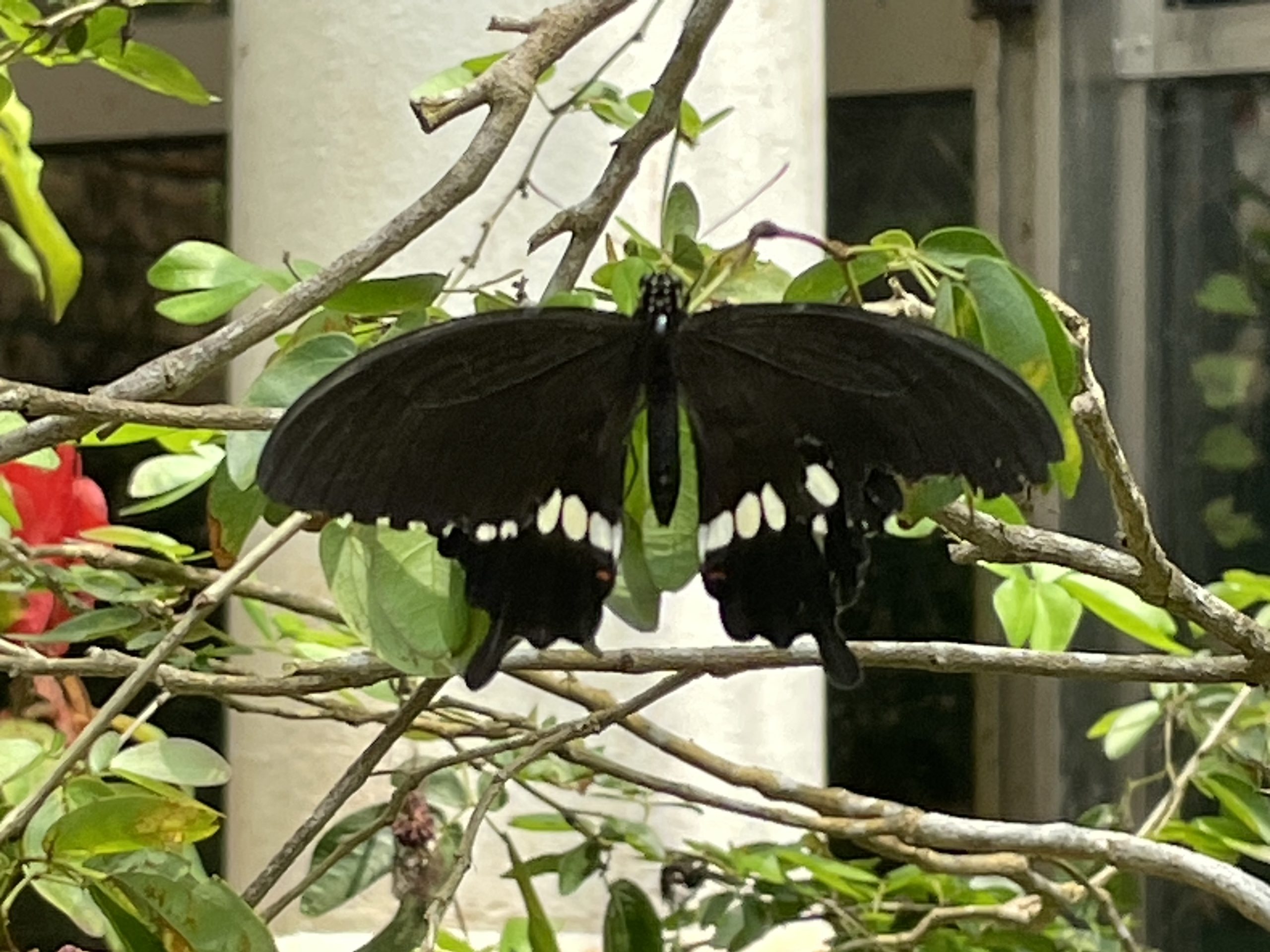
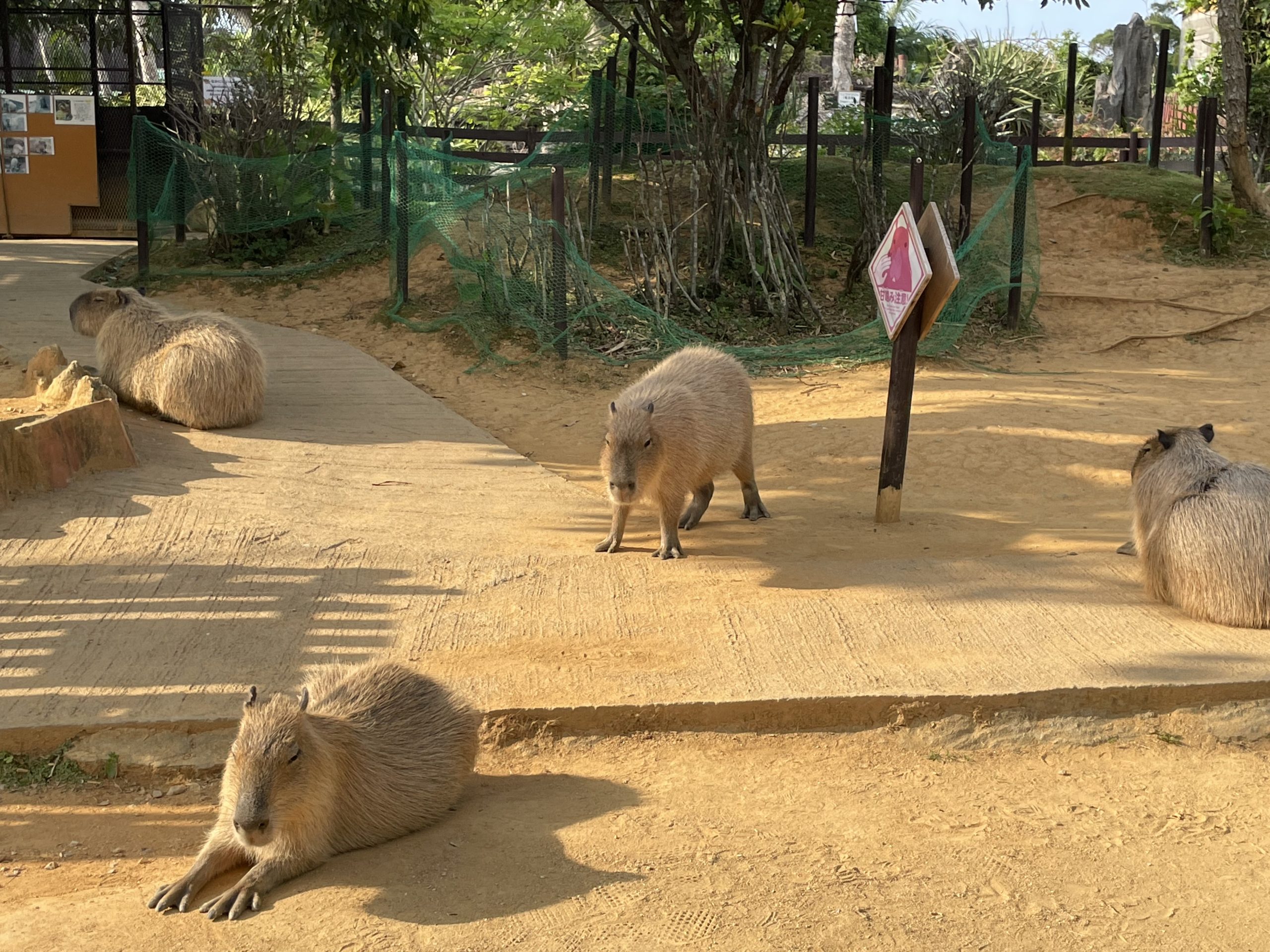
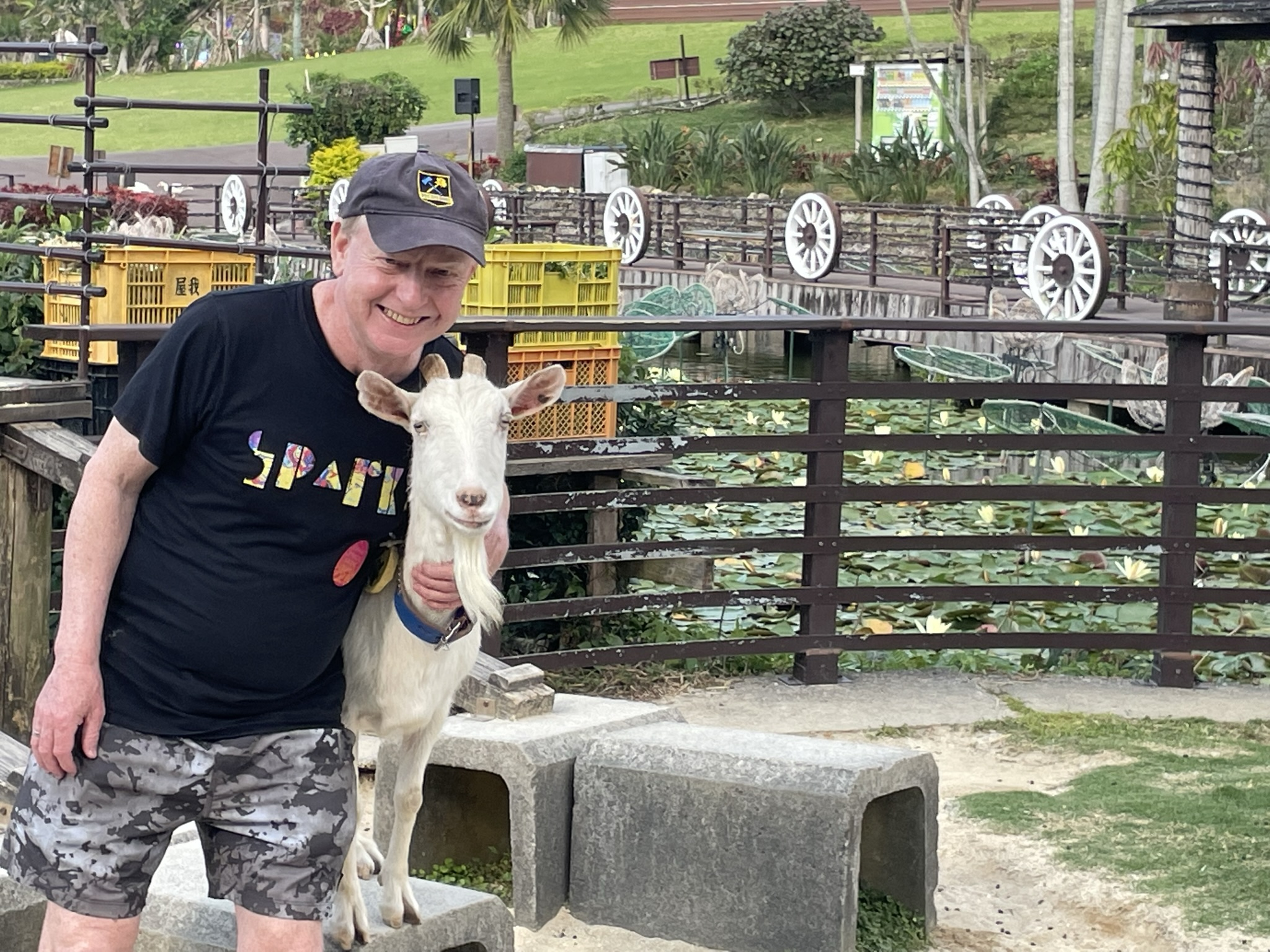 As promised, capybaras but, to be honest, they’re a little laid back, but you can get right in with the exotic birds, goats, guinea pigs, butterflies and God knows what else. It’s a bit of a free-for-all compared to the US or Europe, but the animals seem to be doing OK.
We mostly do Airbnb, or equivalent, for kitchen and laundry access on the road, and we’re certainly doing a fair bit of cooking after three weeks in Japan. Although we love Japanese restaurant food, they do not leave any vegetable un-mauled. It’s usually pickled, mashed, fermented, deep fried or otherwise mutated. It’s often very good but, sometimes, we just want to taste steamed broccoli(!), a super rare incidence in Japan; have we even seen a cauliflower since we got here?
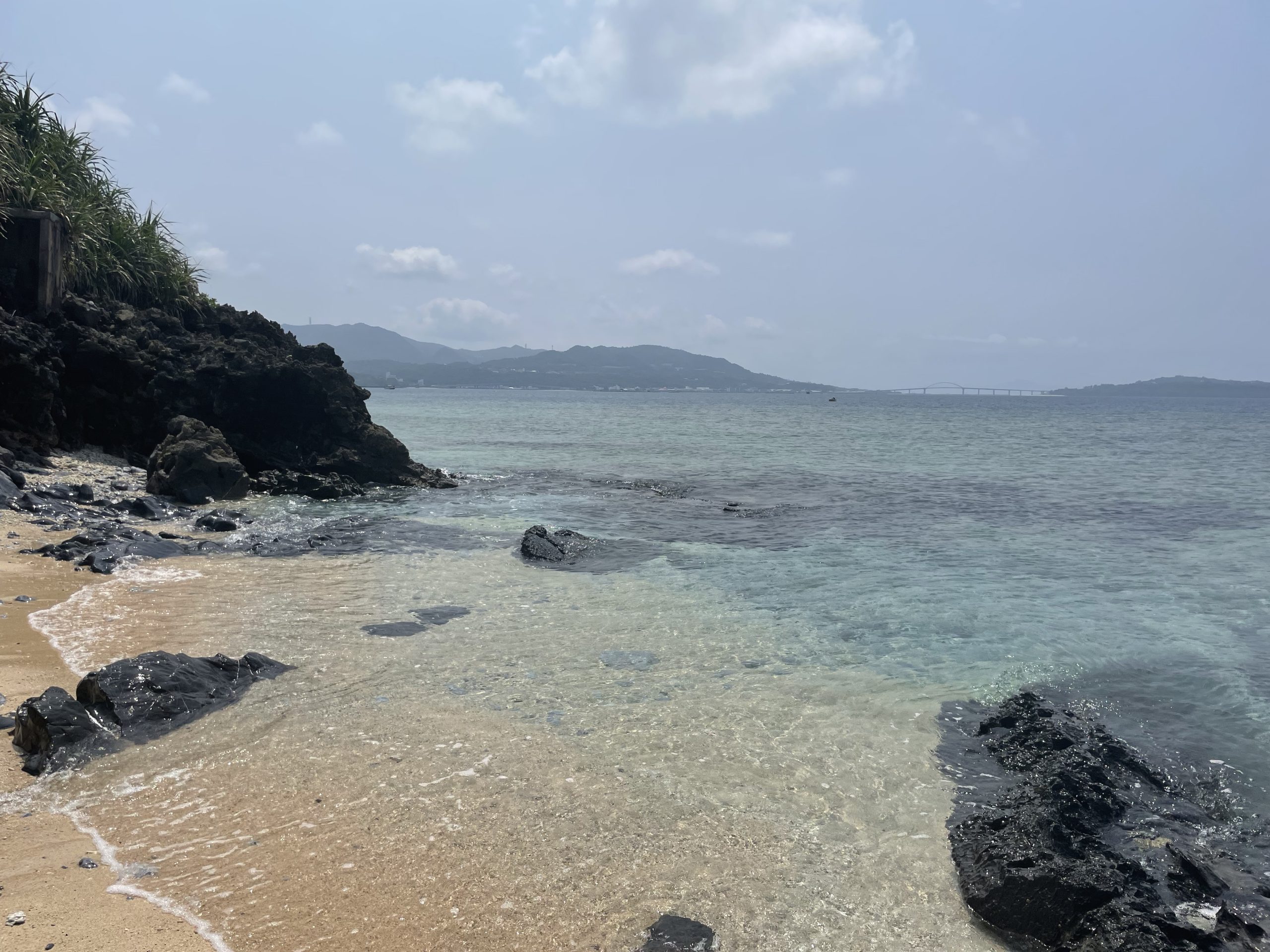
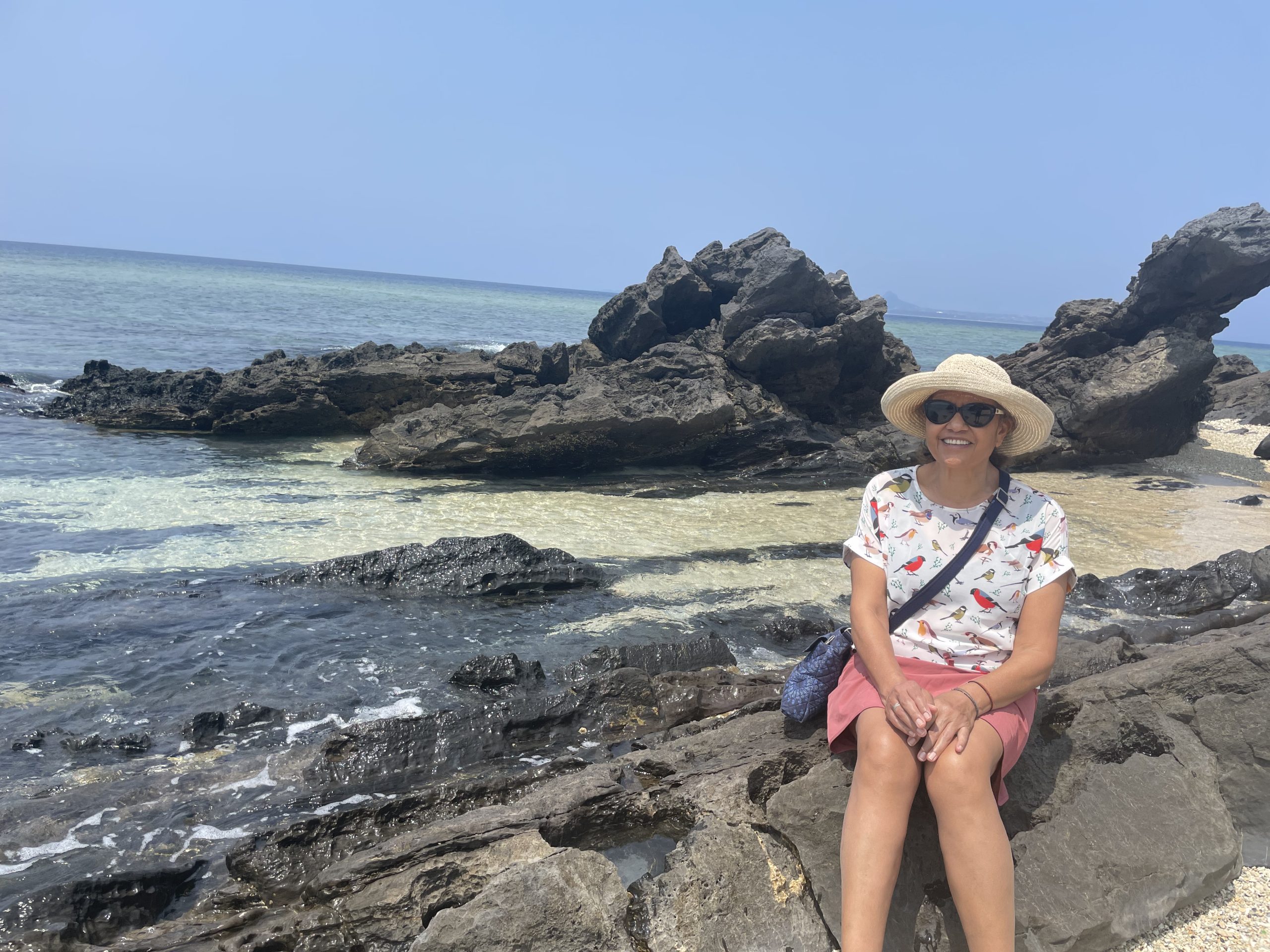 Okinawa’s nature is not allowed to run free, there are not many easily accessible public beaches, the military bases take up space, and there are a number of big “attractions”. If you don’t like that, take a ferry or plane to another island, meanwhile we’re off the Ocean Expo Park in NE Okinawa. Great location overlooking the sea, amazing tropical plant conservatory, a large aquarium and extensive grounds with tropical landscaping. It’s during the week early in the season so it’s eerily quiet away from the main activity areas. Even though the park verges on cheesy in spots, it has some beautiful small beaches, though the management try to keep people out of the water by warning of poisonous jellyfish and other marine hazards, but the water’s still cool enough that there’s no temptation to jump in.
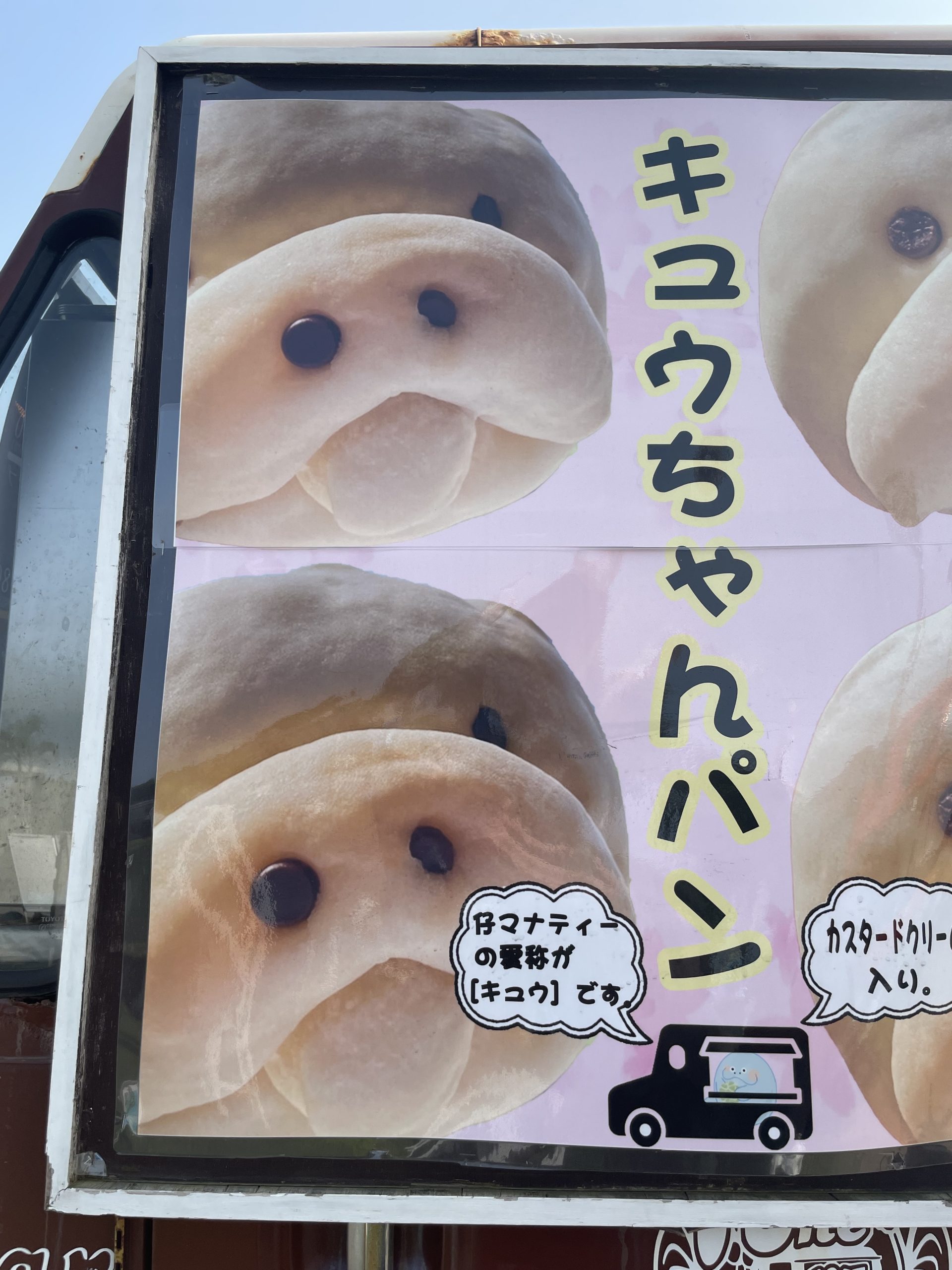
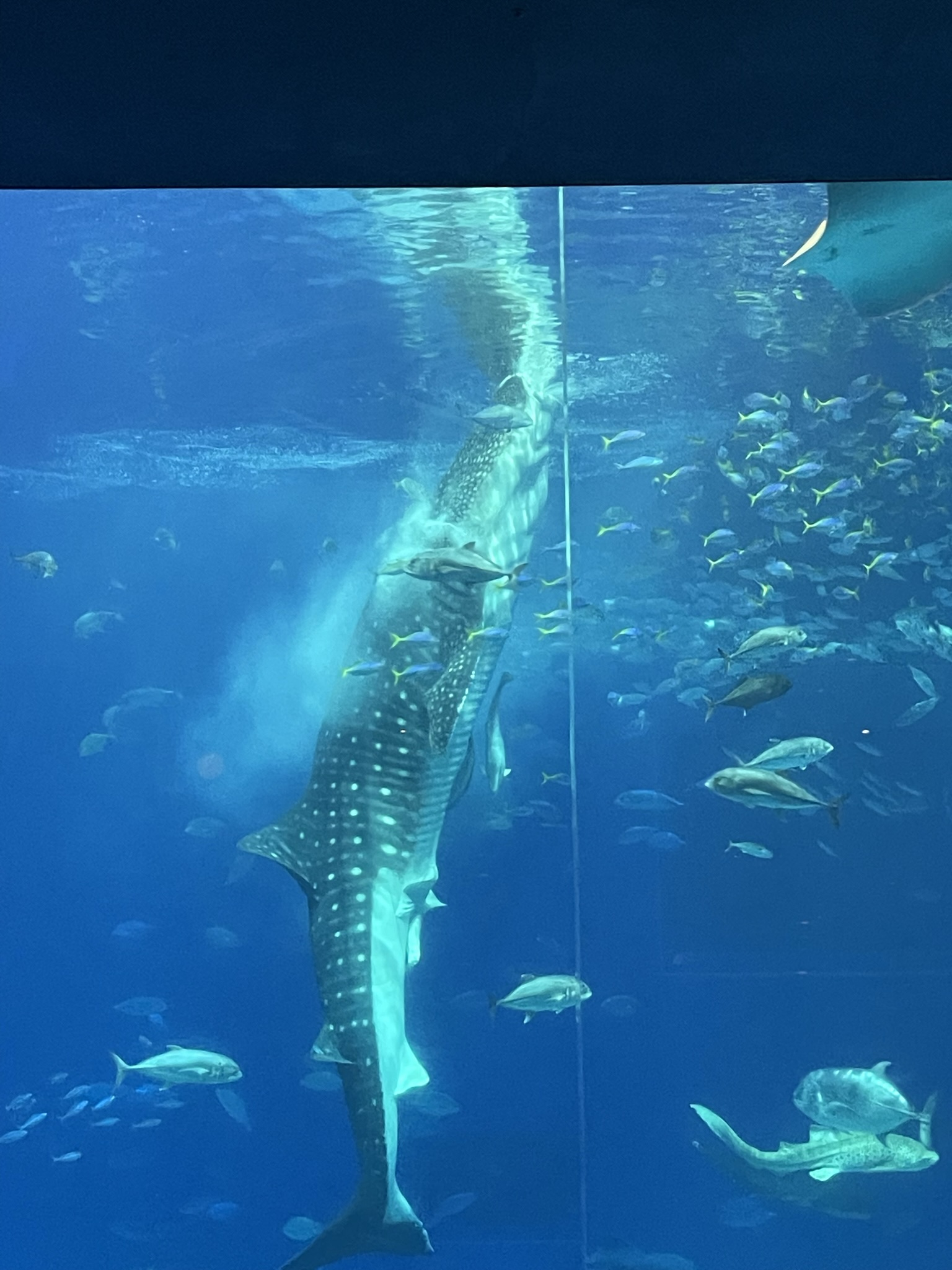 We do visit the aquarium, which has an awesomely large main tank including a whale shark and manta rays. The feeding of the former is something to see as the whale shark, the world’s largest fish, not a cetacean, hangs vertically in the water, giant mouth wide open, sucking in huge quantities of krill (very small shrimp), its primary diet. There’s a problematic dolphin performance and a problematic tank containing manatees. We’ve had enough of these aquatic dog and pony shows, so we take the long but pleasant walk back to our car in virtual solitude as the sun starts to set.
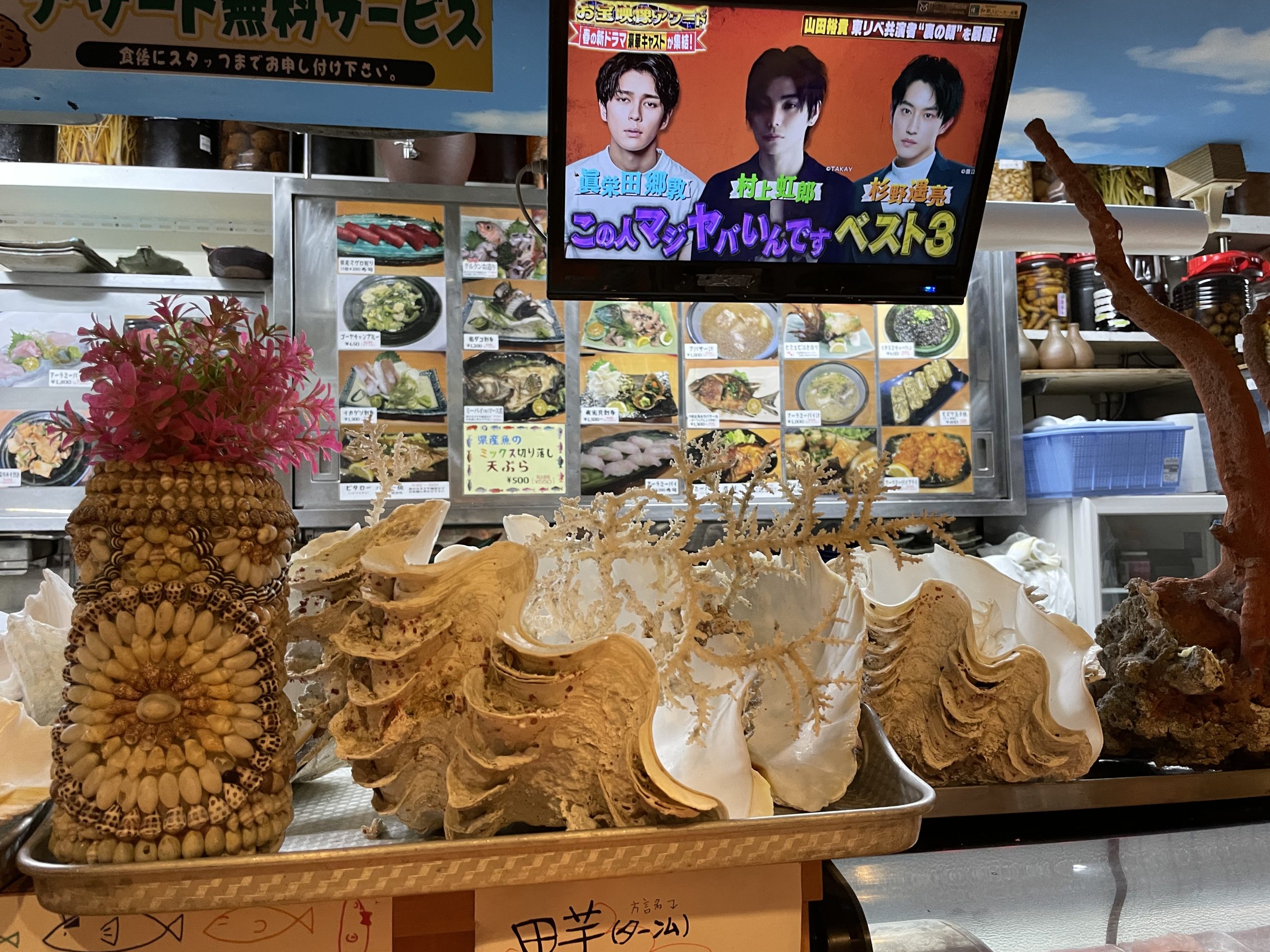
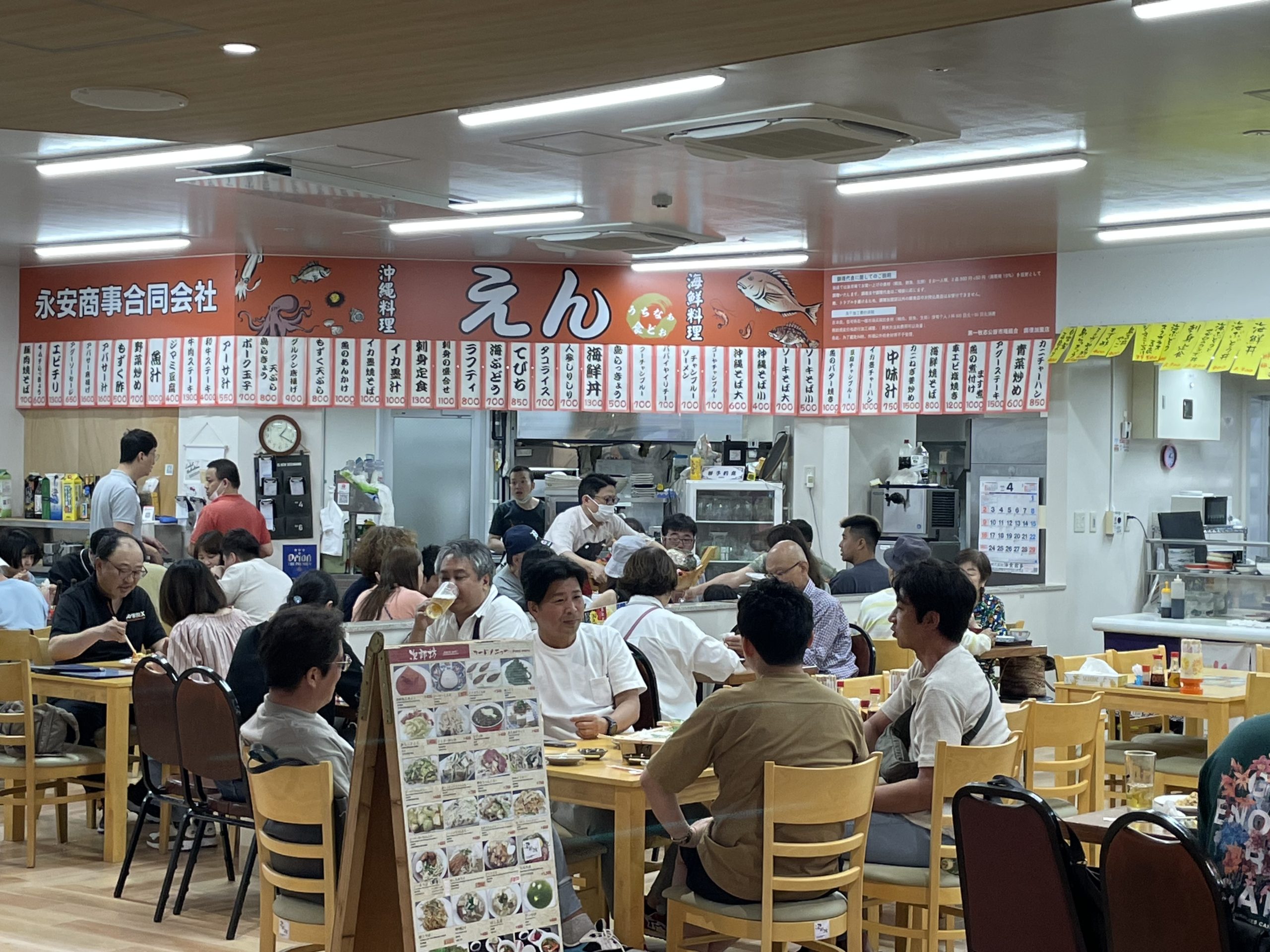
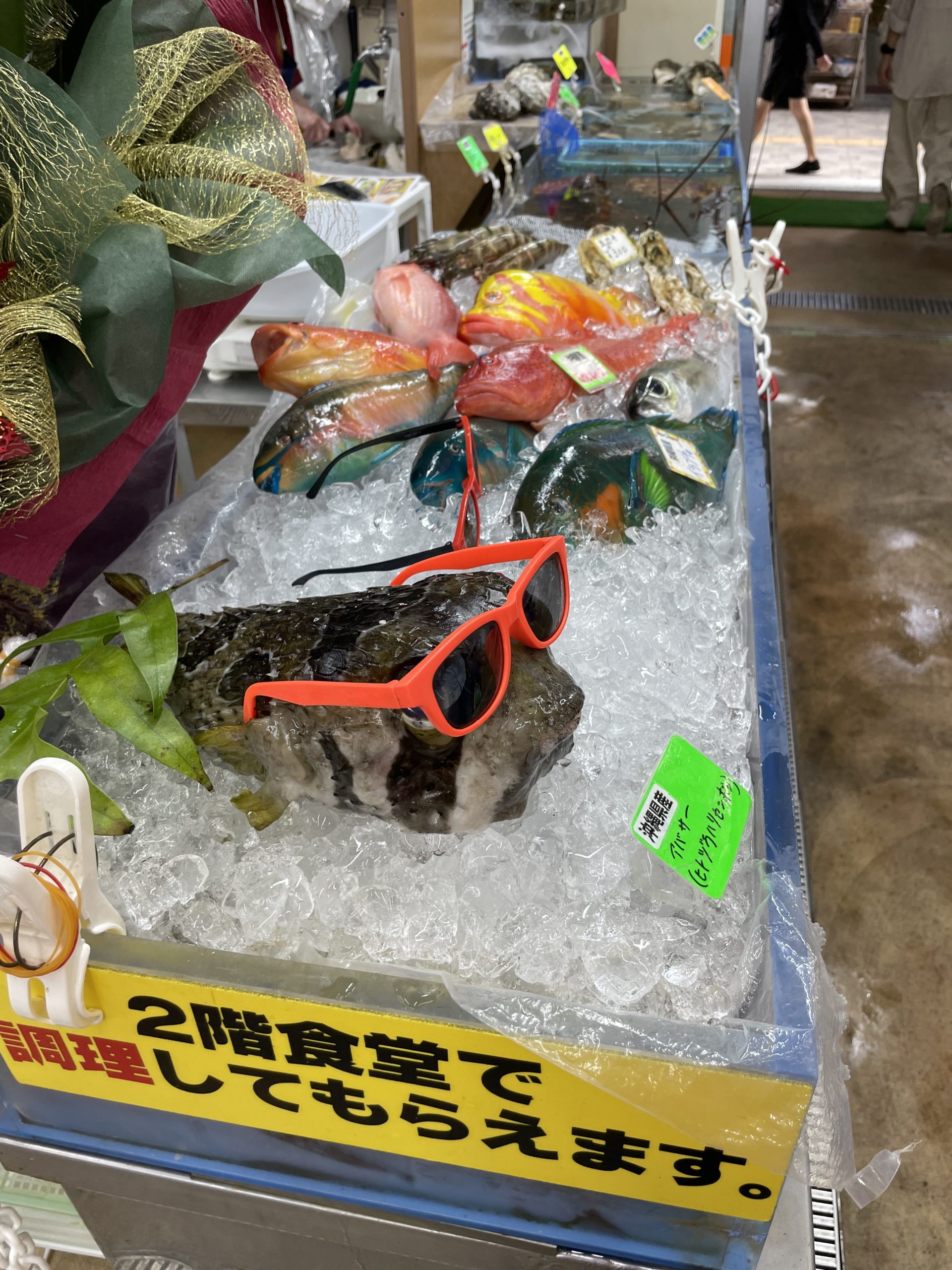 We’ve eaten at a few izakayas during this extended trip but now were going to get a taste of authentic Okinawan seafood specialties at Churasan Tei, a colorful, boisterous, crowded pub with quite an intimidating menu. Even with English translations, its still a culinary adventure. Giant sea snails, sea grapes (umi budo), exotic sashimi, squid ink champlu (stir-fry) and many other things that we never ID’d conclusively. Then, there’s the awamori, a liquor derived from rice, which is the Okinawan tipple of choice and which completely eclipses nihonshu/sake in Okinawa i.e. there is no sake on the menu at Churasan Tei but, instead, an encyclopedic library of awamori. I give it a go on the rocks, and it’s smooth going down, but very strong with an immediate effect. Shots of this fine spirit are not something that Abby and I will be drinking on a regular basis, even though it’s good quality and cheap as chips here.
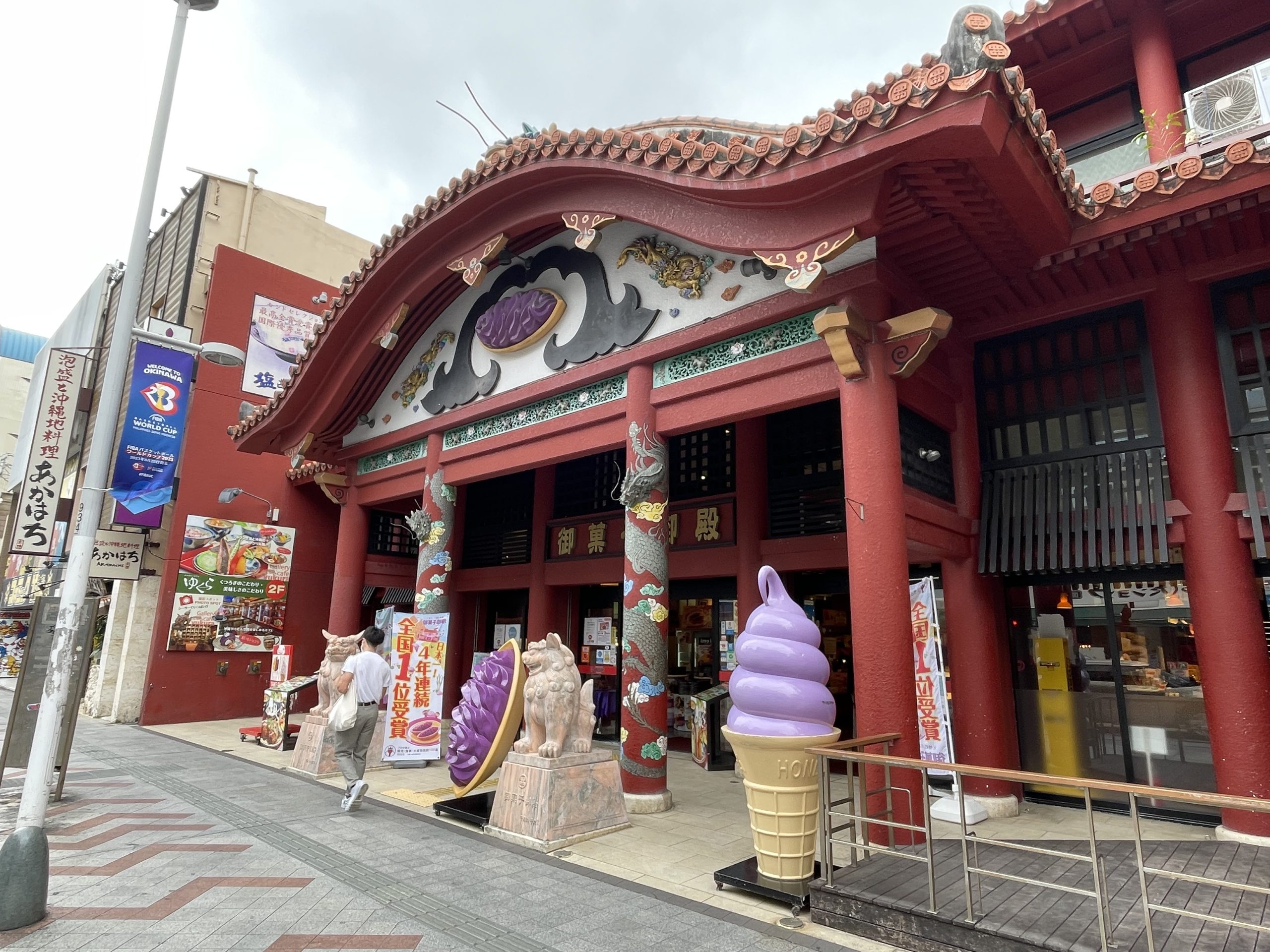
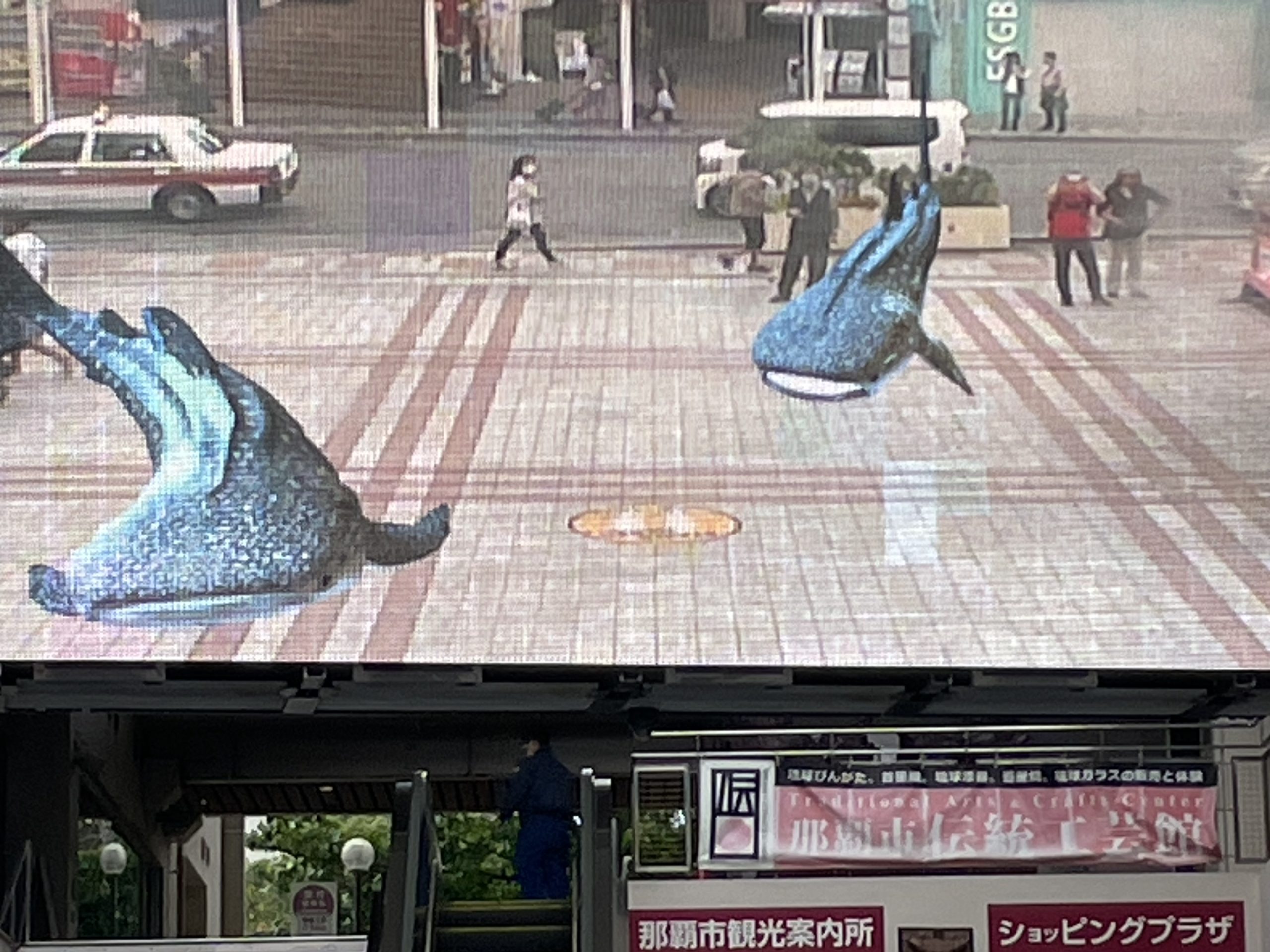
 Naha is a popular holiday destination with Japanese tourists, and very many of them are congregated daily for bouts of recreational shopping along Kokusai Dori (street), which stretches for a mile or so North from the business district. It’s a lively scene split between classy local goods and bog standard souvenir stores, some of which look like they’ve been here since WW2. Japanese tourists getting ready to return home stock up big time on elaborately packaged goods, usually edible, to satisfy their obligations to family and friends.
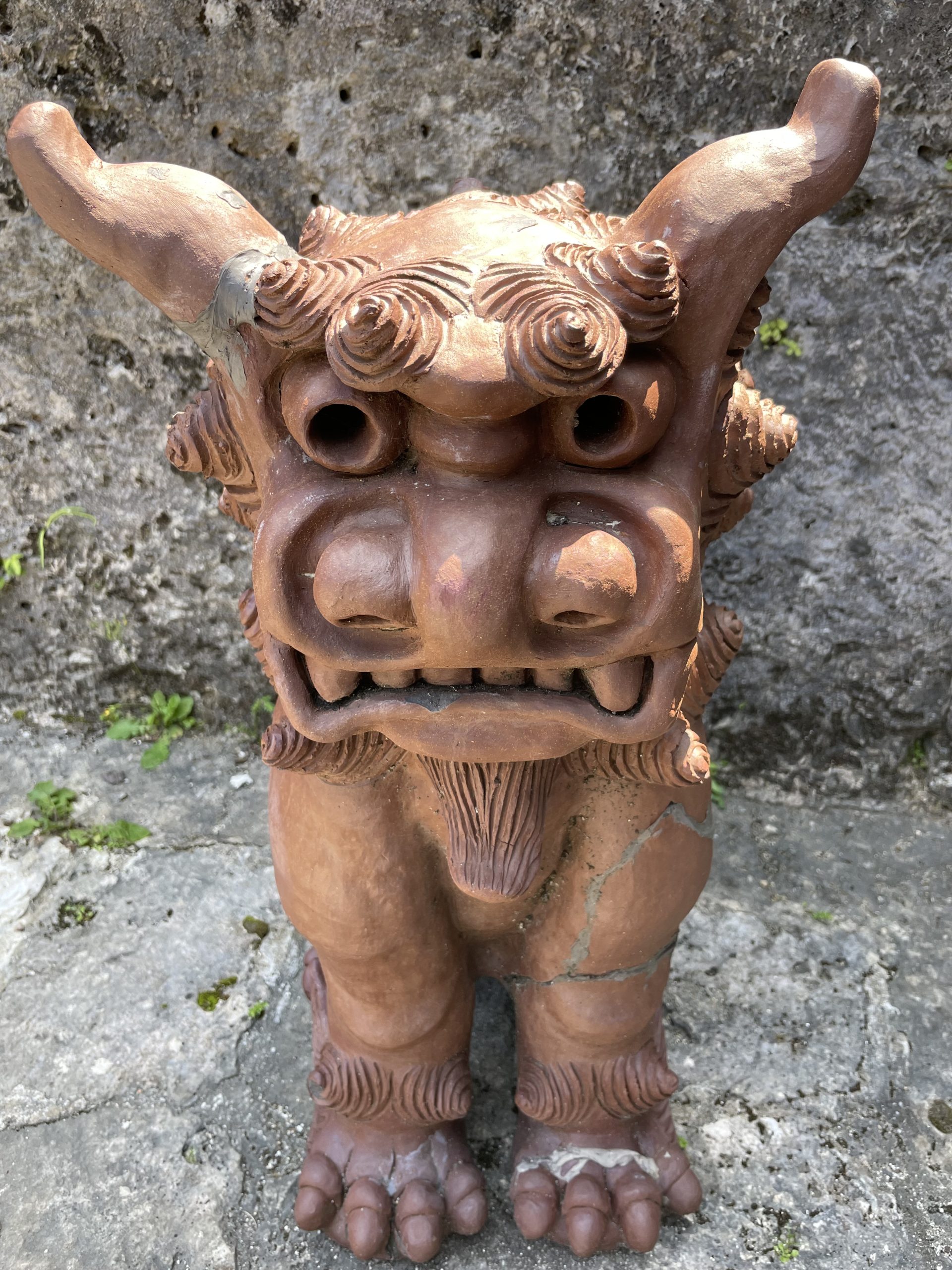
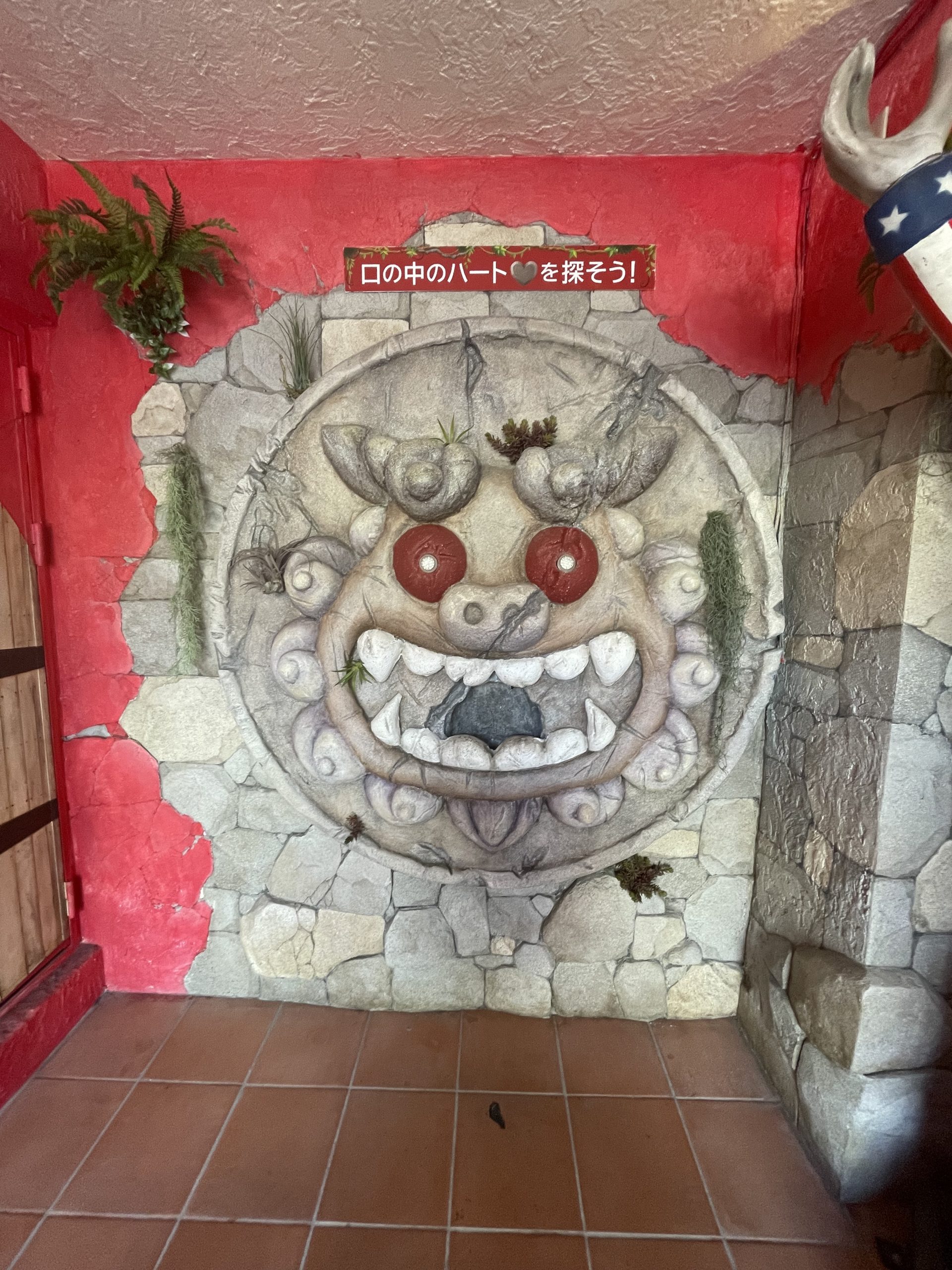
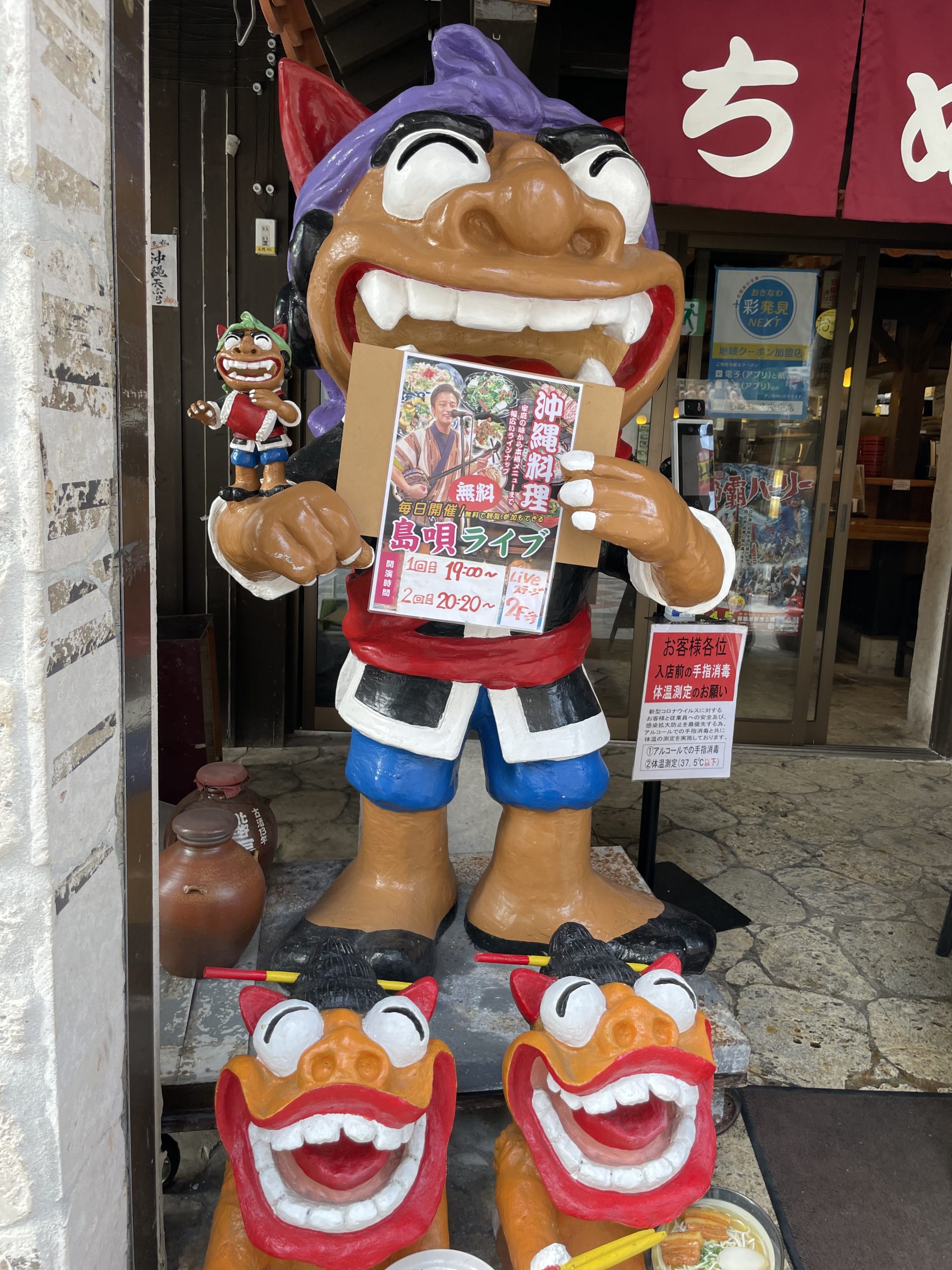
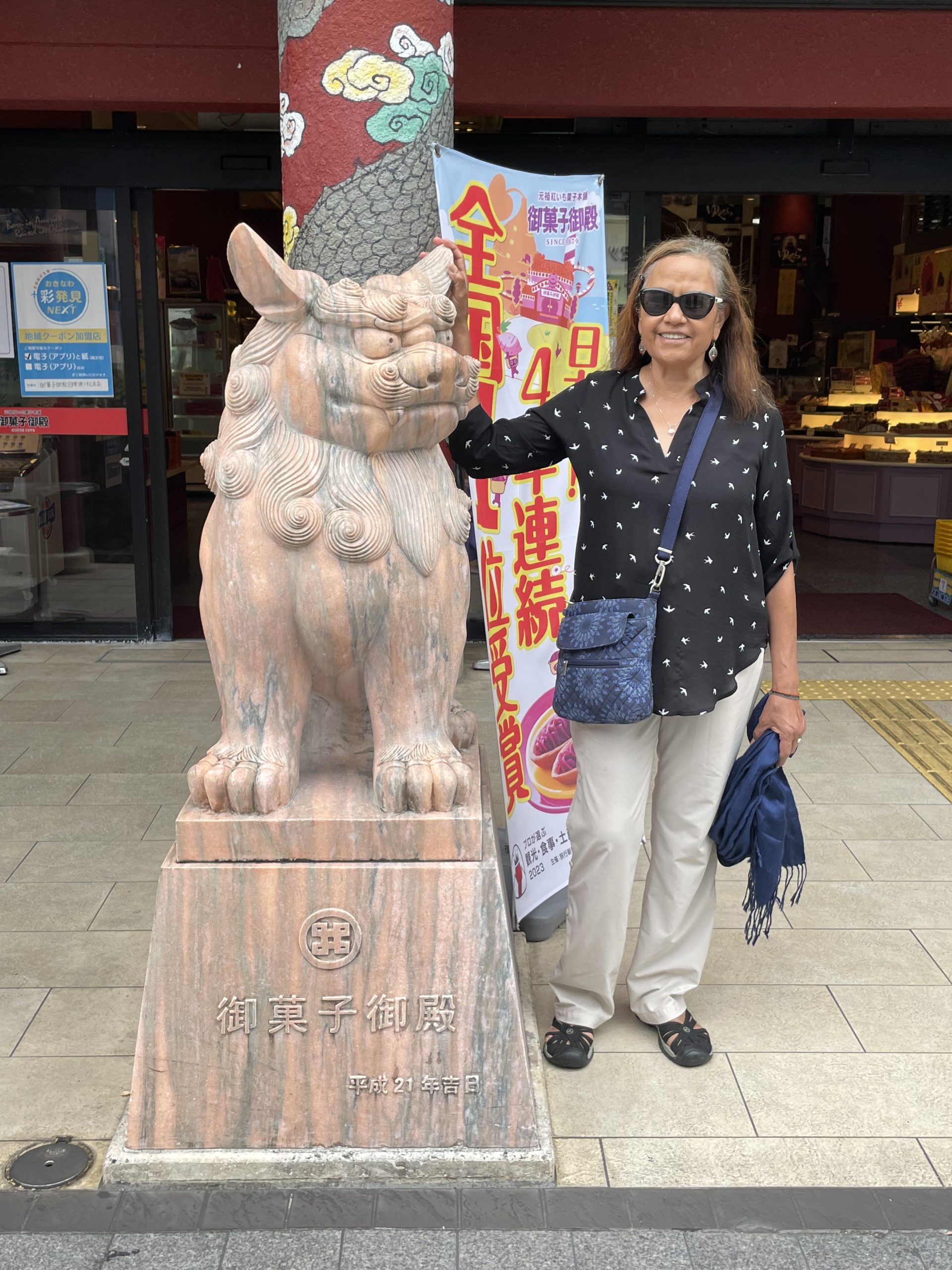 At the risk of repeating myself, Shisha are very important in Okinawa, as just about any house, institution or business will have a pair of them guarding the entrance. The lion/dog pairs of Shisha are guardians,, with the open mouthed one warding off evil spirits and the close mouthed one keeping in the good ones. The degree of Shisha productization (is that a real word?) going on in Okinawa is amazing: it’s a key part of the local identity and very good business to boot.
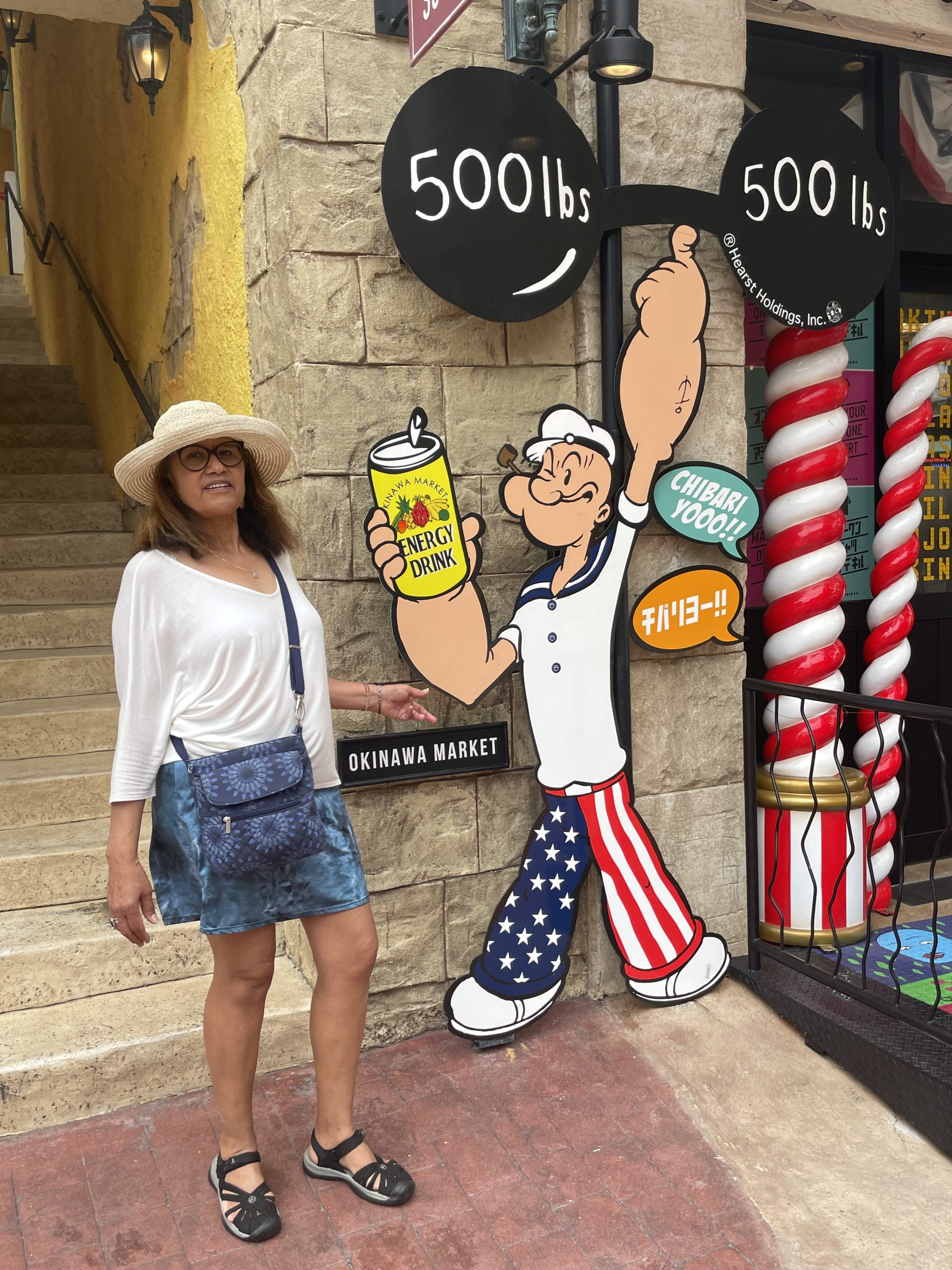
Shopping is very critical for the domestic tourist business here and another big, but surprising, aspect of that is the phenomenon known as the “American Village”. A big, gaudy shopping and entertainment district with an excessively American theme, surely they’ll be a bunch of folks from the military bases indulging in typical US fun? Not really, sure there’s a few gaijin kicking around, but the vast majority are Nihonjin enjoying the novelty of the exaggerated American environment, as it’s a legit tourist attraction for them. Not many bargains to be had here, though it’s fun to briefly browse our way through, ending up at the San Francisco Café up on the 5th floor with a grand view of the architectural mistakes and the bayside.
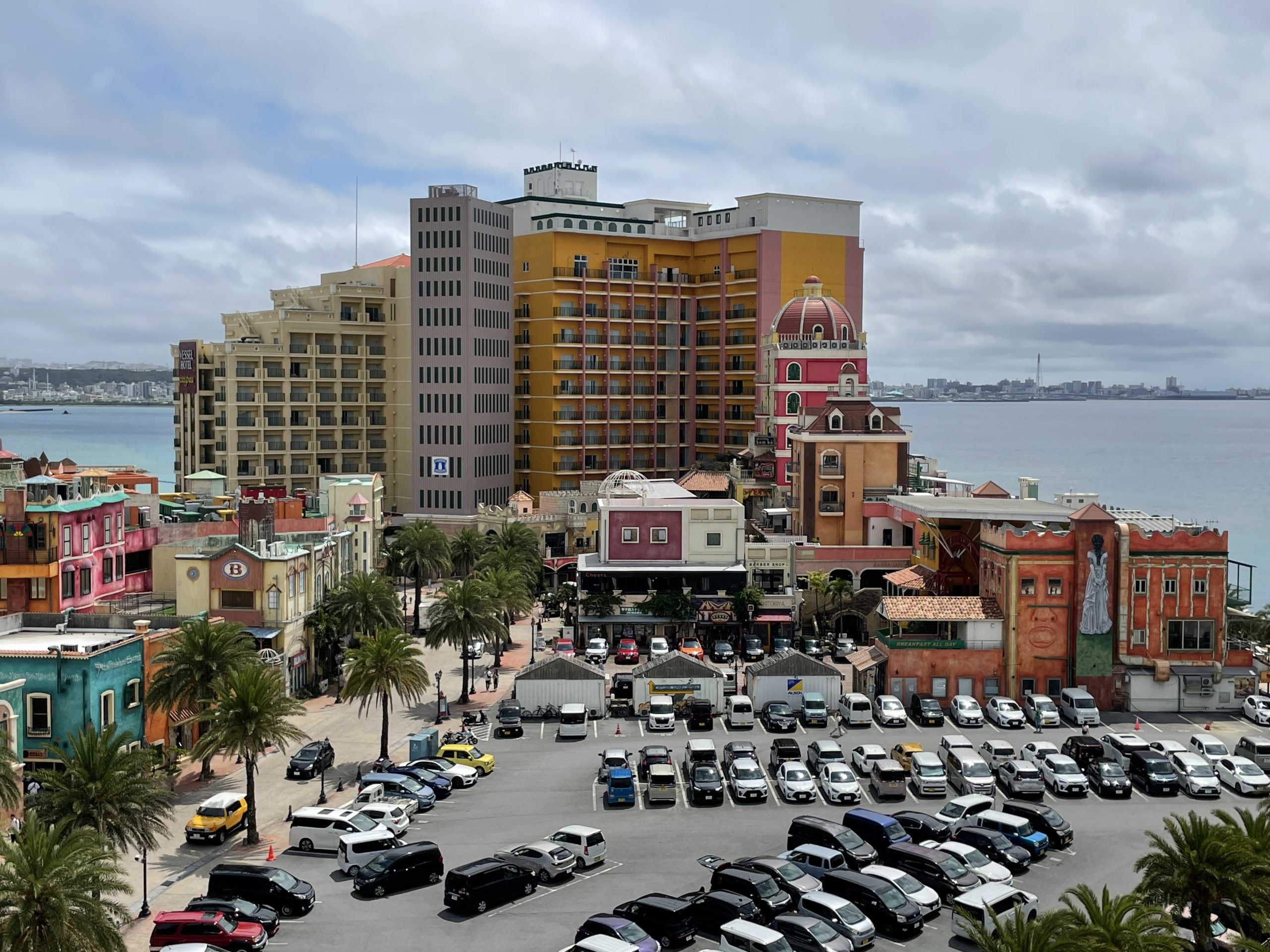 Side topic but, looking out of the café balcony, we can’t miss the ugly, concrete breakwaters marring the view. Japan has a schizophrenic relationship with nature, both worshipping it in the Shinto religion and, on the other hand, often going to great lengths to subjugate it. Most of us are familiar with the classic Japanese garden where natural forms are molded into art work, but what is done to rivers, hillsides and coastline in Japan is not art and it’s not right. Entire river beds are excavated and turned into concrete channels, and this is not like in central LA, but rural areas. Slide control on hills involves removing the entire natural gradient and replacing it with a bizarre, undulating sculpture of geometric concrete shapes. Most coastline anywhere near human habitation is disfigured by multiple ugly water breaks, and I’m not sure what their purpose is, possibly erosion control, but they certainly wouldn’t do a thing to hold back a tsunami. Someone enlighten me. It comes across like the government was determined to keep everyone employed at all costs, even if it involved destroying the environment. A bit like the WPAA in the US in the 30s, but without any esthetics or common sense.
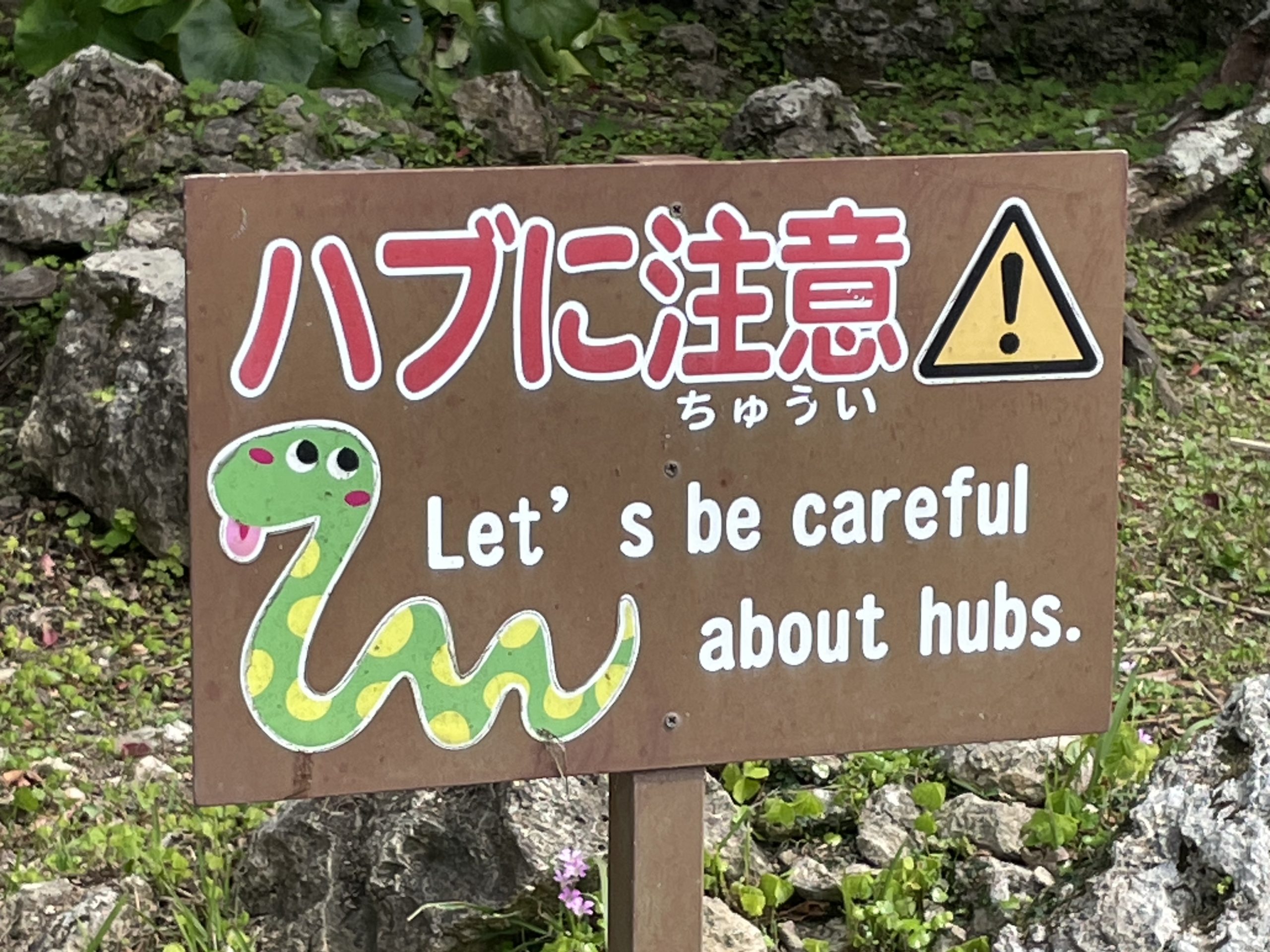
 As I said at the beginning, Okinawa Island is a strange place, it was interesting and welcoming to visit, and you can certainly party there (and wear shorts!), but it’s not what you might expect of a sub-tropical island. There are a couple of more natural, small islands, reachable by short ferry journeys from Honto, that could still make Okinawa Island a good base for you, so study up before you set your Okinawan itinerary. We didn’t take advantage of those side trips, as we’re lucky enough to be now heading to the far Southern island of Ishigakijima, which should fit the bill for an island with jungle, mountains and un-spoilt beaches. We hope.









Leave a Reply