 Tired at the end of our Camino, we took it easy in Santiago for a day before departing, with the wet weather giving us an excuse to lounge around. We hope to get back to Santiago and Galicia in general, as we didn’t see much beyond the cathedral and the countryside on route. Then, a one-night stopover in Porto, Portugal meeting up with Jeff and Susan from Portland, who just happened to be in town, before catching a direct flight to Toulouse, France.
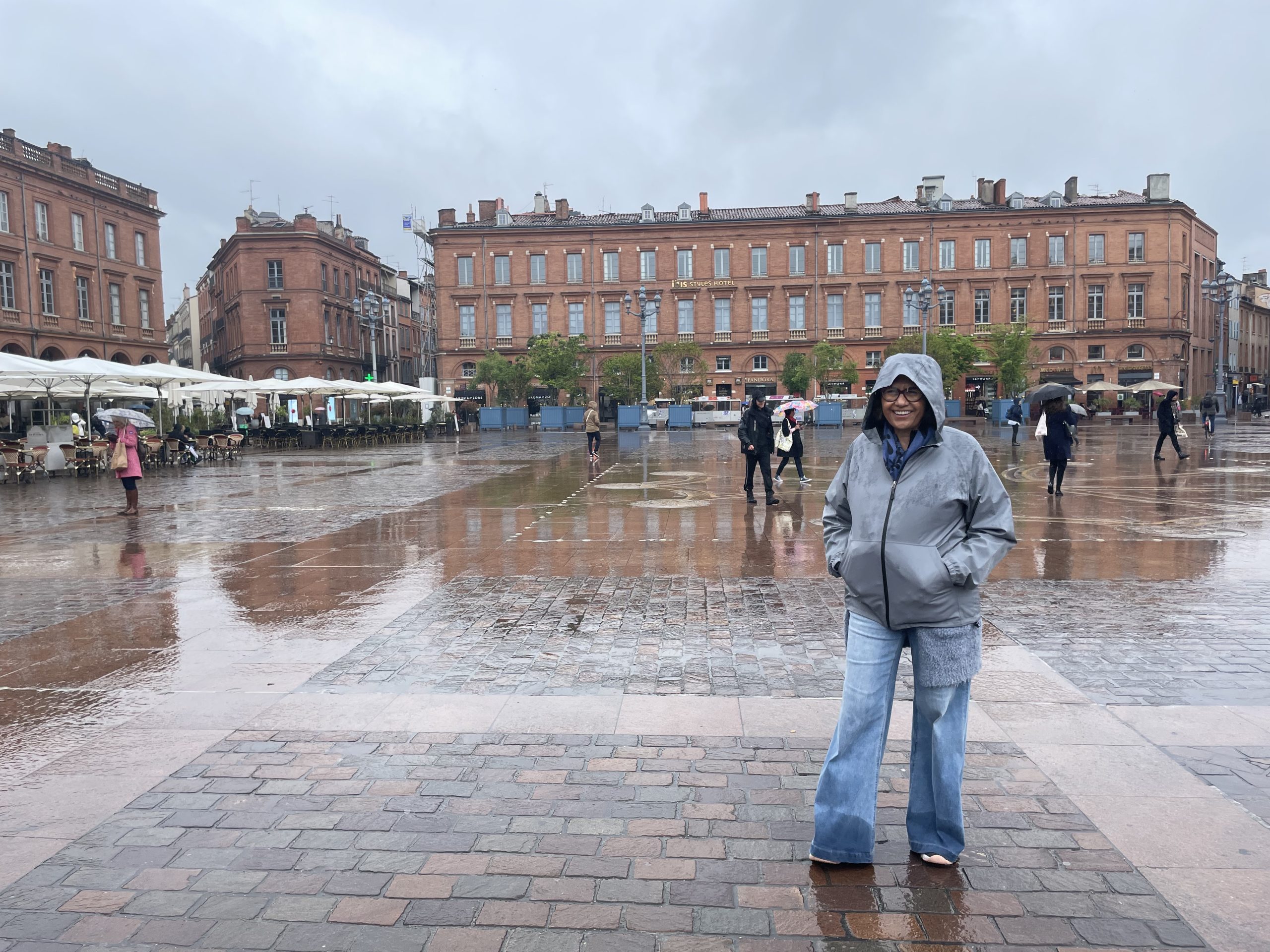 Why Toulouse? Aside from Paris, the only travel Abby and I have had together in France was to the Basque area near the Spanish border a couple of years ago. Toulouse is a well-regarded large city and, is, hopefully, representative of what French culture can offer outside the, sometimes, misleading impression of Paris. So, maybe we can get an idea of what it’s like to be a local in France, just in case. Toulouse is, geographically, in the South of France, but this is not the Riviera as, sitting North of the Pyrenees mountains and, open to the storms from the Atlantic, it gets significant rain outside of the Summer. So, we get a solid soaking on our arrival, and it continues for a few days. Meteorological payback time for the glorious weather on the Camino.
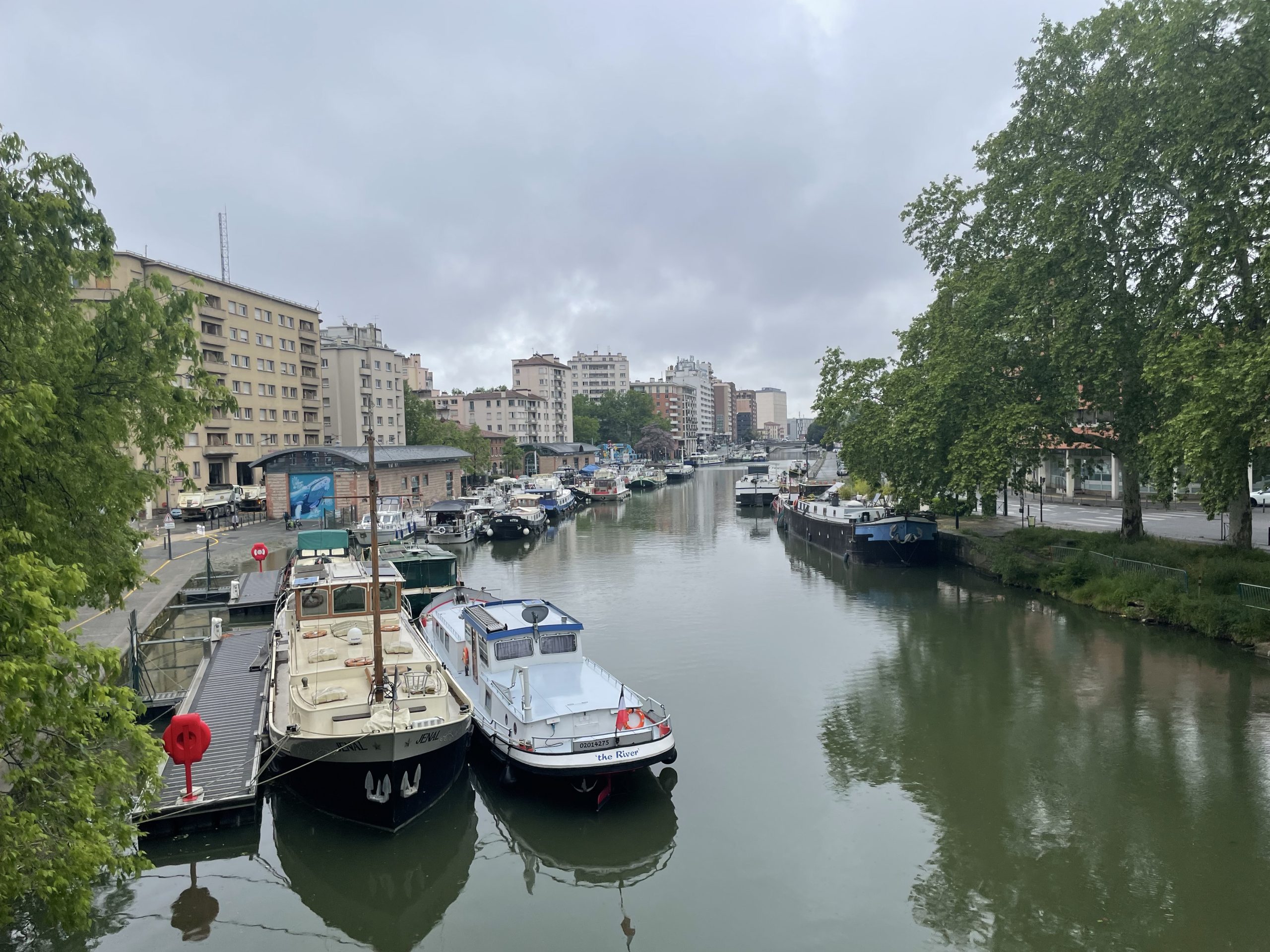
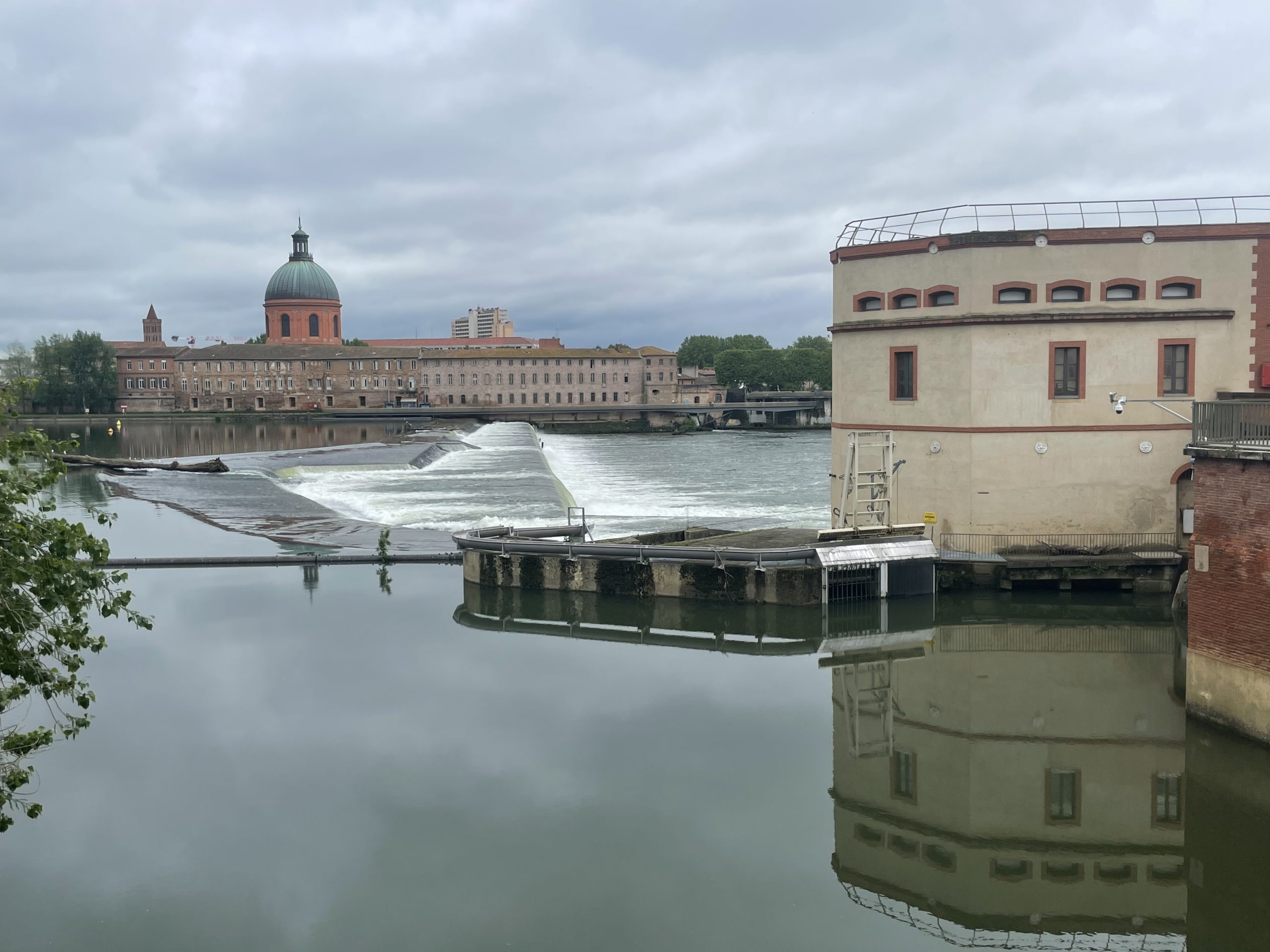
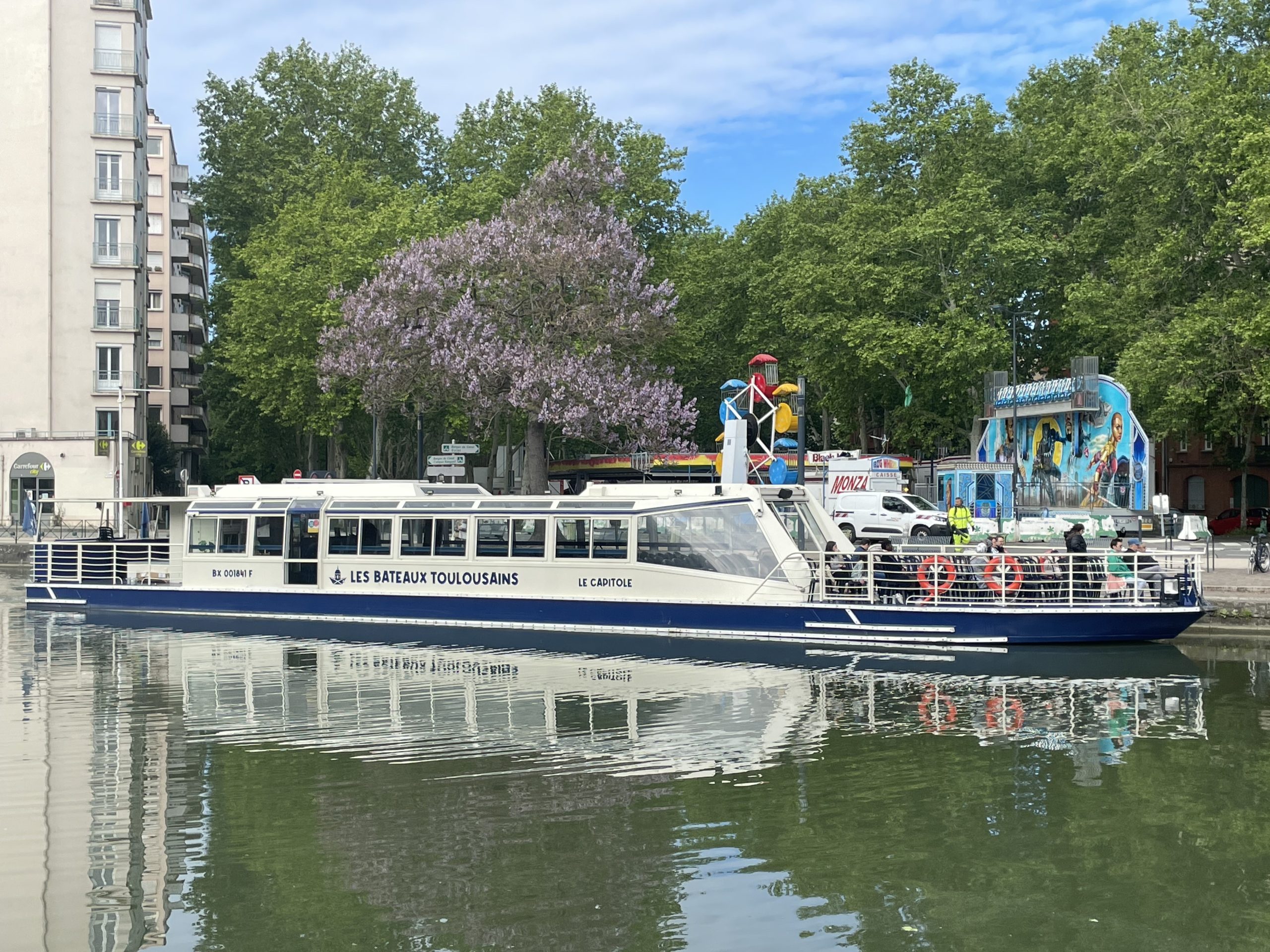
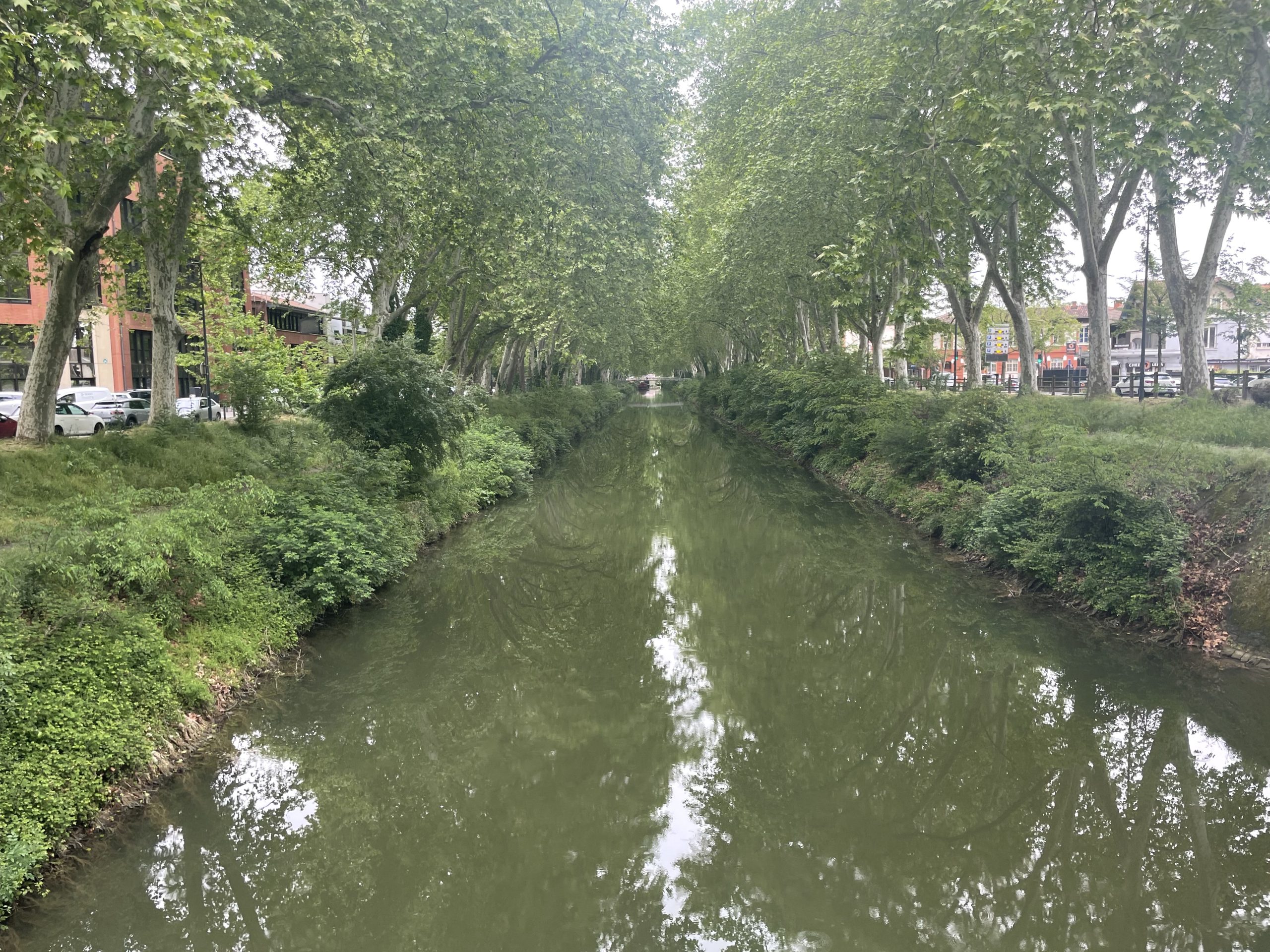 We’re staying in the Port-Saveur neighborhood SE of the old city, right by the Canal du Midi: Its now purely recreational, but for 300 years it was part of the 150 mile long commercial canal system connecting the Atlantic North of Bordeaux with the Mediterranean near Narbonne. Not strikingly scenic where we’re at, but excellent for walking or running alongside.
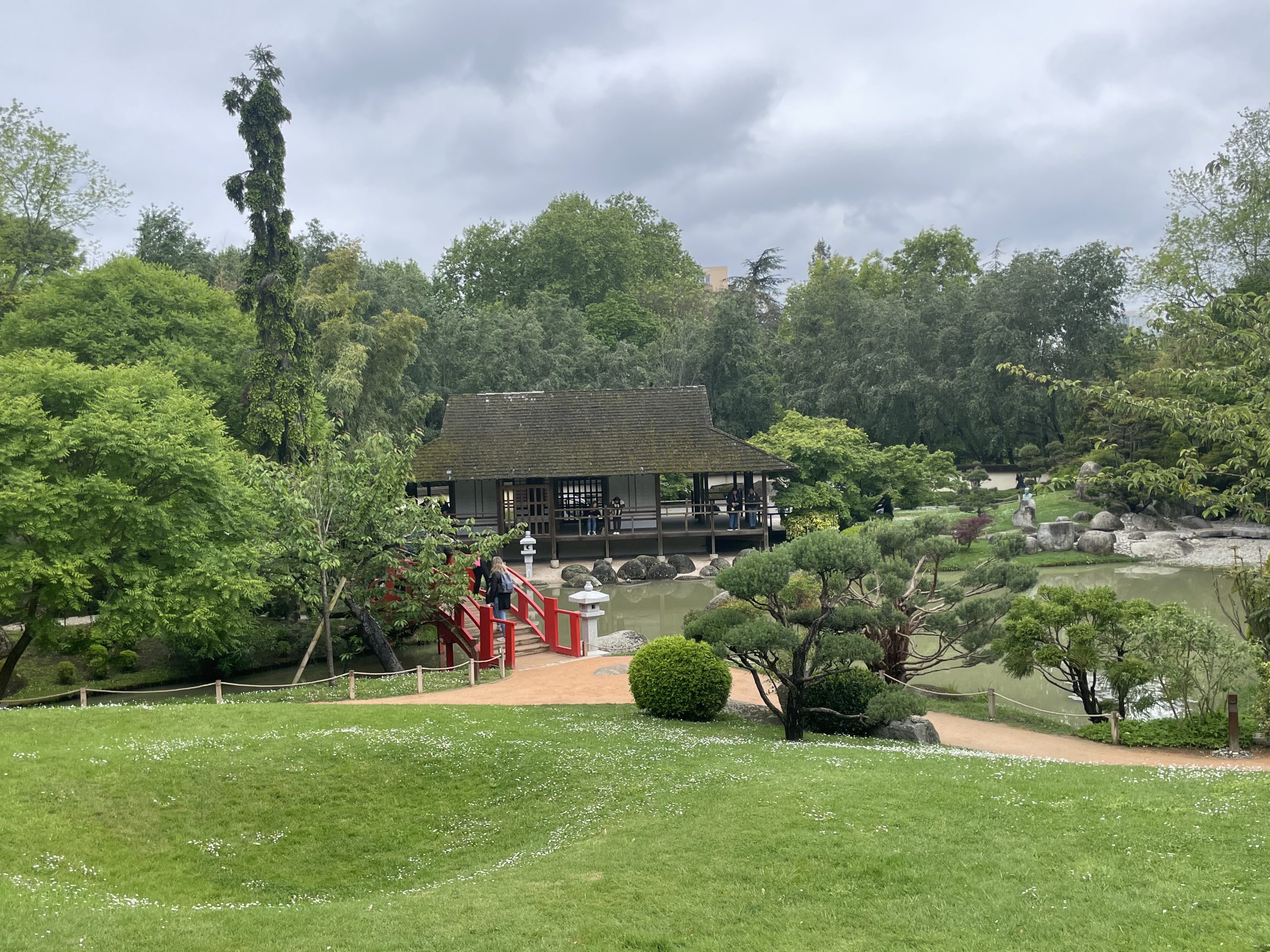
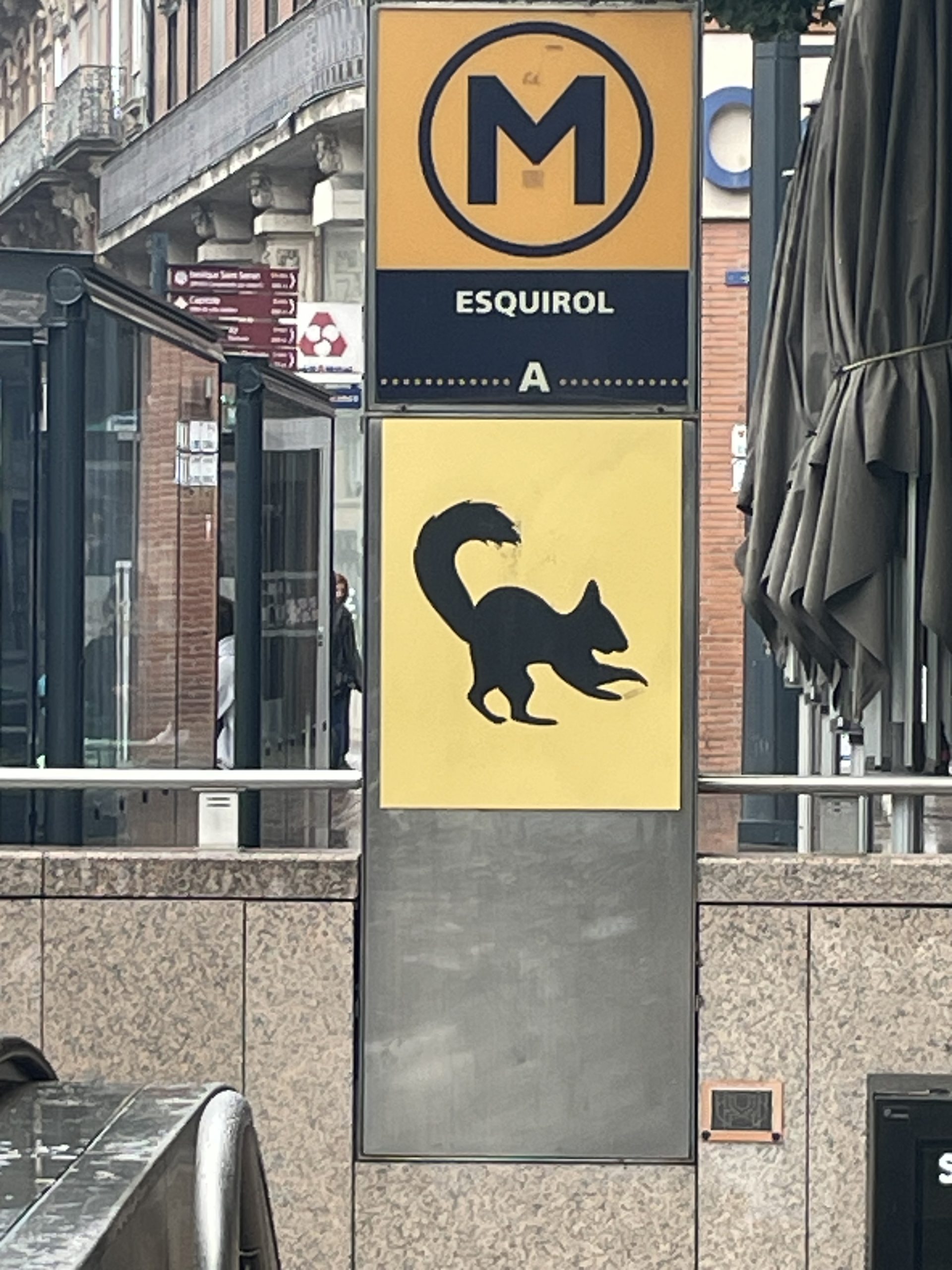
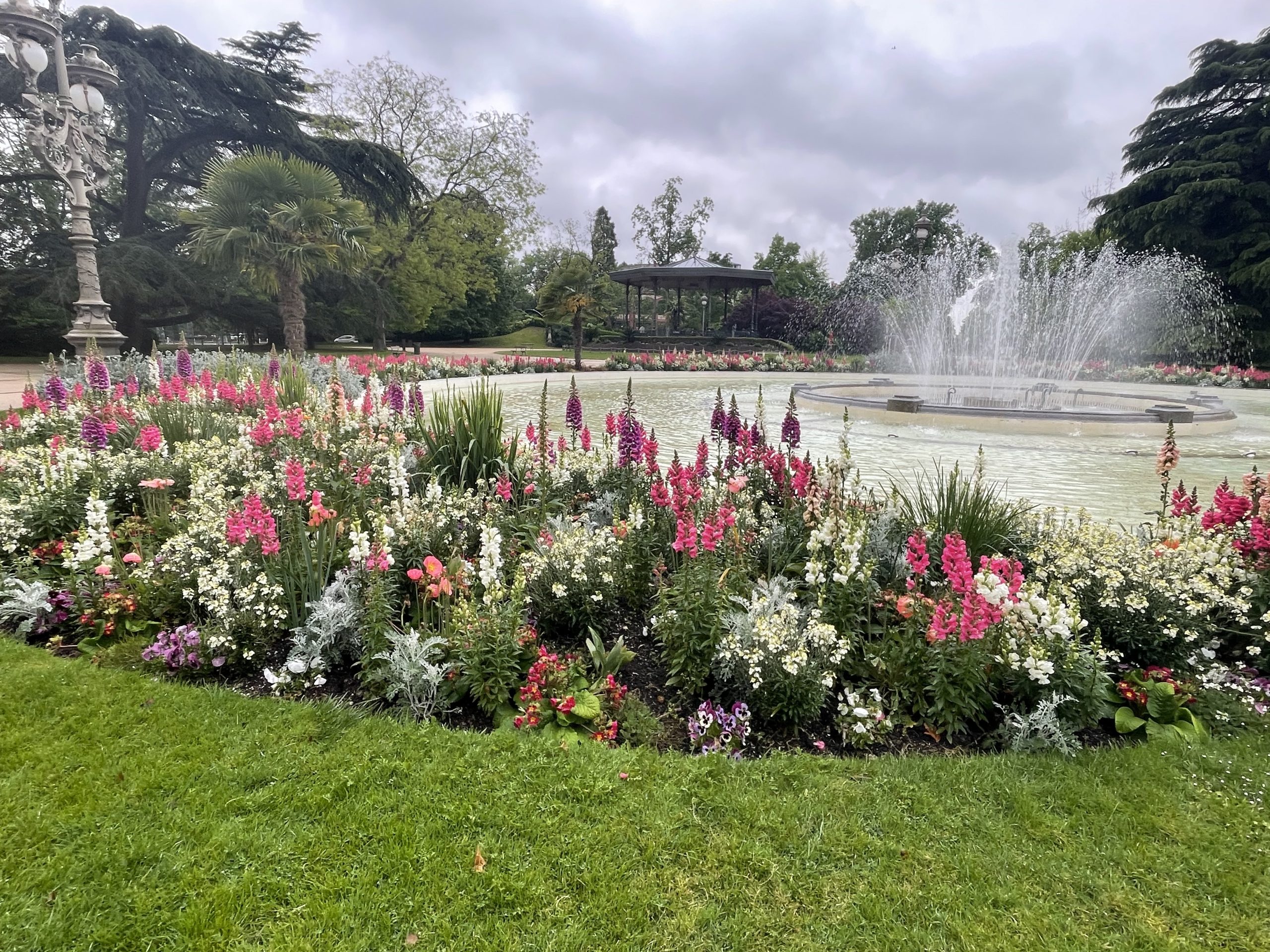 Also close by are the 18th Century Grand Rond gardens and the Jardin des Plantes which connect to the center via the broad, grand Francois Verdier Avenue. All very nice, but it would be better if it would stop raining. Central Toulouse is compact and it’s convenient for us to walk into the historic center but, when needed, the Metro and bus systems are cheap and easy to access. It’s so civilized that you better remember to say “Bonjour” and “Merci” or “Au revoir” to the bus driver or you’ll be thought to be lacking in savoir faire. Watch out for Sundays in Europe as they are old school and not much is open; also keep an eye out for public holidays, which not surprisingly, are different from the US, and then there’s Mondays and also Wednesday afternoons. All have closures of different categories of businesses and attractions in the land of the 35-hour work week. Again, civilized, but visitors have to be prepared.
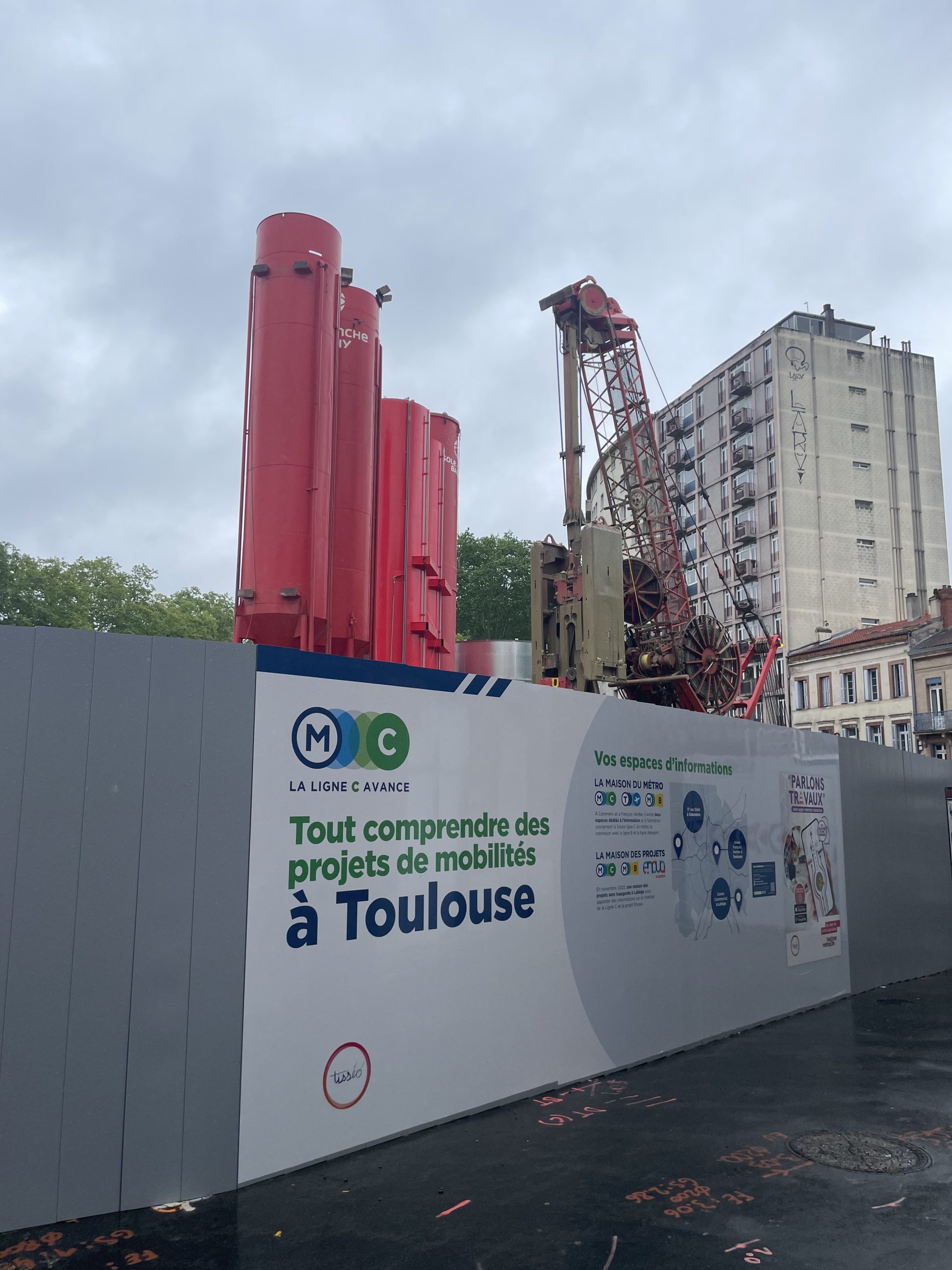
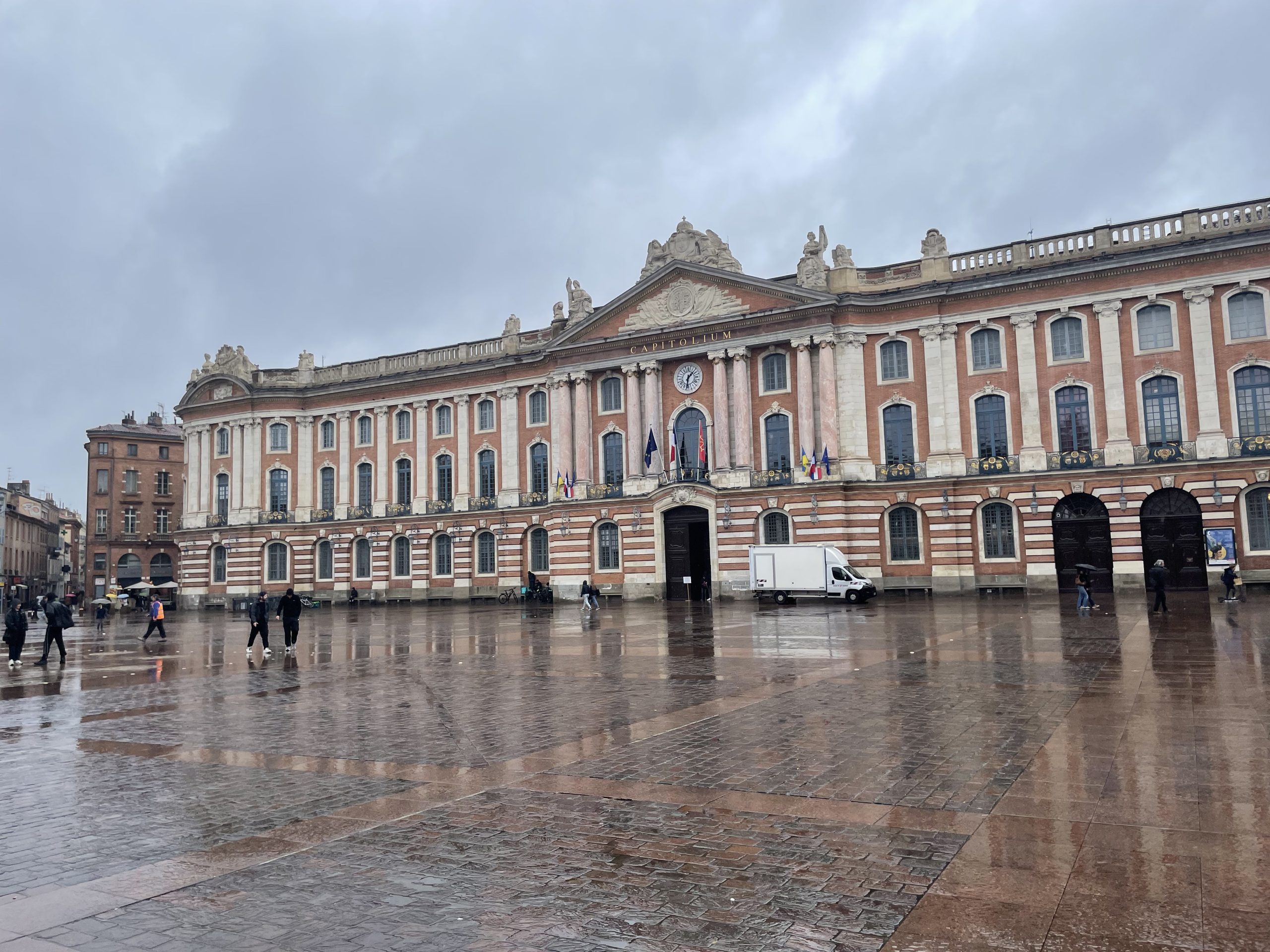
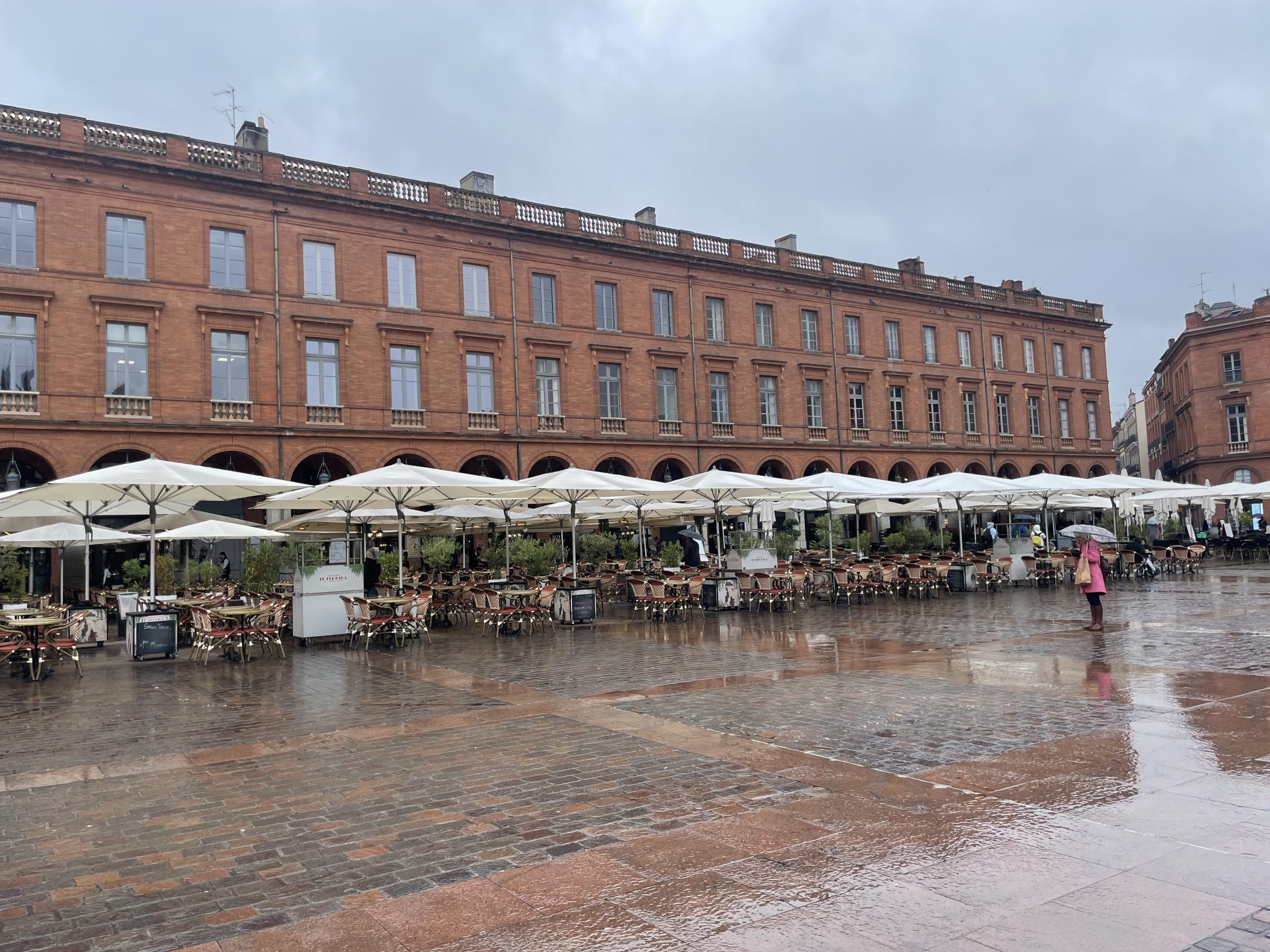
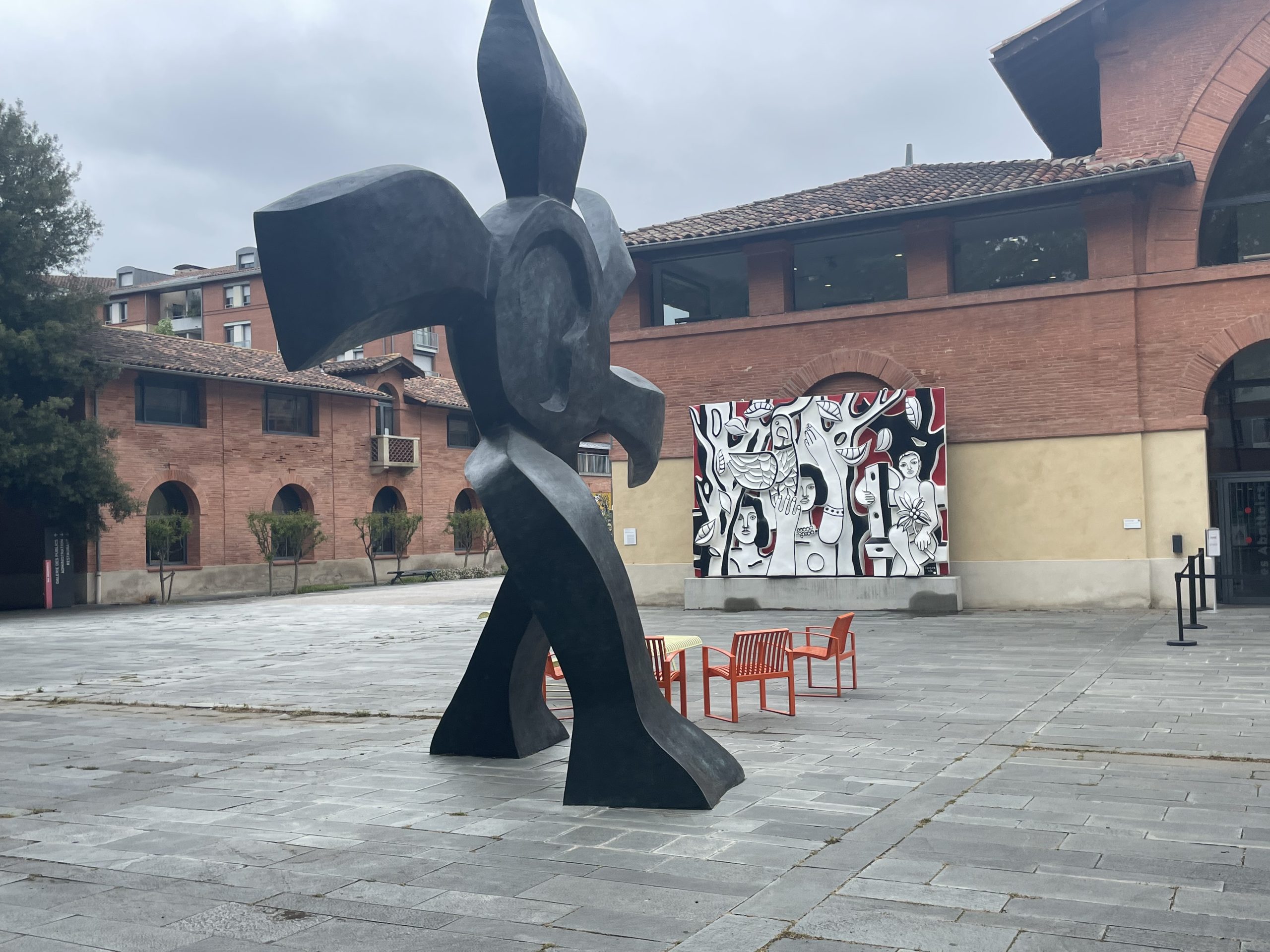 People are very pleasant to us, and I’m surprised as to the amount of English spoken, which seems more than we experienced last time out in the Basque region. I have the opportunity to exercise my dangerous amount of conversational French in the pursuit of savory pastries and wines not readily available in Oregon. However, one issue was that no one told us that Toulouse was closed for renovation, meaning that there have been major projects underway since 2016, some of which are still in progress. Big attractions that are currently closed include the Musee des Augustins, the Espace EDF power station and La Salle des Illustres at the Place du Capitole town square. There’s also a new Metro line C under construction so the place is, currently, torn up and if your interest in this city is piqued you might want to check on the completion schedule for some of these before visiting.
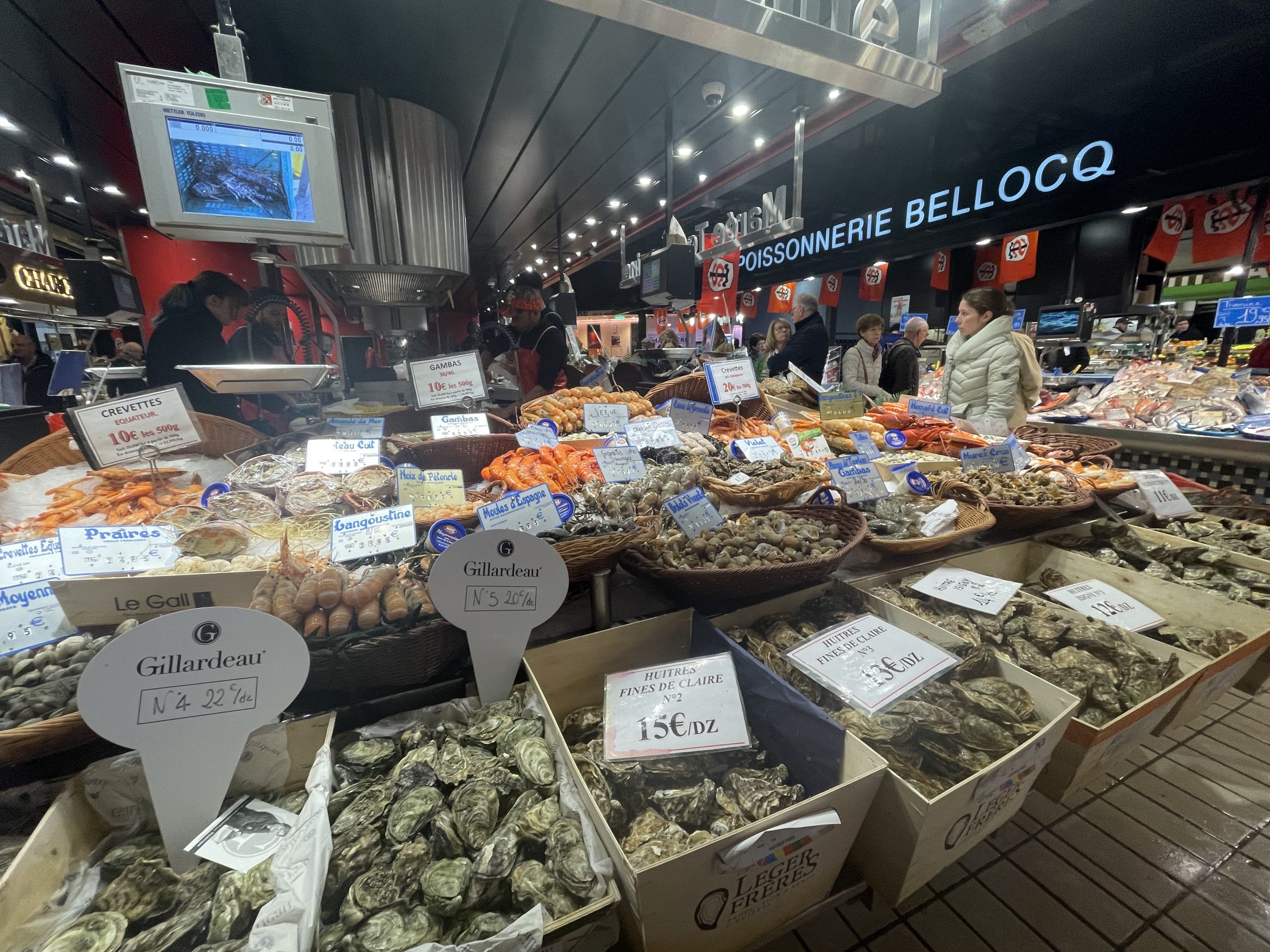
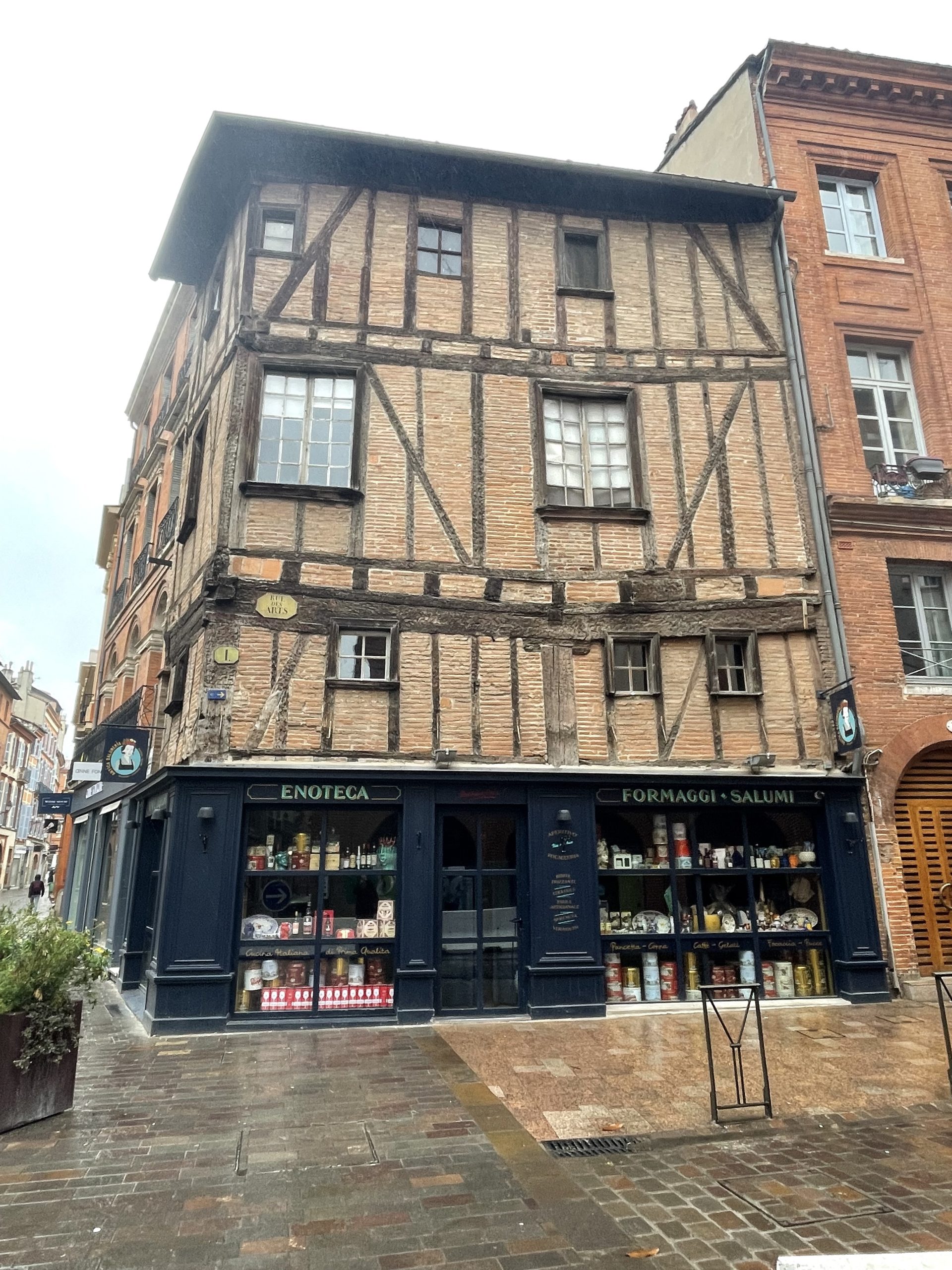
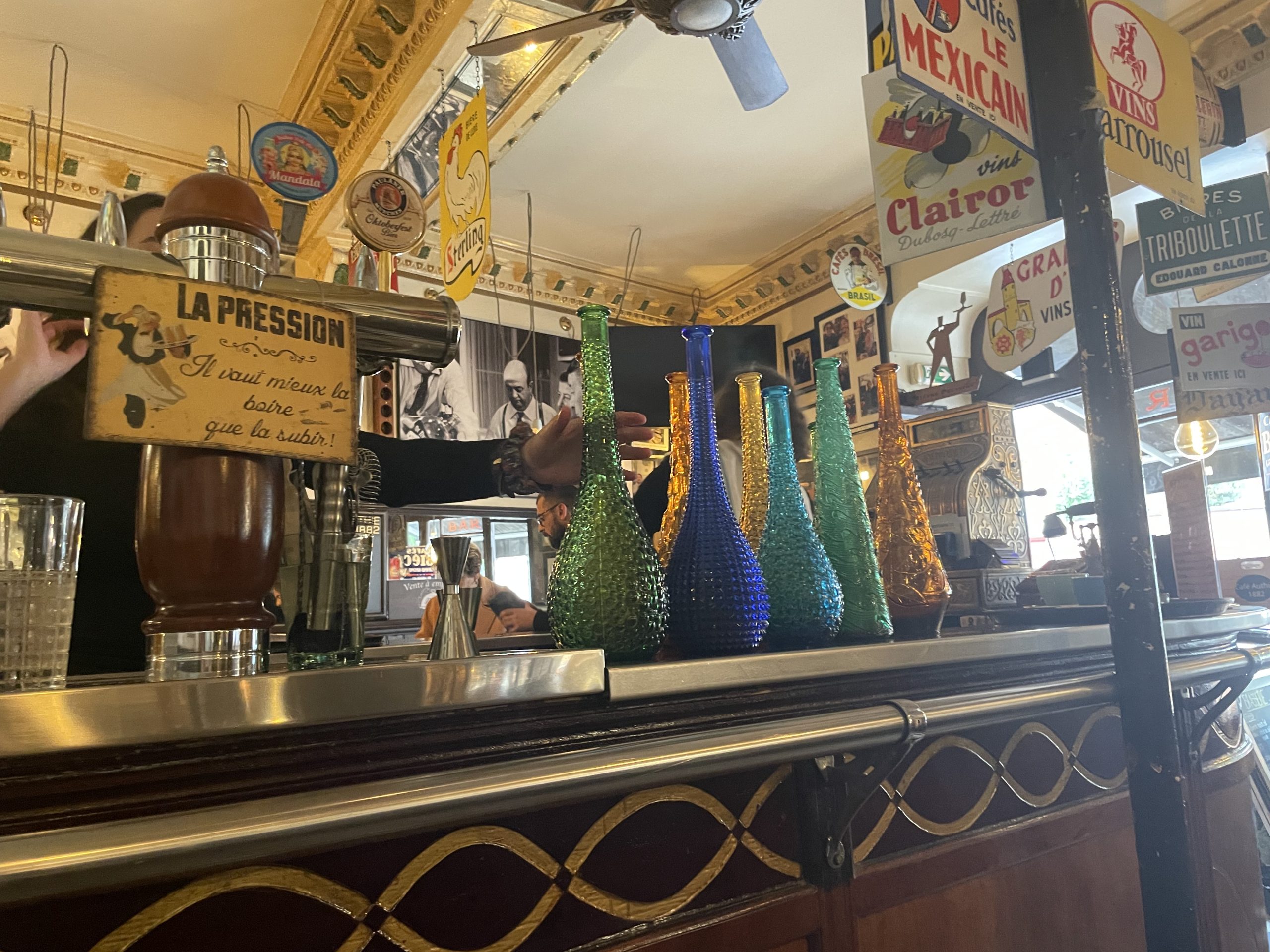 The French boulangeries definitely have an edge on those in Spain and Portugal, and we take full advantage, plus café culture is alive and well with the locals desperate to sit outside with a coffee or aperitif even when it’s cold and wet. Where we find a disconnect is with the serious dining: Expensive, unnecessarily fussy, rich and heavy on meat with an undiminished fixation on foie gras and veal. We start looking for Asian restaurants and cooking for ourselves at the apartment, the latter of which works well as the markets are excellent for fresh supplies. There is a specialist wine store right next to our accommodation with great value bottles of local wine that would never see the light of day on the West Coast of the US. The staff there set us up for a day trip to the local wine AVA, or AOP as they say here, of “Fronton” about 40 minutes out of town.
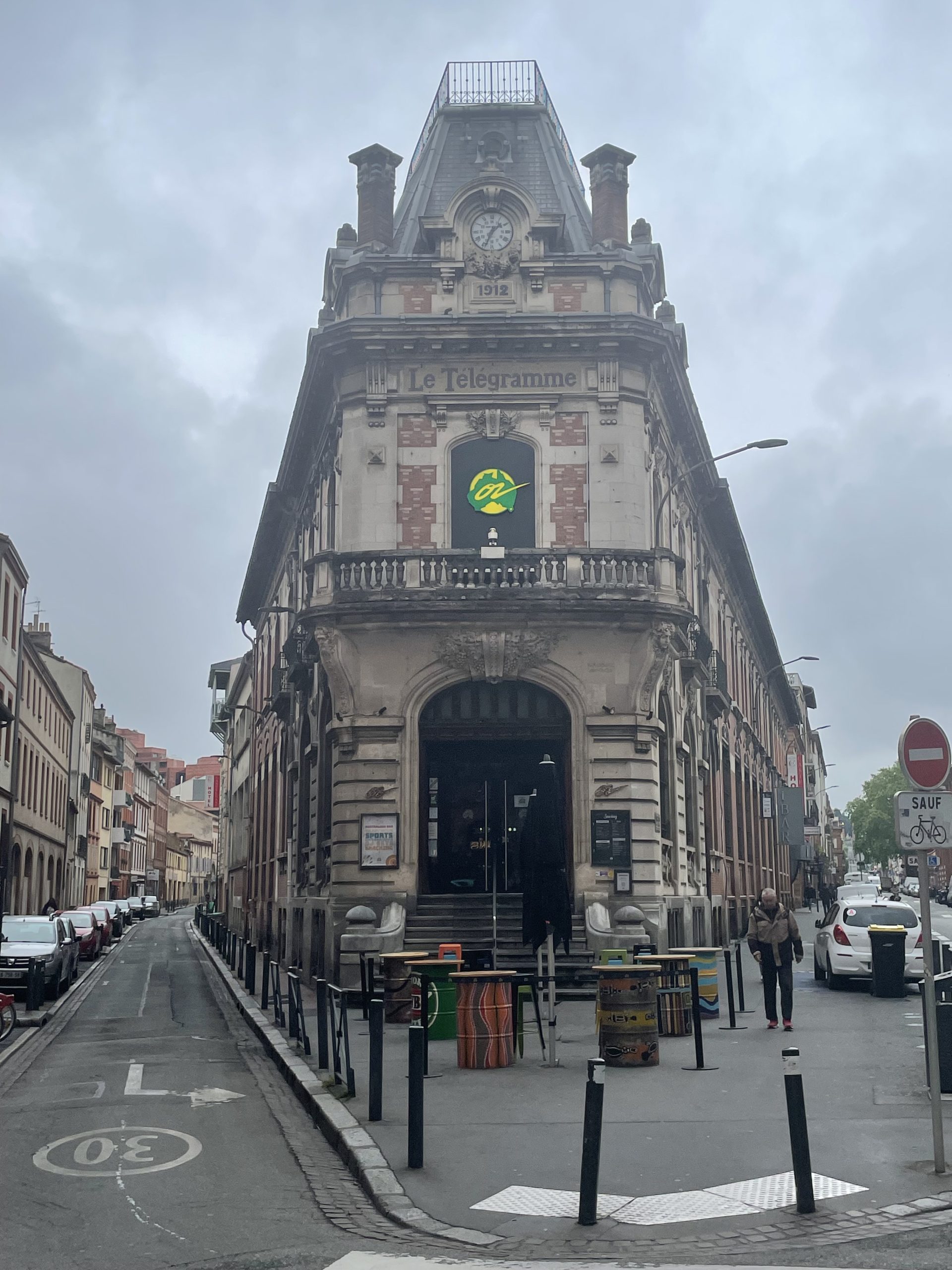
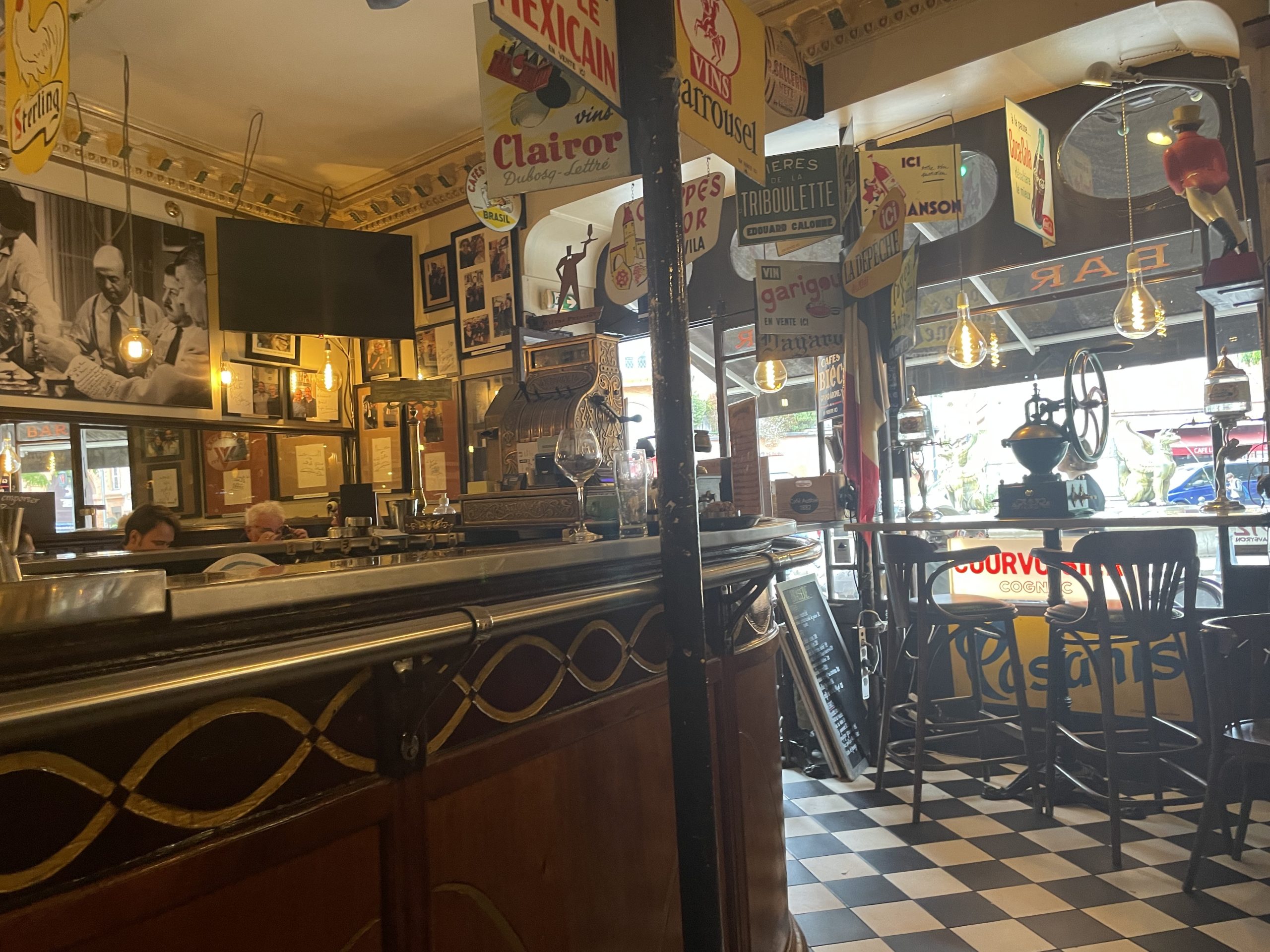
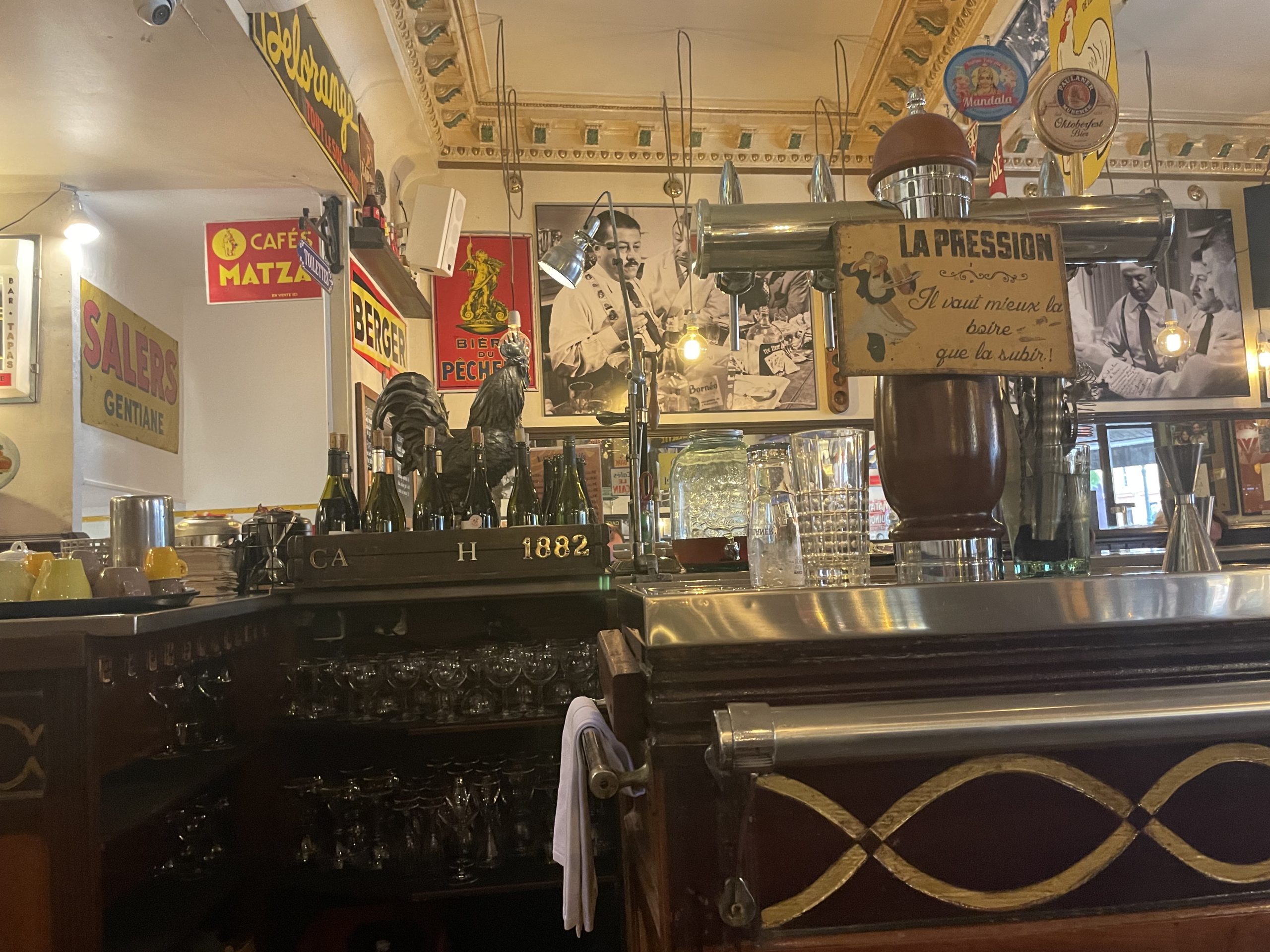
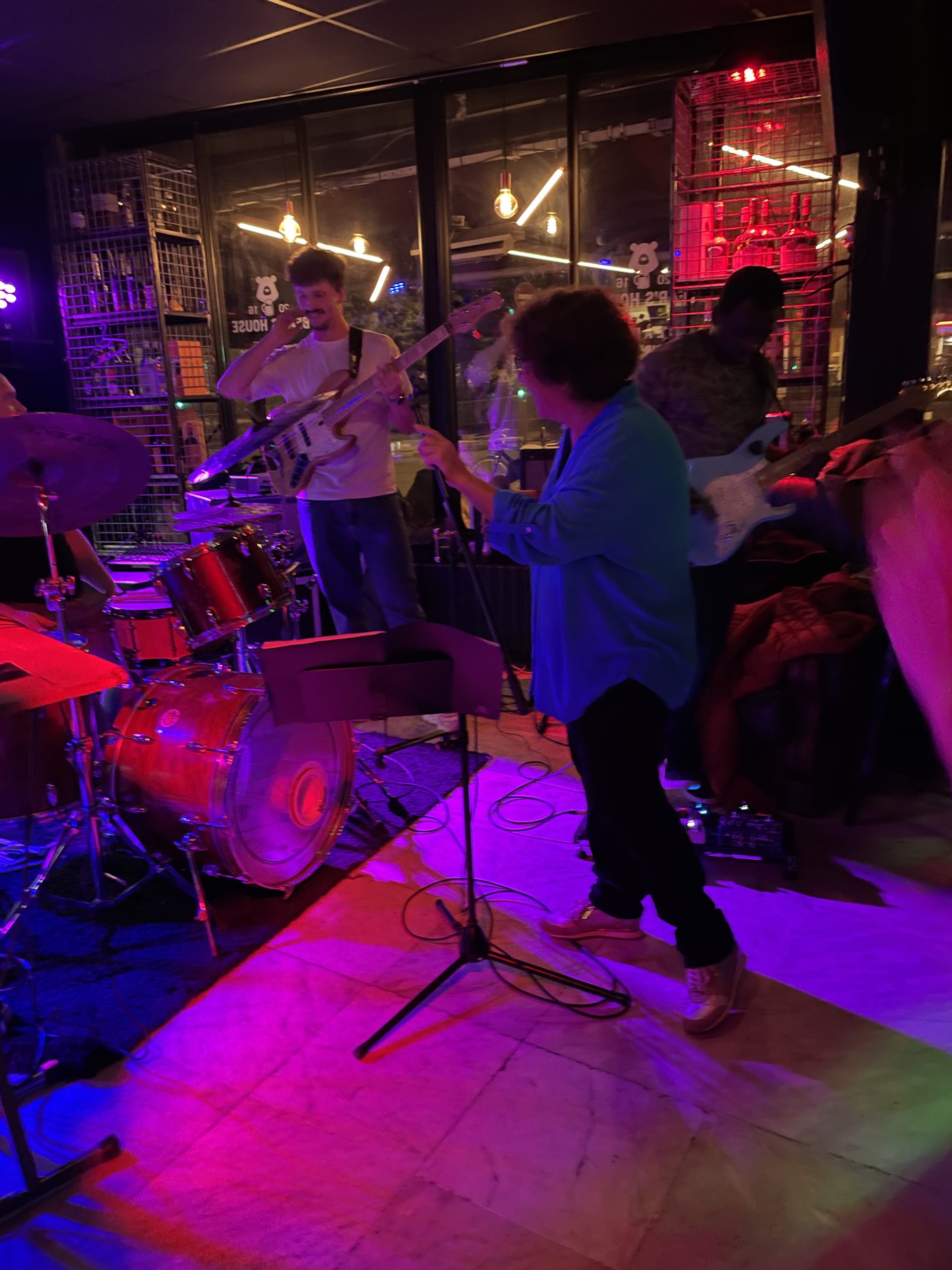 Also, within two minutes of our place is “Bear’s House”, a hipster-riffic café/bar/live music place that wouldn’t be out of place in Portland. We eventually muster up the courage to join the kids there for a free admission evening featuring a Brazilian/soul/funk/jazz/prog outfit who are not bad at all. If you’re in this neighborhood, make sure to check out Café Authie, a 19th century pub where the surroundings lead you to expect Toulouse Lautrec to show up and start painting at any moment. Mr. Lautrec was not a local, though he was a member of an aristocratic family descended from the Counts of Toulouse, and there is a museum dedicated to him in the nearby town of Albi.
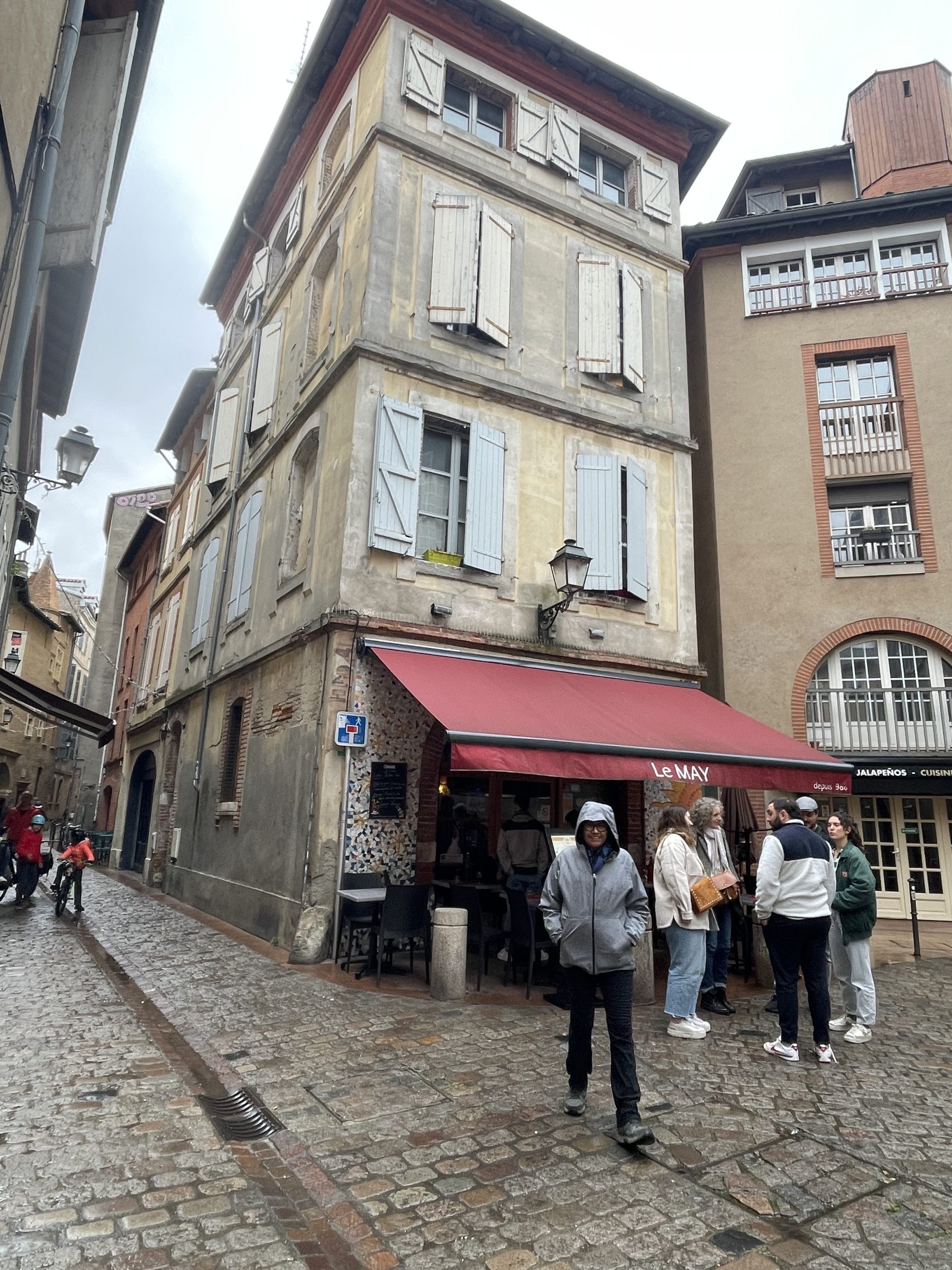 Between the rain, the Holidays and the reconstruction of the city I don’t think we got the full value of our visit, even though we stayed for seven nights but, then if you expect to live like a local, it takes time. Compared to what we saw in Portugal and Spain, things are rougher around the edges in Toulouse and there are quite a few folks spending time and, probably, sleeping, on the streets. It’s not the same as at home, most of these people look like “gnarly travelers” or older men that sit around for hours with a big bottle of booze begging for spare change. For whatever reason, fentanyl and similarly devastating substances don’t appear to be there yet in quantity.
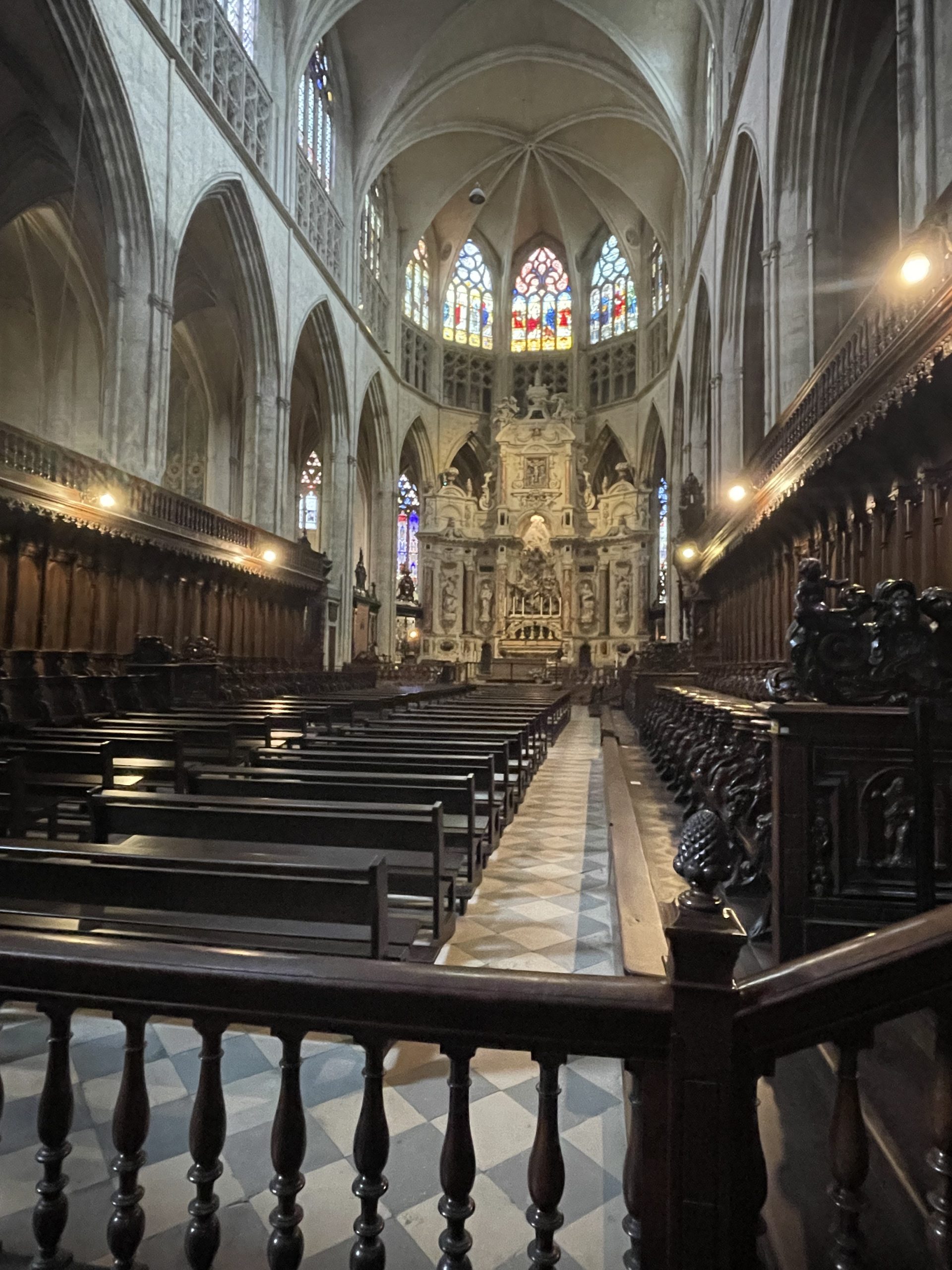 Overall, Toulouse had much to offer but Abby still prefers the vibe in Portugal and NW Spain. As the weather started to pick up, we spent the last three days of our time in Toulouse taking day trips and will report on these in the next post.
Au revoir!
Leave a Reply