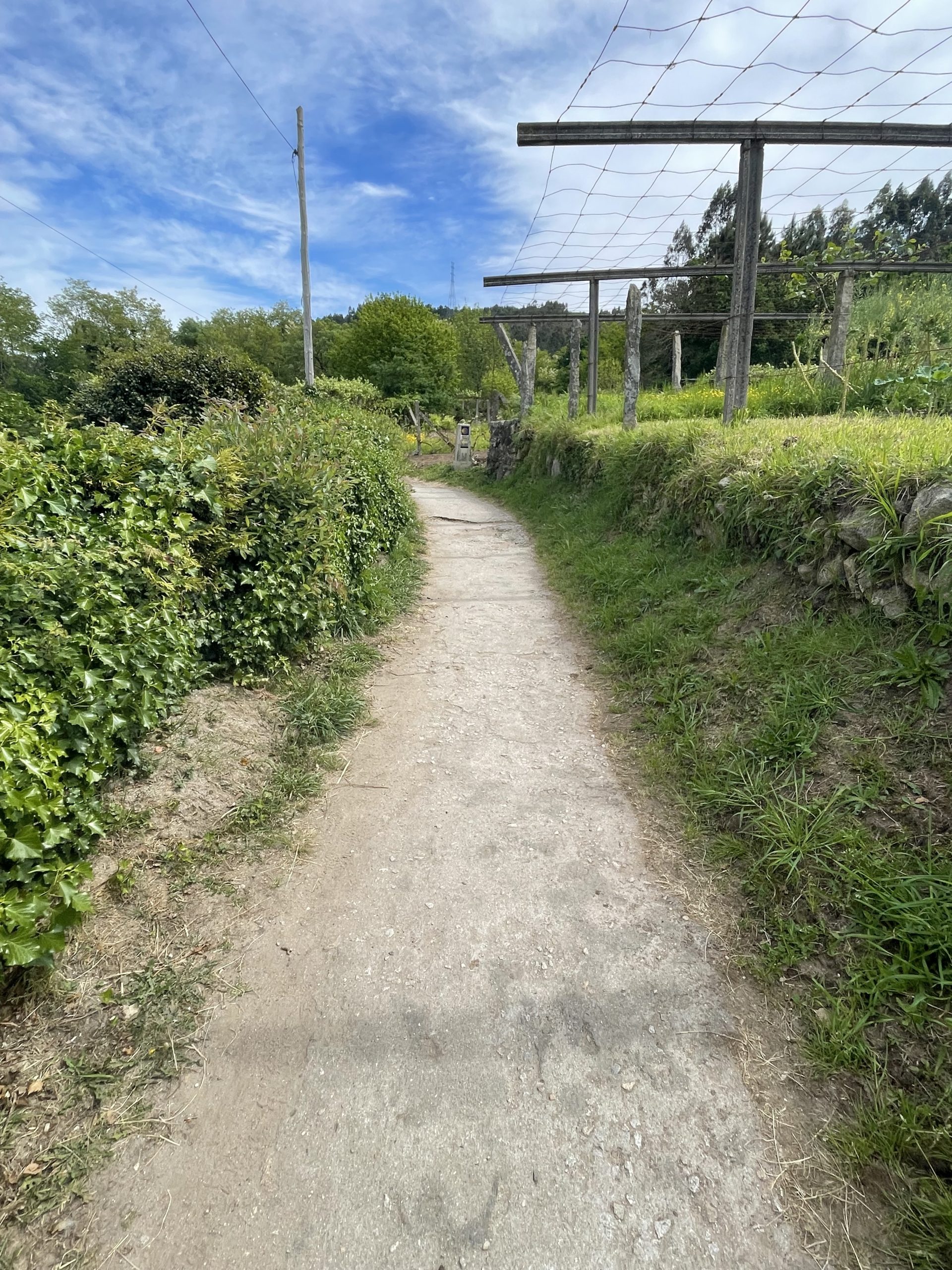
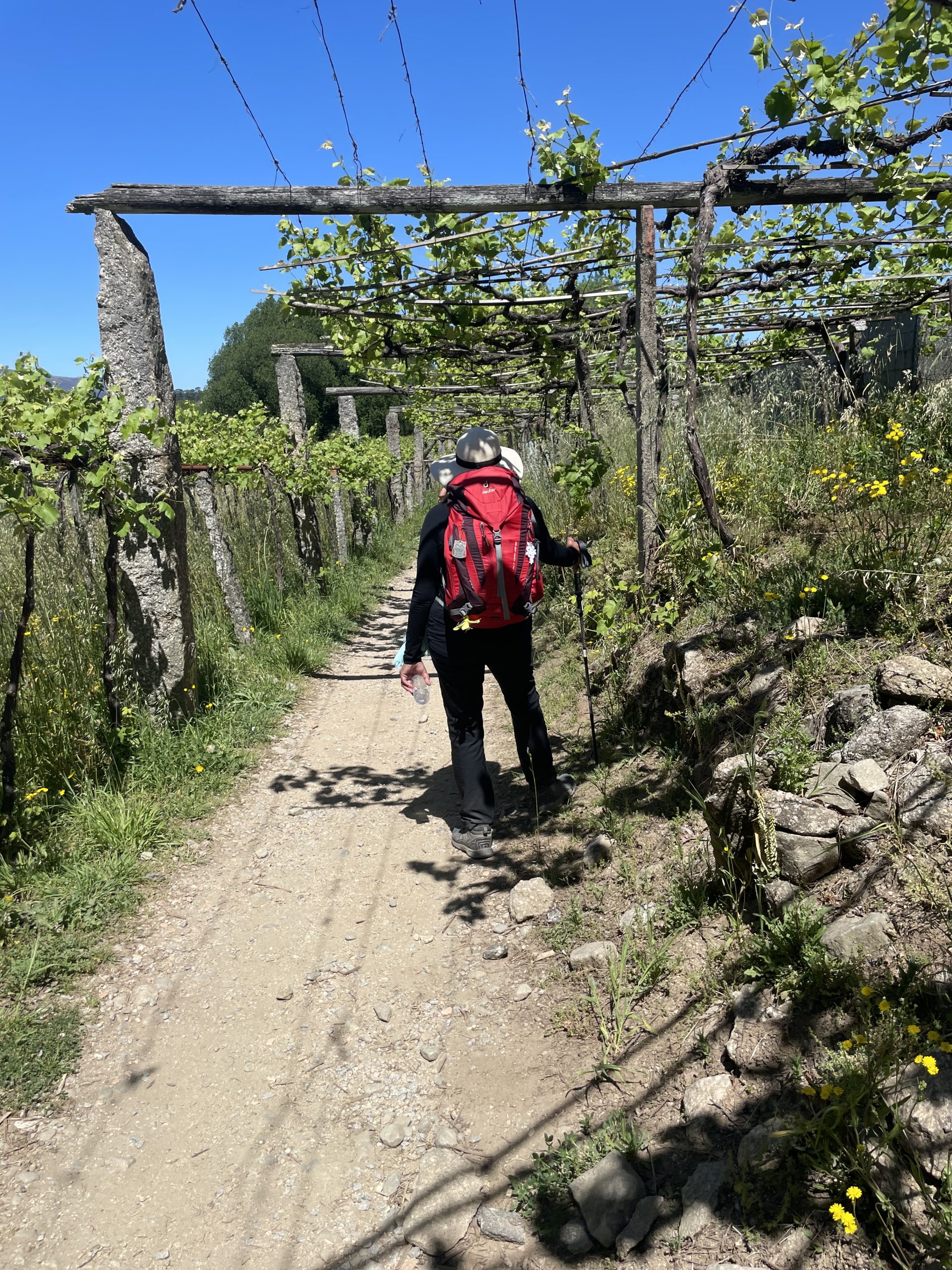
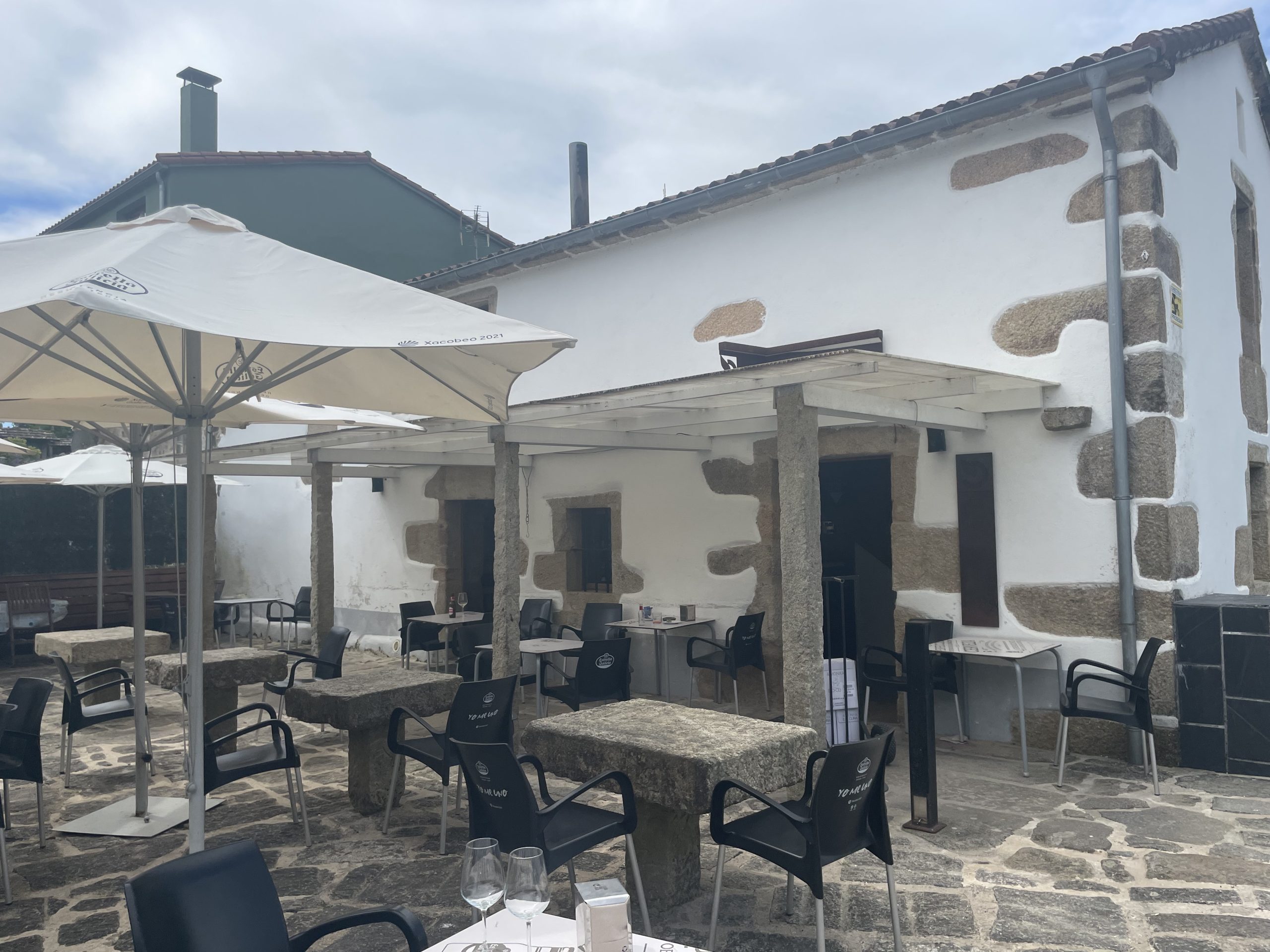
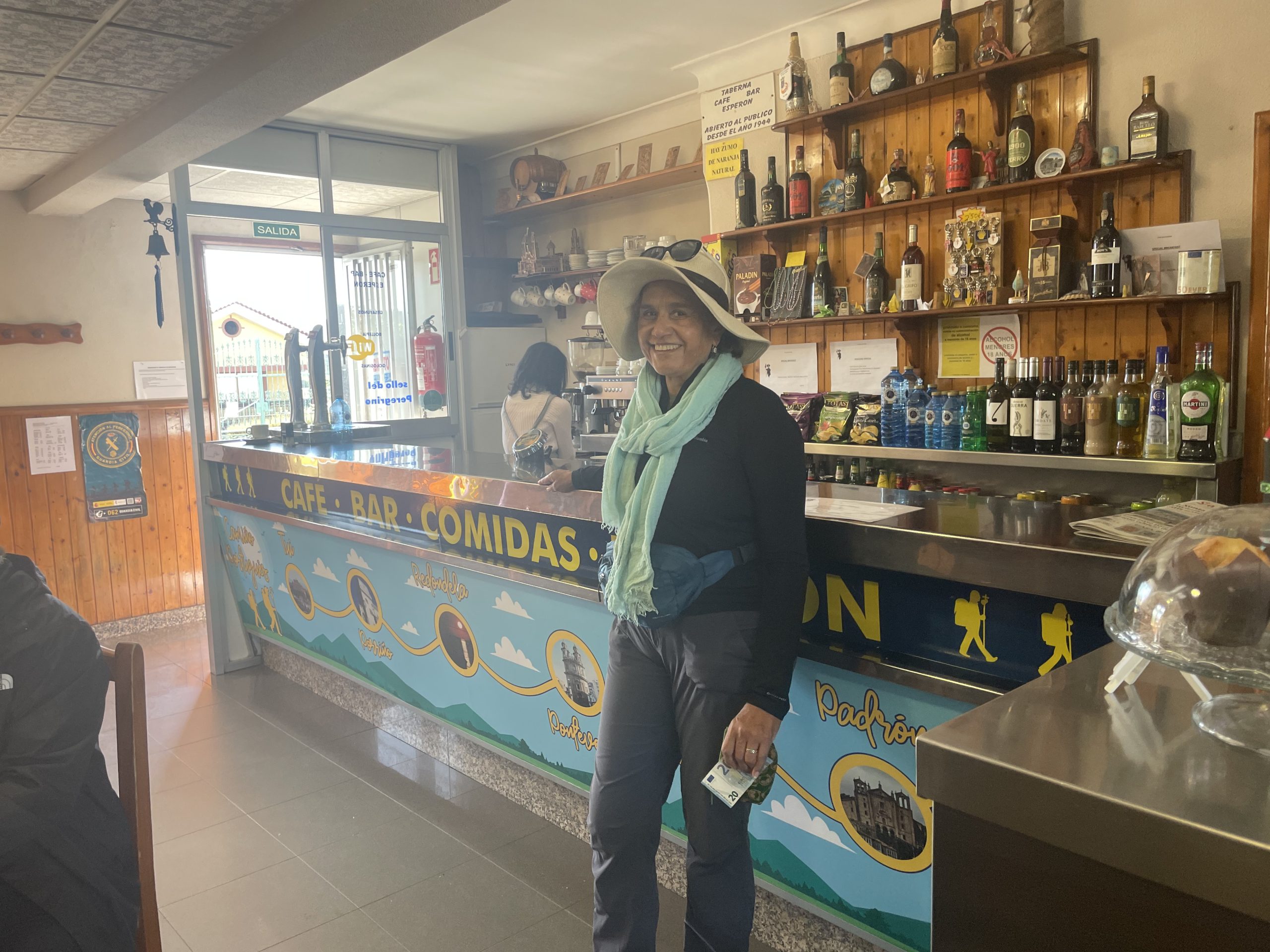
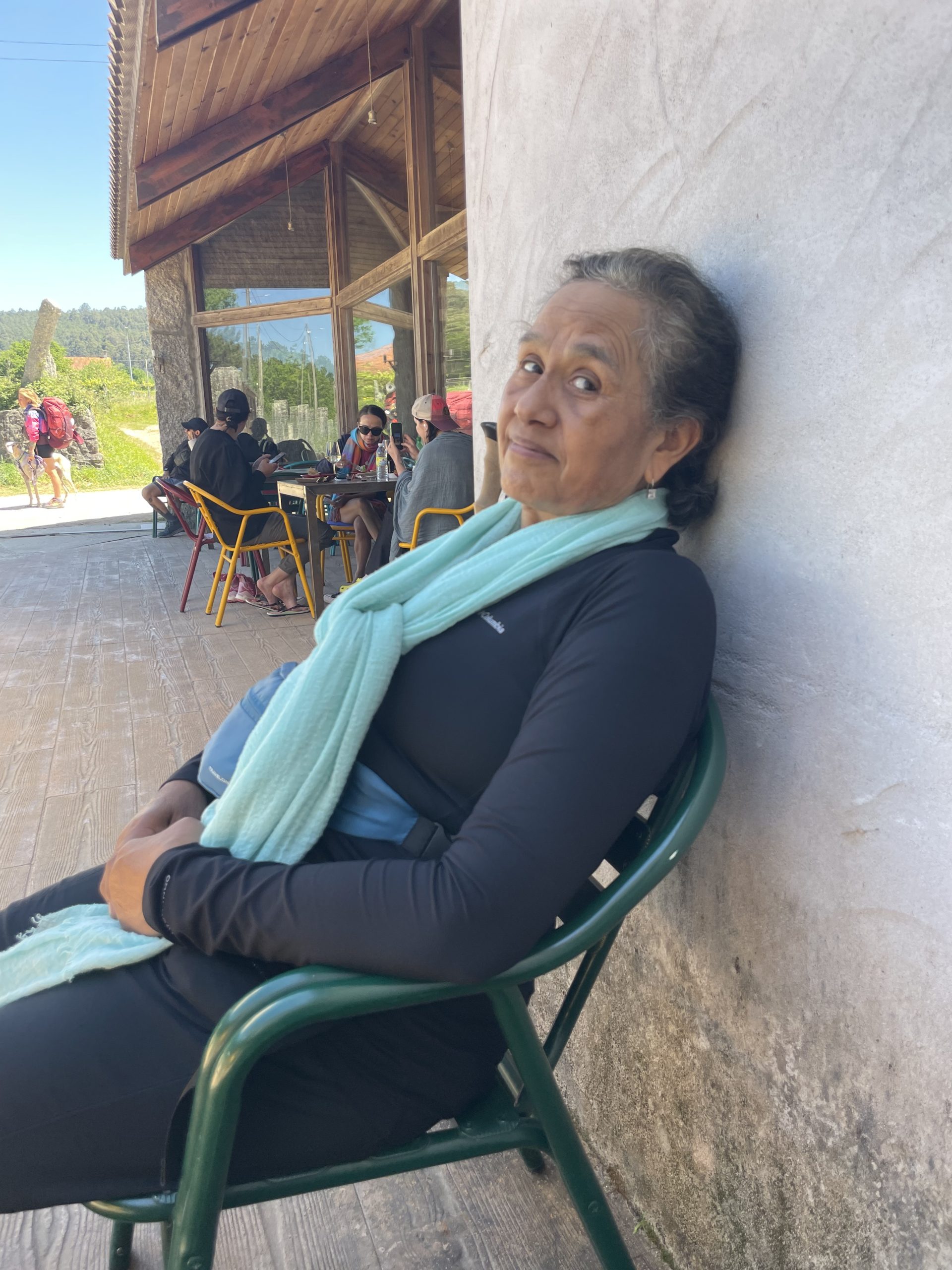
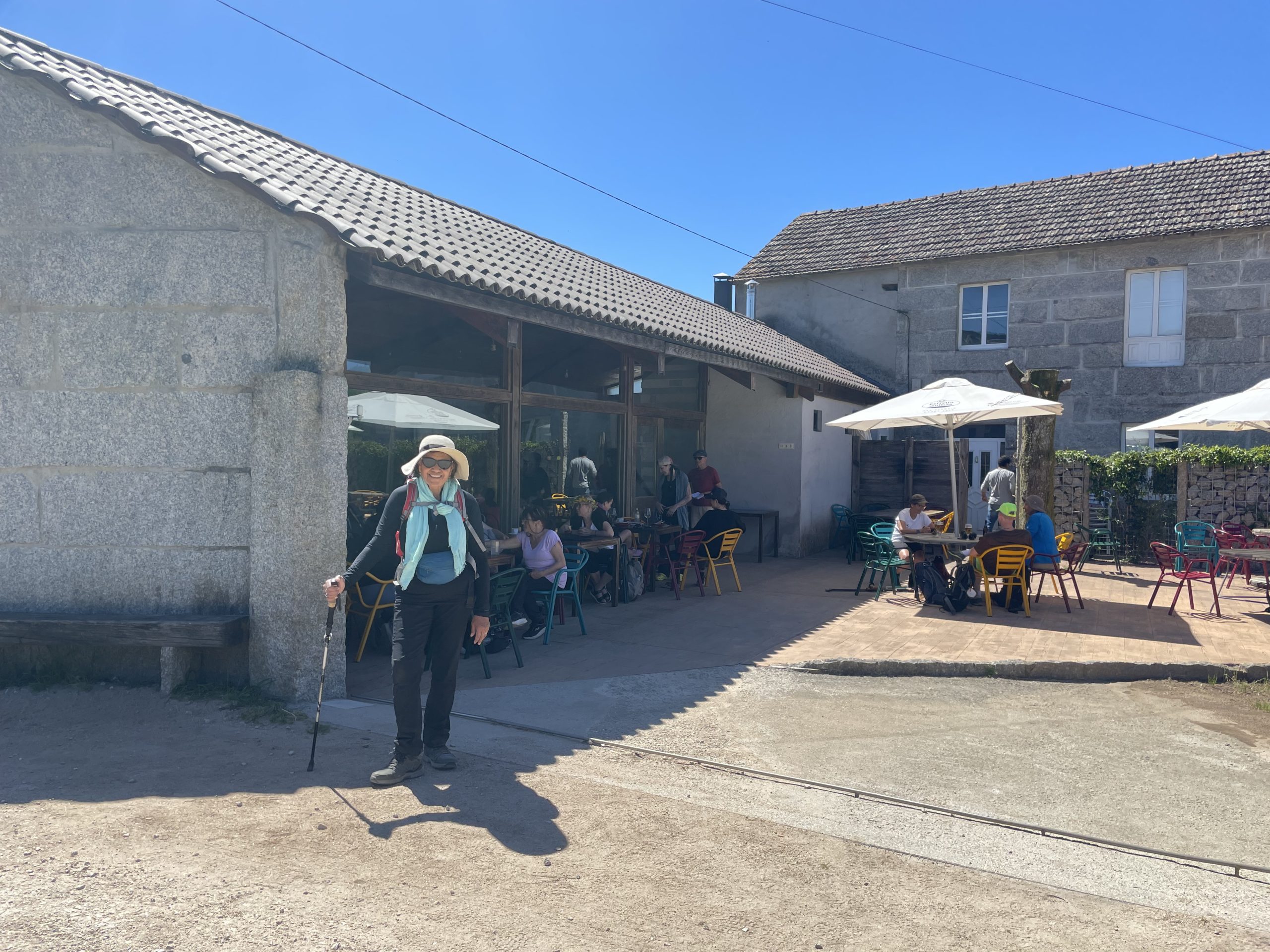
 Back on the trail after a day off was tough, relative inactivity resulting in all moving body parts coming to a creaking halt; nevertheless, the thing about the Camino is that you’re expected to keep going, so we put one foot in front of the other and got back in the swing. Our subtle strategy of getting up late and going slower than most worked well as we avoided most of the crowds, though it’s inevitable that we bunched up around the better of the Camino cafes. Switching from coffee and coke to beer now as we near our final destination. Yeah, it’s not the Appalachian Way, but, on the other hand, you do feel like you’re following in the footsteps of Roman soldiers, pious pilgrims and locals from centuries past on their way to harvest (while drinking an Albariño).
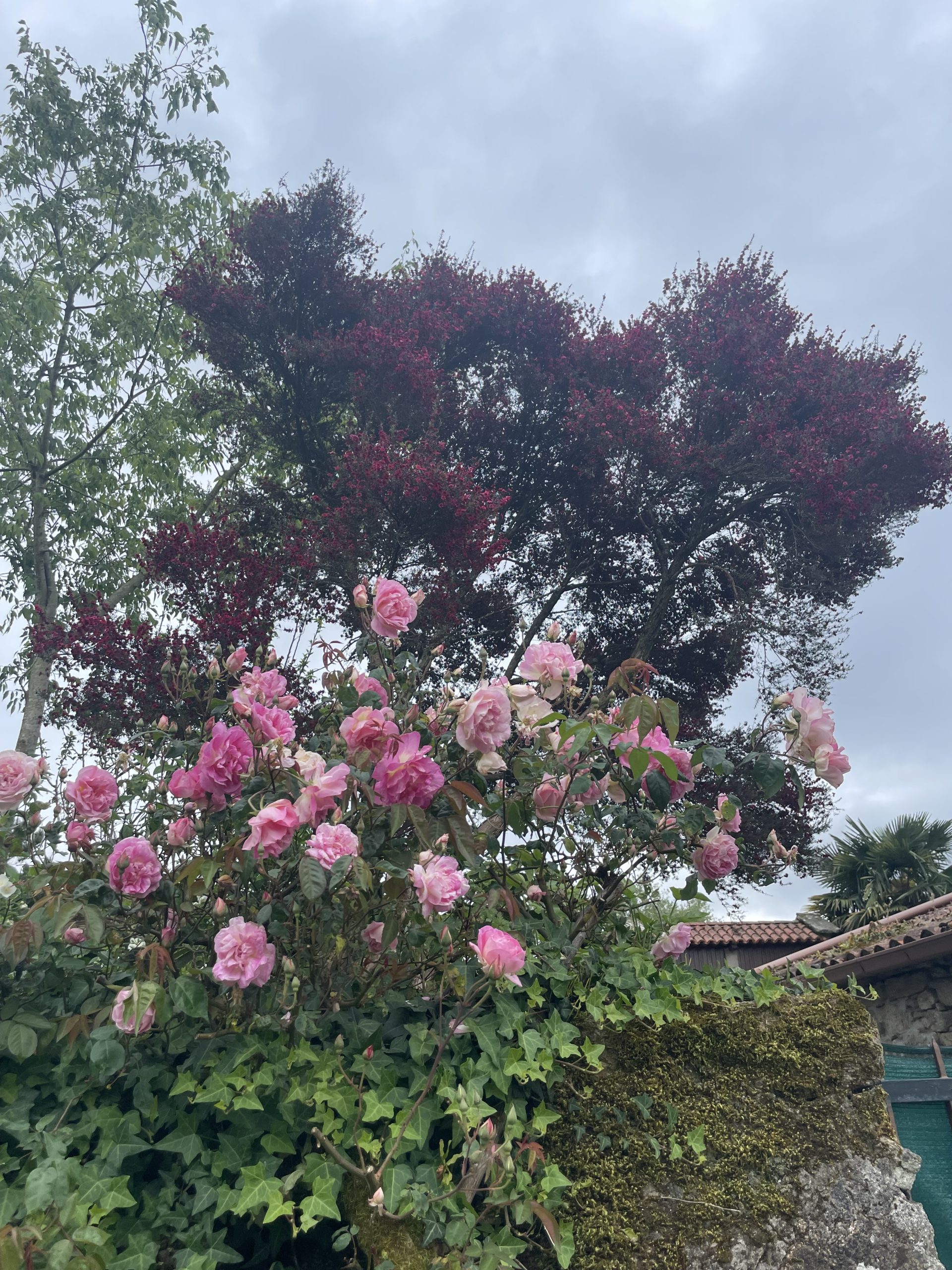
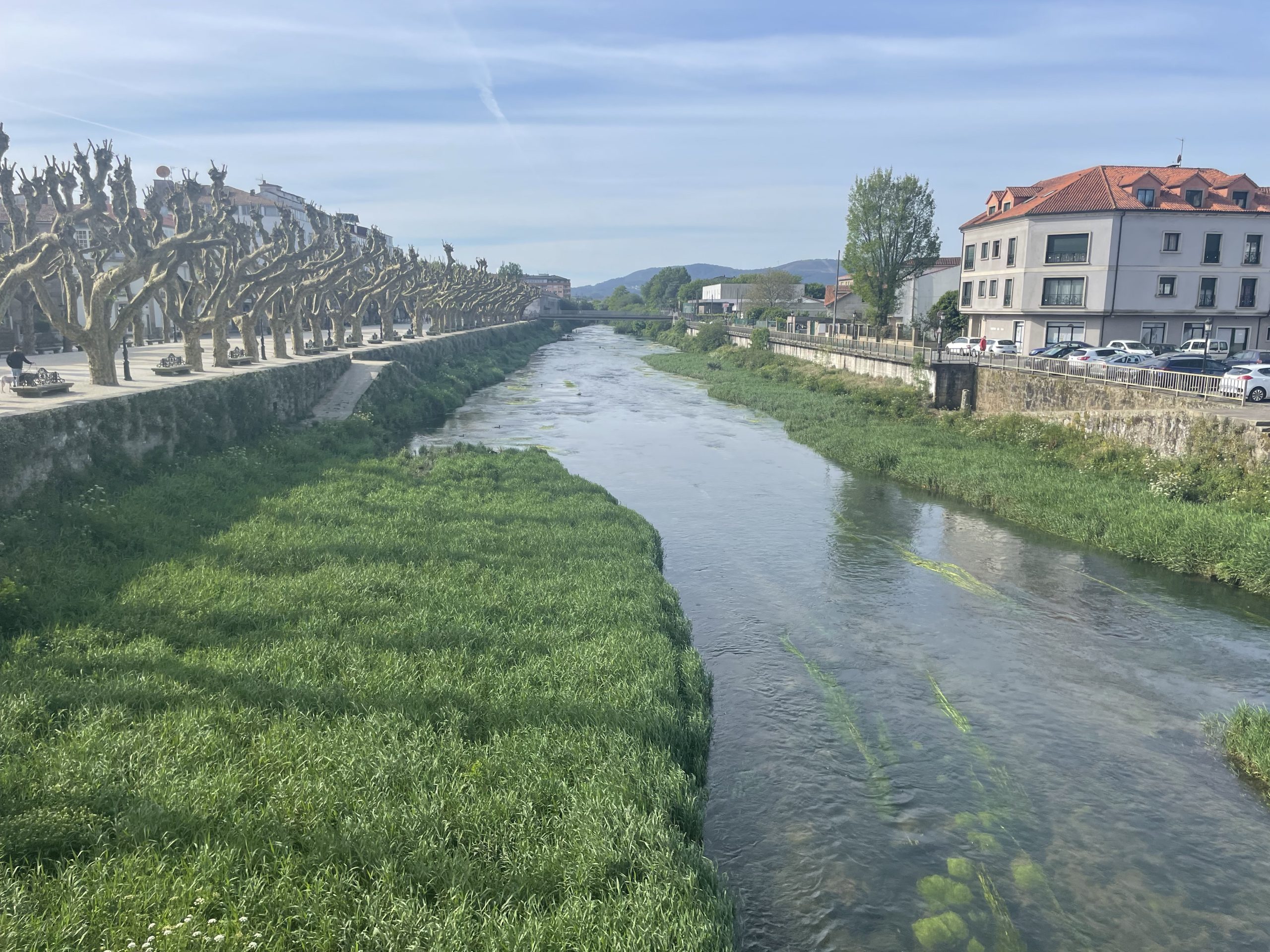
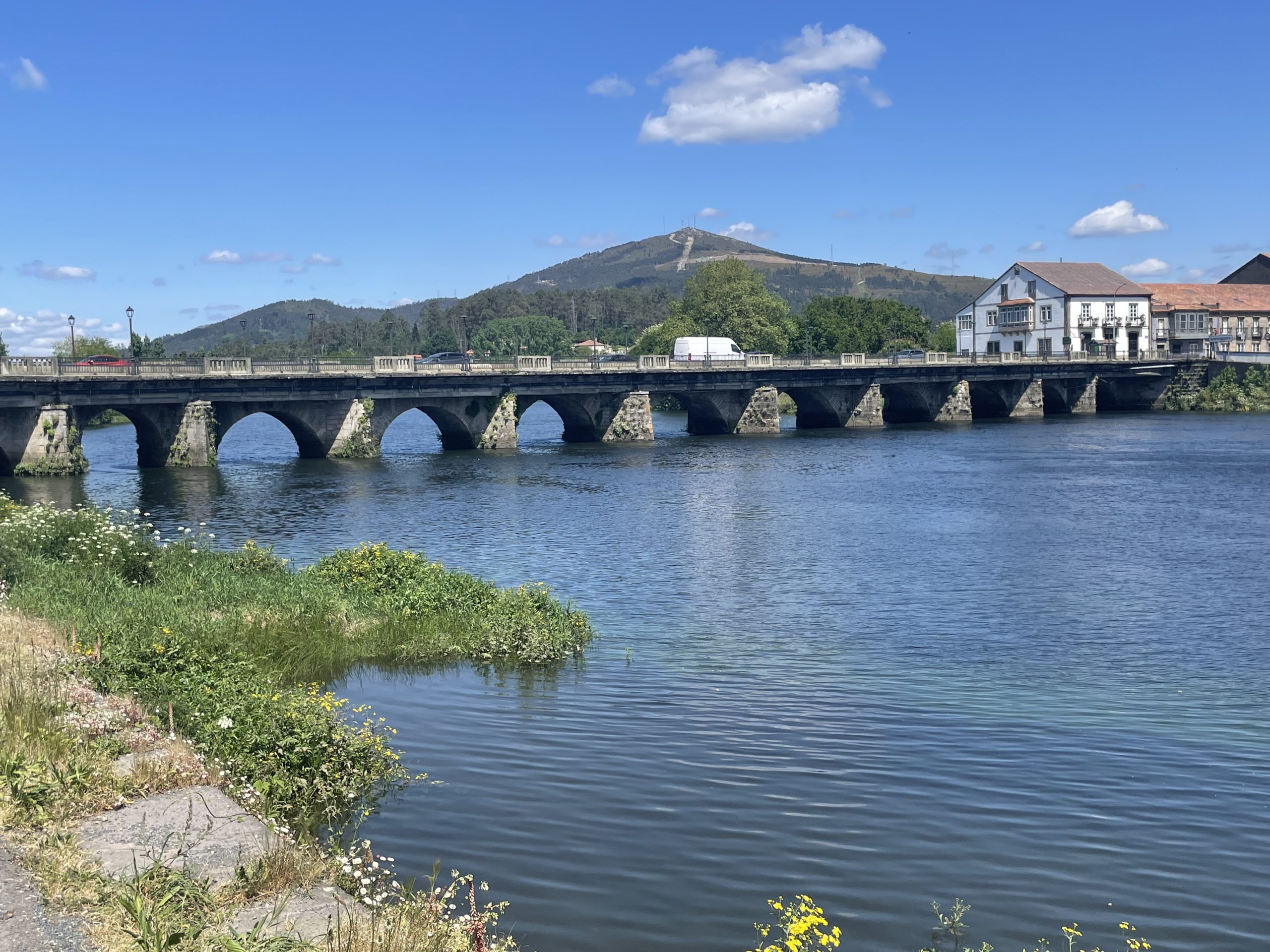
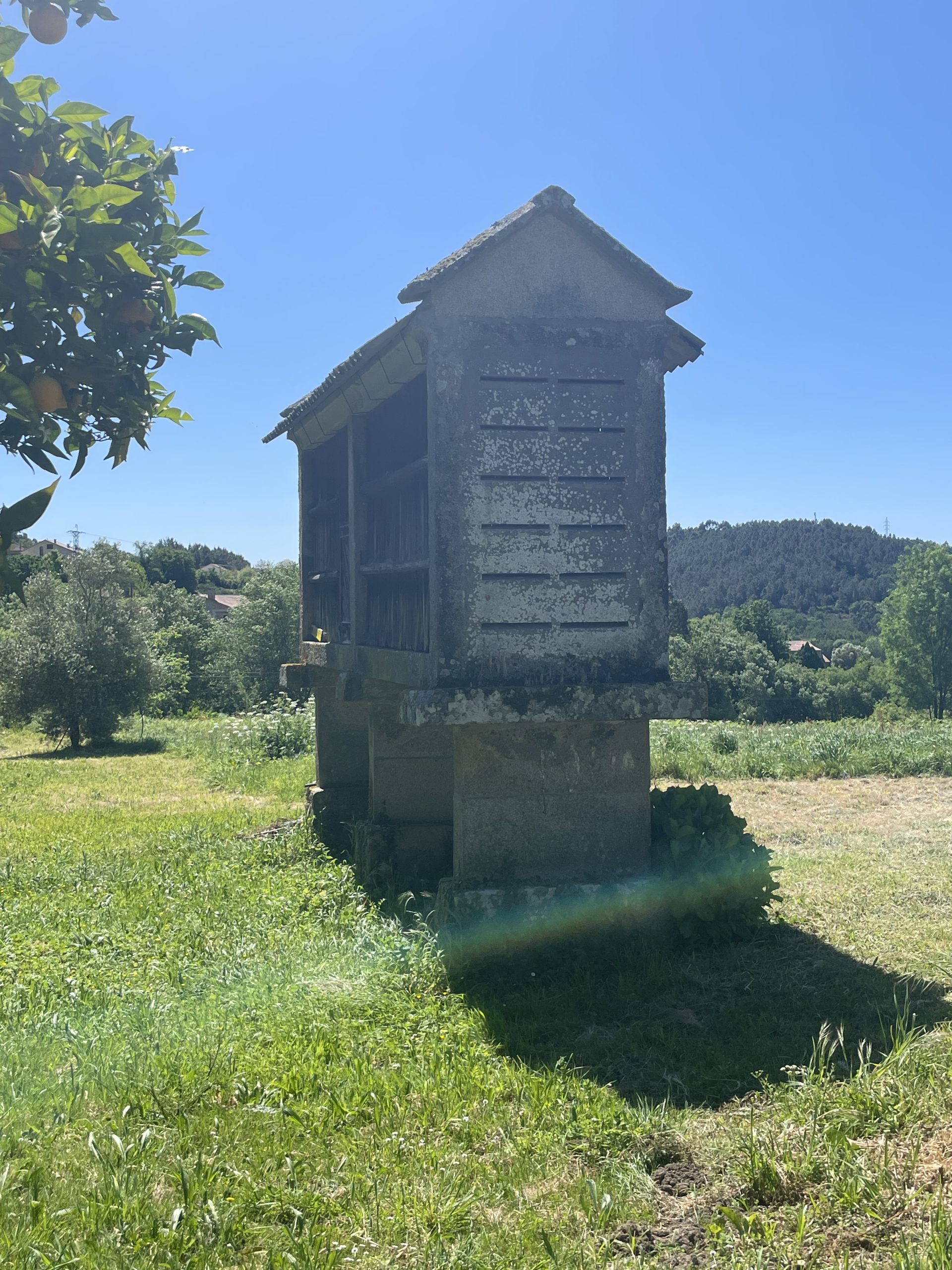
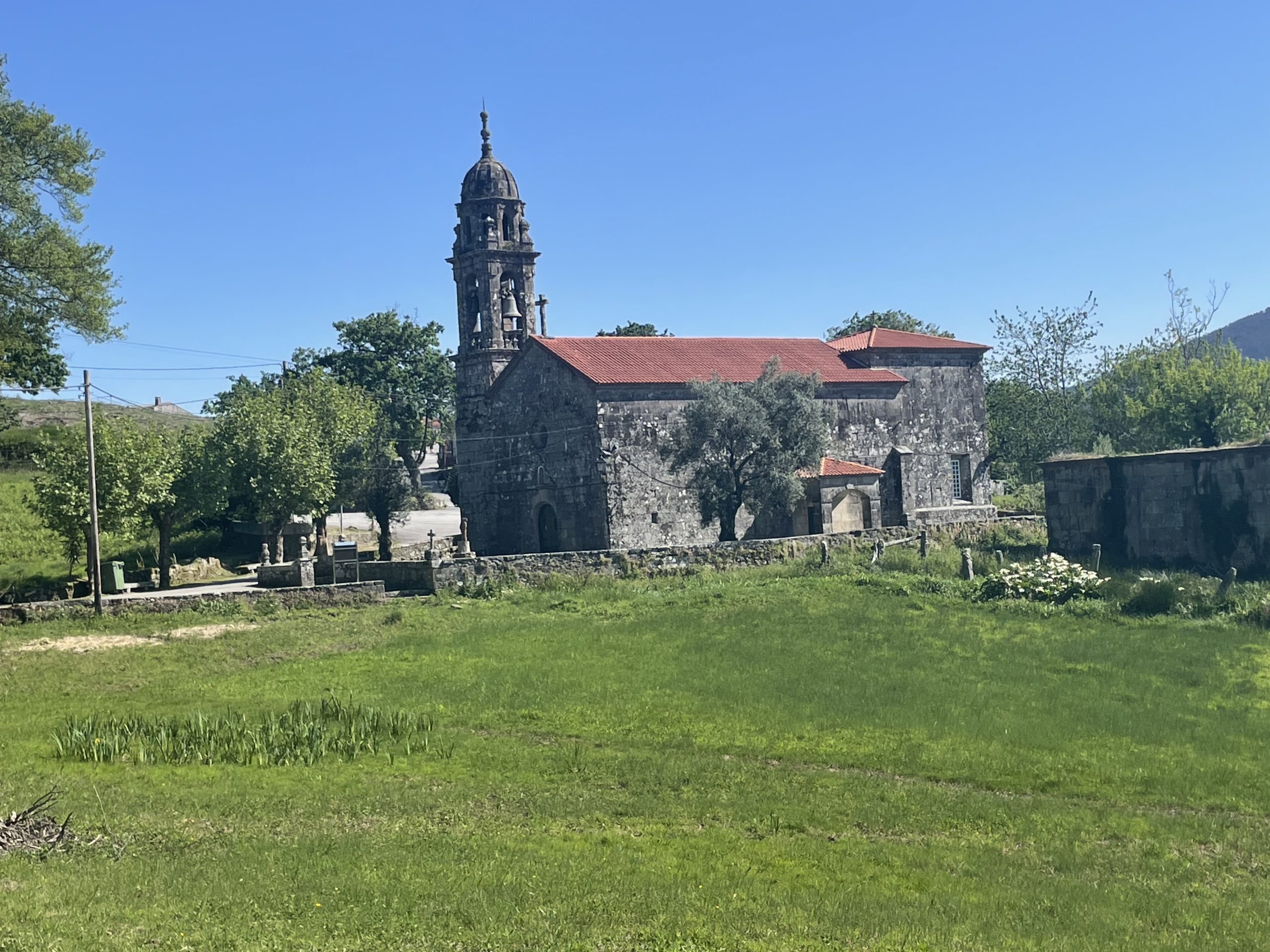
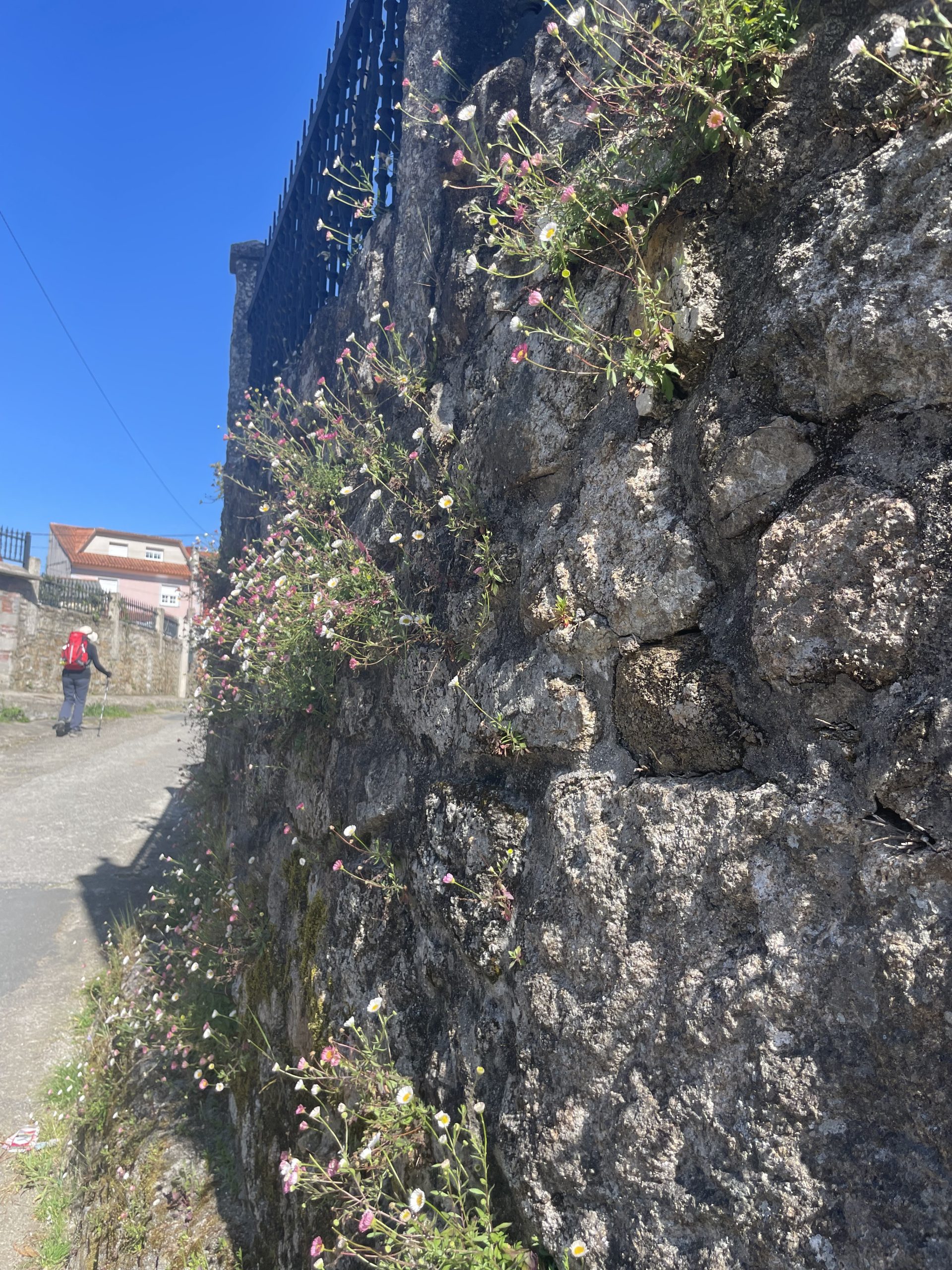
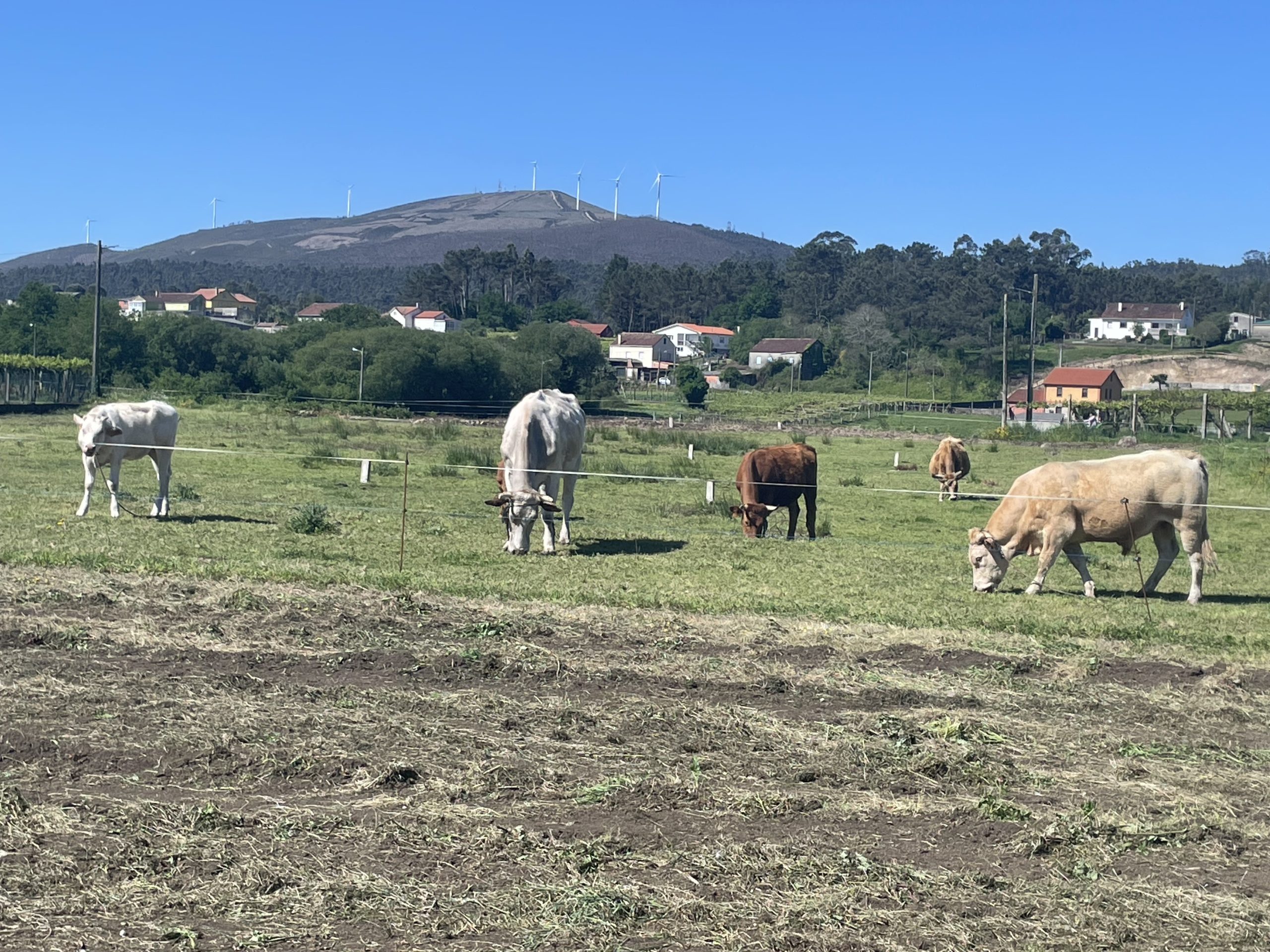
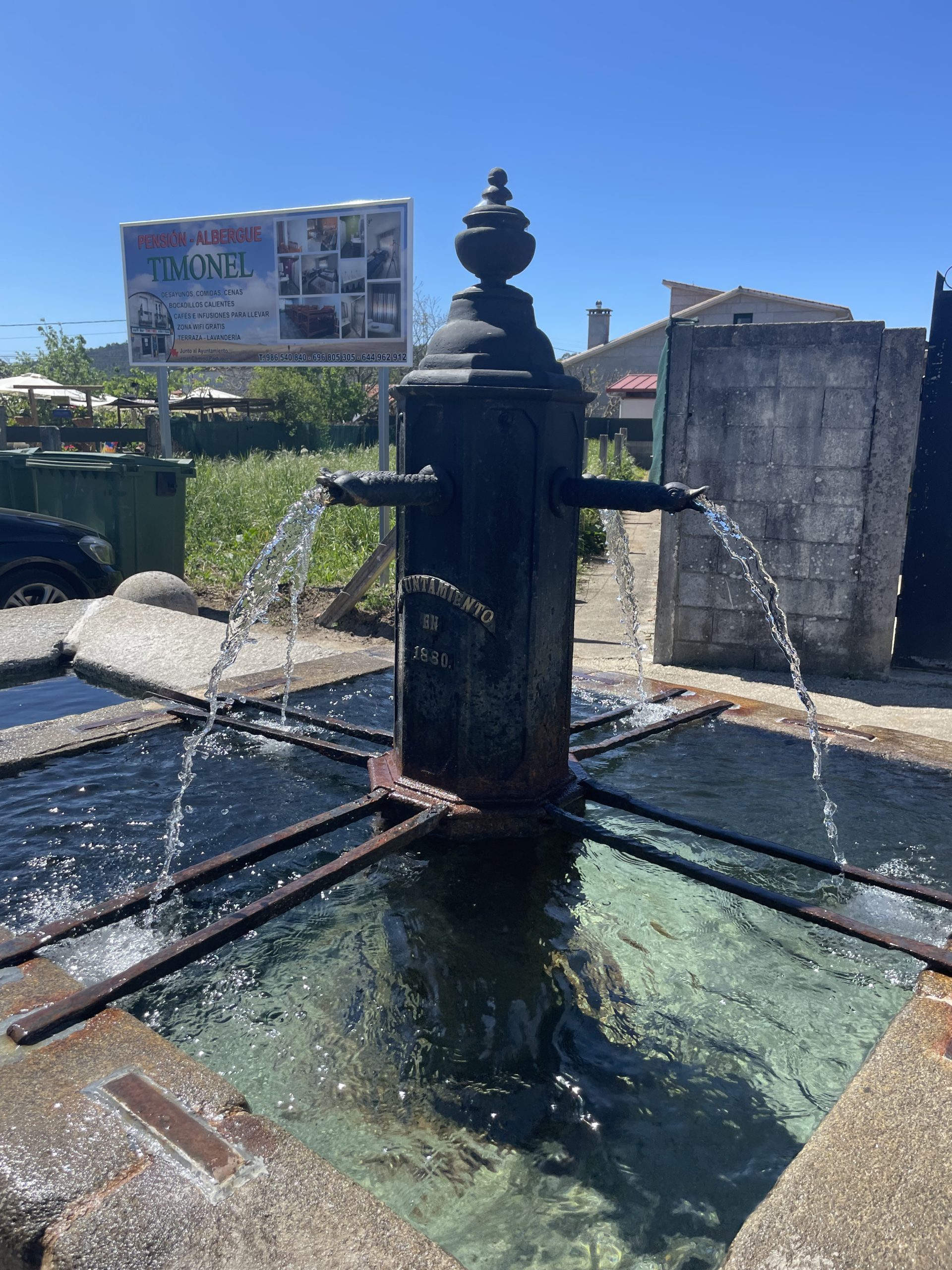
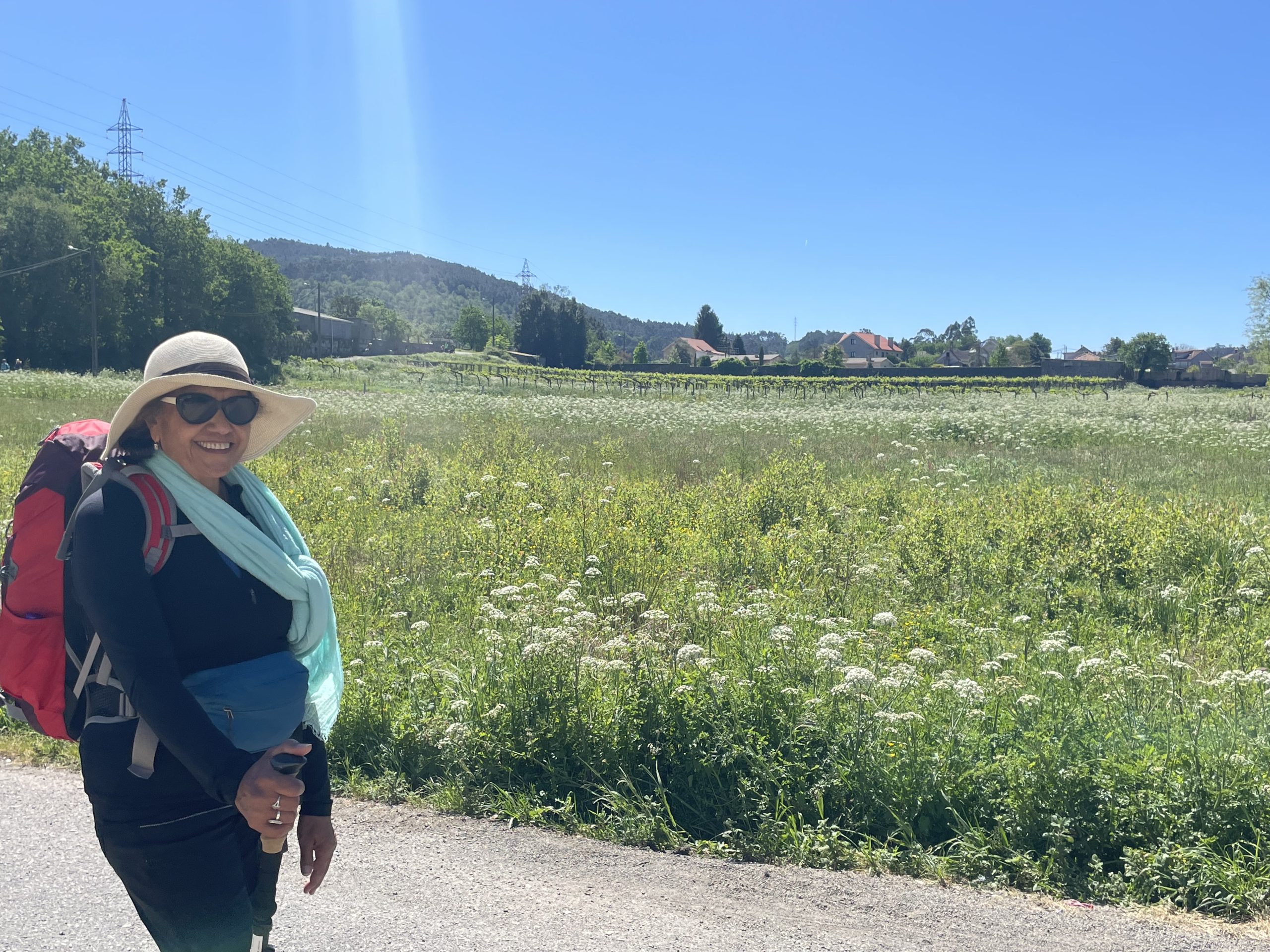
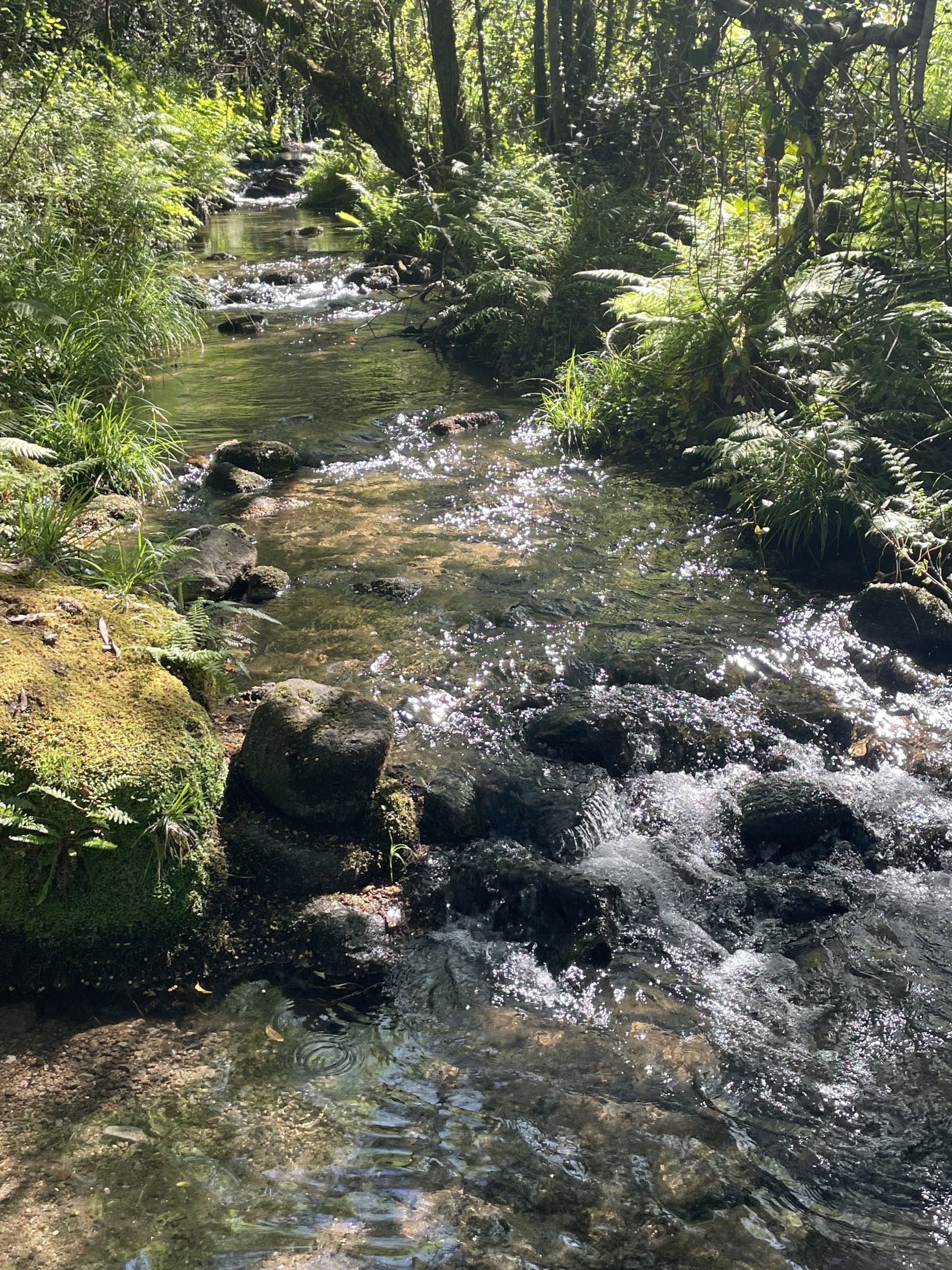
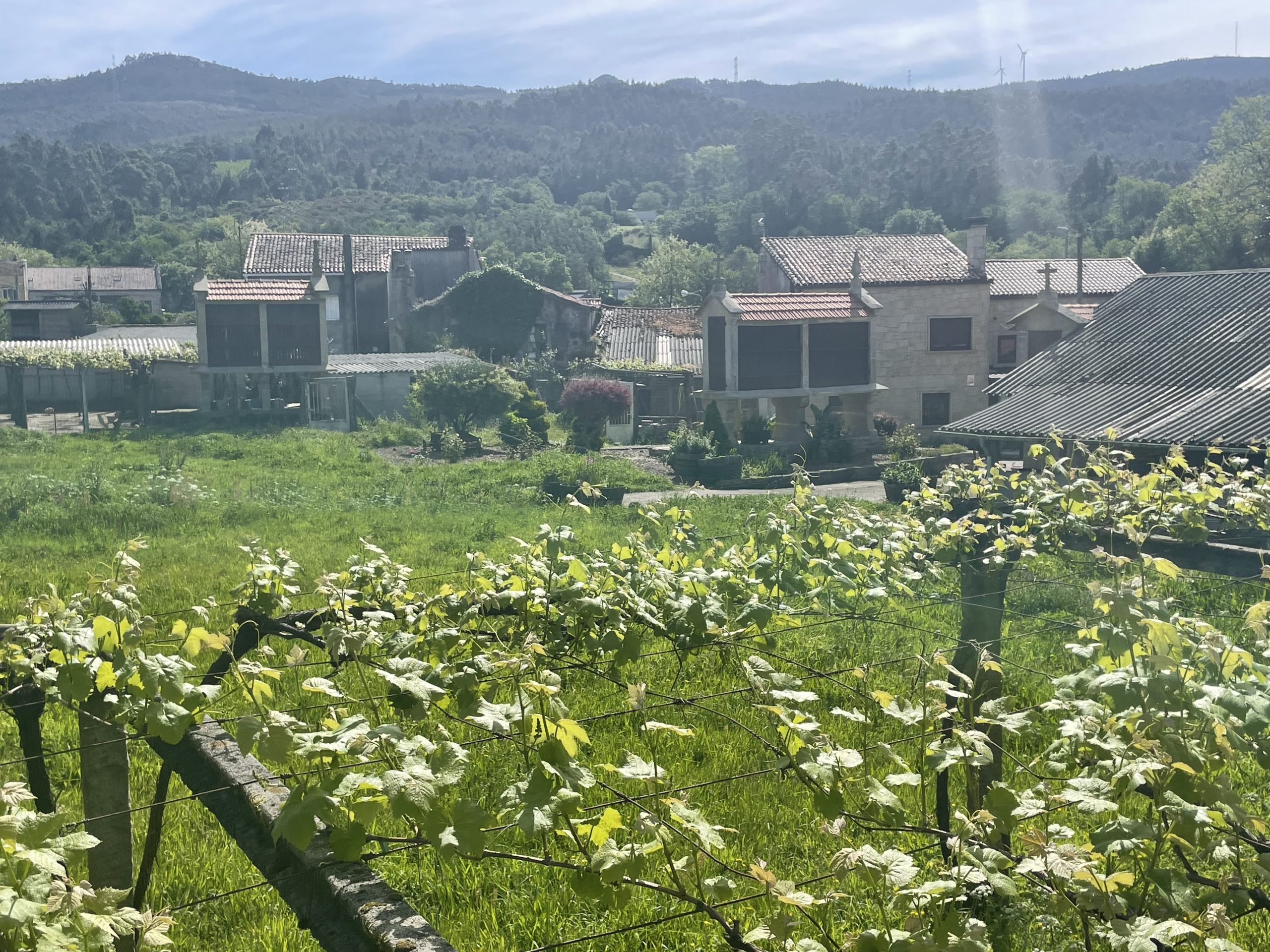 Once past the inlet waters of the Rias Baixas, the inland countryside and towns are starting to blur together for us – Pontevedra, Caldas de Reis and Padron follow in daily succession. It’s all classic Camino hamlets, hillsides and riverside routes, but we’re focused on being in the moment while, also, the journey’s end begins to come into focus. The distractions of ocean, huge rivers and estuaries are gone and you’re plugging your way through farmland and narrow stone roadways through centuries old small villages.
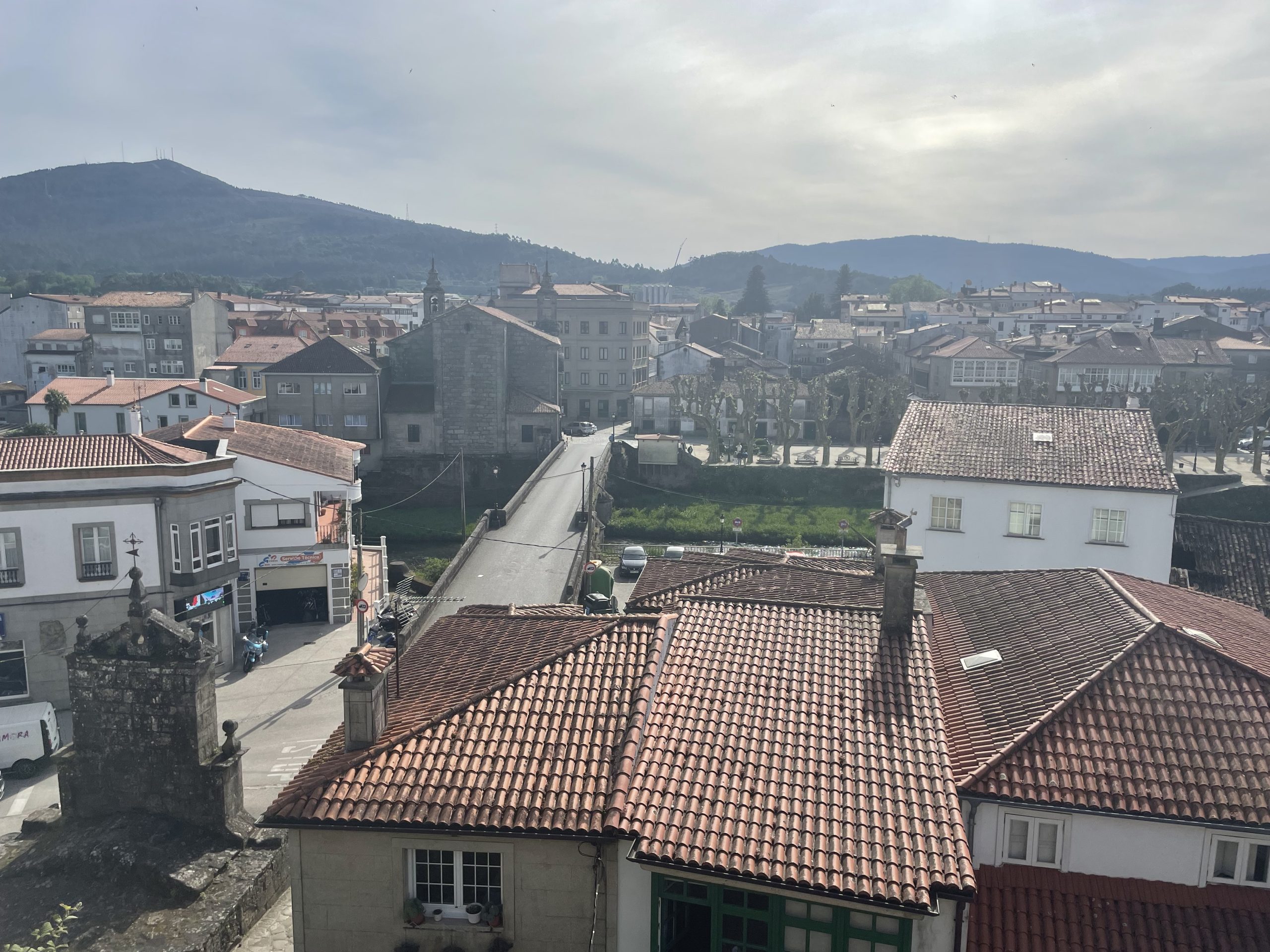
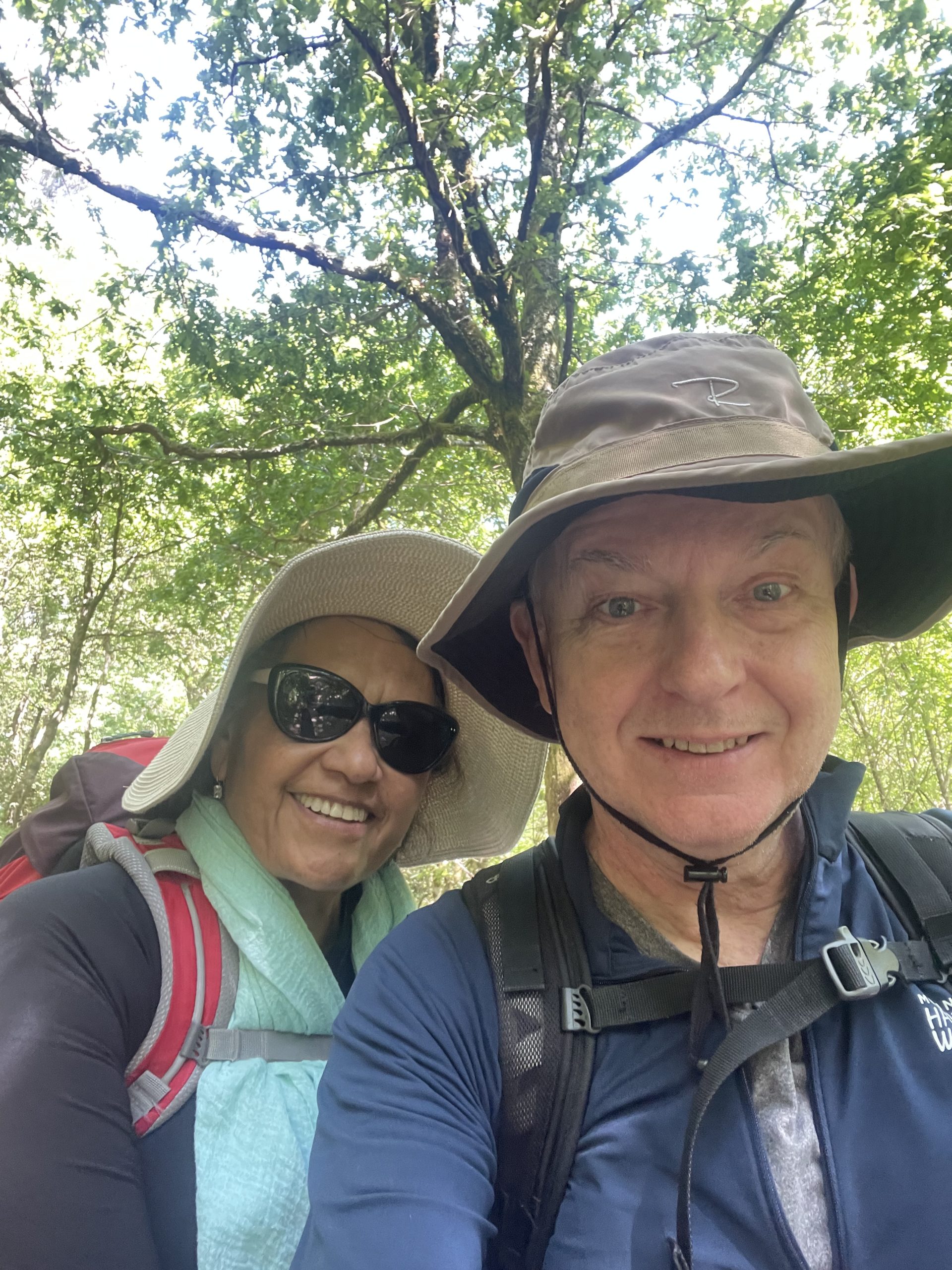 We arrive in Padron, the last big stopping point before Santiago, and get the runaround from our accommodation host, ending up being delivered, after a long delay, to some lodging other than the one we booked. Logistics have worked out well on this trip but, when you don’t pay in advance, you can expect to get messed around on the Camino. Fine if you’re 22 and winging it, not so fine when you’re a geezer and have already put in 14 miles that day. Our hostess belatedly texted us the next day saying she felt sick and had to go to the hospital after she no showed! Our experience is that apartment bookings via Airbnb are more reliable than those using Booking.com. The backlash on Airbnb related to local rent inflation has sent people elsewhere, but the reality is that many of the listings are the same, but the hosts are less experienced and the protections for the customer weaker than Airbnb’s. First world problems, I know.
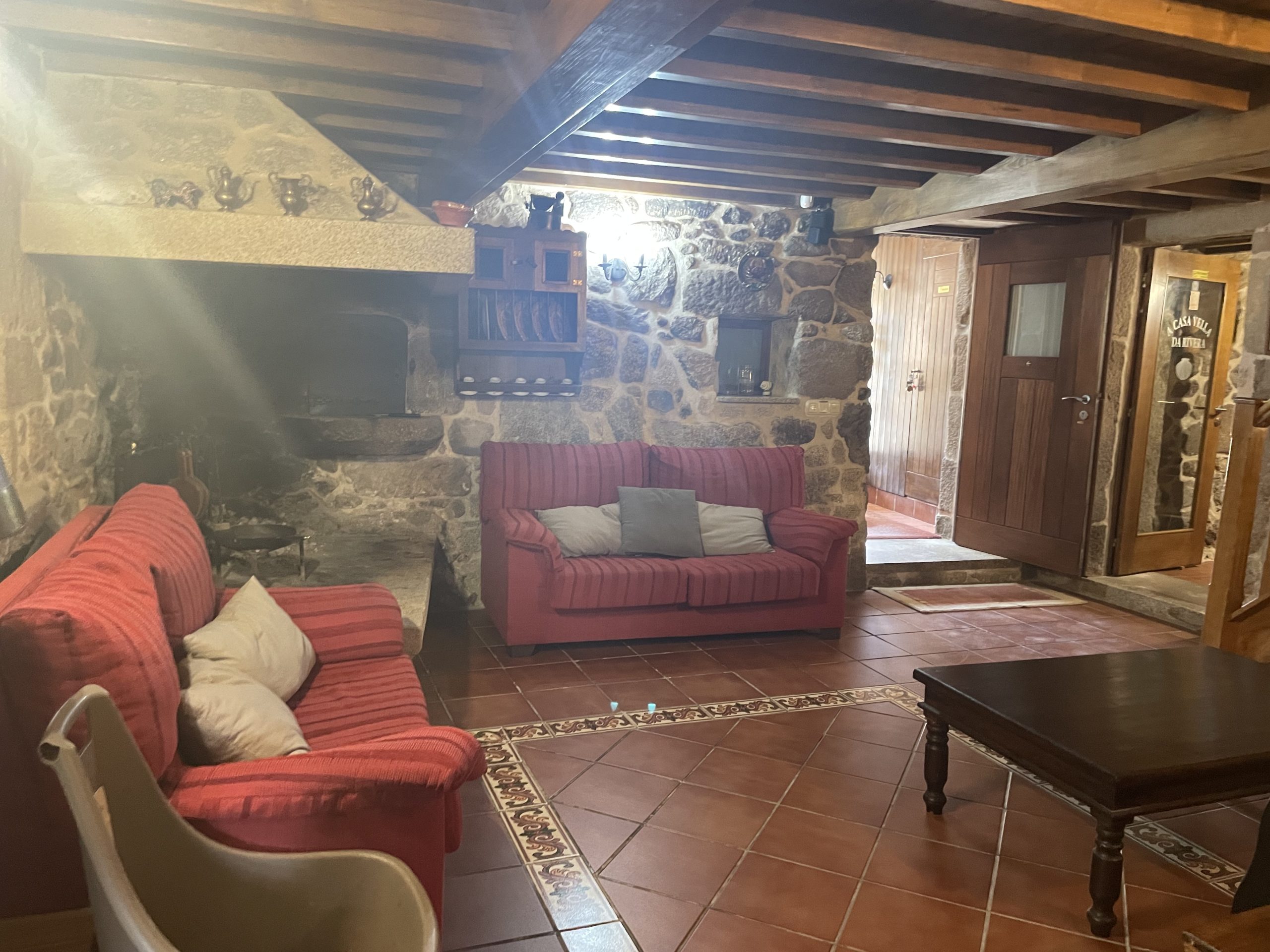
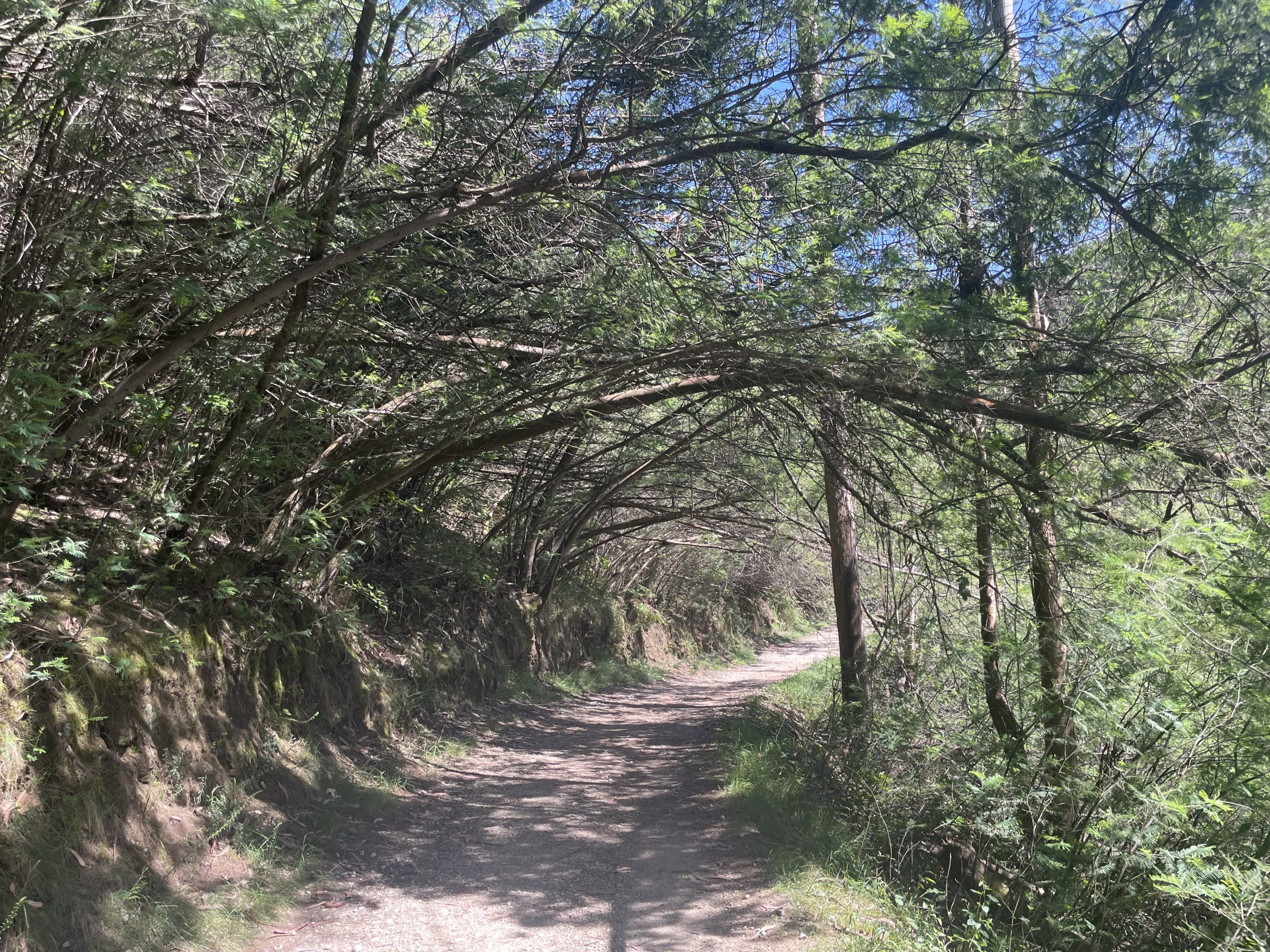 On a personal recommendation, we take a detour, and a shortened day’s walk of only 7 miles from Padron, to stay at Casa Rural Vella de Rivera in the village of Sisto. Run by a very amiable couple, it’s a little spendier than our typical Camino 50-70 Euro/night but breakfast and, to our surprise, dinner is also included. It’s not high season so it’s just us and a couple of similar age from Salzburg, Austria sharing dinner and travel war stories over too much wine. The inn looks like a farm re-do and one might balk at the apparent gentrification but, throughout our walk through Portugal and Galicia, it’s been very clear that the countryside is being depopulated as deserted buildings and fields are everywhere. Aside from the very senior generation we’ve seen working the fields, the only other viable demographic seems to be 30-40 year old renovators. The local rail line will still, generally, get you into, say, Vigo, Porto or Santiago in less than an hour so, if you’re looking for a “back to the land” life and business opportunity, the village of Sisto awaits you.
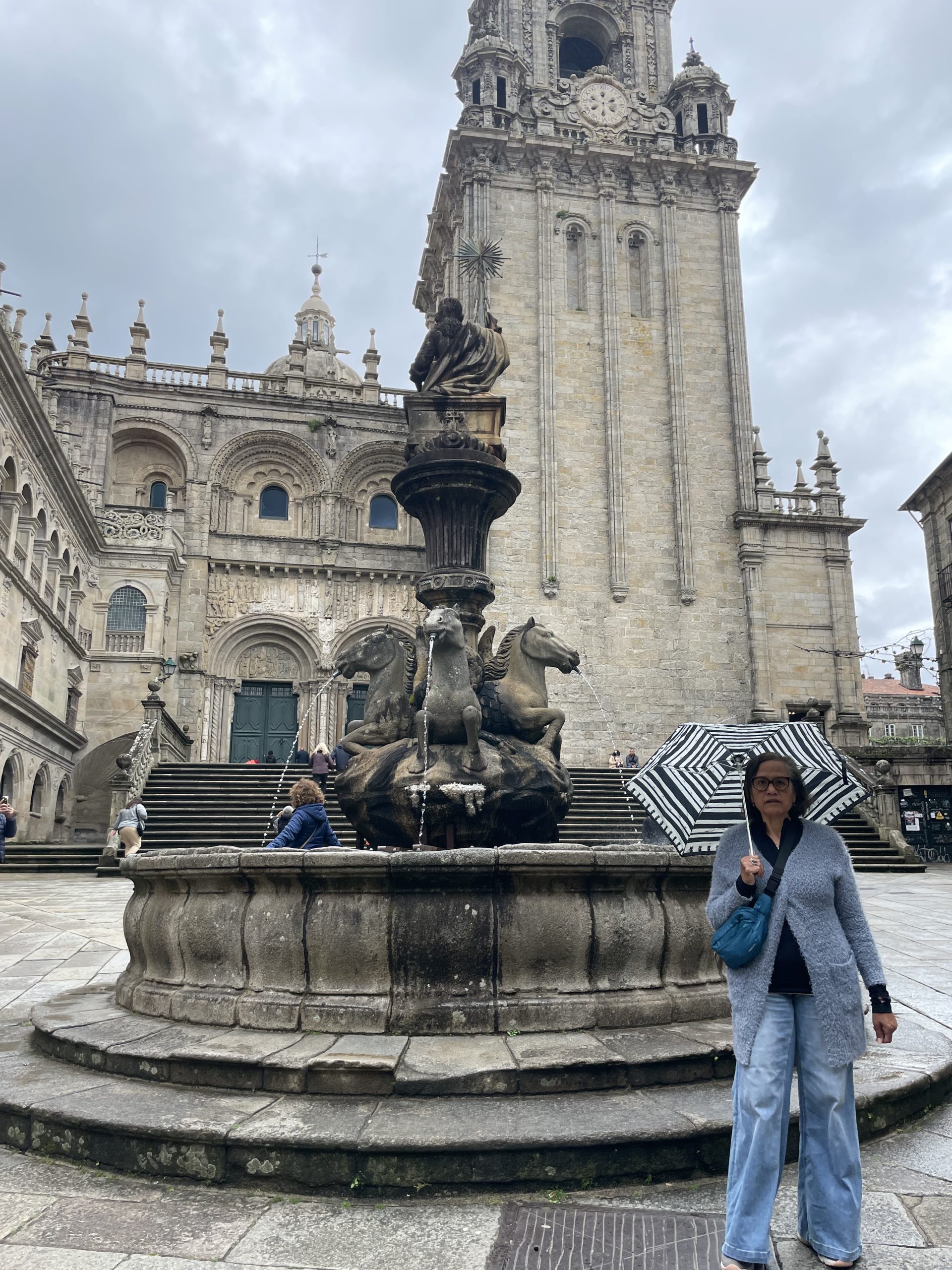
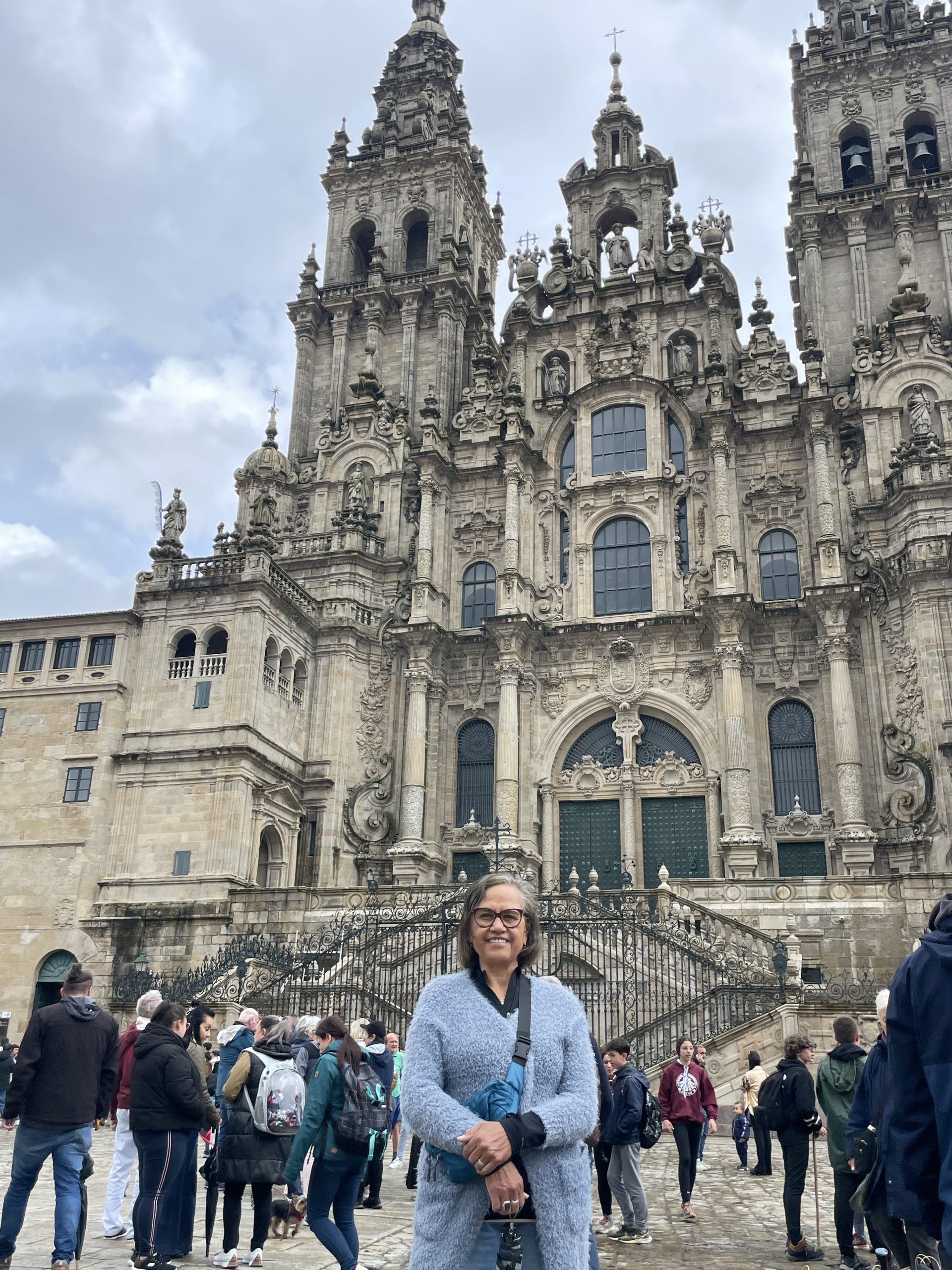
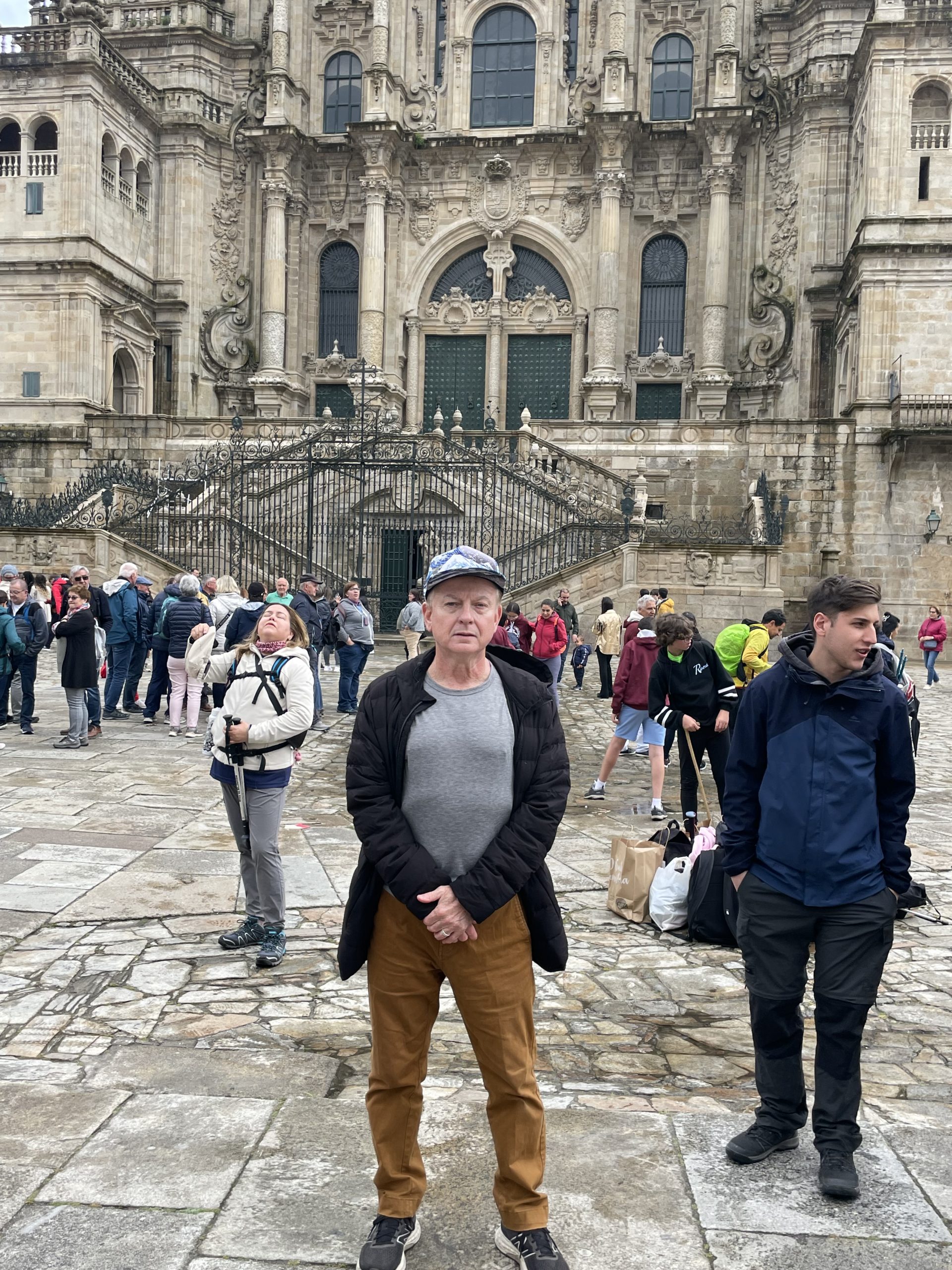
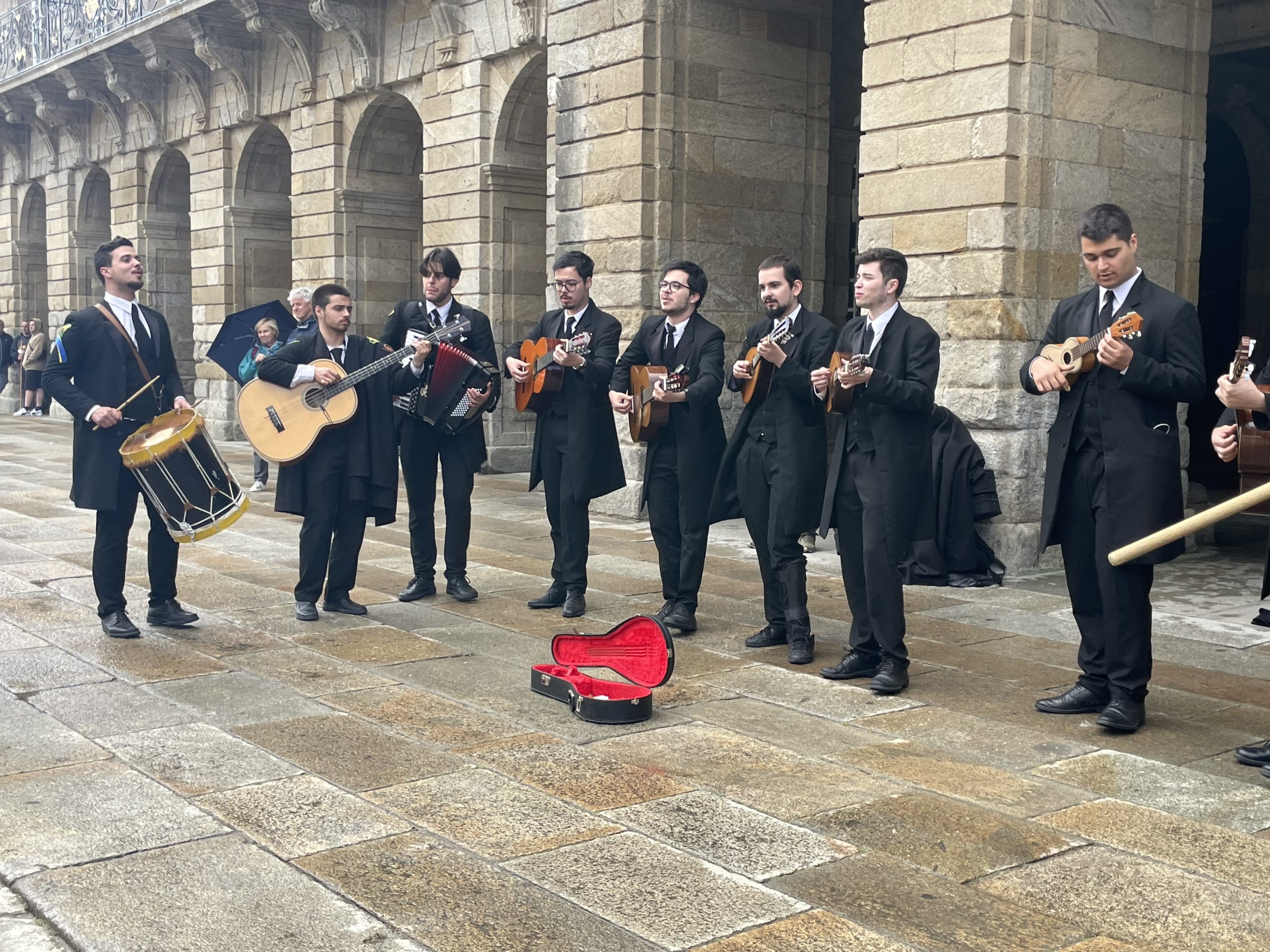
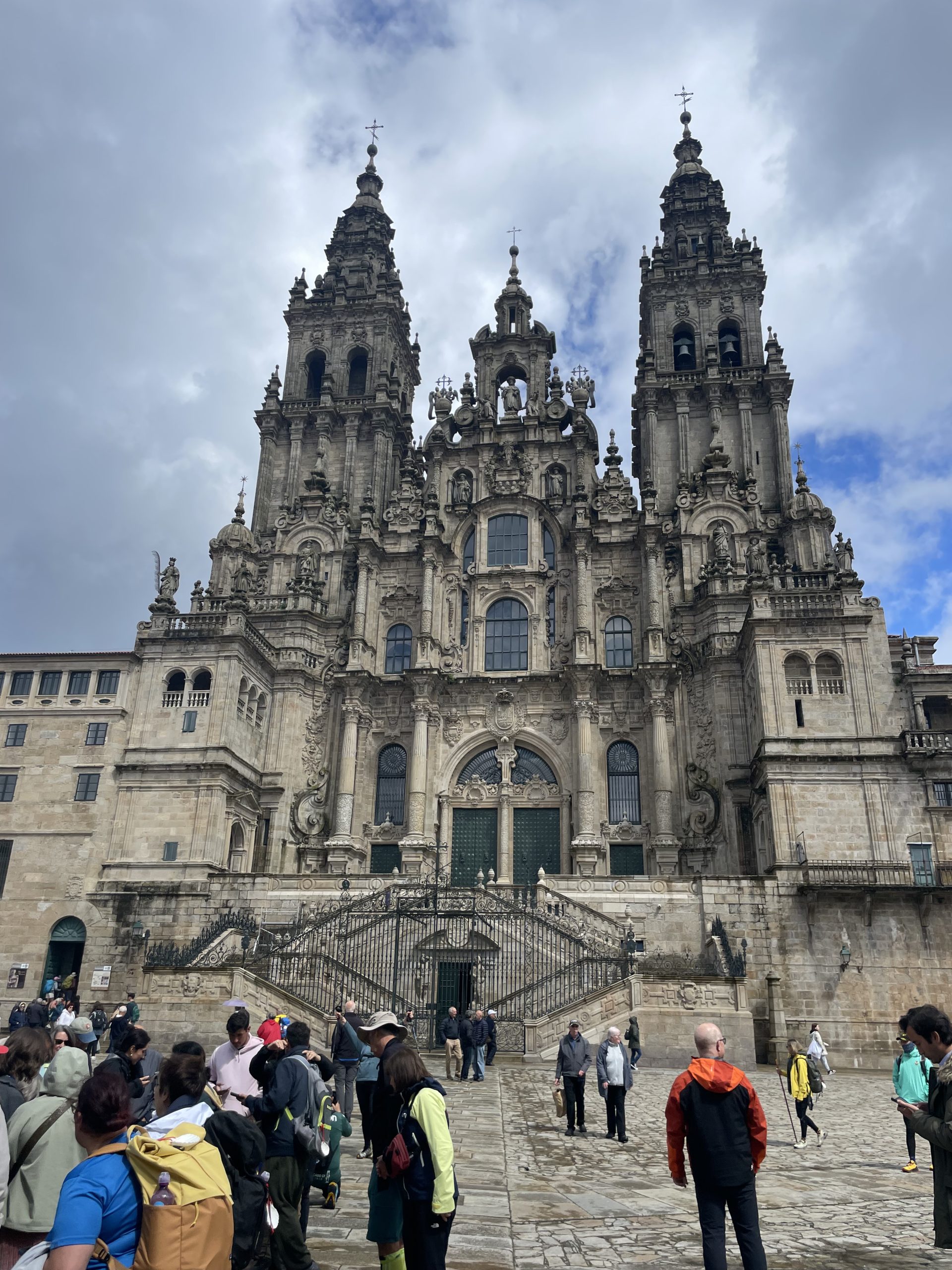
 The last haul into Santiago ends up tougher than expected with some tough hills and rain starting to fall for the first time on our journey, but the final approach does have that end of a marathon buzz to lift us as we enter the old city center. The classic finale to most Caminos is to enter the Plaza del Obradoiro in front of cathedral with Galician bagpipes providing a poignant atmosphere for our arrival
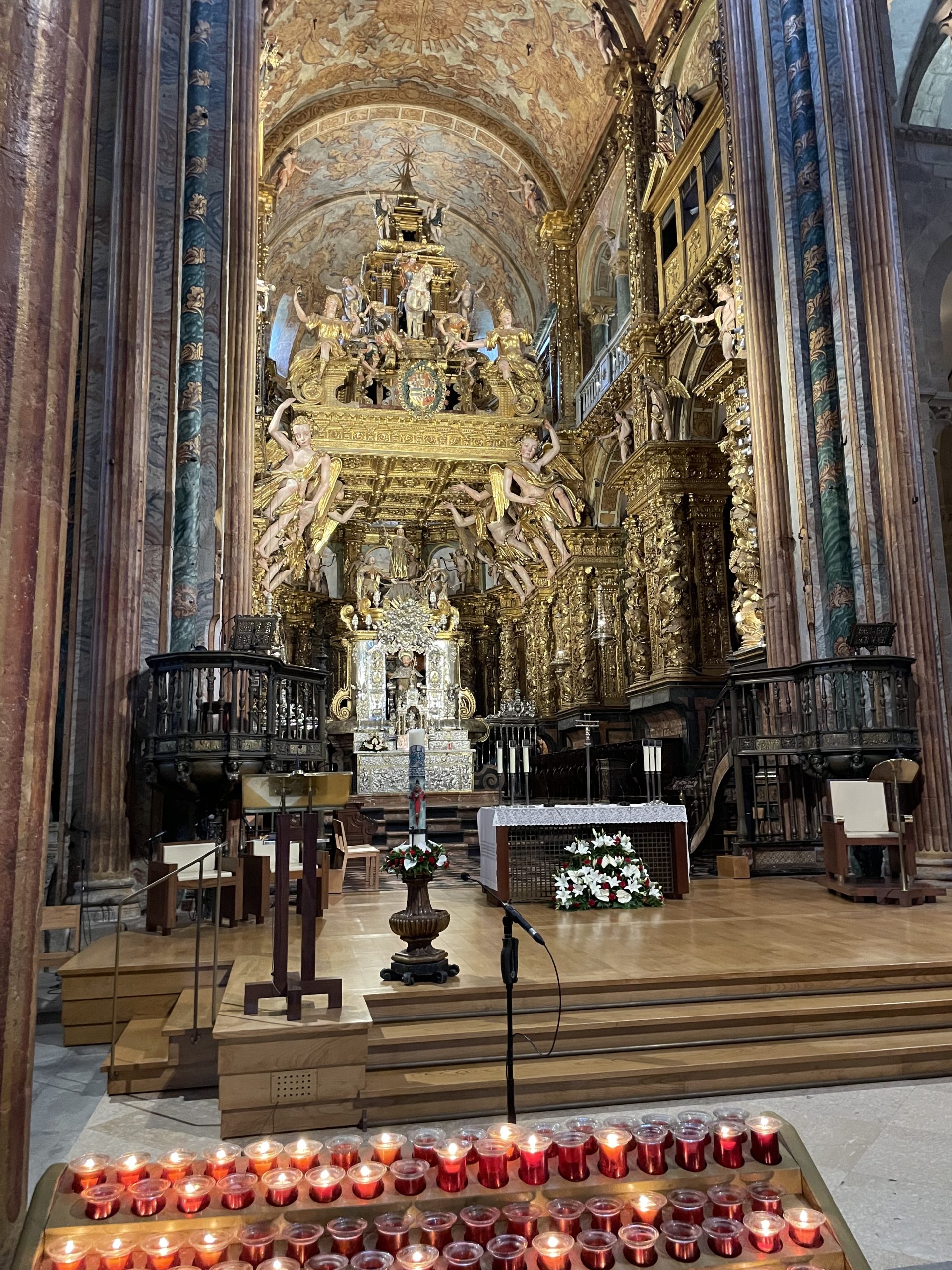
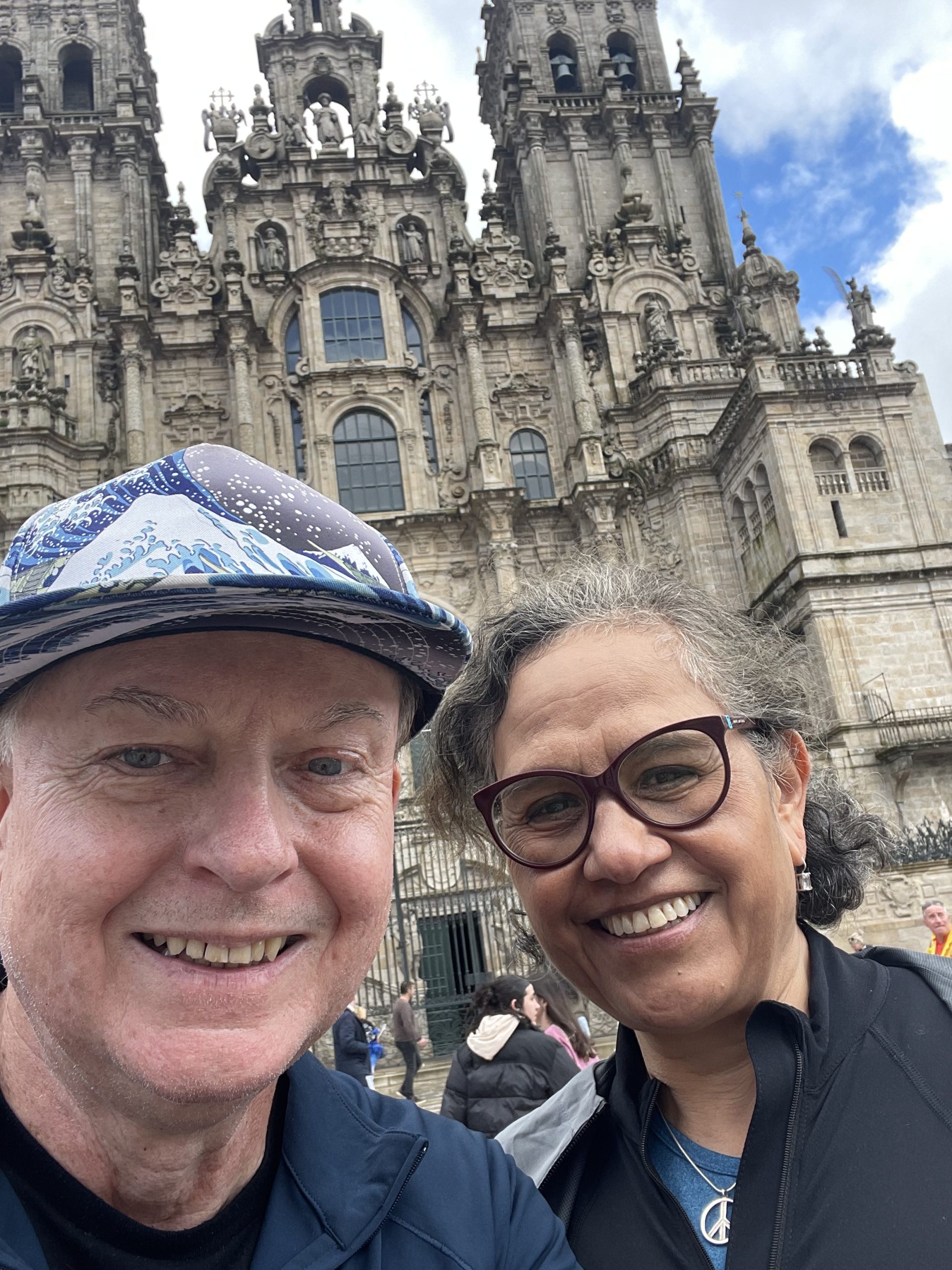 OK, I have to admit that our photographic finale is a belated one as we had to, first, check in to our apartment and pick up our long-haul luggage that was forwarded from Porto. Still, we’ve made it, and there is a real feeling of accomplishment. Having documented more than minimum credential requirements, we head right away to the pilgrim association office nearby and pick up our official “Compostela” documents, in Latin no less. Mission accomplished but, then again, the Spanish Northern route to Santiago looks like an interesting road less travelled…We’ll let our wounded bodies heal first before scheduling that.
 Next is a bus ride to Porto to connect with a flight to Toulouse, France with the long-distance walking over for now. Though there were tough moments, we both very much enjoyed our Caminos and can glad we took the Portuguese route, mixed in some coastal diversions and took some of the other alternate paths along the way. Be aware that the main routes can get very crowded and hot in the Summer, so plan your own Camino carefully if you don’t like meeting, overhearing, bumping into and being annoyed by lots of people.
Hasta la vista,
Sean and Abby



Leave a Reply