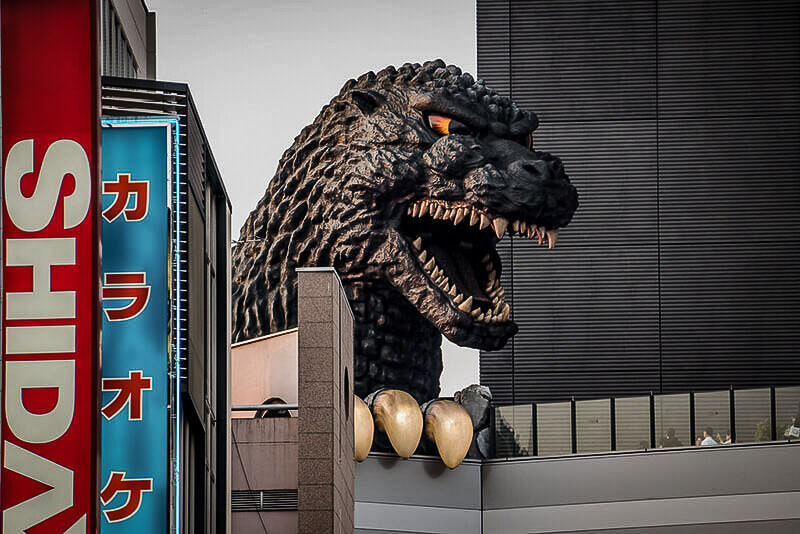
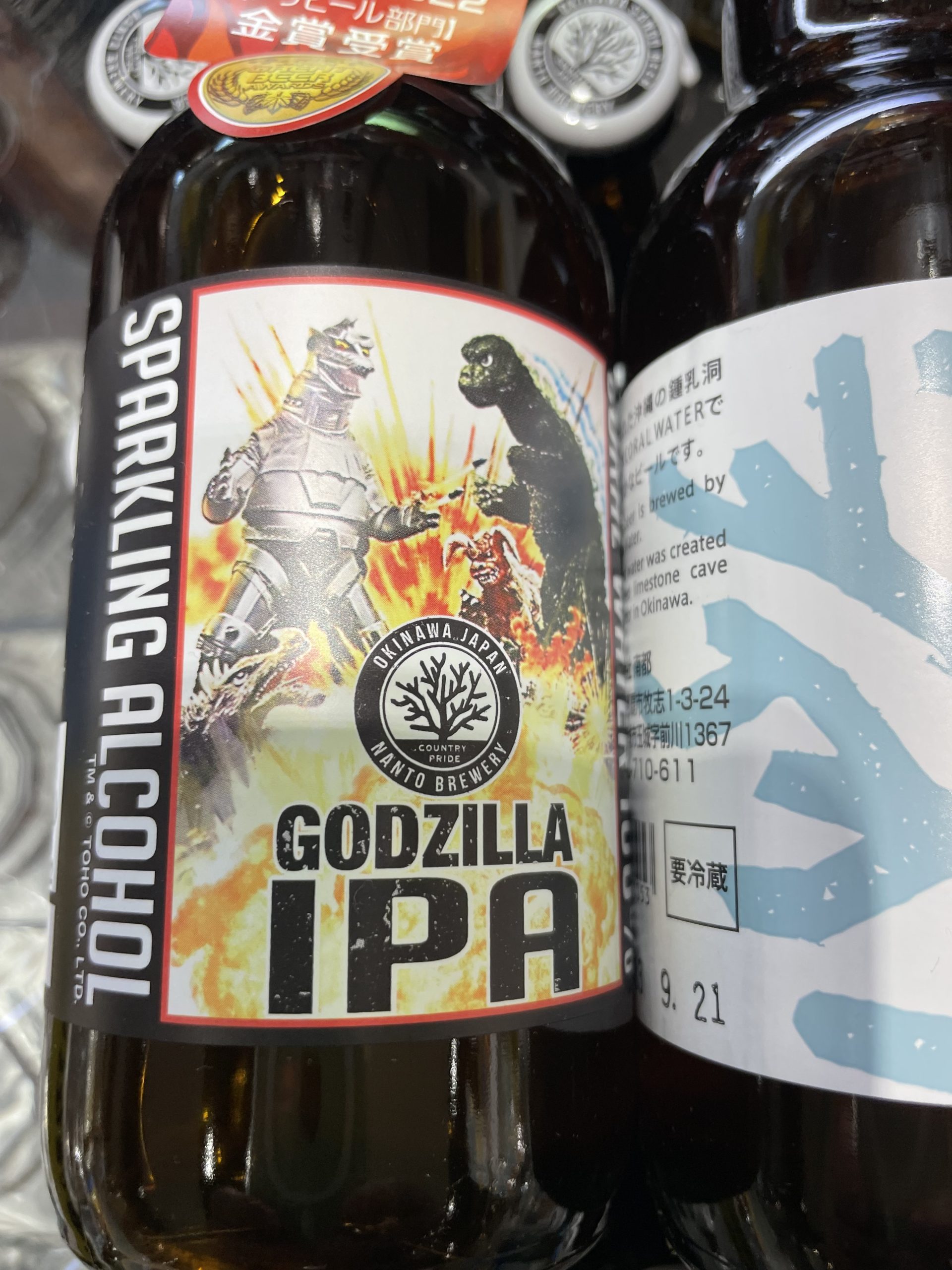
 Oh no they say he’s got to go, Go go Godzilla yeah
Oh no, there goes Tokyo, Go go Godzilla, yeah (apologies to BOC)
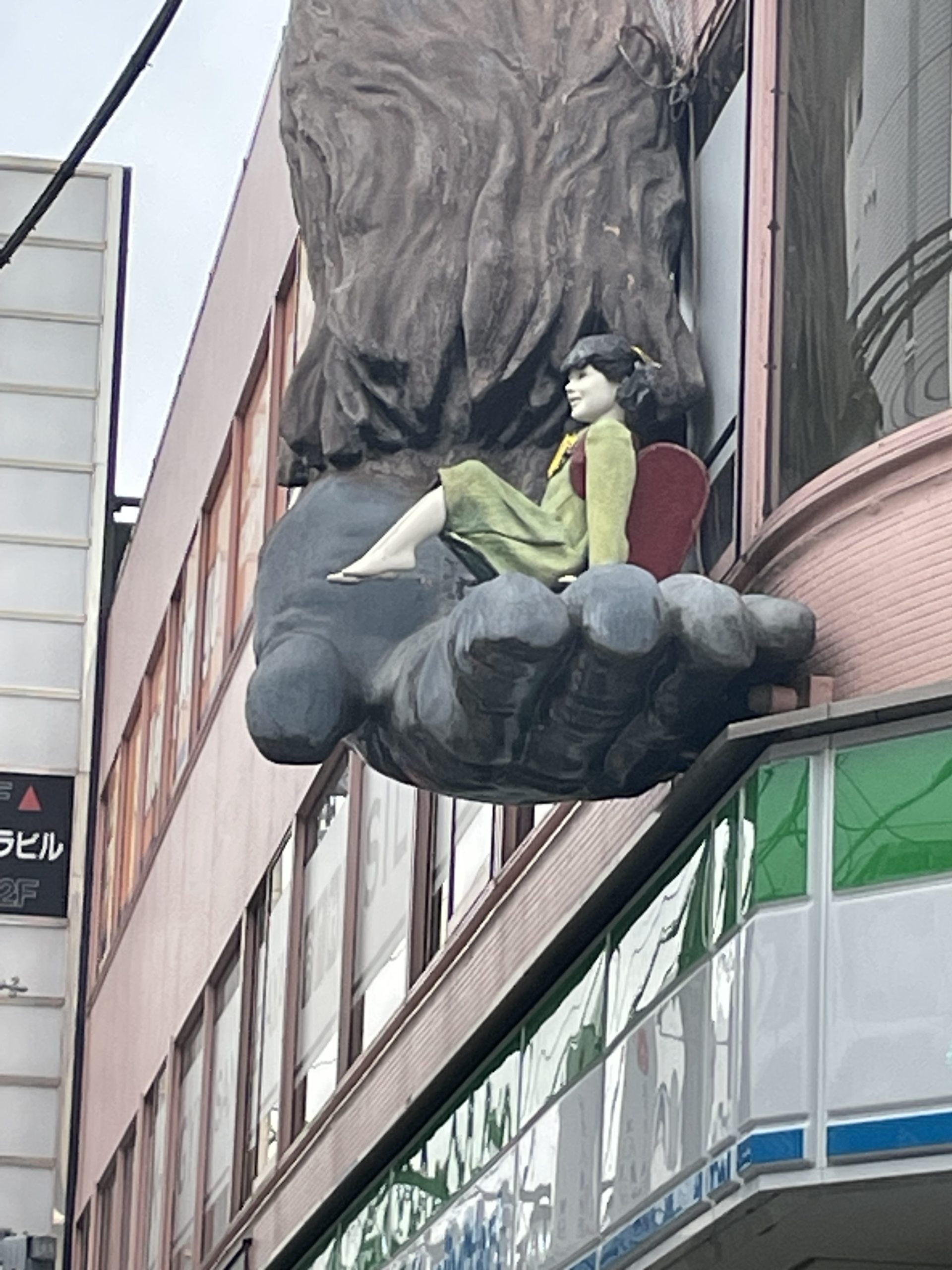
We’re feeling a little like Gohira, as the giant kaiju is known in Japan, as our time there is rapidly coming to a close. An easy flight from Ishigakijima brings us to Haneda airport and, just like that, we’re back in the middle of the biggest megalopolis in the world. Haneda is much closer in than Narita airport but, depending on where you’re staying, it’s not necessarily a faster transfer as the Haneda monorail dumps you off at somewhere like Shinagawa, and then you need to brave the JR Yamanote Line, which is not so scary, but watch out for the rush hours and how much luggage you have.
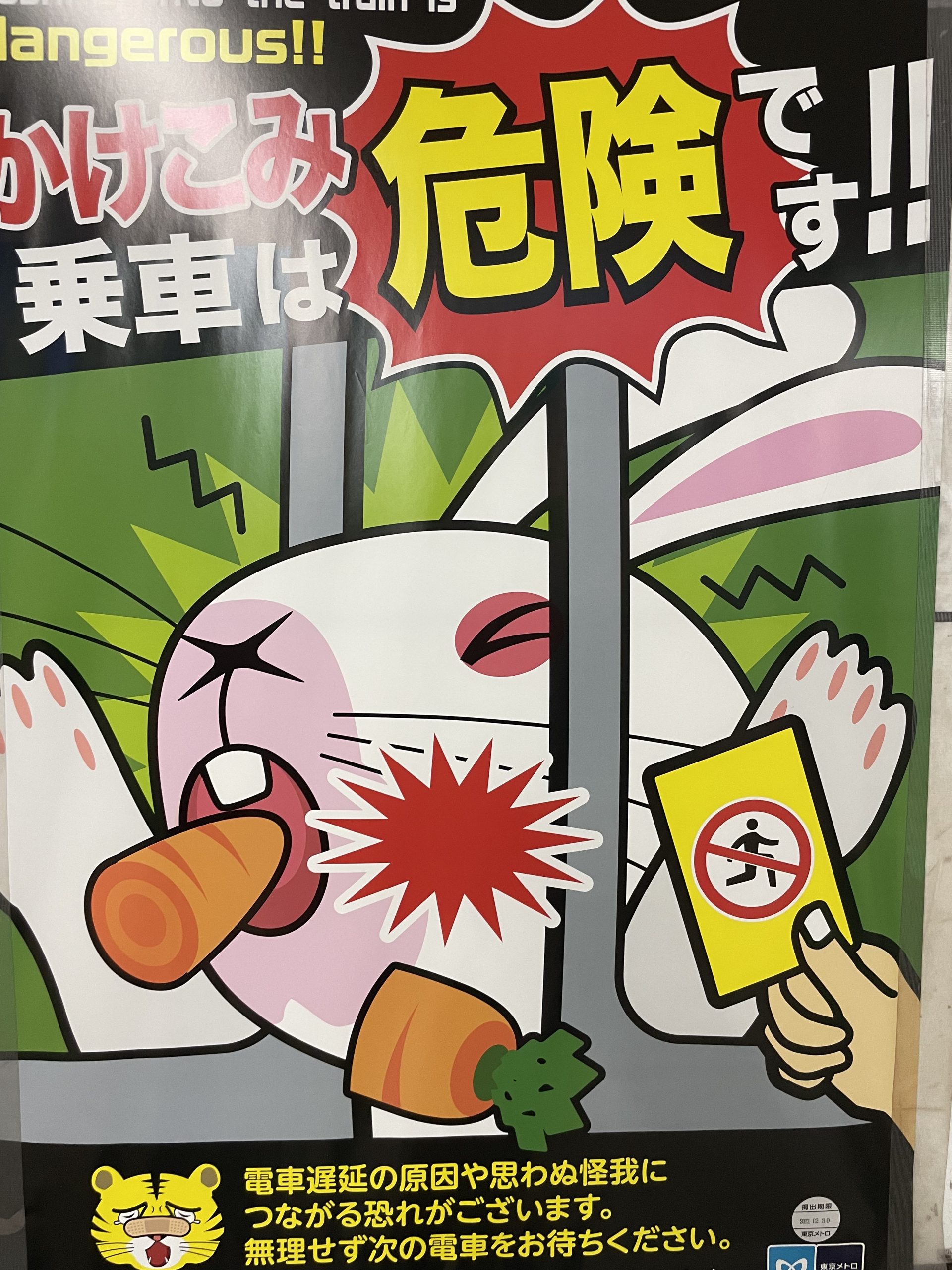 We booked the same place in Tokyo as on the way in, Wagokoro in the Nippori district, as we like the place. It has what you need, pleasant digs and staff and a neighborly setting. We’re getting the hang of the Tokyo bus system, it’s actually handy as the rail and subway don’t necessarily go into the depths of the neighborhoods, you can use your Suica card and a screen including English lets you know what stops are coming up. We take a bus to get us to a recommended sushi place in the Taito area for a good, shitamachi (old school downtown) experience. Good quality but nothing fancy, lots of good sake and locals amazed that a gaijin knows any Japanese or that they’ve been to Ishigakijima. One of those fun times in Japan where you really hang out with the locals and are part of their everyday life.
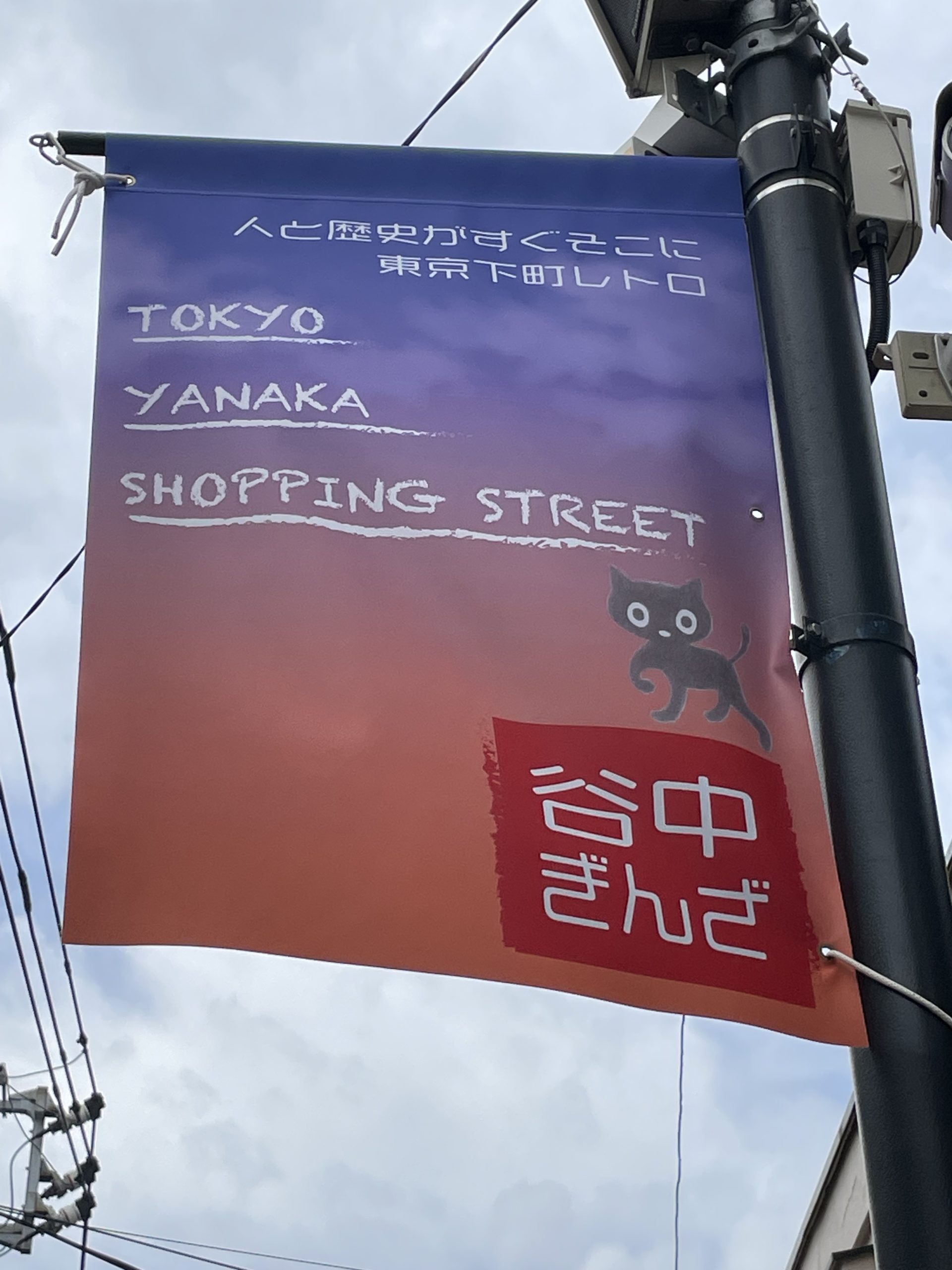
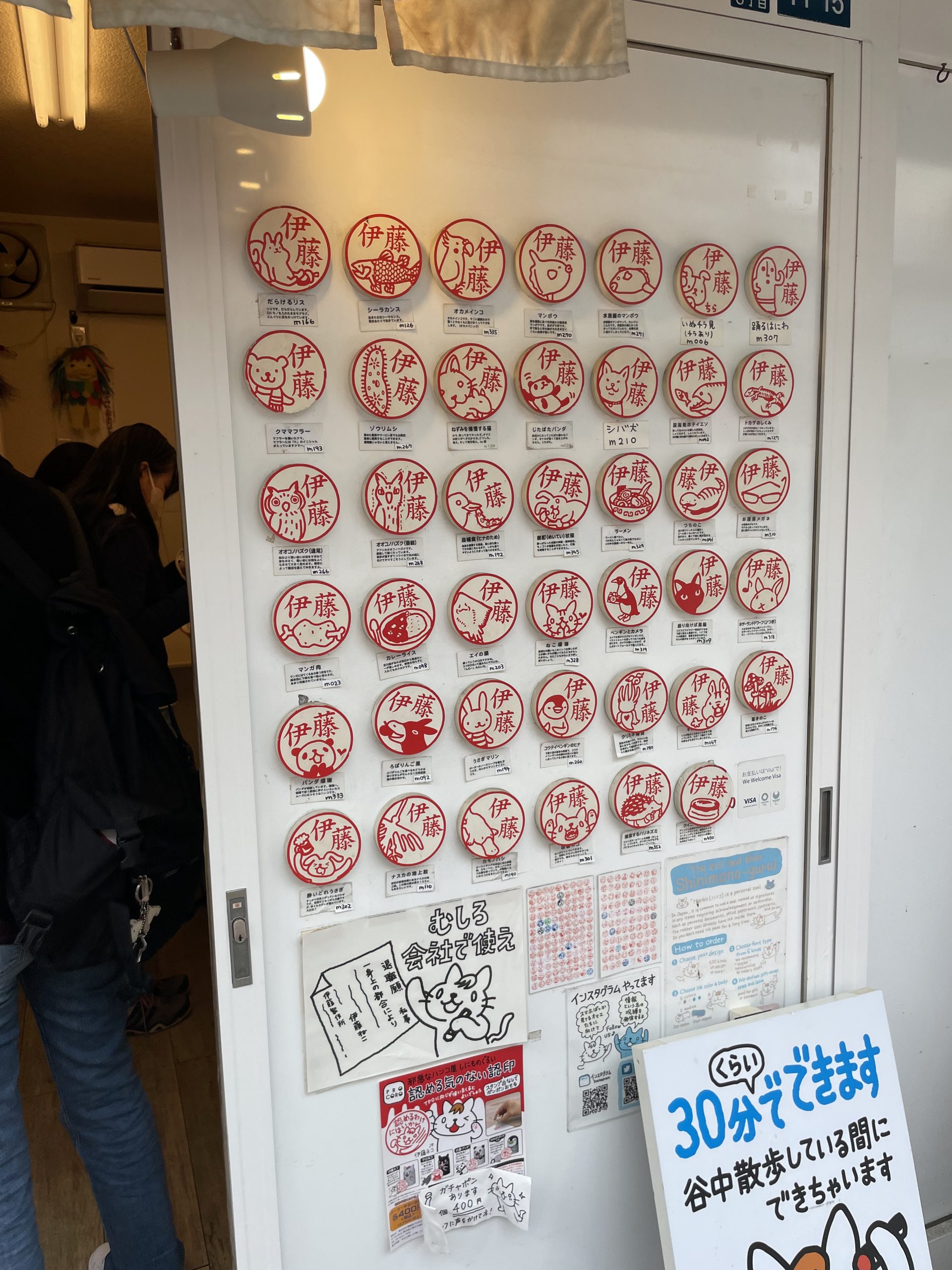 As it turns out there’s a famous traditional shopping district, Yanaka Ginza, in walking distance from our place and we check it out on Sunday afternoon when it’s at its busiest. Tokyo and most of Honshu island are dog places, for the most part, with the cat zones being further South in Kyushu and Okinawa, but Yanaka is an exception as it is cat central. Nobody seems to know why, other than there are many mellow “stray” cats maintained by the neighborhood, but they’re keeping their heads down when it’s this busy. Feline motifs abound, come here for kawaii cat curios. Also come here for traditional street food which we, unfortunately, can’t take much advantage of since we already ate. It’s possible but not advisable to spend all your time in Japan discovering new food items, it can be a bit overwhelming.
 Still, the general diet is healthy enough that, with more than five miles a day walking on average, we were able to eat what we wanted while maintaining our weight over a period of a month.
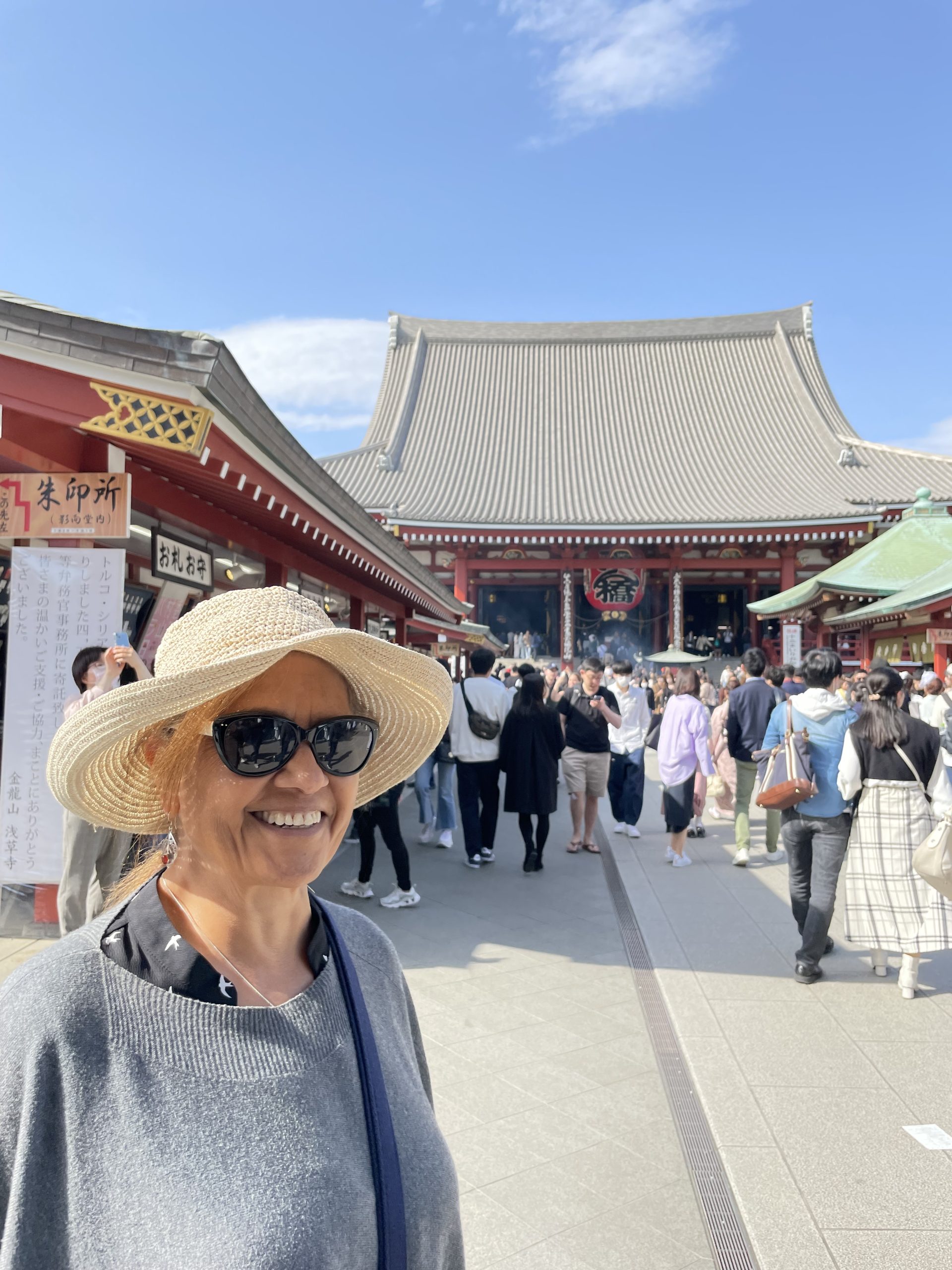
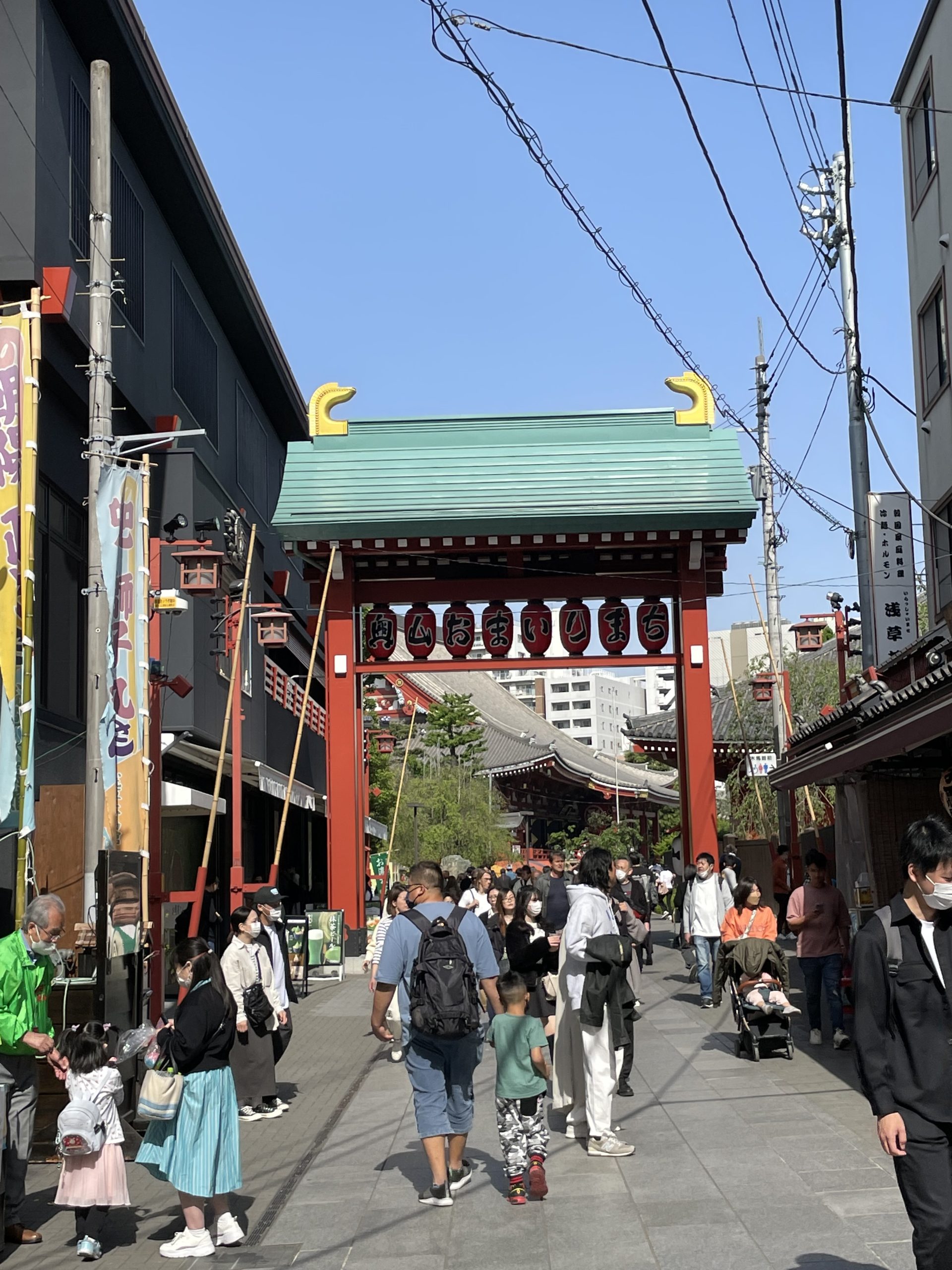
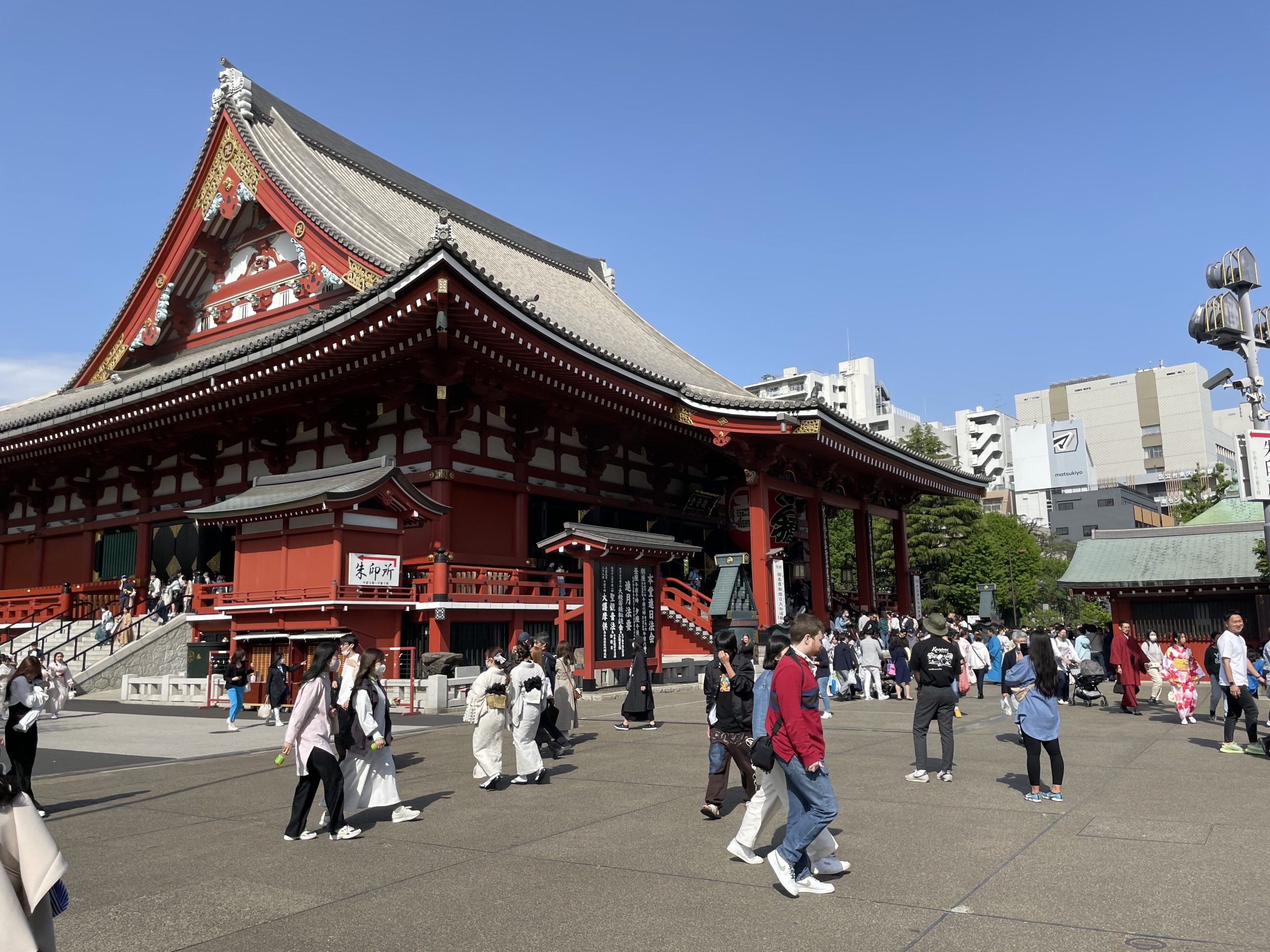
With our time running out, there’s shopping to be done so we head over to Asakusa: it’s known for the Sensoji (temple) but it has an enormous shopping district around it, some of it very traditional, some cheesy plus a sprinkling of hipster-iffic spots. Aside from souvenirs, we’re in the market for yokattas, the light dressing gowns the Japanese like to lounge around in when enjoying onsens (hot springs), and we end up at the same stall, Suzuya, where we bought yokattas back in 2017. The older ladies who run the place are impressed with our supplier loyalty!
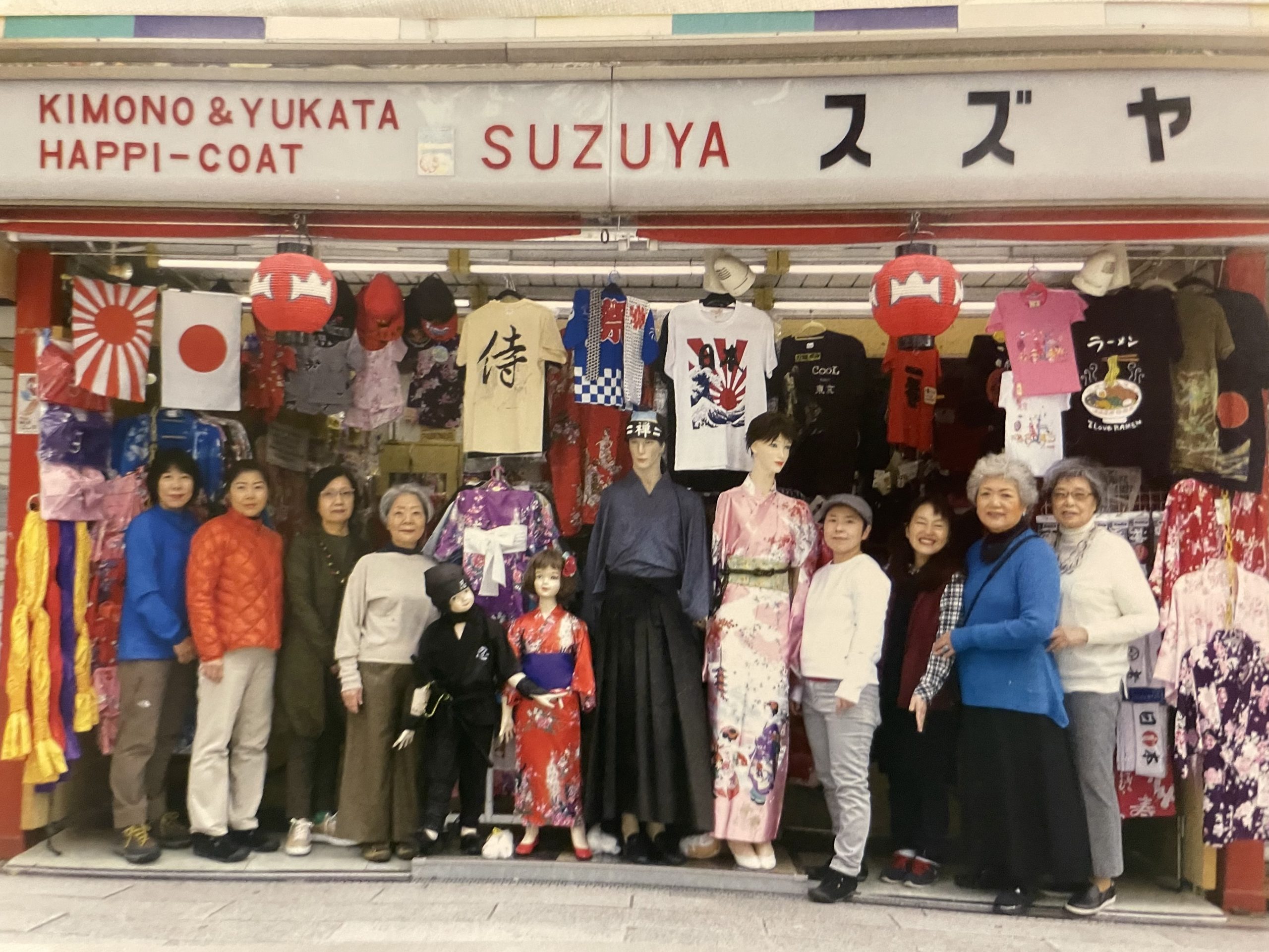 Some of the shops on the Nakamise (the main approach to the temple) go way back and, among the tacky souvenir stalls, there are many interesting things to see. Not to mention the people watching – The area around Sensoji is one of places in Japan where you’ll see both men and women in full on kimonos. Taking selfies, of course, but also just having a good time with the food and drinks, shopping and the various Buddhist temple rituals. If you want to go all in, you can take a ride on a “Jinrikisha” or rickshaw, the young guys pulling you are usually stud muffins with an entertaining schtick and some also speak English.
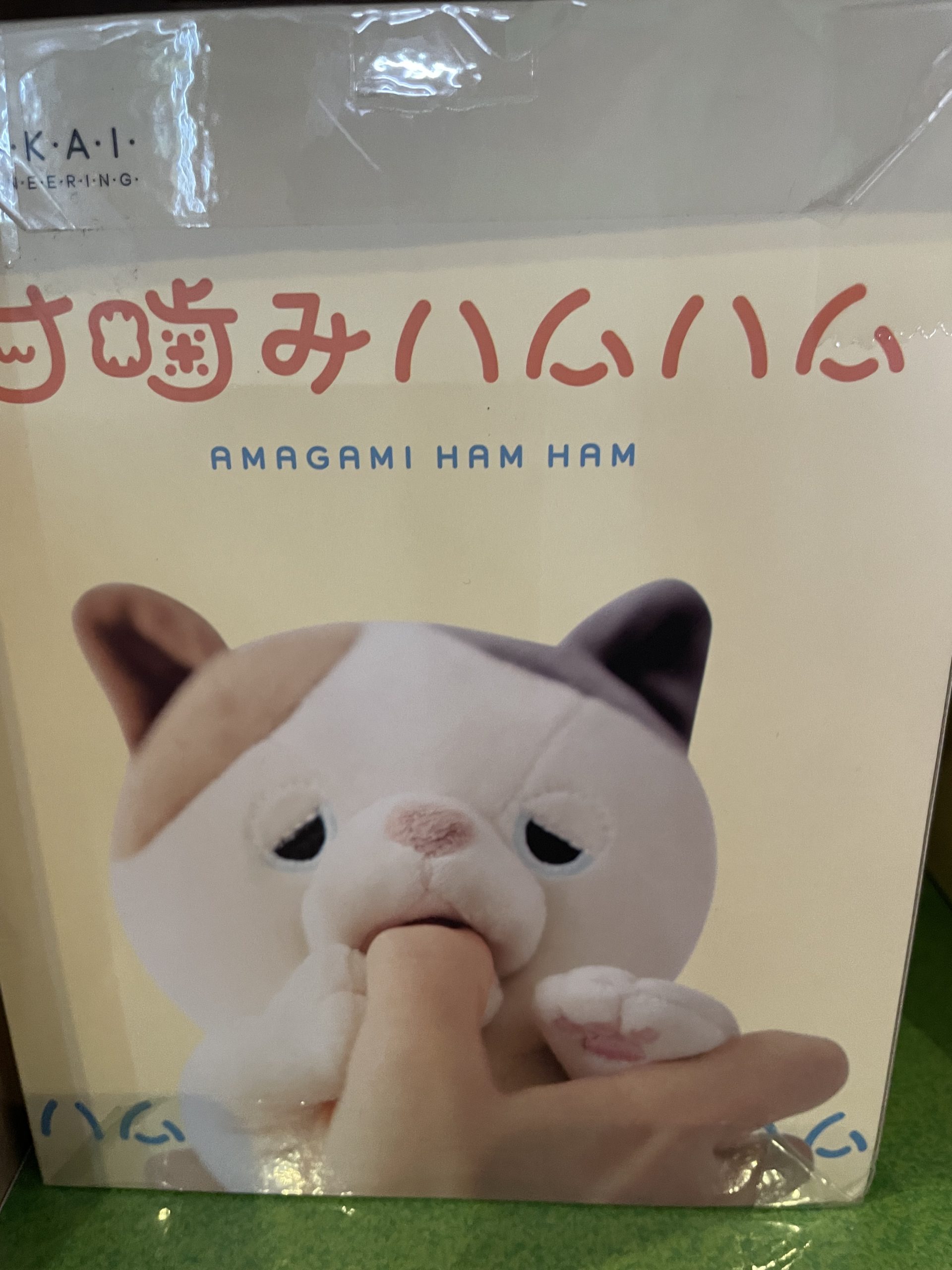
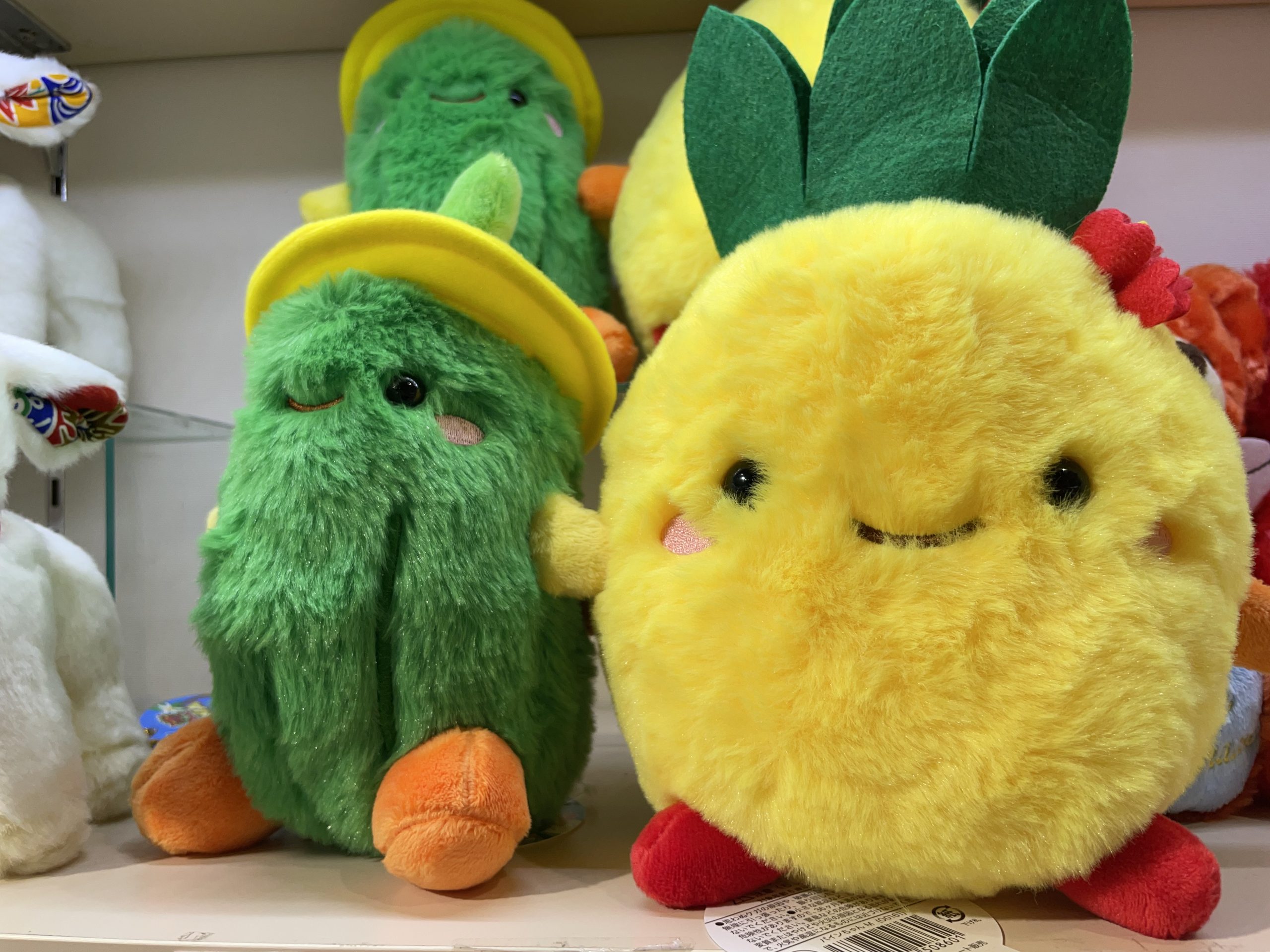
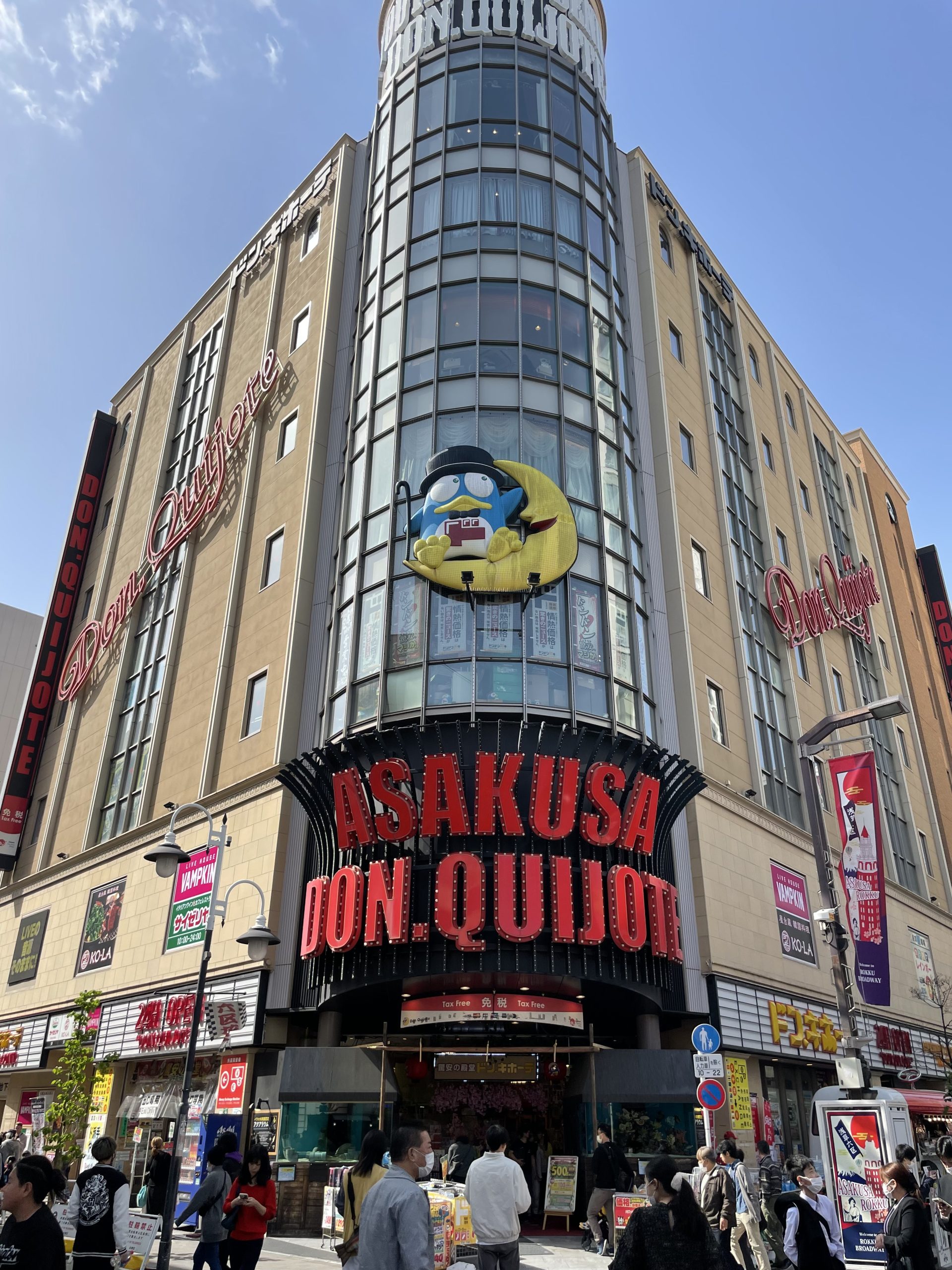
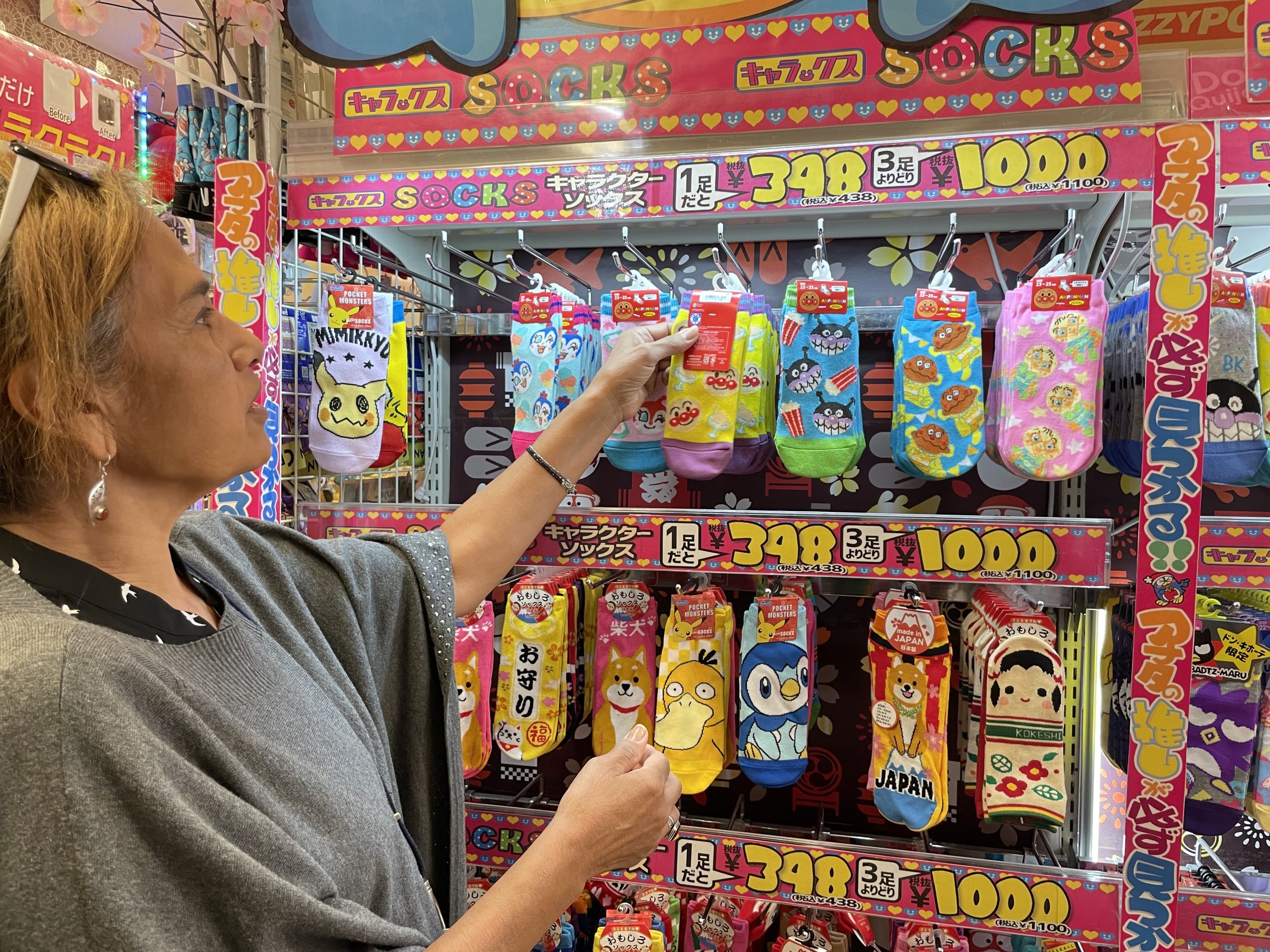 Asakusa also has the most famous branch of the “Don Quixote” chain, an operation that almost defies description. It’s a Disneyland of bizarre shopping, a five and dime on acid, an essential Tokyo experience.
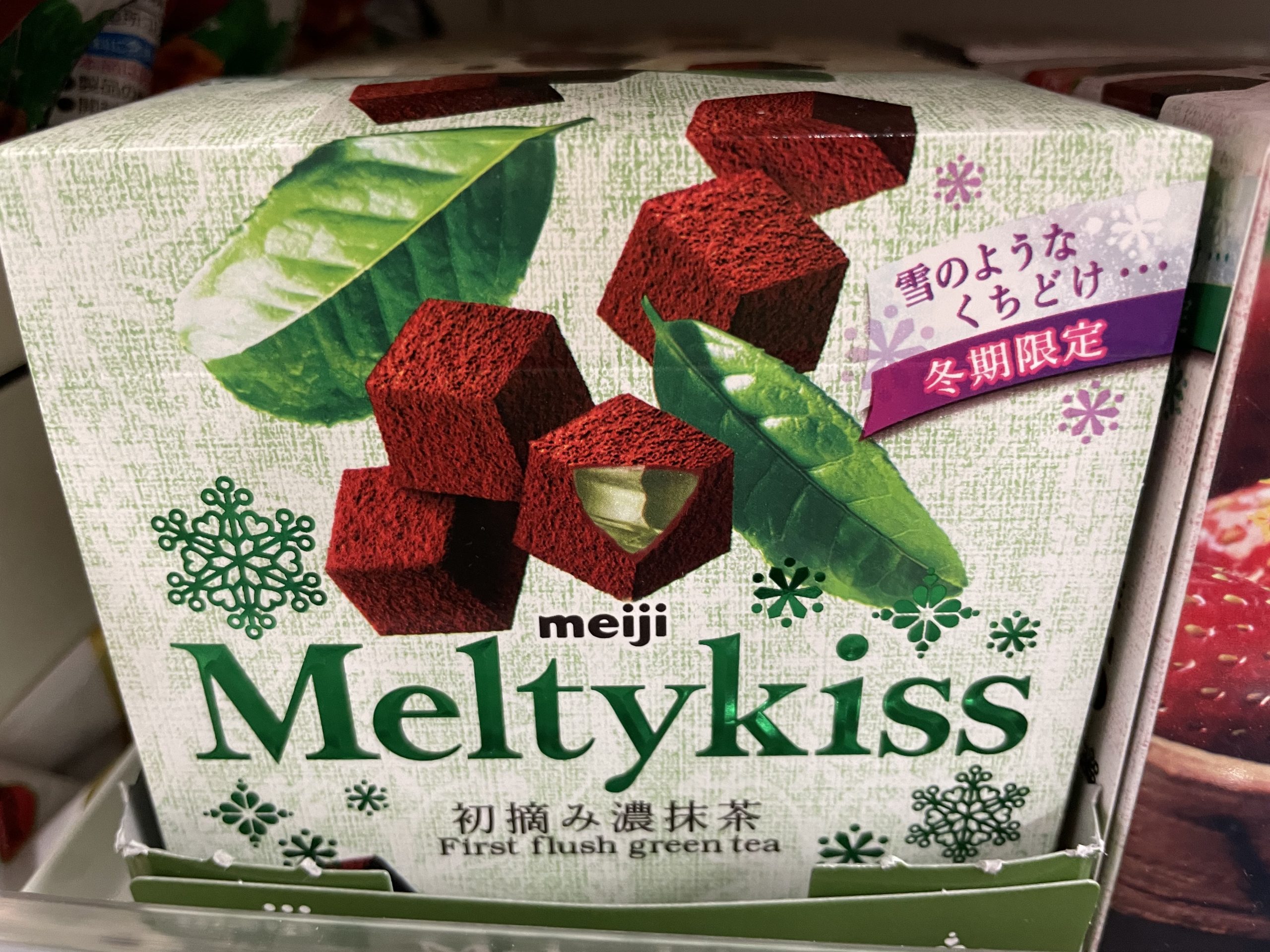
Abby picks up several wacky souvenirs and some Kit-Kats in crazy flavors, as Japan is, definitely, Kit-Kat Kingdom. Off the main drag there are all manner of colorful shops and eating places and we find a homely little place that specializes in kushikatsu aka kushiage, deep fried skewers. This is not tempura batter, but rather uses panko and uses an iconic dipping sauce based on soy and Worcestershire sauces. We are the token gaijin (foreigners) in the store, usually a good sign. Traditionally based on meat, this place has a big selection of skewers using vegetables and seafood, which is appreciated.
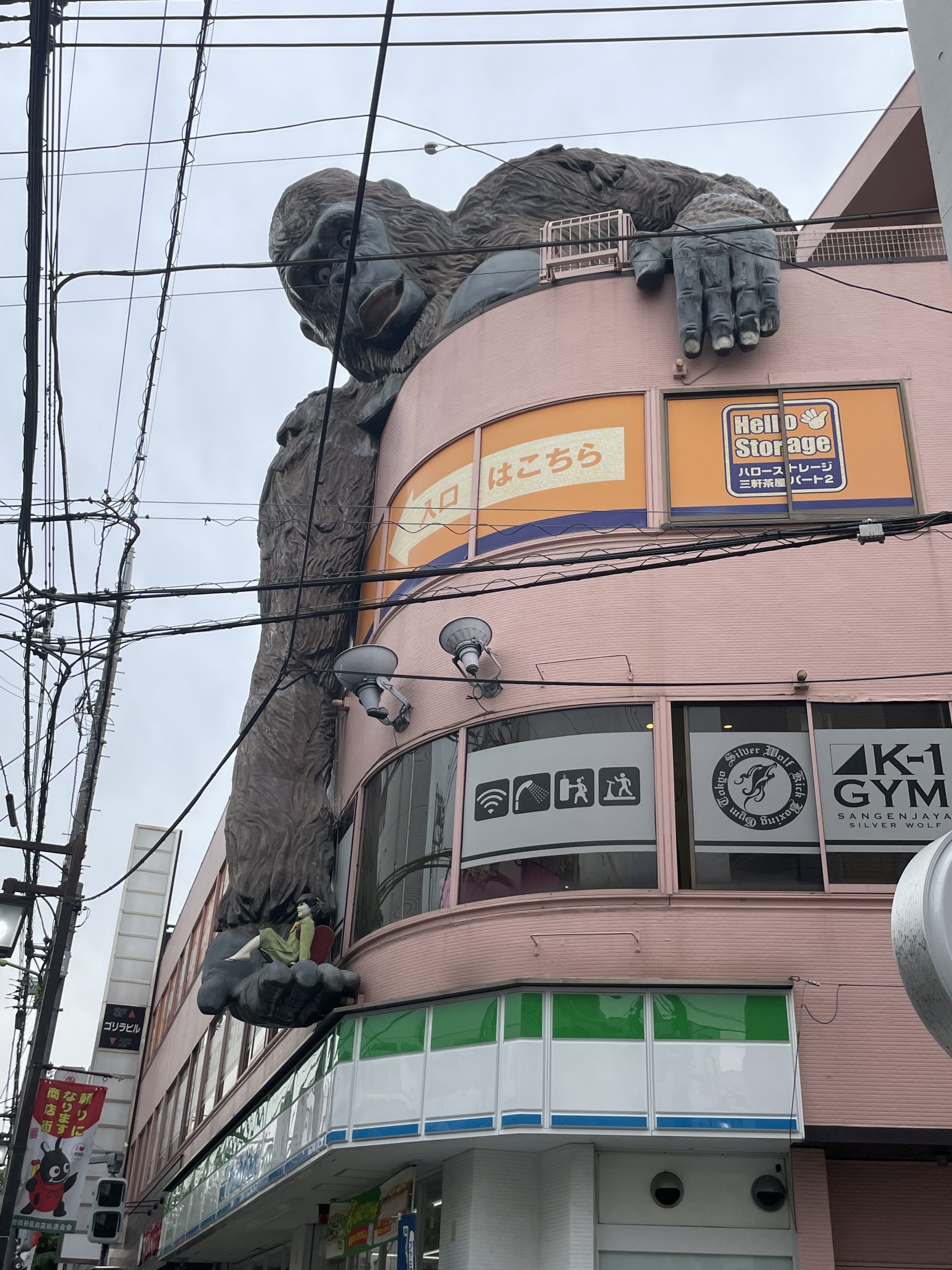 On the last full day we head Westside and walk from Sangenjaya
to Shimokitazawa on Tamagawa-dori Avenue. It’s a bit of a bust as we breeze through Sangenjaya too quickly and much of the route after that is nothing exciting. When we return to Tokyo, taking a look at the backstreets of “Sancha” with a researched plan would be a good idea. At the end of Tamagawa-dori is the happening district of Shimokita(zawa), where we stayed in 2017, and I take some time to find the Airbnb we stayed at, hidden in a cul-de-sac behind the railway station. With the recent legalization of Airbnb in Japan, there are now zero Airbnb listings in this area, I hope those apartments are now being used by locals at reasonable rates. Not that we feel guilty or anything……….
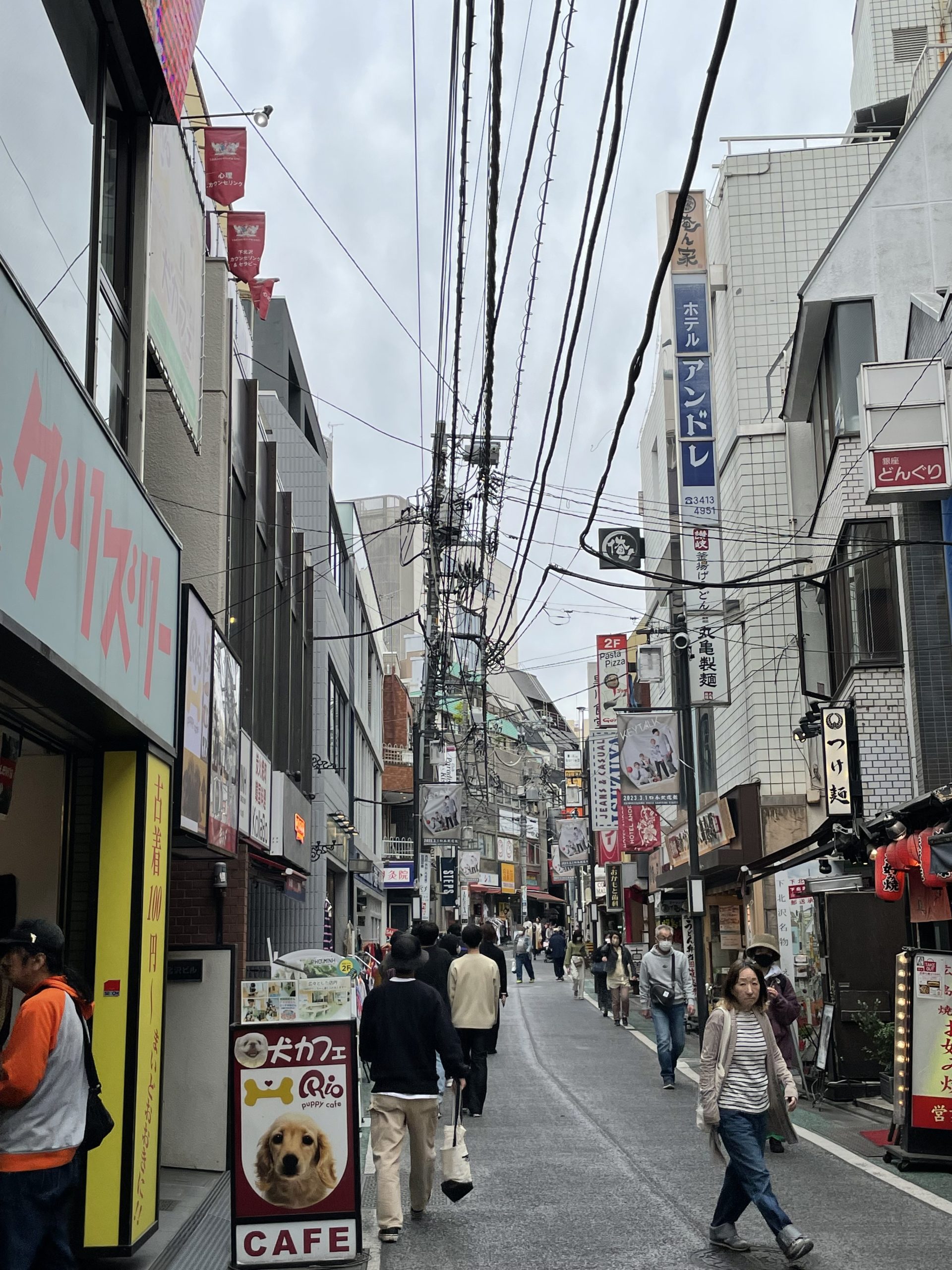 While we’re briefly there, Shimokita seems to be overrun with desperately trendy young folks trying to make the scene. For us seasoned and, frankly exhausted, gaijin tourists it’s a bit too much and we retreat to Nippori for a final sushi dinner before packing for the long journey back.
Japan has been a blast, though it took a heavy toll on us physically. We vow to listen to Rick Steves and travel much more lightly on our next long haul trip. Our recommendation would be if you’re going to spend much time on Kyushu Island, particularly the Southern end, to consider renting a car as things are much more spread out down there. I hope we make it back to Ishigakijima some day, that place was special, the main island of Okinawa not so much (though it was lively). Beppu, the hot springs town was also a lot of fun, though you need to be ready to party while Tokyo remains an endless source of experiences, a unique city.
 Learn a few words of Japanese and the basic conventions of day to day life here, it goes a long way with the locals. Be adventurous, the only risk you have is to your wallet. We felt bad sometimes telling the nihonjin where we had been in Japan as many people there are still completely tied to their job, working six days a week with little vacation time. On the other hand, we came across many young people, typically creative types, who had started their own tiny businesses (art, food, drink, tour guides etc) and we tried to support them when we could. At the other end of the spectrum, some shops were being run by people well into their 80s, who will probably do that until it is impossible for them to continue. There is something to be said for the Tao (way) of Shopkeeping but I hope they are satisfied with their life.
 Wherever we went people helped us as we bumbled around, sometimes going well way out of their way to get us sorted. Are they just nice and/or is it just that they want visitors to have a good impression of Japan? Actually, it doesn’t really matter, it just made it a lot easier for us. The language barrier, particularly the written word, was still anxiety provoking on occasion, it just comes with the territory.
The endless, inane political megaphone speeches coming from cars trolling through the neighborhoods got really old after a few weeks. There’s probably a lot of stuff that would be problematic for the long-term foreign resident in Japan but, thankfully, we didn’t have to deal with most of it.
 Overall, Japan is such an interesting place to visit if you understand that things are done differently there. It’s a unique combination of advanced civilization with unparalleled safety while, at the same time, being as different a culture from the West as you might find anywhere on the planet. Go and find out for yourself, Ganbatte Kudasai! (Look it up)

Leave a Reply