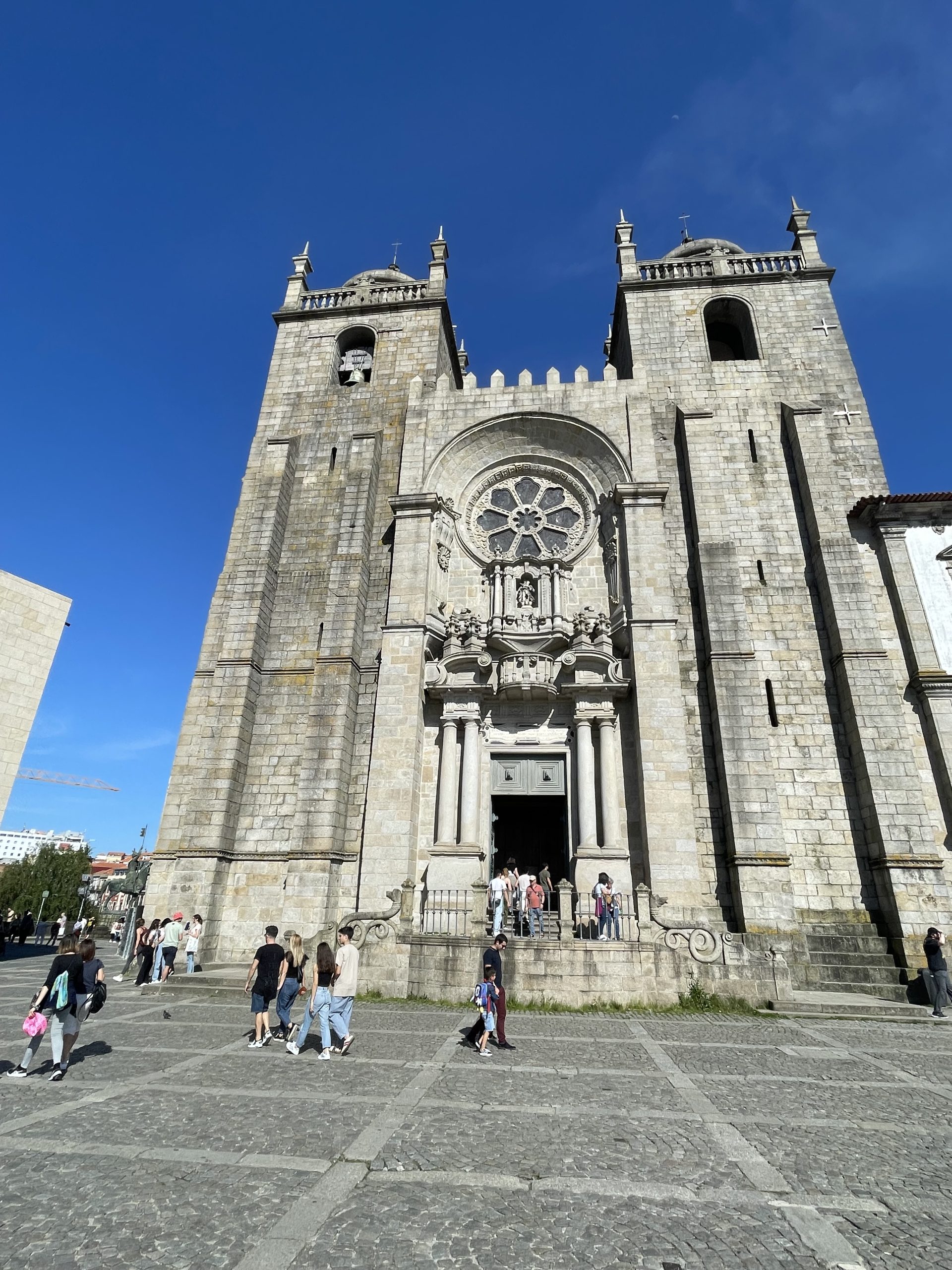
 All roads now seem to lead to, not Rome, but rather, Santiago de Compostela in Galicia, NW Spain. There is an amazing network of long-distance trails across Europe, from as far away as the UK, Ireland and Germany, heading to this Western outpost of the European continent. I don’t know what St James, whose remains are said to be buried in the cathedral in Santiago, would think of the hordes of walkers and bikers who now flood the paths to his resting place, but I hope he’s getting a celestial cut of the proceeds or at least a heavenly grandstand seat on the shenanigans below.
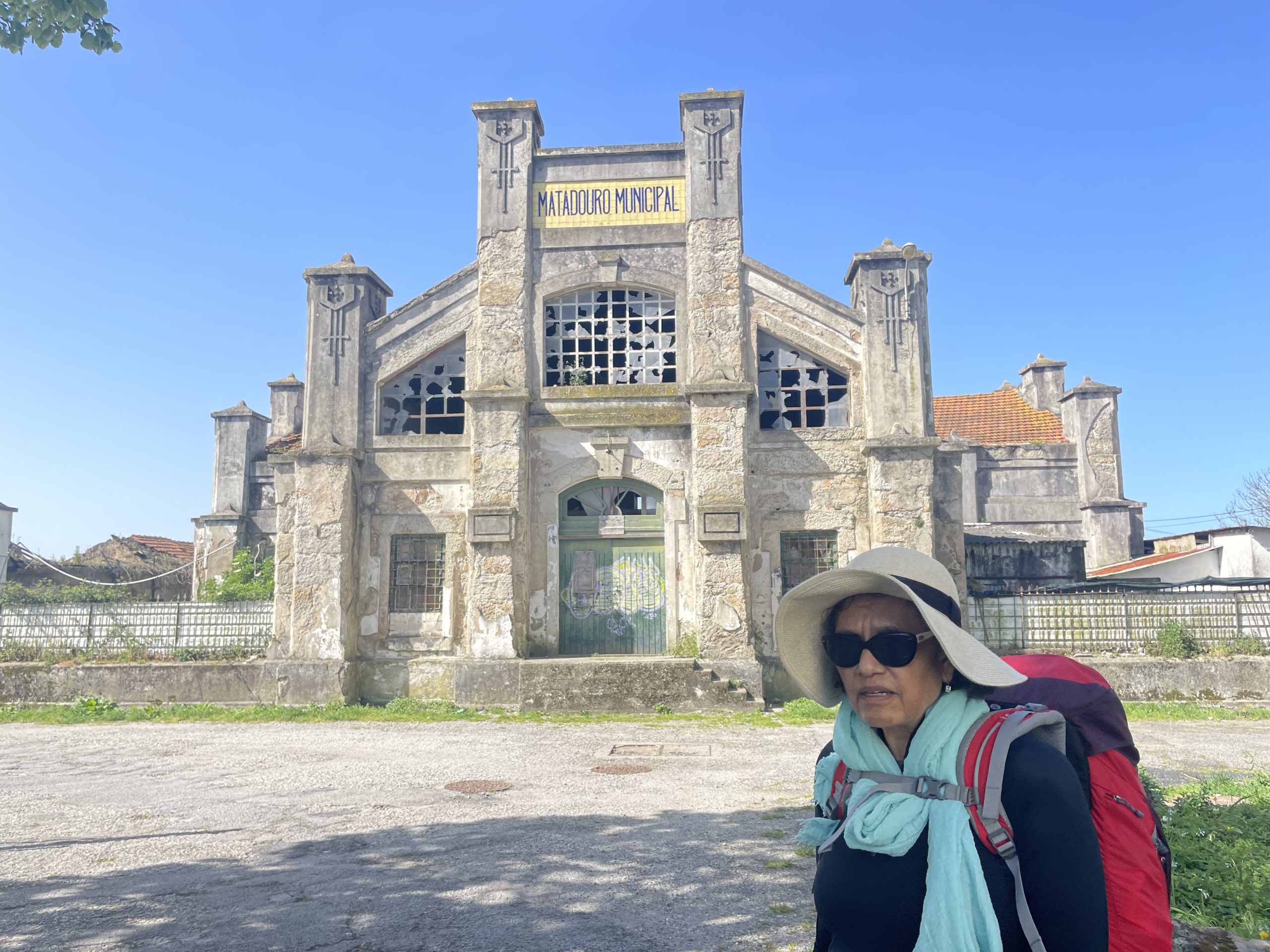
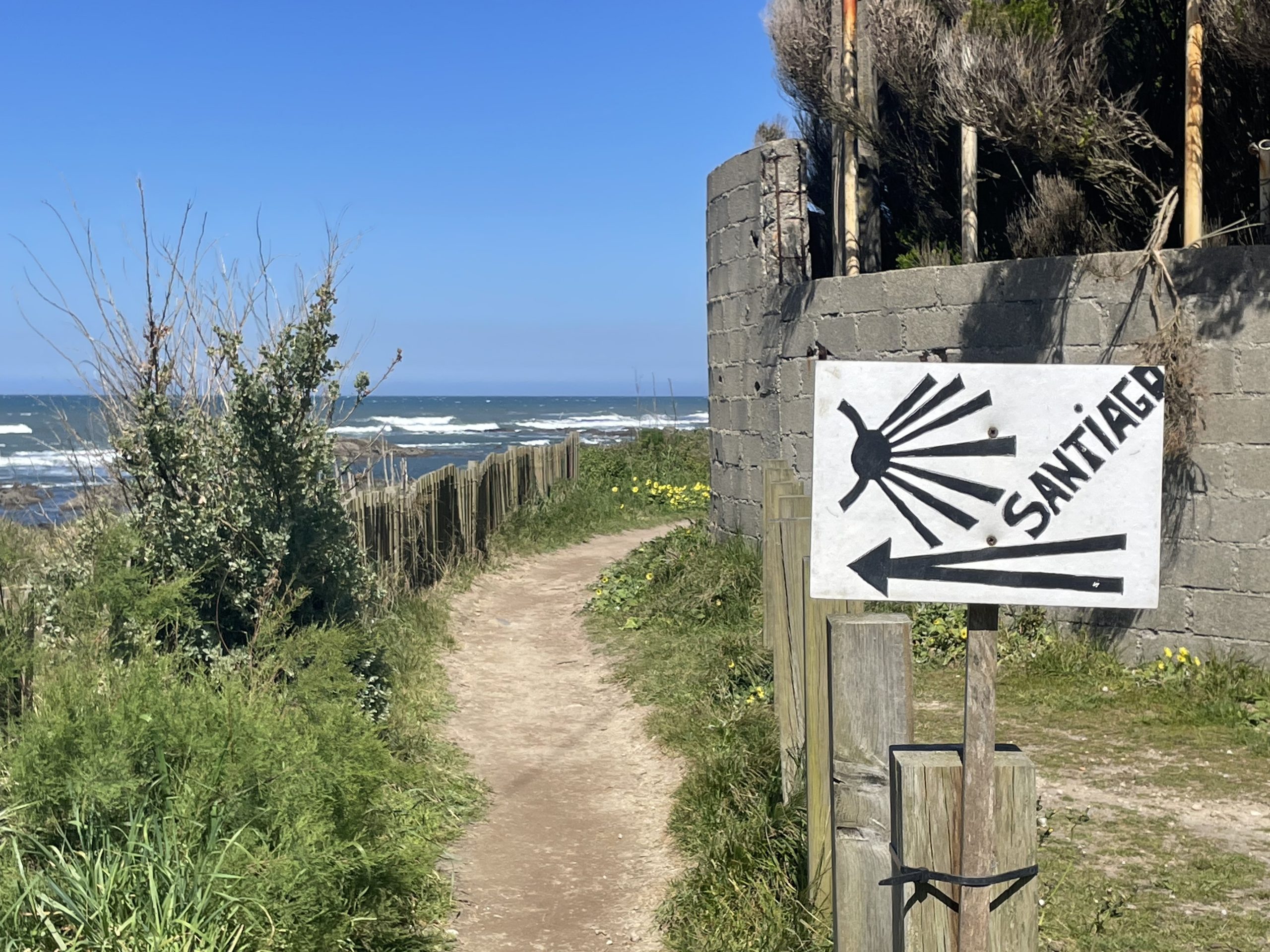
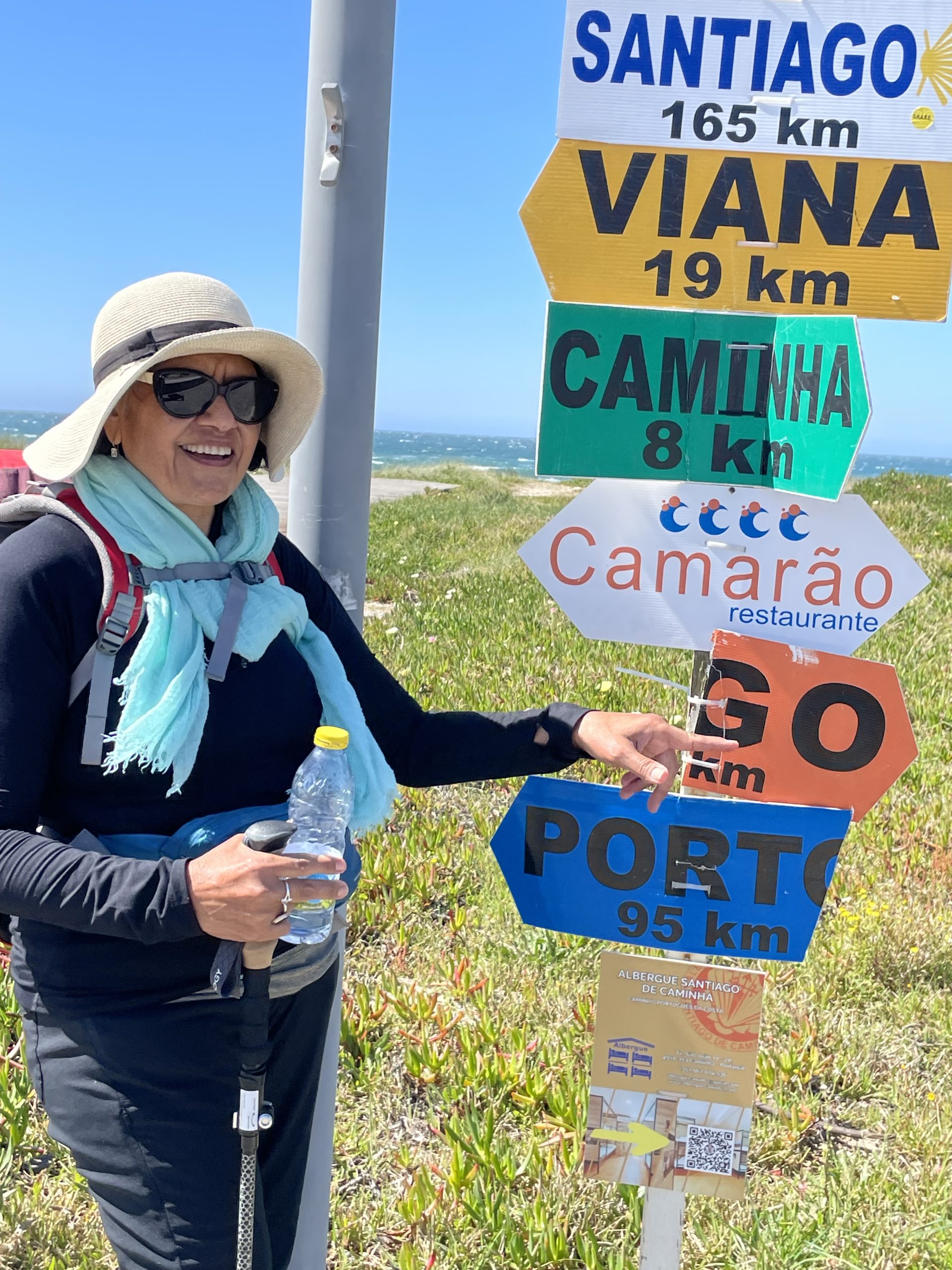
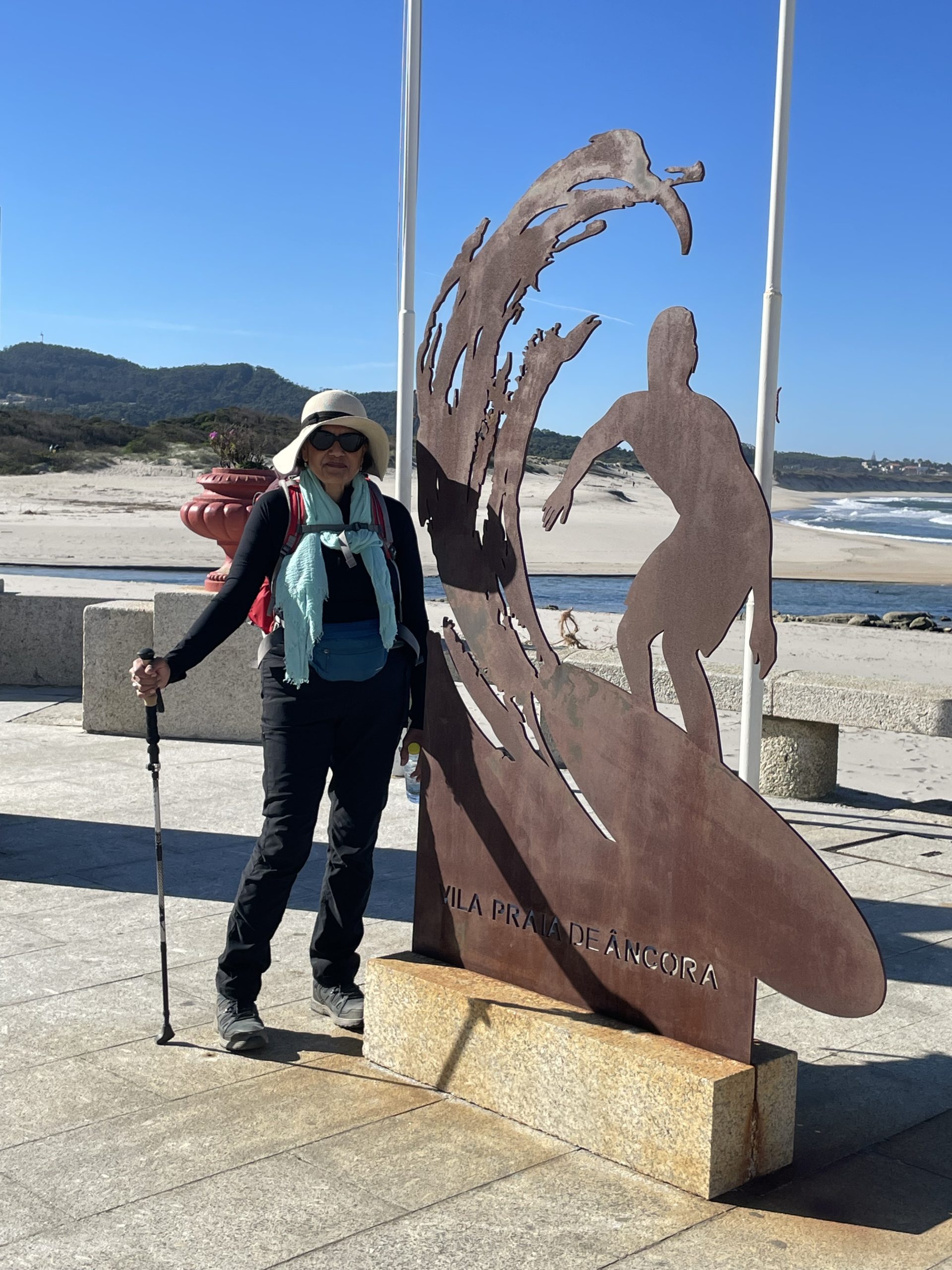
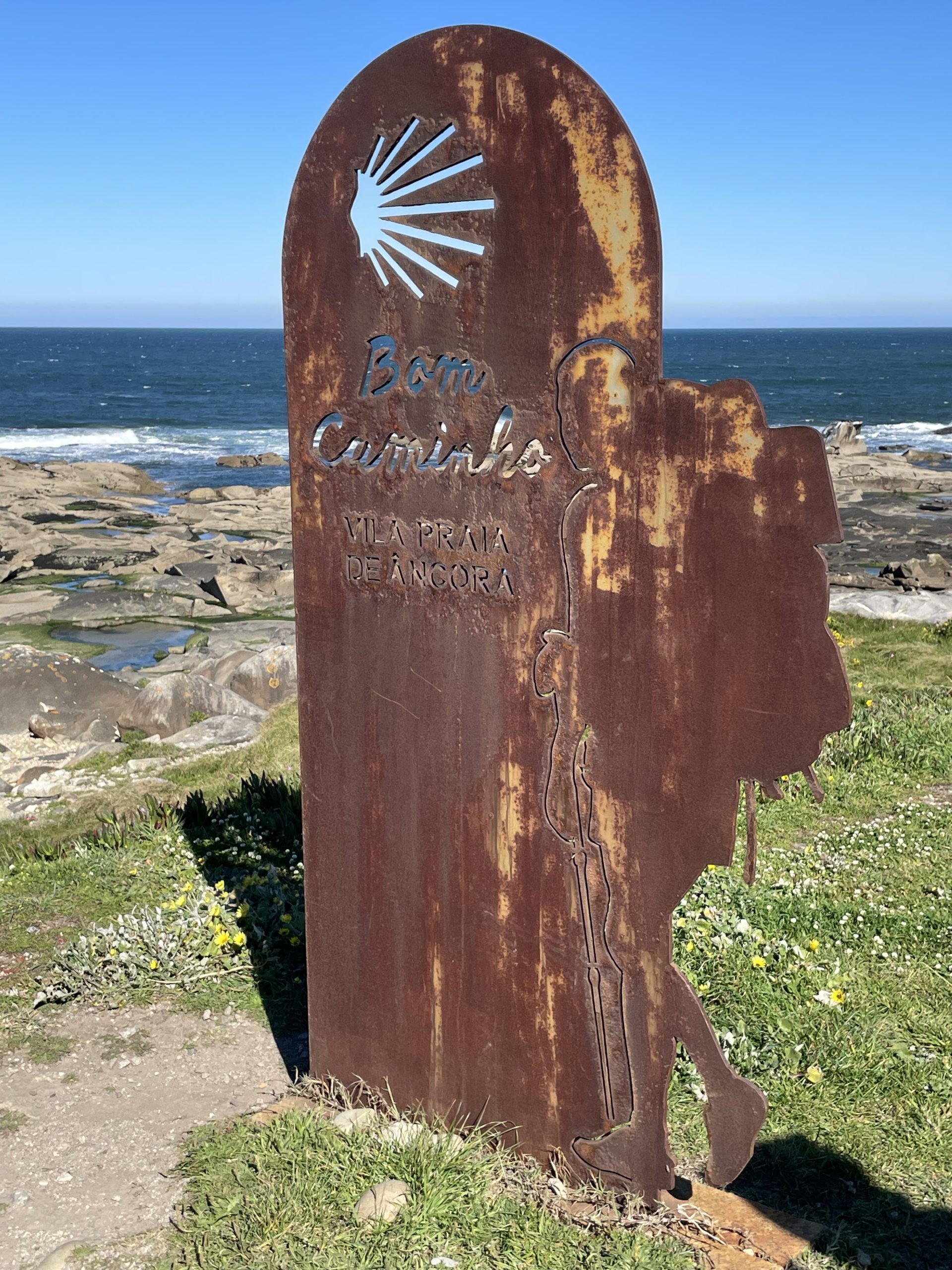
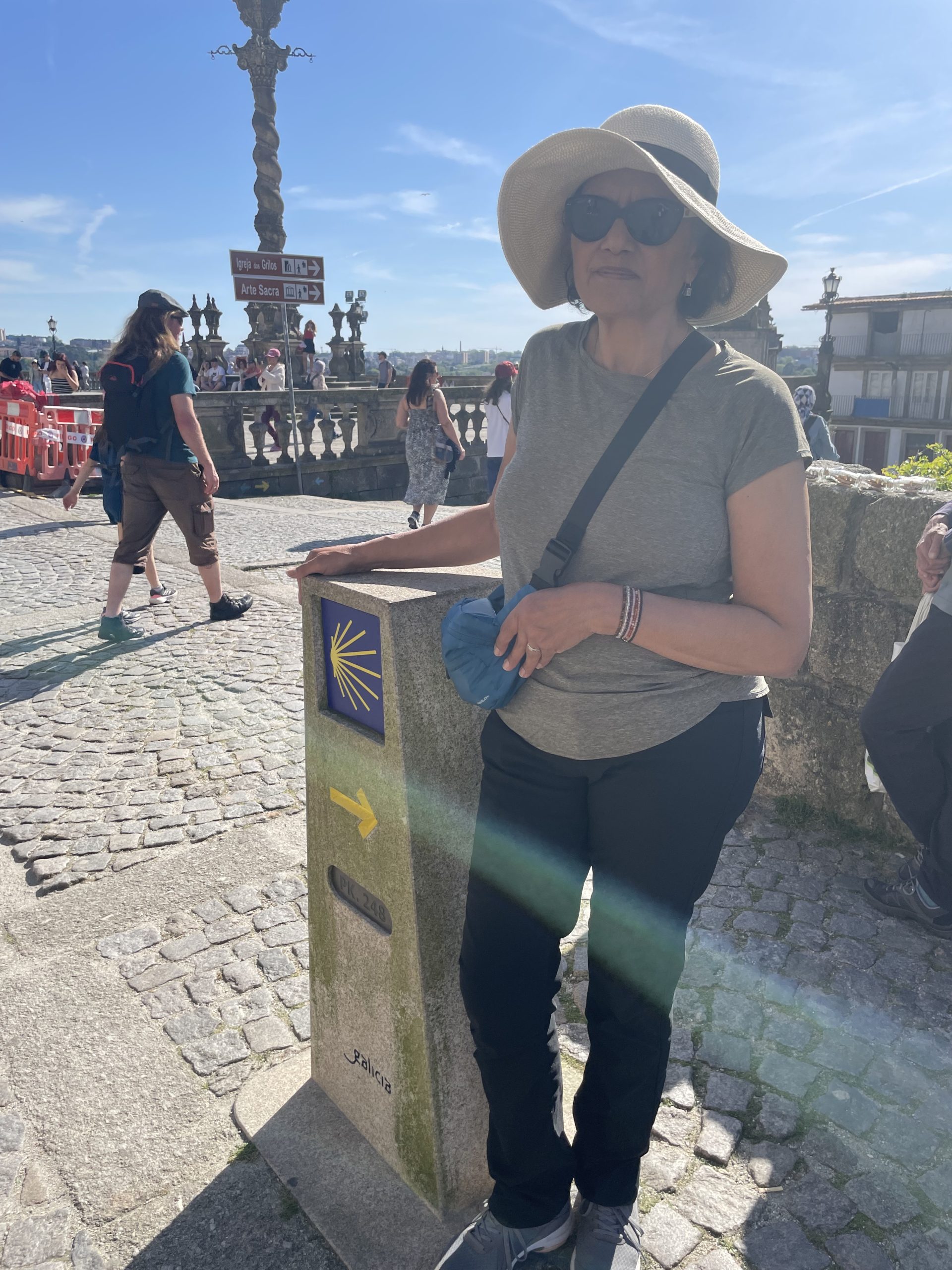 Abby and I are here in Porto, Portugal about to start on our own personal Camino on the Portuguese route: Any reason? Who knows, there’s no return to the Catholicism of our childhood but this is something that we have to do before the moment passes: Put in the miles, do the work, see what happens. If you want the full experience you can walk from the French Pyrennes, or Lisbon in Southern Portugal, but we’re good with limiting it to about 110 miles from Viana do Castelo to Santiago over 9 or 10 days.
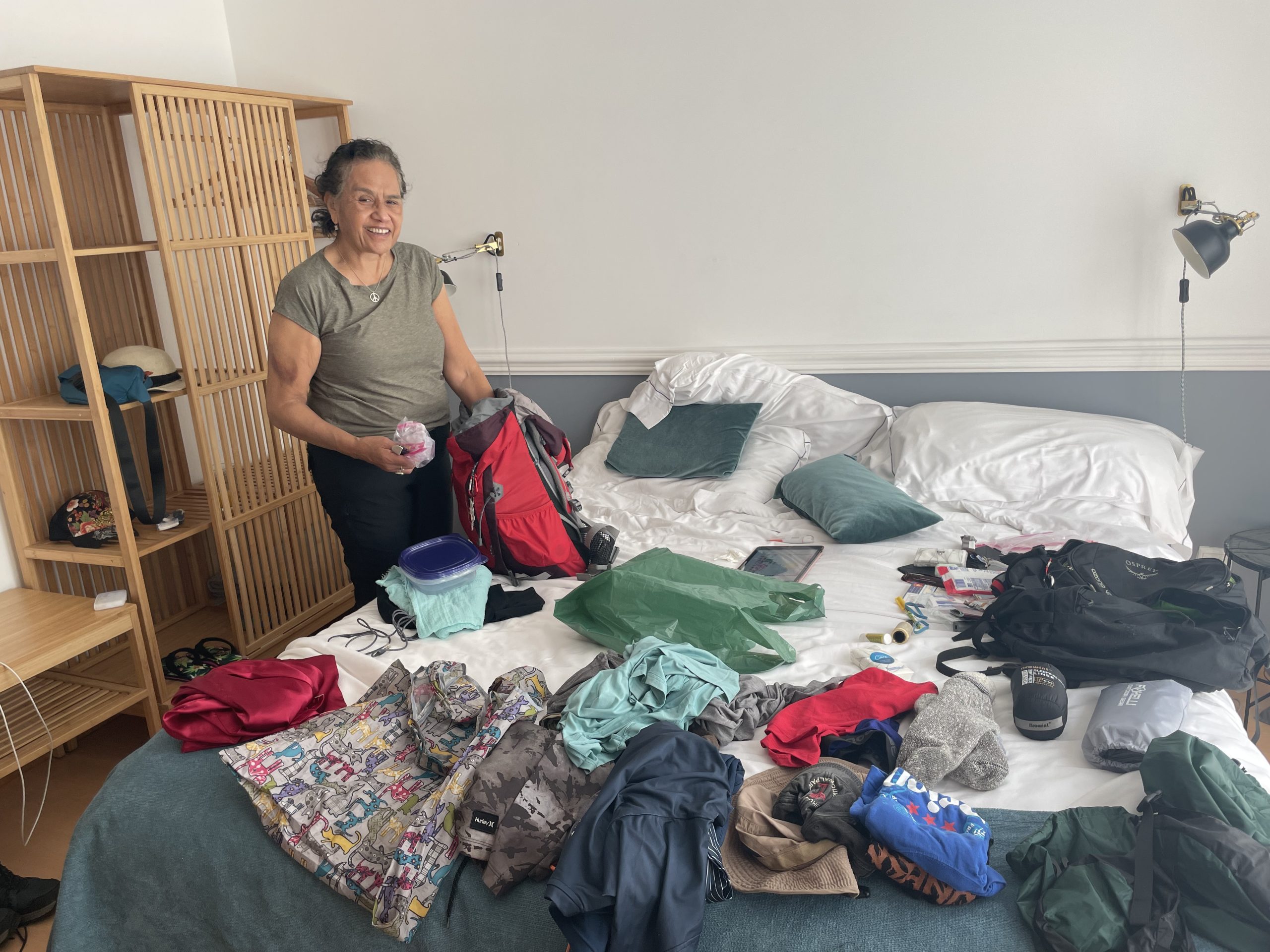
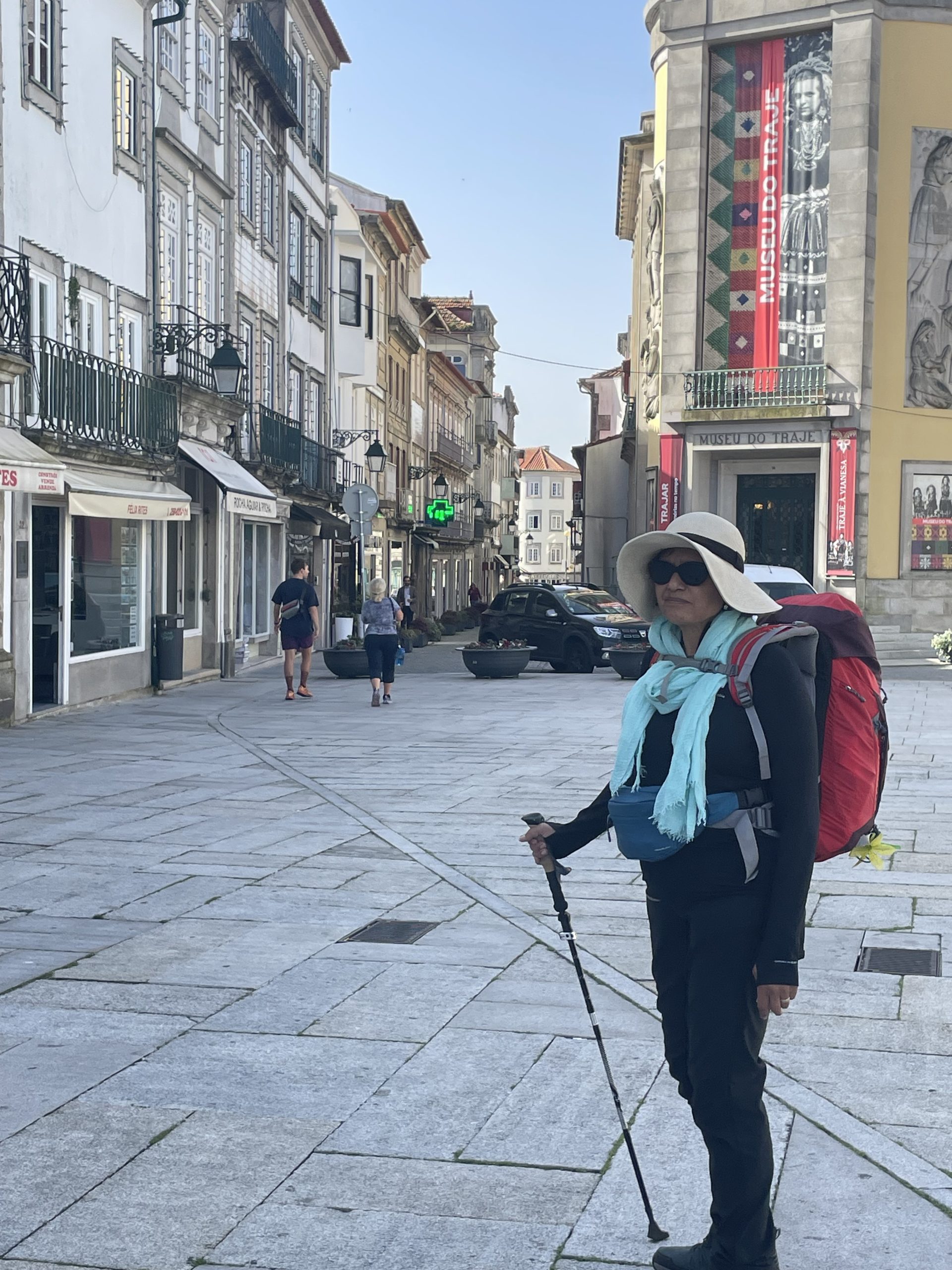
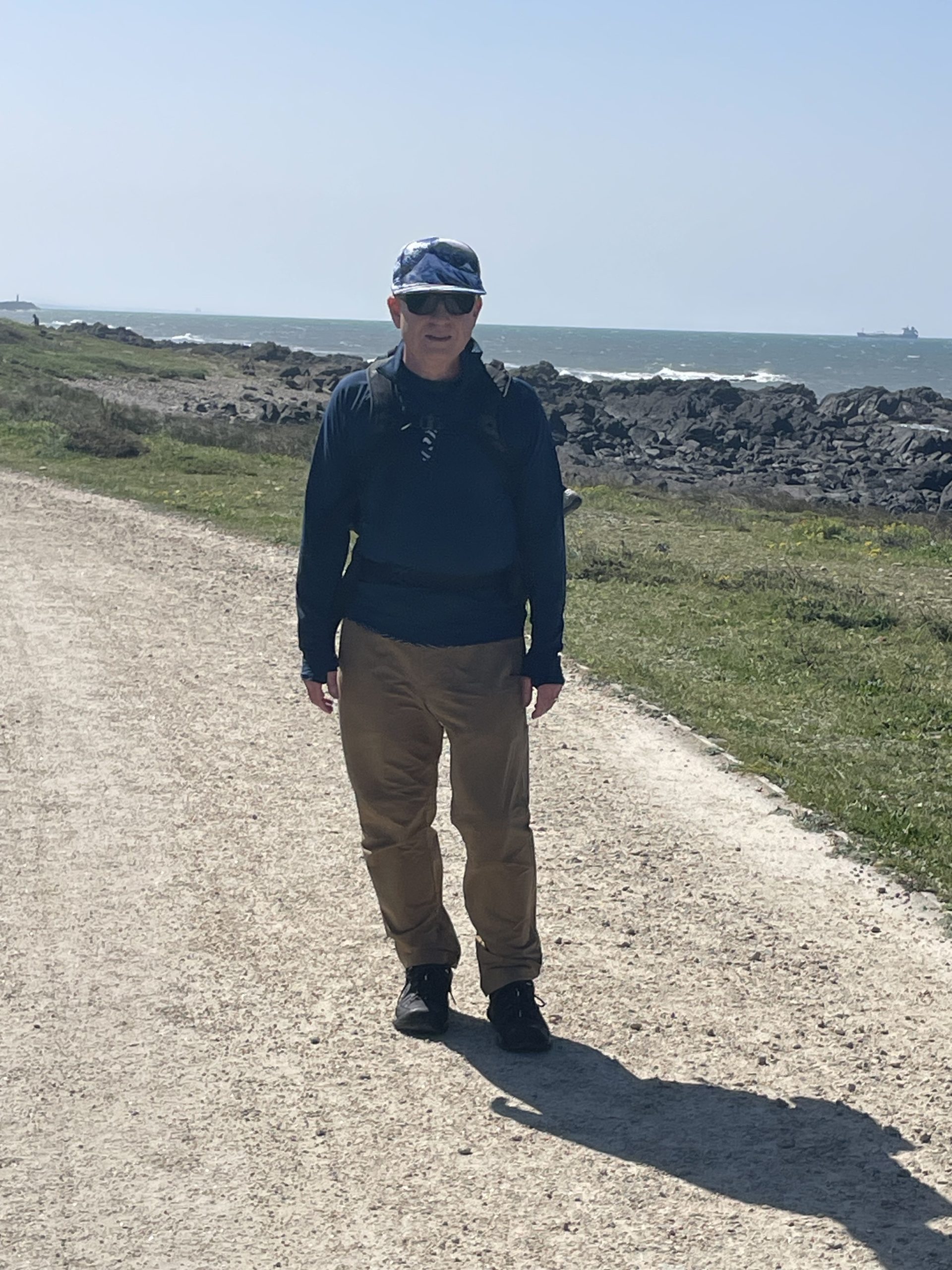
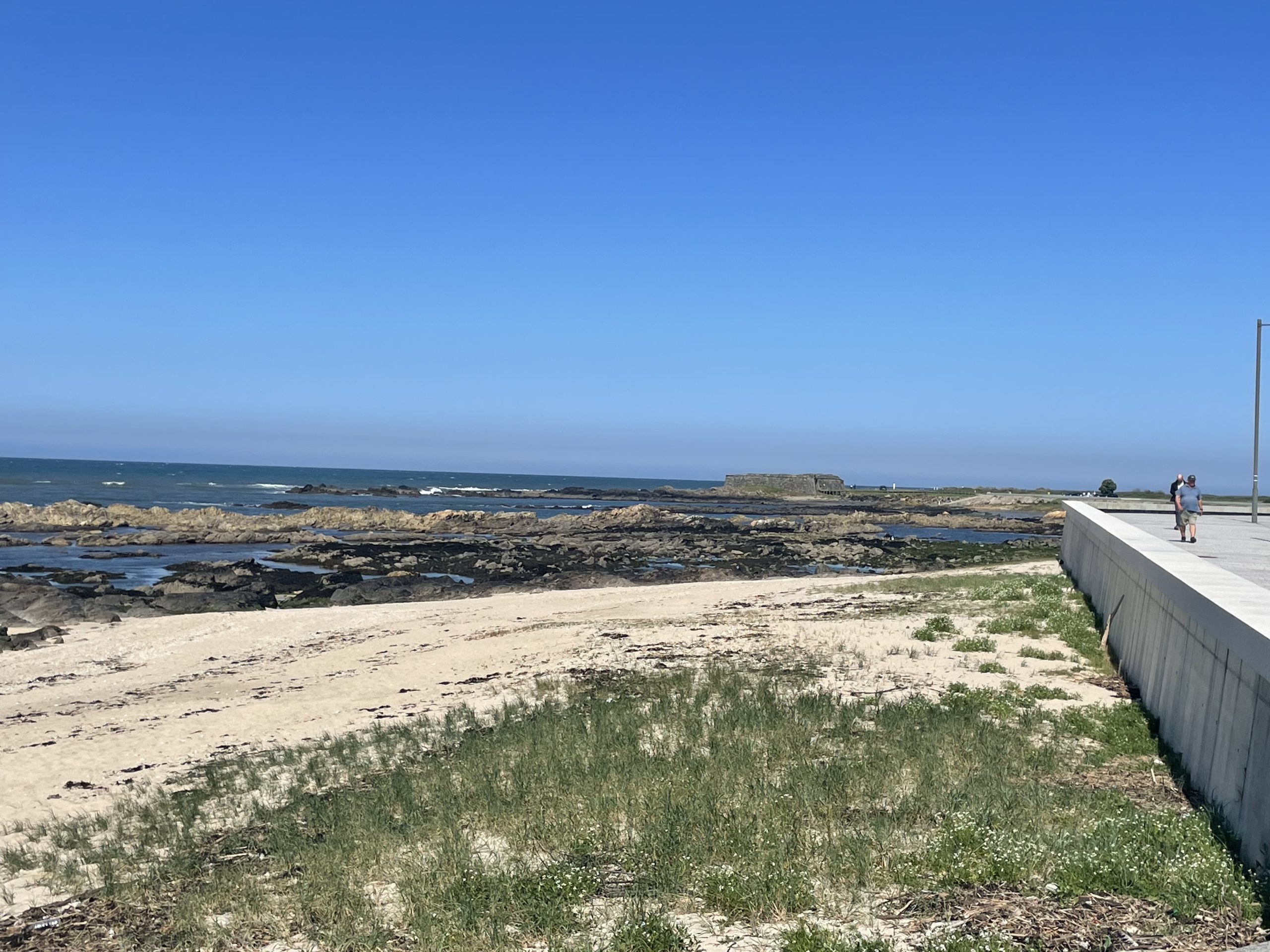
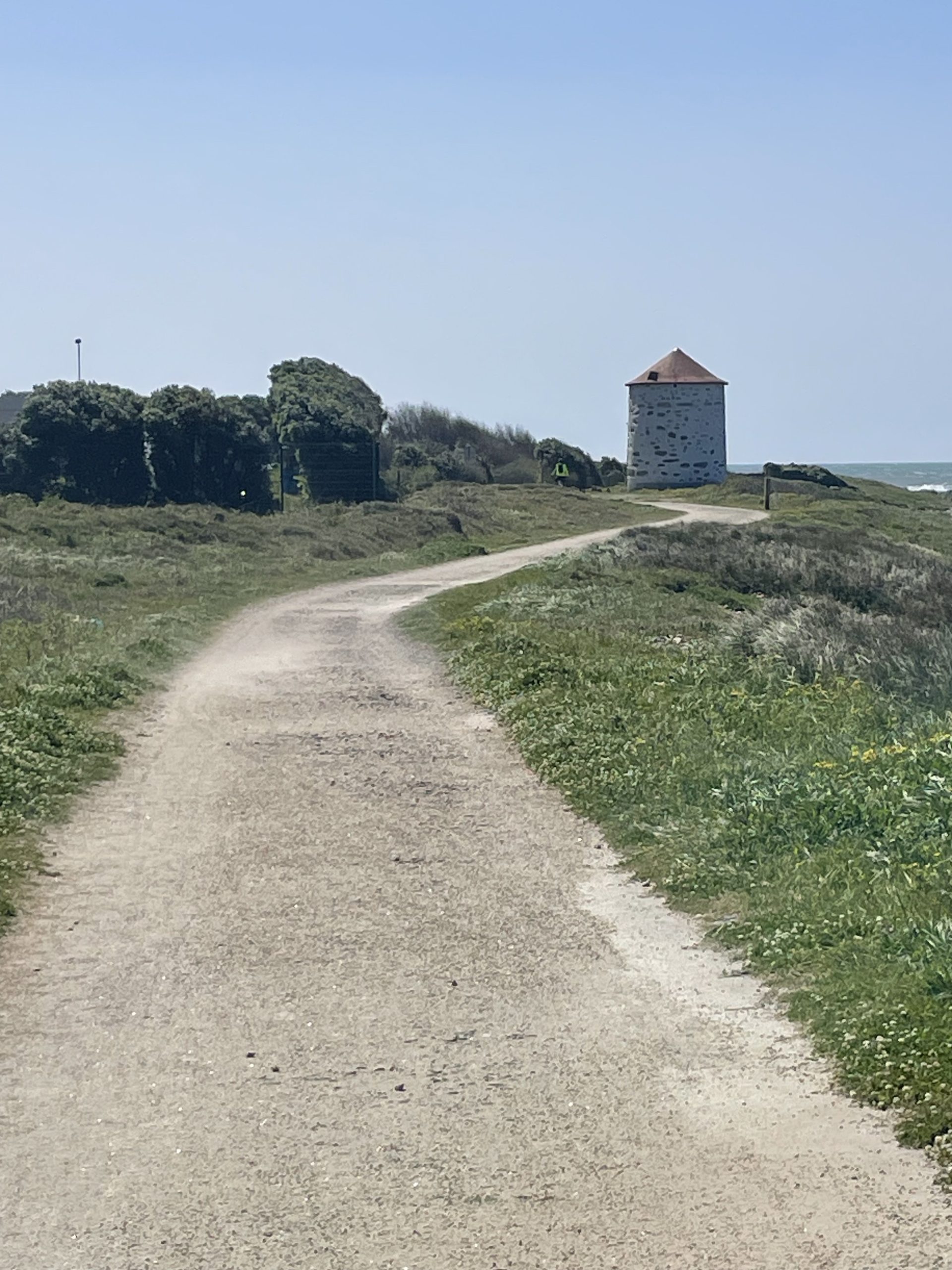
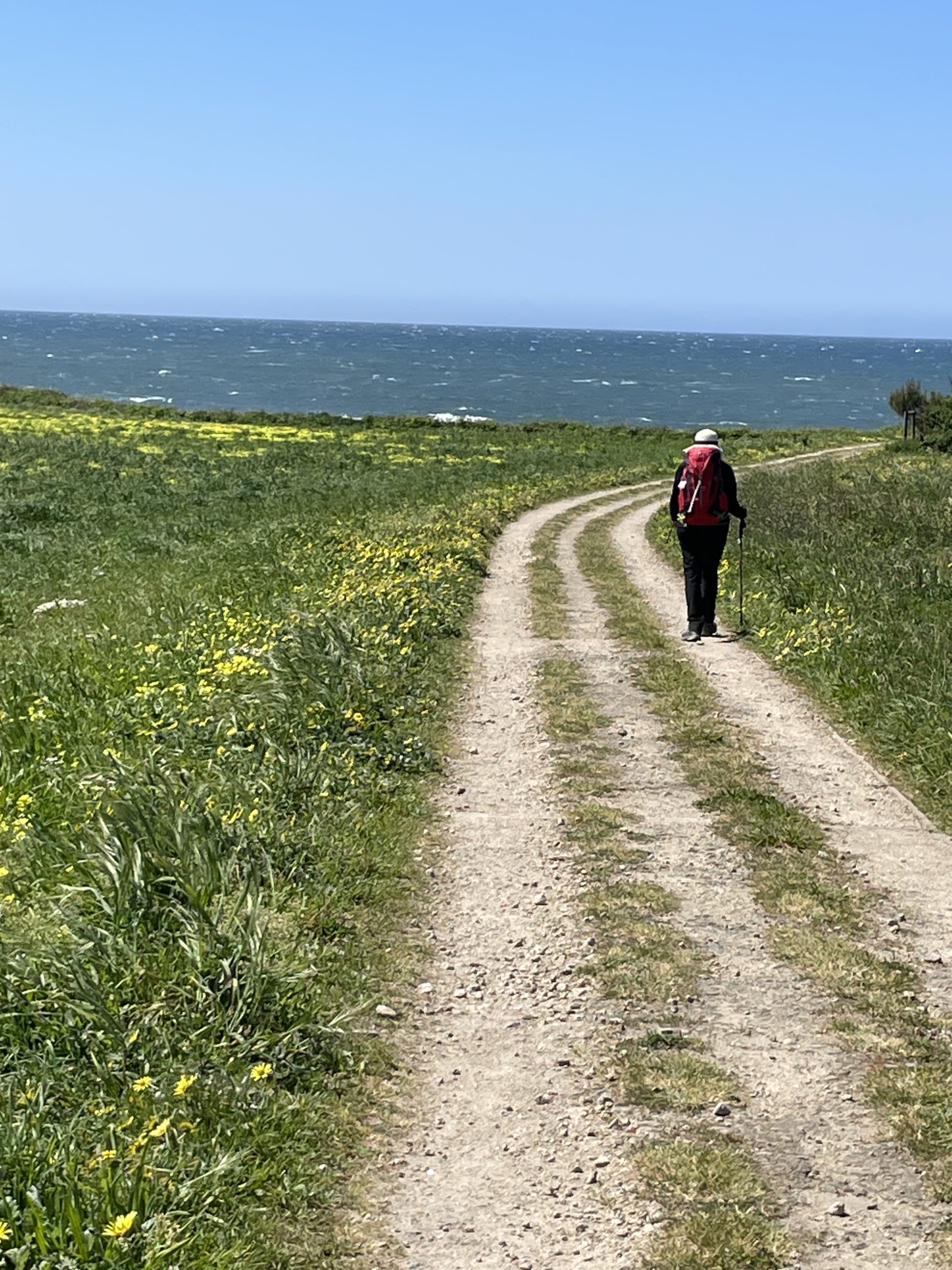
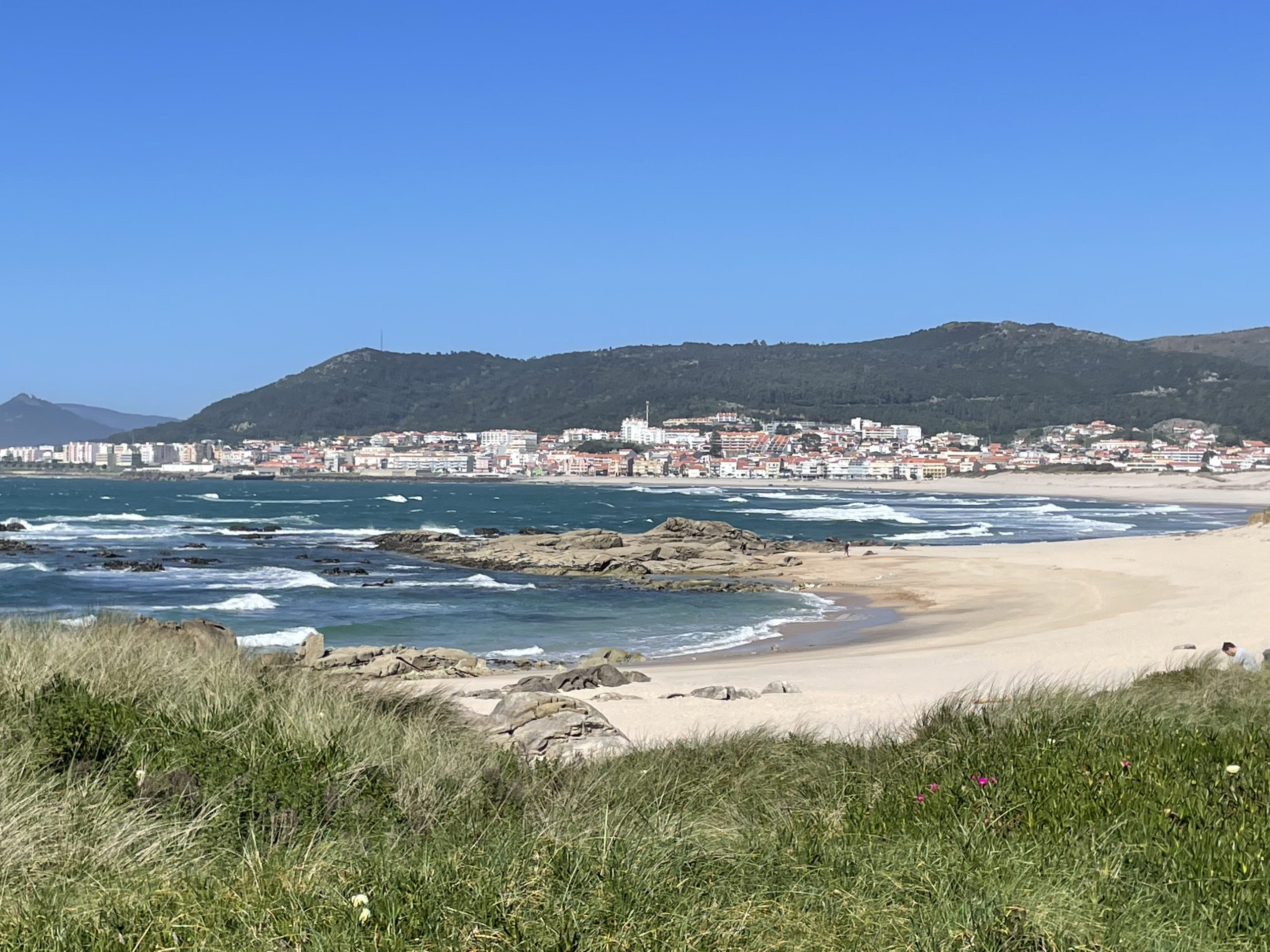
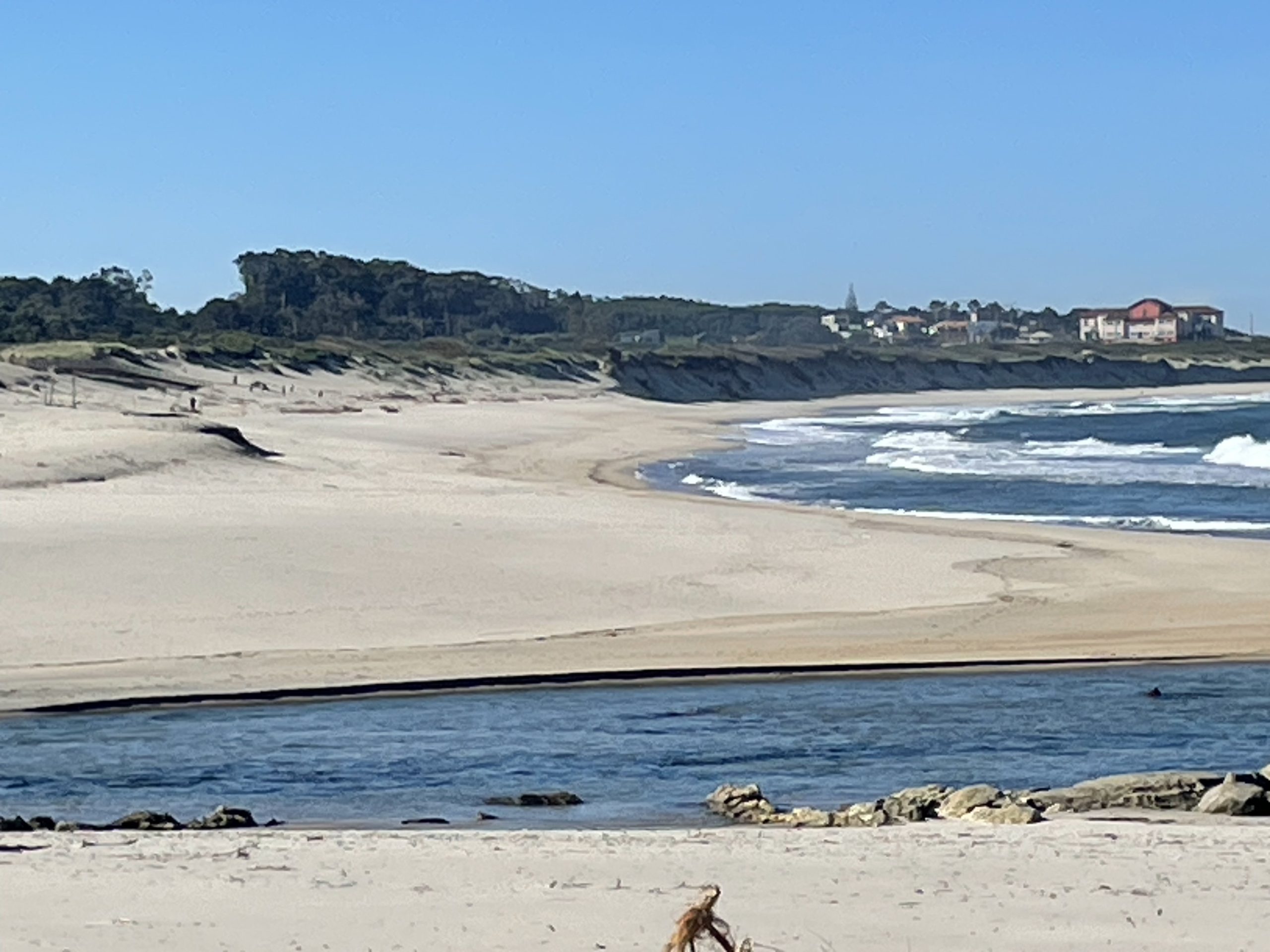
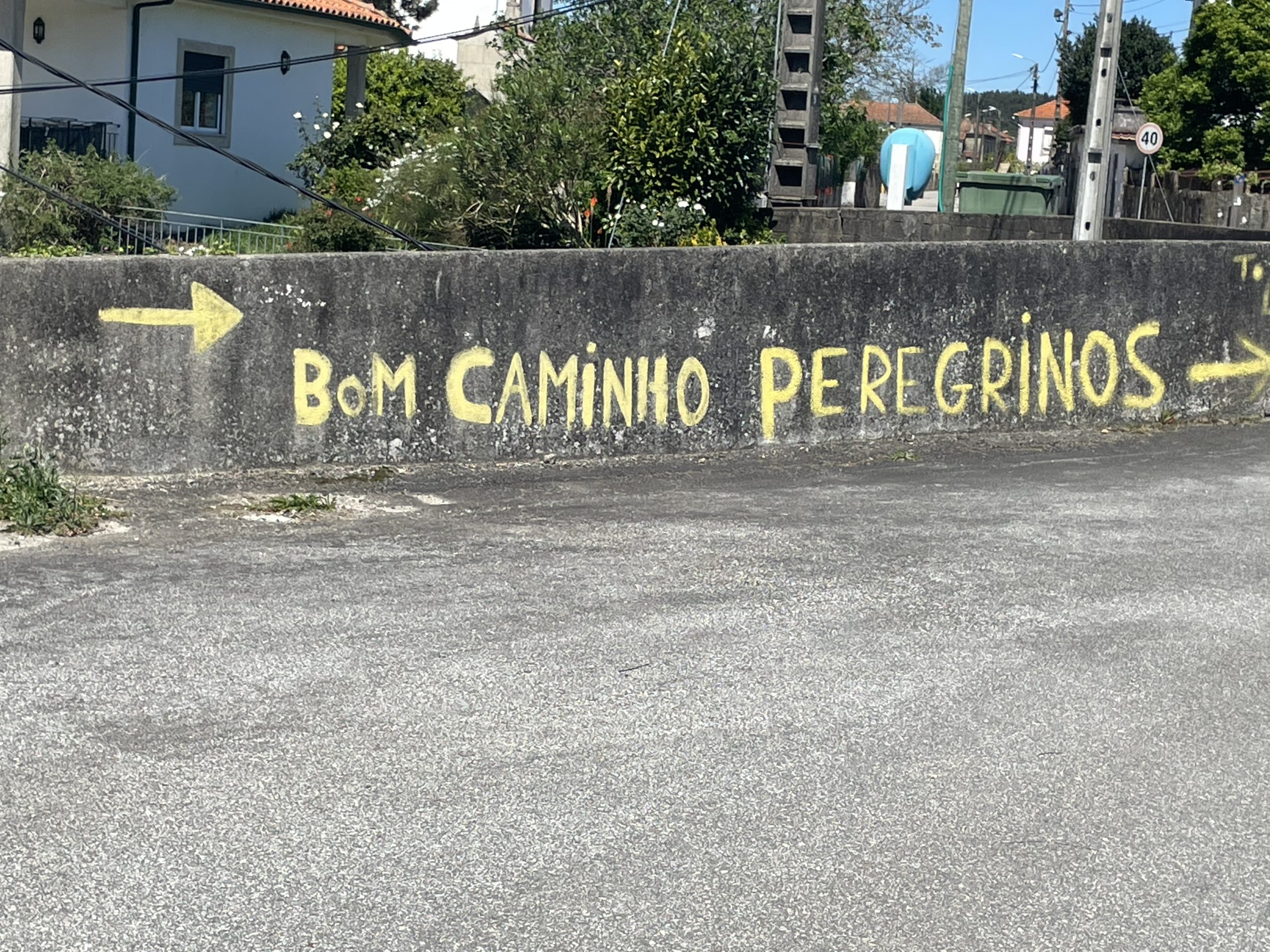
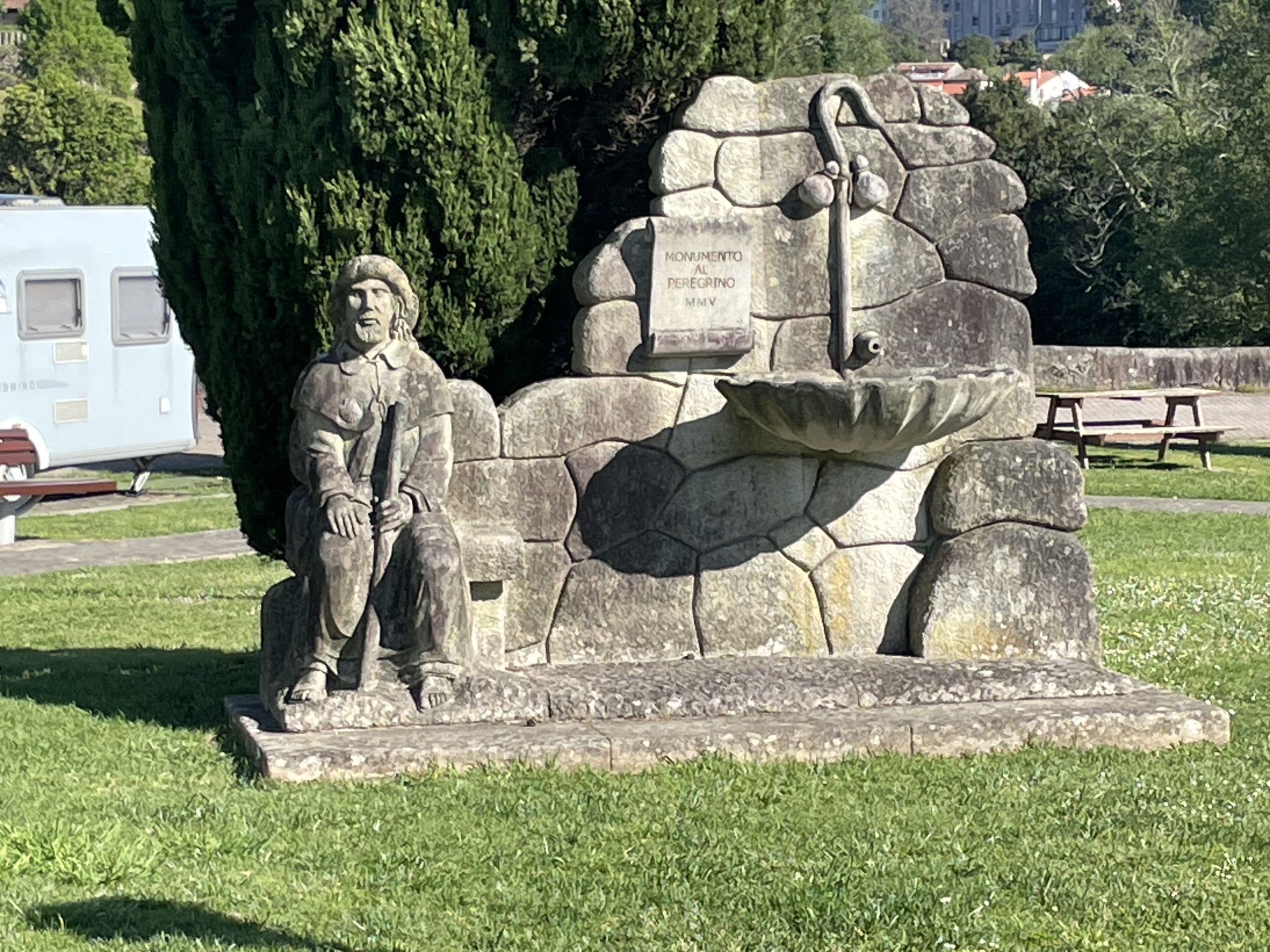
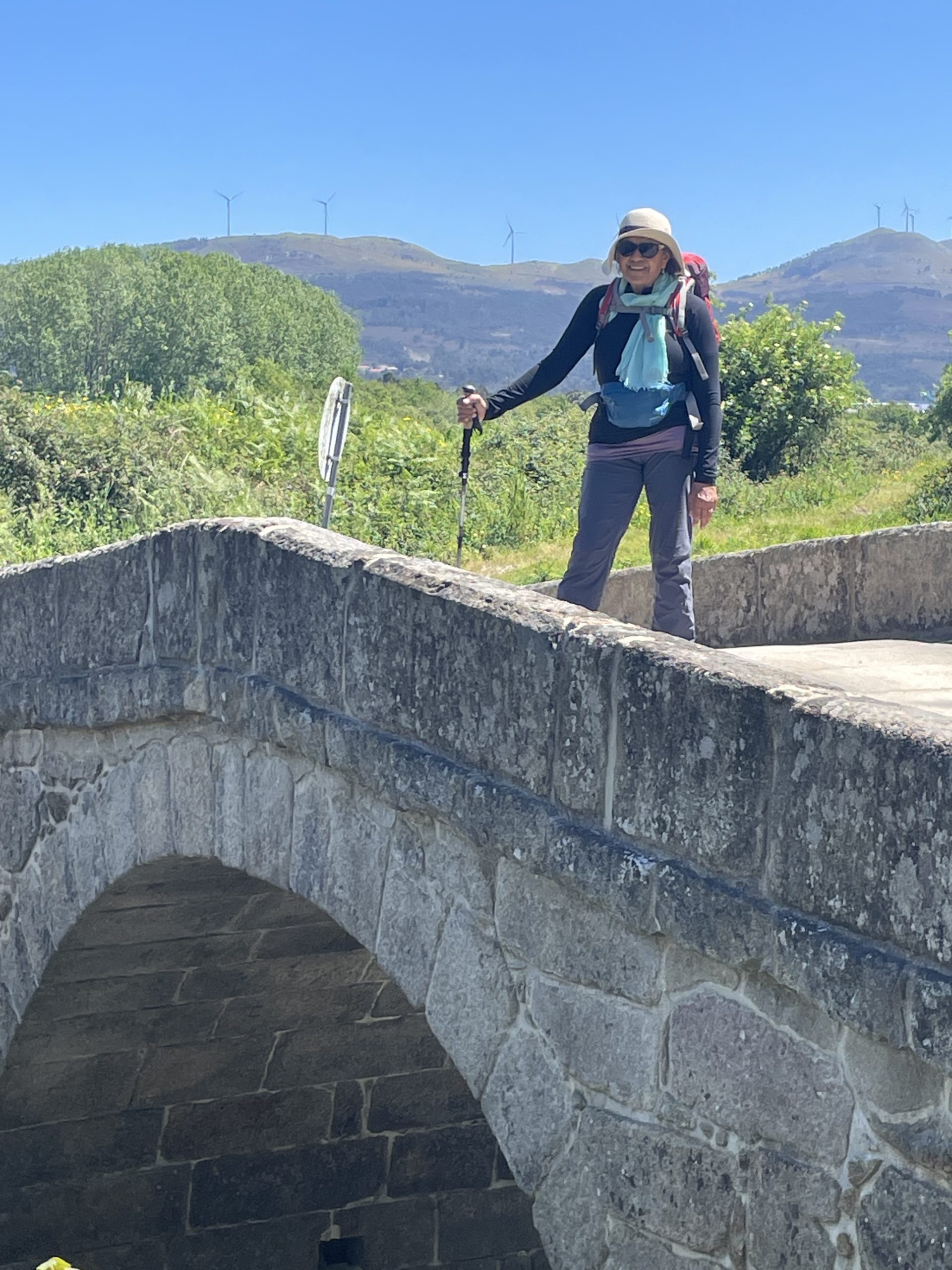 We arrange to have our long-haul luggage shipped ahead to Santiago and we will carry our gear for the next 10 days on our backs to get some legit pilgrim cred. I wish I’d paid more attention to my pack pack design and loading as I will suffer for this later in the trek. The classic experience is to stay in pilgrim (peregrino) hostels in bunk dorms, but we’re doing small hotels and apartments so we can get some sleep at night. Viana is on the coast, so we get a day and a half on the boardwalks and dunes before heading up the estuary of the enormous River Minho.
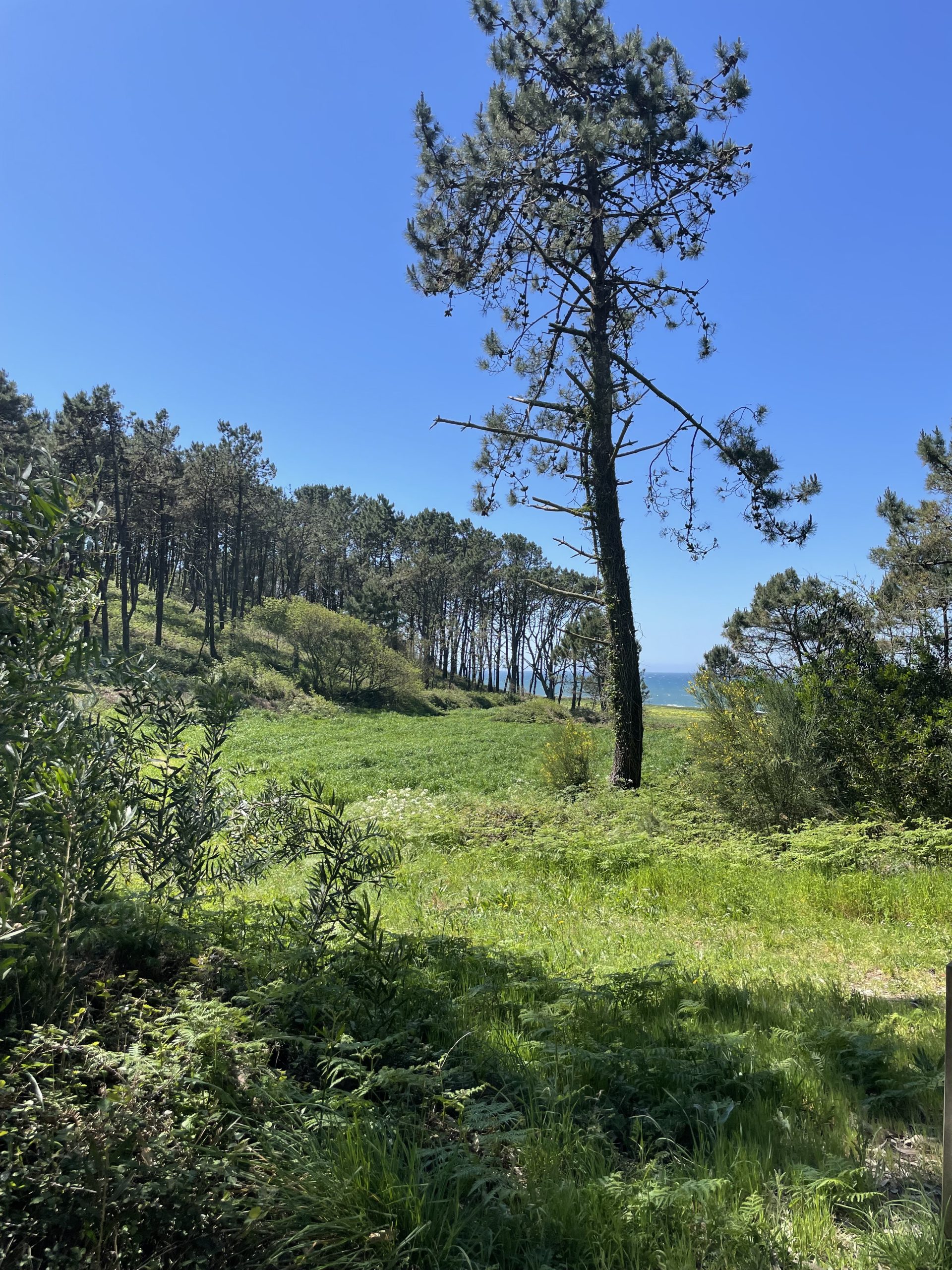
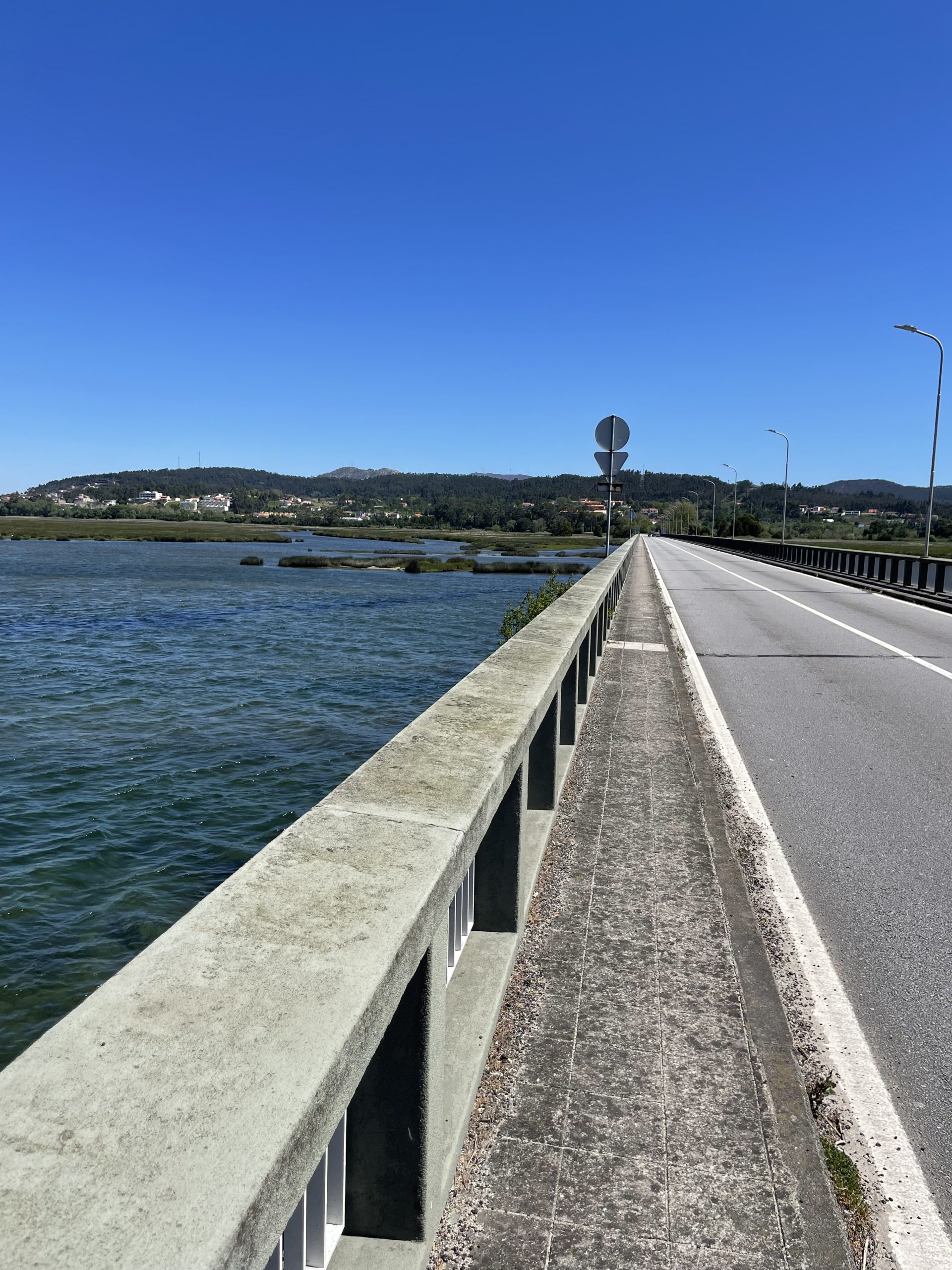
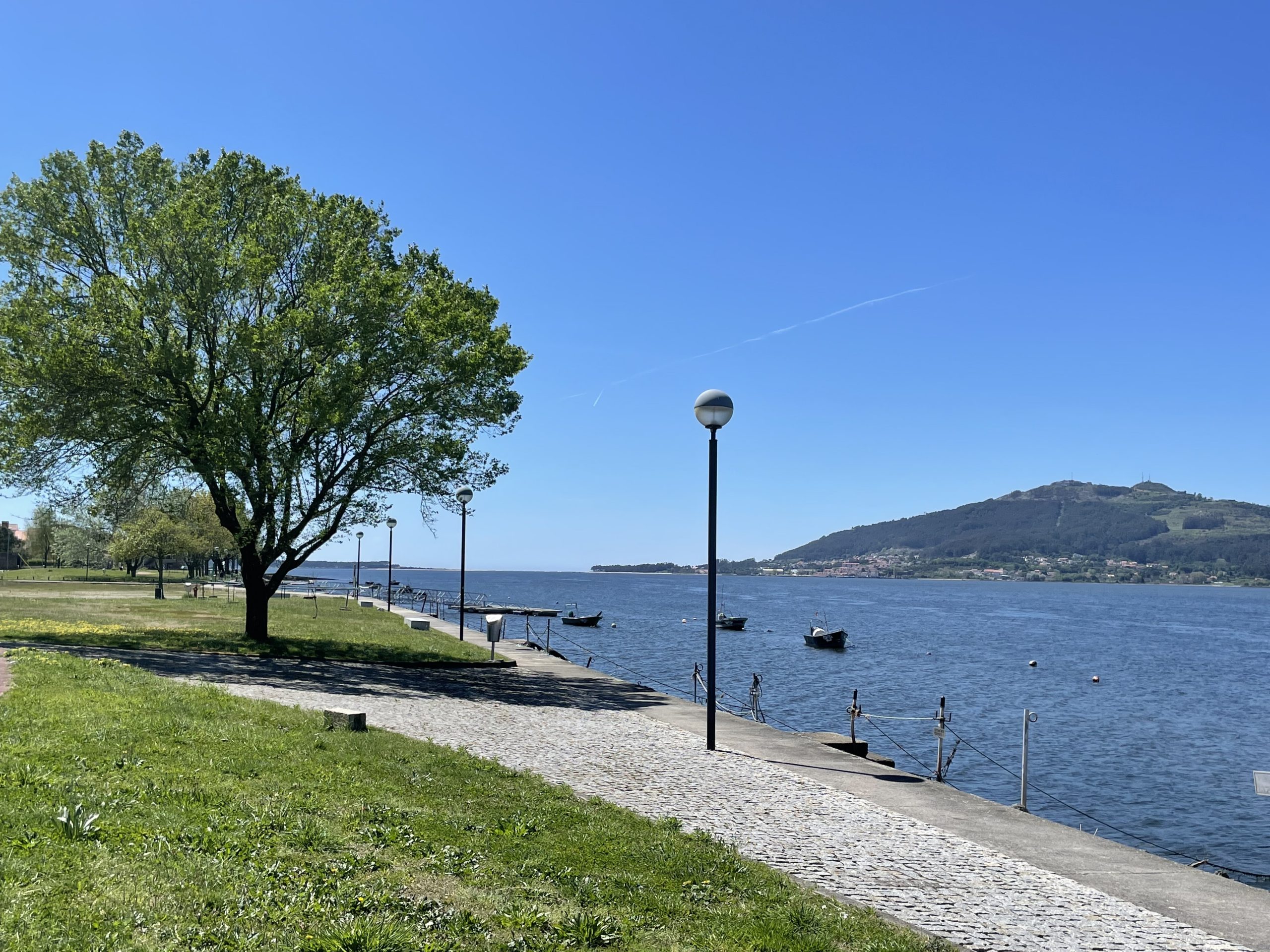
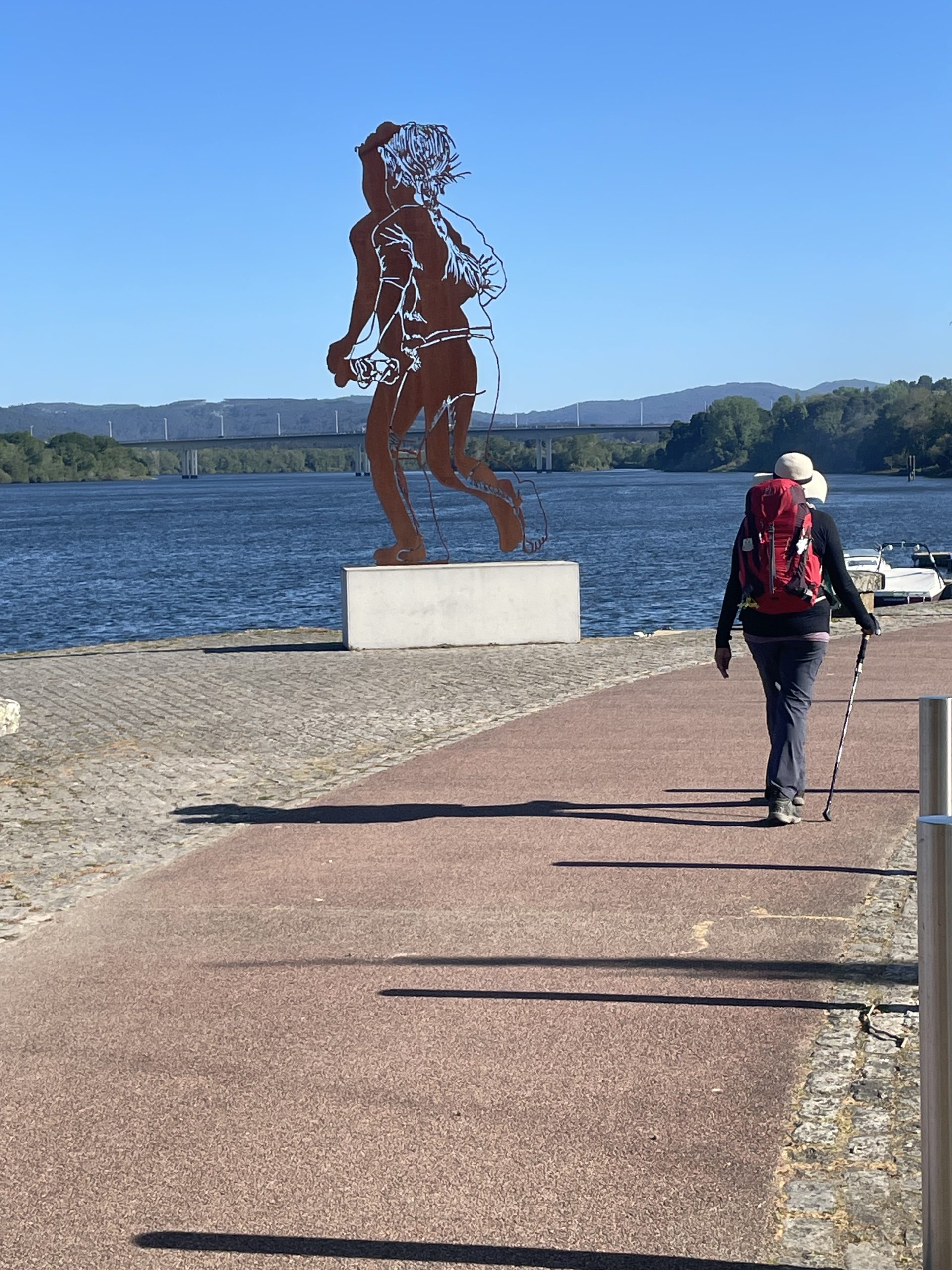
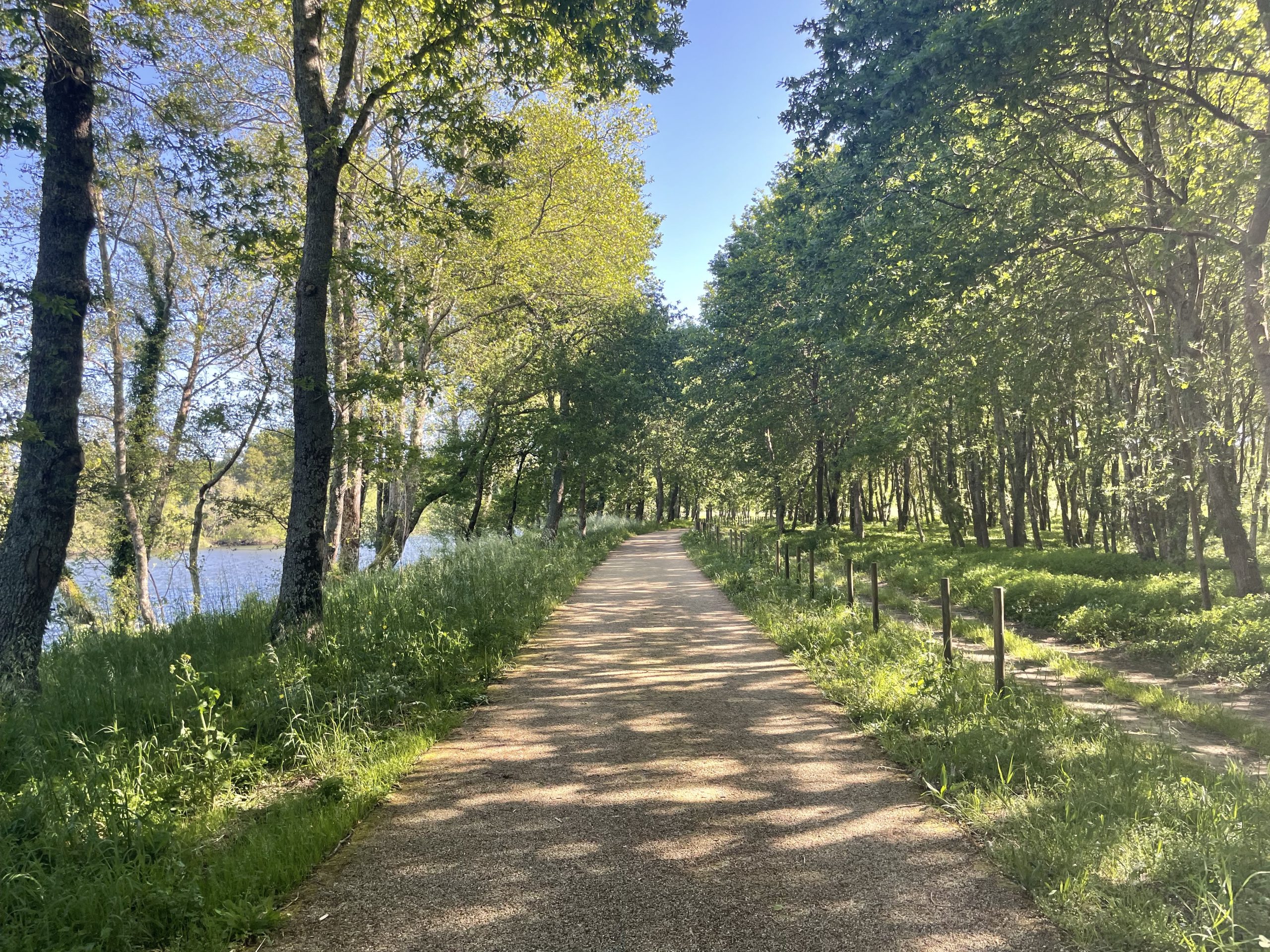
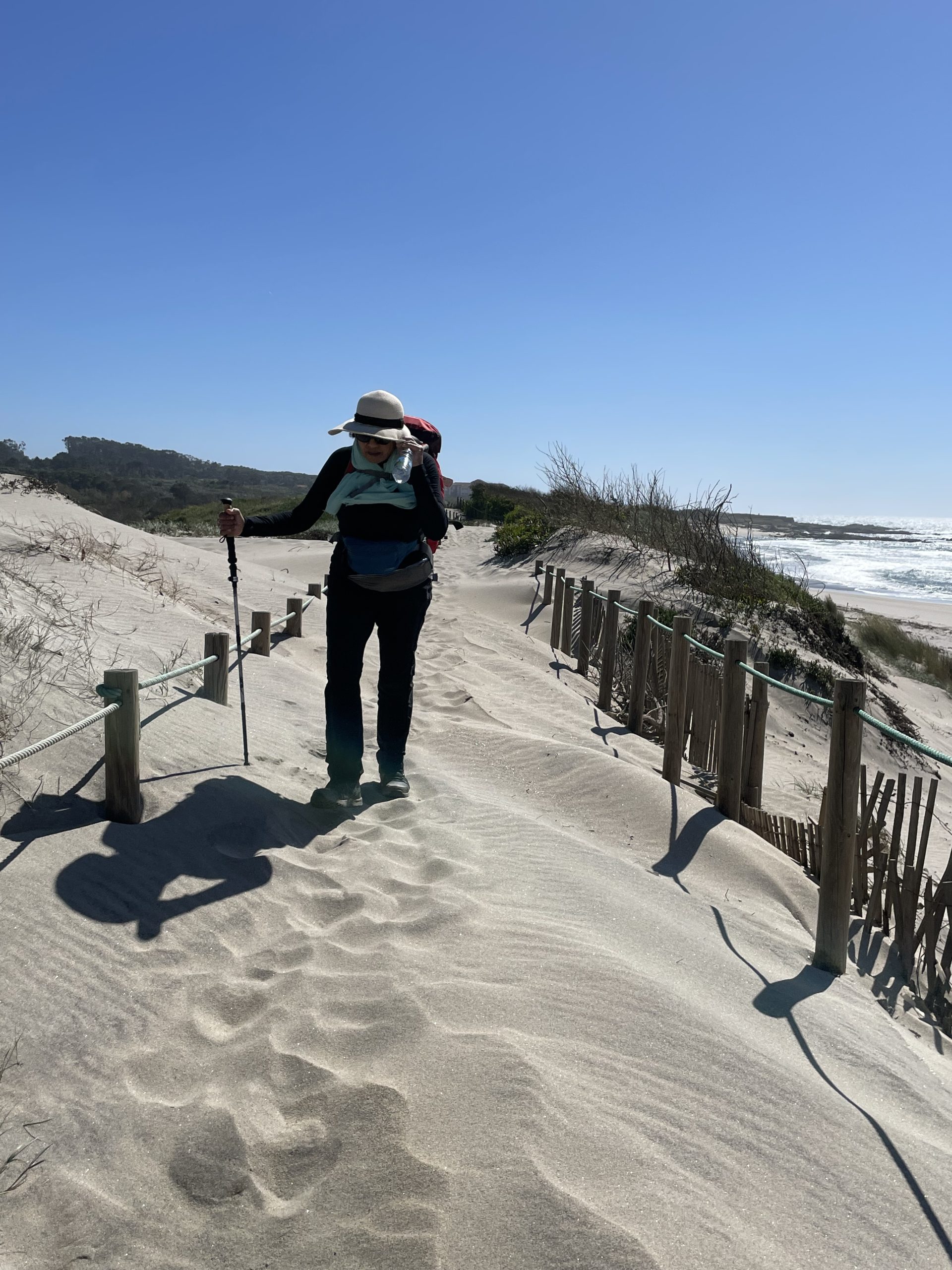 The weather is sunny but brisk and the wind, periodically, blasts us with sand, but we’re glad to have this as part of the itinerary before heading inland. There is an excellent “ecopiste” riverside trail that we take for a full day that is easy going, which is great as we’re putting in the miles, at least by our standards. We limp into Vila Nova de Cerveira Youth Hostel(!) after day two’s 15.5 miles with Abby experiencing all manners of elaborate blisters. We’re now in the domain of moleskin, “Compeed” band-aids, hiker goo and anti-monkey butt powder, all necessary to keep arms, legs and other body parts comfortably functional on the Camino.
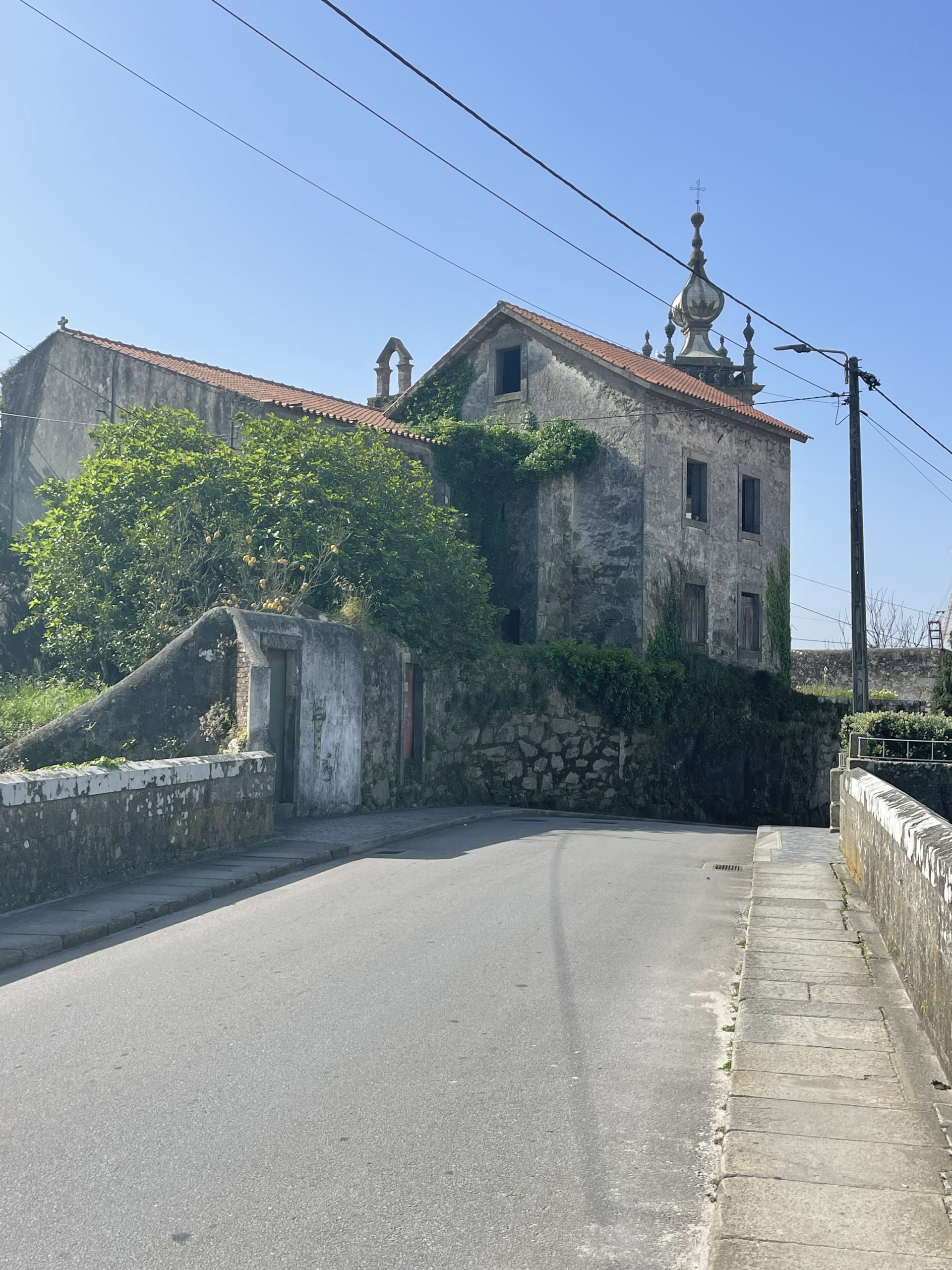
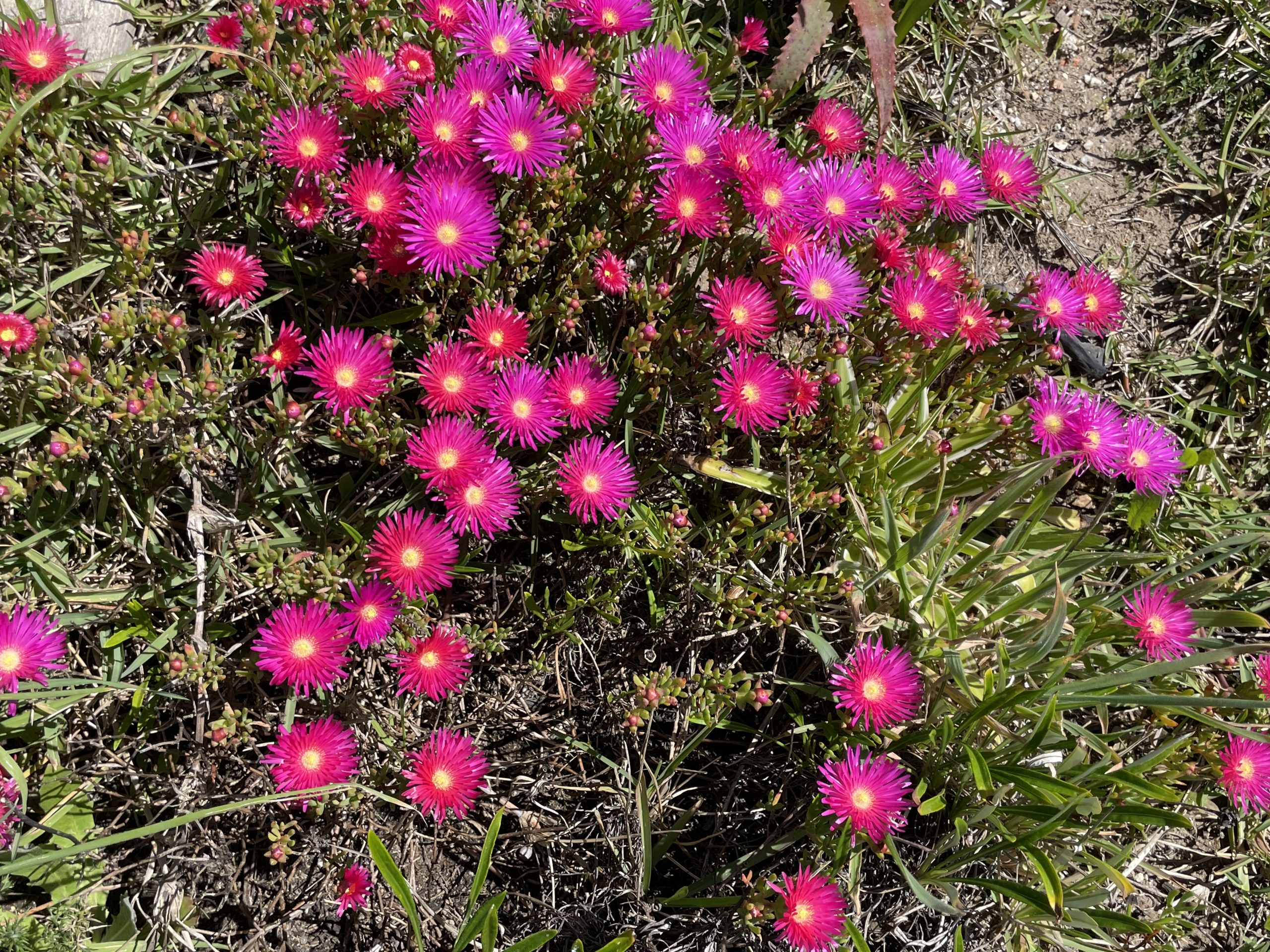
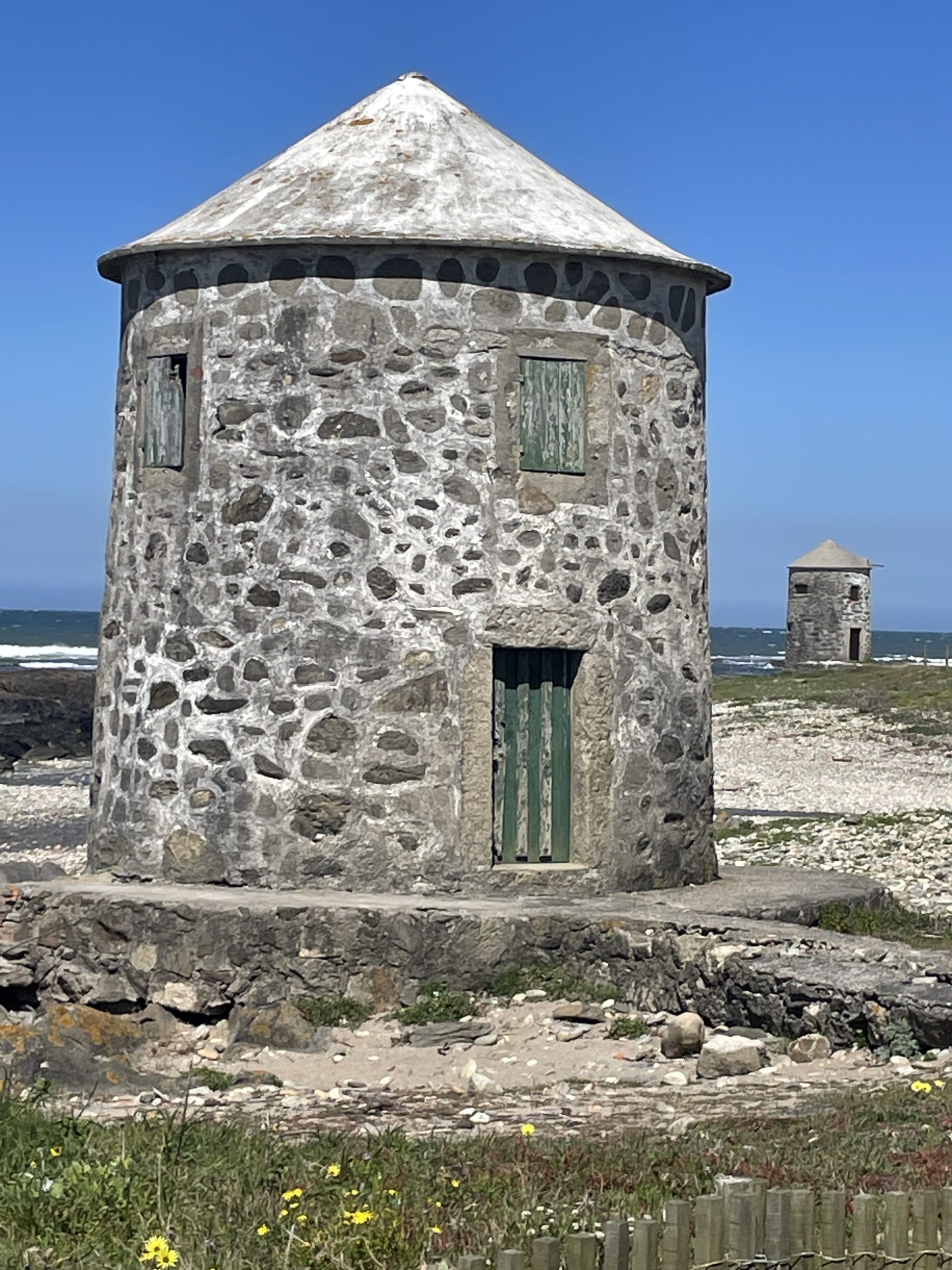
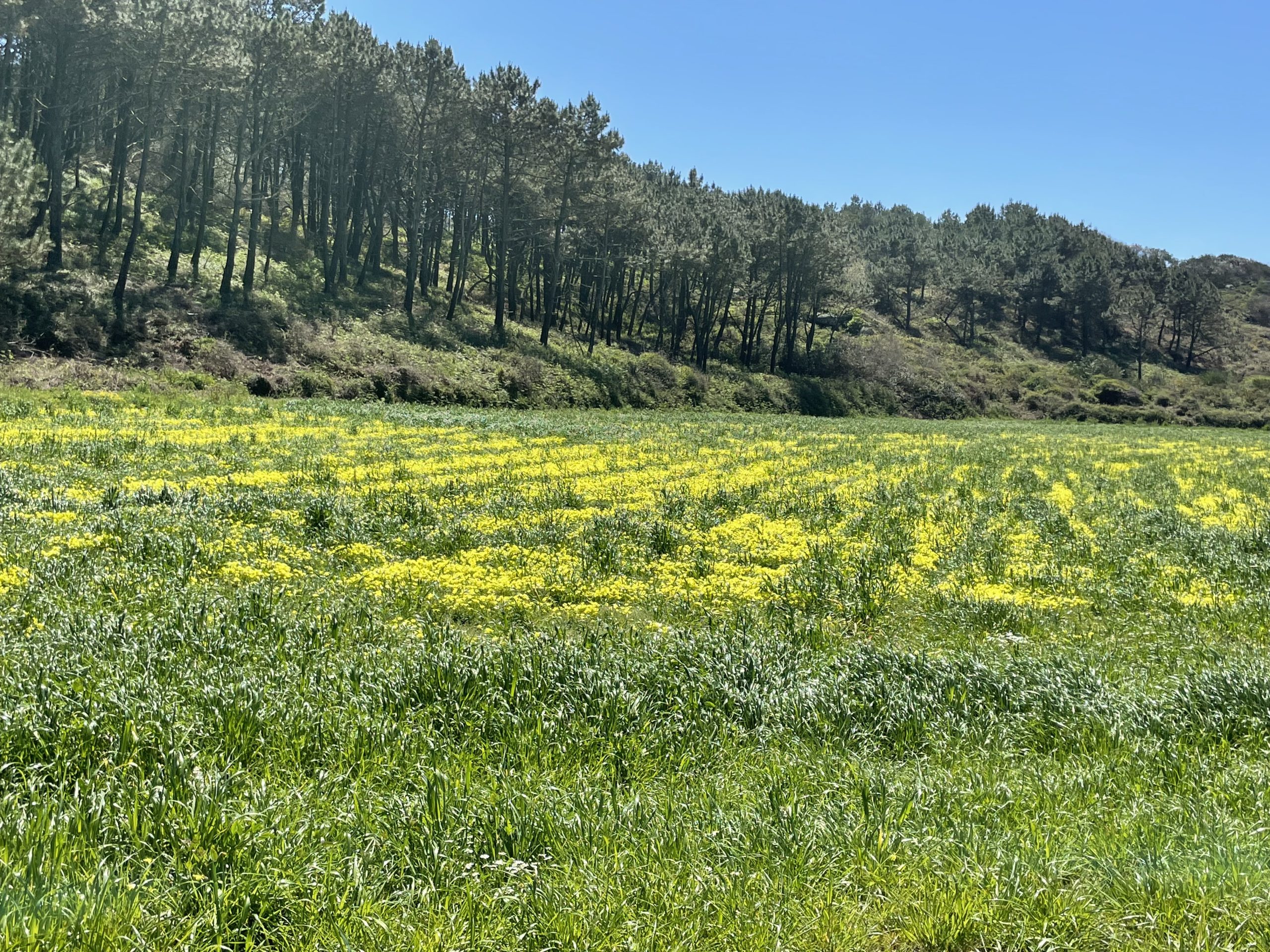
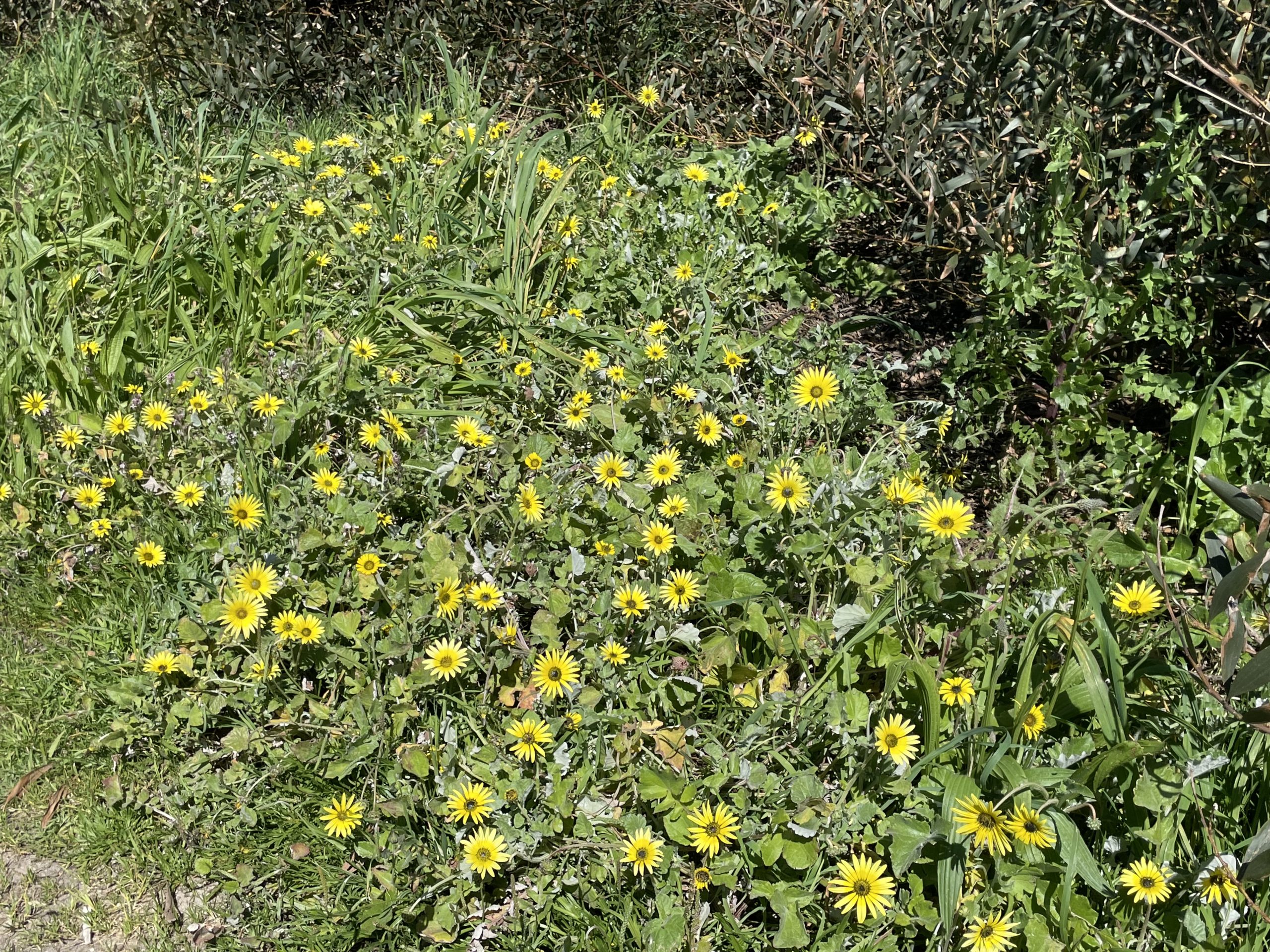
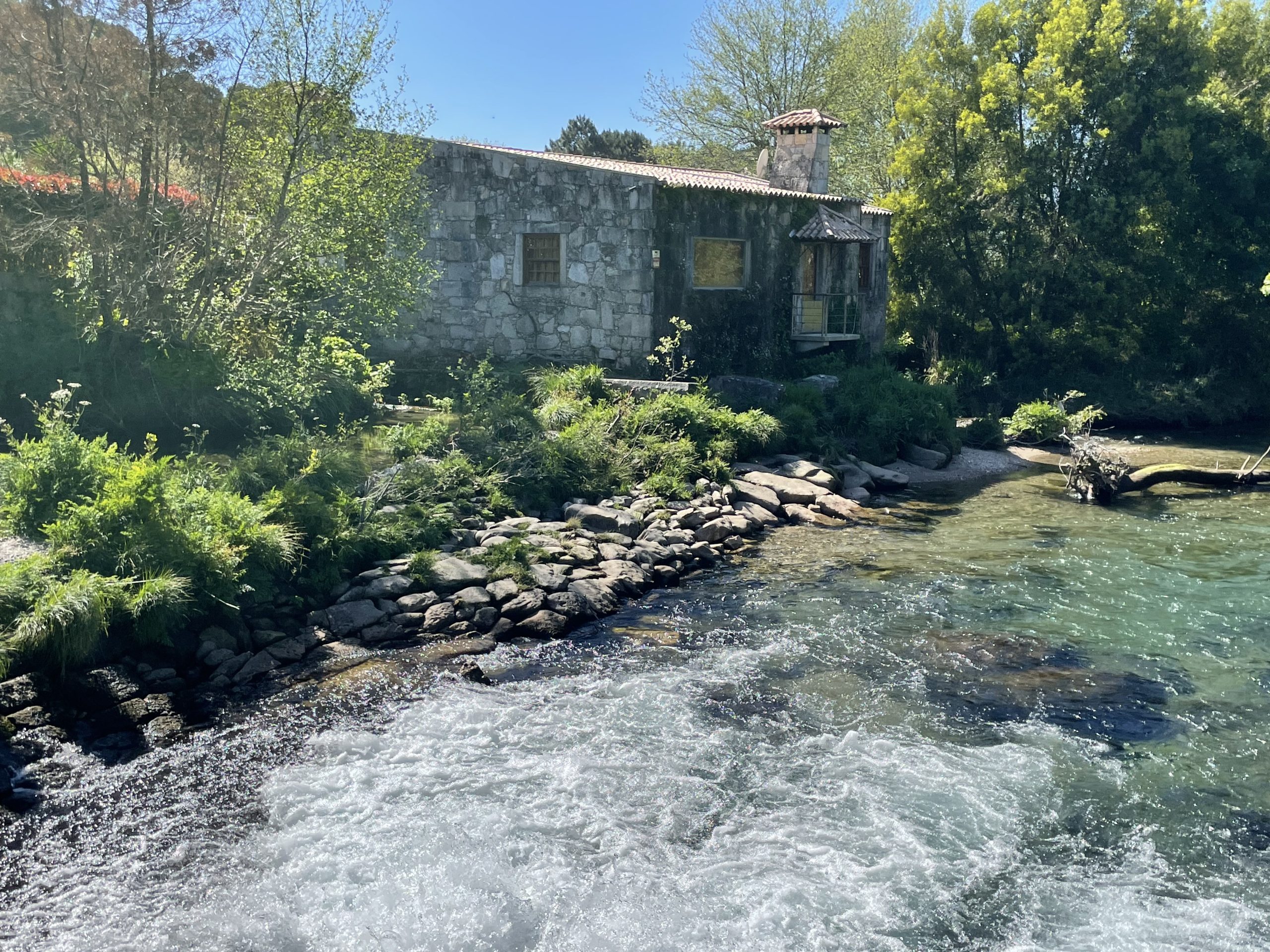
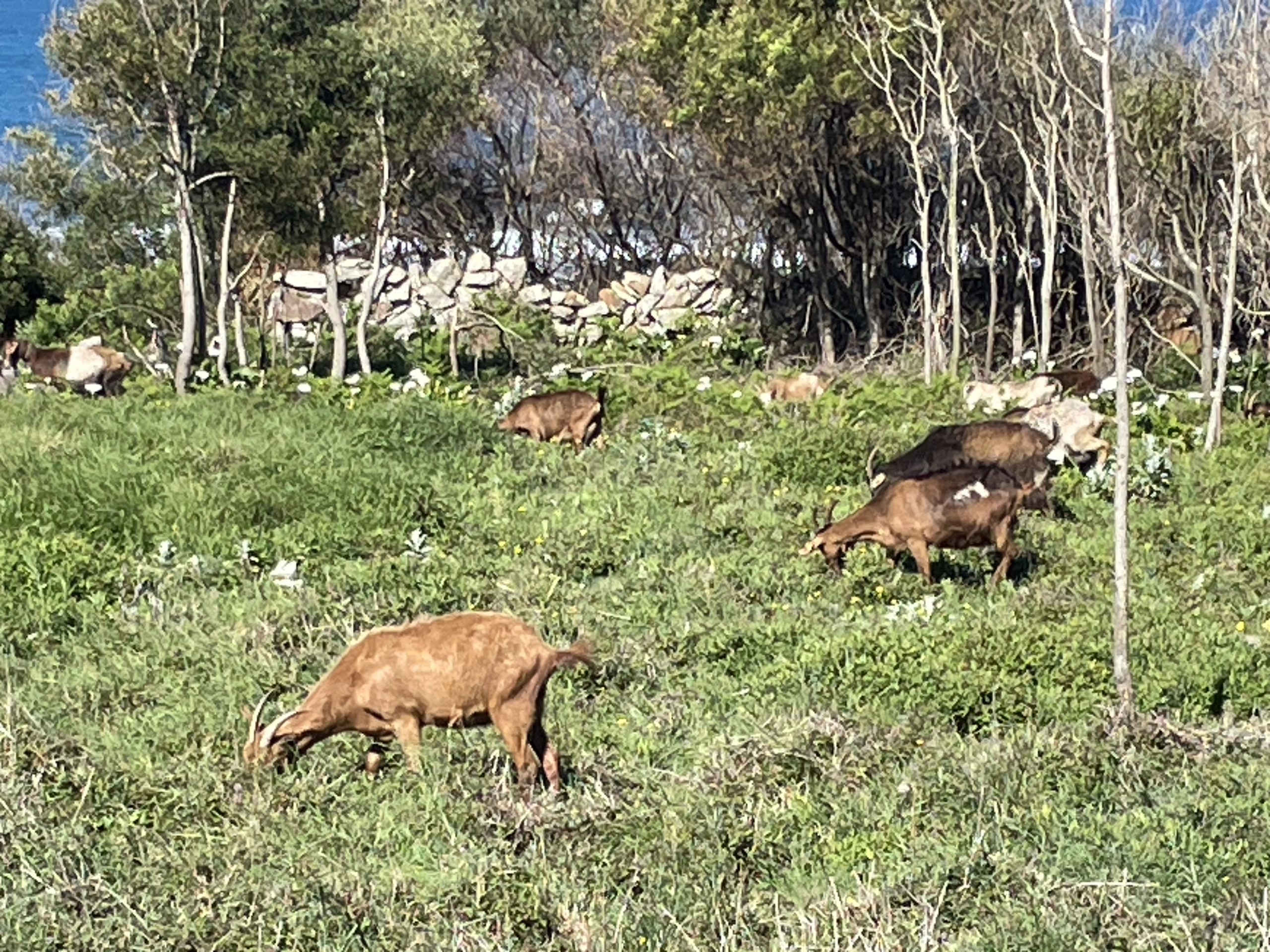
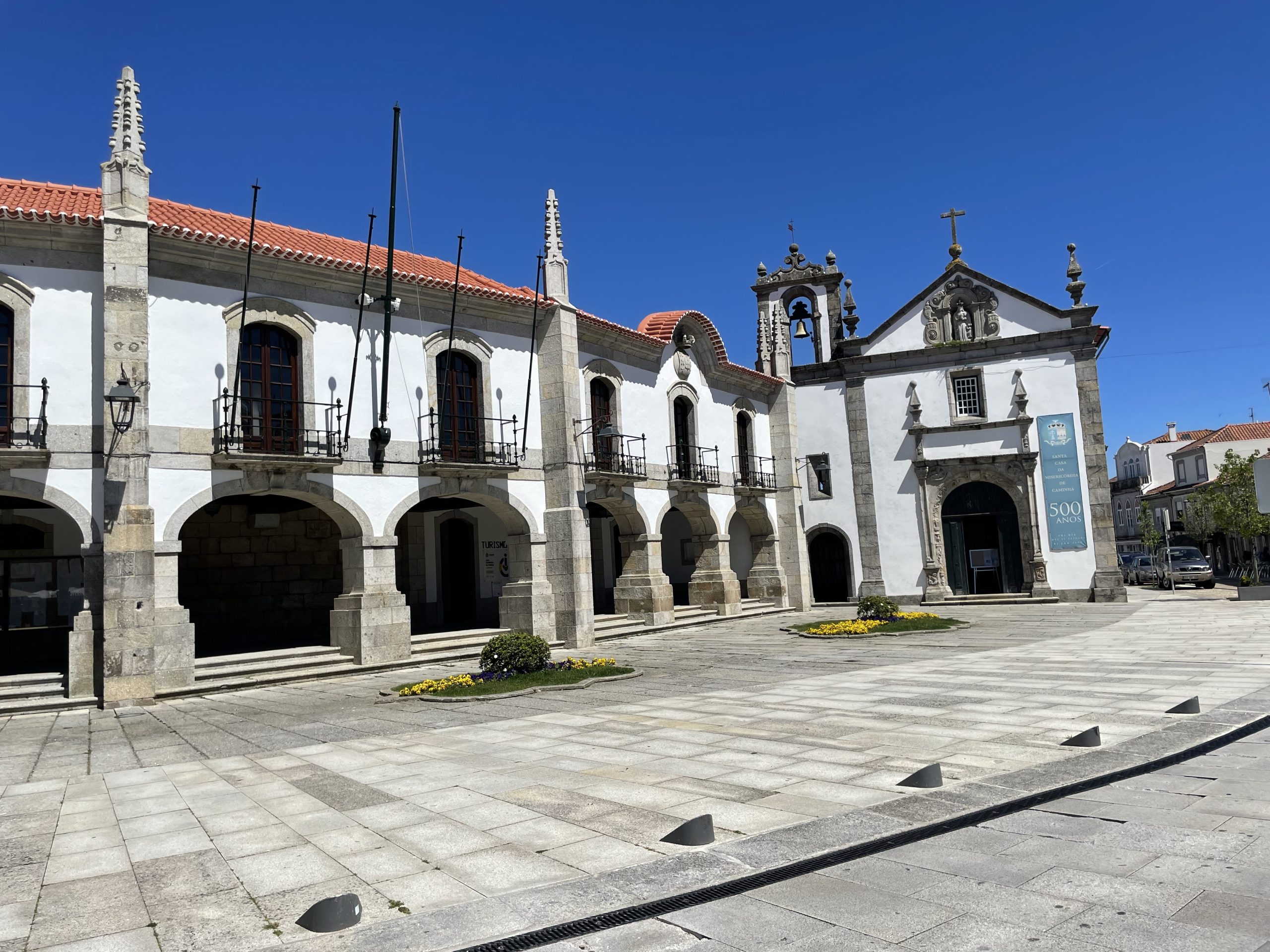
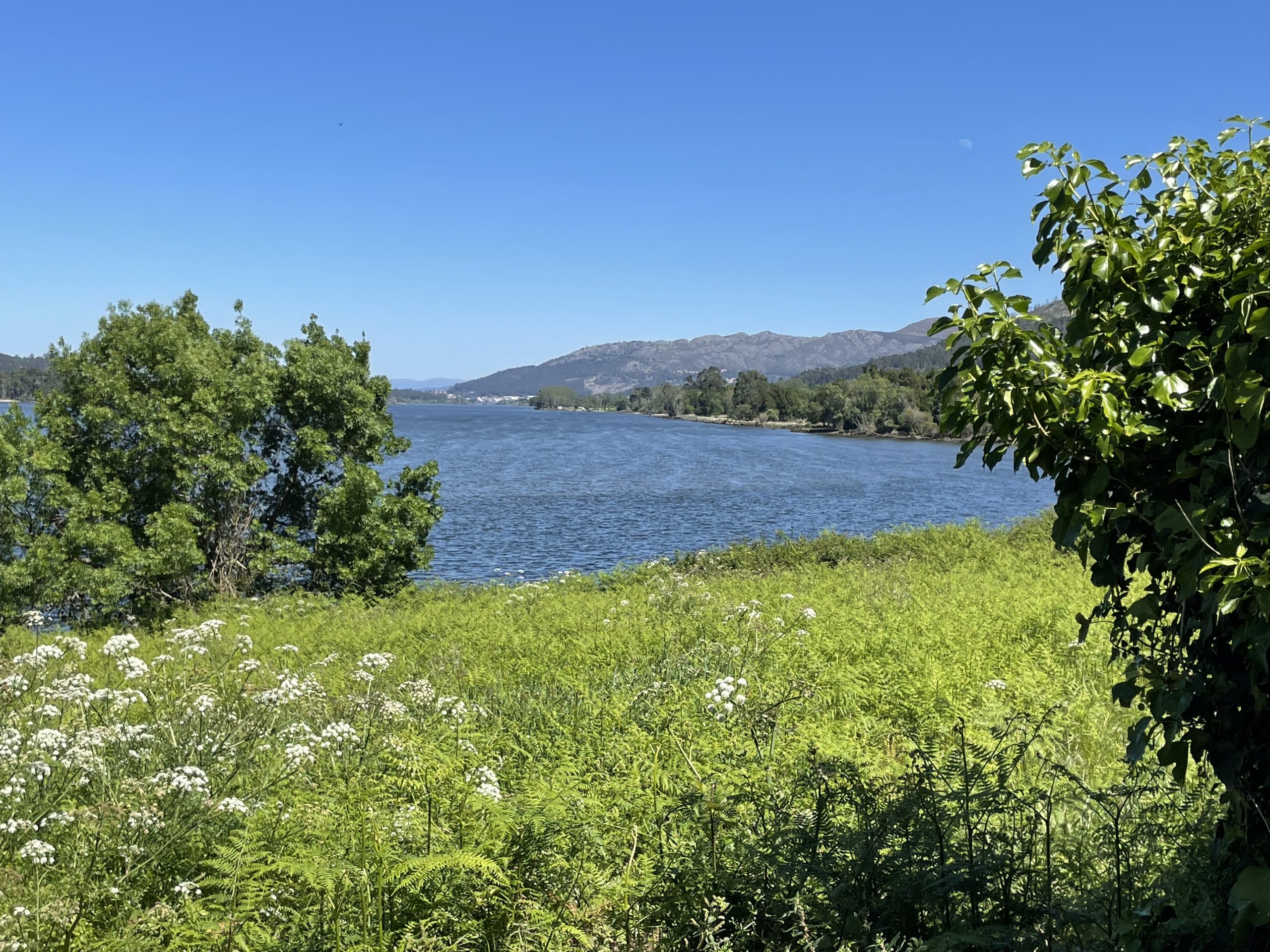
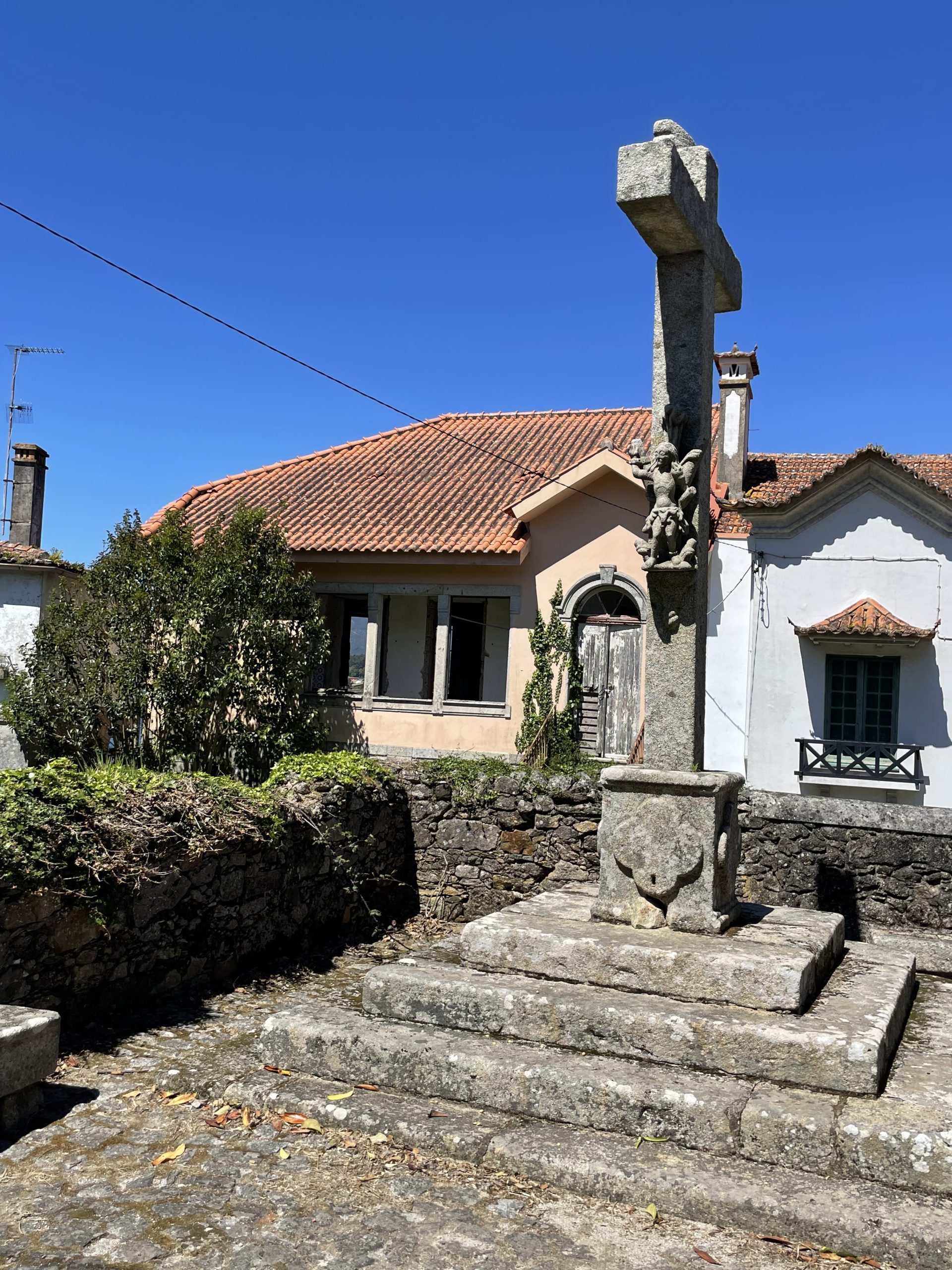
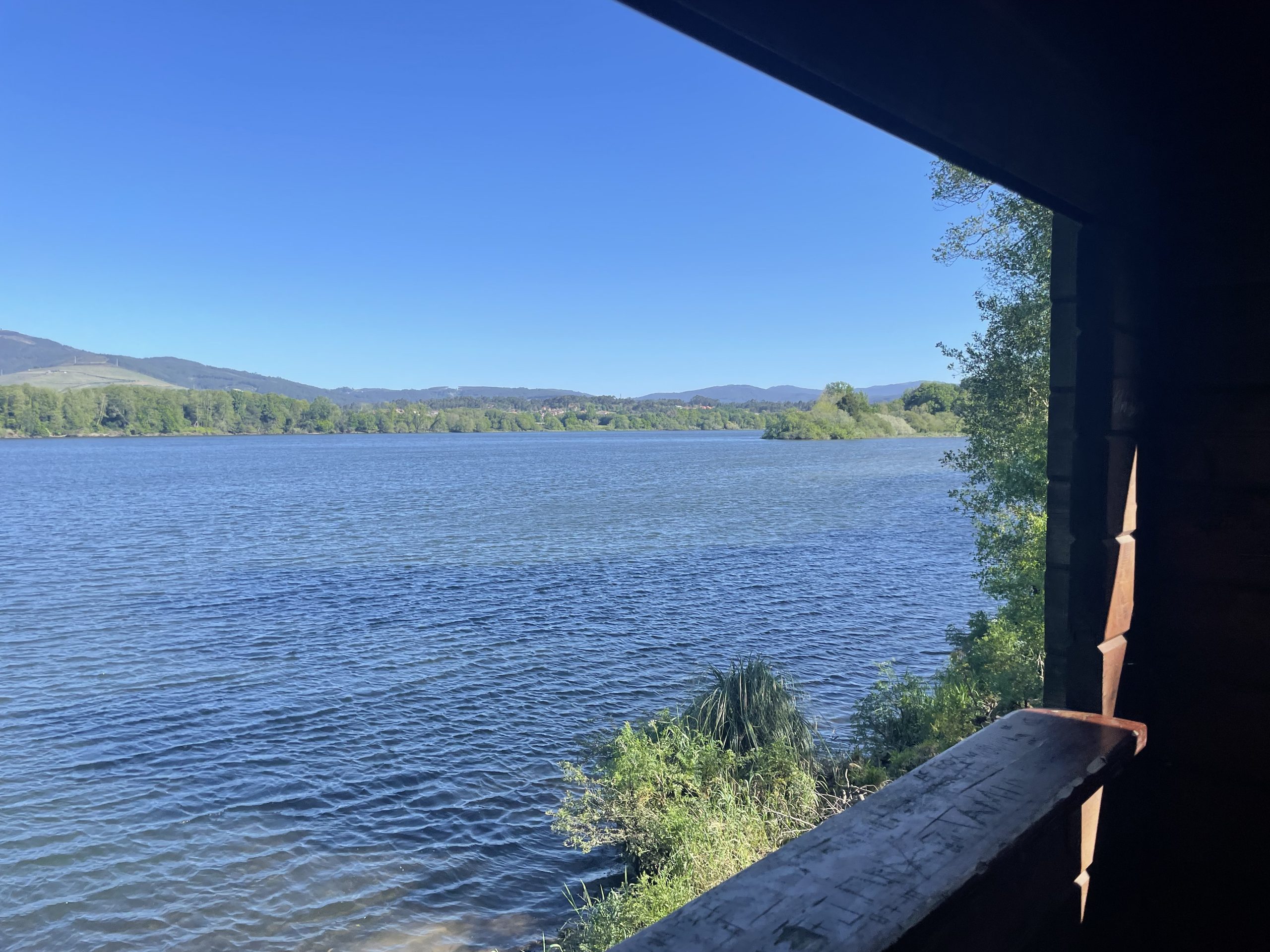
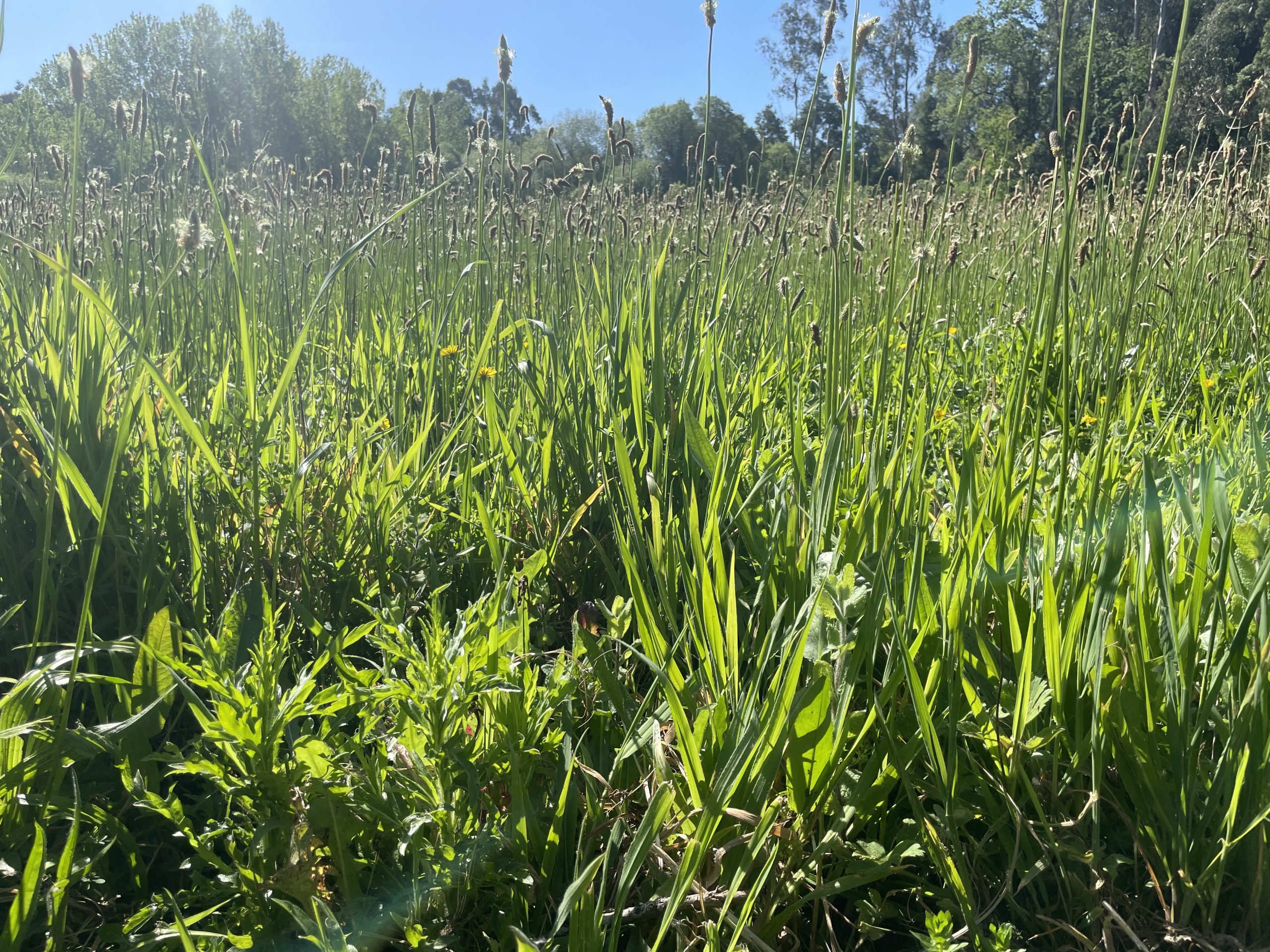
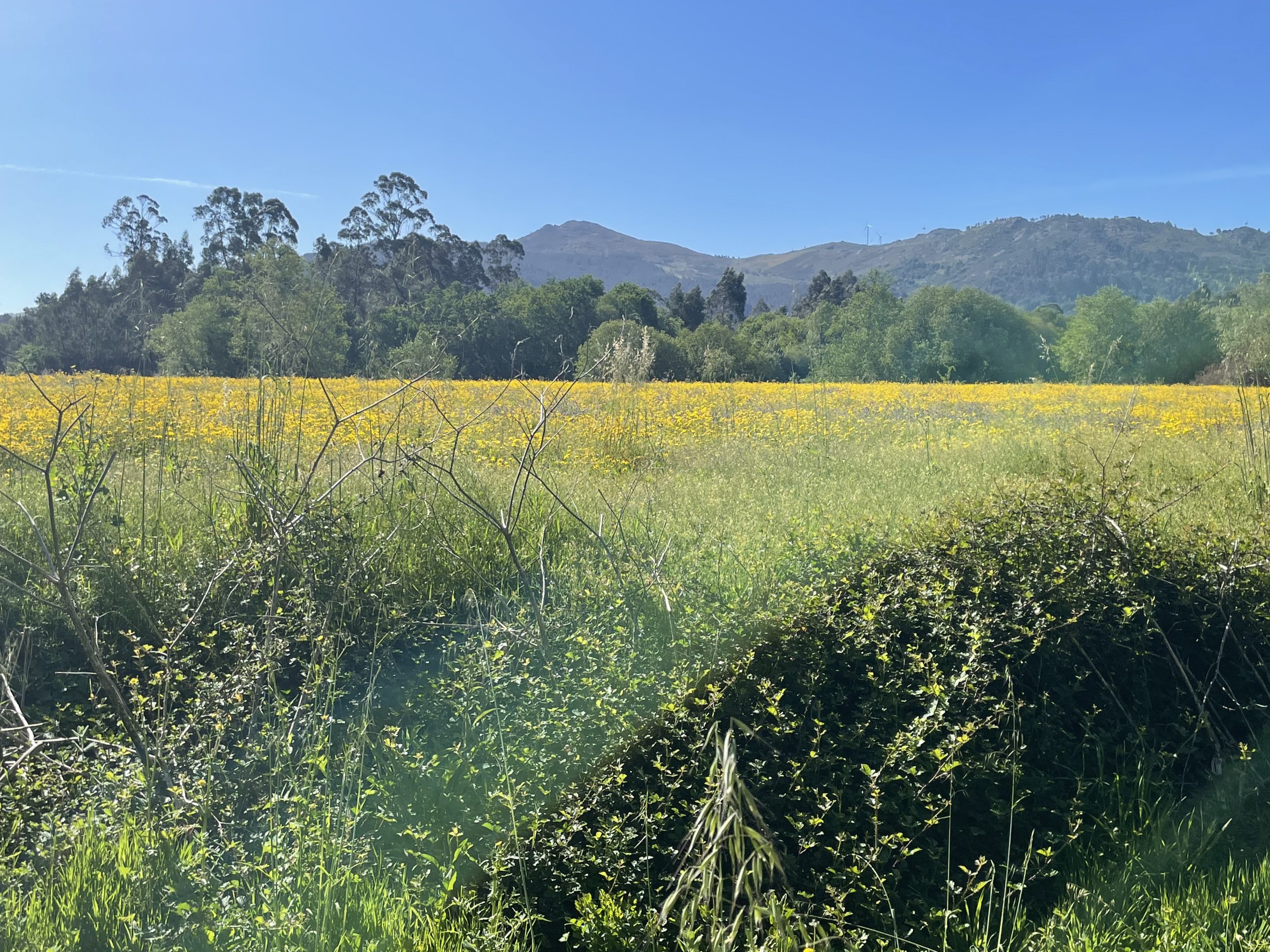
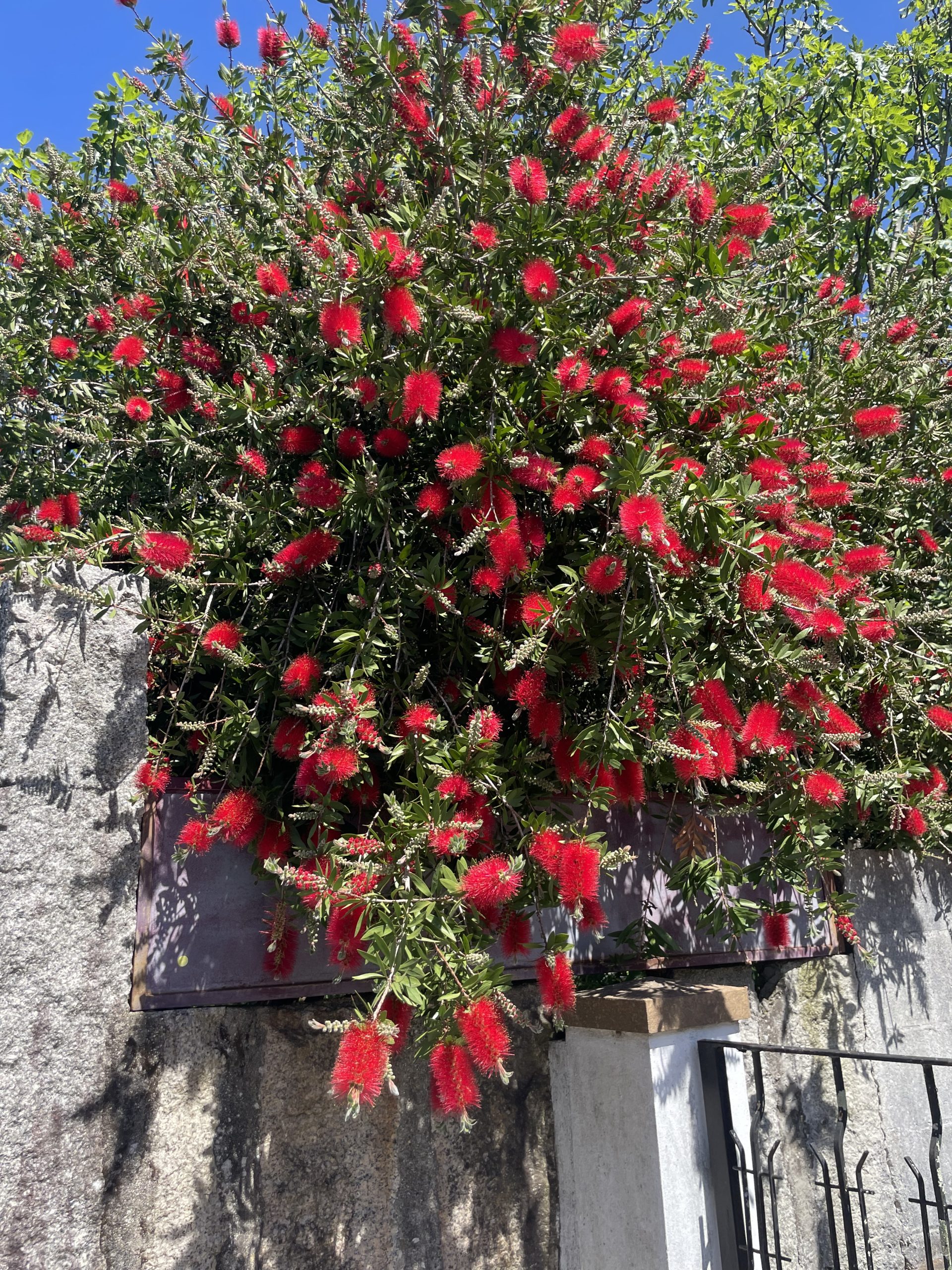
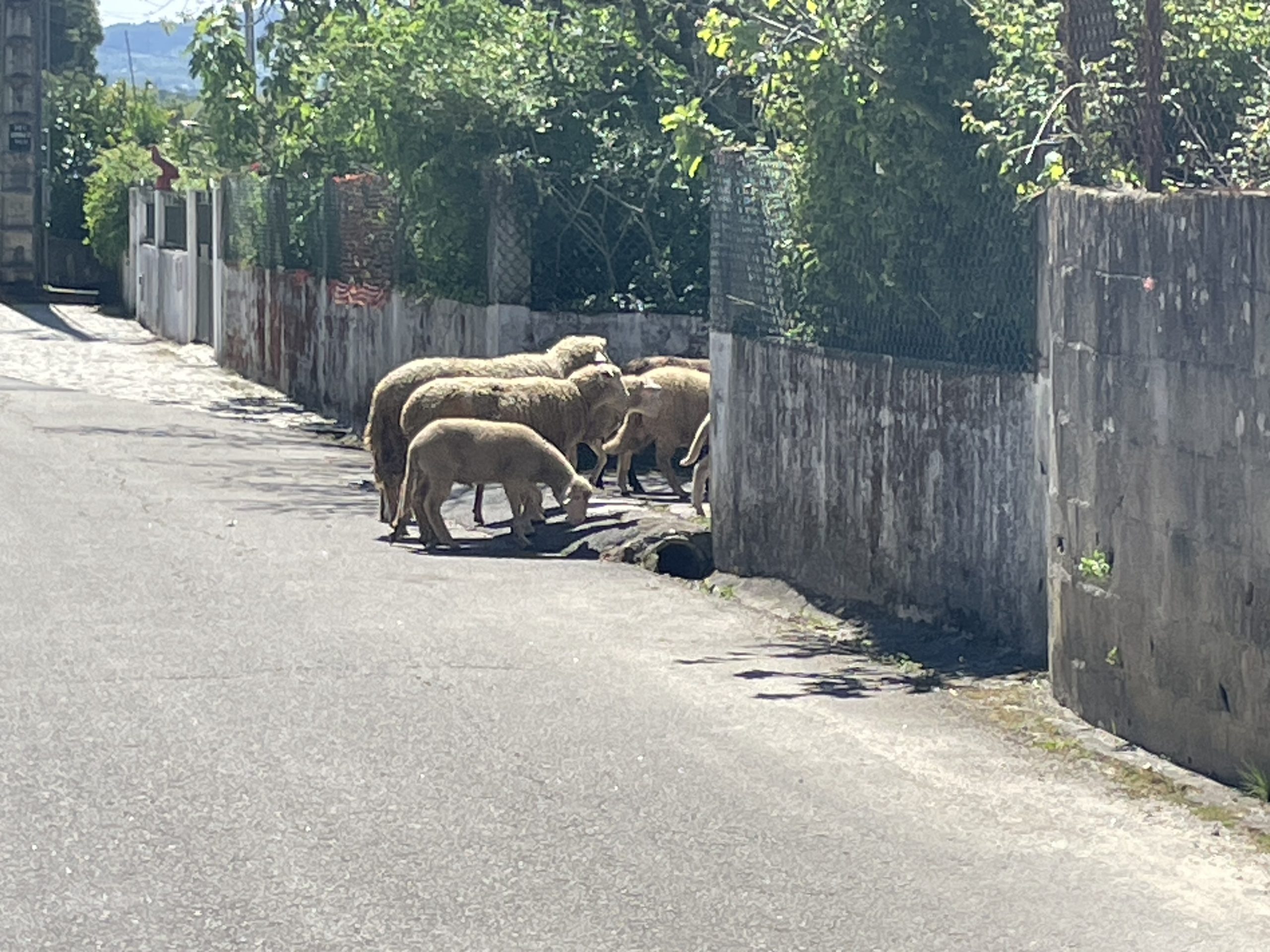
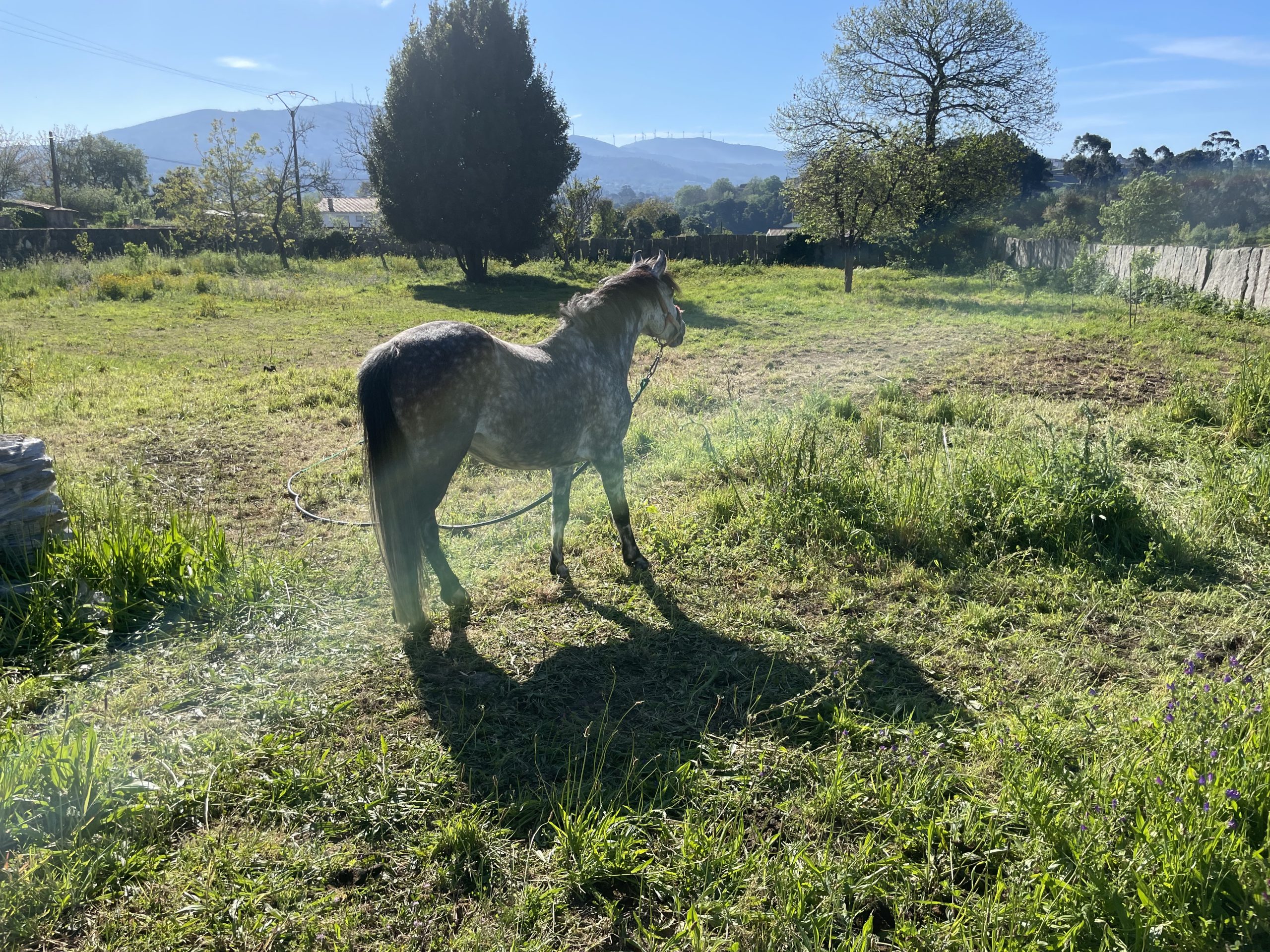
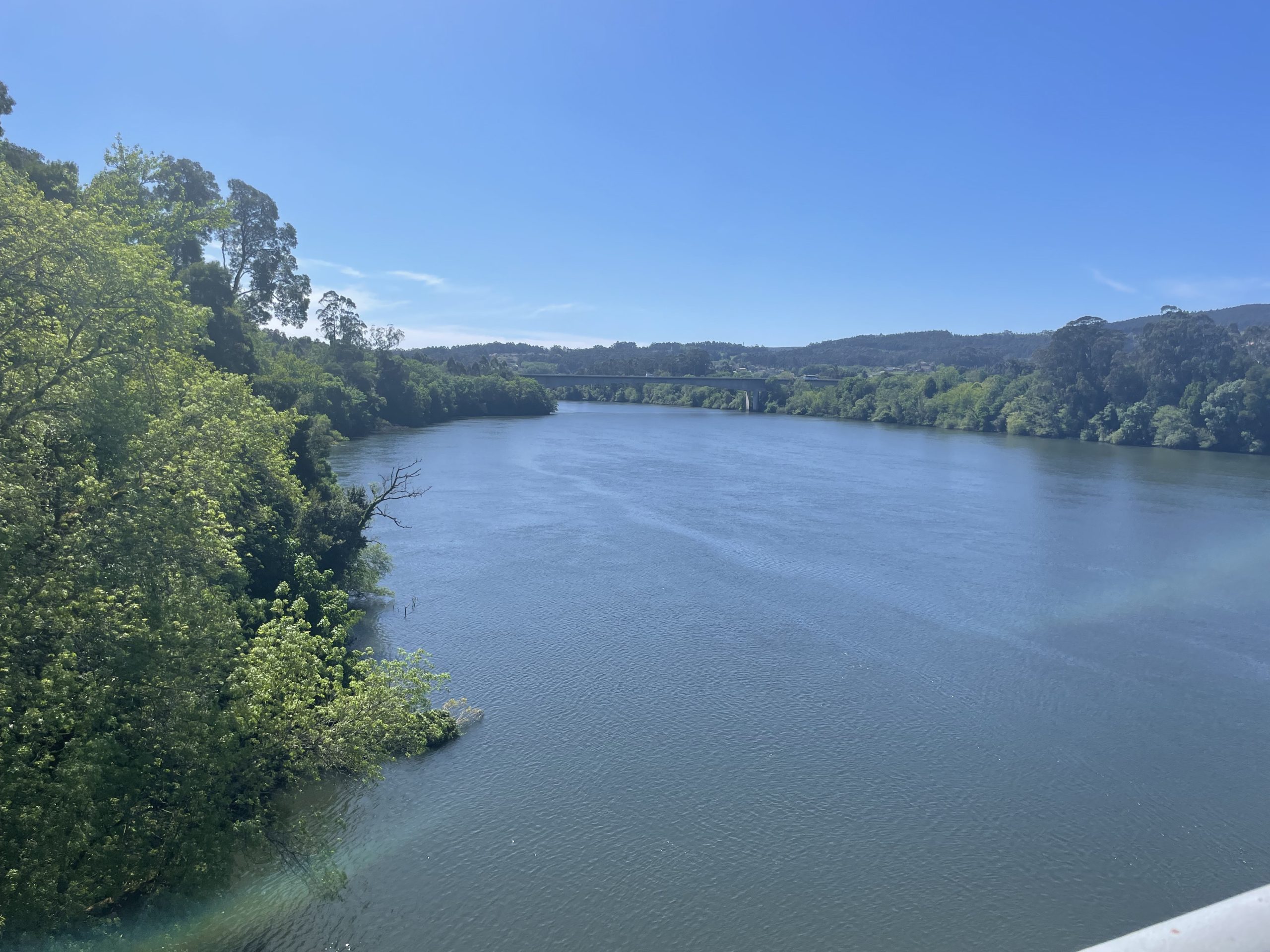
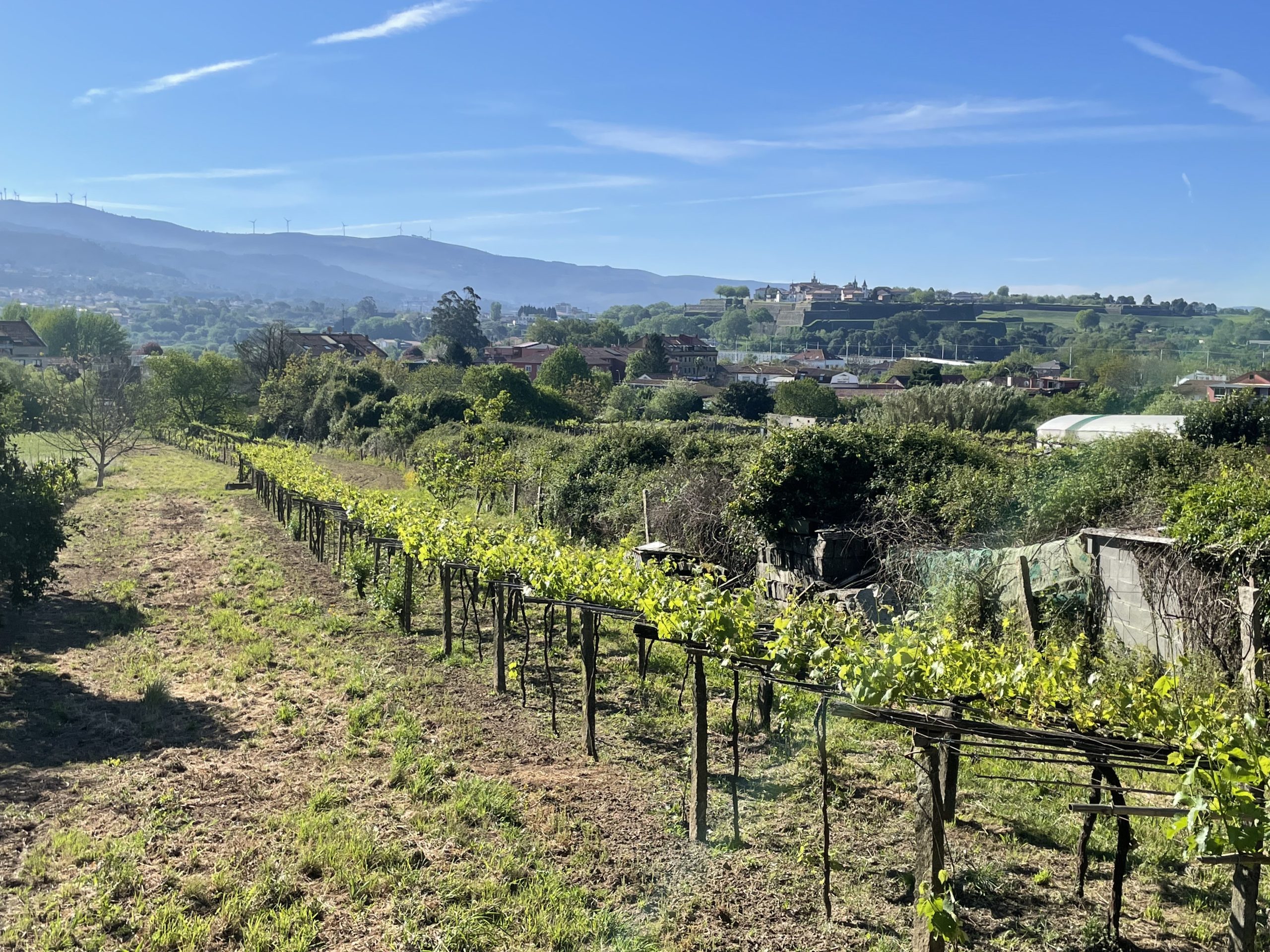
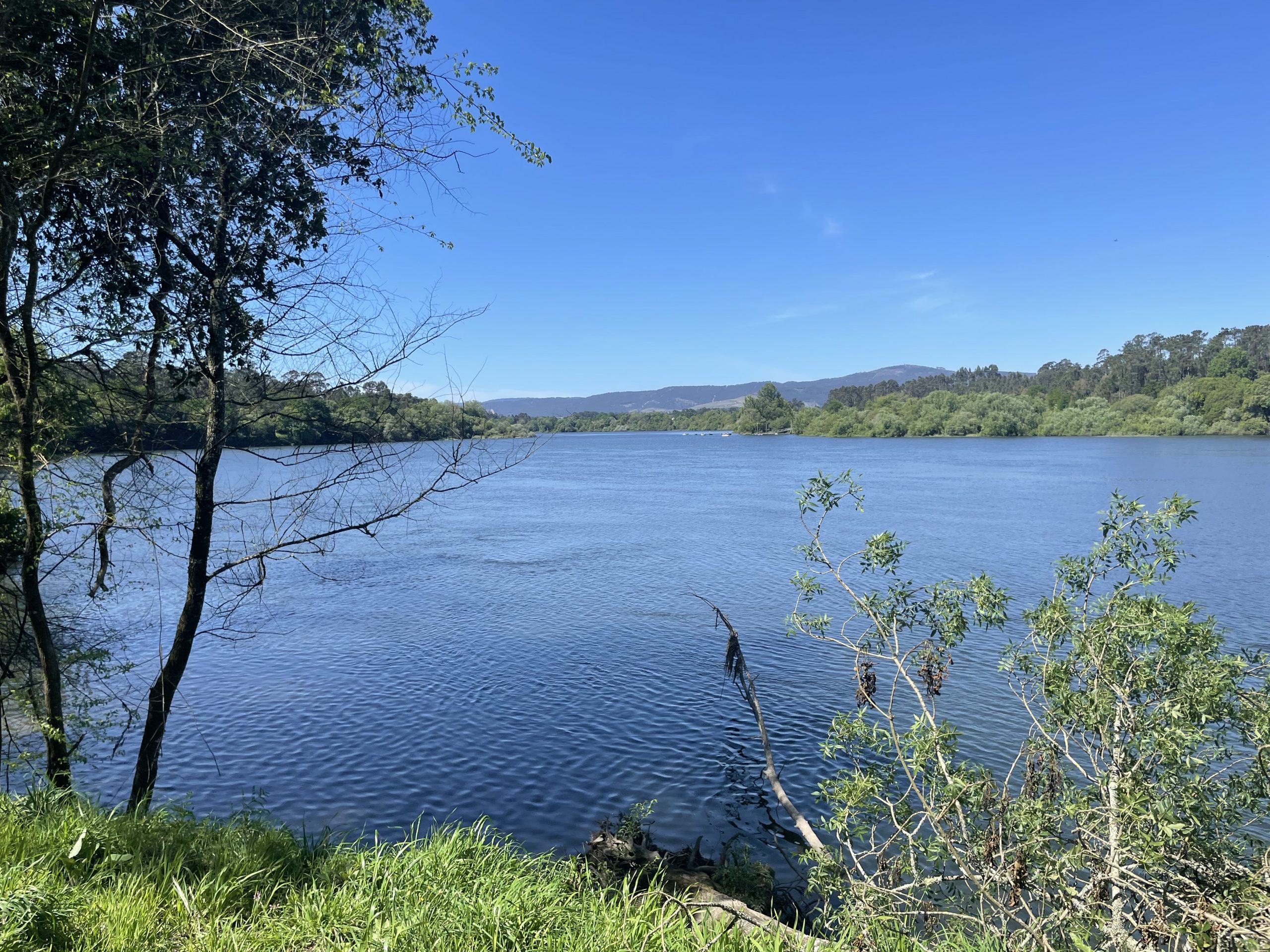 Heading upstream, the river narrows, and Spain is visible on the other bank, the river being the border with Portugal. The Camino is unusual relative to typical travel in that you don’t see much of the towns as, by the time you arrive, you want room, shower, wine, food and bed but, on the other hand, you experience all manner of rural details of flora, fauna, ancient dwellings and infrastructure. We’re lucky to be having dry, sunny weather, but there is running water everywhere, particularly where there is agriculture. Not talking about the typical American mega-agri farms but, rather, small plots that have been there for hundreds of years.
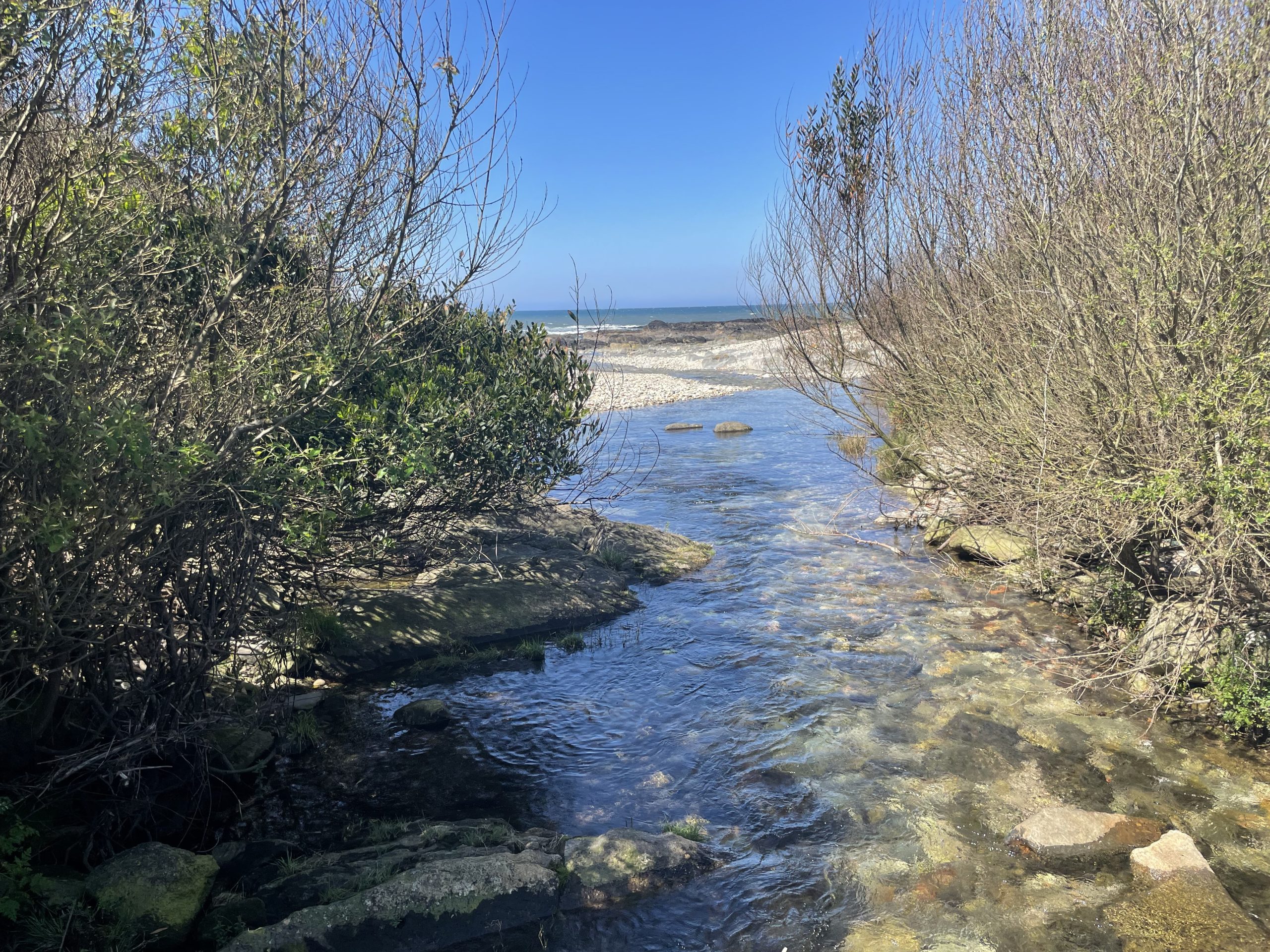
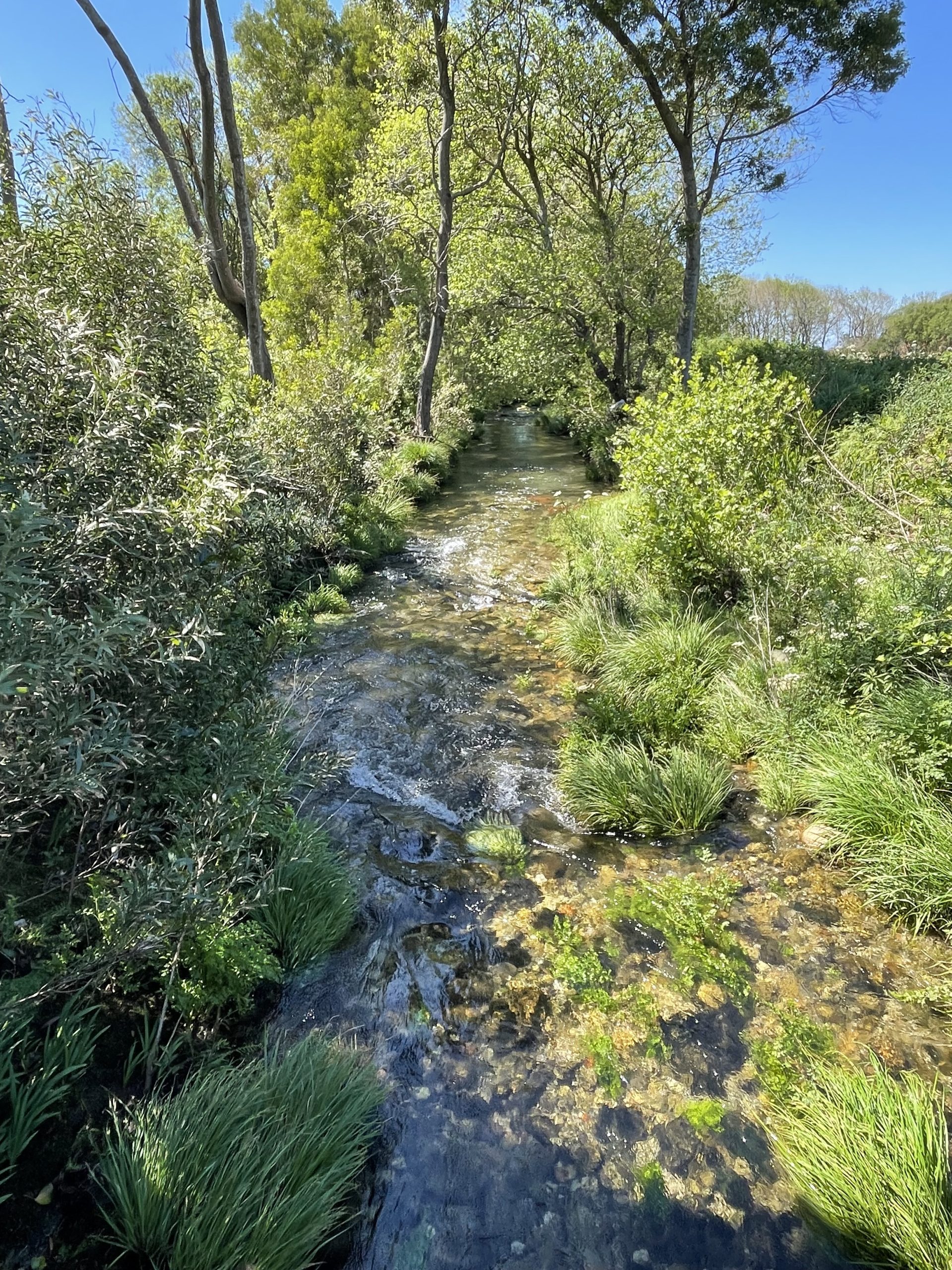
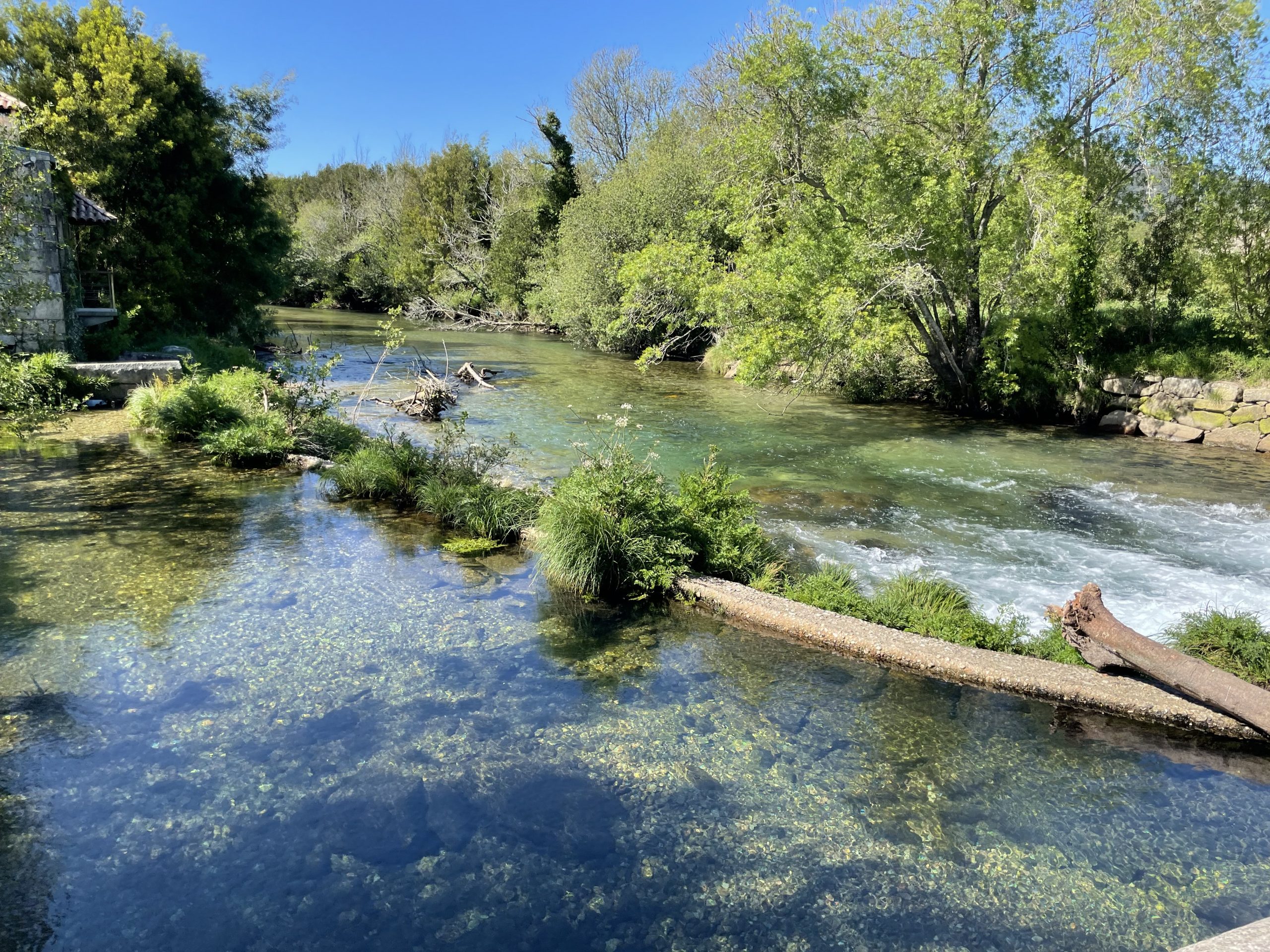 Stone channels of various designs direct the high velocity, crystal clear water – It hasn’t rained for a week or more, but there it is. Perhaps there are enormous dams or reservoirs or, as we find out later, when it rains in Western Iberia, it pours. It’s as green as NW Oregon in Spring and it is busting out all over.
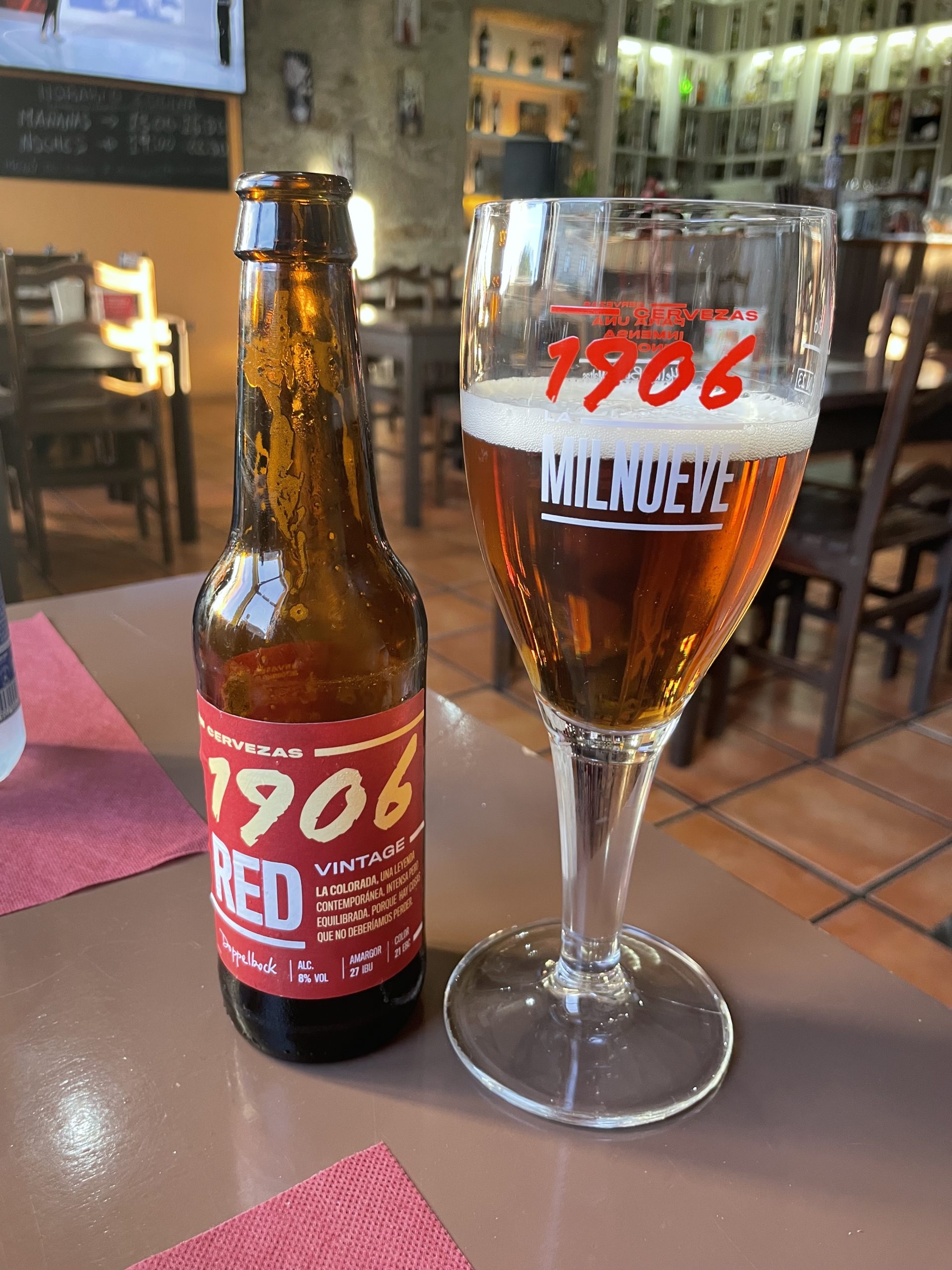
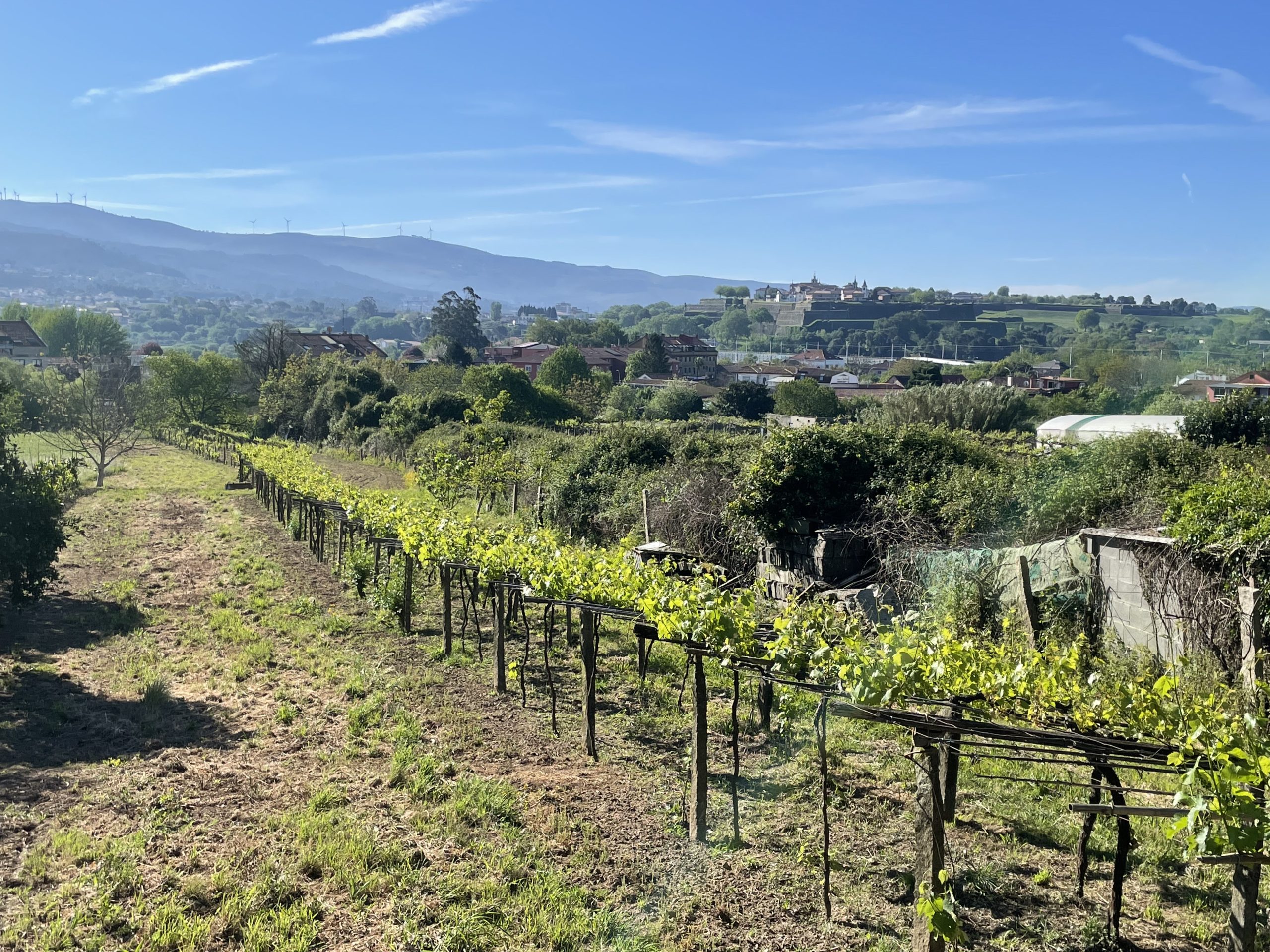 The Portuguese coastal route is not heavily favored by pilgrims, and its not peak season, so we’re on our own much of the time, and many of the Camino facilities are not yet open so, it turns out that this is the only section of our walk where access to food and water is very limited. The Camino is not at all comparable to, say, the Pacific Crest Trail but, for now, we experience some quiet and solitude to get us settled into the long walk. There’s a couple of very occasional down-home cafés on route, found in oceanside parks geared to the locals, which are appreciated for restroom access and a coke or beer. It’s a big contrast to the relatively glitzy peregrino cafes found closer to Santiago.
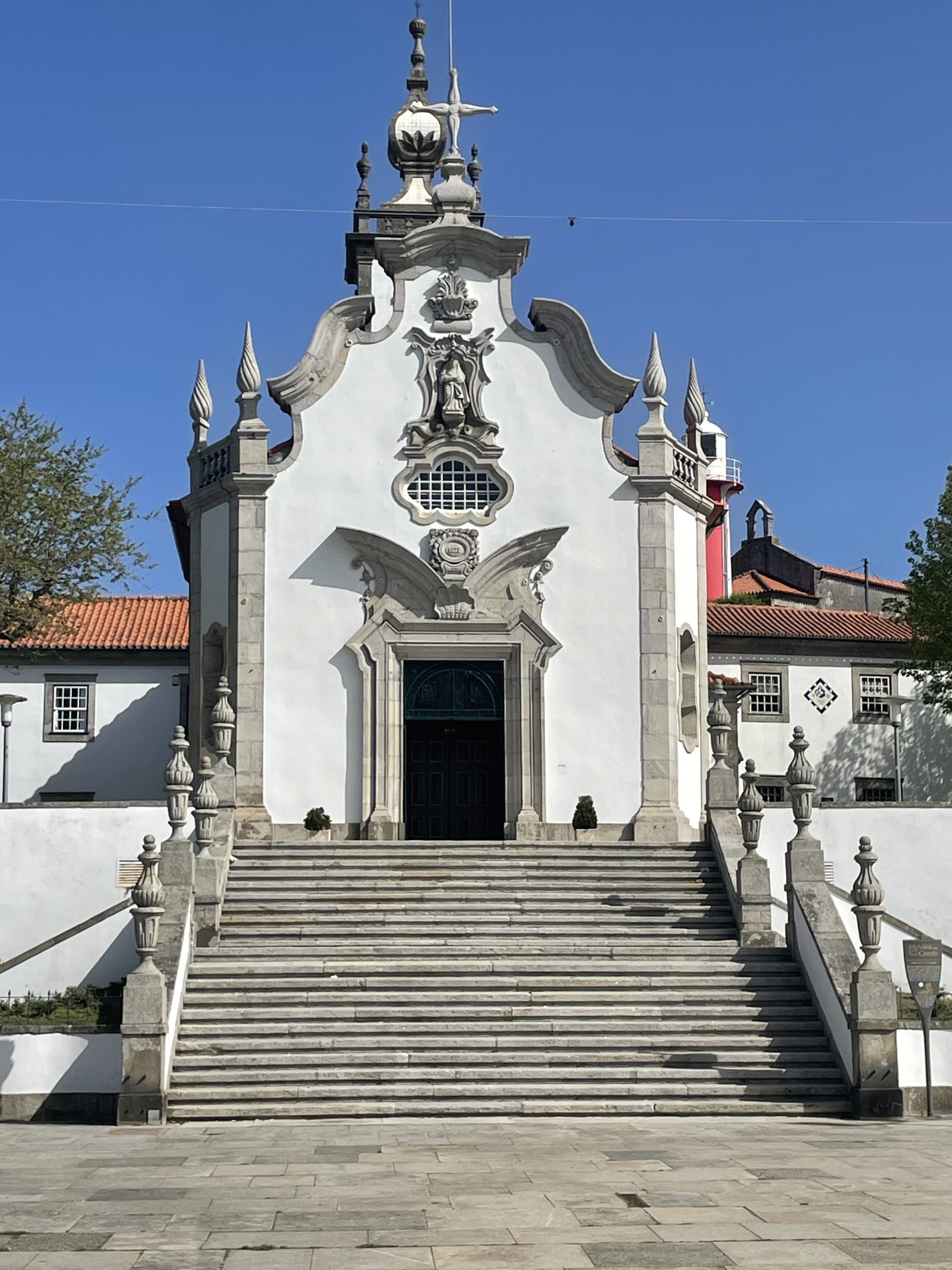
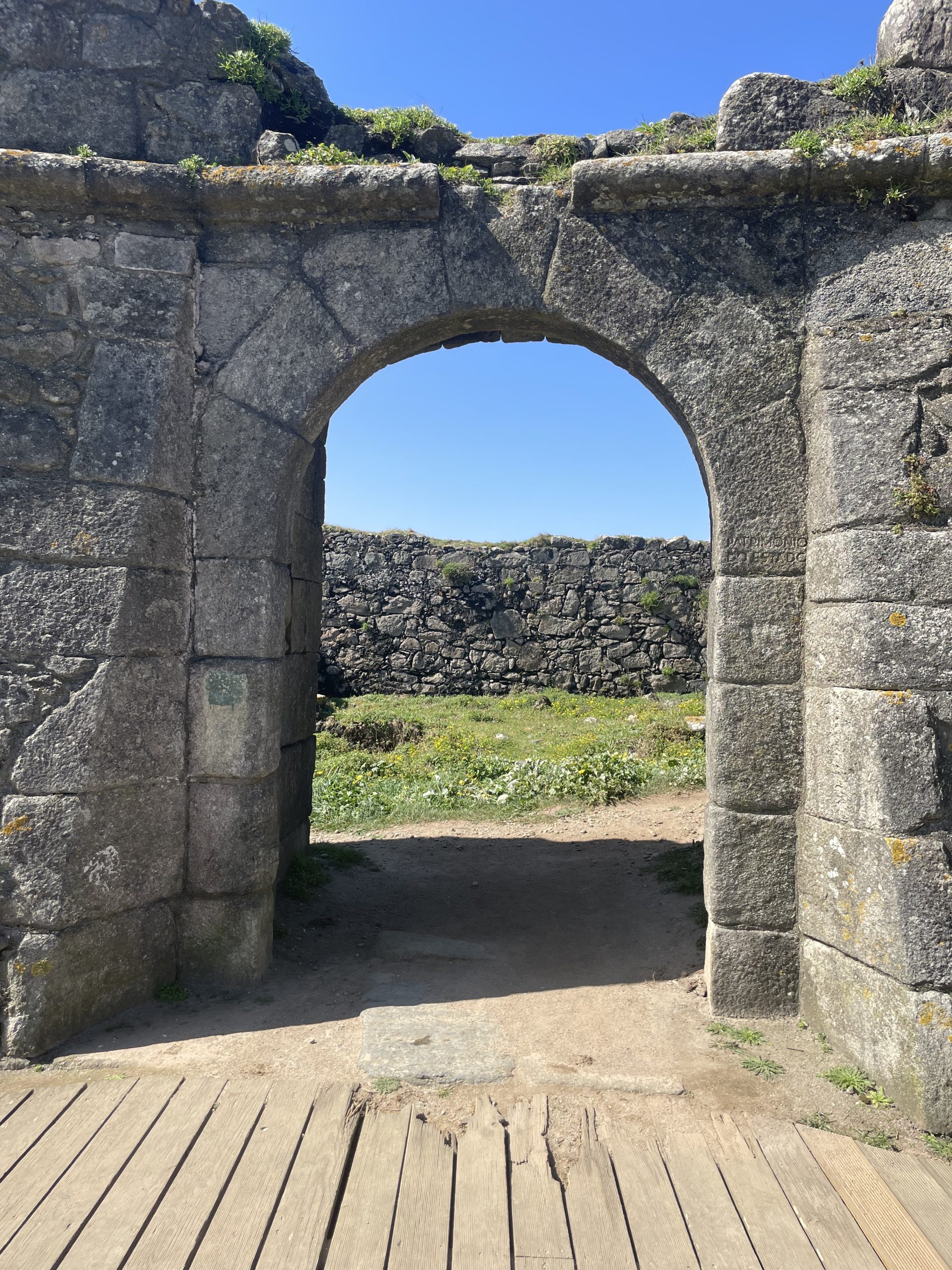
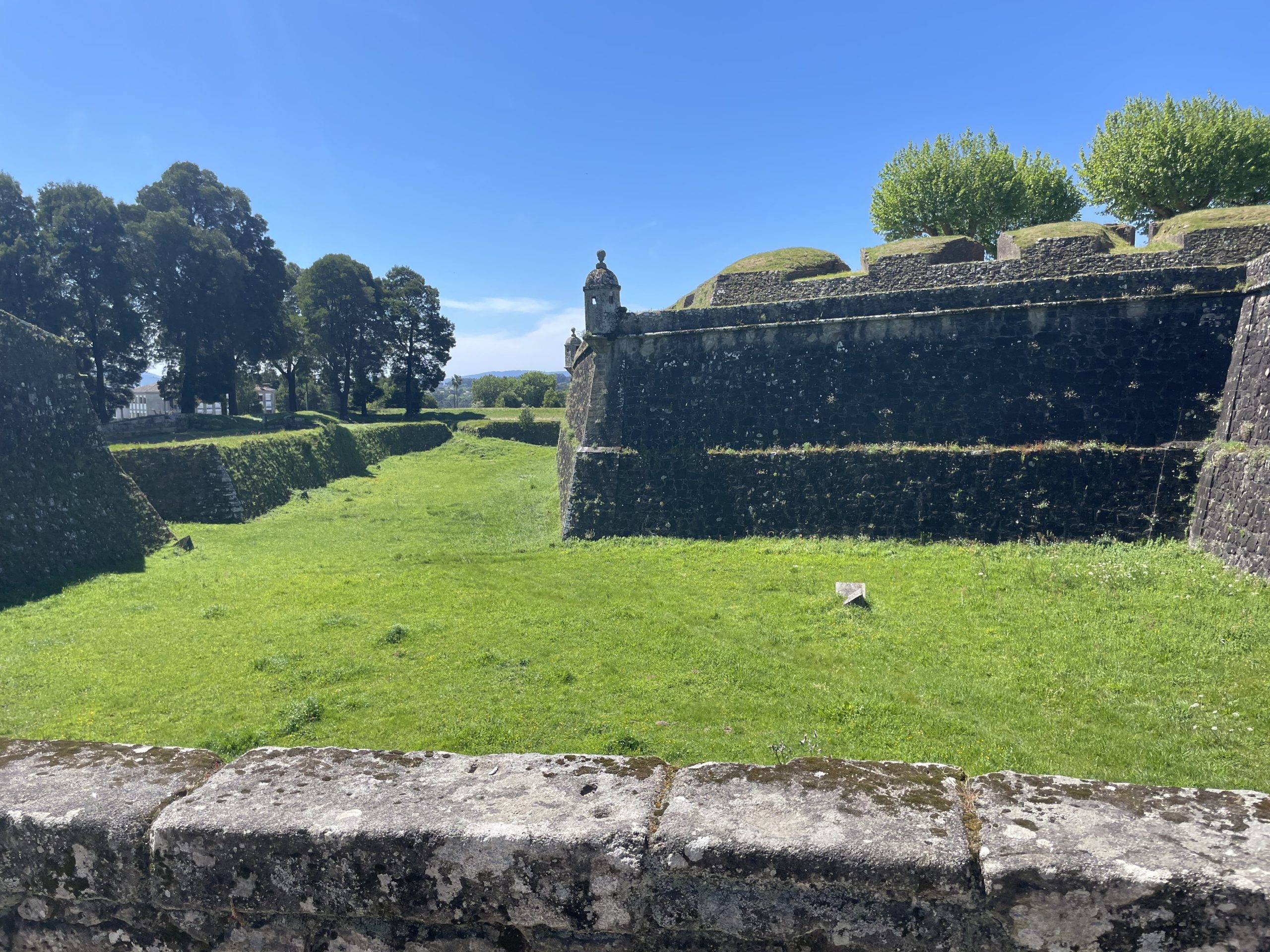
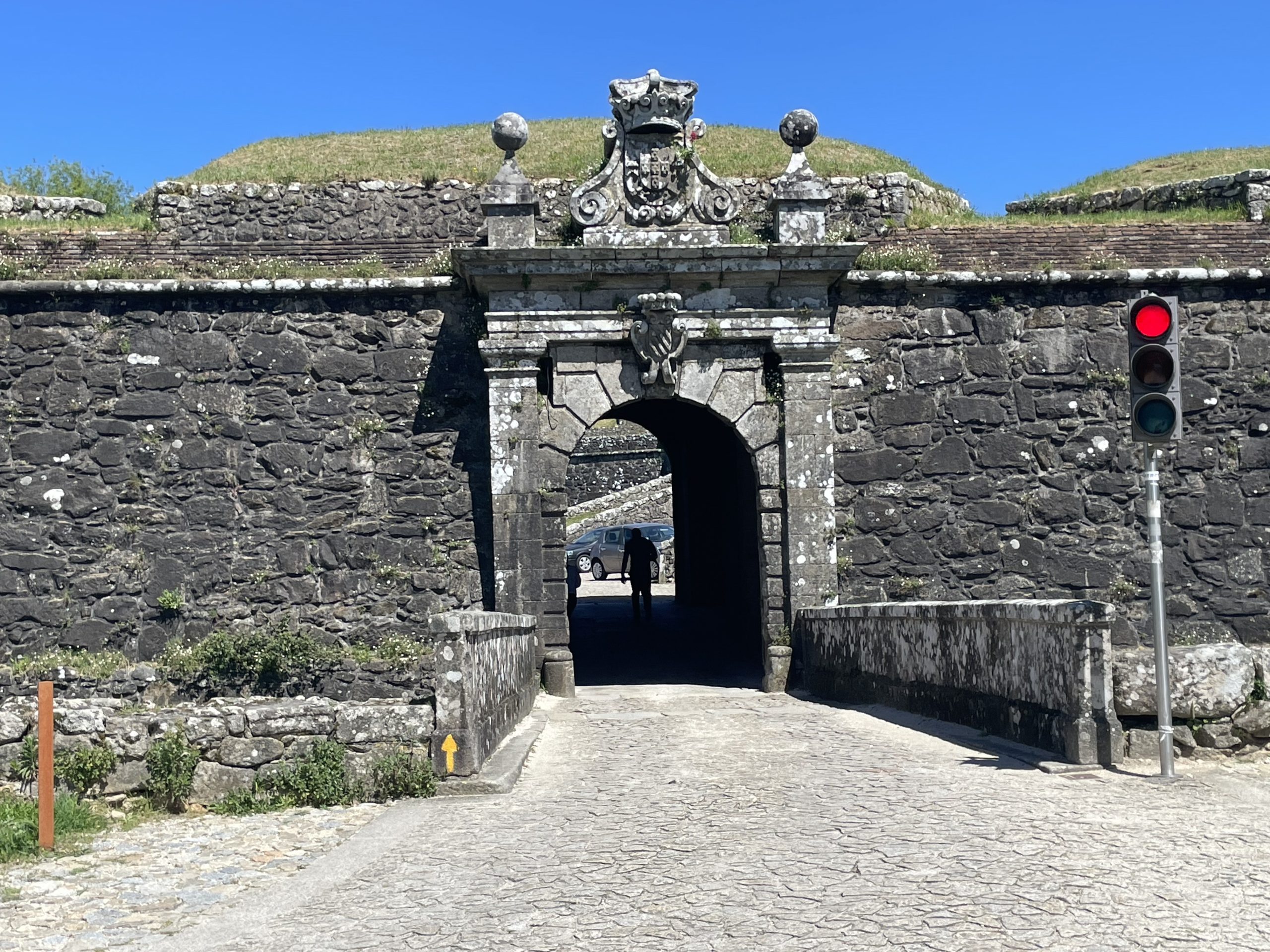
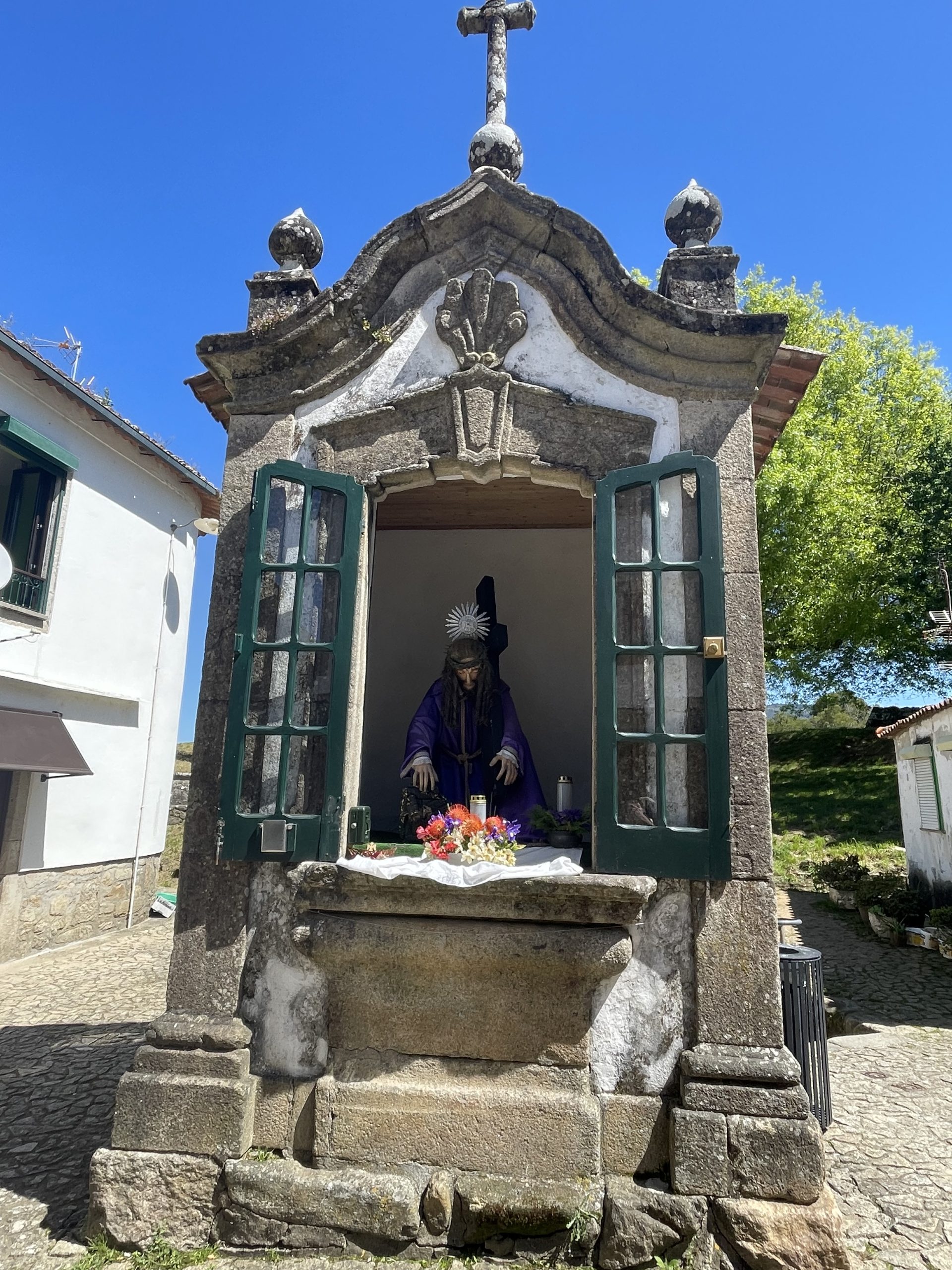
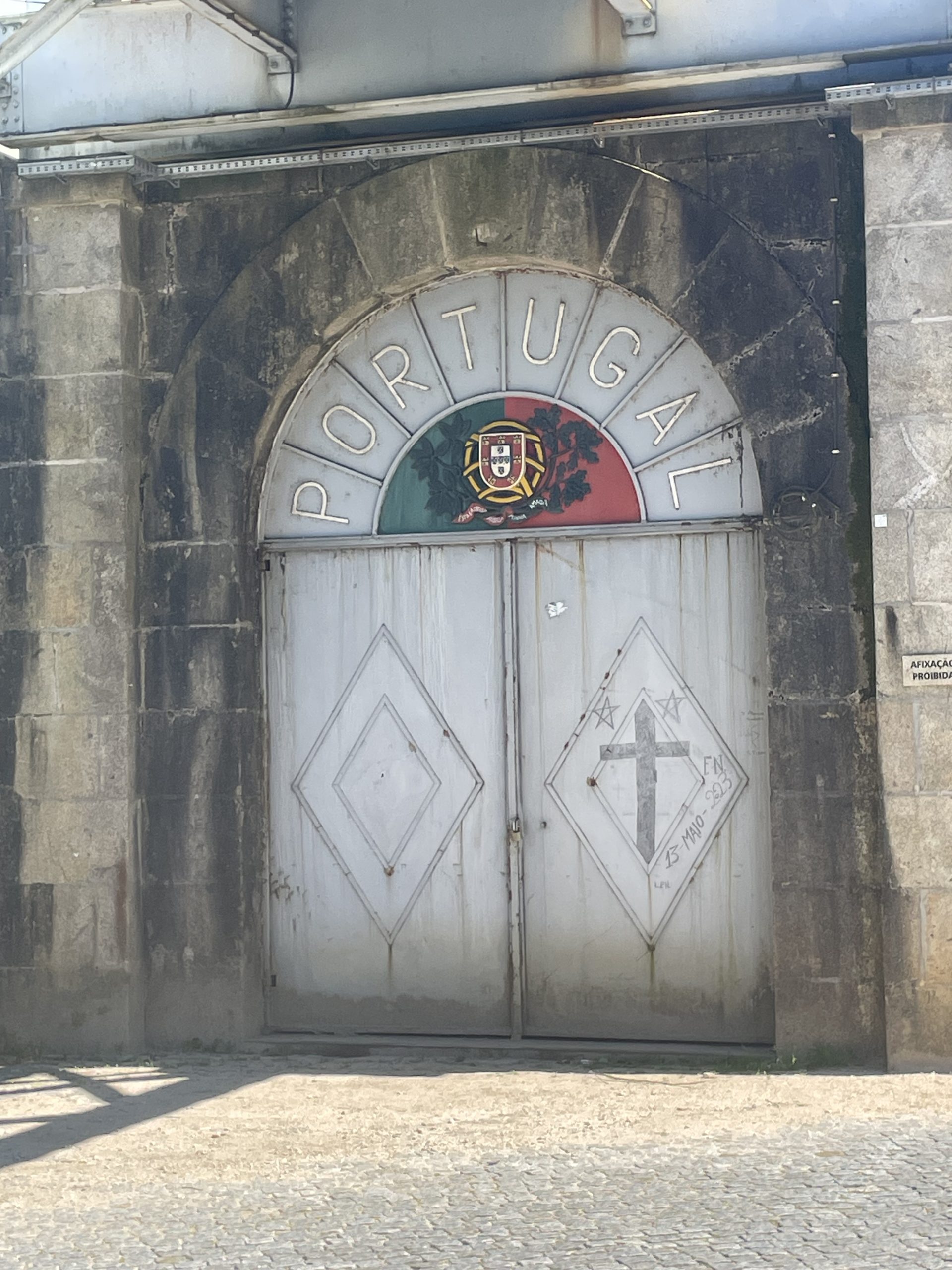
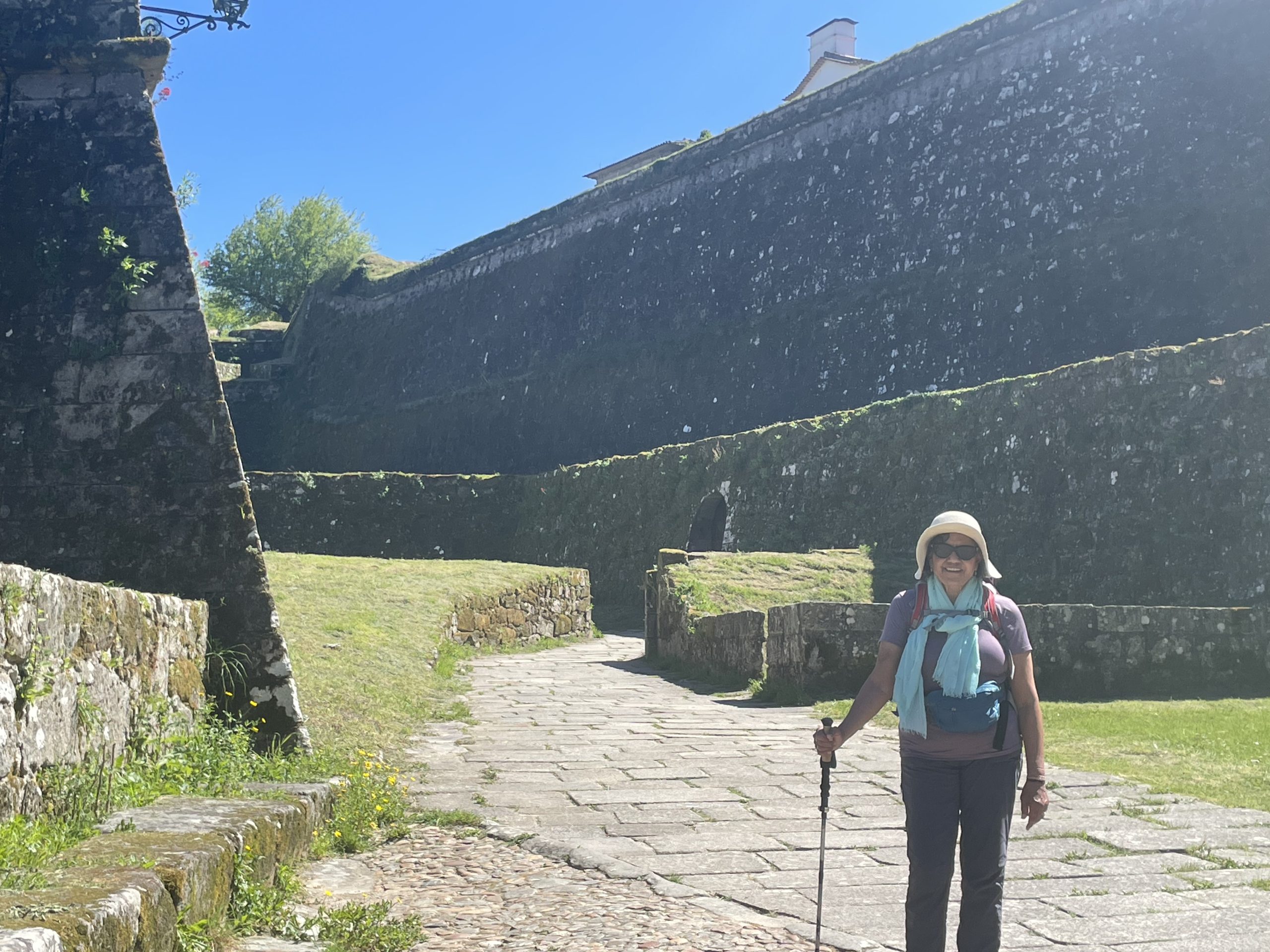
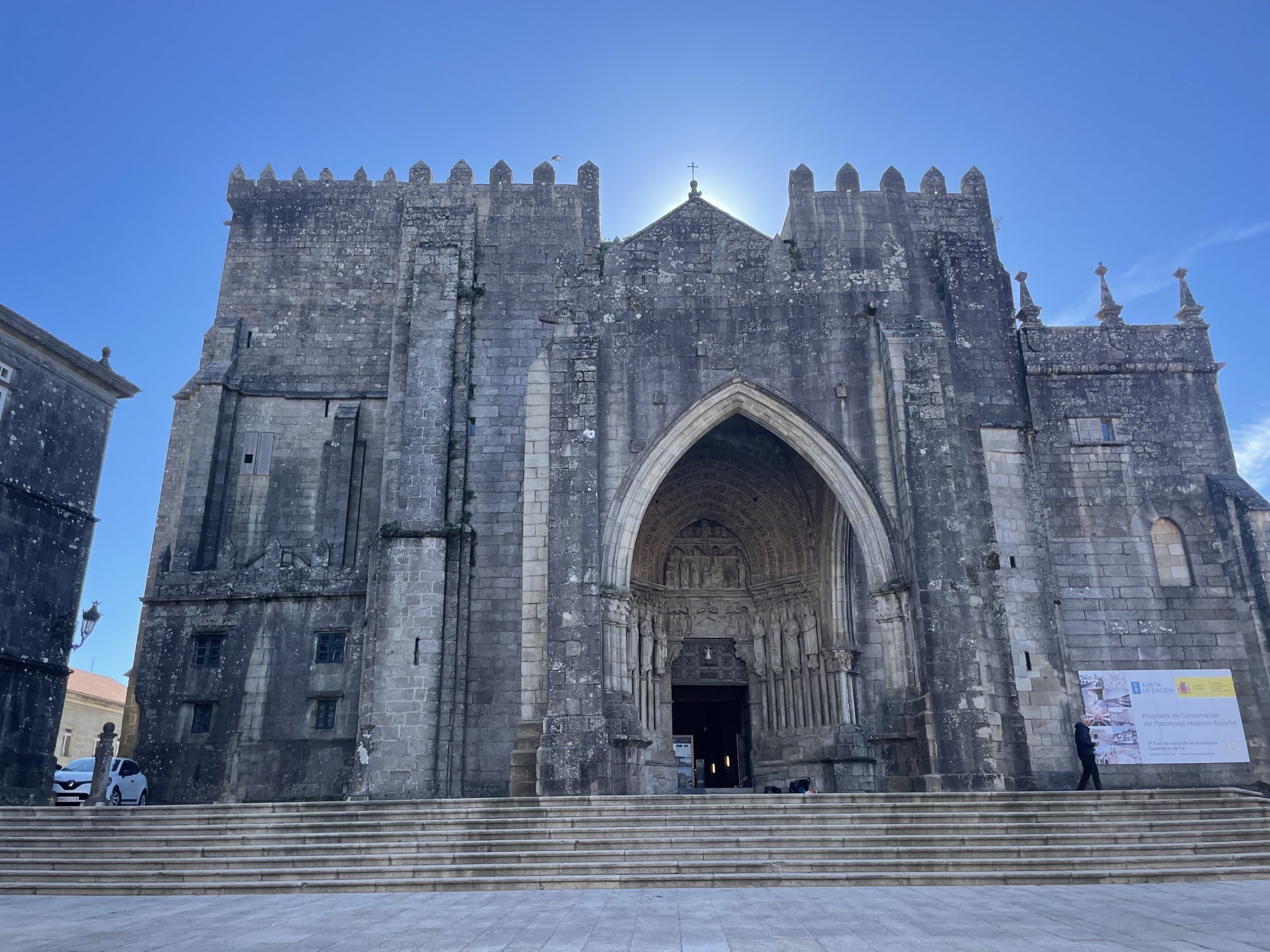
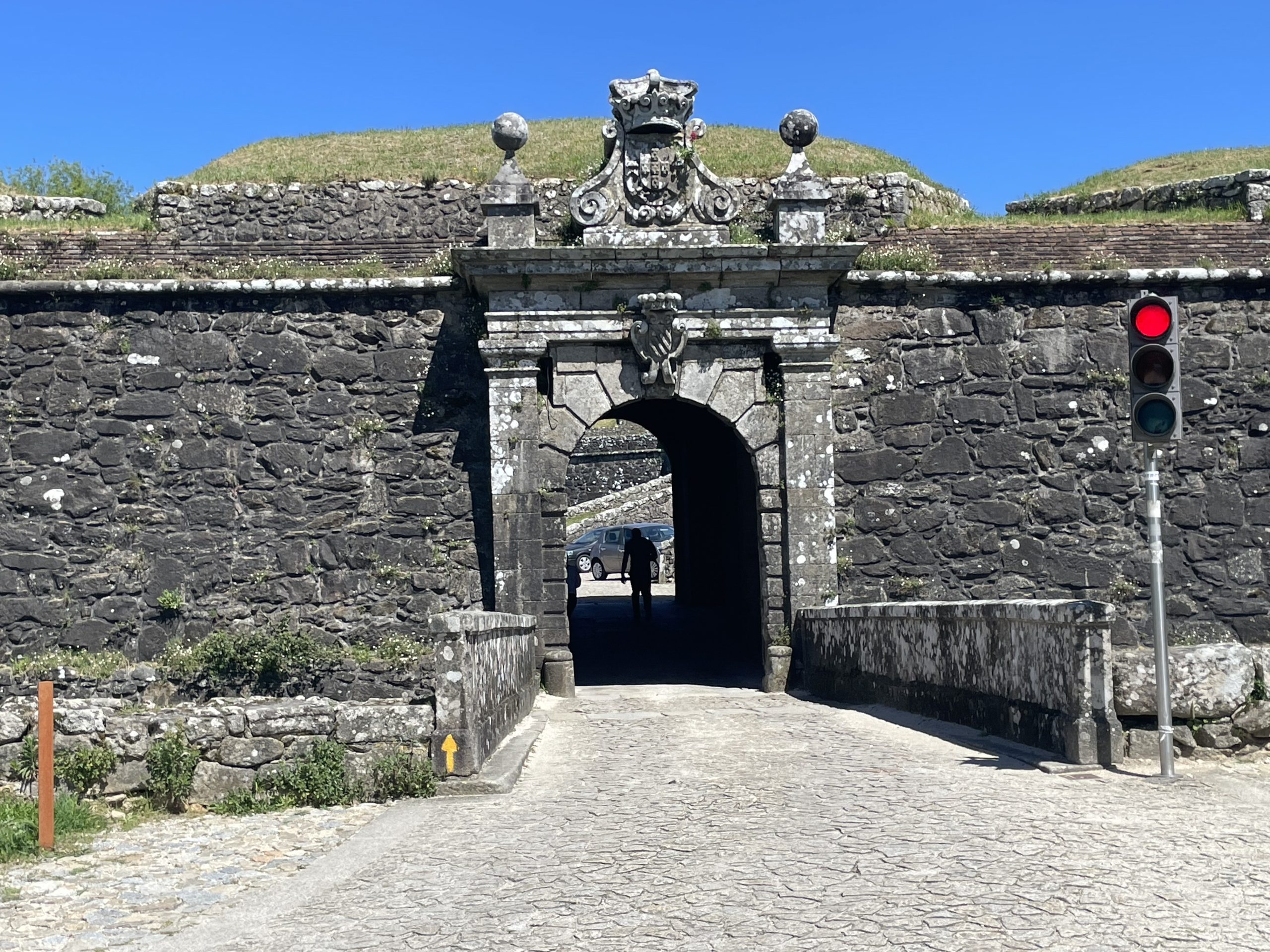 The dual towns of Valenca (Portugal) and Tui (Spain) are our next stop, and both provide our first solid doses of history outside of Porto with Valenca and Tui both dating back to Roman times or earlier. Courtesy of the EU, we cross the border on a bridge on foot with the security post unmanned, yet we continue to hear Portuguese, or maybe it’s the Galician language, on the other side. Galicia is another of the last outposts of the Celts, along with Brittany in France and the usual suspects in Ireland, Wales and Cornwall.
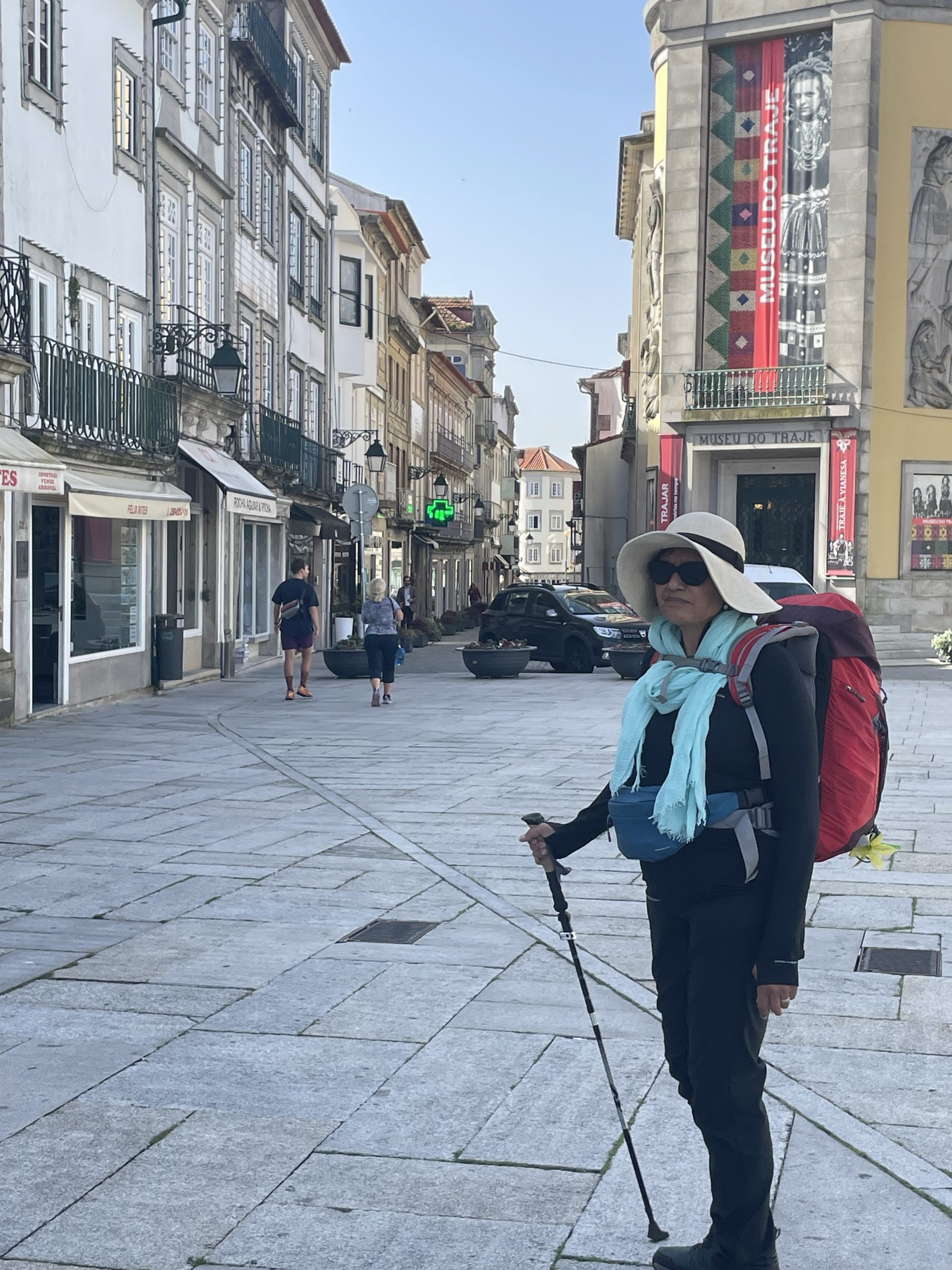 Sadly, we’ve already left Portugal behind, which is a shame as it’s a laid back, civilized place to which we will return. Galicia on tap, bring out the bagpipes.
Leave a Reply