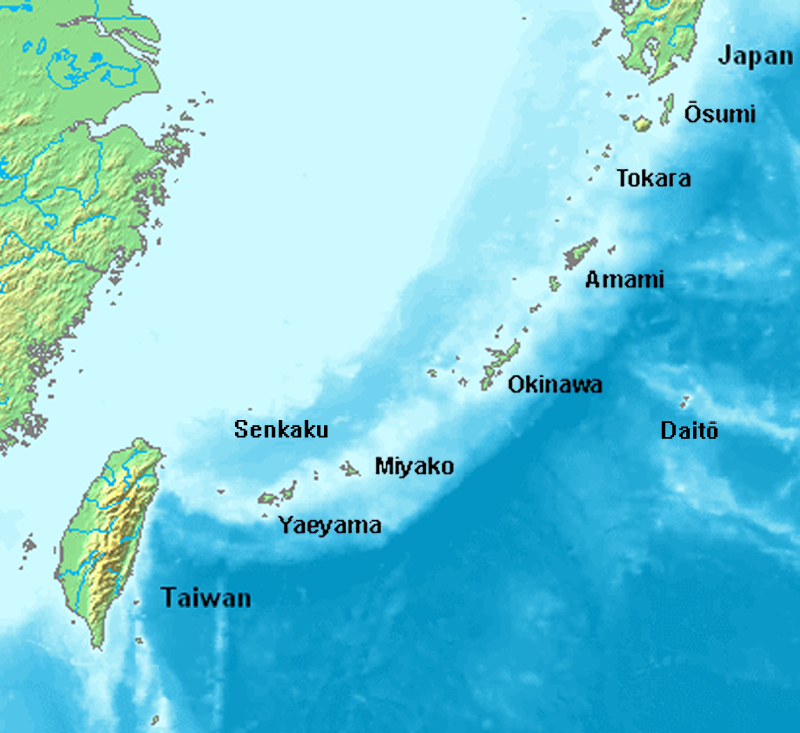
 Okinakawa Prefecture is an 600 mile long archipelago stretching South from Kyushu Island all the way to the vicinity of Taiwan. The biggest of the islands is Okinawa Island aka Honto, its main city is Naha and that will be our base for the next week. There’s no rail system to speak of, other than a monorail to downtown from the airport, and it’s spread out, so a car rental is the only real option. This’ll be our first time driving in Japan but word is the traffic is relatively light and laid back: Hope so. Our first Japanese domestic flight, using ANA, from Kagoshima goes smoothly, though there were a couple of lost in translation moments. The same goes for the rental car pickup, where a little bit of Japanese was really helpful.
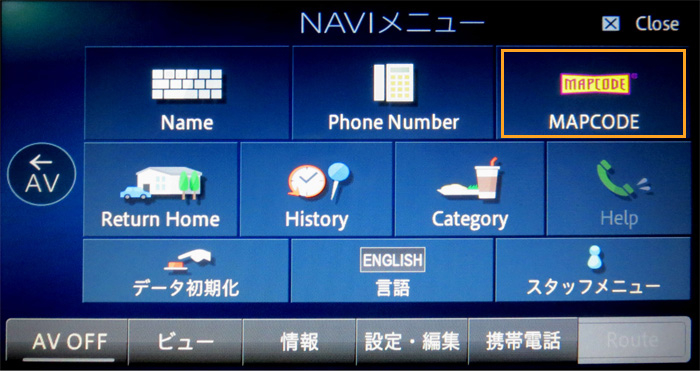
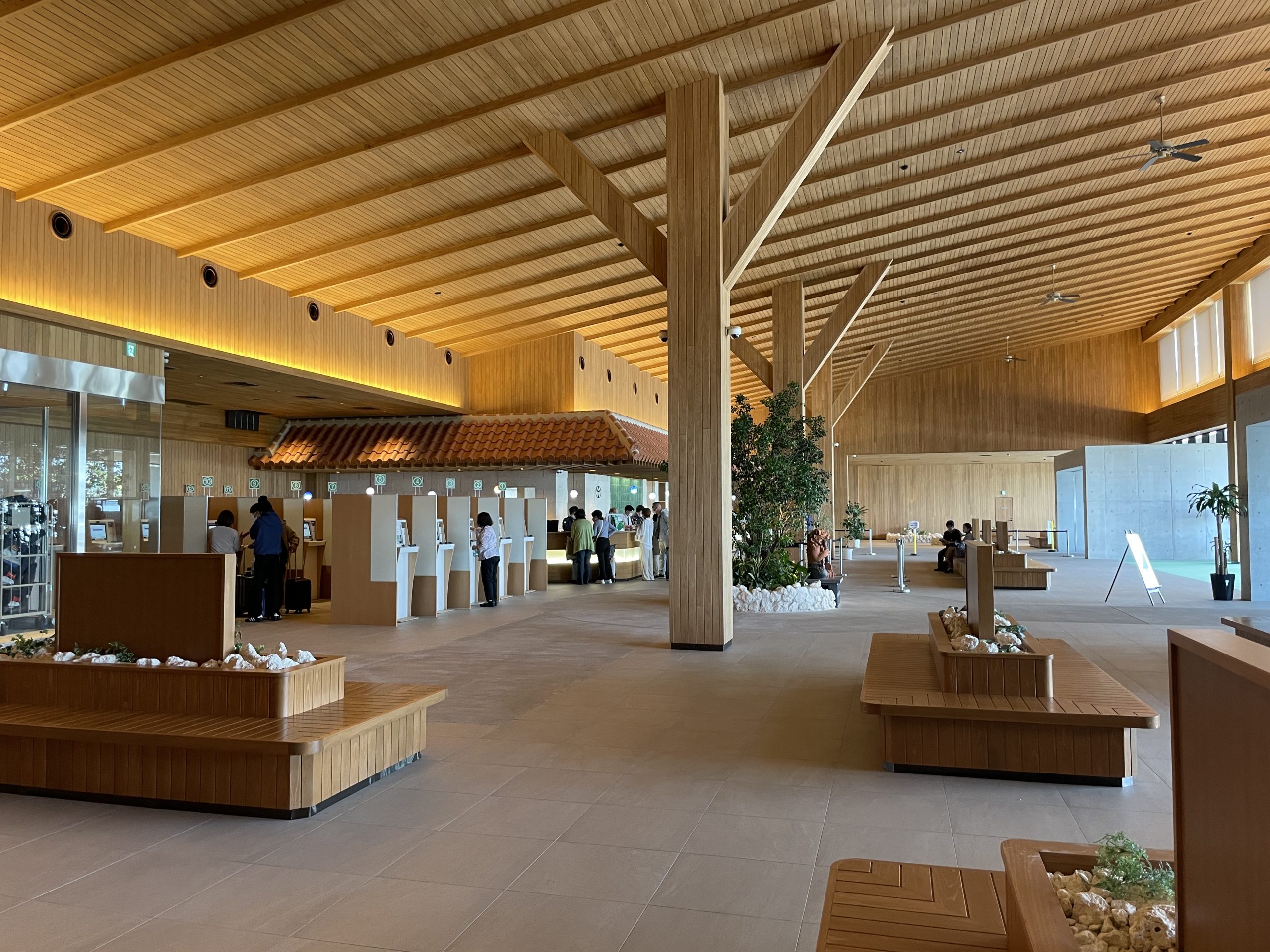 The Toyota rental facility was quite grand, and heavily over staffed, with folks running around earnestly attending to customer needs. Super fast pick up shuttle transfer from the terminal, though the rental facility seemed to be further away from the terminal than our accommodation! We ended up sitting in the car for about 20 minutes figuring out how things work in a Toyota made for the Japanese market. No USB outlet, we had to get a 12V adaptor from a 100 yen (dollar) store, superbly hidden gas cap release lever, Bluetooth connectivity (theoretically yes, but, actually, no for our phones) and, finally, the mystery of map codes, which are used because Japanese addresses are often not specific enough to get you where you need to go. Didn’t figure out map codes until the second rental but they worked well, later, with the on-board navigation system.
 We end up using Google maps on our own phones with a power bank: My phone eSIM originated in Hong Kong so, until I switch location to the US using VPN, we get the verbal driving instructions in Cantonese Chinese, which adds an unexpected degree of difficulty to my first driving experience in Japan. Of course, when you first arrive in a new place, and know very little about it, you can expect Siri and Google maps are going to take you on a backroad adventure, and this was no exception.
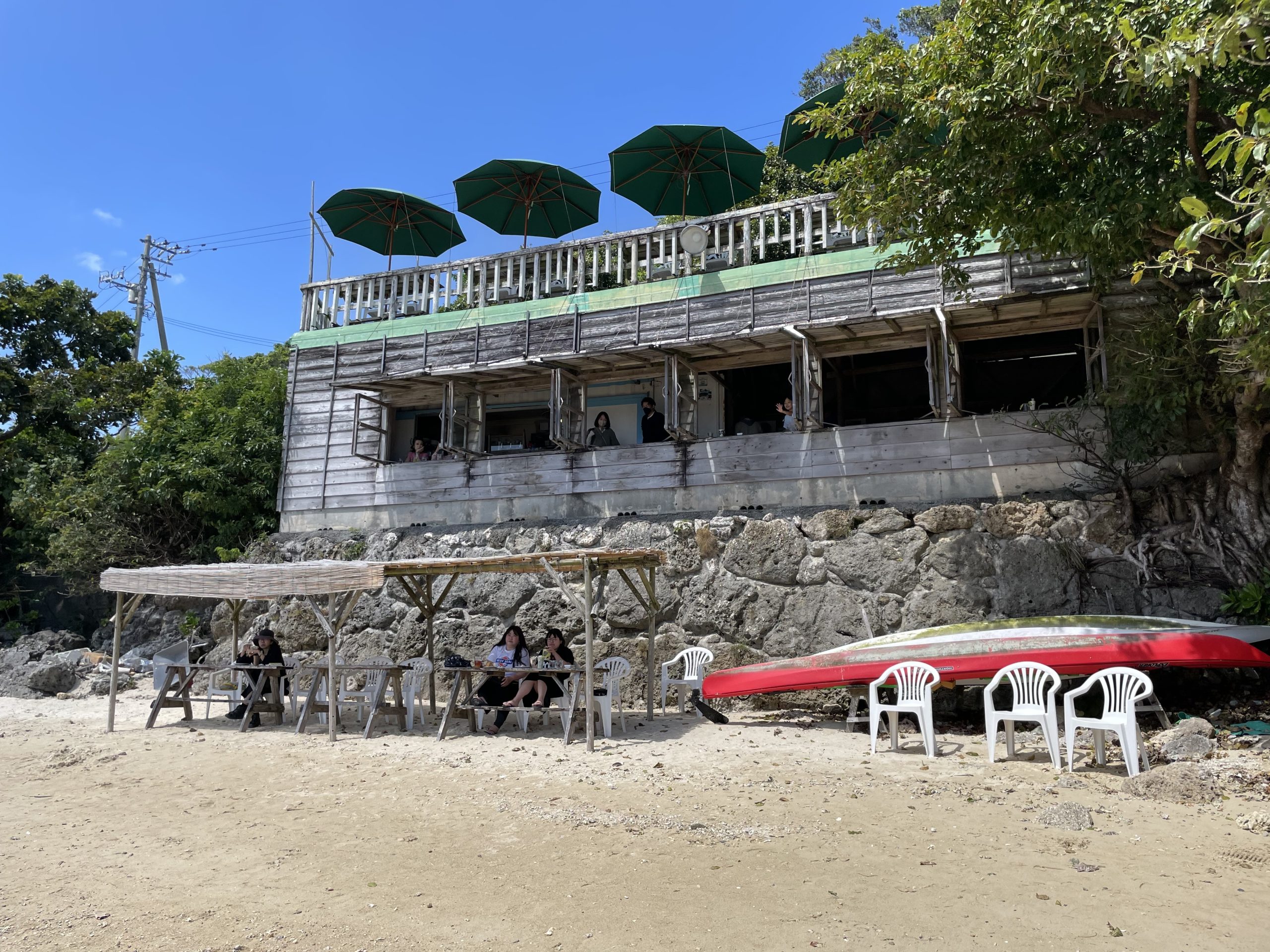
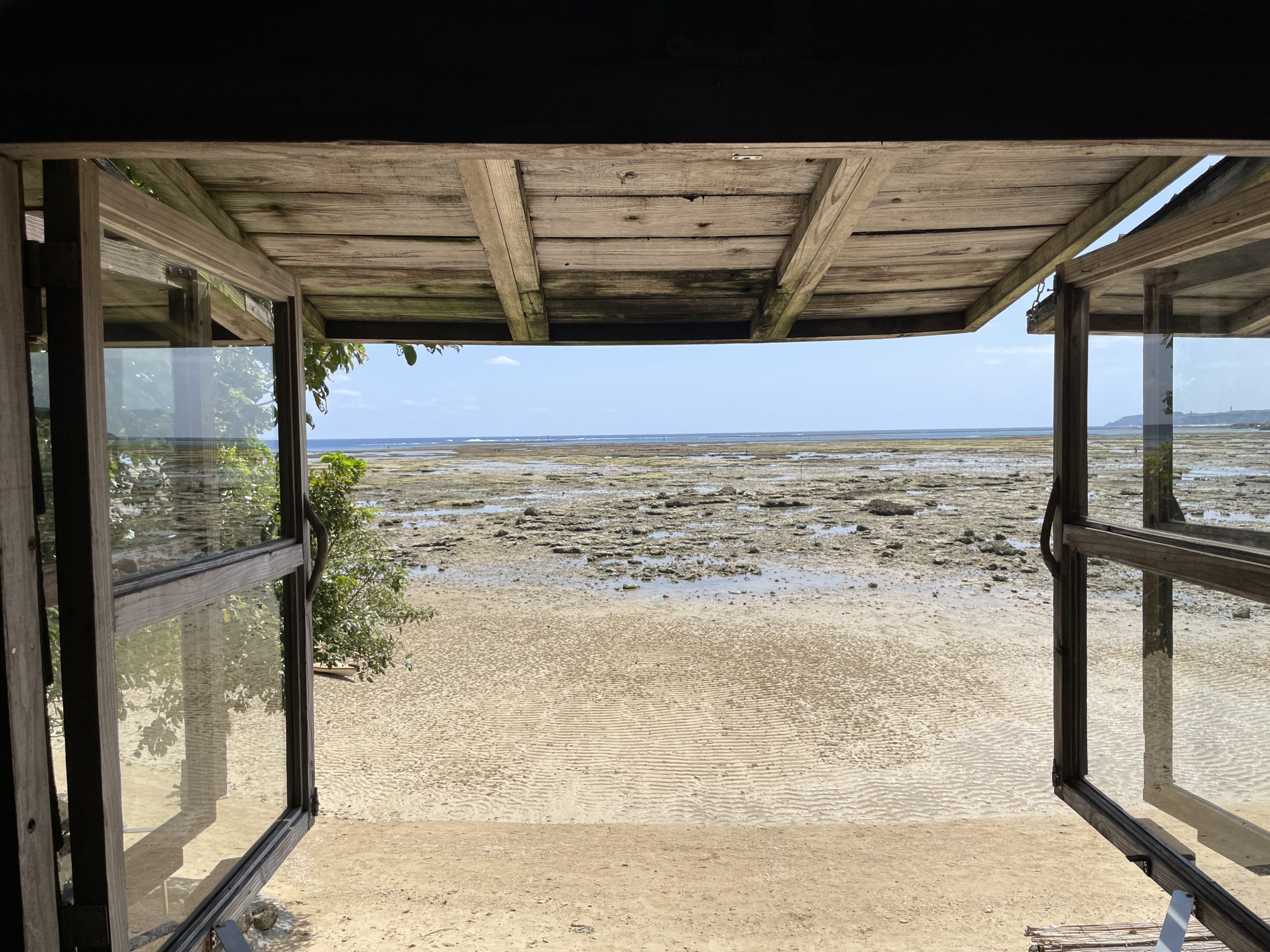 We arrived too early for Airbnb check-in so we thought we’d take a leisurely drive across the island to a beach in the SE corner of the island. Hey presto, “are you sure this is the right way, are all the roads in Okinawa this narrow, where is everyone, this is very rural isn’t it?” etc. It just turns out that we selected a rather obscure destination in a very quiet part of the island. We end up at a very rustic beachside café, which was cool enough, but unlike anything else we encountered for the rest of our time in Naha. So it goes.
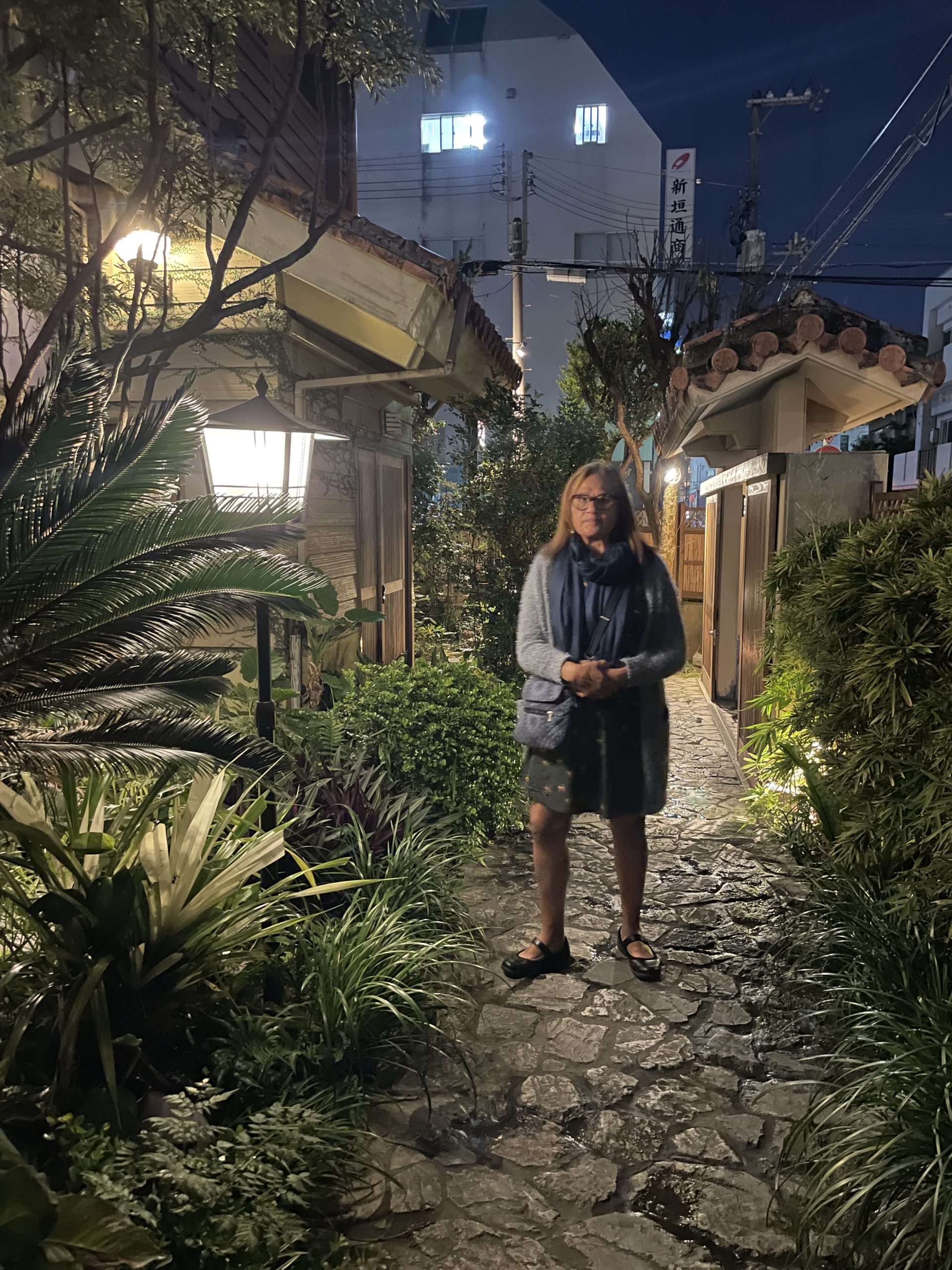
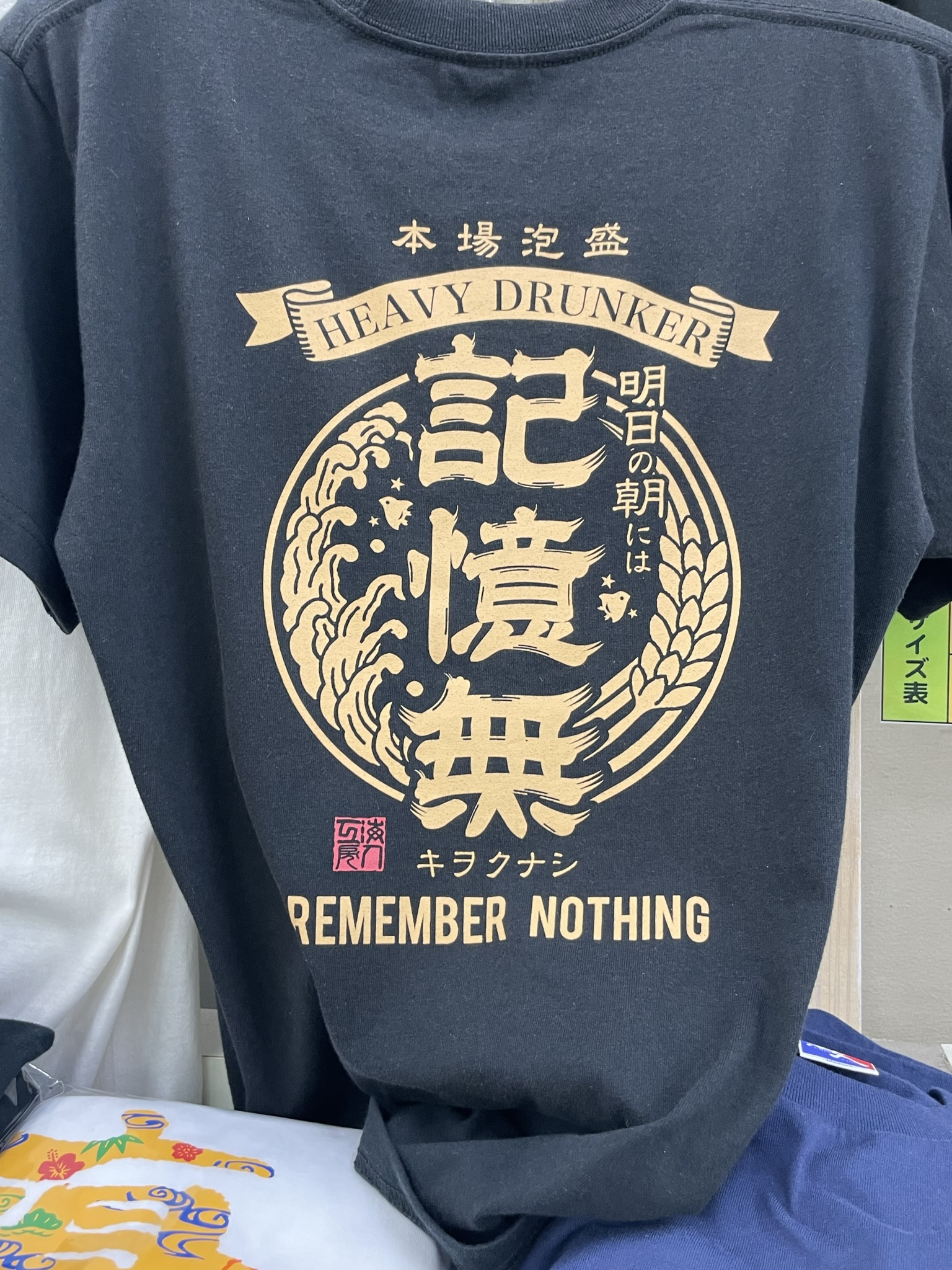 We’re staying in an Airbnb apartment right in Naha City but not, unlike Kagoshima, in the belly of the beast but, rather, a kilometer of so away from ground zero in an unflashy neighborhood which has low key but interesting restaurants, bars and other small businesses, plus a healthy assortment of combinis. 7-11 has the edge for me over Family Mart and Lawson’s for the prepped food and the underwear selections! For those who’ve never been to Japan, the only thing 7-11 here has in common with those in the US is the name and, presumably, some commonality in global ownership. As a tourist, combinis are definitely your friend.
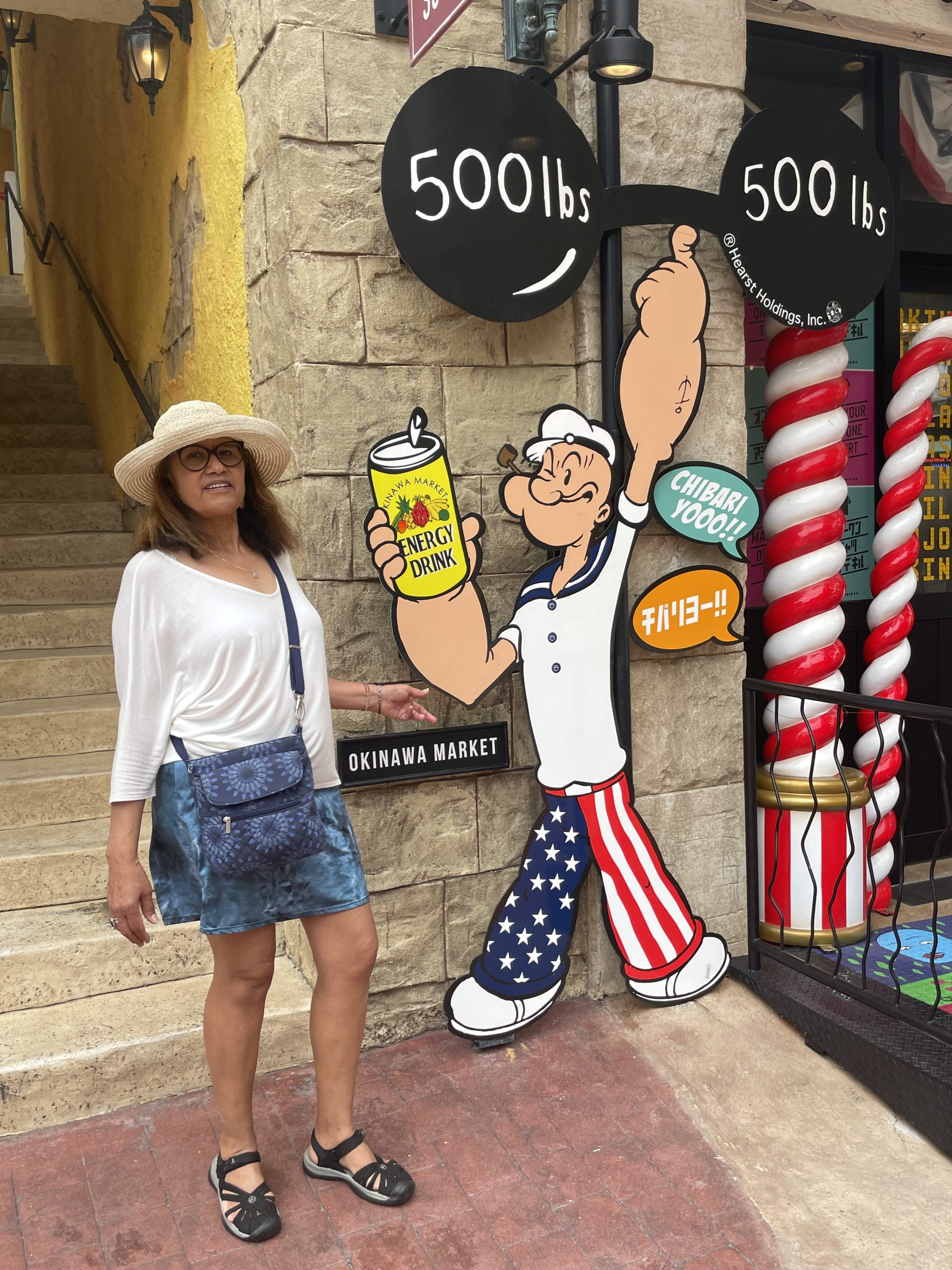 Okinawa has name recognition in the West for its key role in the waning days of World War II, and the legacy of those dark times still remain, as this is where the vast majority of the US military bases in Japan are located. They are, virtually, all compressed into the central section of Honto, which is just one of the 11 or so main islands of the prefecture. Certainly, you can’t miss the bases, as their entrances are right off the main North-South highway and, if you’re in one of the mega-shopping malls in that area, you will see a few serviceman and their spouses in civvies. The businesses in the vicinity certainly use more English, and their promotions reflect Western tastes, but the superficial impact is less than I expected: There are no groups of young serviceman off base whooping it up, and a minimum of military trappings in general. It looks like the US is very sensitive to Okinawa concerns, doing its best to keep a lid on things and not rile up the locals. So, there’s that, and then several fighter jets come screaming overhead at Motörhead decibel levels. That is repeated regularly during the day with an impressive assortment of aerial hardware. This is, mostly, limited to the central section of Honto but, Holy Jesus, it is ear meltingly loud. I guess the locals get used to it, and have chosen to stay there due to the economic upside, but it’s just too much for us and we retreat to our downtown accommodation further South on the island.
 Given the history, there are a number of attractions and historical exhibits related to the 1945 Battle of Okinawa: As the Allies advanced, the Japanese Army used Okinawa as a sacrificial piece to slow down the US’s progress long enough to improve Japan’s bargaining position. The local population were thrown under the bus by the Japanese military, and the US’s advance was of the scorched earth variety, so it was a terrible situation. Abby and I visit the Himeyuri Peace Museum, based on the experiences of Japanese high school girls forced to act as field nurses and logistical support in the final days of the Allied assault, then abandoned by the Japanese military. It’s a very moving place and, emotionally, beyond the scope of this travel blog, but a visit is recommended if you make it to Okinawa.
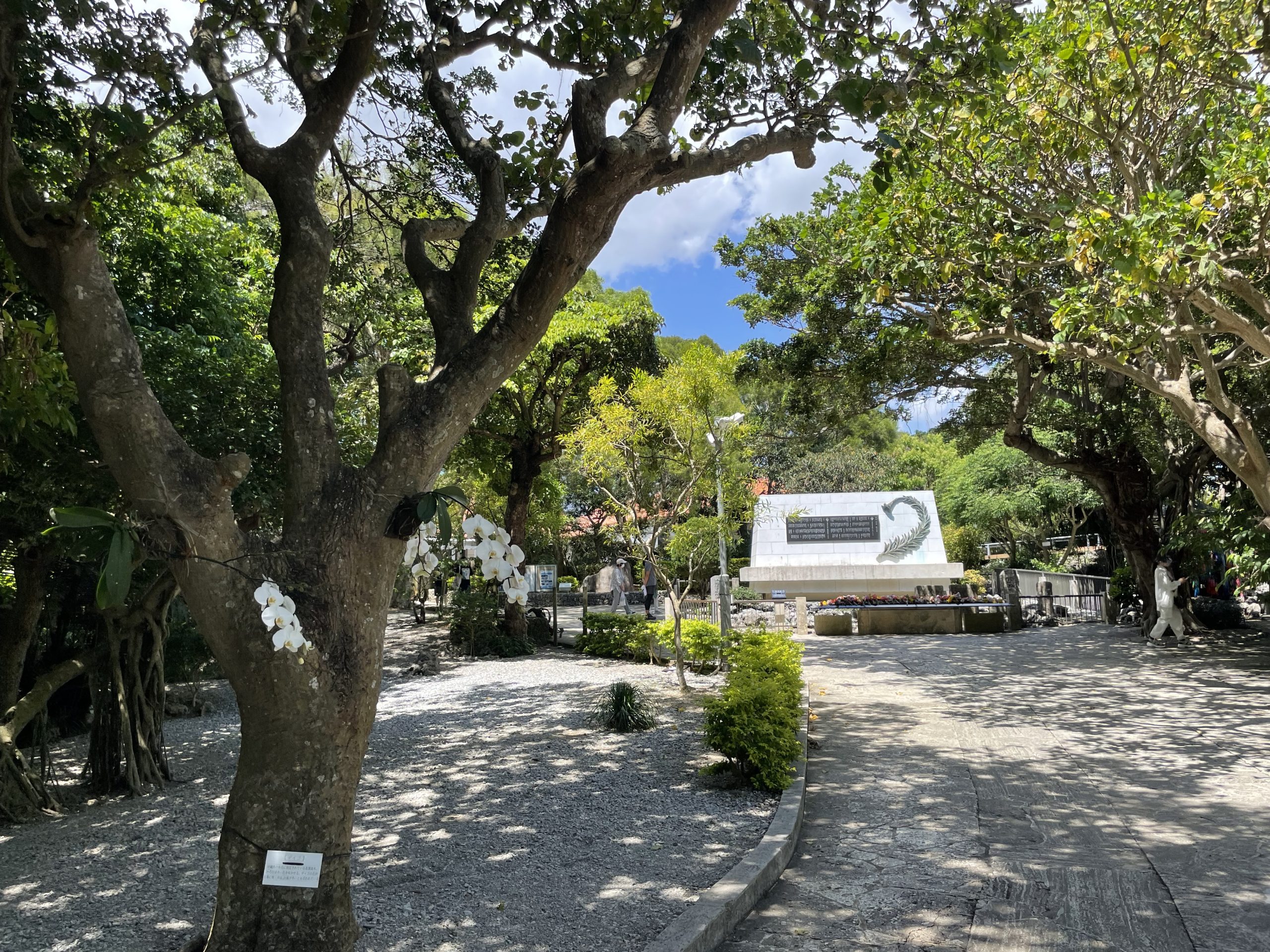
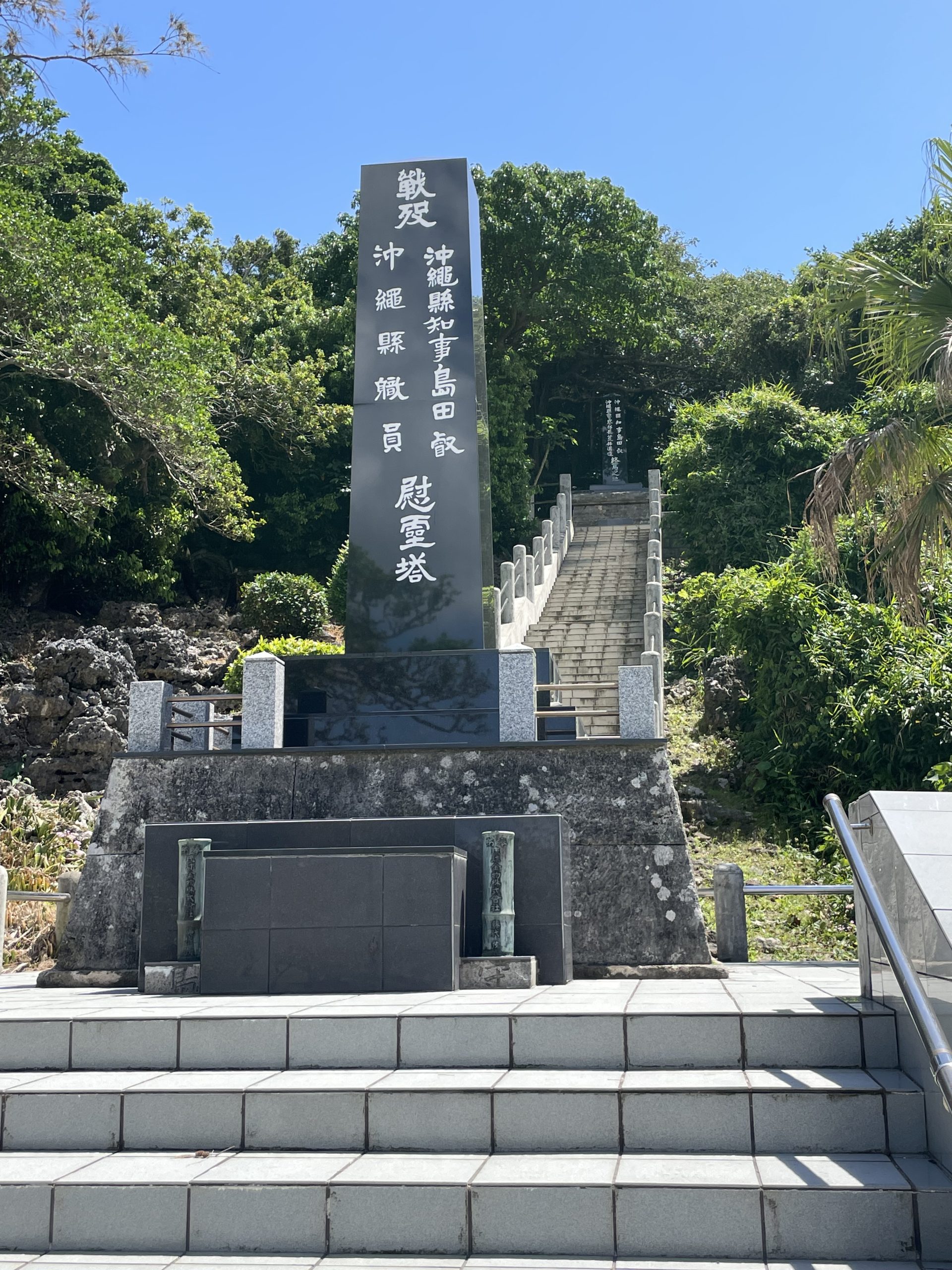
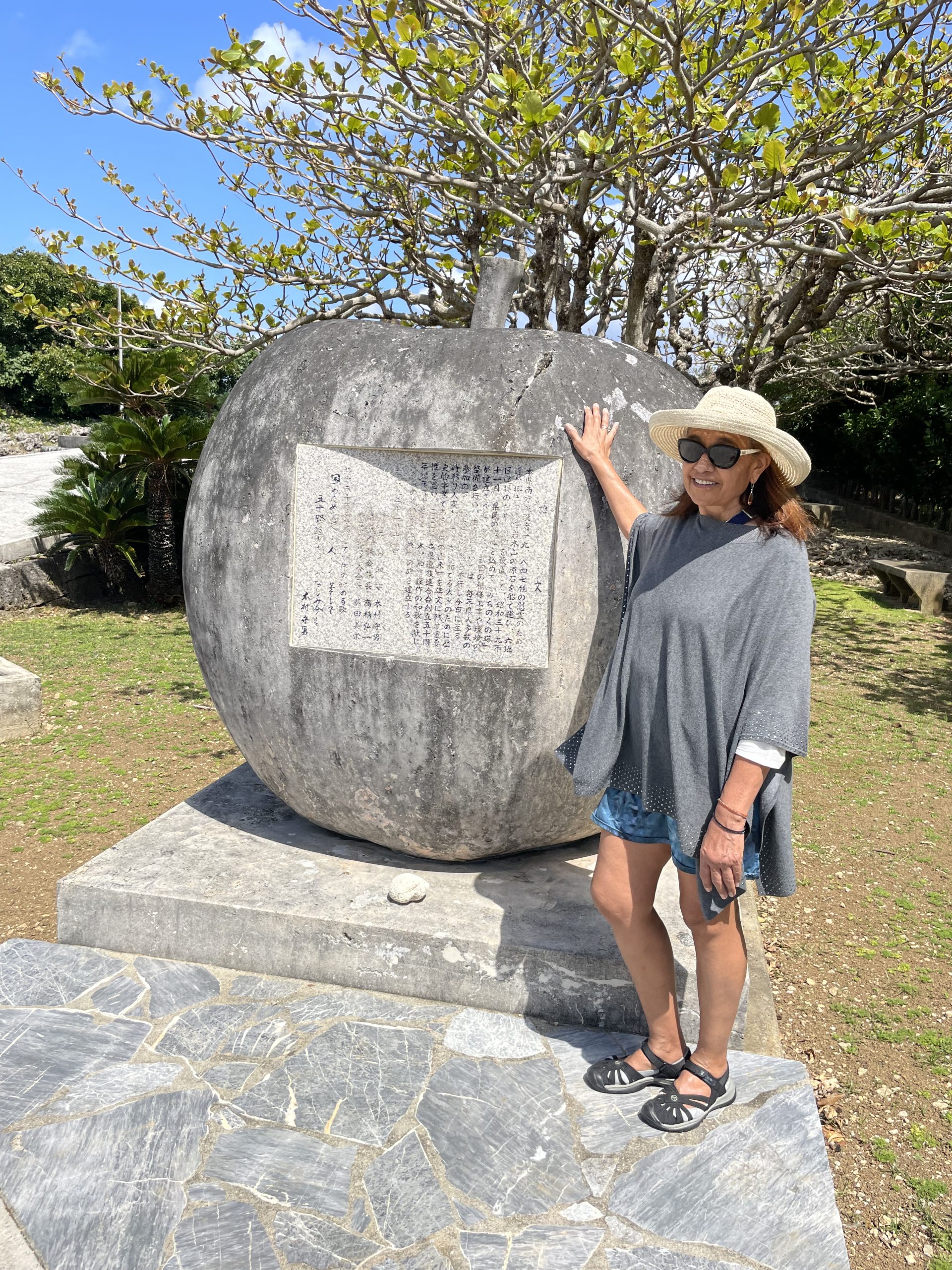
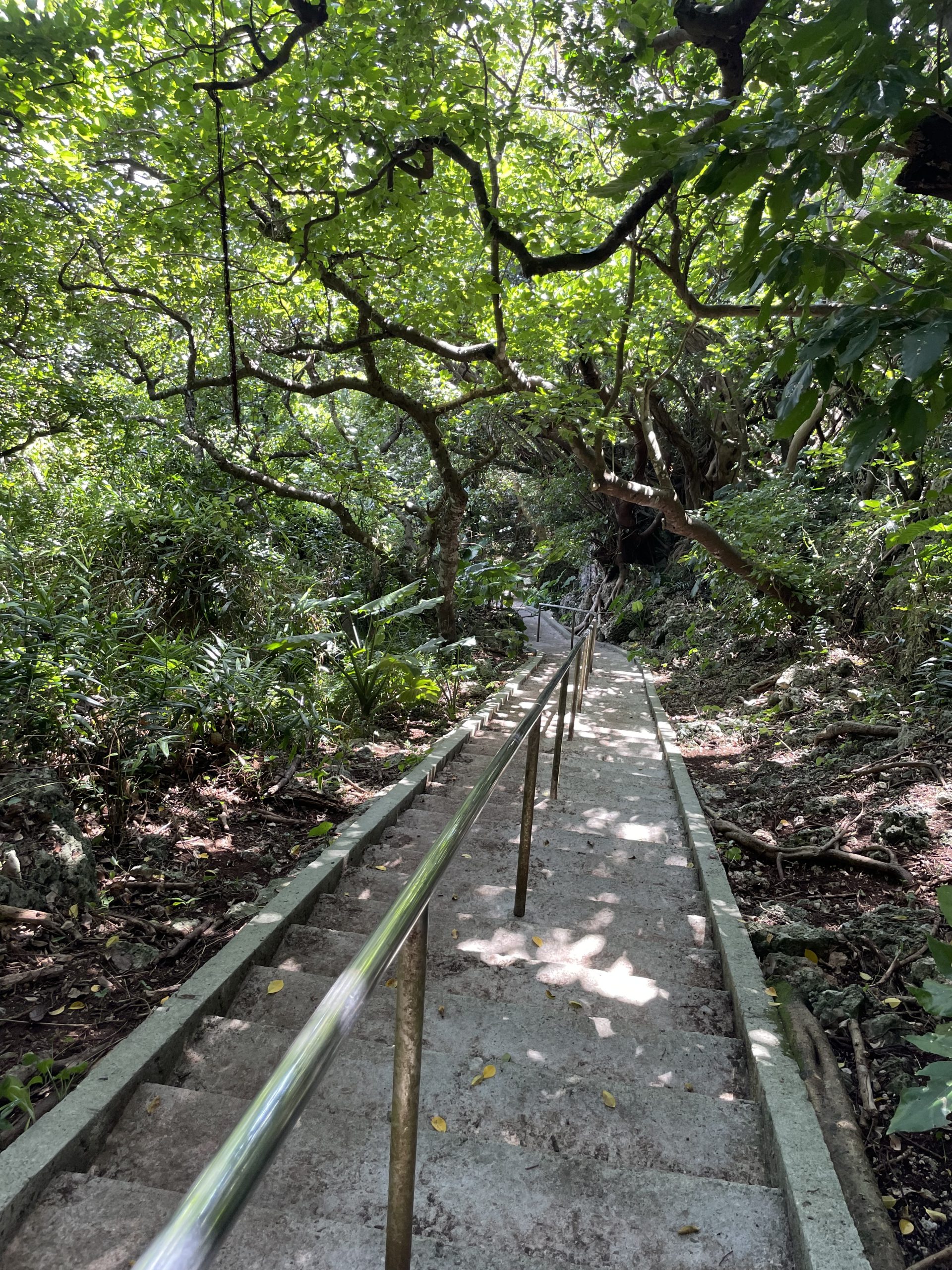
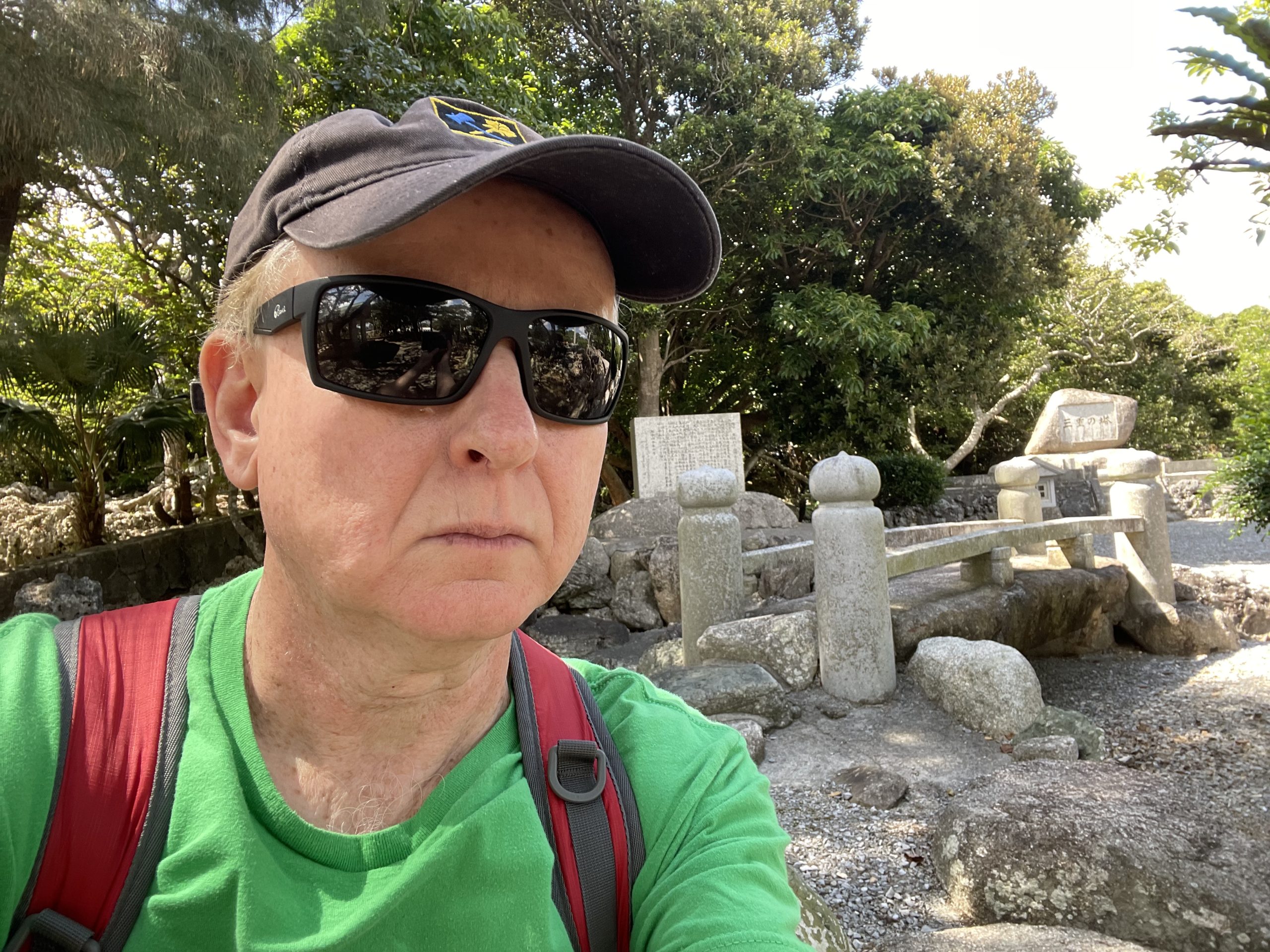
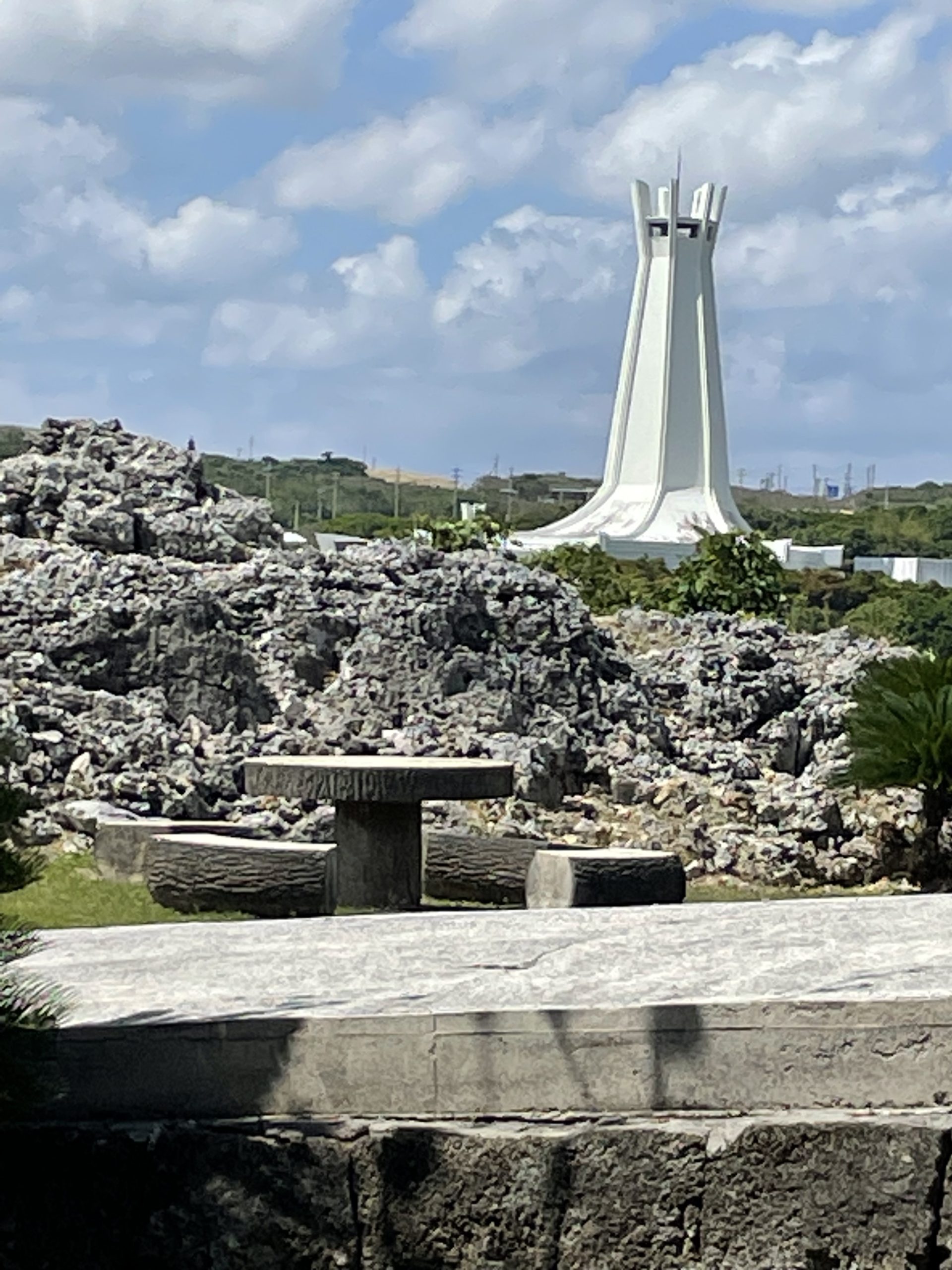
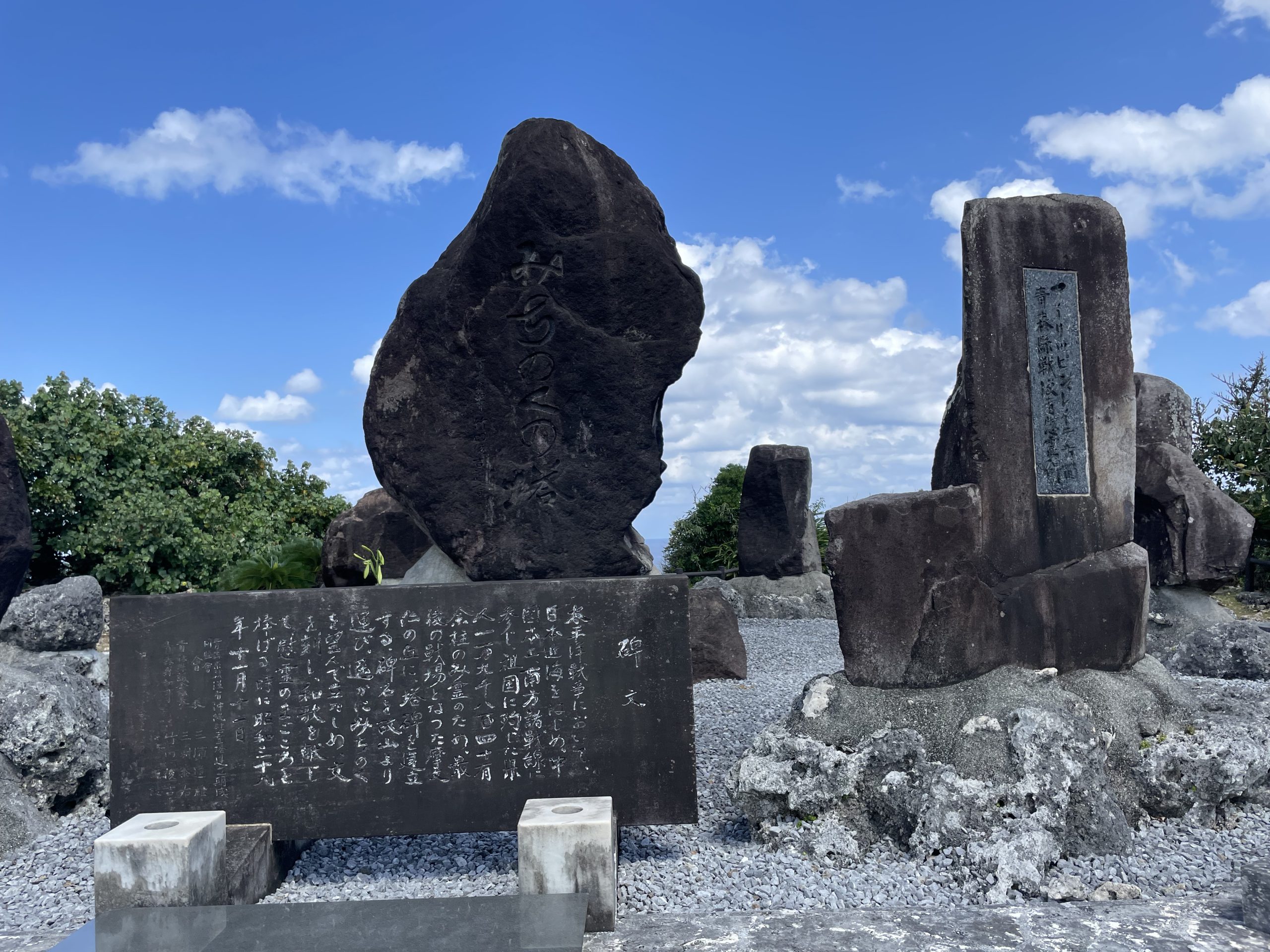
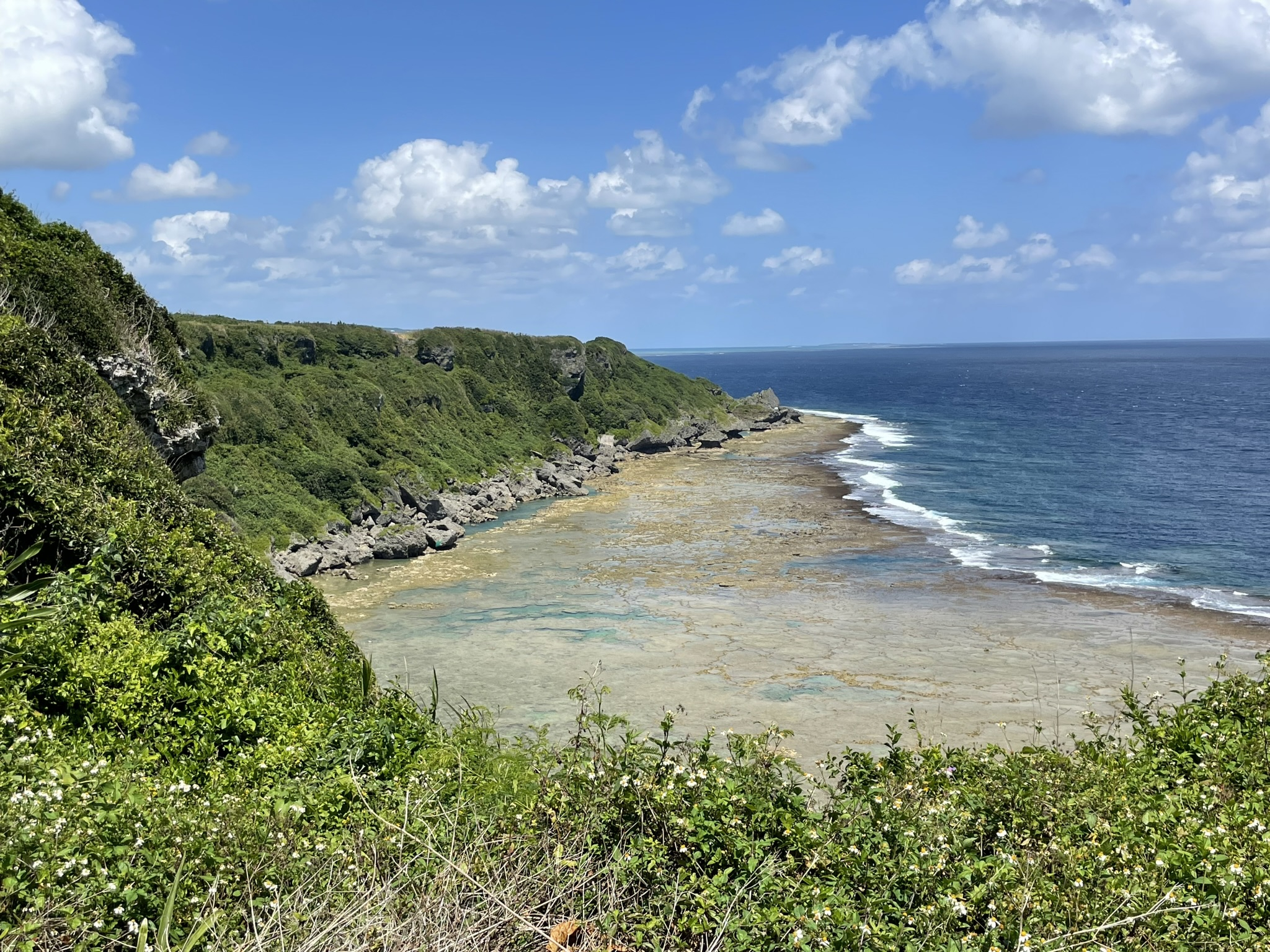
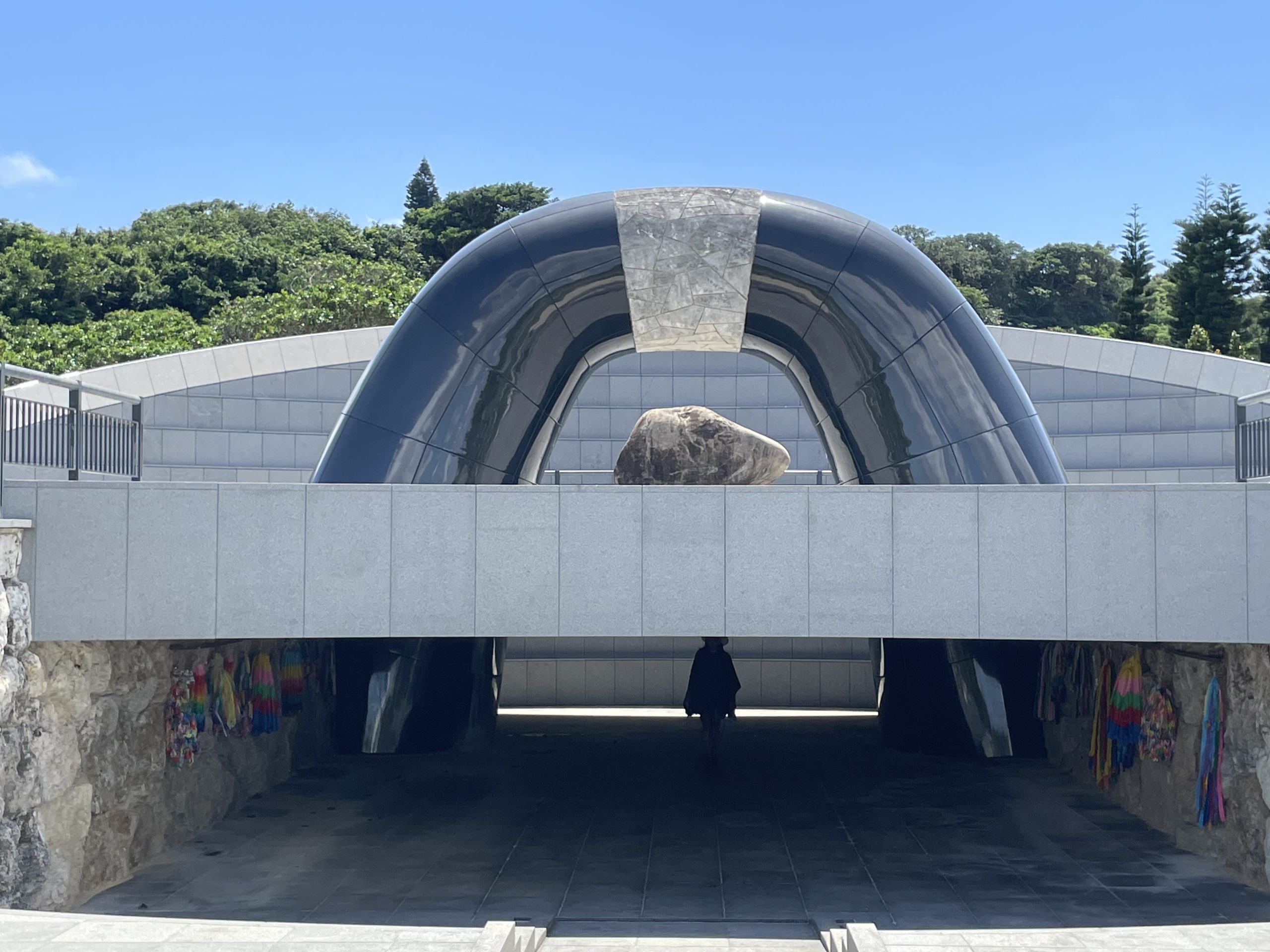
 We segue into the Peace Memorial Park, a much larger place, and also of of interest, but lacking the poignancy and intensity found at Himeyuri. The grounds are huge, green and manicured and the monuments often abstract and geometric, rather like those seen in Hiroshima. The location overlooking the sea is striking, and was selected due to the battle of Mabuni Hill that occurred here, signaling the end of the Battle of Okinawa where more than 200,000 people lost their lives. We make our way on foot up this hill, which is now covered with 32 memorials, each one sponsored by a different Japanese prefecture. A sobering place for sure but, now, also a green and peaceful one.
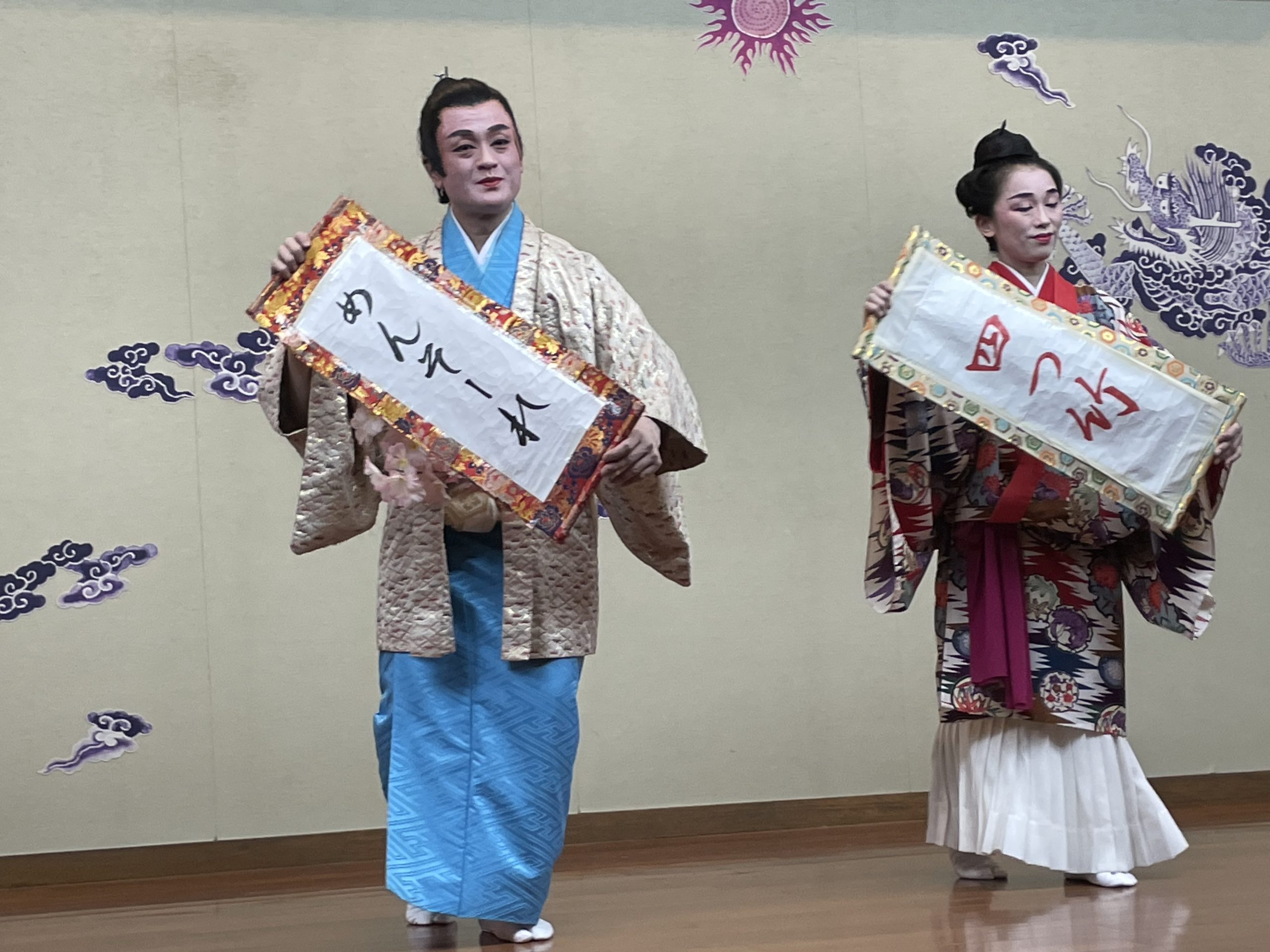 Back to town for a traditional Okinawan dance performance with dinner at a place called Yotsutake. This place has been around forever, and was recommended to us, but it’s a slow Monday night and we make up two thirds of the audience! The building is atmospheric, but in need of some renovation, and the performance limited to two dancers, but still worth a visit to for an introduction to local music and dance styles. Okinawa is a big part of what was the Ryukyu Kingdom, which functioned separately to Japan for 450 years under Chinese rule. Consequently, there is a strong Chinese influence along with an island vibe which brings to mind Hawaii and other South Pacific cultures. The people here are, definitely, Okinawan first and Japanese second.
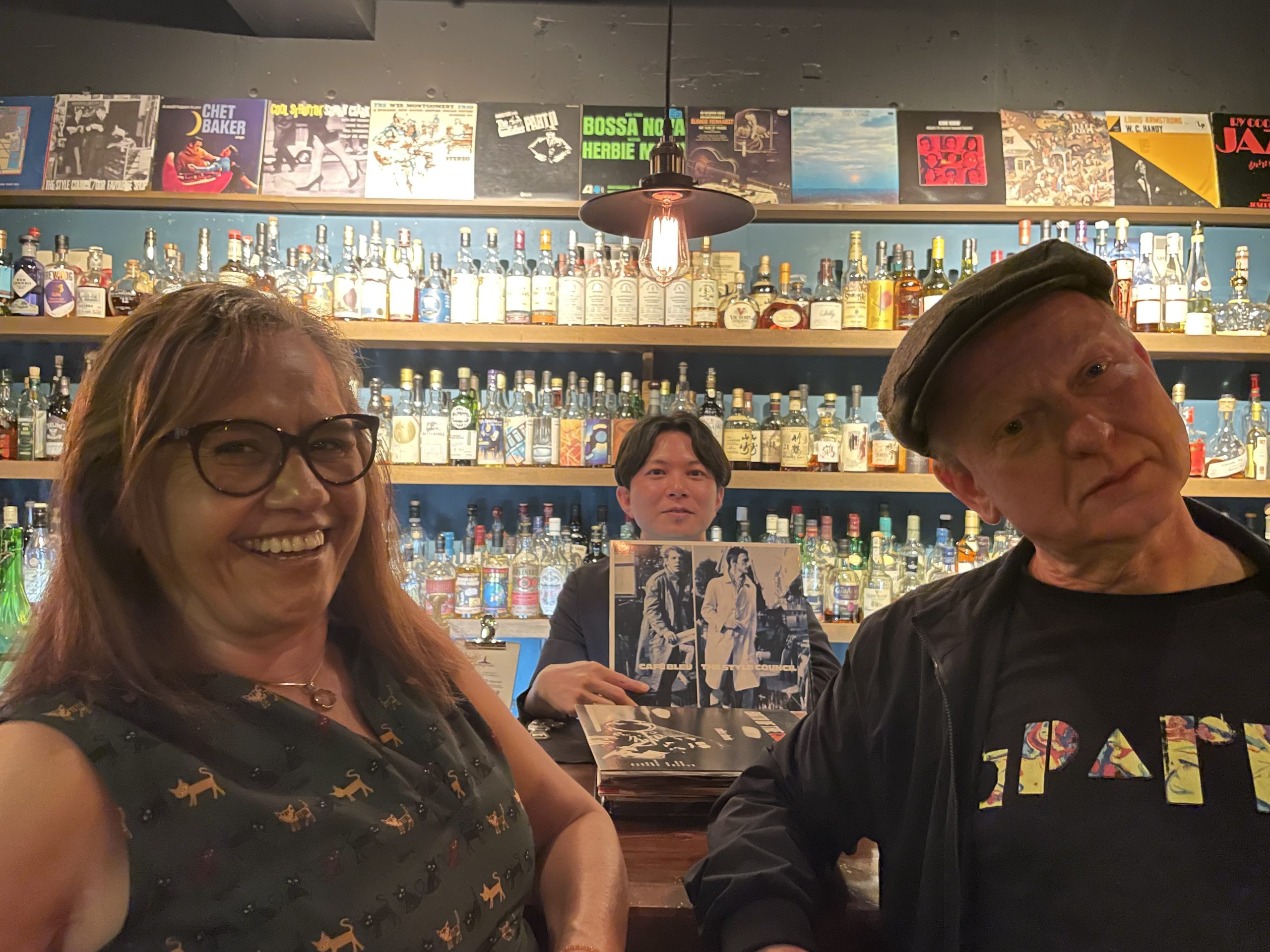
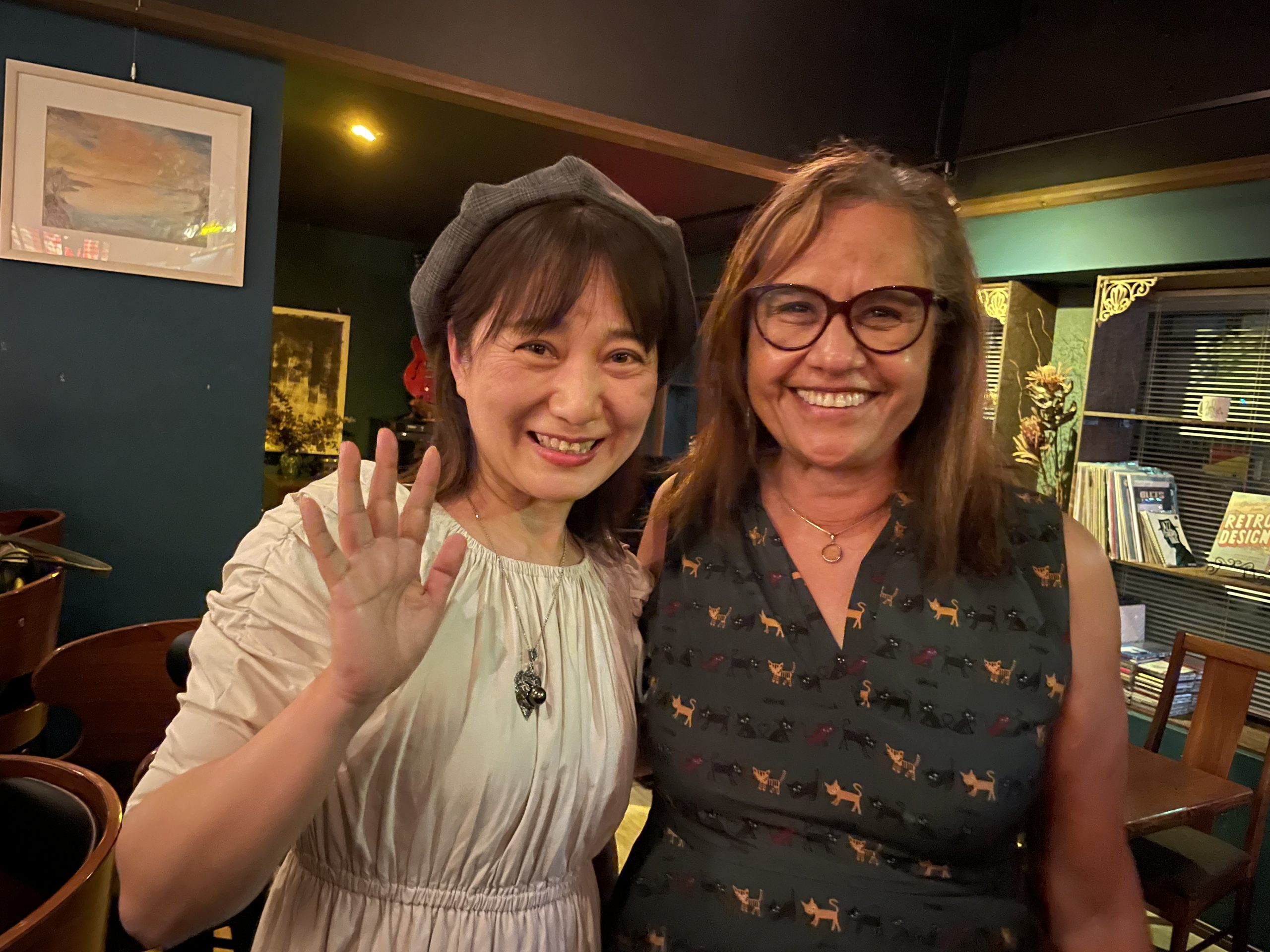 We end up in another music bar, Blanc de Blanc, which had good wine and a host knowledgeable about music from Charlie Parker to the Style Council. We chatted with him and a local female customer and, generally, had a good time. Could it be my back is healing up after two weeks? Maybe Abby’s magnesium tablets are helping, or maybe it’s that I stopped carrying our day pack over one shoulder………
Health concerns of the mature! More to come in Okinawa soon.


Leave a Reply