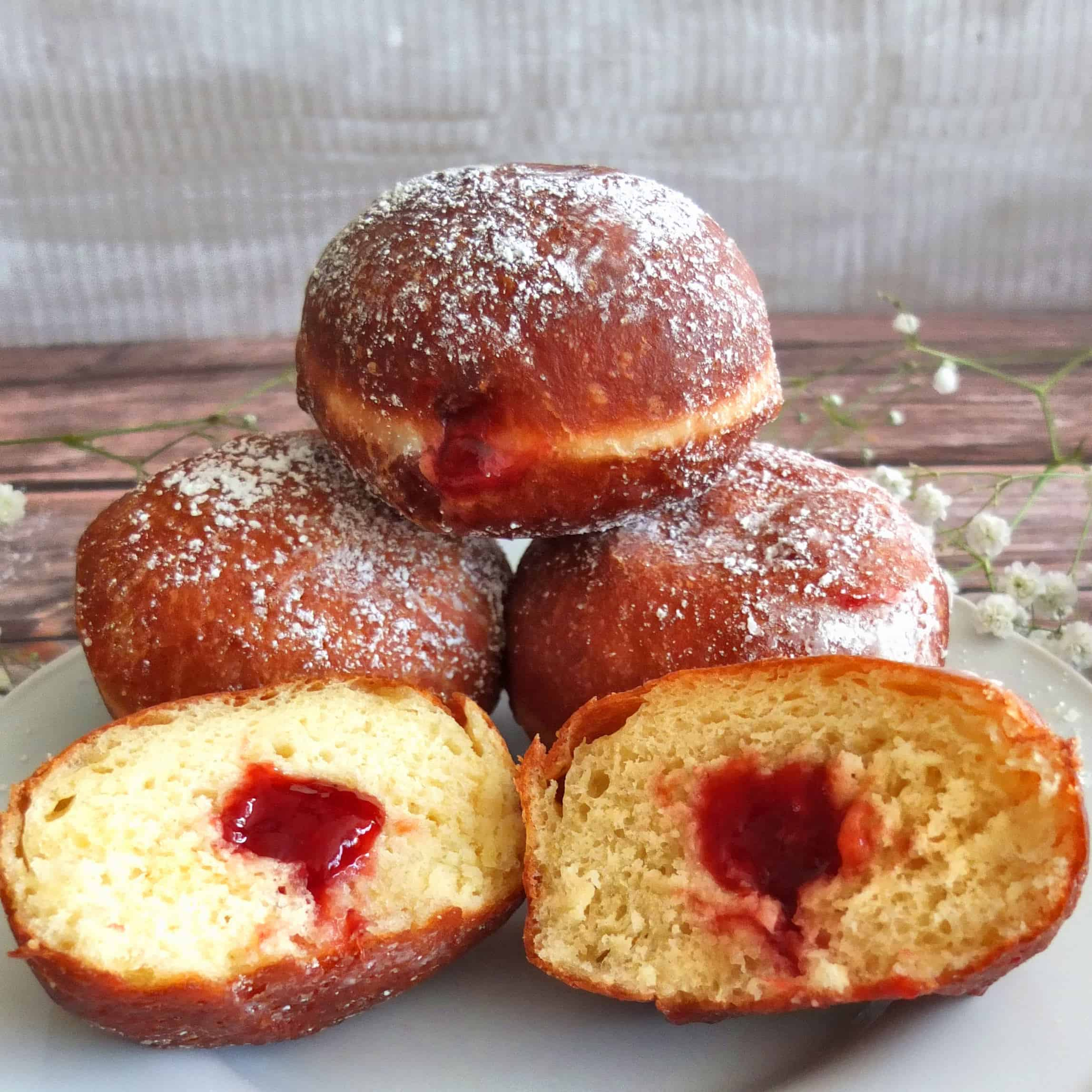
 As JFK said in 1963 in West Berlin, “Ich bin ein Berliner”, meaning that all free men, wherever they may live, are citizens of Berlin and not, as I now sheepishly discover, donuts. Yes, Eddie/Susie Izzard led me astray many years ago by propagating the urban legend that, on that day, JFK told the 120,000 people outside the Rathaus Schoneberg that he was, in fact, a jelly donut. The sad reality is that a Berliner donut is called a Pfannkuchen locally and the word “Berliner”, in relation to donuts, is only used elsewhere.
 Having gotten the important business out of the way, let us get you up to speed on our first visit to Berlin. We flew into Brandenburg and took the S-Bahn into town but be sure to validate your ticket before boarding as there are inspectors and they will turf you off at the next stop to, belatedly, validate and wait for the next train. They were, actually, being nice to us as, usually, if you’re caught without a validated ticket, it’s a 60 Euro fine paid on the spot. Being dumb English-speaking tourists coming from the airport we get a pass, but we see other young locals getting caught or “doing a runner”, so be good and have a validated ticket at all times when on Berlin public transport.
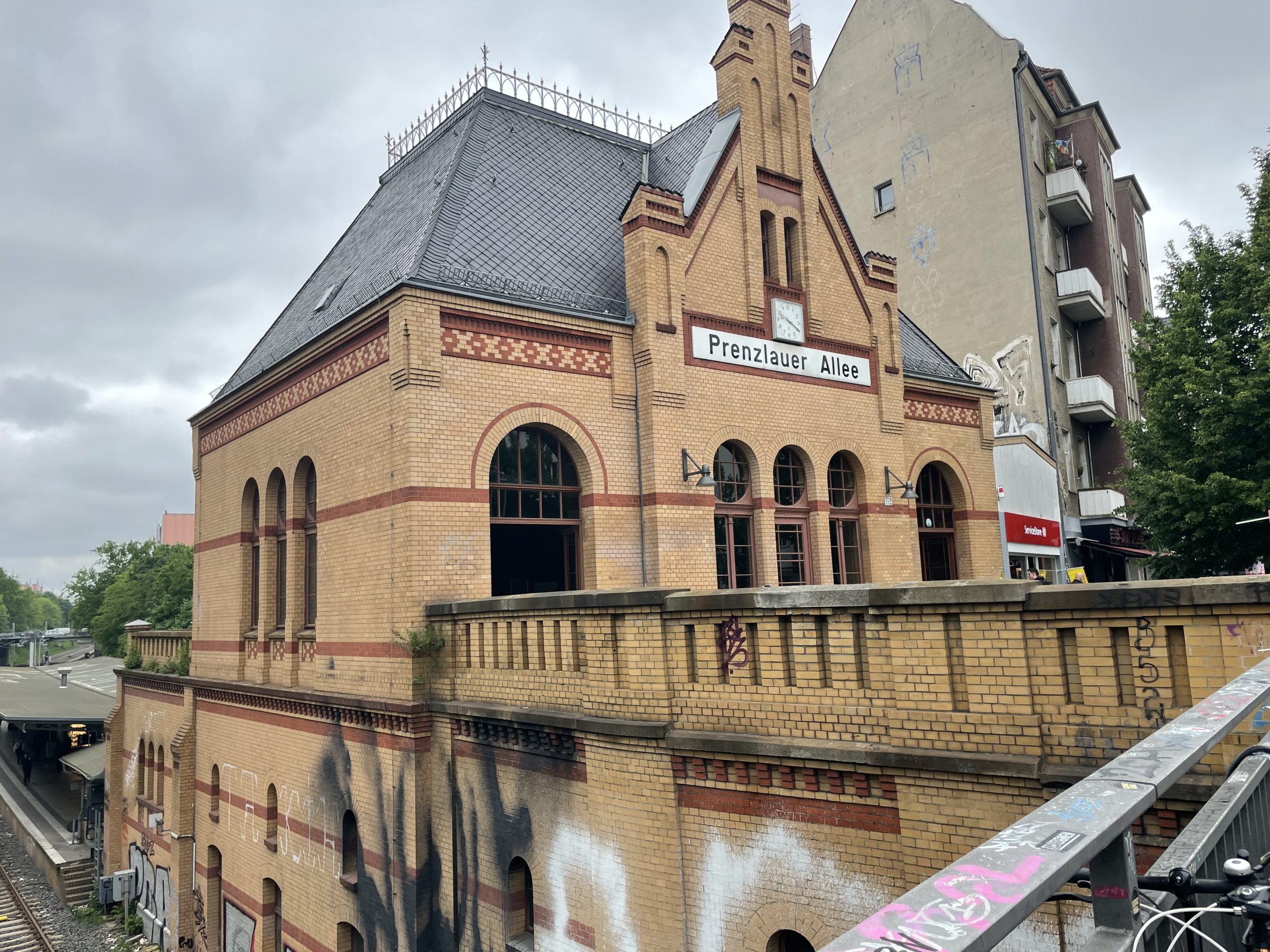 We’re staying just off Prenzlauer Alles, very close to the eponymous S-Bahn station, in what would have been East Berlin. It’s a 19th century apartment building with lots of historical character, but also no elevator, and we’re on the 4th floor, so getting our long-haul luggage up the stairs was fun. Watch out when using Booking.com as “Features” of the accommodation, which are helpfully listed out for you, contain both positive and negative items and the lack of elevator was one of those 30 features. Growing up in Europe in the 60s and 70s in the aftermath of WW2 and during the height of the Cold War, the specters of both Fascism and Soviet Communism felt quite real to me so the history of both here in Berlin is an obvious priority for our first visit. Not quite the same for Abby’s childhood experience but, still, courtesy of TV and Hollywood, the Nazis and the Iron Curtain were powerful symbols for our generation.
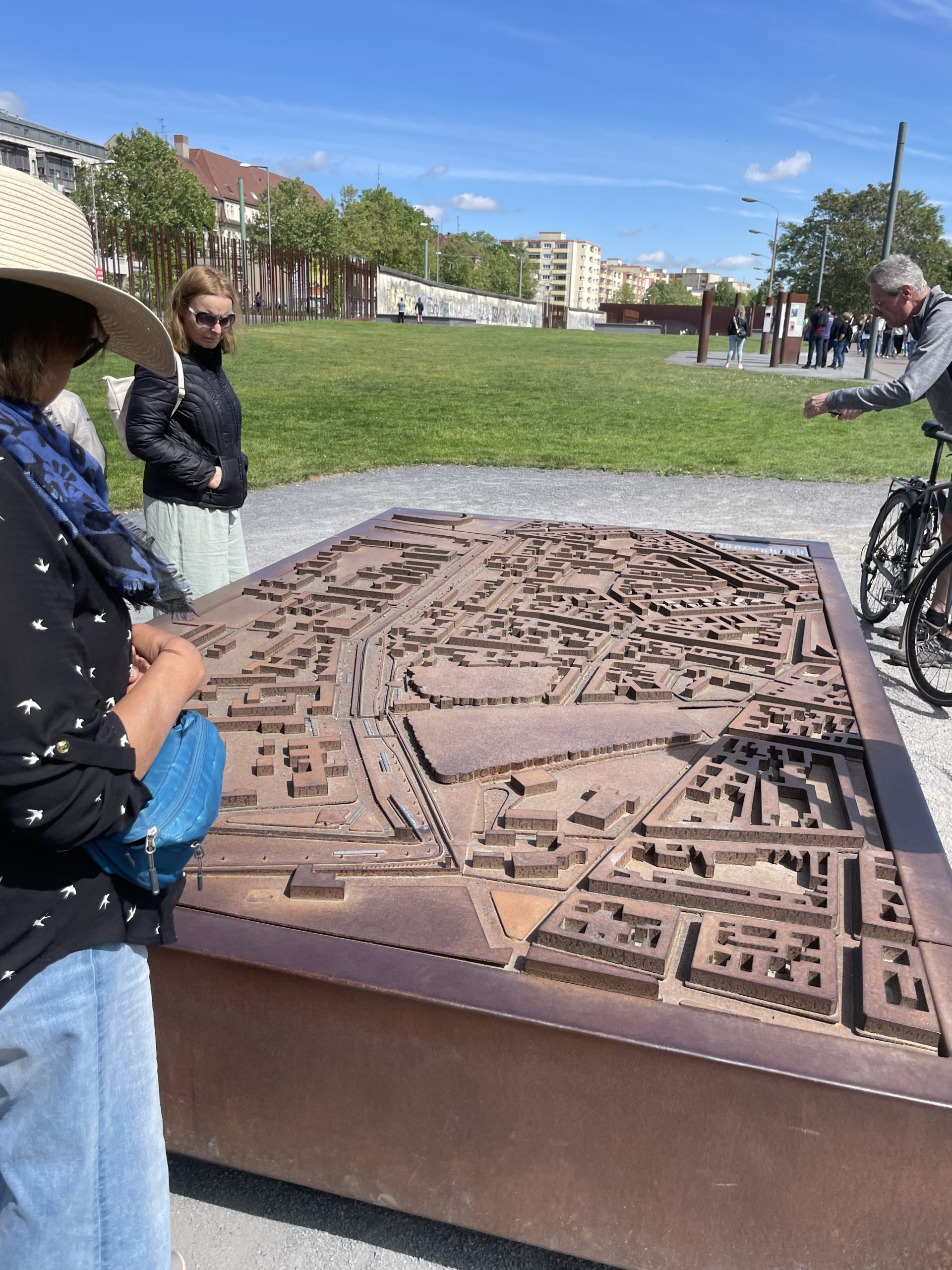
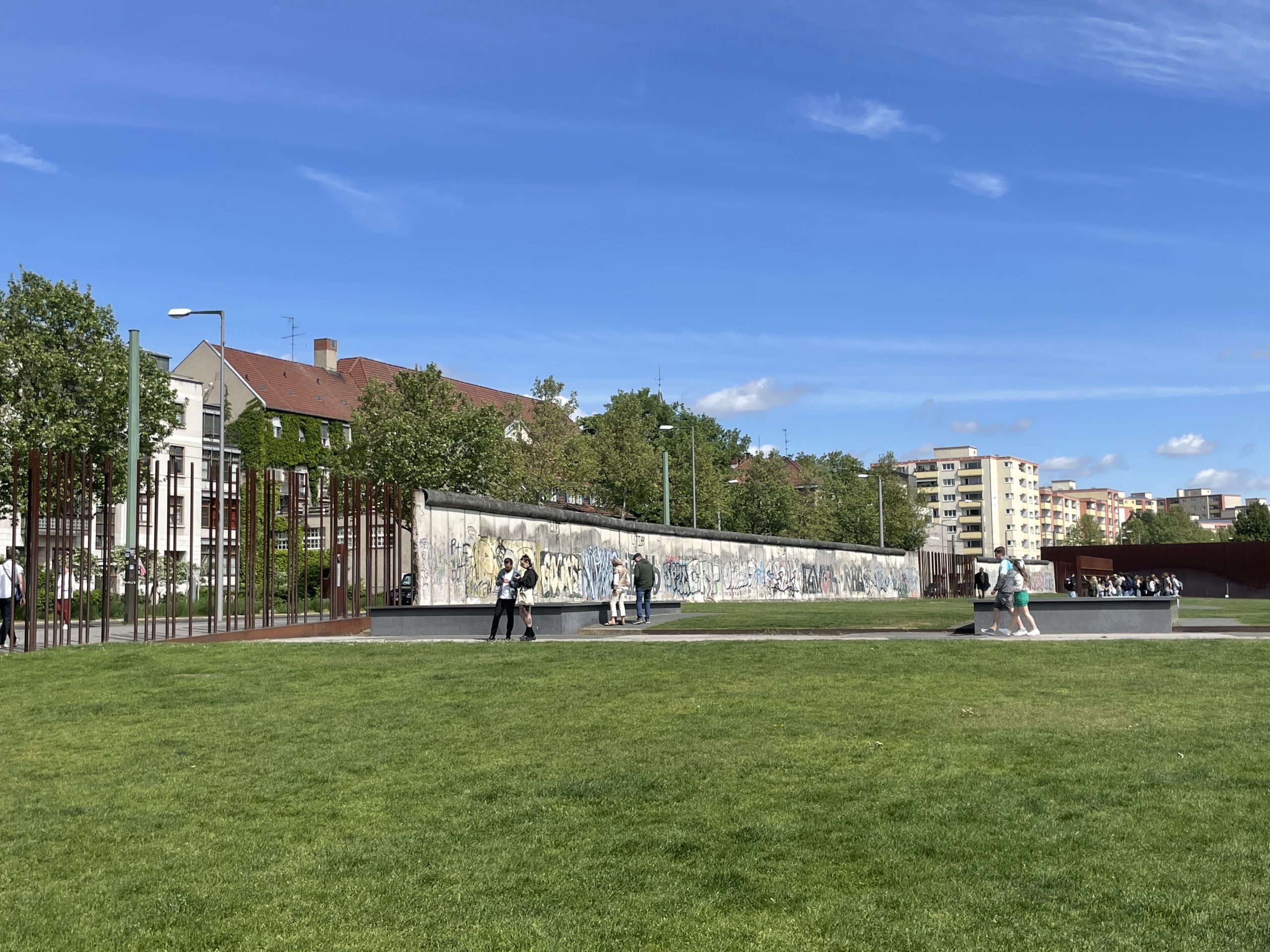
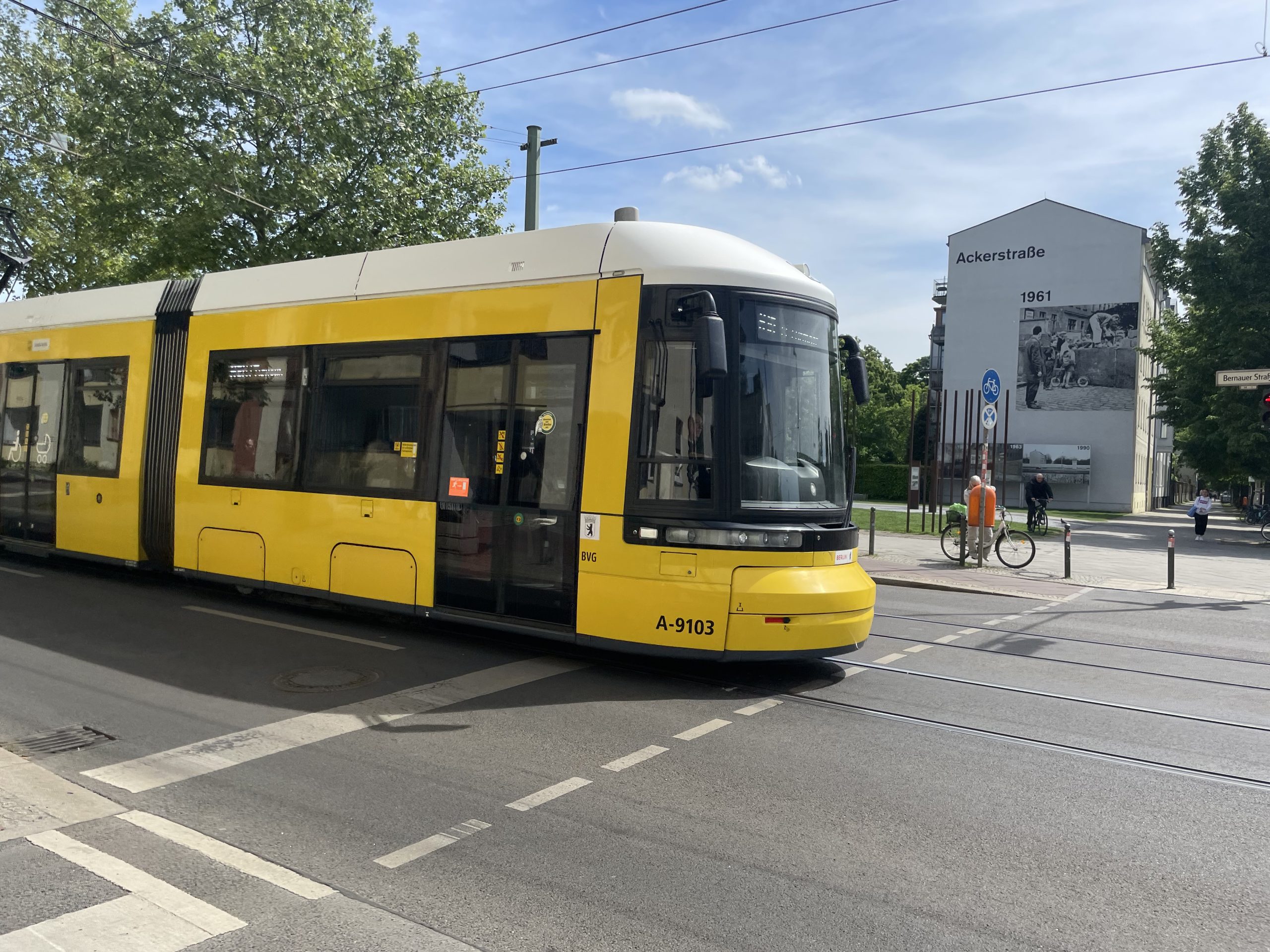
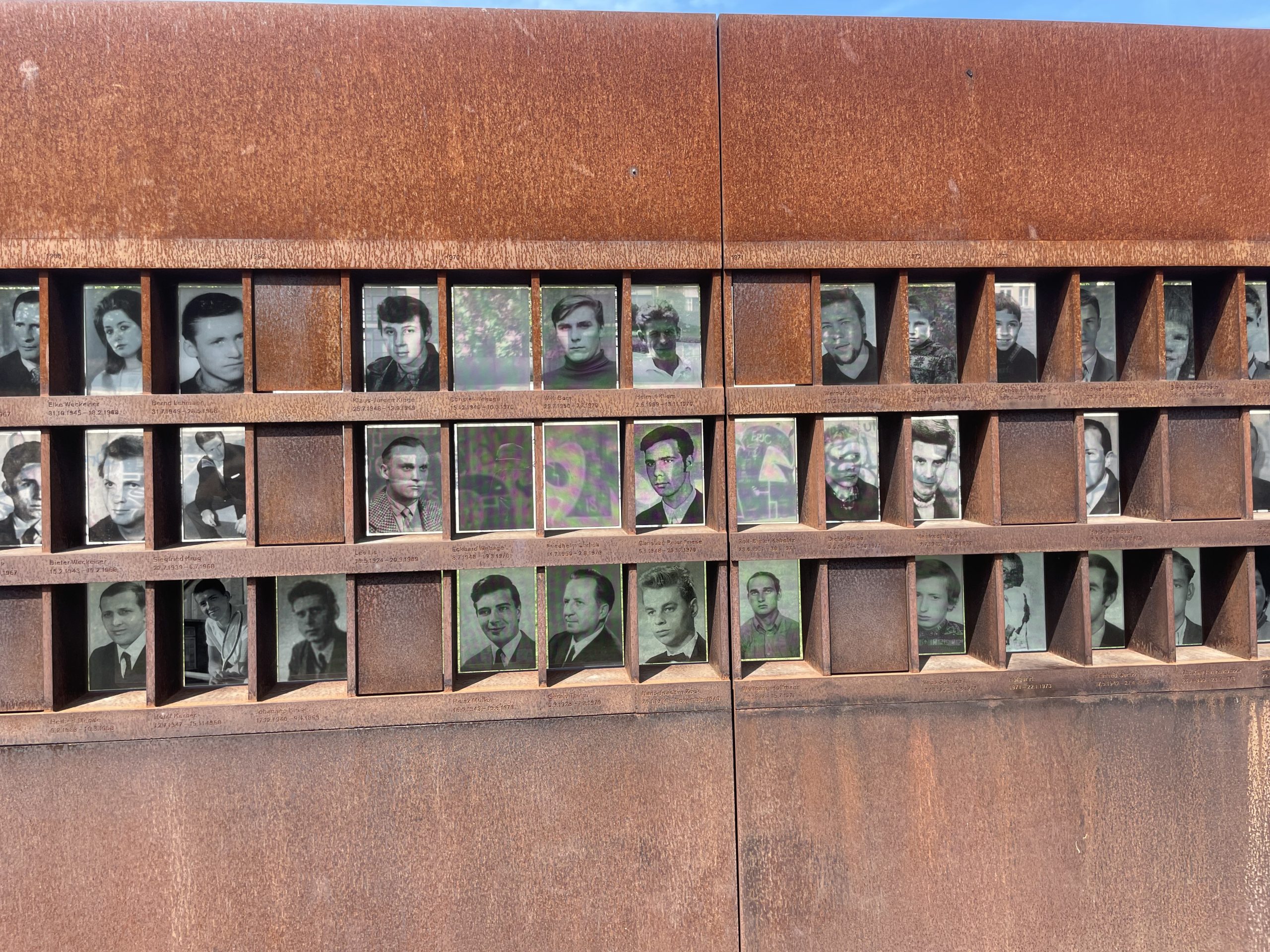
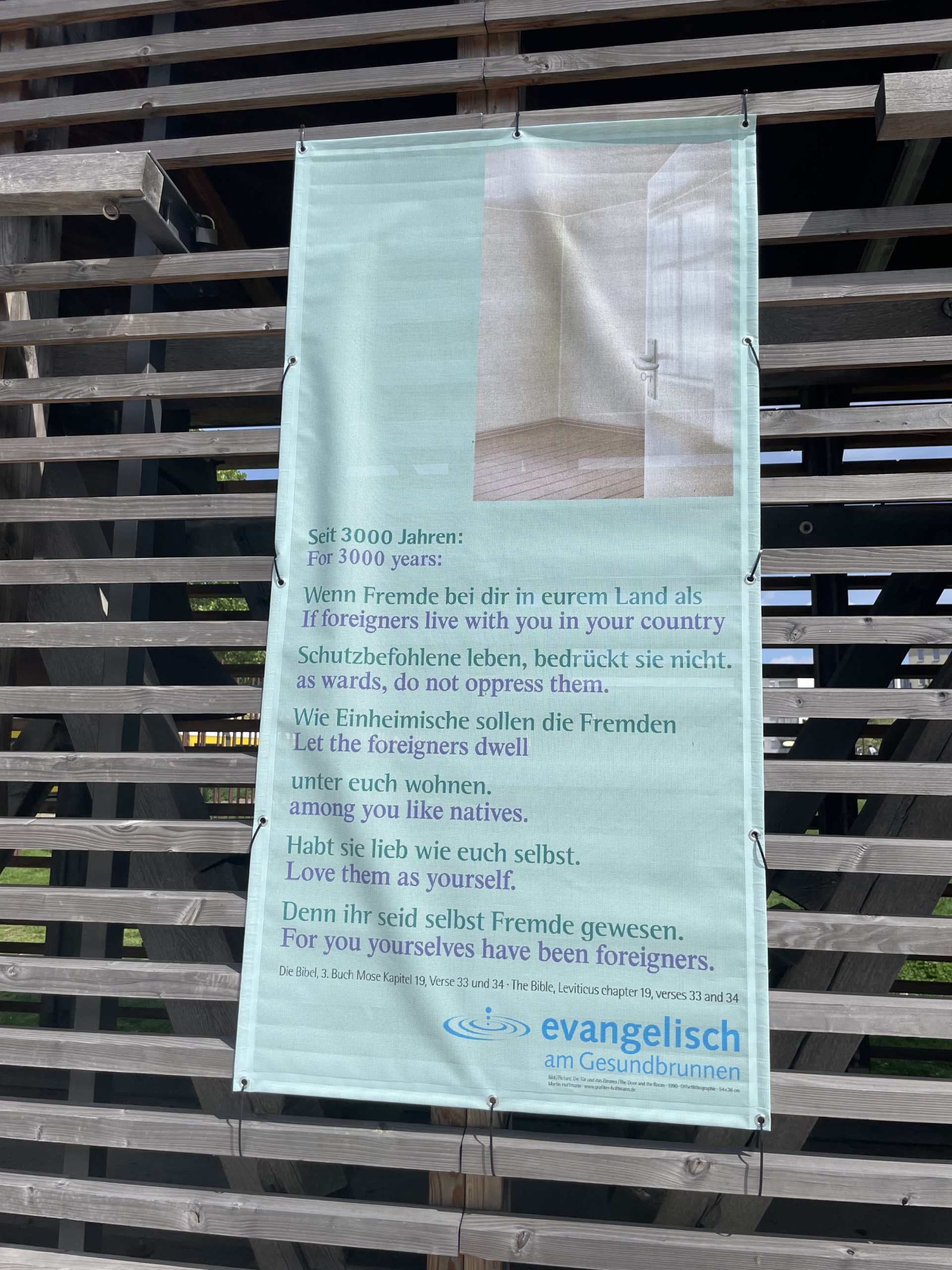
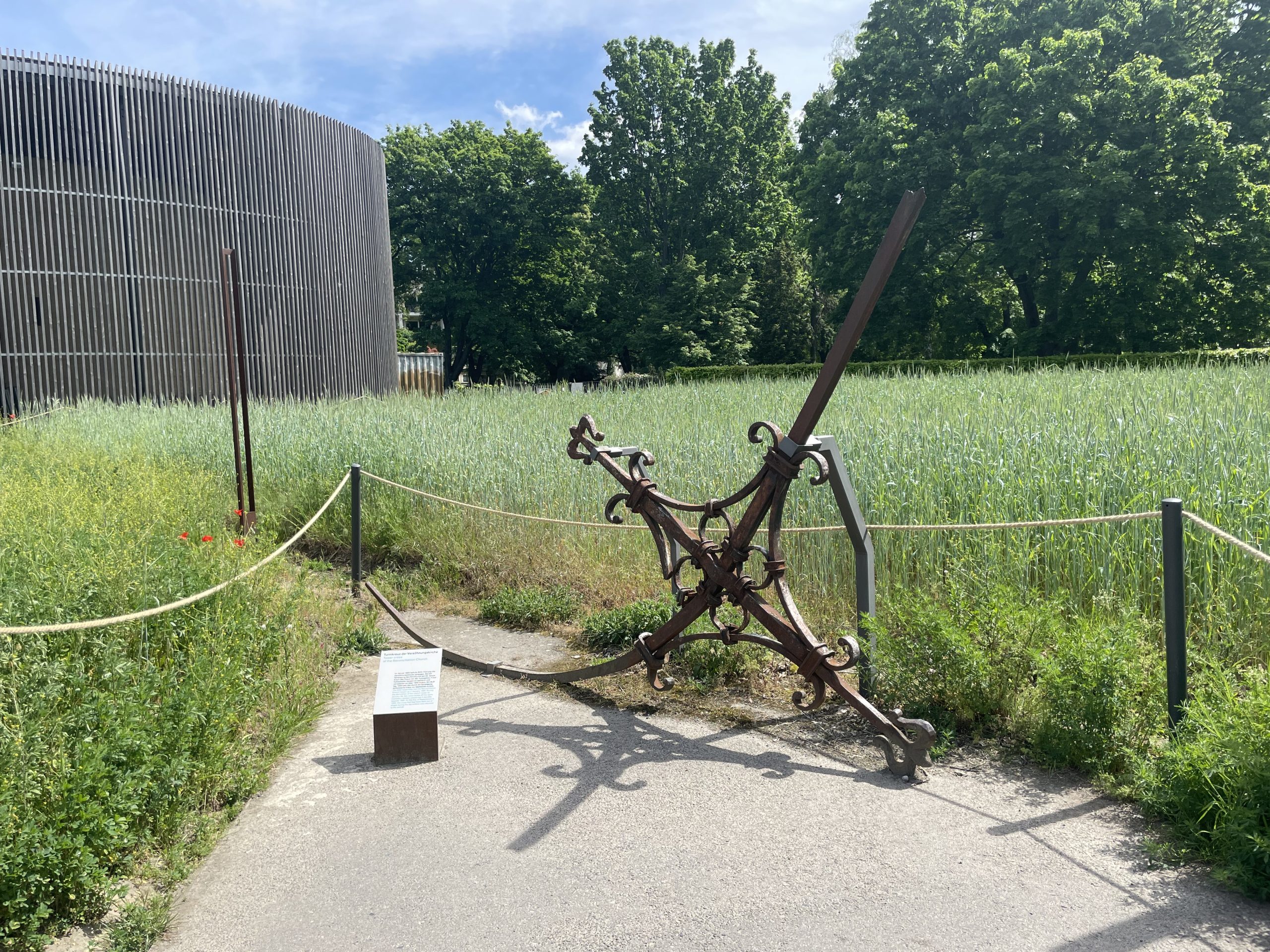
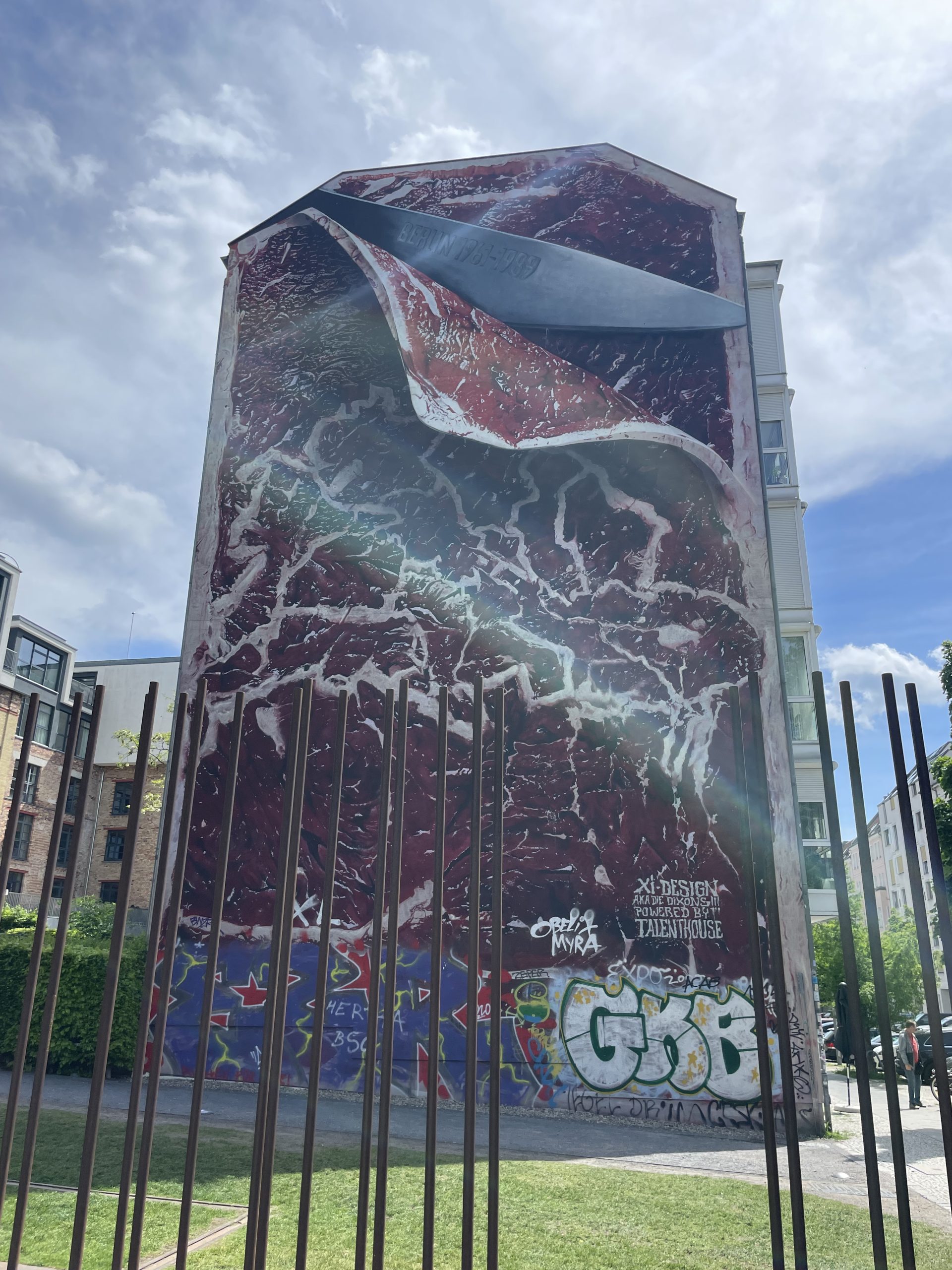
 So, the Berlin Wall Memorial is our first stop near the S-Nord Bahnhof station where remnants of the wall have been incorporated into a linear park. Most of the exhibits are about those whose families were separated by the construction of the wall, or those who did or didn’t survive in their attempts to pass from East to West Berlin. Its hard to understand what the victorious nations in WW2 were doing with the partitioning of Berlin, presumably it was intended to be a short-term measure, but the breakdown in relations between the Russians and the Western powers quickly resulted in a Soviet blockade which was the end of the charade of four nations (US, UK, France and Russia) cooperating in the administration of Berlin and Germany. So, at this memorial you can recreate, almost in real time, the Iron Curtain descending right in this neighborhood and remaining there for 26 years. Sad and eerie.
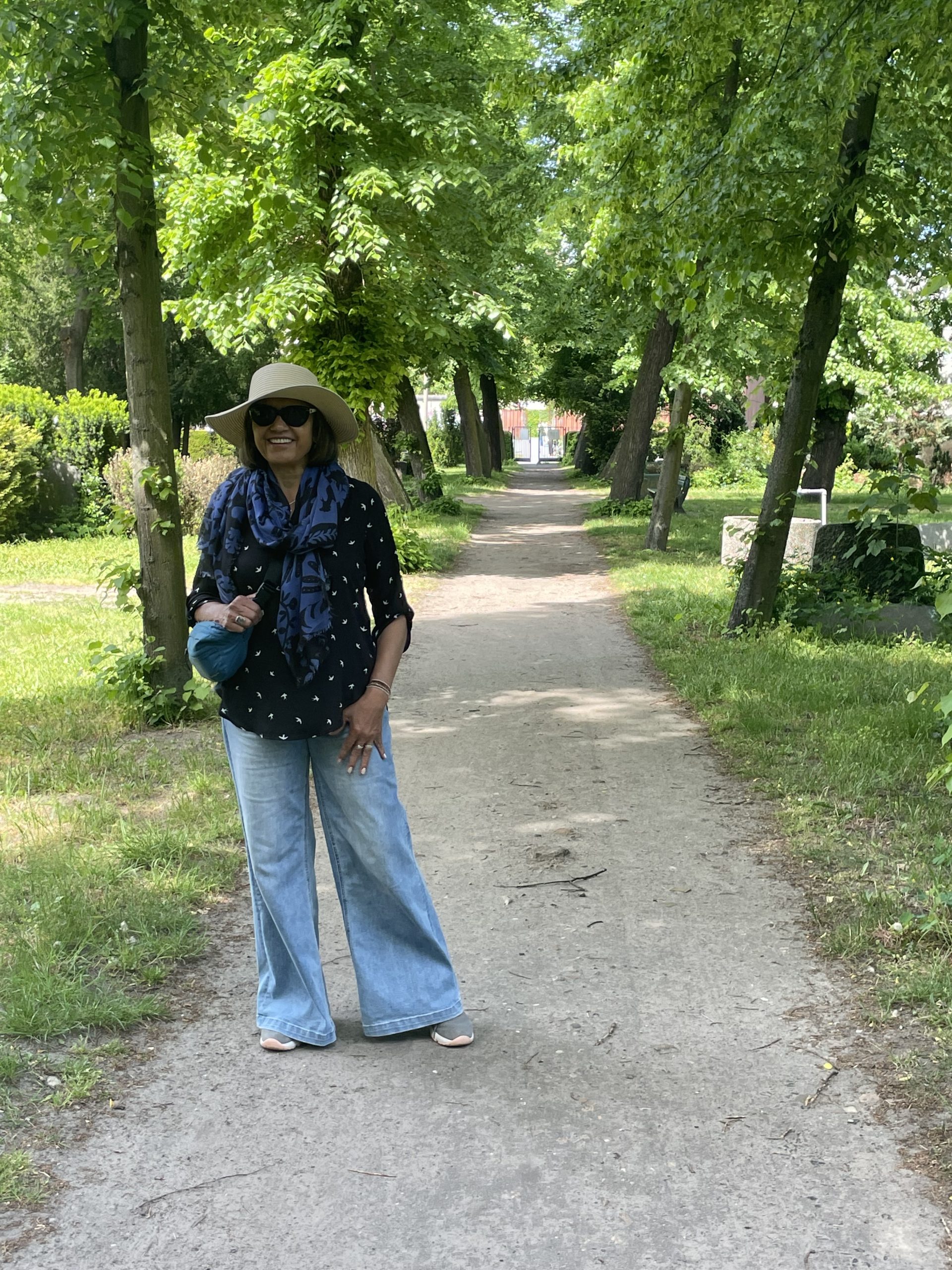
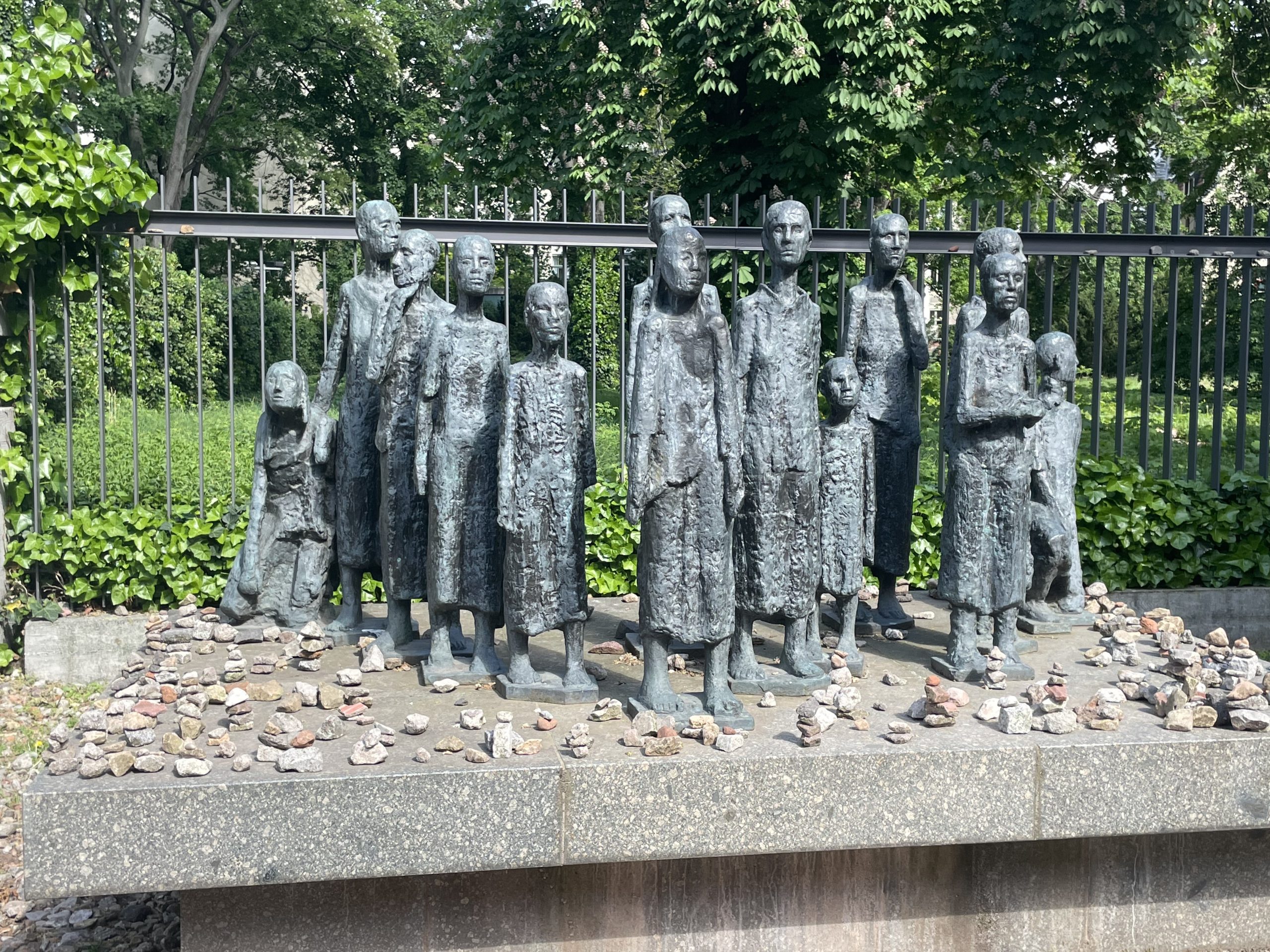
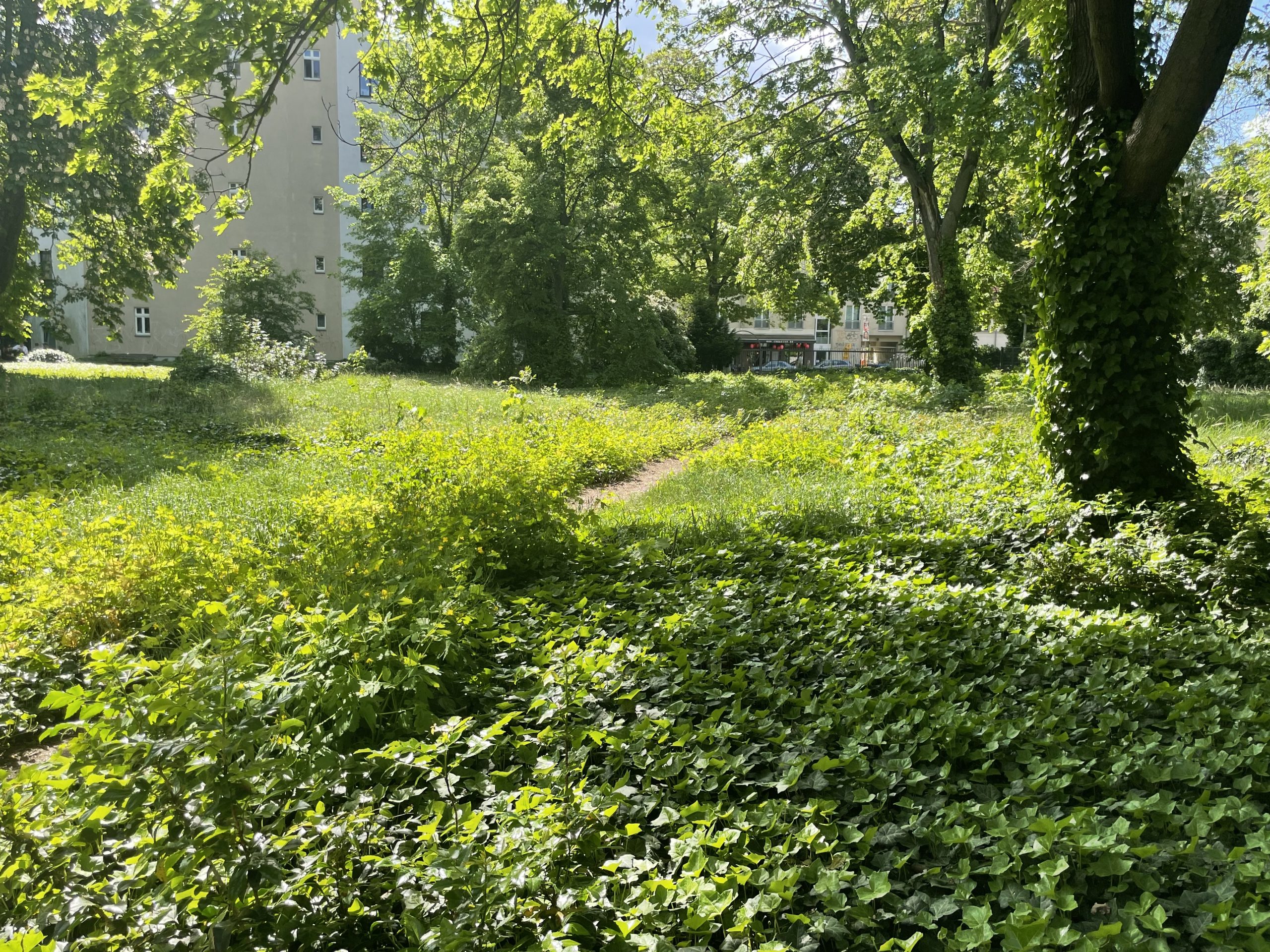
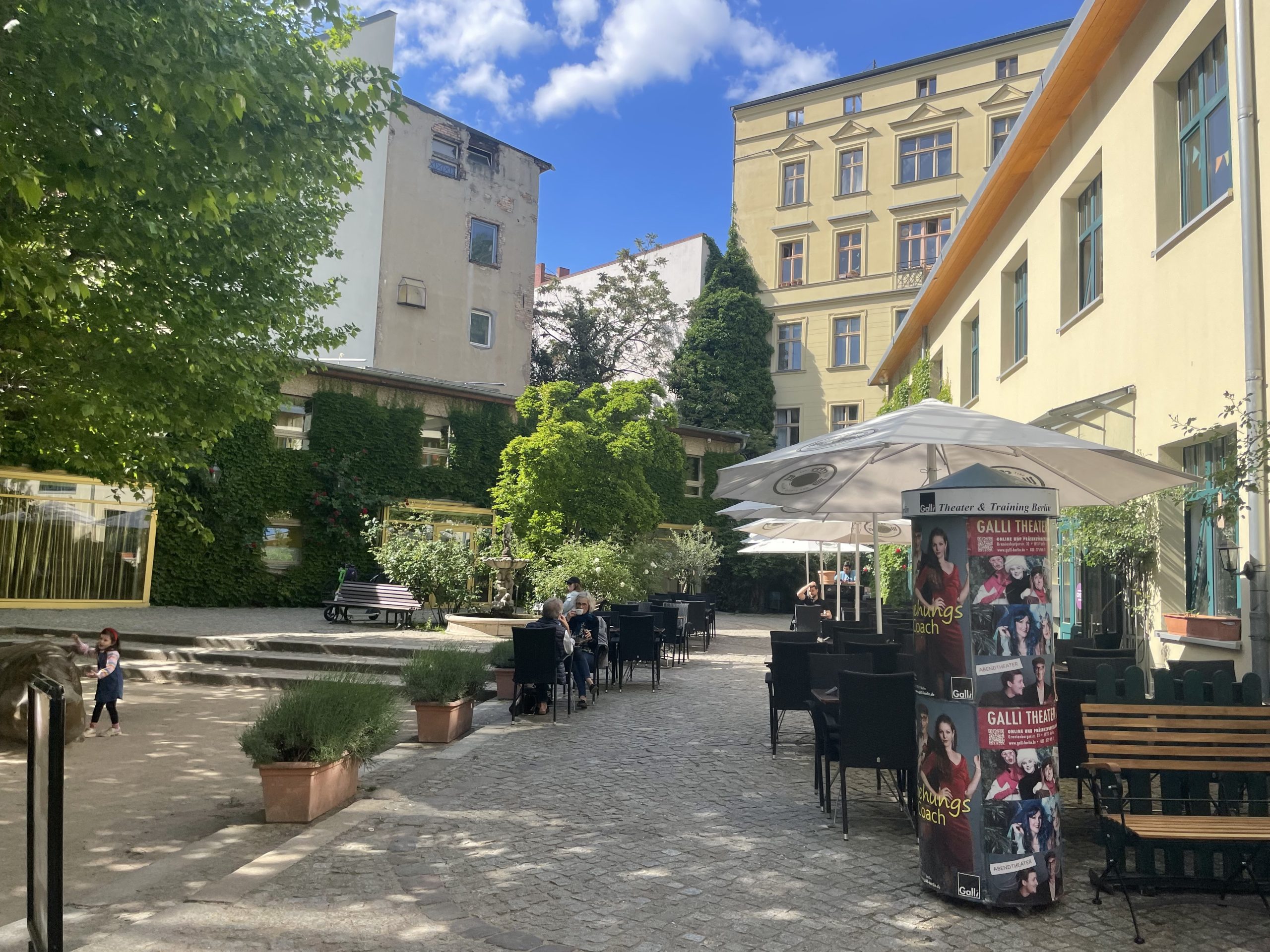
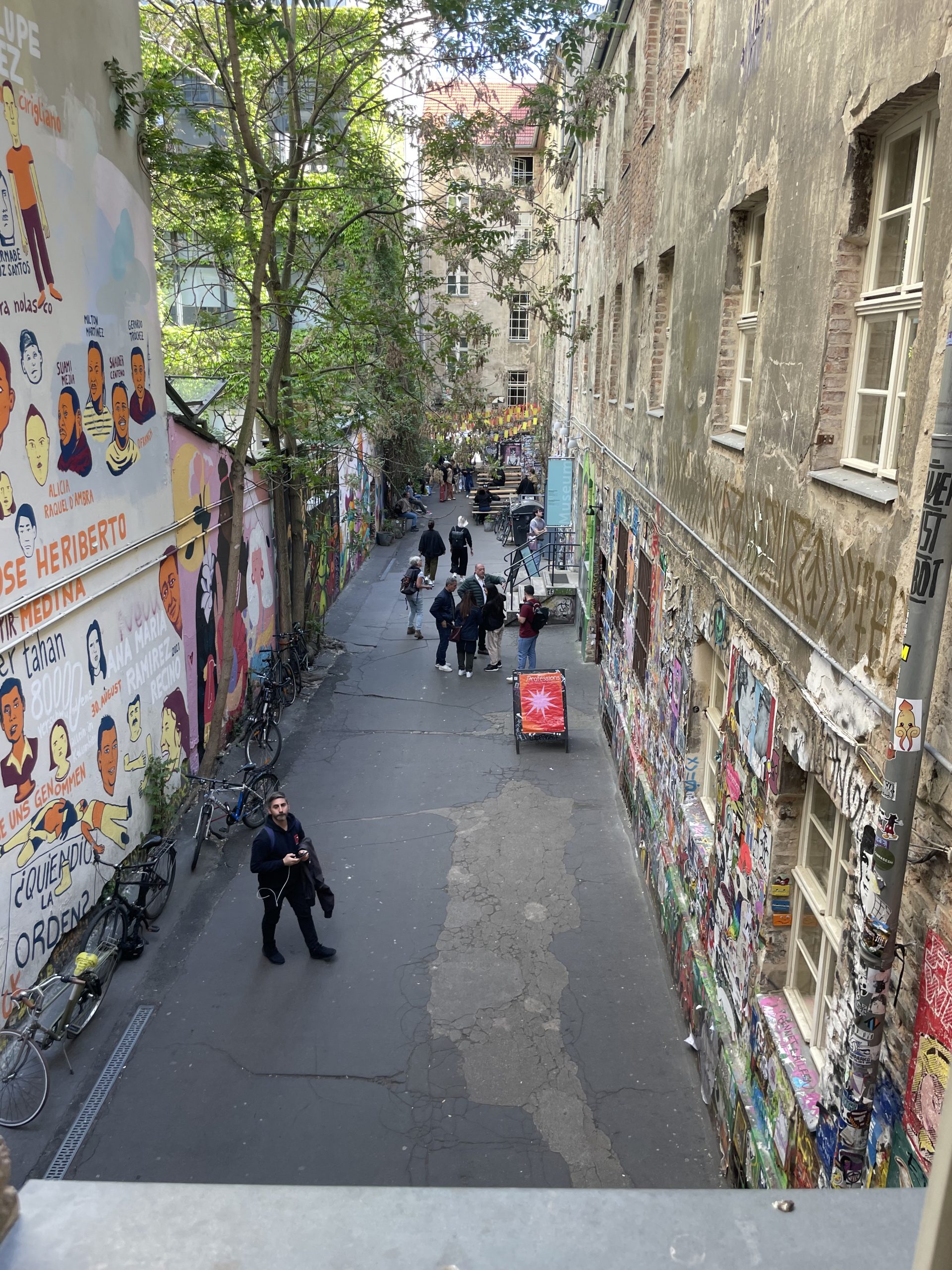 Next up, after an abortive walk through Mauerpark (no market or outdoor karaoke that day) we head over to the Jewish Quarter near Hackescher Markt starting out at “Dead Chicken Alley” off Rosenthaler Str. Also known as Haus Schwarzenberg, this alley or courtyard looks like the bohemian, ramshackle, arty Berlin of the mid-1990s complete with funky bars, cinema, graffiti-covered open-air art spaces, an overpriced Anne Frank Museum and the free “Otto Weidt’s Workshop for the Blind” museum. The latter is worth a look telling the story of how Otto protected blind and deaf Jews during WW2 by having them make brooms and brushes useful for the Nazi war effort. The old Jewish cemetery in the neighborhood is still there, but the Nazis bulldozed it so that most of the headstones are gone, and now nature has reclaimed it almost completely and it is a shady, contemplative place.
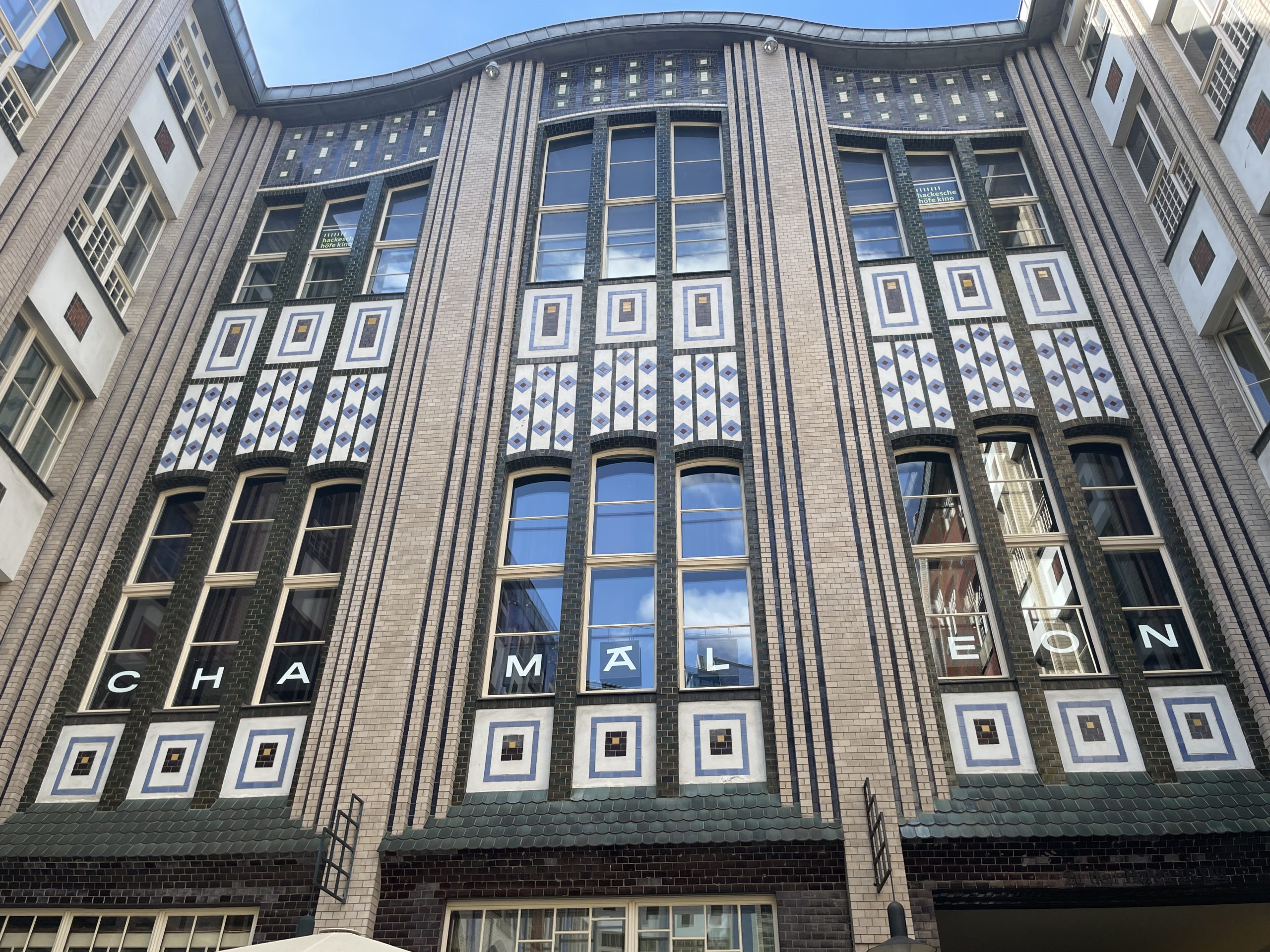
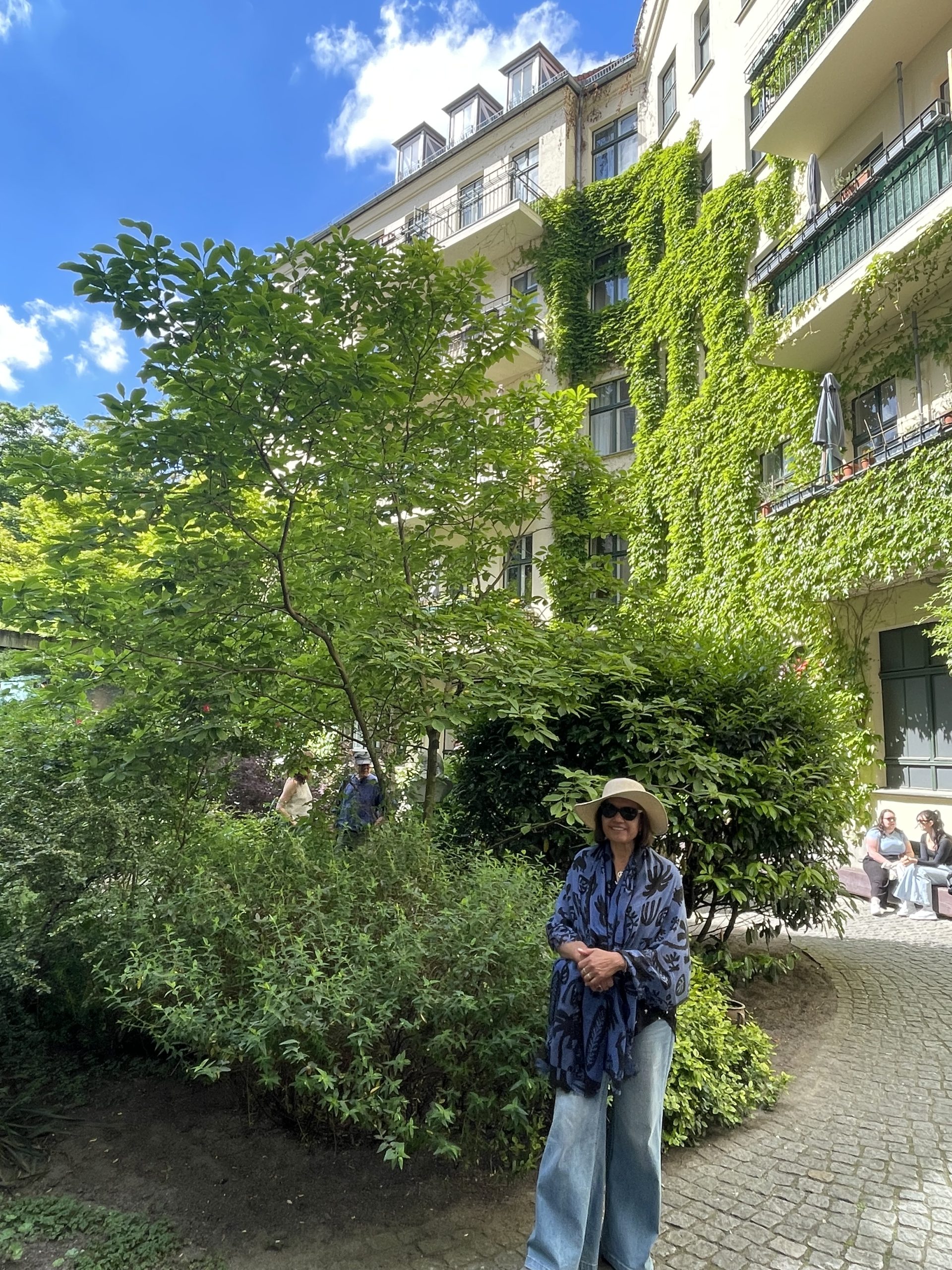 Hackesche Hofe/courtyard is right in the Jewish quarter and is a wonderfully restored German art nouveau building with a series of eight courtyards. Heavily commercialized, but well done nonetheless including, as it does, the flagship store for Ampelmannchen, the iconic traffic signal walk (green) don’t walk (red) little guy which originated in East Berlin. Ampelmann is a big deal here having acquired cult status and dominates the Berlin souvenir business.
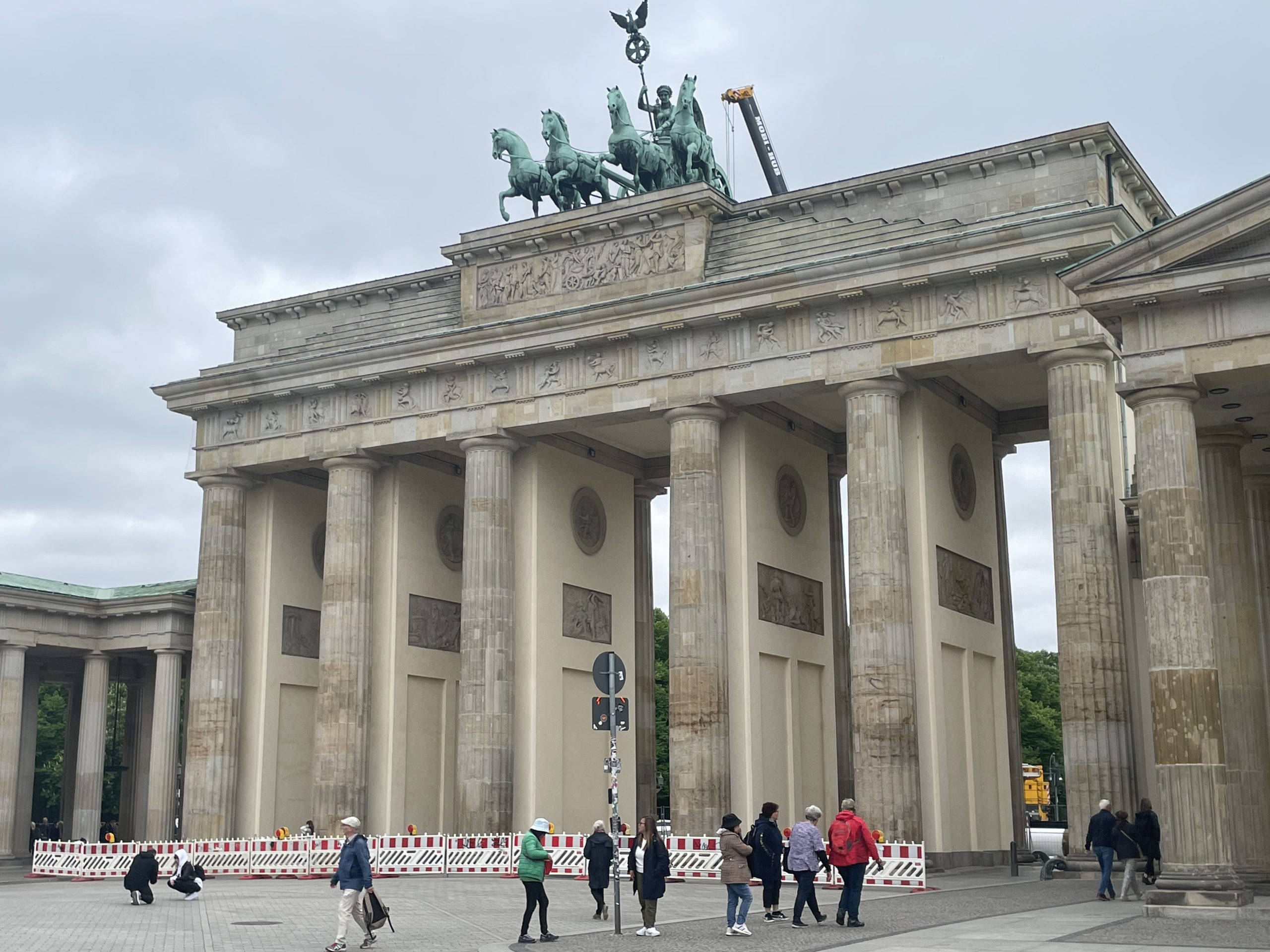 Time to head to the center of town to see where the country is run from, but I screwed up and didn’t book ahead enough to get a ticket to the inside of the Reichstag building. (Generally, two to three weeks in advance will do it). The Brandenburg gate and the Reichstag are impressive enough but there’s not much else to do there and there is significant construction going on limiting some access. Still, you do feel like you’re in the very heart of Western Europe where momentous events have occurred, even as you’re distracted by the bus loads of tourists milling around.
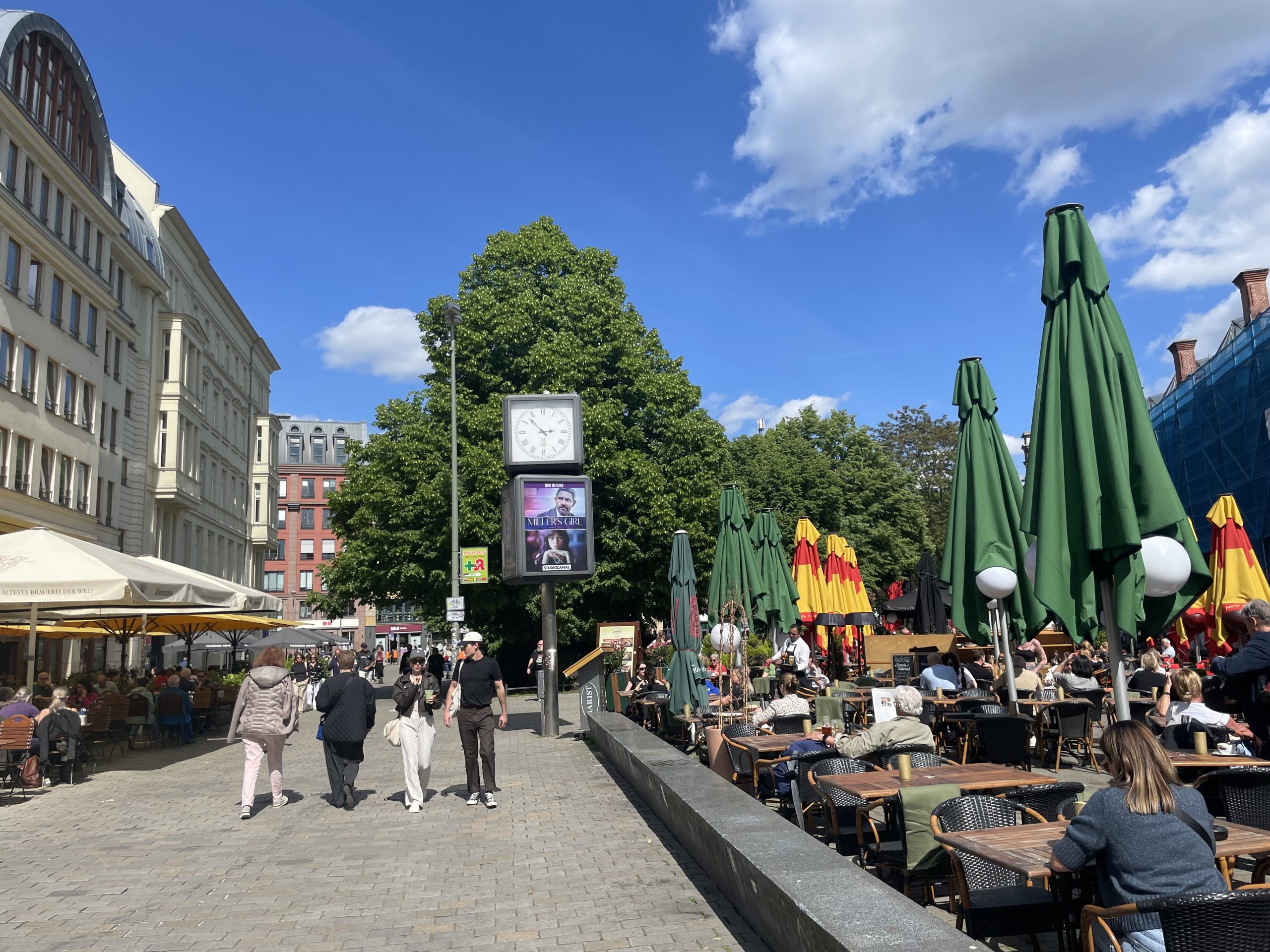
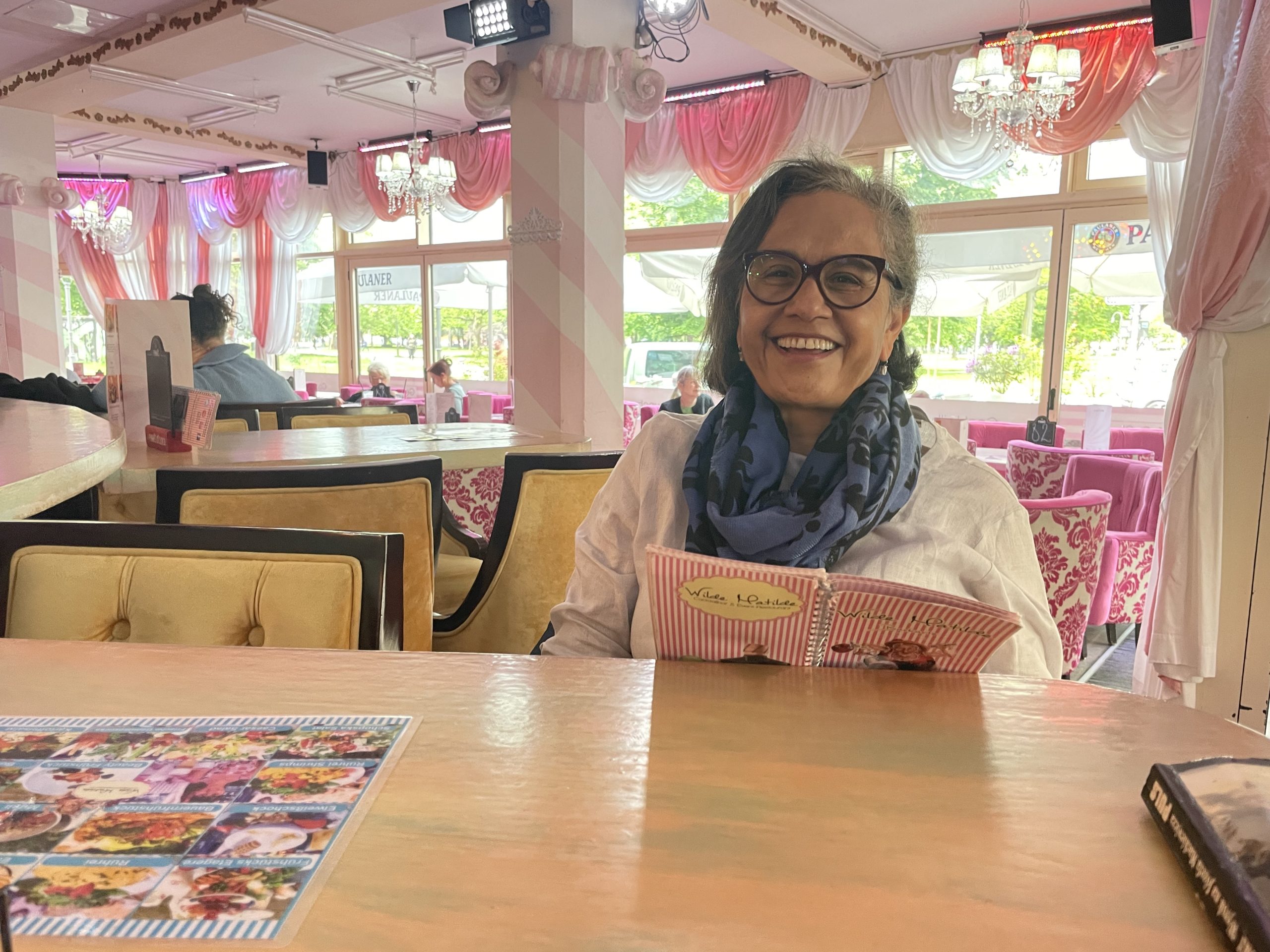 We escape to the Nikolai Quarter, a 1987 recreation of the original medieval settlement of Colln, which has charming backstreets and the twin spires of the Nikolai churches, but everything comes across as too new and lacking in spirit. A bit put off by the glossy, but empty, beer halls we take a break at Wilde Mathilde’s, a very colorful café known for its cabaret shows. As I later find out, it’s also known for spectacularly bad reviews on Tripadvisor (“Biggest rip off in Berlin etc.”) but we did well with our cocktails and cake.
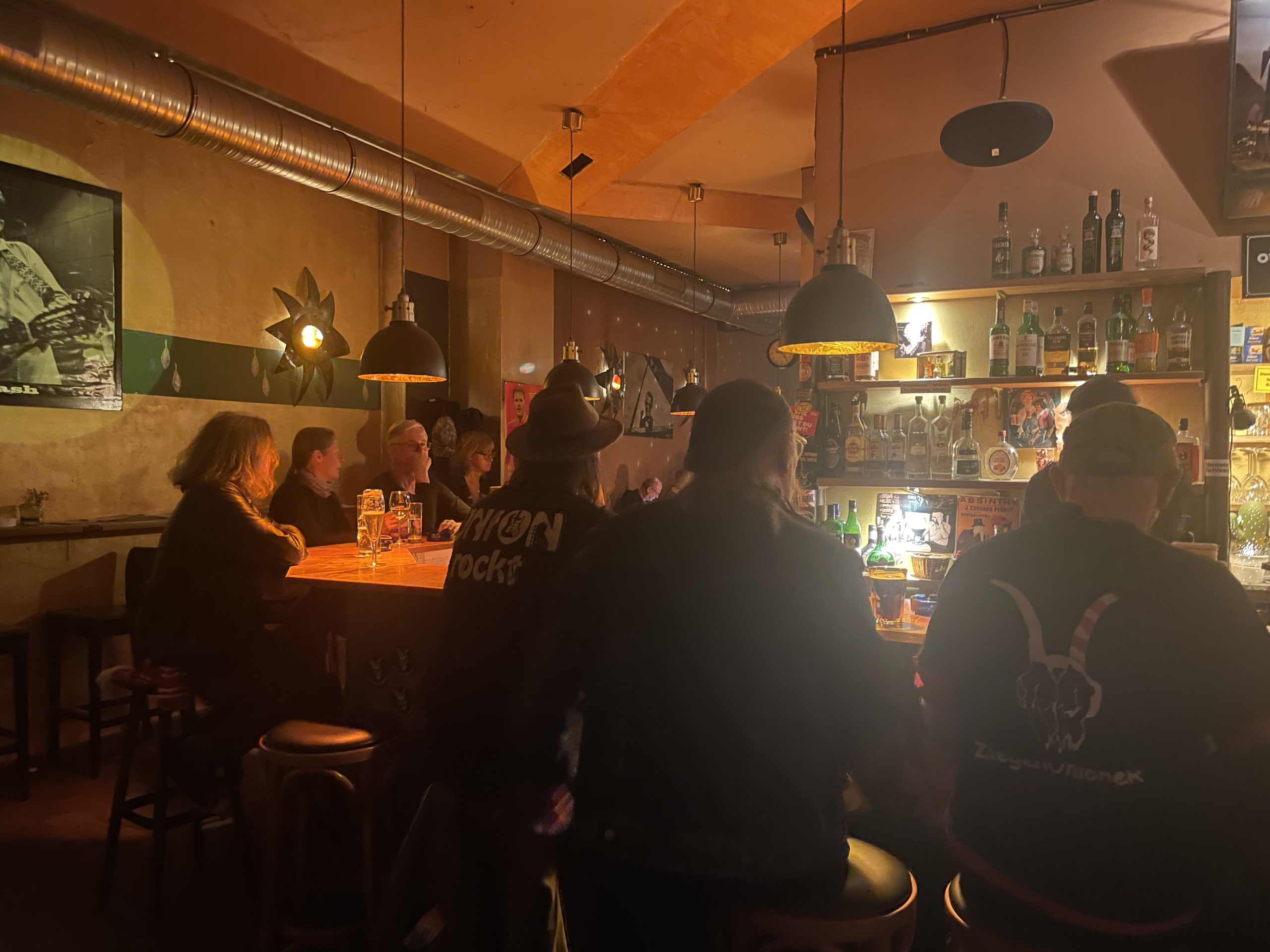 We’d been getting geared up to speak some German in Berlin but found, on arrival, that they speak better English than we do. Public transportation is excellent, though much more expensive than Spain or France, and the locals are low on attitude and ready to engage. The stadium for Hertha BSC, a local soccer team in the second division of the Bundesliga, is close to our apartment and they had played the same day we wandered into “Absint” a classic, smokey Berlin local pub in our neighborhood. We had an interesting “conversation” in broken German and broken English with the gnarly Hertha ultras mostly about how wild soccer crowds were in the 70s and 80s. They were not interested in England’s chances in the upcoming Euro 2024 tournament which is in Germany in June, but rather in drowning their sorrows after a 3-4 home defeat. We didn’t go back to Absint again, but that was because of the smoking and not because of the soccer fans. Berlin’s traditional pubs (Kneipe) are saturated with smoke, and smoking still appears to be prevalent far beyond current levels in the US. Having said that, it was the same in Portugal, Spain, France and the UK so it is one of the downsides of visiting Europe.
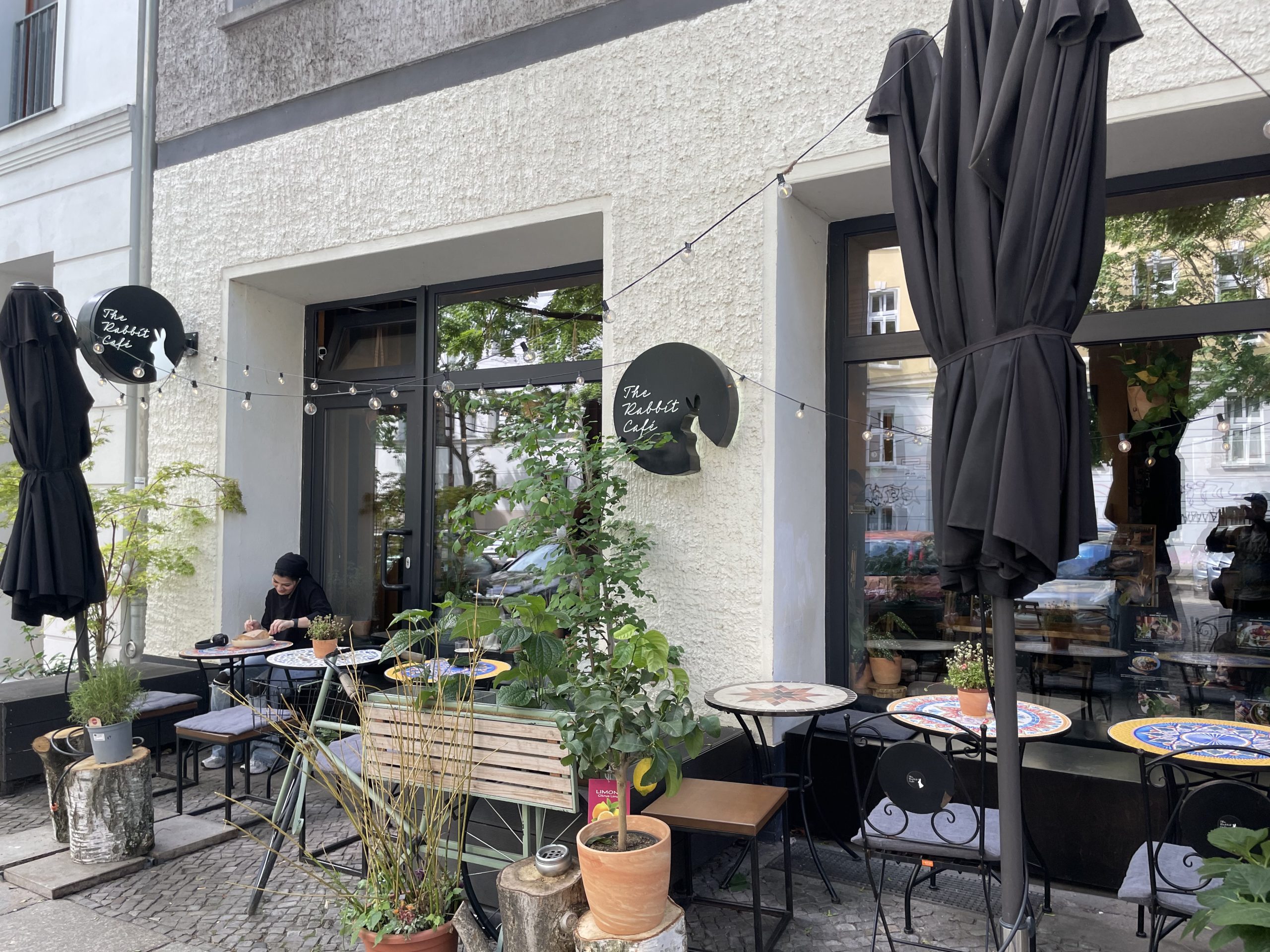
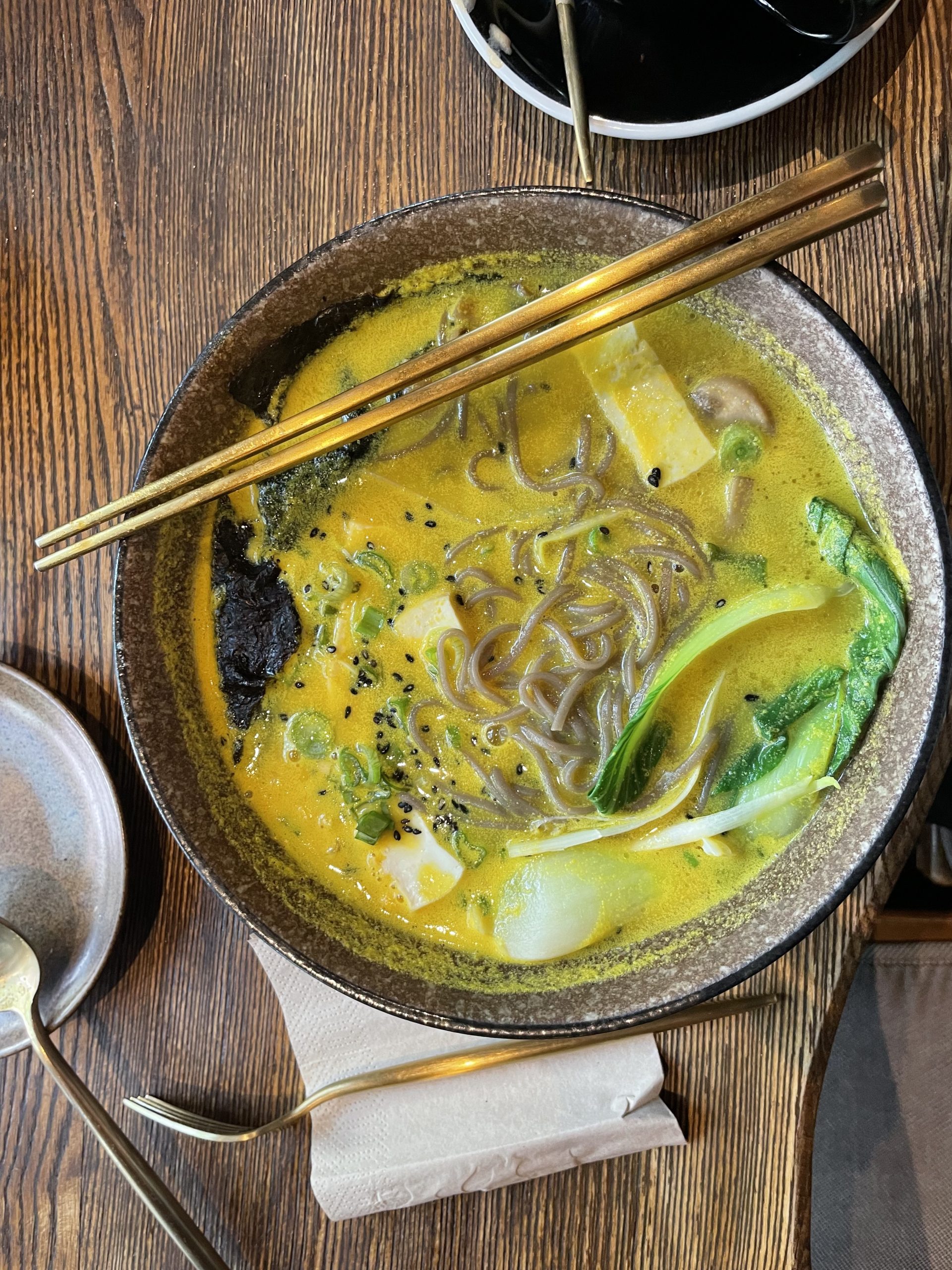 While I remember, Berlin has to be the best city for vegan food we’ve ever visited. We’re not vegan but, after a few weeks on the road we definitely start looking for vegetarian and vegan restaurants to get our diet under control. No problem with that here, in fact, around Prenzlauer Berg where we’re staying, it verged on comical as to how many of the restaurants were boldly advertising how vegan they were. After the struggles we had in finding vegetables on the menu in Portugal, Spain and France it was a welcome shock.
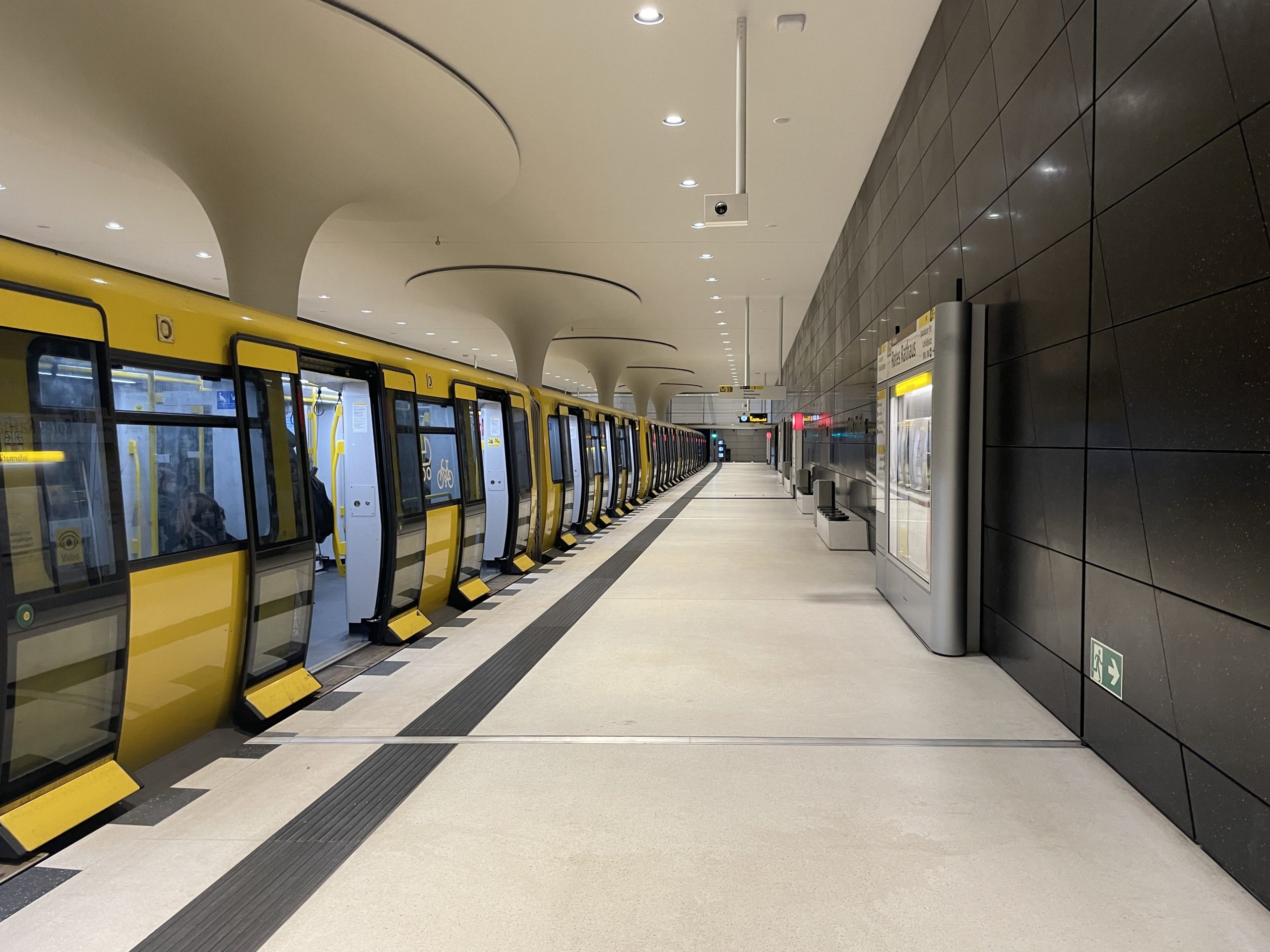 I also should mention that Prenzlauer Berg turned out to be an excellent neighborhood for our stay, so Rick Steves is right again. Easy access to public transportation, grocery stores, bars, restaurants and green areas and a short walk to the Kulturbrauerei, an arts and entertainment destination we’ll cover in the next, and last, post of this European trip.





Leave a Reply