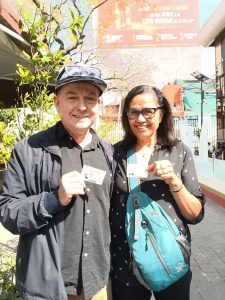
 Success at the immigration office (INM)! Abby and I are now, officially, residents of Mexico but there’s no immediate plan to move here, we just wanted the freedom to cross the US/Mexico border without restrictions. We utilized a legal company specializing in immigration into Mexico and they made the process very straightforward at a reasonable price. The fees due to the Mexican government for this process doubled this year and accounted for 2/3rds of the total cost so, if you’re considering getting residency here, you’d better get on with it.
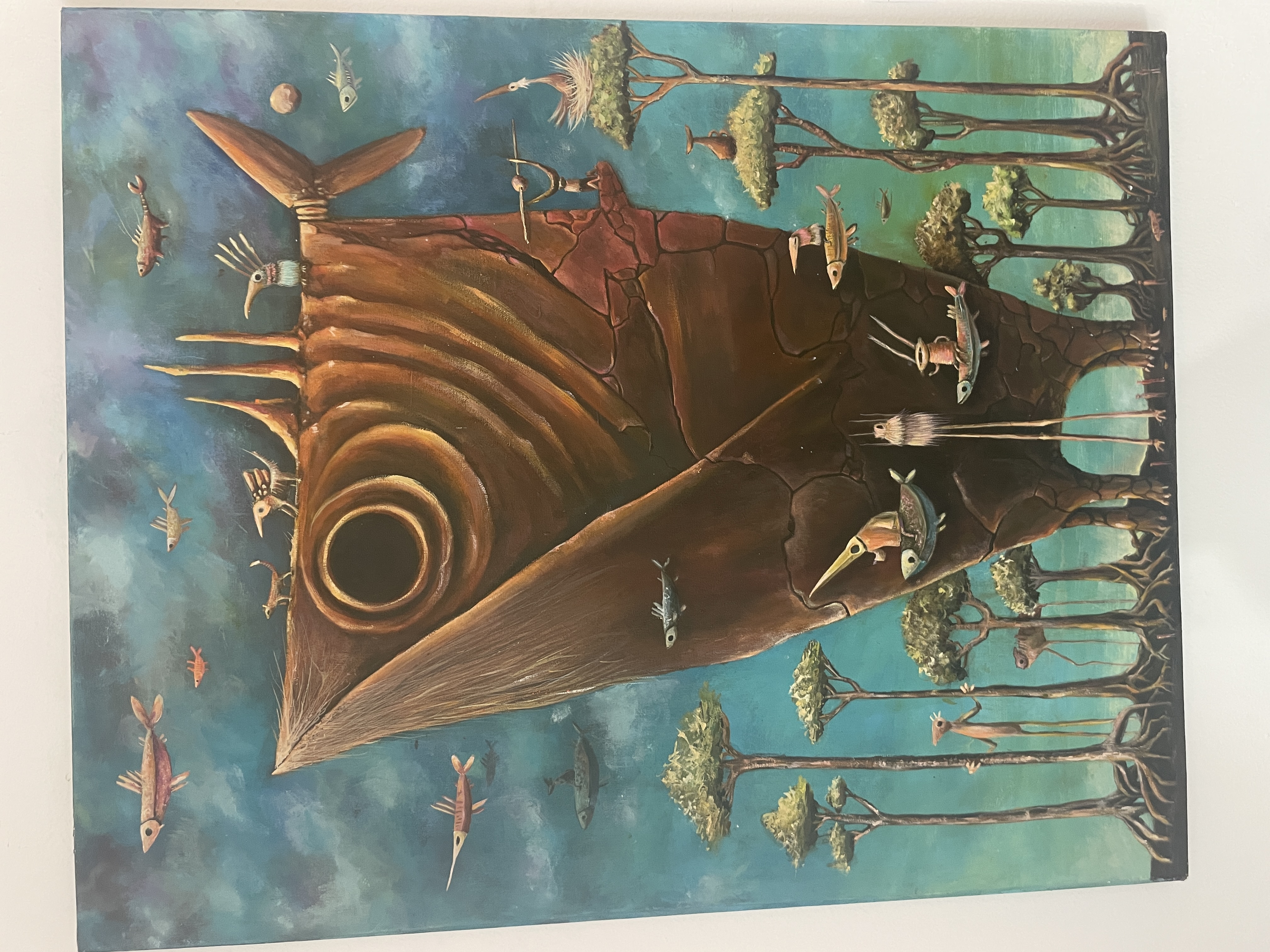 The INM is in the swanky district of Polanco, which contains Parque Lincoln where you can find statues of Abe and, also, MLK Jr. for a little touch of home. It’s also Art Week in CDMX so there are pop-up exhibits all over town including Polanco and we come across a cool gallery featuring several Latino artists using cosmic, magic realist and weird themes. The lack of a European Renaissance equivalent results in much of the art having either an indigenous or modern slant, which is just fine by me. In addition, the Western art that Mexico takes to heart is the more fantastic variety. From the popular art of Lord of the Rings and Harry Potter to the more upmarket surrealism, impressionism and cubism and the literature of Kafka, Orwell and Huxley. These are just examples from walking around a Sunday afternoon art and book event in one of the local parks.
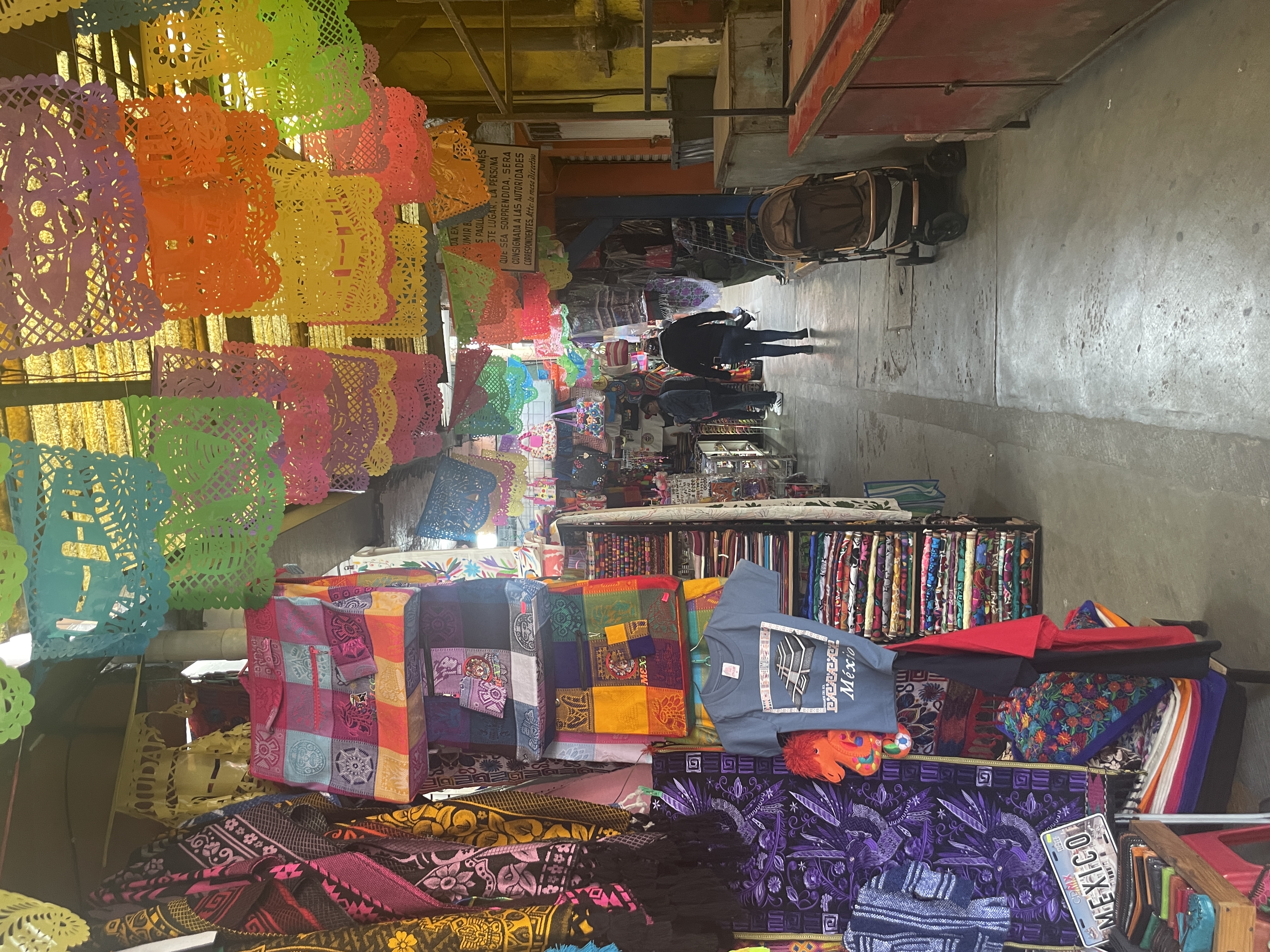 Juarez turns out to be a hipper than thou neighborhood which is great for artisanal coffee and fusion restaurants, but not so good for day-to-day shopping, so we spend a lot of time in the first few days figuring out where to get supplies and lugging them back to the apartment. Luckily, there is an old school Mercado close by, so we’re covered for fruits and vegetables and other staples at excellent prices. But then you step outside and run straight into a crazy expensive natural wine store and it’s hard to reconcile how both of them co-exist right next to each other. Given the degree of gentrification, we’re expecting to run into “gringo go home” sentiments, but nothing so far. Being in the company of the wonderful Abby who looks local and speaks Spanish helps a lot.
Oh yeah, we got sick: Both of us, but Abby got off light. A non-specific virus with an initial sore throat and general malaise followed by the usual cough and congestion that put me down for a couple of days and limping along after that. I used a mask so as to not cough over everyone around me and, in fact, masks are fairly common here due to the often poor air quality. The PM2.5 has, typically, run about 60-80, with the occasional bad day above 100 so, not great, but not in Beijing or Delhi territory. The major avenidas are particularly bad, with the parks and neighborhoods with trees being, not surprisingly, better.
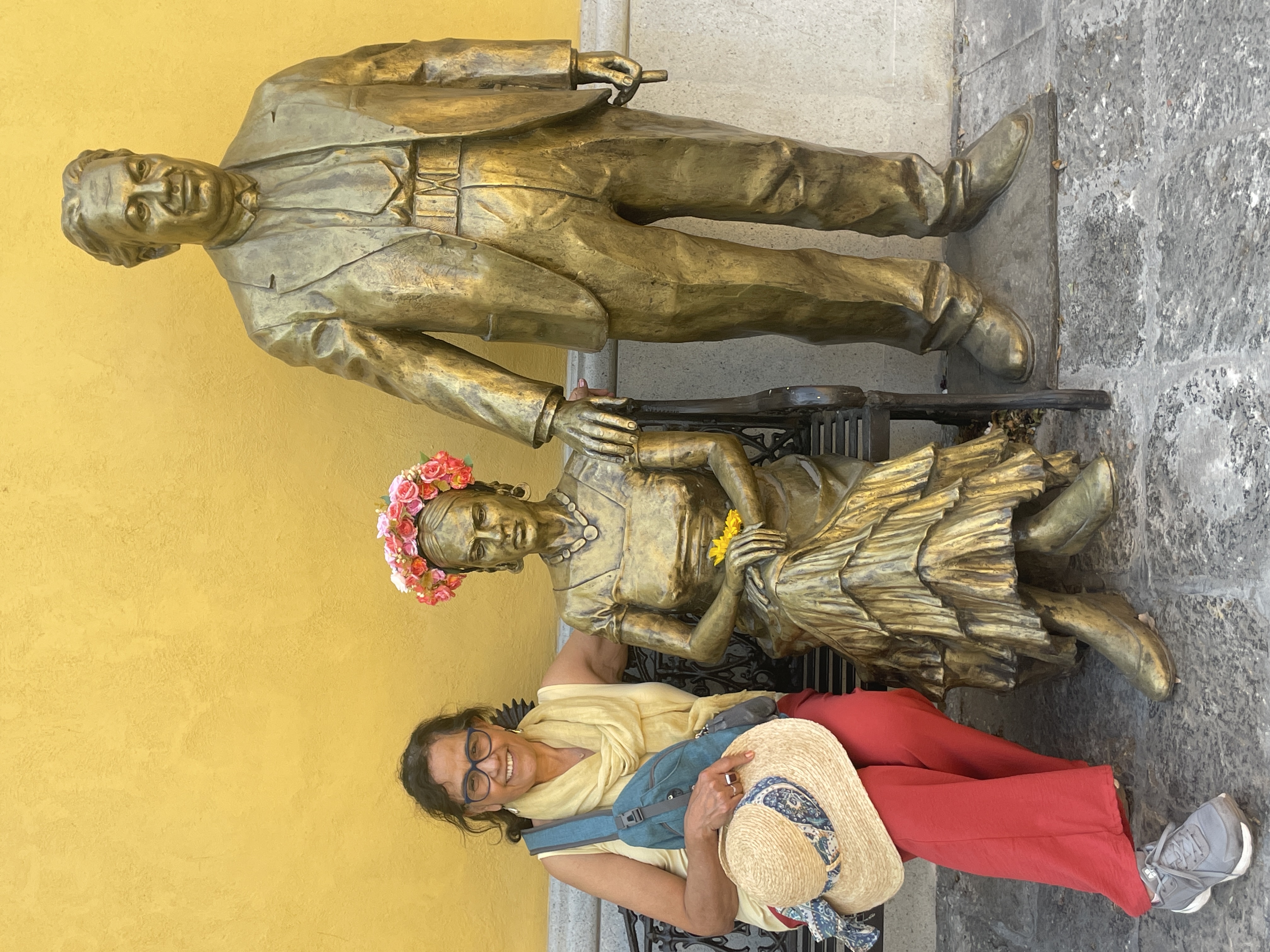 As well as checking out CDMX as a potential place to live, we’re also tourists and the artists Frida Kahlo and Diego Rivera are near the top of the list of people personifying CDMX. There are several spots associated with them but the most famous, and the one requiring reservations weeks in advance, is Casa Azul in the district of Coyoacan where they spent most of their life. It’s a district five miles South of where we’re staying that was once a separate town before being incorporated into Mexico City. It has a more relaxed atmosphere, lots of greenery and, yes, mucho touristas, like us. The home is well worth a visit – I was struck by Frida’s overwhelming drive to create art even in light of her serious disabilities and the intermittent chaos that must have occurred given her and Diego’s libertine and bohemian lifestyle, not to mention the menagerie of exotic animals they kept there. Well worth a visit, particularly as there are many other things to see in Coyoacan and we will return there later in our time in CDMX.
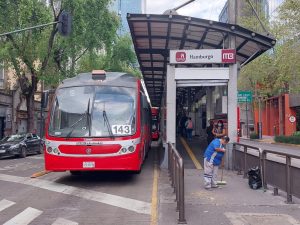 The plan is to see how regular folks live here so we must deal with the public transportation system: We have our MI cards (Tajeta de Pago Unificado) which covers the Metro, Metrobus (explanation to follow) and the official city buses. The fixed of 6 pesos seems very low, but the reality is that if the fare was much higher this megalopolis would grind to a halt. The volume of traffic varies makes it desperately urgent to encourage the use of public transportation. Aside from the mostly underground Metro, the Metrobuses carry a large part of the load. They travel on dedicated lanes with the stations in the middle of the larger avenues requiring you to “tap on” with your MI card. Bus frequency is as high as once per minute, which sounds nuts, but they are all usually packed all the time. Similarly, the Metro is usually very busy, escalators are rare and the odd elevator is designated for people in wheelchairs etc so, even though it goes to places like the airport, traveling on it with long haul luggage would not be cool.
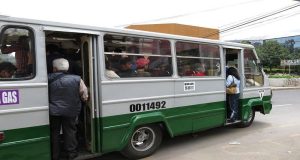 Then, the regular buses…..we haven’t figured this all out yet but some of them show up on Google Maps and use the MI card, but others don’t as they are run by affiliated private companies and may require cash and a different fare. Then there are the minibuses that don’t have route numbers just various destinations scrawled on the windscreen and may or may not have functioning automatic doors and suspension. You sit down and pass your fare up to the driver via the other passengers! Well, there’s always Uber, which is inexpensive here, but I’m sure we’ll at least use the Metro and Metrobus some of the time and take it from there.
Leave a Reply