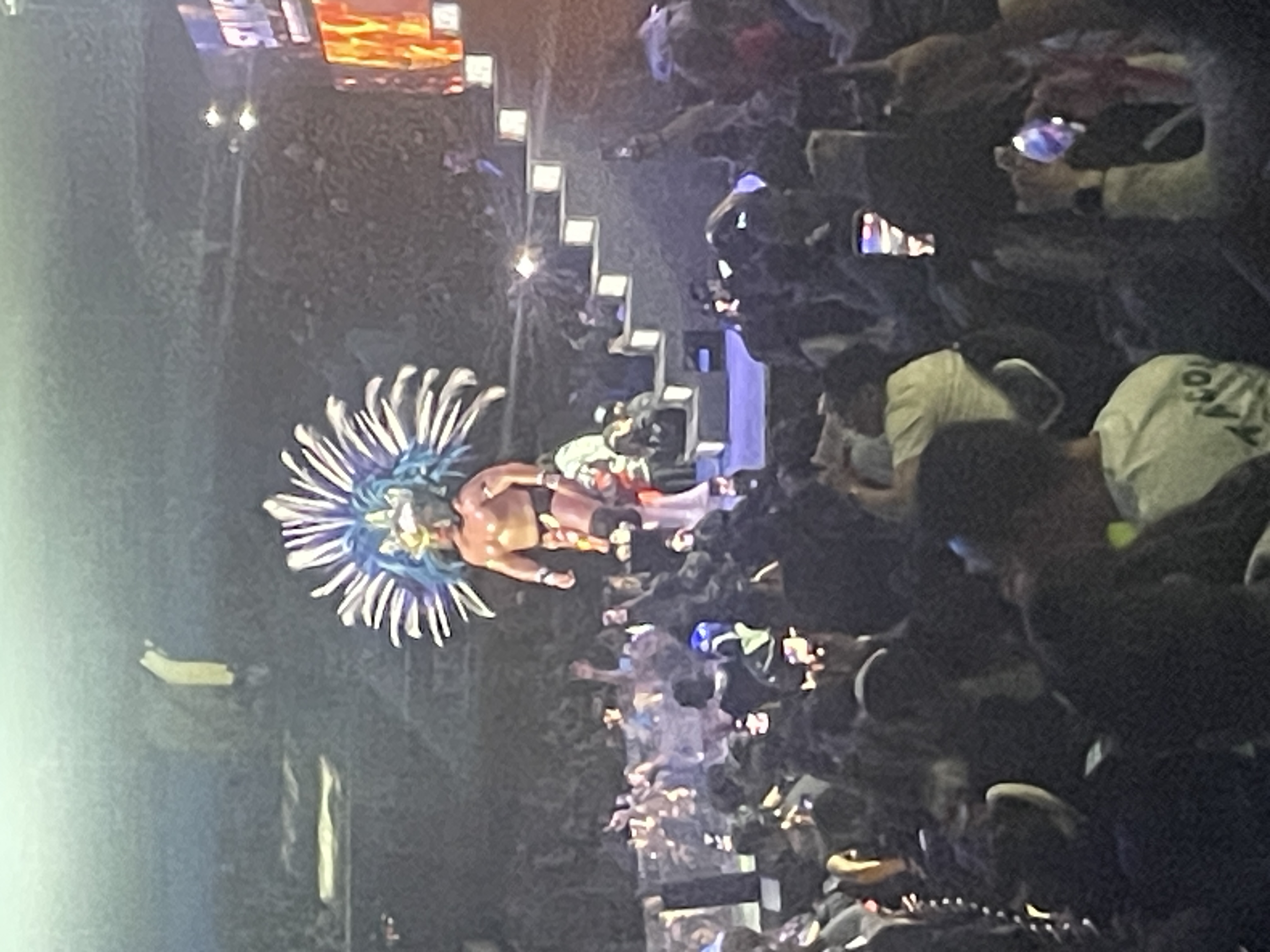
 Hola, Buen Dia! A reminder that the plan here is not to detail every tourist attraction we saw, there are many other sources for that but, rather, to give you an idea of what it’s like to live here and how it varies from the US.
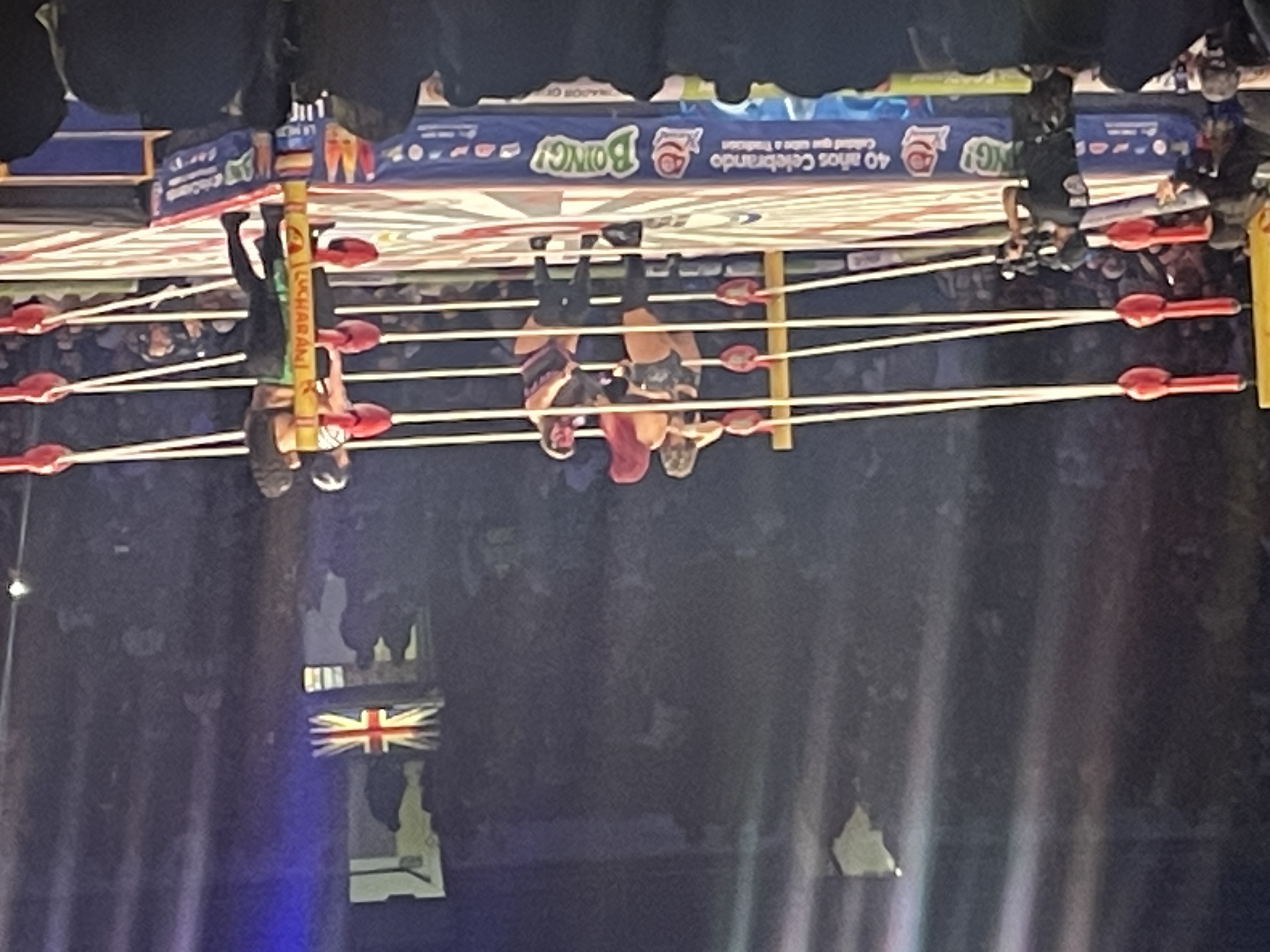 Having said that,….. Lucha Libre! One of Mexico’s more famous exports, Lucha Libre or “free fighting”, is the local style of professional wrestling distinguished by colorful masks, agility, flying aerial maneuvers and unabashed corniness. The main arena in town, Arena Mexico, is in easy walking distance from our apartment so we head on over on a Sunday evening. The format is a series of three round bouts won by two of out three falls, a KO, or a submission with tag team bouts of 2, 3 or even 4 a side being typical. Not all the wrestlers are masked, but all have some theme or gimmick to distinguish themselves. We see some female wrestlers and there are also, “Exoticos”, male sexually ambiguous wrestlers who camp it up and defy traditional macho Latino culture, but none on the bill tonight. By the way, it’s been good to see that, at least in this part of CDMX, there are many queer couples of all types, displaying affection openly and no one pays any attention. Back in the arena, as would be expected, there is mucho cerveza and junk food, the locals know what to shout and when, the wrestling is athletic and choreographed and there is periodic stylized drama. A fun time out and something any tourist can do on their own without joining a tour, just buy your cheap tickets via, unfortunately, Ticketmaster/Bastard who seem to have a stranglehold on live events down here.
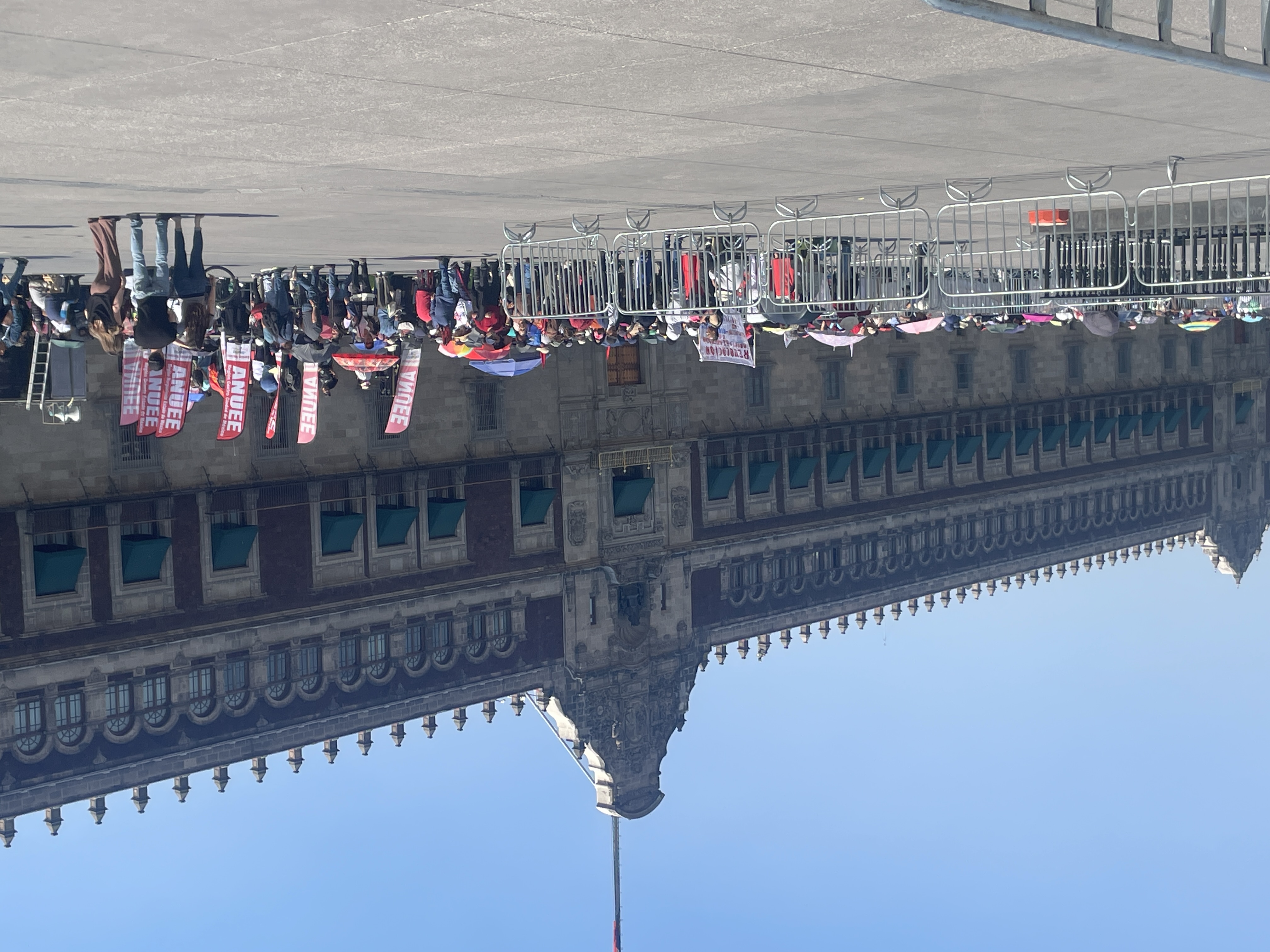 The next day we’re into the heart of the beast that is Centro Historico, where many of the major sights of CDMX are found: It’s a strange mixture of historical grandeur and blue-collar scrappiness. Most of the bougie elements of Roma and Juarez are gone, but you can get an excellent deal on a $10 pair of suspect Levis. Lots of people, traffic, vendors and noise. The zocalo is the largest town center plaza in the Americas and is consistently used to let the government know how you feel about just about anything and everything, and that is certainly happening on the day we arrive. Today it happens to be the electrical workers union, an older crowd complaining that the management is “not negotiating reasonably about the current contract,” and aside from the over-the-top rhetoric, there’s nothing untoward. However, around the corner there are more than a hundred riot cops bottled up waiting further instructions. Not sure how often things kick off, but, hopefully, not today. We’ll take a look at the riot schedule before we head down to the zocalo next time.
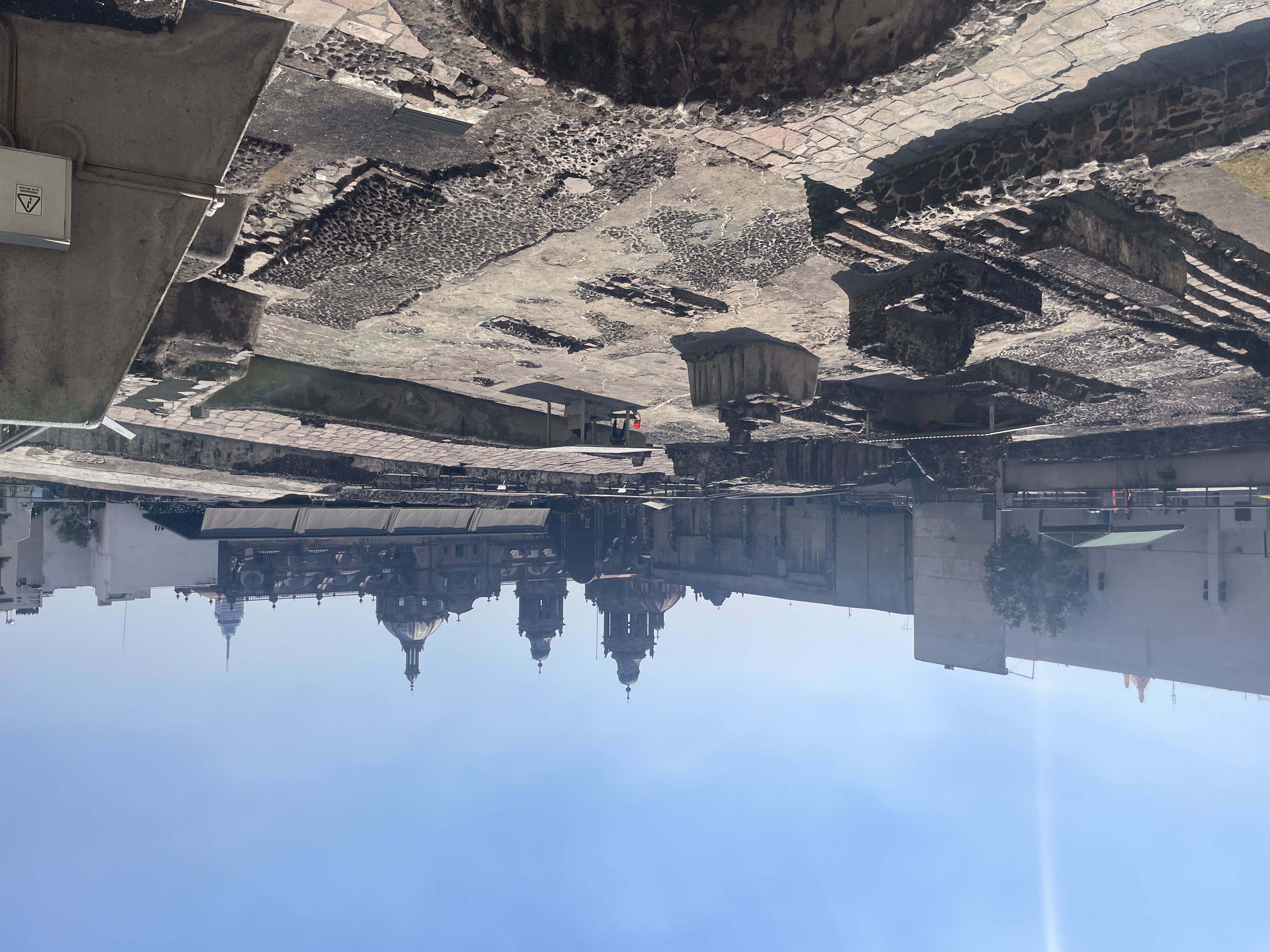 The zocalo is steeped in history going back long before the arrival of the Spanish in the 16th century. There were people in the area12,000 years ago and a sophisticated civilization by 200BC. However, it was from roughly 1325 to 1520 that the main temple of the Mexica people was built and repeatedly rebuilt here, dedicated to the unpronounceable god of war Huitzilopochtli and Tlaloc the god of agriculture and rain with the 7th and final version (!) being a classic Aztec-style flat-top pyramid. When the Spanish invaded in 1521, they promptly destroyed it all and, eventually, built the current Metropolitan Cathedral on much of it. Yay, progress! Still, in 1978 remains were discovered and excavated and there are now an archaeological site and museum well worth visiting.
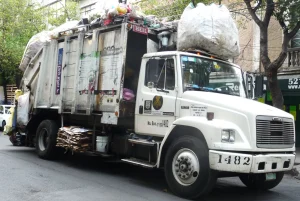 Keeping a metropolis of more than 15 million people going takes a lot of infrastructure and planning and the government can only do so much. So, typically, there is some kind of formal system in place, which is insufficient, and then there is a DIY, people driven layer on top of that to make it, mostly, work. We belatedly learn about the refuse and recycling system when our personal refuse guy, or “Pepenador”, knocks on our door at 9am and tells us in no uncertain terms that we have to sort our garbage and recyclables and leave them outside our door in plastic bags (yay!) with an appropriate tip (“propina” en Espanol). This dude has the street key to our little apartment complex so he can get in and transfer our little refuse bags to the garbage trucks, or a local processing center. The garbage trucks are a sight to see, ancient behemoth tank like vehicles covered in crap both intentional and not with several “basureros” guys hanging on at the rear. Ironically, these monsters belch out an enormous volume of black smoke as they go about their business of saving the planet. Still, its only last year that CDMX implemented compulsory sorting of refuse so its still a big step forward. It’s a sobering sight to watch the basureros manually sorting through the plastic bags (insert sad face).
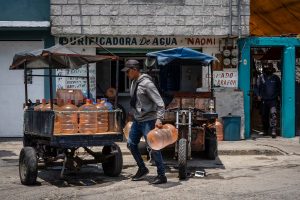 CDMX tap water is not potable so it usually comes in 20-liter reusable plastic containers, or “garrafons”, which are a bitch to carry, but Jesus Ramirez & Co. will deliver them to your kitchen for much less than the 7-11 charges, again, just remember to tip. Then there’s the propane switch out, as Mexico is totally dependent on propane for domestic cooking: So much to learn.
Leave a Reply