 Japan is on the Pacific Rim ring of fire so it suffers from earthquakes and, occasionally, volcanic eruptions but, on the plus side, there are more than 27,000 hot springs discharging over 2.5 million liters of water every minute(!) (Thanks Wikipedia). Kyushu Island, one of the main four constituting the Japanese mainland is a hot springs hot spot and, “today”, we’re heading to the mother lode in the resort city of Beppu on the Eastern coast of the island. Beppu is infamous as an onsen (place where you can enjoy hot spring water) holiday vacation for domestic tourists but, word is, it has seen better days as Japanese travel more overseas and public bathing has become to be considered old fashioned.
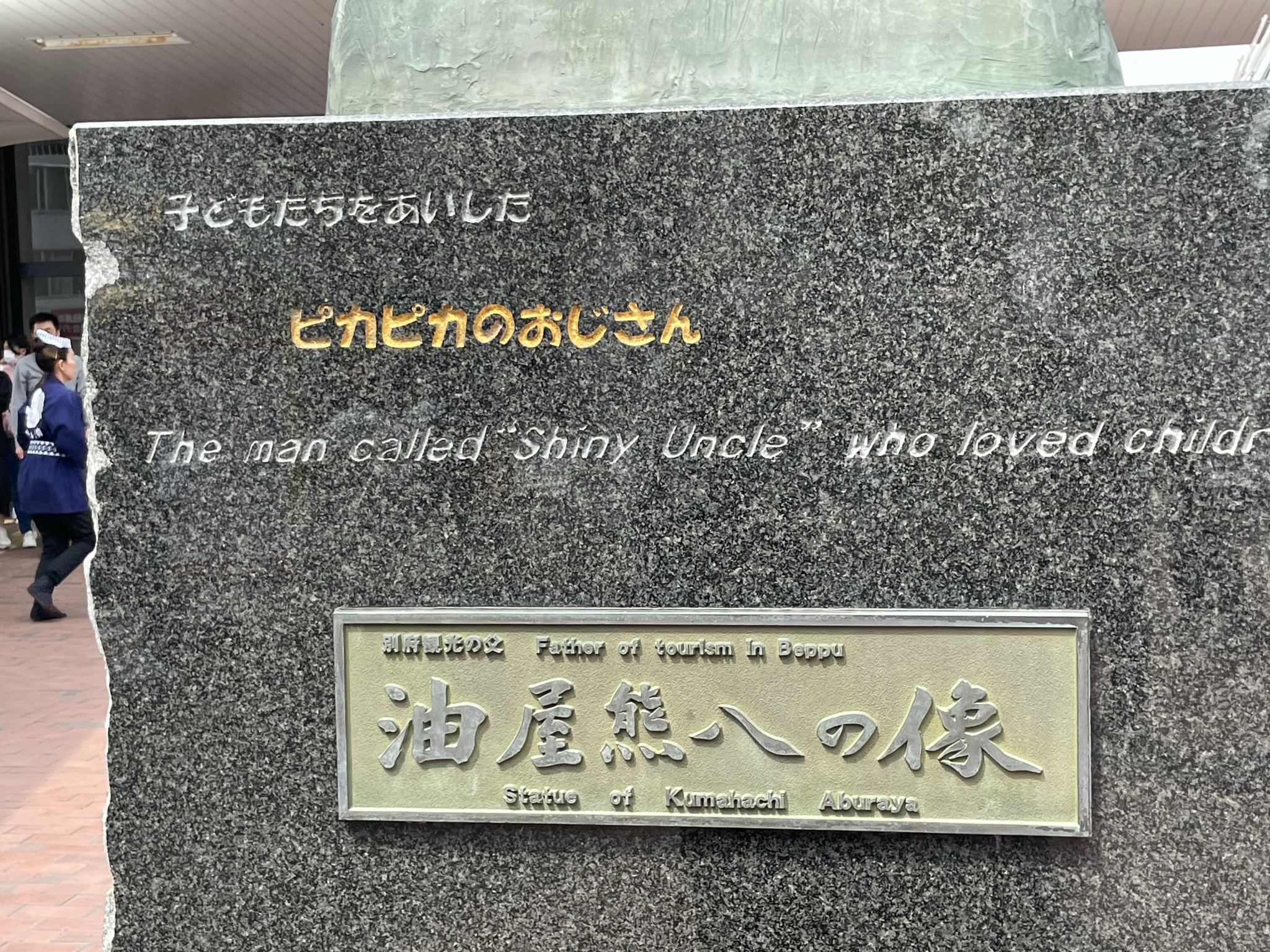
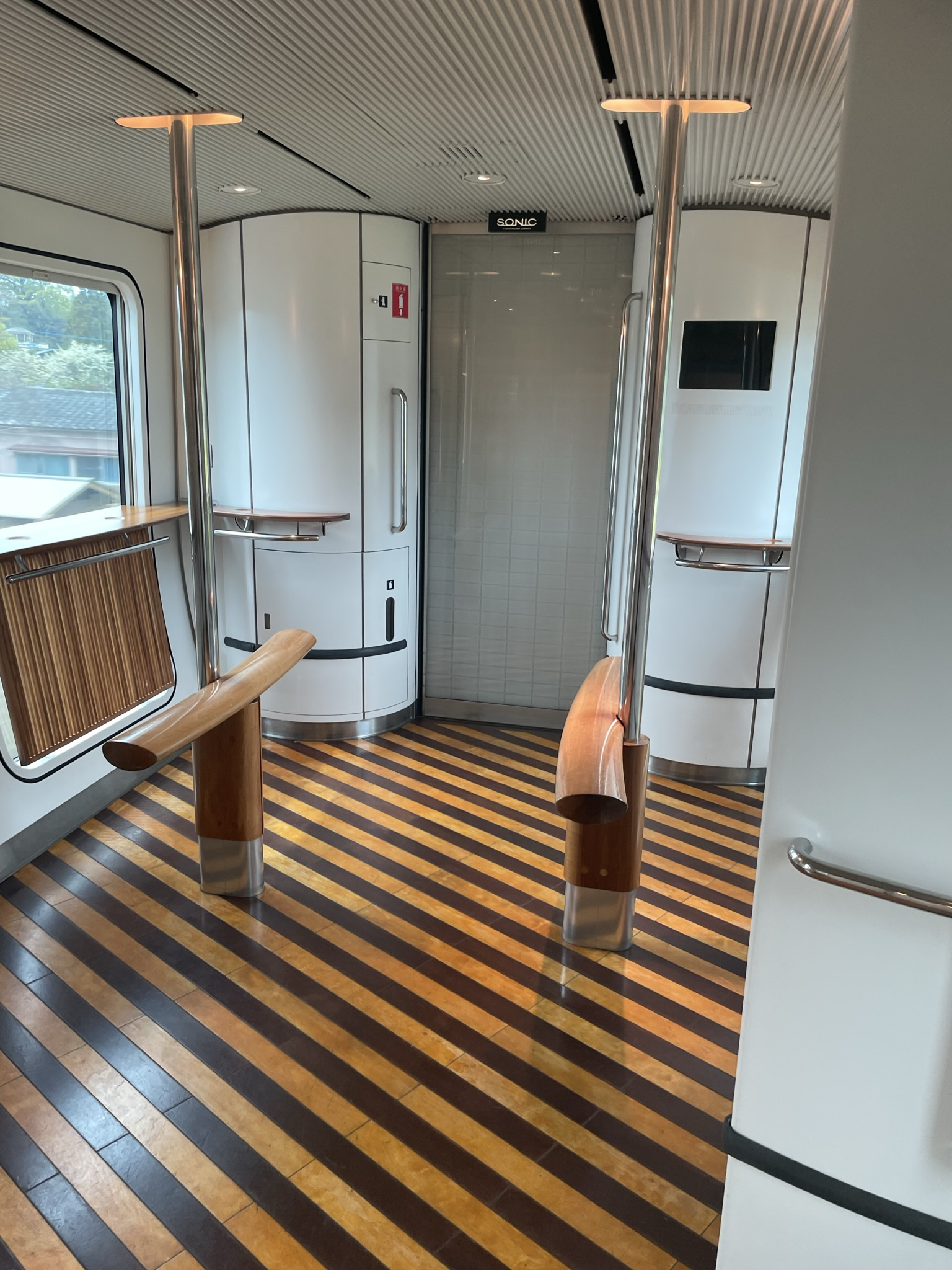
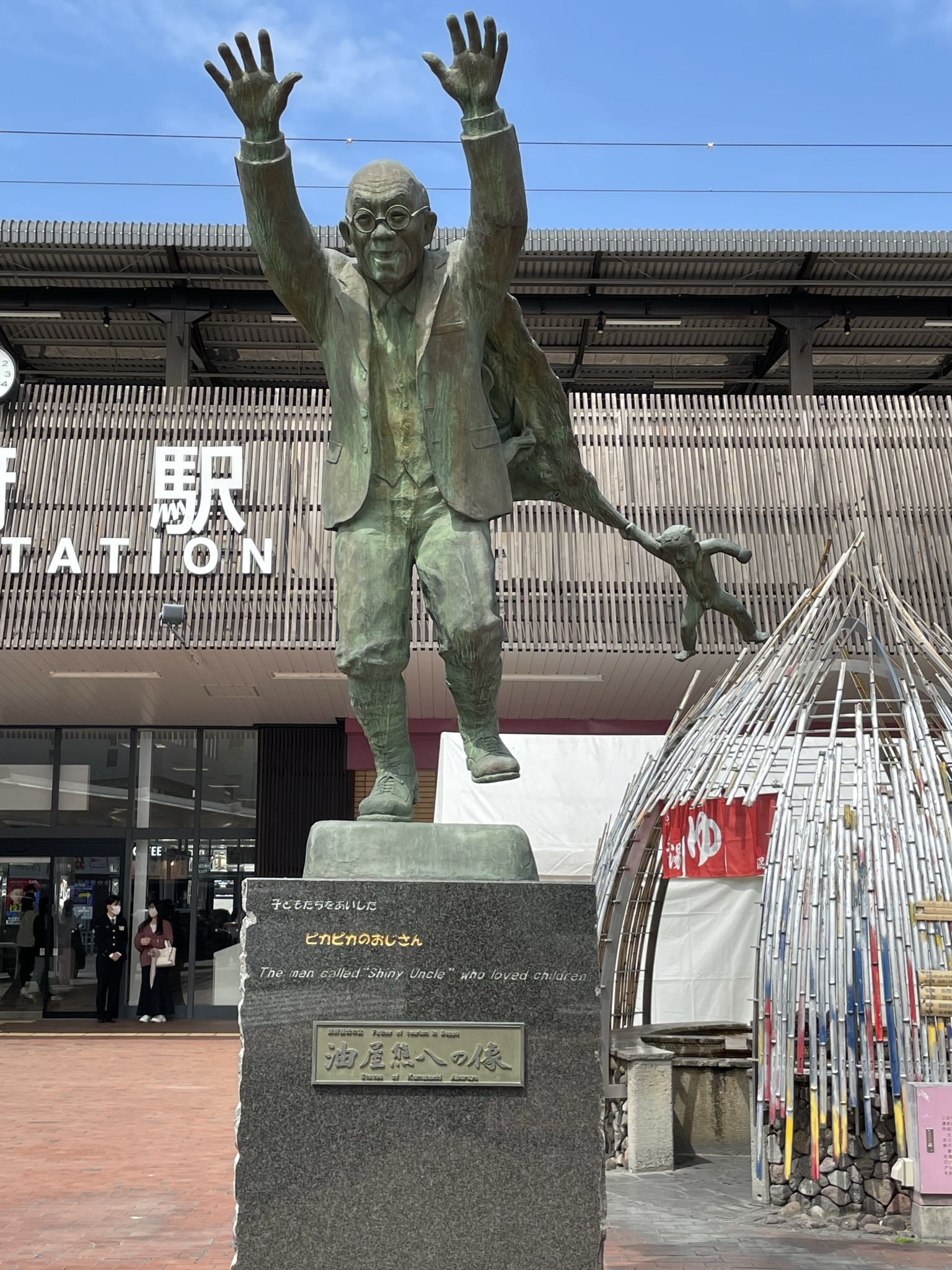 An easy and scenic rail transfer from Fukuoka gets us to Beppu in 90 minutes: Outside the modern station there is a popular statue of Aburaya Kumahachi, the father of Beppu tourism, in Superman pose on one leg with a small child hanging in the air holding the edge of his cape. An inscription below translates, slightly awkwardly, as “The shiny uncle who loved children”. He put Beppu on the map as a tourist destination and promoted the touring of the Jigokus (Buddhist Hells). The jigokus are, actually, geothermal hot spots, with differing characteristics a la Yellowstone park, but loaded with Buddhist and Shinto imagery and, sometimes, over the top tourist shenanigans. Should be interesting.
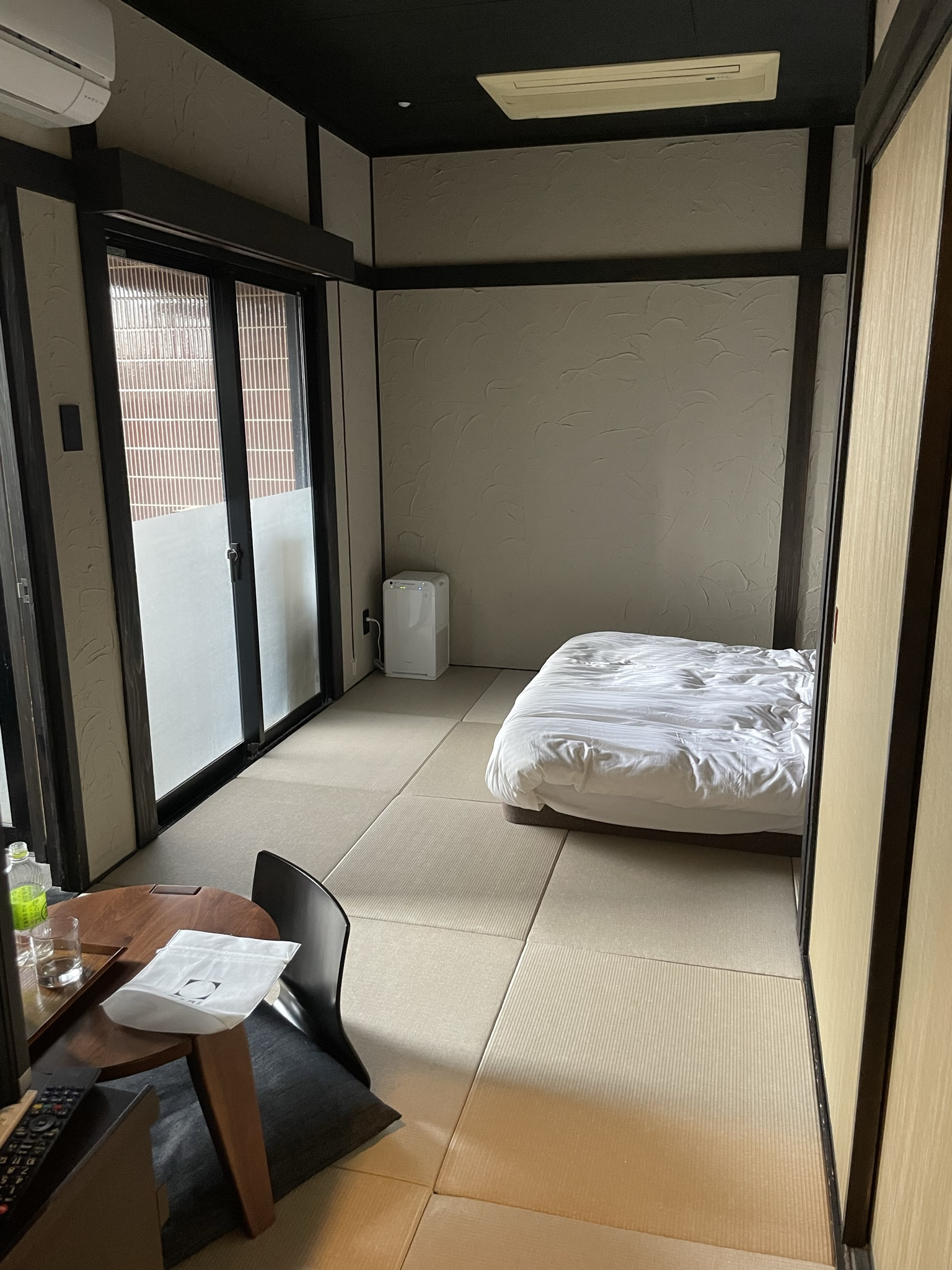
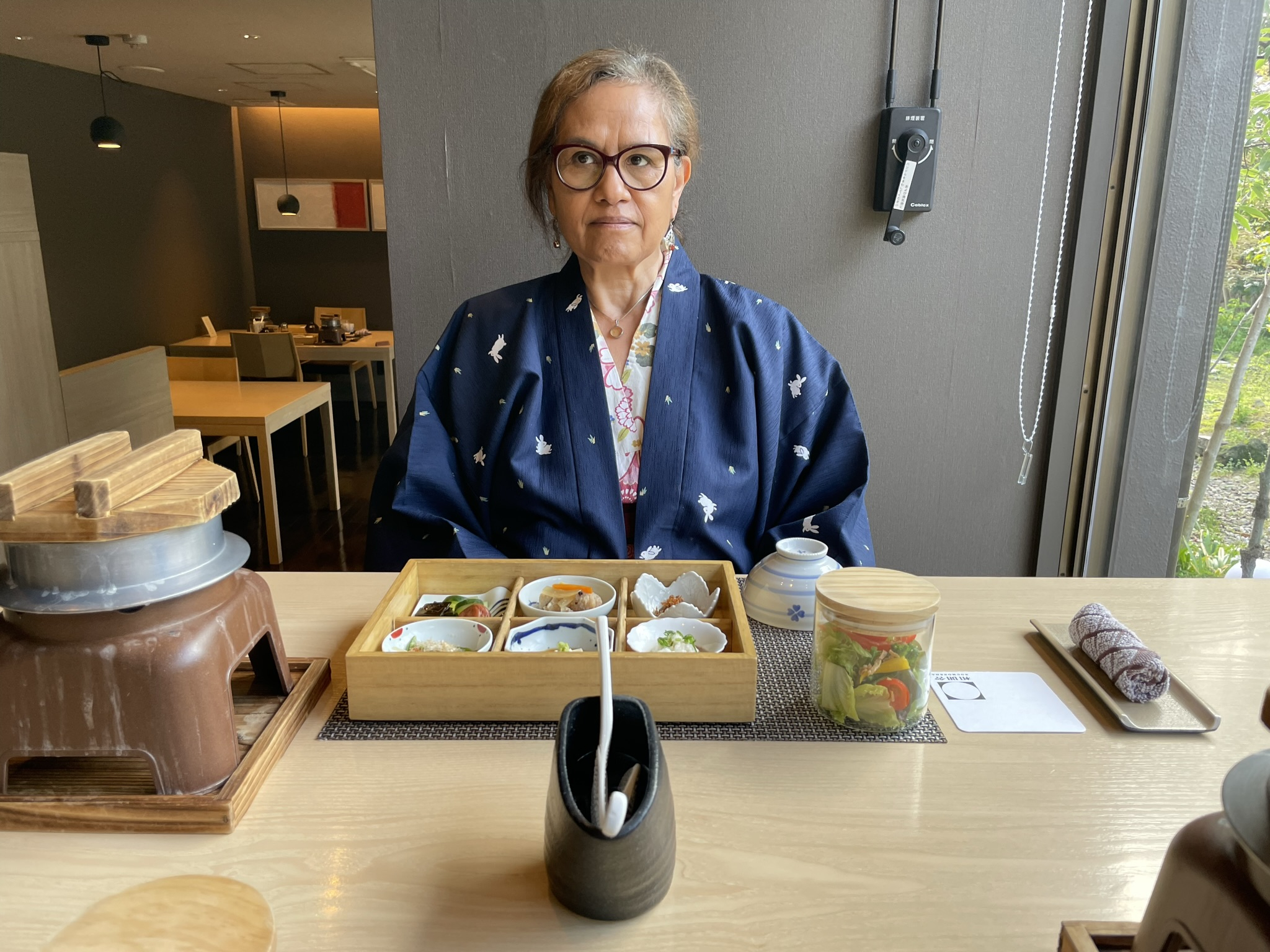 Meanwhile, though, we first splash out on a one night stay at a ryokan (traditional Japanese inn) with all-inclusive meals, an onsen onsite and, even, our very own small onsen on a tiny balcony. Tatami rooms, yokatta (light dressing gowns) to wear, traditional architecture and a very serene, chill atmosphere.
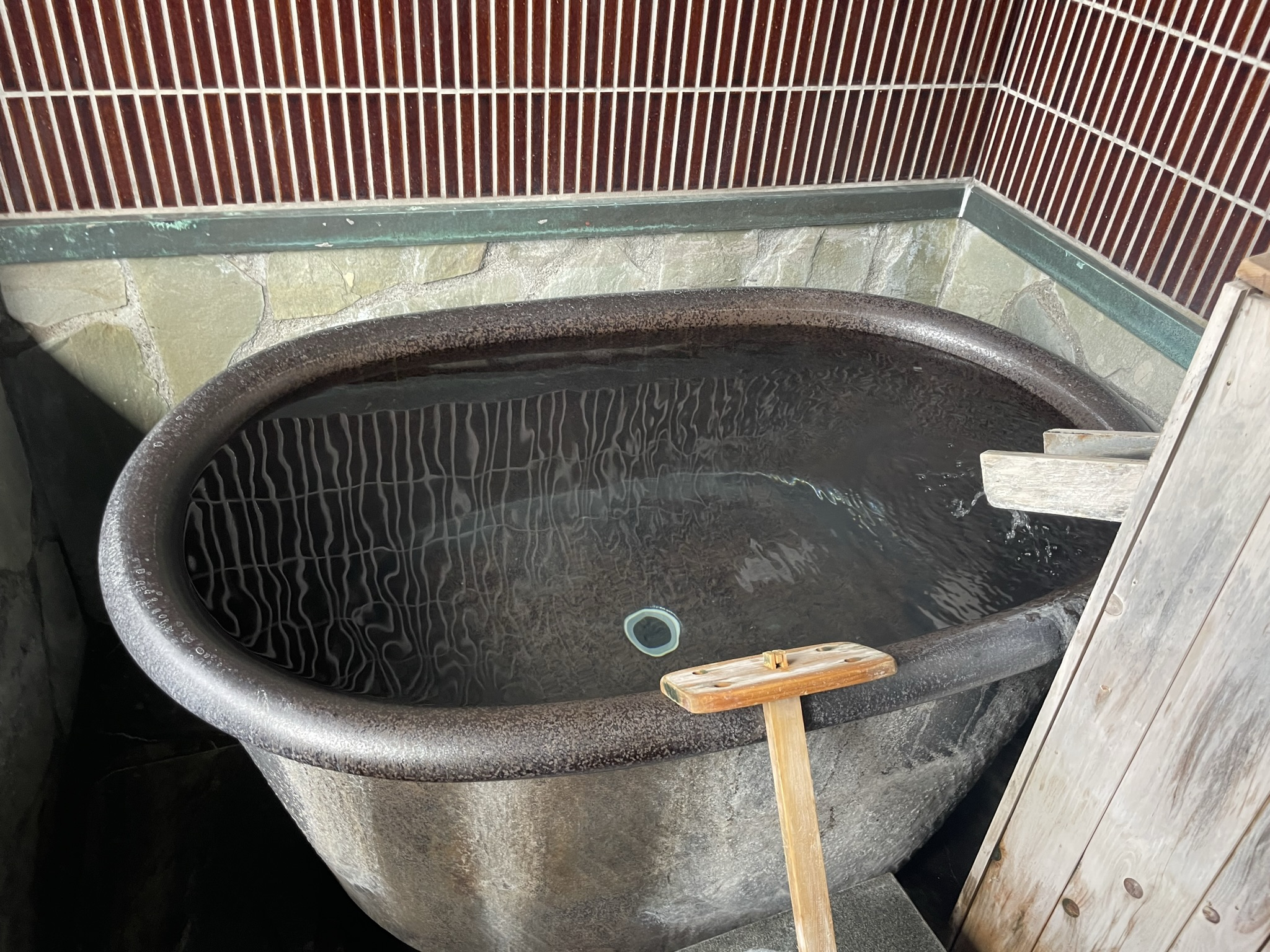 We’re struggling with travel fatigue so we take it easy in our room and try out the, one person at a time, rustic onsen tub. One time, before we’re too old to go on these expeditions, we’ll pony up for a similar set-up but with a larger, personal onsen that fits both of us with a mountain view but, for now, we’re very grateful to be here. I’ve managed to do something diabolical to my lower back and hip, very unusual for me, so the hot tubbing is a Godsend. It probably happened when we got stuck in a small railway station and I decided to carry both our long-haul suitcases down multiple flight of stairs. Travel light, friends, don’t do as we do.
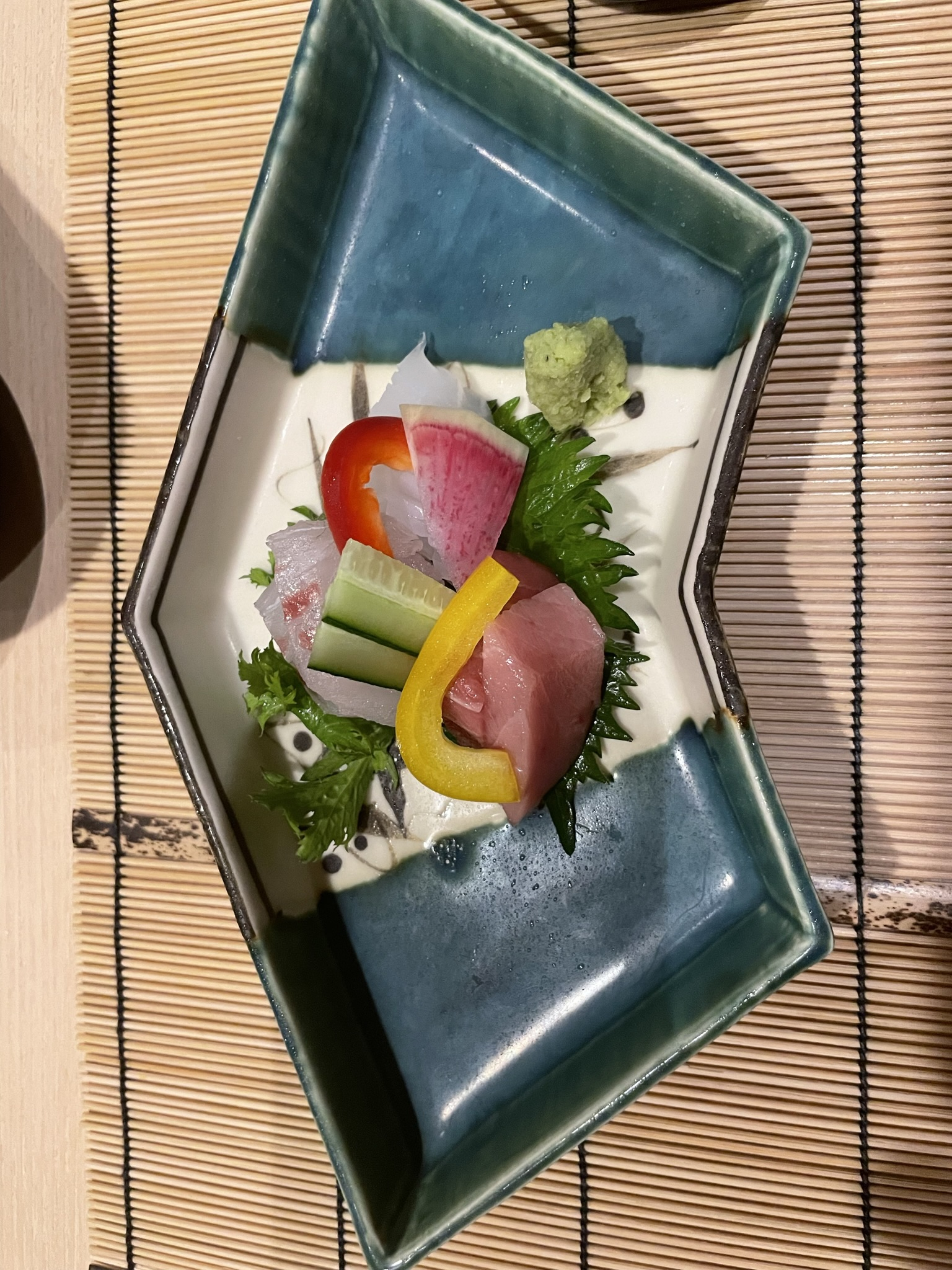
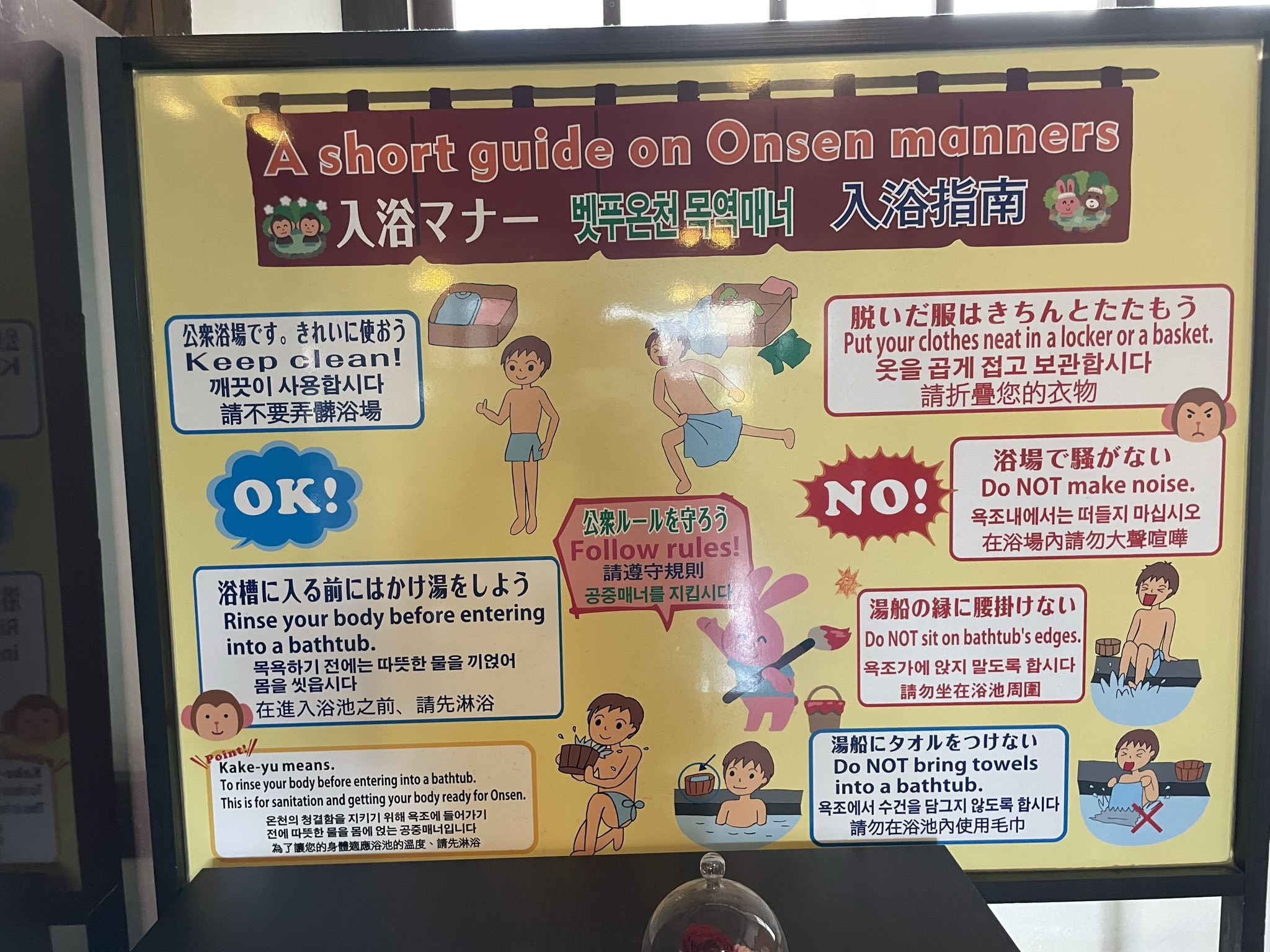
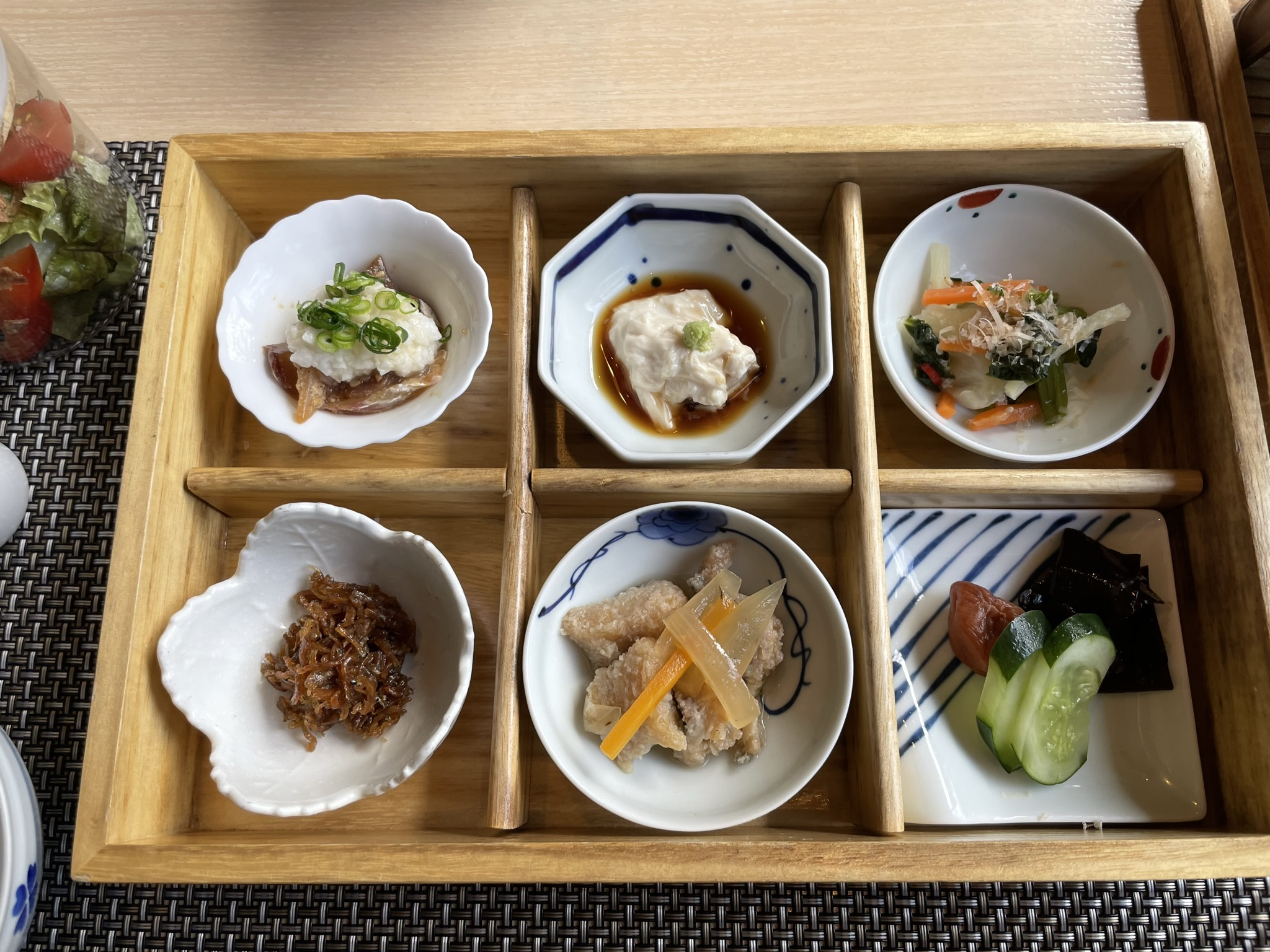 The kaiseki dinner is amazing, kaiseki being the traditional, artistically arranged small plate cuisine that is the pinnacle of Japanese food. This meal is distinguished by the combination of its visual art, plus the fact that is it is absolutely delicious, and not some weird imperial tidbits, which can sometimes be the case. We take an early night, as virtually every ryokan night is, after checking out the communal onsen at the inn. For new comers, the Japanese standard for public onsen is separate facilities for men and women, no bathing suit allowed and wash thoroughly before entering the hot water. Traditionally, you get a tiny white towel with the insignia of the onsen to wash your self and to carry, nonchalantly, in front of your privates. This towelette is placed on your head while you soak and should not touch the sacred waters.
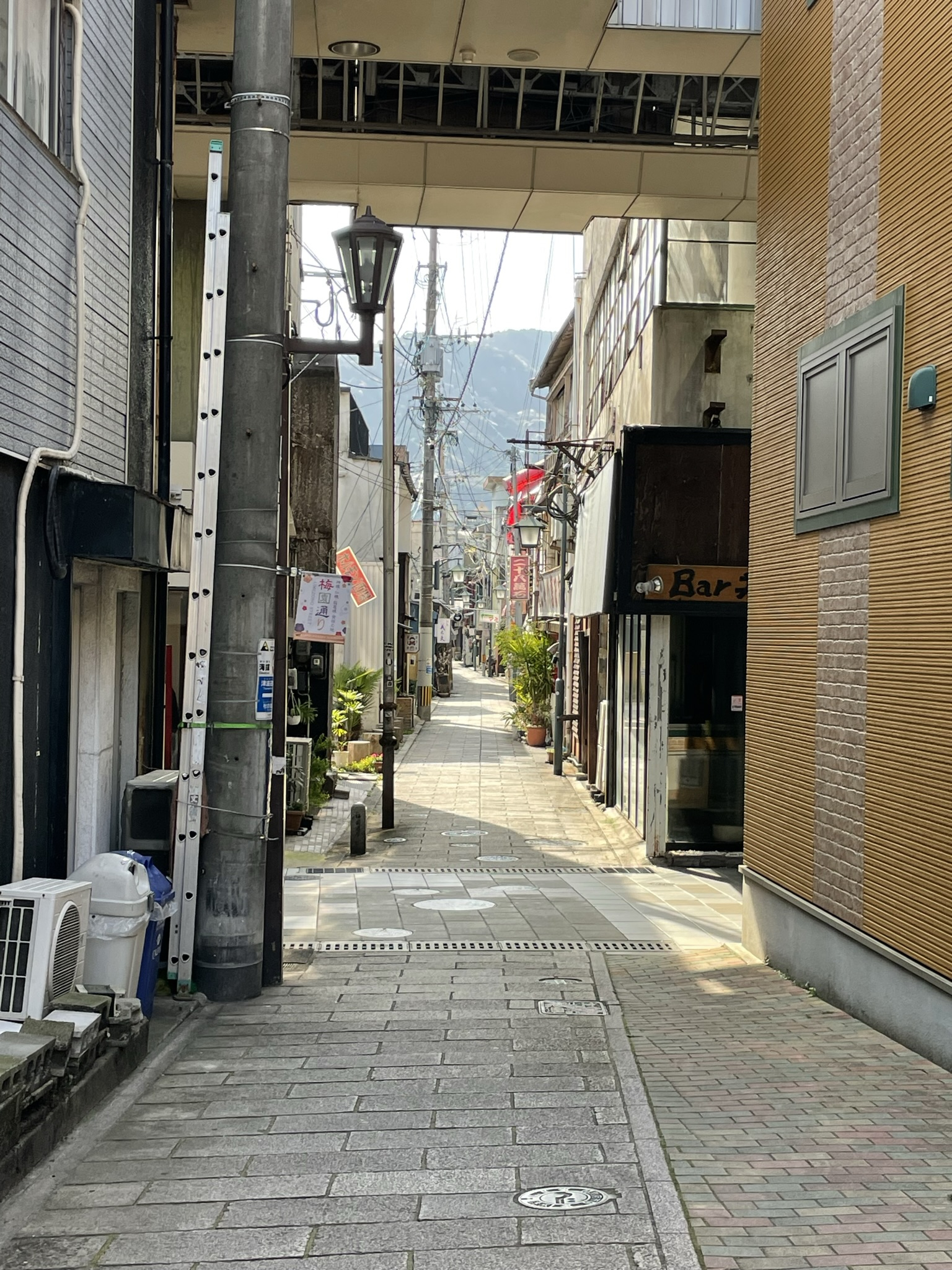
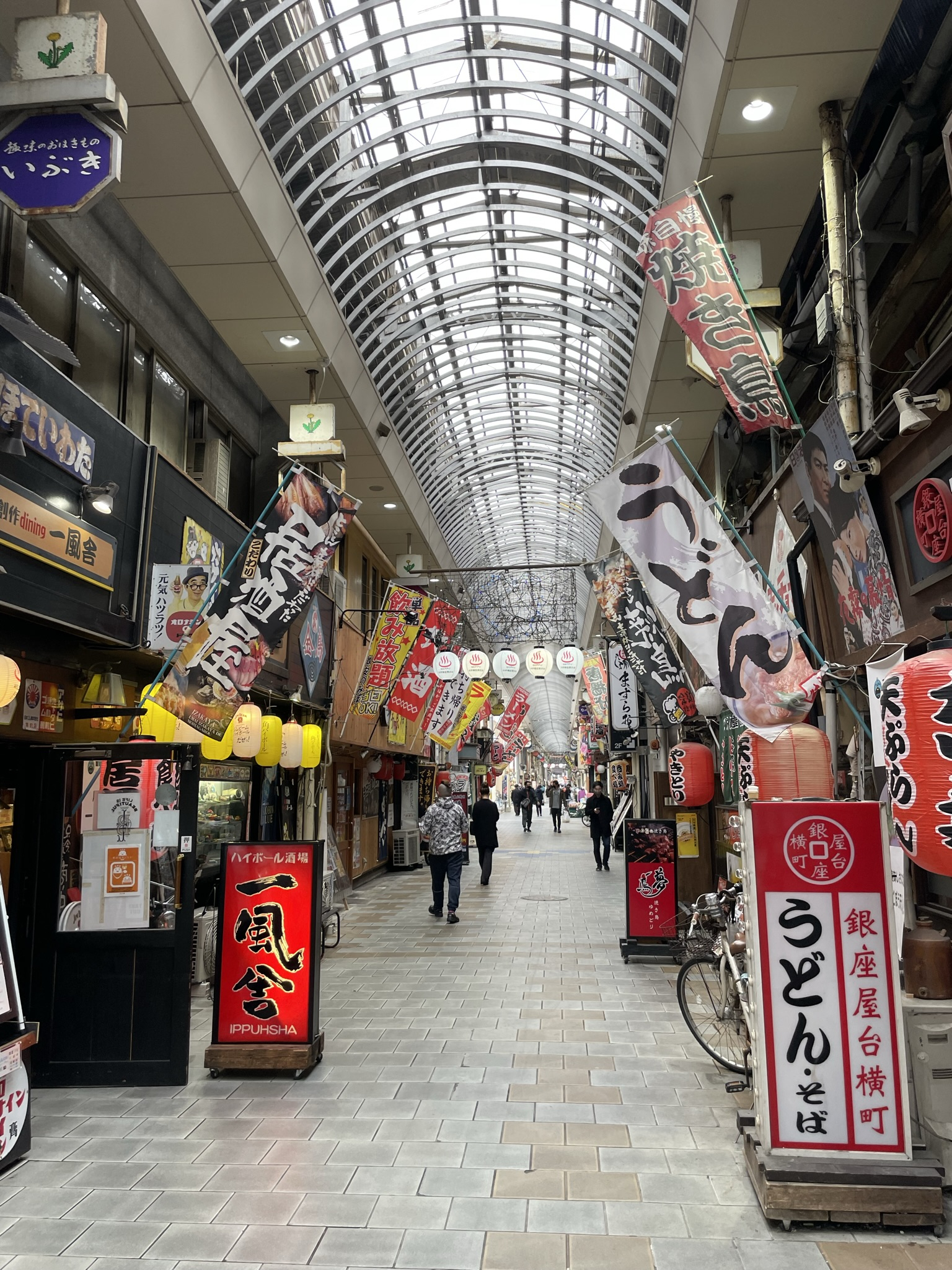 After a wonderful breakfast, we, sadly, check out and head by taxi into the town center where we’re staying at a much cheaper ryokan for the rest of the weekend which turns out to be right in the middle of the action. What action, you may say? Japanese nightlife action! Innumerable small bars and restaurants in narrow alleyways and covered arcades (shotengai) along with regular but, mostly, traditional shopping. Beppu is, definitely, interested in gaining the custom of foreign tourists, as can be seen by the proliferation of English menus (not a trivial matter in Japan) and the heroic efforts of the staff at the tourist information center at the station. Probably the best service we’ve obtained as travelers anywhere in the world, and we leave there swamped with information on where to go and how to get there. This sets us up, nicely, to use the local bus system to visit the Jigoku, unlike the situation in Fukuoka, where we never used any in-city public transportation for lack of information.
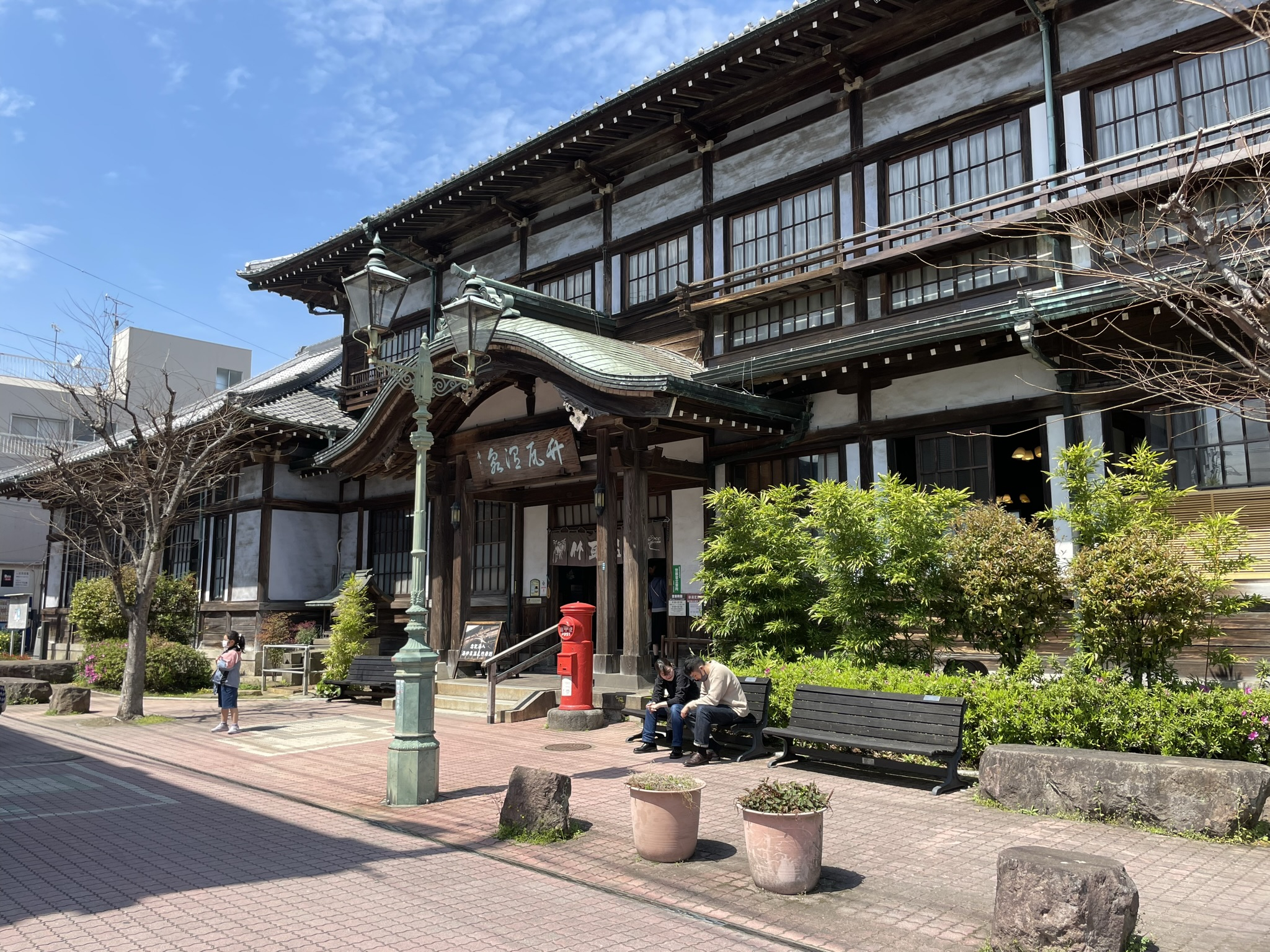 Waiting to check-in to the new accommodation we try out the famous public onsen, Takegawara: This is not a chic, boutique experience, this is a $2 entrance fee, no extra facilities dip in a historic building that is very impressive externally, but could do with a lick of paint etc inside. Still, very interesting and a definitive Beppu local thing, though the water temperature is at the very upper limit of our tolerance, maybe 107F?
We check in at the Nagomihonkan Ryokan, and find it’s a pleasant enough place, though we were worried by some of the reviews. Those fears turn out to be unfounded with one major exception, that is, the tatami flooring is, by far, the hardest we’ve ever experienced. Abby immediately doubles up on the futon, but I don’t pay attention and suffer the consequences as the first night’s “sleep”puts my back injury into overdrive. I didn’t notice until it was too late the next morning as we had a bit of a night out…. Wine bars, cocktail bars, naughty bars, Beppu has them all and we sample a couple, including a serious cocktail place.
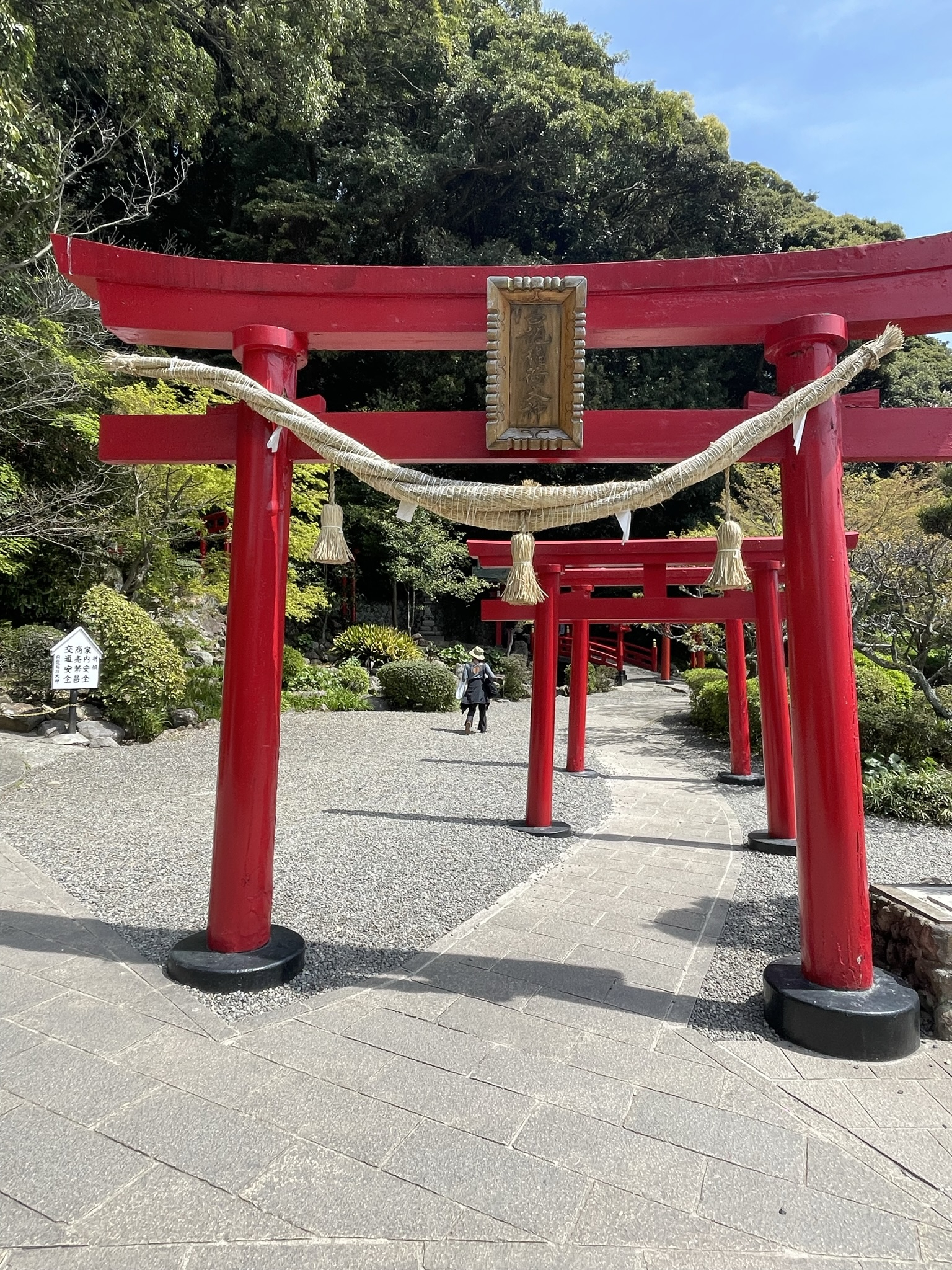
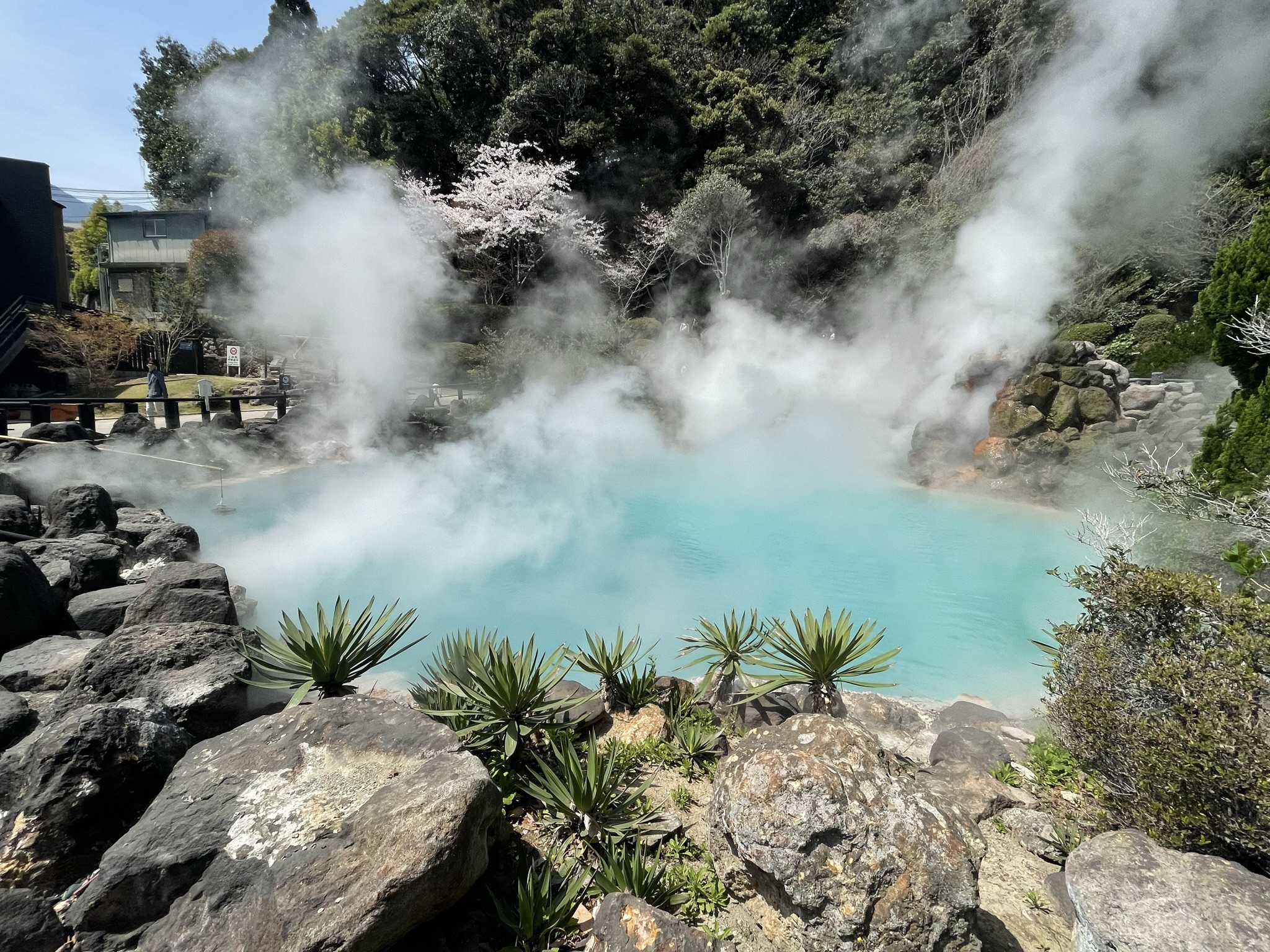
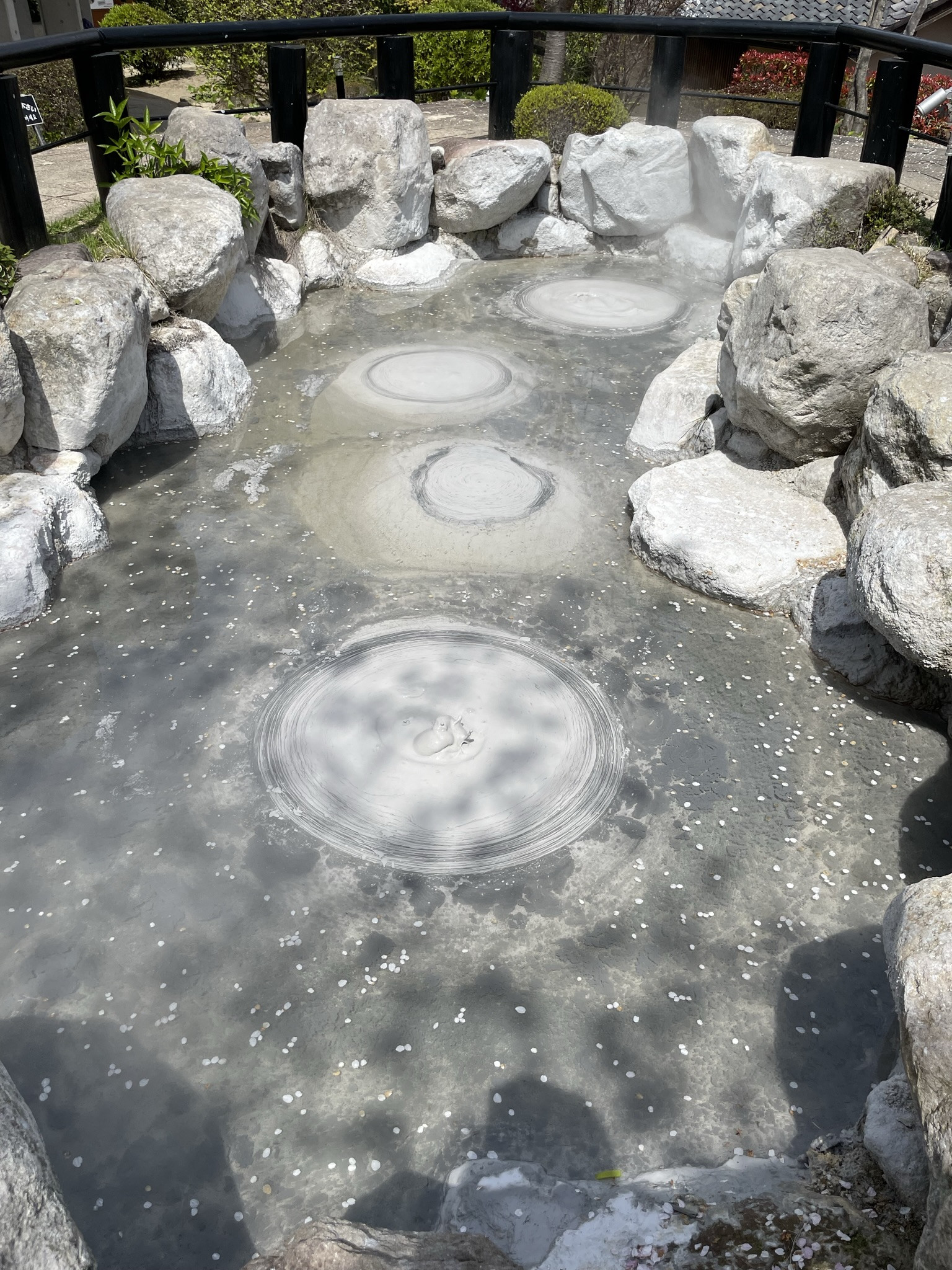
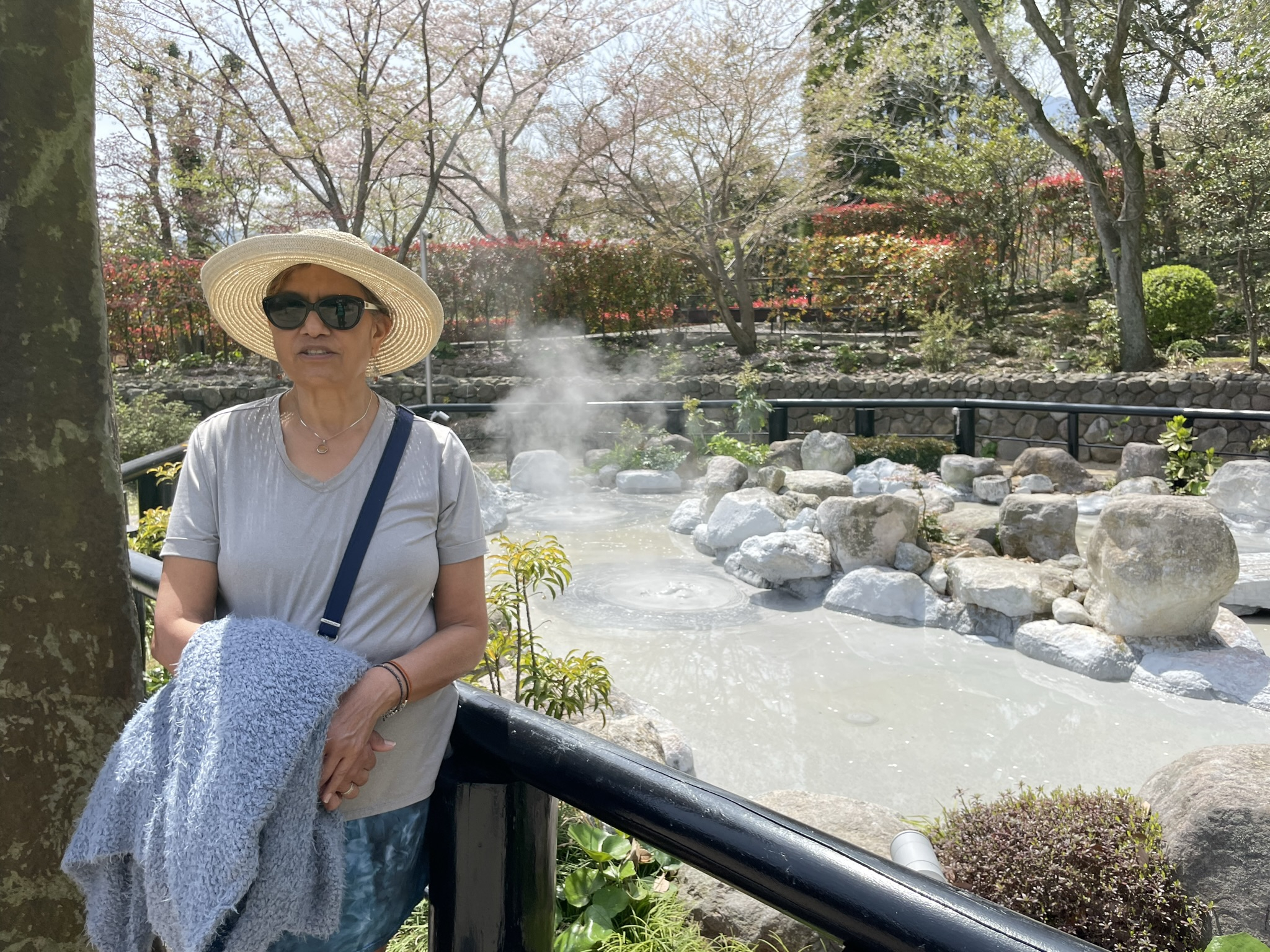
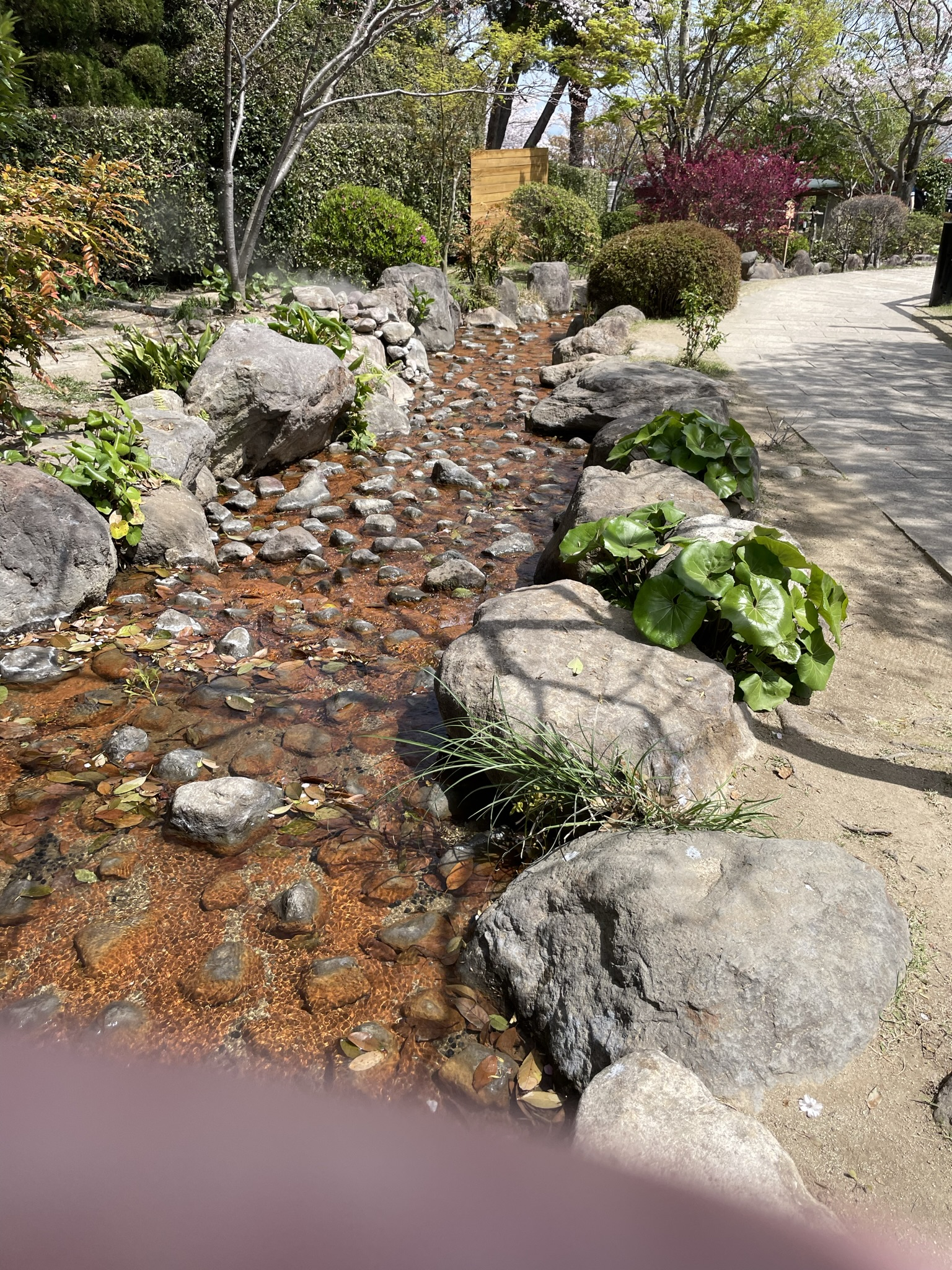
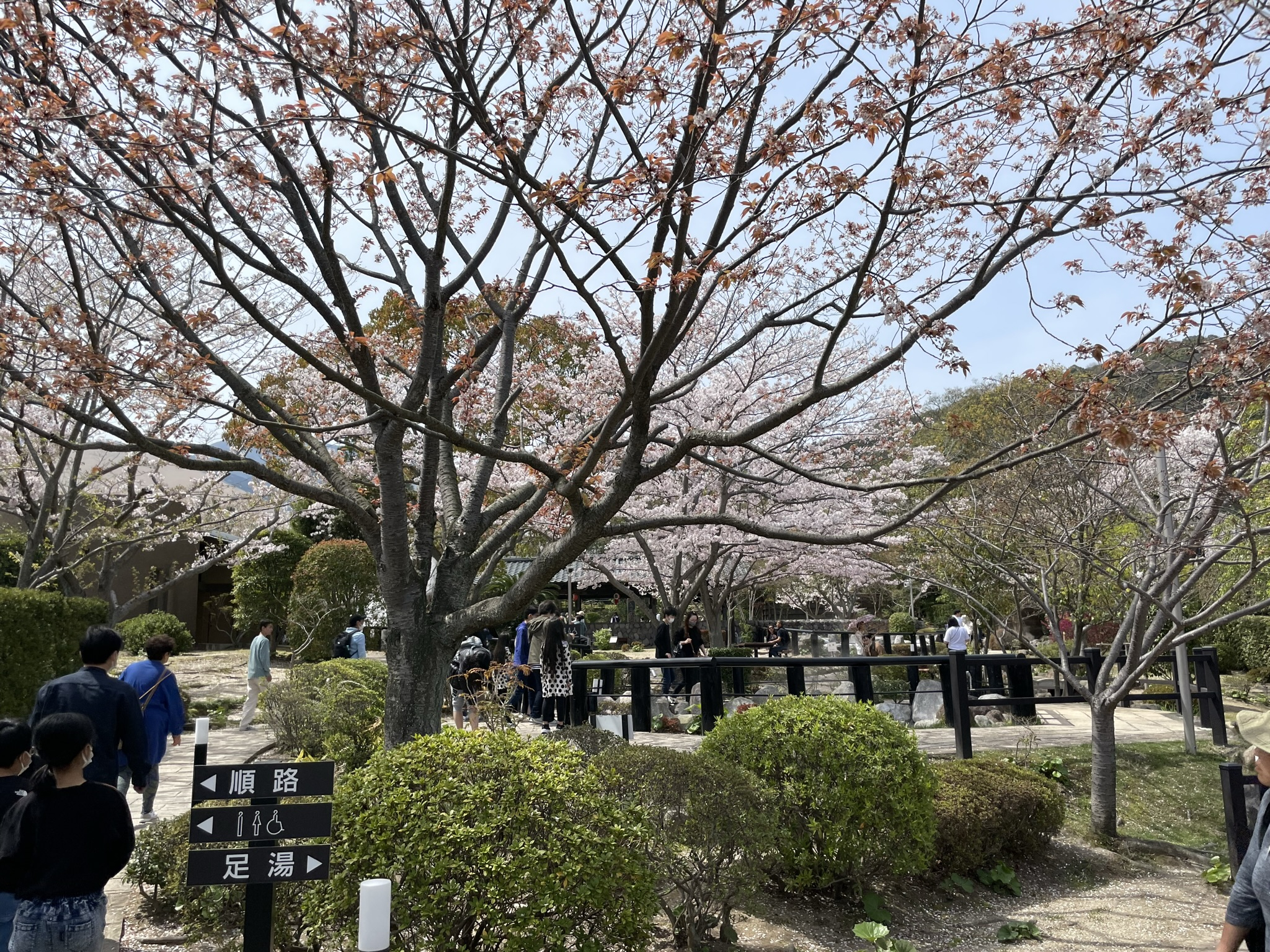
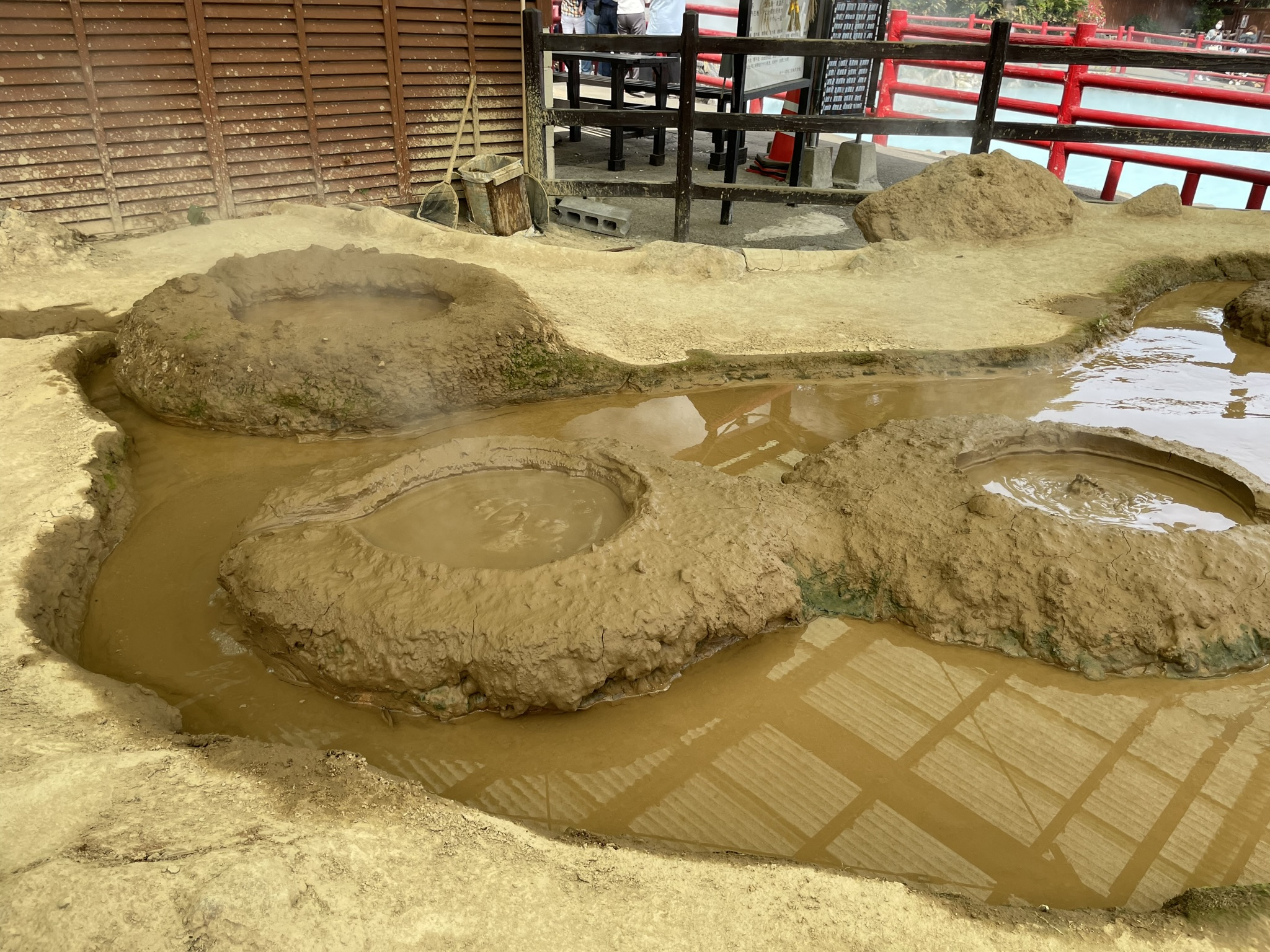
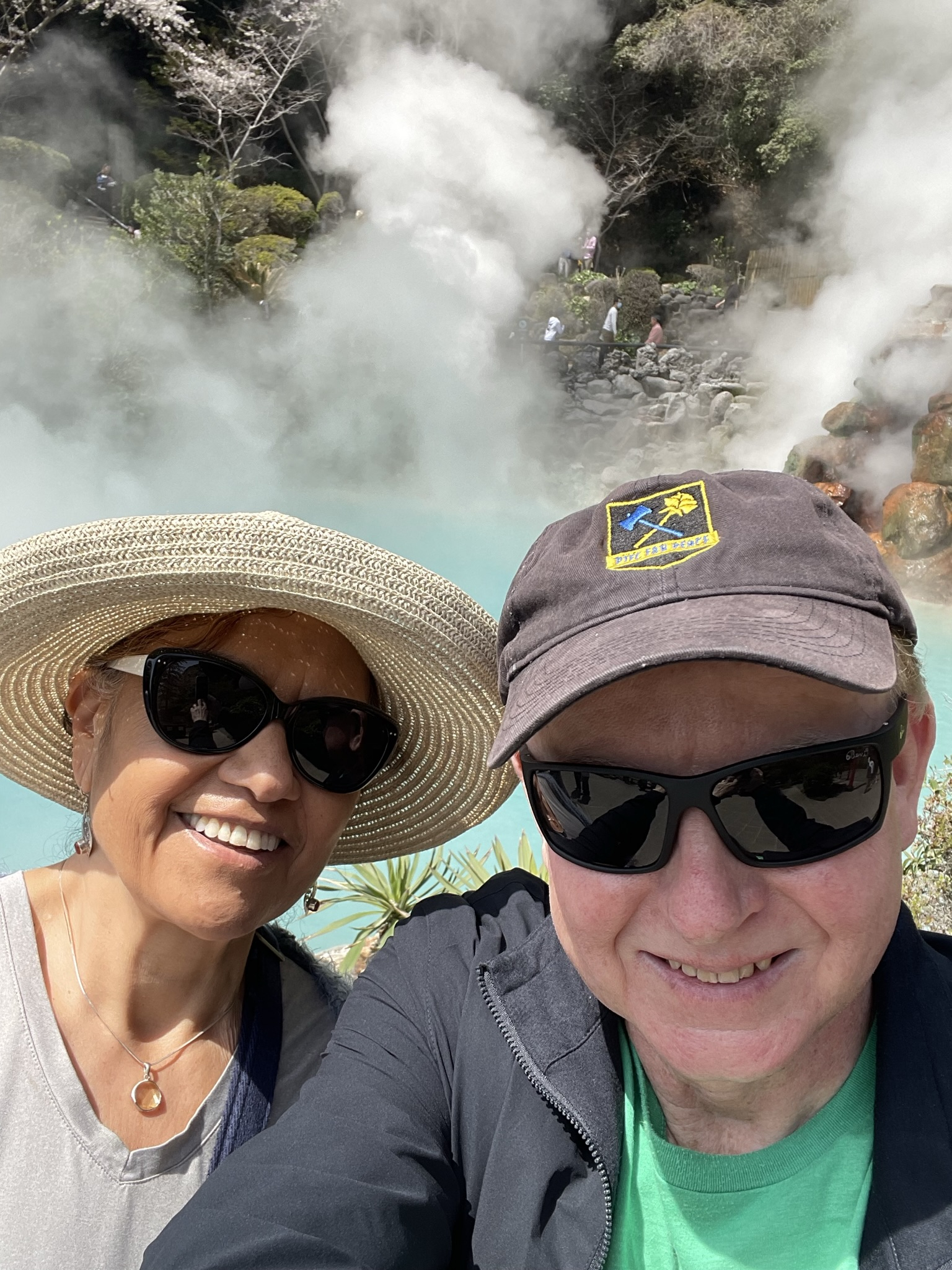 The next day is a full schedule as we have to tour the jigoku (hells), getting there by local, well organized buses on which you can tap on/off with an IC card like Suica. The IC cards are slick but, strangely, you have to go to a convenience store (combini) and give cash to the cashier to charge up your card. That’s Japan for you. Yeah, I know you can a charge up by machine in Tokyo, but we’re in the sticks here and we like it that way. First Jigoku up is Umi, and it’s big, blue and beautiful. This one is set in manicured gardens with a lake, steaming vents, bonus red pools and a pleasant foot bath. Right next door is Oniishibozu which specializes in boiling mud pools; it also has its own public onsen but we have an appointment for a private bath at 2pm to catch so we have to pass.
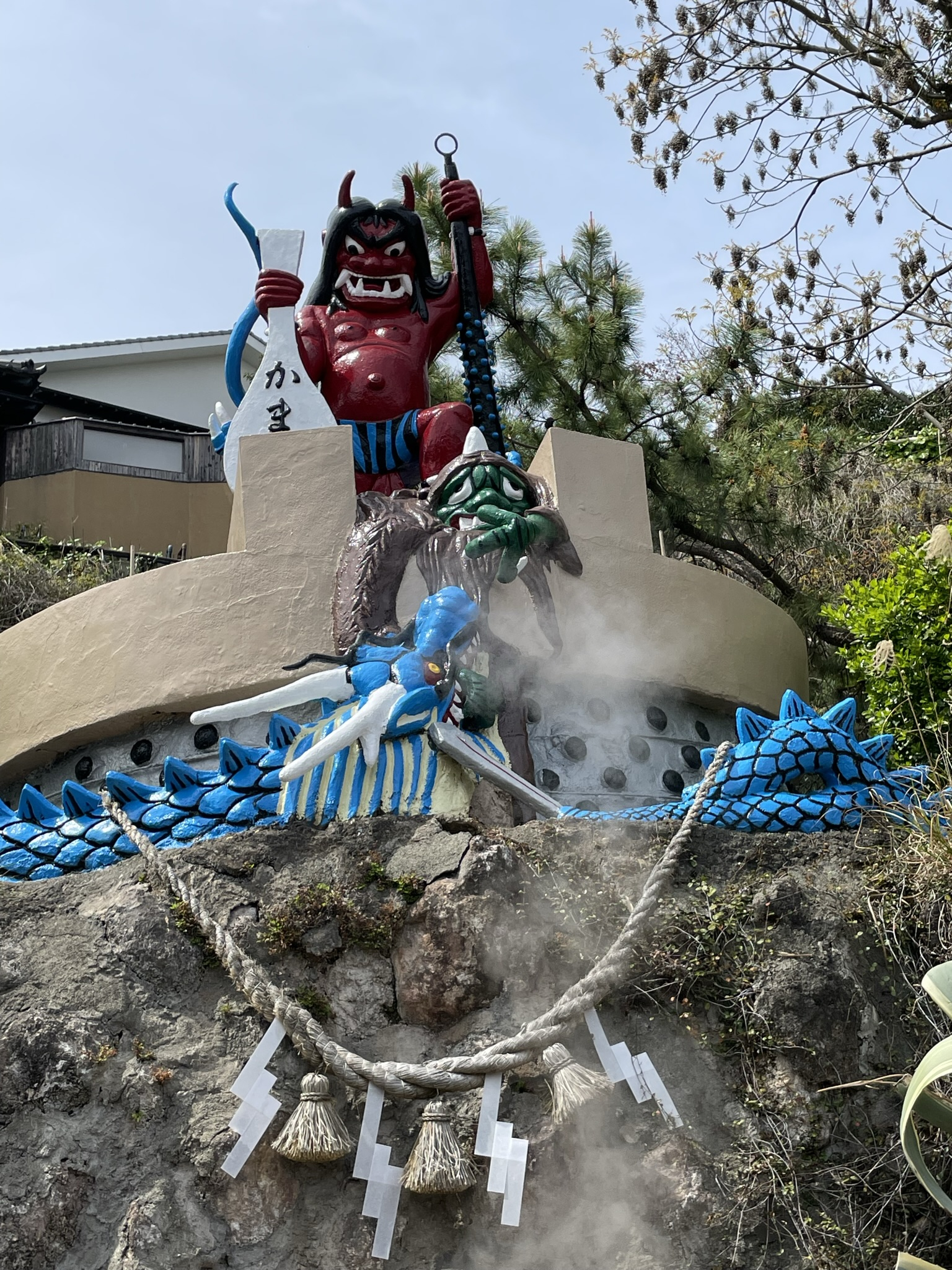
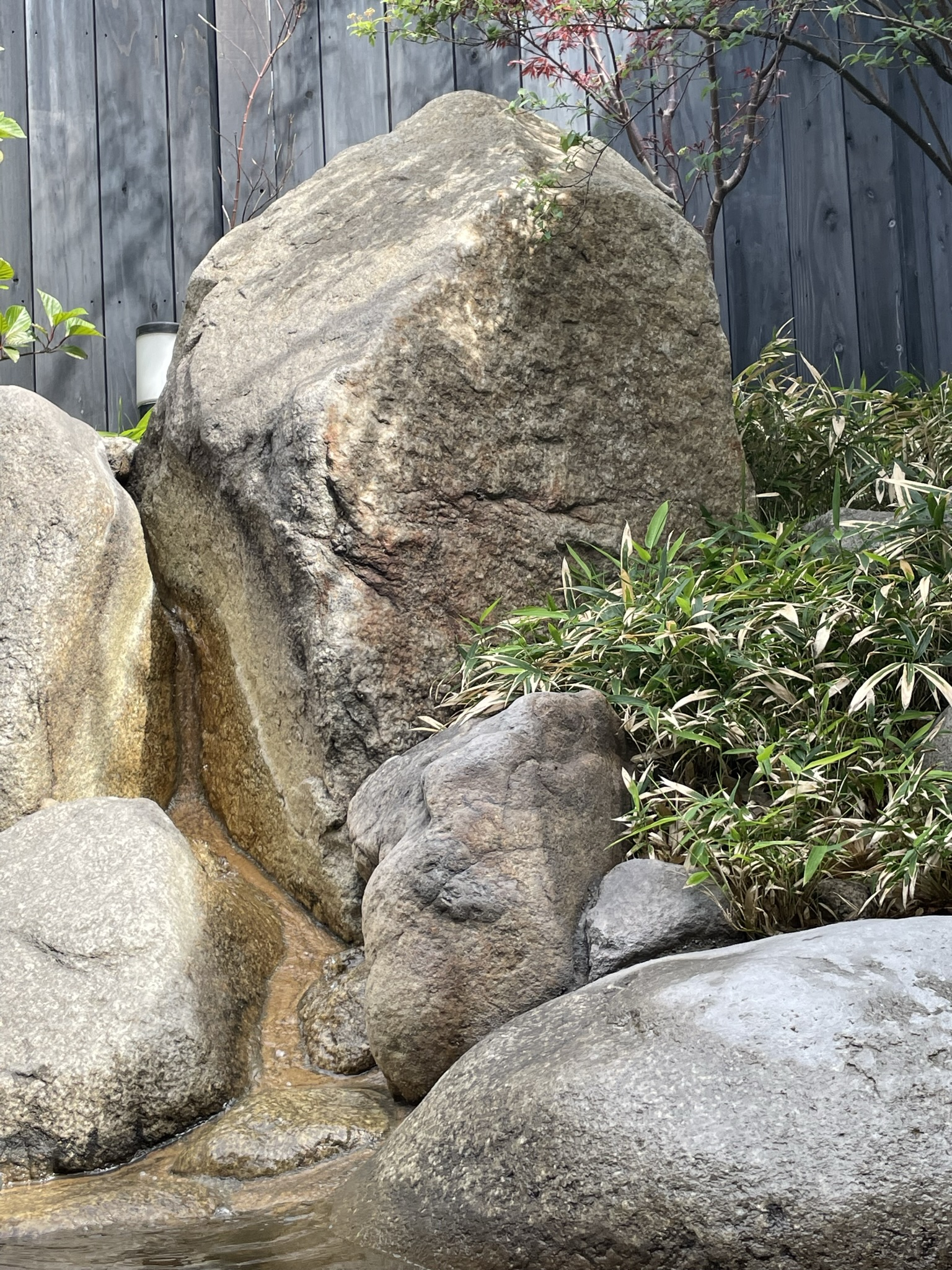
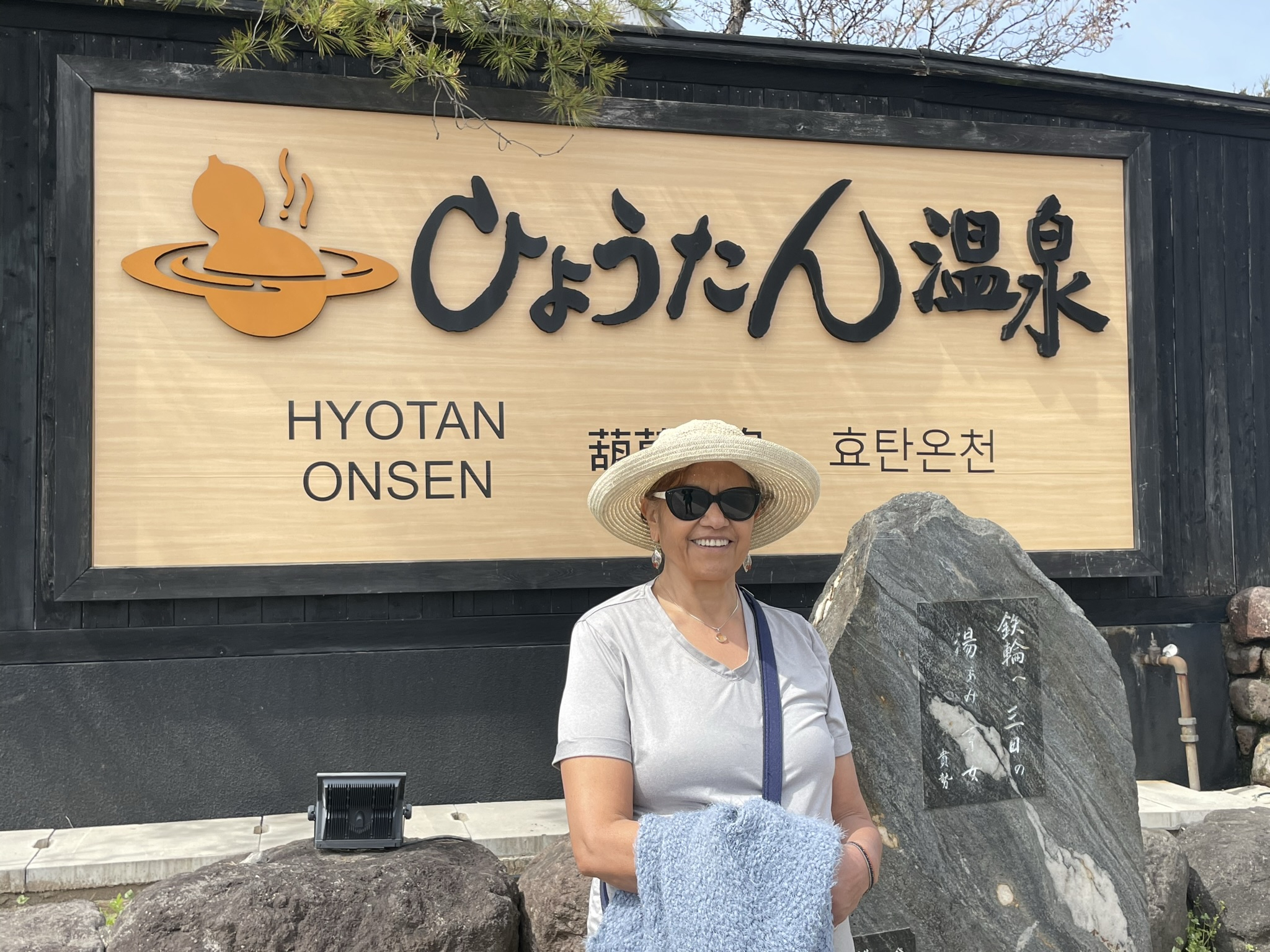
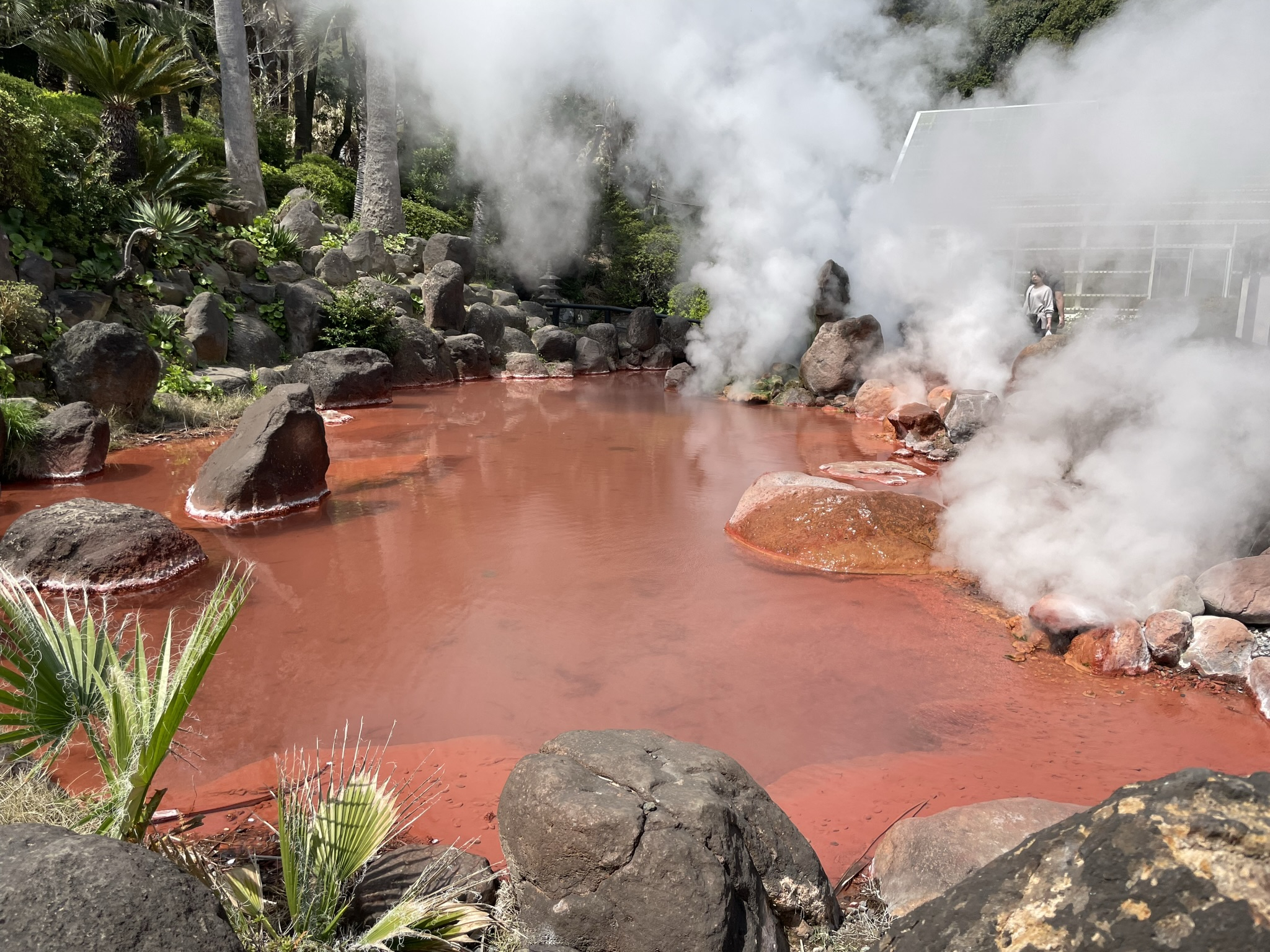 Before that, there’s a quick visit to Kamado Jigoku, cooking pot hell, with a flashy red demon starring and many manga, anime and TV references which go over our heads. The cheese factor is very high at Kamado, which can be a problem at Beppu’s hells, although it’s a Japanese Buddhist manga anime cheese which has its attractions for the western tourist interested in Japanese culture. Also, you can cook food using hot spring steam, and the locals are all over that though, to be honest, the results look plain and less than appetizing. Still, the whole shtick can be a bit much, so we escape to Hyotan Onsen down the hill for a private hour in our own onsen. We rent a rustic cabin with a compact outside spacesthat has a fake, “natural” rock pool that you fill yourself with your preferred ratio of hot and cold spring water.
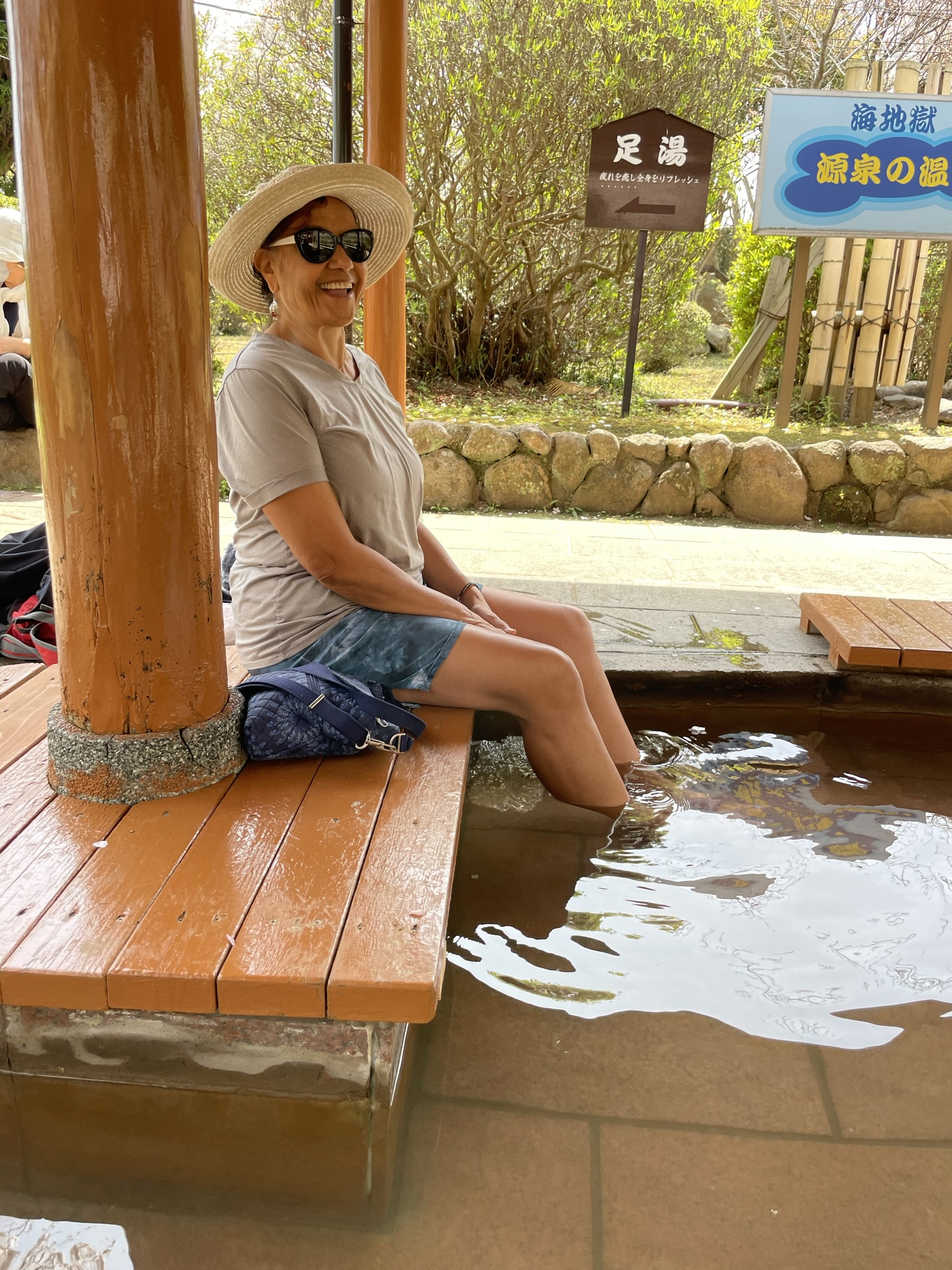 Very relaxing, but it must be said that an hour in one of these may leave you fit for nothing but staring at the ceiling on your back for the next few hours. Given our wet noodle status, we cut out of the jigokus early and rest up to have another go at Beppu’s nightlife in the evening.
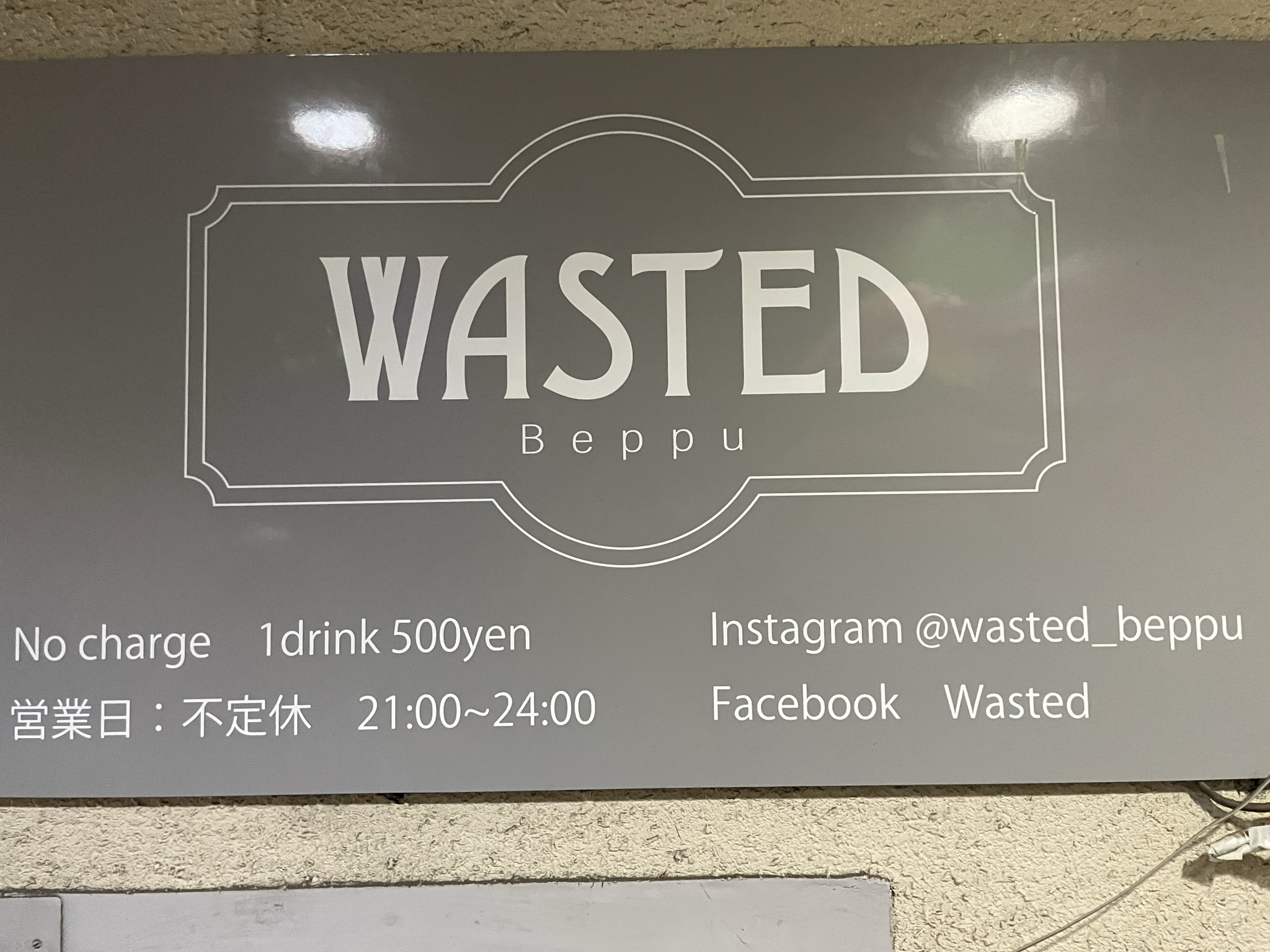
Speaking of which, Beppu also has music bars and those are, not necessarily, live music places, but bars where music, curated on vinyl of course, is a focal point for the customers. One big plus for older music freaks such as ourselves is that the music bars, typically ID’d as vinyl or listening bars here, often specialize in retro genres such as classic rock, singer-songwriters, metal, prog, reggae and soul. Often there’s an eccentric, by Japanese standards, geezer running the turntable and also tending the bar. A few drinks in, we take a chance on a “wine bar”with a French name that turns out to be a classic rock and prog drinking den.
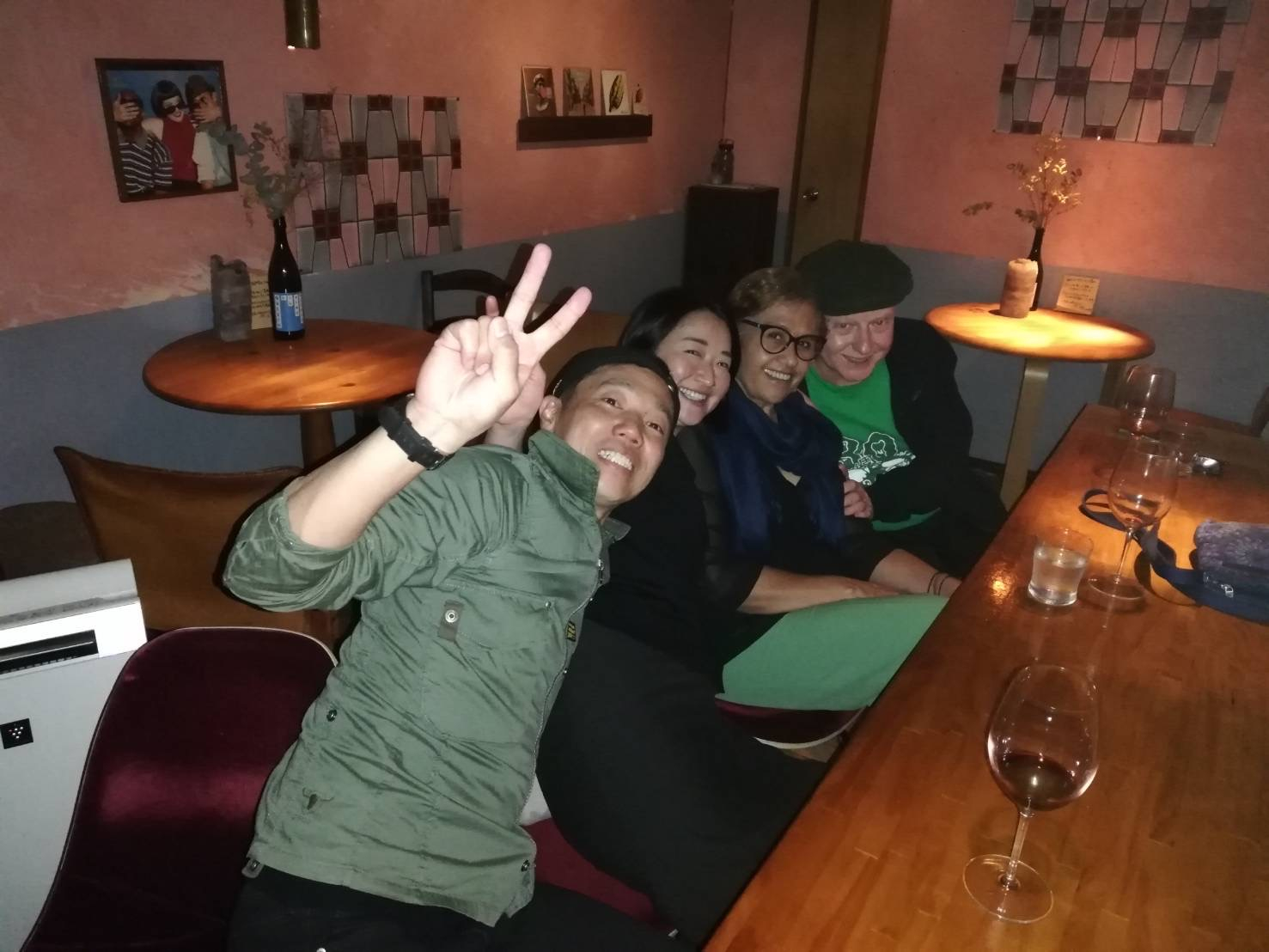
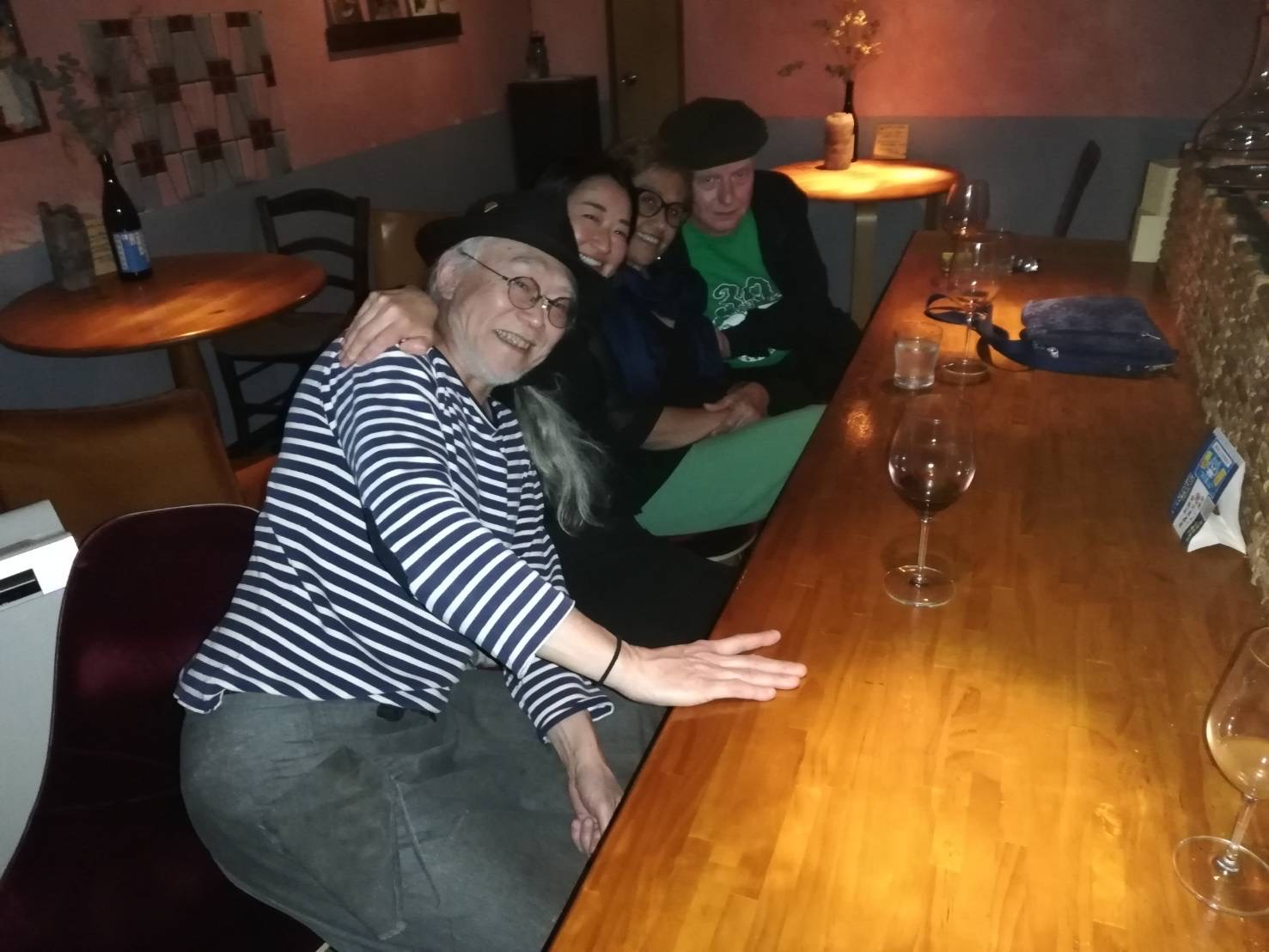 The place seats maybe 8, and we’re the only customers, but all is copacetic as the owner blasts through the deep cuts off “Goodbye Yellow Brick Road”. The wine pours are so-so in quantity and quality but the conversation goes swimmingly: “Conversation” meaning exchanges of bad English and bad Japanese held together by a common interest in music. Things heat up when the host shows me vinyl of Yes’ “Close to the Edge”, and Magma’s “Kohntarkosz”, the latter being a prime music snob classic. I spare Abby the latter, but we do sit through the entirety of “CTTE” with it blasting through the premium sound system. Niiiice! A young-ish couple shows up, are somewhat amazed and delighted to see foreigners, and they join in the chat. The woman spent 2 or 3 years in a rural Tennessee high school, which is a hard thing to respond to as I think it must have been tough for her as an Asian foreigner with limited English.
 This bar was not their first stop of the evening, nor ours, so the conviviality is well fueled and ends with the obligatory group photos. These little music bars survive on a shoestring, so don’t expect a cheap drink, there’s usually a modest cover charge and no itemized bill. Your liability usually shows up on a tiny piece of paper presented on a small tray and we’ve had a few shocks during our trips to Japan, nothing criminal but, on occasion, a bit surprising. Still, they have to pay the rent somehow and, if you don’t like the bill, you don’t go back to that place again.
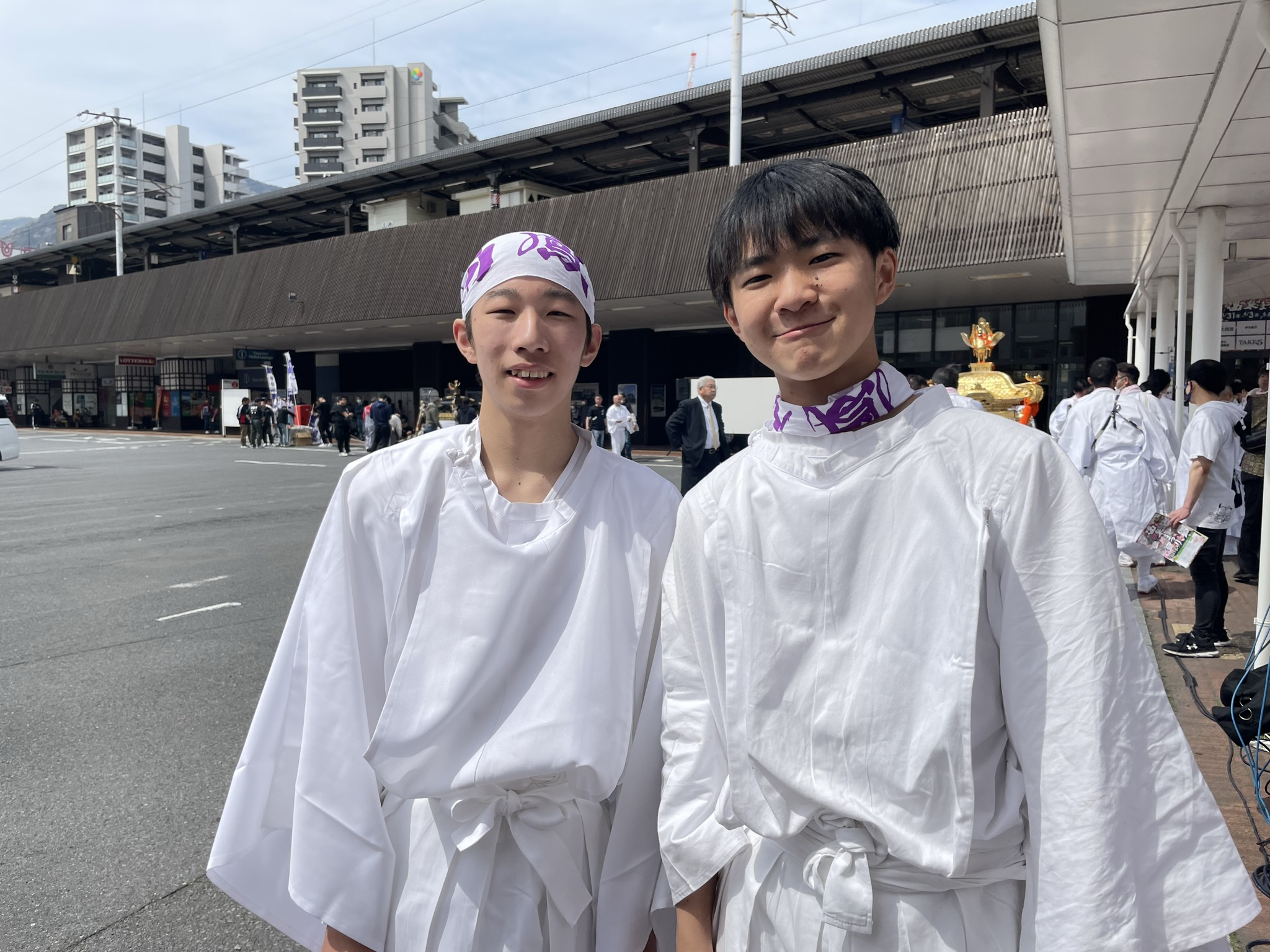
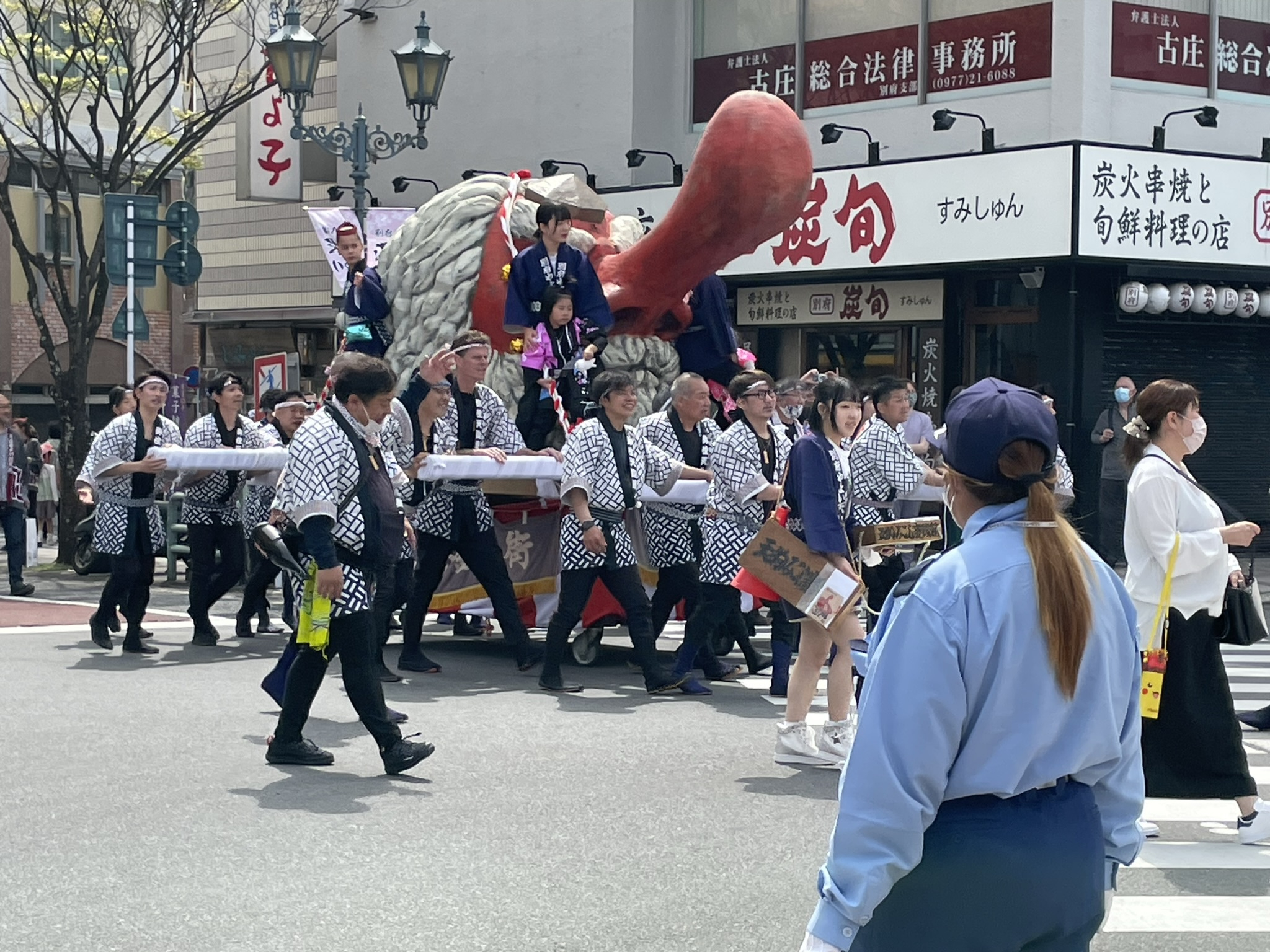
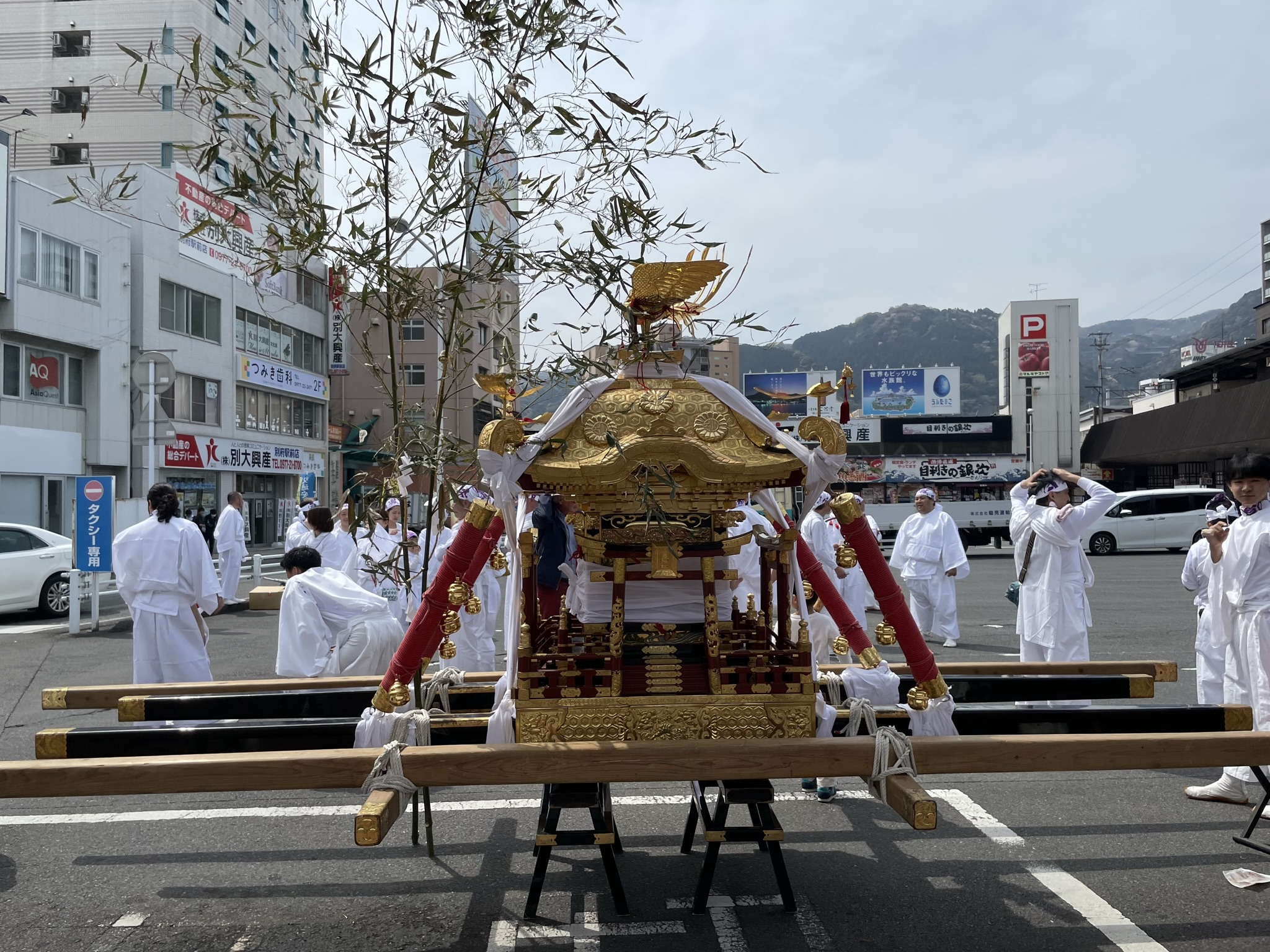
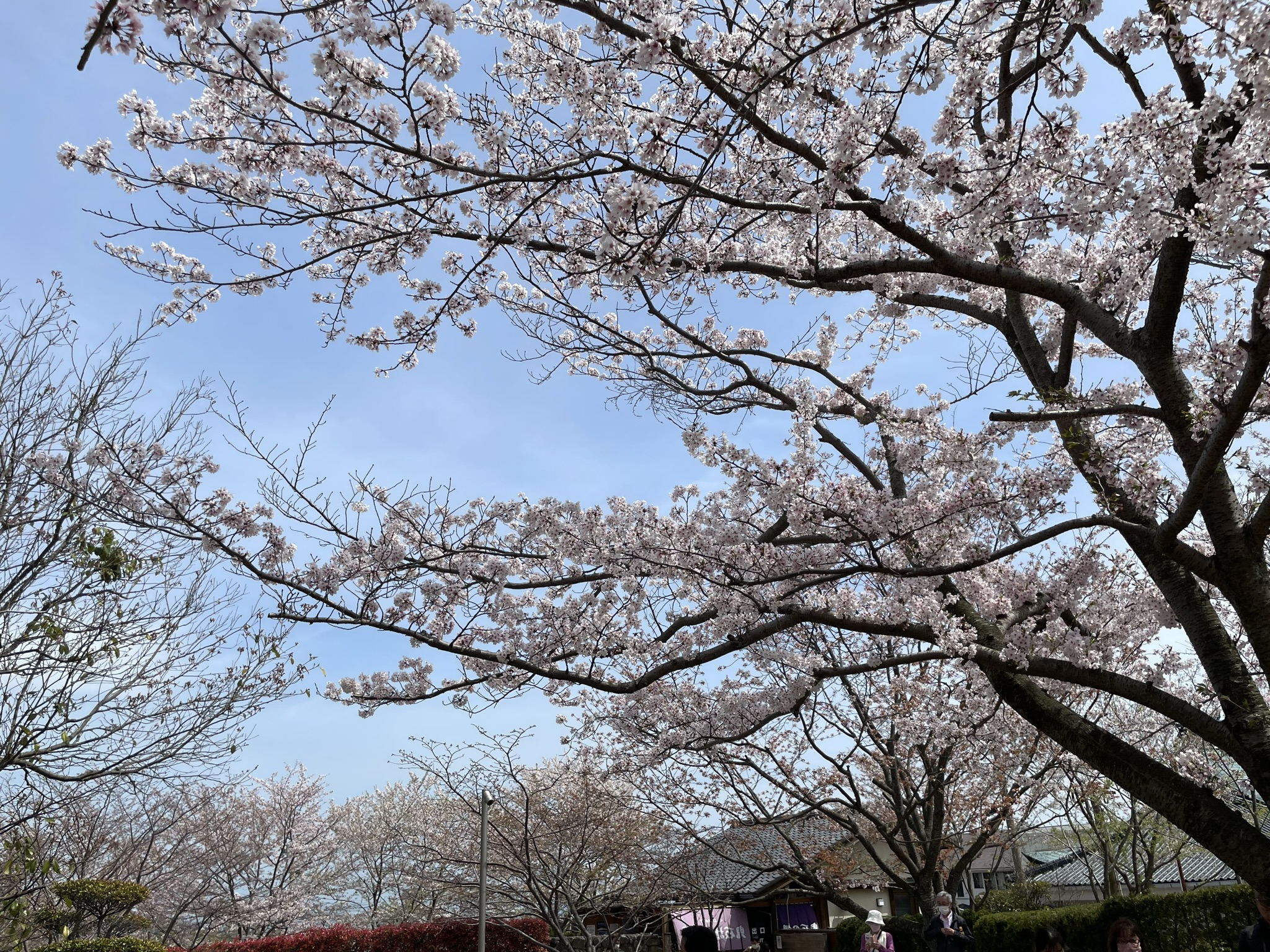
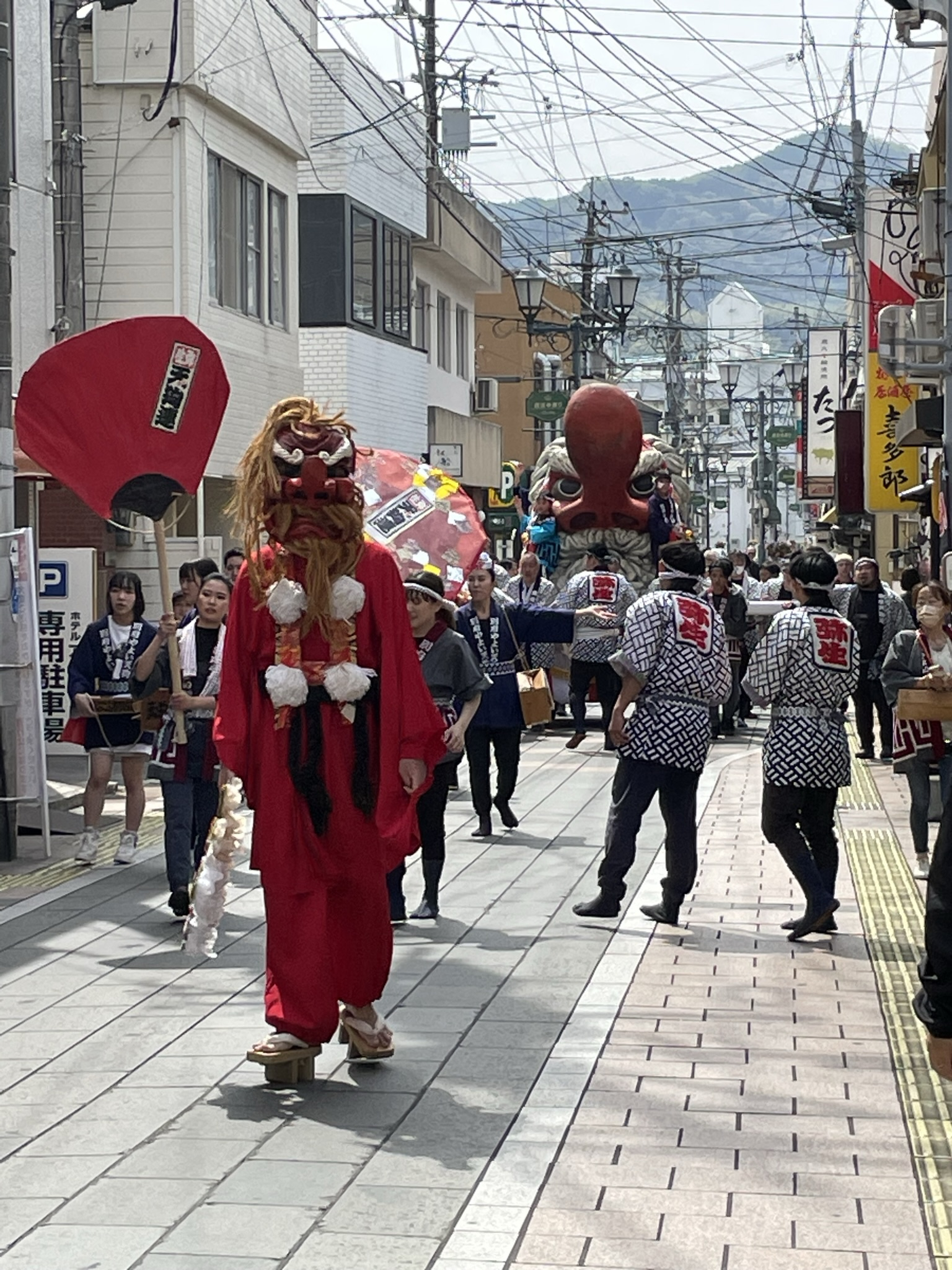 For better or worse, we only planned three nights in Beppu and its time to head out on Sunday morning. Worse because we’ve had a good time there and could have stayed longer, and better because there’s been too much partying and we need to take things easy for a while. As we head out to the train station, the Spring festival is just getting started and we’re almost assimilated by the parade, looks like the locals are going to have it large again today. Maybe we’ll be back someday when I’m not almost paralyzed by a deteriorating back condition! Onto Kagoshima at the Southern tip of Kyushu Island.




Leave a Reply